Pearly Gates: How a 1936 Packard Bought Billy Gibbons the Most Famous 1959 Les Paul in Rock
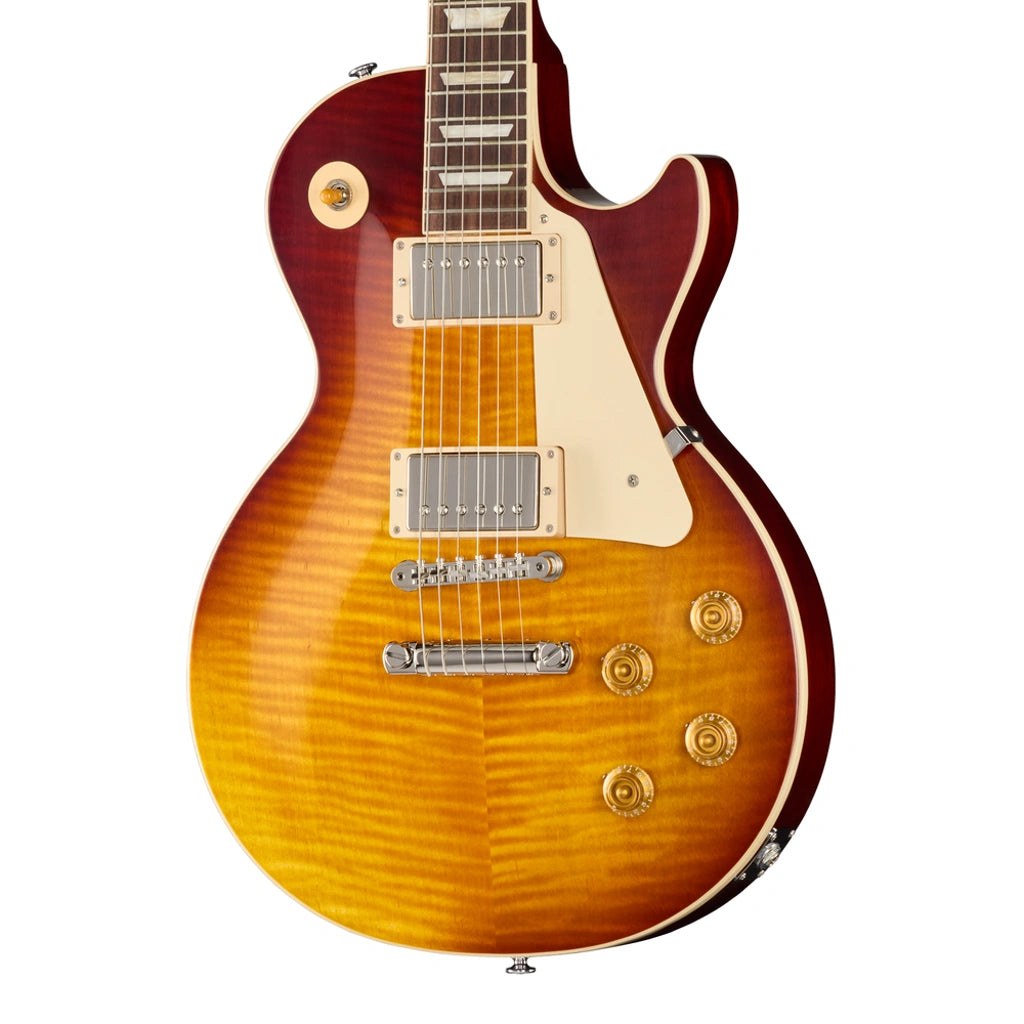
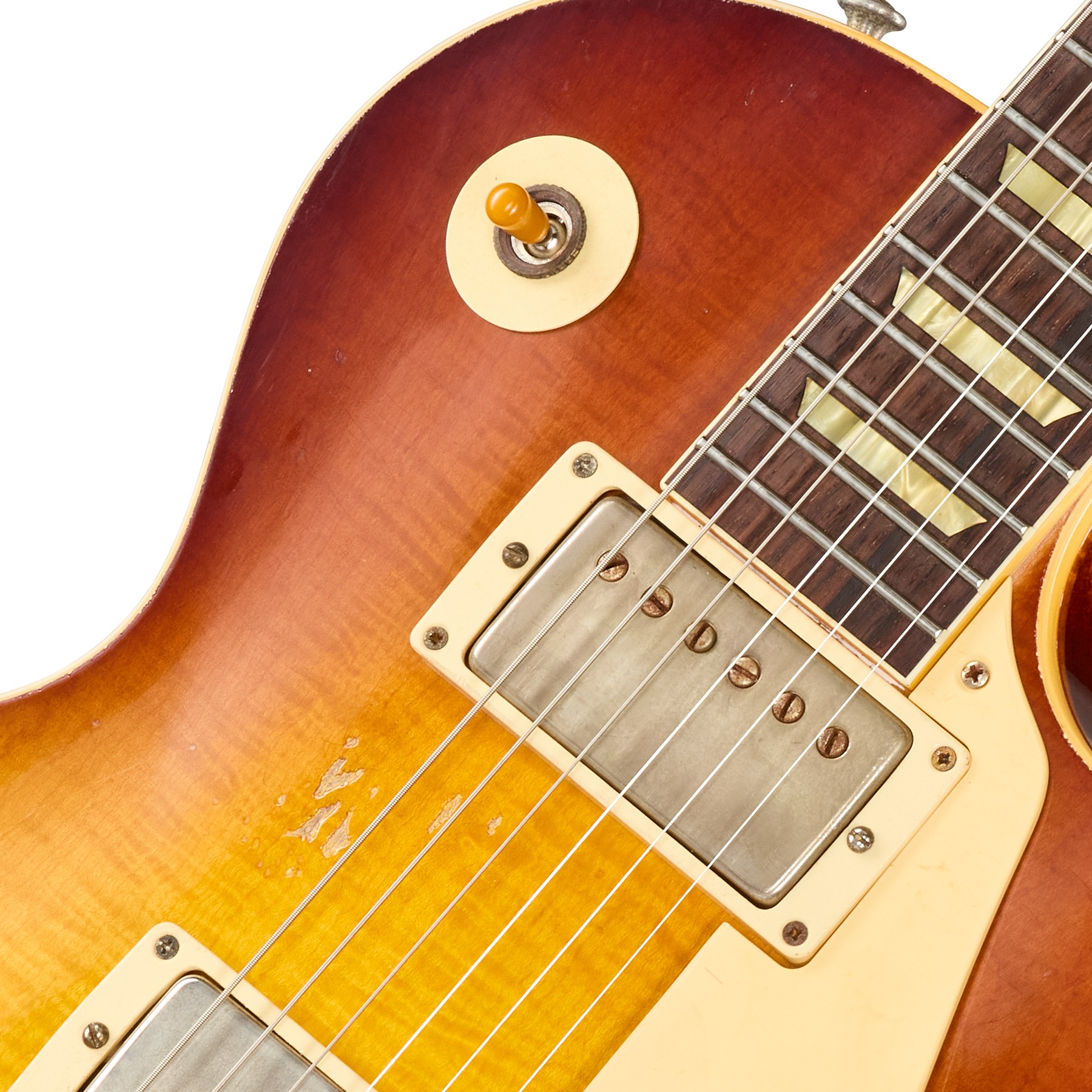
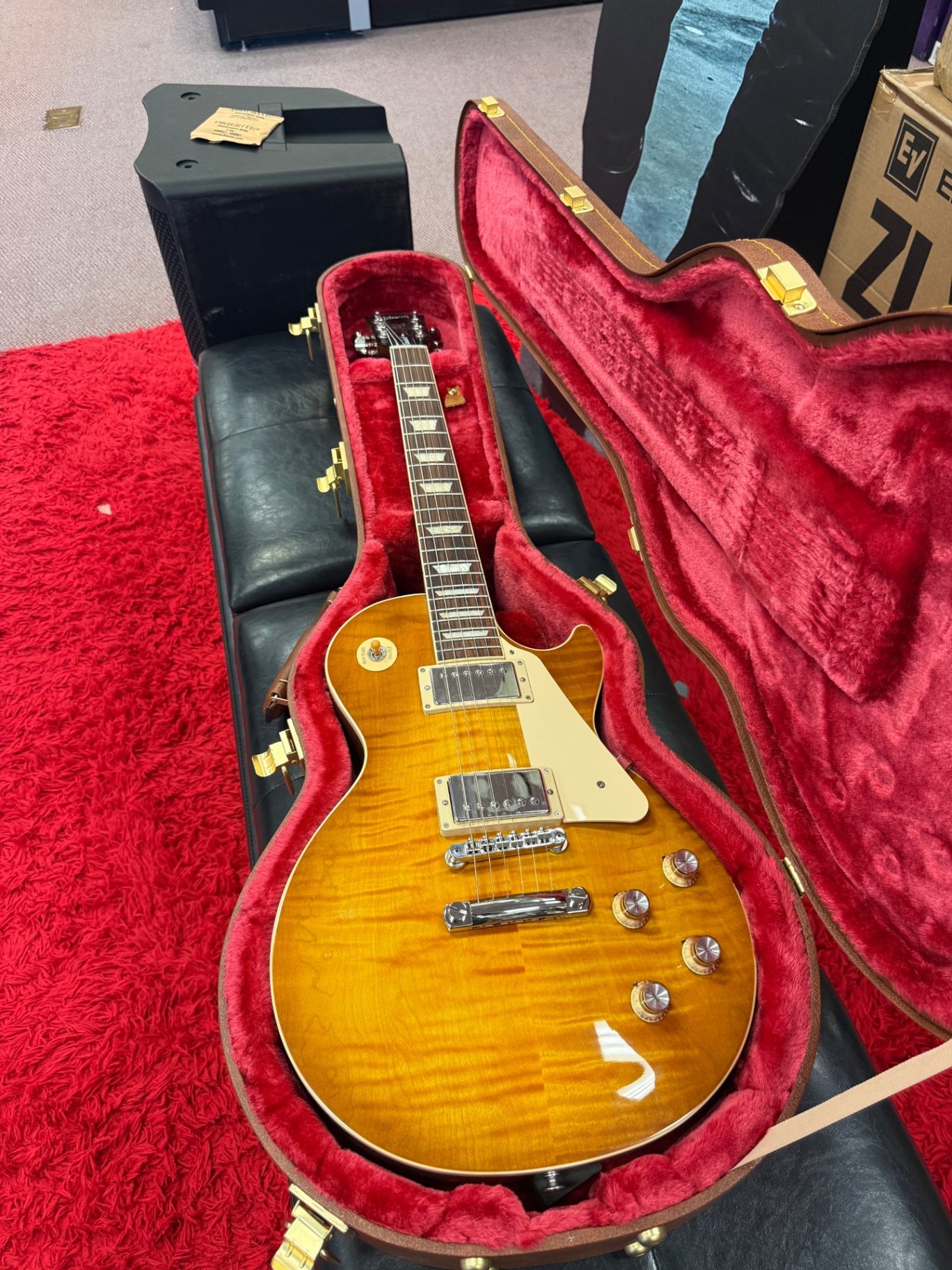
The new Billy Gibbons "Pearly Gates" Les Paul Standard in Slow Iced Tea Fade.
Photo: Gibson product image, via World of Music (Australia).
A $250 share of a 1936 Packard bought Billy Gibbons a near-mint 1959 Les Paul Standard. The history of Pearly Gates, its pickups, Gibson's $39,999 clone and the new Pearly Gates Les Paul Standard.
Most legendary guitars have a story about a pawn shop, a lucky trade or a deal too good to be true. Pearly Gates has a story about a car.
In 1968, a young Billy Gibbons and some friends owned an old 1936 Packard. They lent it to a friend who wanted to be an actress and needed a way to get from Texas to Hollywood for an audition. Nobody expected the car to make it out of Texas. It did. She made it to Hollywood, and she got the part. The car must have had friends in high places, so they named it Pearly Gates. When she asked what to do with it, they told her to sell it. She wired the money home. Billy's share was $250, and he used it to buy a near-mint 1959 Gibson Les Paul Standard from a rancher near Houston. The name went with the money.
That's the version Gibson tells on its own website, and it's the version Gibbons has told for decades. This month there's a new reason to tell it again. Gibson has announced a Billy Gibbons "Pearly Gates" Les Paul Standard, a regular-production tribute to the guitar, with Gibbons-spec pickups and a Slow Iced Tea Fade finish. It follows the 30-piece, $39,999 Gibson Custom Collector's Edition that Gibson put on sale in September, which we covered at the time.
This piece isn't about either new guitar, at least not mostly. It's about the original: why a 1959 Les Paul mattered so much, how this one became ZZ Top's sound, and what Gibson says it copied when it set out to build one you can actually buy.
The Guitar Nobody Wanted
It's hard to believe now, but the sunburst Les Paul Standard was a commercial flop.
Gibson introduced the Les Paul in 1952 as a gold-finished solid body, named after the most famous guitarist in America. Over the next few years it changed. In 1957 it got Seth Lover's new humbucking pickups, designed to cancel the hum that plagued single-coil pickups. Because the patent hadn't been granted yet, the pickups carried a sticker that read "Patent Applied For." Guitarists still call them PAFs. For more on what makes those pickups special, read our guide to Gibson's 1957–1960 PAF reissue sets.
In 1958 Gibson replaced the gold top with a cherry sunburst finish over a maple top. That's the guitar collectors now call a "Burst." It was made from 1958 to 1960. Sales were slow. By 1961, Gibson had replaced it with the thinner, double-cutaway design that became the SG.
That would have been the end of the story if not for the players who discovered the Bursts in the mid-1960s. British blues players in particular found that a Les Paul with PAFs, played through a loud amp, made a thick, singing sound nothing else could match. As more players chased that sound, the old Les Pauls became valuable, and Gibson put the Les Paul back into production in 1968.
That's the same year Billy Gibbons bought his.
Billy Before ZZ Top
In 1968, Gibbons was still in his teens and playing in a Houston psychedelic band called the Moving Sidewalks. He already loved the blues, and he'd already played on bigger stages than most kids his age. A year later he started ZZ Top, which soon settled into the lineup of Gibbons, bassist Dusty Hill and drummer Frank Beard that would last more than 50 years.
When he bought Pearly Gates, a 1959 Les Paul wasn't a museum piece yet. It was an old guitar that some serious players knew sounded great. Gibson's account says it was "near-mint," which means the rancher hadn't used it much. That's part of what makes it special today. Many Bursts were refinished, modified or worn out by decades of hard use. Pearly Gates was played hard too, but it started from an unusually good place.
The Car
The Packard part of the story is worth a moment, because it's the reason the guitar has a name instead of a serial number.
Packard was one of America's great luxury car makers in the 1930s. A 1936 model would have been more than 30 years old by 1968. That's old enough that nobody expected it to survive a cross-country drive. Gibson's version of the story says Gibbons and his friends "didn't think the car would make it out of Texas." When it not only got there but also helped its driver land the part, they decided the car must have "divine connections." Hence Pearly Gates, the entrance to heaven.
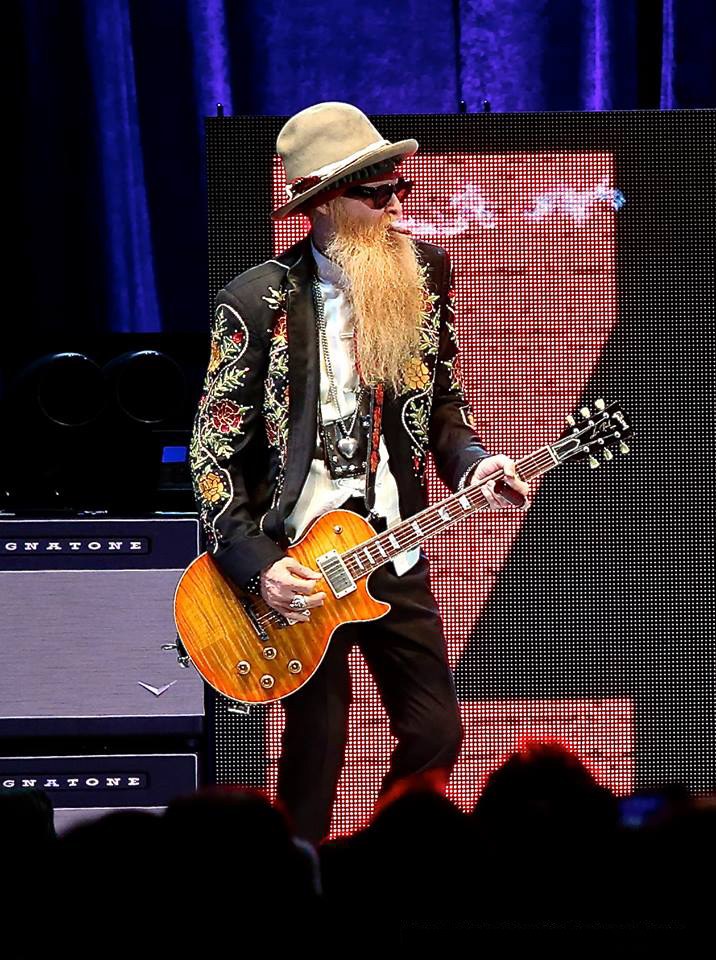
We don't know exactly which Packard model the band owned, and Gibson's story doesn't say. The car in our photo is a different 1936 Packard, shown only to give you an idea of what a car of that year looked like.
Why Pearly Gates Sounds Like ZZ Top
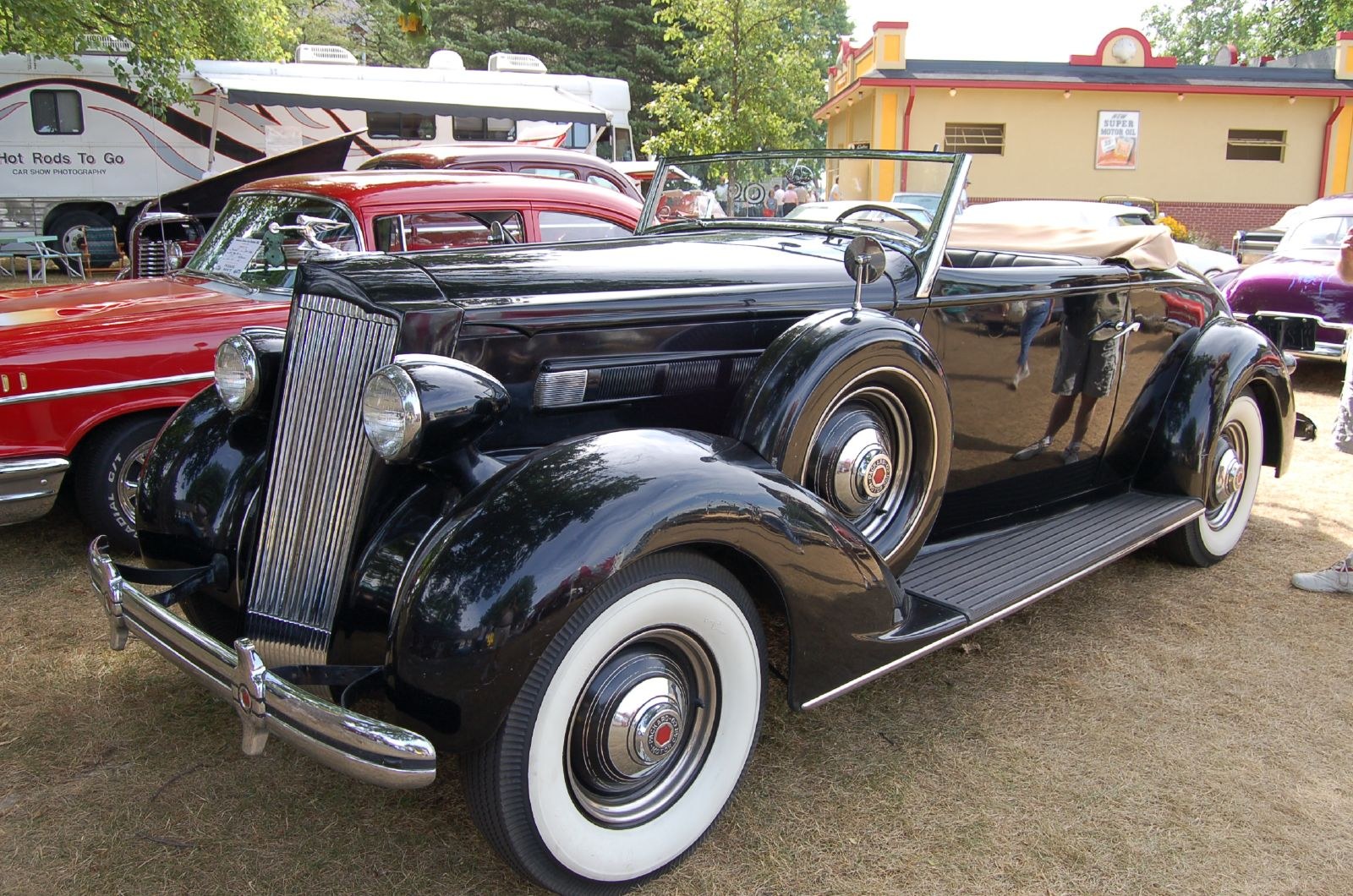
Gibson says Pearly Gates "has appeared on every ZZ Top album." Gibbons owns one of the most famous guitar collections in the world, but this is the guitar he keeps coming back to. Gibson's product copy calls it his "Holy Grail" and says he has never found another guitar to match its sound and feel.
So what makes it sound that way? A few things.
The pickups. Every PAF is a little different, because Gibson's winding process in the 1950s wasn't exact. Some came out hotter than others. Some had different magnets. The pickups in Pearly Gates are famous for their strong, clear voice. When Gibson built the Collector's Edition, Pickup Shop product manager Jared Brandon examined the originals in detail. Gibson says it used 3D scans and "scientific analysis" to recreate them, with an Alnico 3 magnet in the neck (rhythm) pickup and an Alnico 5 in the bridge (treble). That mismatched magnet pair is a big part of the guitar's character. Alnico 3 is softer and sweeter. Alnico 5 is stronger and brighter.
The guitar itself. Gibson describes the original as having a one-piece mahogany body with a two-piece figured maple top and a Brazilian rosewood fingerboard. That's the classic Les Paul recipe. Every vintage Les Paul is a little different, though, and Pearly Gates is clearly a good one.
The hands. This is the part no company can copy. Gibbons has spent decades shaping his sound with light touch, pick harmonics, wide vibrato and a habit of letting notes speak. Our Billy Gibbons profile and our look at the secrets of his Texas sound go deeper. And if you want proof that tone lives in the hands, our piece on Satriani, Vai, Gibbons and Brian May makes the case.
Put all of that together and you get the sound of records like "La Grange." We've written about that riff in two places: our History of the Riff: La Grange and our Tone Decoded: La Grange.
The $5 Million Guitar
Gibson says Gibbons "has famously turned down an offer of five million dollars" for Pearly Gates. We can't verify the details of that offer, but it's been part of the guitar's story for years. Either way, it tells you something. Pearly Gates isn't just valuable because it's a 1959 Les Paul. Lots of those exist. It's valuable because of what it has done and who has played it.
It also tells you that the guitar isn't for sale. That's why every Pearly Gates replica exists. If you can't buy the original, the next best thing is a guitar built to sound and look like it.
A Short History of Pearly Gates Copies
Gibson has been building versions of Pearly Gates for years. Mixdown's report on the new Standard notes that Gibson's Custom Shop built replicas before, including a VOS model in 2009. Other companies have paid tribute too. Seymour Duncan's long-running Pearly Gates humbucker is one of its best-known pickups.
The two current Gibson models sit at opposite ends of the price range.
The Collector's Edition. In September 2026, Gibson Custom announced the Billy Gibbons "Pearly Gates" 1959 Les Paul Standard Collector's Edition. Gibson's own description calls it "a virtual clone" of the original. It's limited to 30 pieces, priced at $39,999 on Gibson's site, aged by the Murphy Lab to match the guitar's current condition, and signed by Gibbons. It has a lightweight one-piece mahogany body, a Brazilian rosewood fingerboard, Kluson Deluxe tuners and those recreated PAFs.
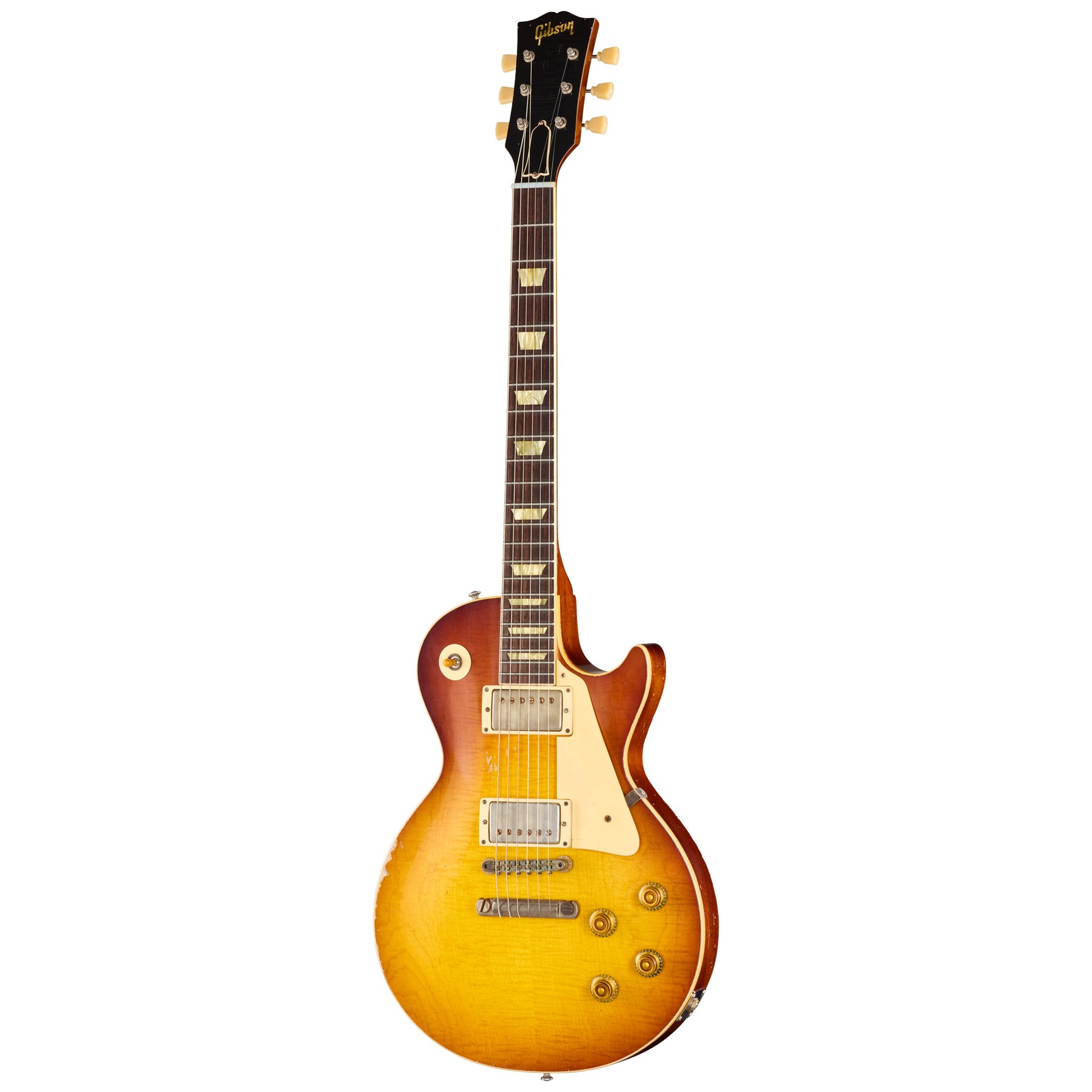
The new Les Paul Standard. The new model takes the same idea to a much more affordable level. It isn't a clone, and Gibson doesn't claim it is. According to the specs published by Gibson's Australian distributor and dealers, and reported by Mixdown, it has:
- A mahogany body without weight relief, with a AAA figured maple top
- A mahogany neck with a 50s Vintage profile
- A bound rosewood fingerboard with 22 medium jumbo frets, acrylic trapezoid inlays and a 12-inch radius
- A 24.75-inch scale and a Graph Tech nut
- Gibbons-spec humbuckers with plain enamel wire, an Alnico 3 magnet in the neck and an Alnico 5 in the bridge
- A hand-wired 50s-style circuit with 500k audio-taper pots and Orange Drop capacitors
- An ABR-1 bridge and aluminum stop bar, with strings wrapped over the stop bar the way Gibbons sets up his own guitars
- Historic-style Gibson Deluxe tuners with keystone buttons
- Gold Top Hat knobs, cream plastics, a single-ply unbevelled pickguard and a blank switch washer
- A Slow Iced Tea Fade finish with a Korina Yellow base and Faded Cherry back and sides, in vintage gloss nitrocellulose lacquer
- A hardshell case
The headline detail is the pickup recipe. Alnico 3 in the neck and Alnico 5 in the bridge is the same combination Gibson describes for the Collector's Edition's recreated PAFs. That's the closest thing the cheaper guitar has to the original's DNA.
The wrap-over stop bar is a nice touch too. Mixdown reports that each guitar leaves the Nashville factory strung that way. It slightly changes the feel of the strings and the angle at the bridge. It's how Gibbons strings his own guitars, and you can always change it.
What It Costs, and What We Don't Know Yet
Here's where we have to be careful.
As of November 11, 2026, we couldn't find a US product page or US price for the new Pearly Gates Les Paul Standard on Gibson's website. We won't print a US price we can't confirm.
In Australia the guitar has been announced with a recommended retail price of A$5,999, according to Australian Musician's report of November 11, 2026, which credits Gibson's Australian distributor, Australis Music Group. Australian dealer World of Music has a listing at that price. Mixdown says the guitar is due in Australia in late December 2026.
Don't convert that to US dollars and assume that's the US price. Prices in different countries often differ for reasons that have nothing to do with exchange rates. We'll update this story when Gibson publishes a US price.
Should You Wait for One?
If you love ZZ Top and want a Les Paul with a story, the new Standard is the most affordable official way into Pearly Gates. The pickup recipe, the wrap-over stop bar and the finish are all real links to the original.
But it's worth being clear about what you're buying. This is a Les Paul Standard with Gibbons-inspired specs, not a copy of a priceless 1959 guitar. It doesn't have a Brazilian rosewood fingerboard, Murphy Lab aging or a lightweight one-piece body. Those are the things that cost $39,999. And the body isn't weight-relieved, so expect a heavier guitar than many modern Les Pauls.
If you already own a good Les Paul, you could get some of the way with pickups. Look for a matched set with an Alnico 3 neck and an Alnico 5 bridge, and set your pickup heights carefully. If you've always wanted a Les Paul and ZZ Top is the reason, the new Standard may be the right one.
For a player's view of what it's like to finally own a Les Paul, read our essay on the Les Paul Standard I never thought I'd own.
The Bottom Line
Pearly Gates is one of the great stories in guitar history: a $250 share of the sale of an old Packard, a near-mint 1959 Les Paul from a Texas rancher, and more than 50 years of ZZ Top records. Gibson has now built two very different tributes. One is a 30-piece, $39,999 clone. The other is a Les Paul Standard that borrows the pickup recipe and the look, with an Australian price of A$5,999 and no US price published yet.
Neither one is the real thing. But both point back to the same truth. Pearly Gates sounds the way it does because a great guitar ended up in the hands of a player who never stopped learning from it.
Sources - Gibson, Billy Gibbons "Pearly Gates" 1959 Les Paul Standard Collector's Edition product page (story of the guitar, Collector's Edition specs, $39,999): https://www.gibson.com/products/gibson-custom-billy-gibbons-pearly-gates-1959-les-paul-standard-collectors-edition-pearly-burst - Australian Musician, "Gibson Billy Gibbons 'Pearly Gates' Les Paul Standard," November 11, 2026: https://australianmusician.com.au/gibson-billy-gibbins-pearly-gates-les-paul-standard/ - Mixdown, "Gibson launches the Billy Gibbons Pearly Gates Les Paul Standard": https://mixdownmag.com.au/news/gibson-launches-the-billy-gibbons-pearly-gates-les-paul-standard/ - World of Music (Australia), Gibson Billy Gibbons "Pearly Gates" Les Paul Standard listing: https://worldofmusic.com.au/products/gibson-billy-gibbons-pearly-gates-les-paul-standard-slow-iced-tea-fade - TGP: [Gibson Billy Gibbons Pearly Gates Collector's Edition](https://www.theguitarplugged.com/article/gibson-billy-gibbons-pearly-gates-1959-les-paul-collectors-edition)
Plugged Gear Co. may earn a commission from qualifying purchases.
Reader-supported
Keep Guitar Alive
Enjoyed this story? The Guitar Plugged is free to read and reader-supported. If it helped you play, listen or buy a little smarter, chip in to keep guitar journalism like this coming.
One-time contribution, processed securely by Stripe. Contributions are not tax-deductible.
Experience-driven coverage, not algorithm bait.
- 20+ years of guitar playing experience
- Real-world retail experience at Guitar Center
- Thousands of hours testing guitars, amps, and pedals
- A community of 50,000+ guitar enthusiasts across platforms
- Partnerships with Fender, DistroKid, TrueFire, Card Chords, and Enya
- Editorial standards published openly — see how we test gear
The Modern Guitar Magazine. Delivered to your inbox.
No spam. No gimmicks. Just great guitar content — stories, tones, iconic solos, and honest gear takes. Every week.
Ask GP
20 free questions a dayStill curious? Ask GP about this story.
Your personal classic-rock and guitar guide — ask anything about Pearly Gates.
Discussion (0)
Sign in to join the discussion.
Sign in to commentLoading comments…
Discover another guitar story
Swipe through our latest features, breaking news and iconic solos — one story at a time.
Open Swipe →More Guitar News
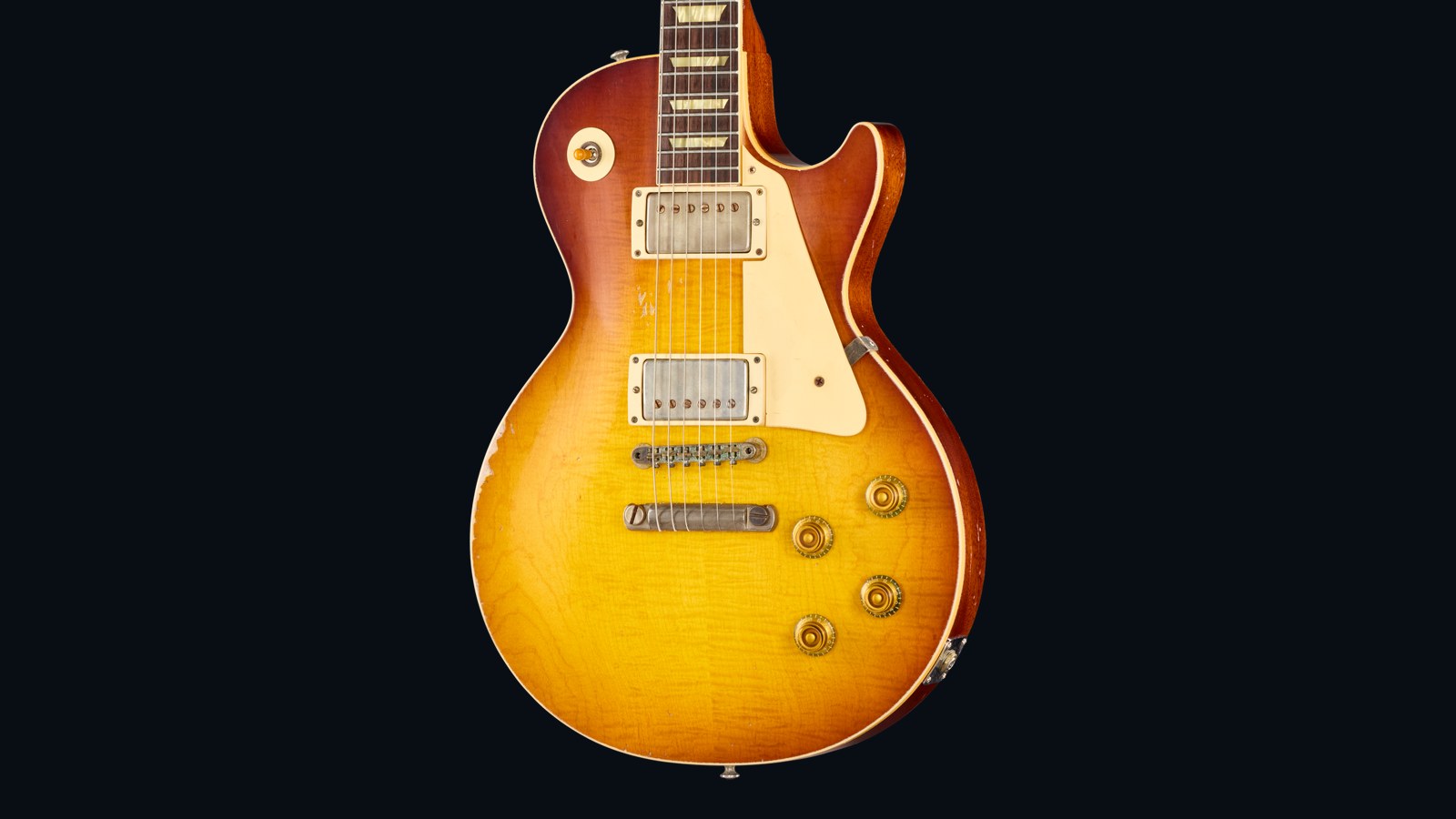
Gibson Just Recreated Billy Gibbons’ Legendary “Pearly Gates” Les Paul—But Only 30 People Can Buy One
Gibson Custom has recreated Billy Gibbons’ fabled 1959 Les Paul, Pearly Gates, in a 30-guitar Collector’s Edition—but owning one also means showing up for an unforgettable night with the ZZ Top legend himself.
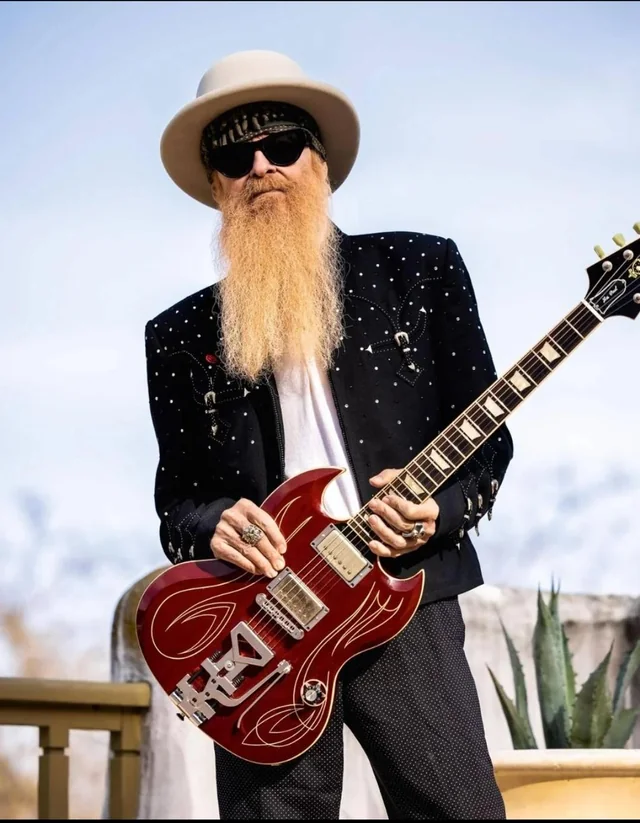
Billy Gibbons: The Bearded Blues Wizard Who Made Tone More Important Than Speed
As the driving force behind ZZ Top, Billy Gibbons proved that you don't need a thousand notes to create something unforgettable. Sometimes one perfectly placed note says everything.

History of the Riff: ZZ Top’s “La Grange” — The Texas Boogie Riff That Refused to Sit Still
There are riffs that impress you with complexity — and then there are riffs that make complexity irrelevant. Inside ZZ Top’s “La Grange” and the Texas boogie that guitarists still can’t get to sit just right.
Tone Decoded: Billy Gibbons’ “La Grange” — The Texas Tone That Sounds Dirtier Than It Really Is
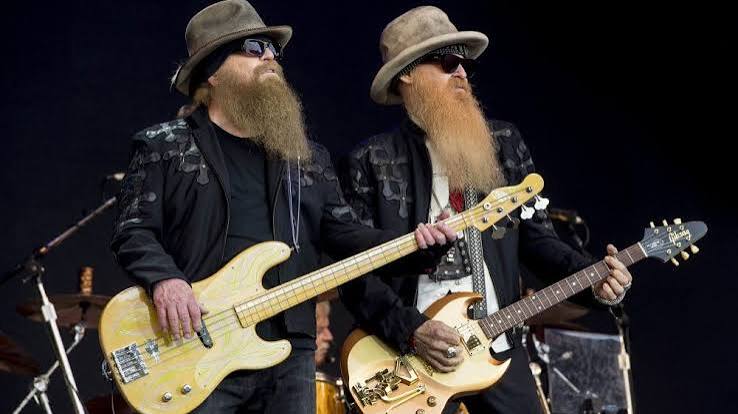
No fuzz pedal. No stack of distortion boxes. Just a 1955 Strat, Pearly Gates, a 1969 Marshall Super Lead, and Billy Gibbons’ hands. Here is how the dirtiest-sounding riff in Texas blues-rock actually works.
The Guitar I Never Thought I'd Own: After 20 Years of Playing, I Finally Bought a Les Paul Standard
Editor Patrick Lawlor reflects on why a lifelong super Strat player unexpectedly fell in love with Gibson's iconic single-cut.