
Even the Shred Gods Went DI: How Steve Vai and Joe Satriani Made The Sea of Emotion on Plugins
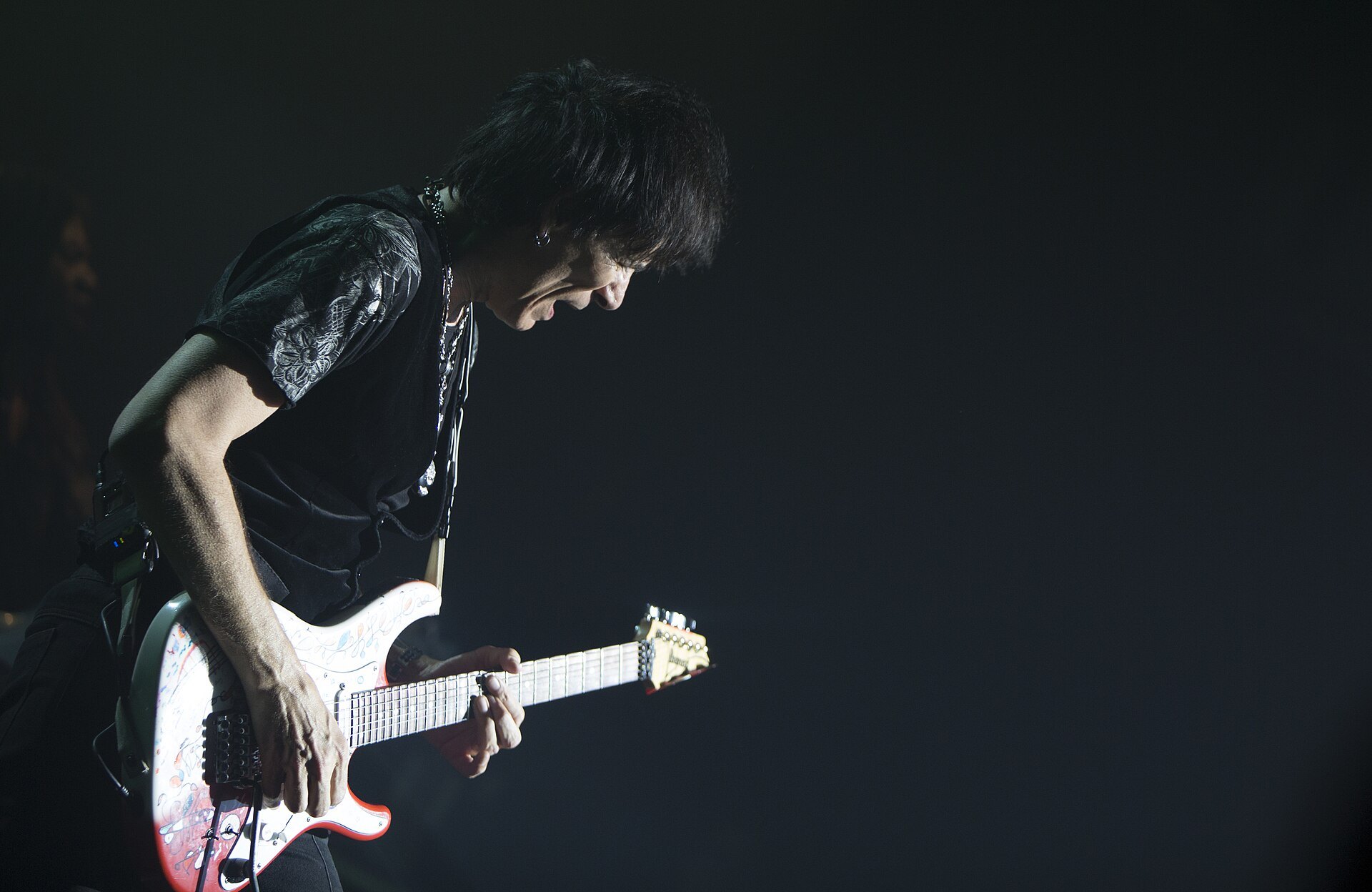
Steve Vai on stage at Sala Barts in Barcelona.
Photo: Alterna2 (alterna2.com) / Flickr via Wikimedia Commons, CC BY 2.0
Steve Vai says he and Joe Satriani tracked The Sea of Emotion mostly on plugins (Neural DSP, SansAmp, Tonex) after Satch's Elephants of Mars changed his mind. Here's why plugins aren't cheating.
Two of the most tone-obsessed guitarists alive cut their first joint album mostly without mic'd amps. Here's what they used, why it worked, and why it should end the "plugins are cheating" argument for good.
For about as long as there have been guitar forums, there has been a fight in them. On one side are the people who believe tone lives in hot tubes, a moving speaker and a microphone in front of it. On the other are the people who record into a laptop and have been told, over and over, that what they're doing isn't real.
This week, two of the loudest voices in that argument quietly switched sides.
Steve Vai and Joe Satriani are finally releasing their first studio album together. The Sea of Emotion, credited to SatchVai, comes out November 6 on earMUSIC. In a new interview with Guitarist magazine, reported by Guitar World on October 16, Vai said a lot of the electric guitar on the record didn't come from a mic'd amp at all. It came from plugins. Both of them leaned on software, and Vai says he only got there after hearing what Satriani had done on his 2022 album The Elephants of Mars.
Vai has spent forty years building some of the most elaborate guitar sounds ever recorded, so this is not a small admission. And it's the best news a bedroom guitarist with an audio interface has heard in years.
The Confession
Vai doesn't dress it up. He tells Guitarist that when Satriani explained how he'd made The Elephants of Mars, he was "stunned," because he'd had "a very snobbish attitude" about needing microphones. Then he tried a SansAmp plugin himself and found out how easy it was.
Satriani was already working with a stack of plugins from SansAmp, IK Multimedia's Tonex, Brainworx and Neural DSP, according to the interview. Vai liked the Neural DSP plugins best. "Now, it's mostly the Neural stuff that I use," he says. There were still a few spots where he blended in his Carvin Legacy 3 amp and his Synergy preamp module, so he hasn't sold off the hardware. But the main tone engine for one of the most anticipated guitar albums of the decade was software.
The reason he gives is the one every home recordist knows. Vai describes his old method this way: two stereo cabinets, three mics on the front of each, one on the back, another four feet away, and then pairs of stereo AKG 414s for the room. His verdict: it sounds nice, but it's "a lot of setup, a lot of work."
If you've ever spent a Saturday afternoon nudging an SM57 a quarter inch across a speaker cone and then lost the take because the neighbor's dog started barking, you know exactly what he means.
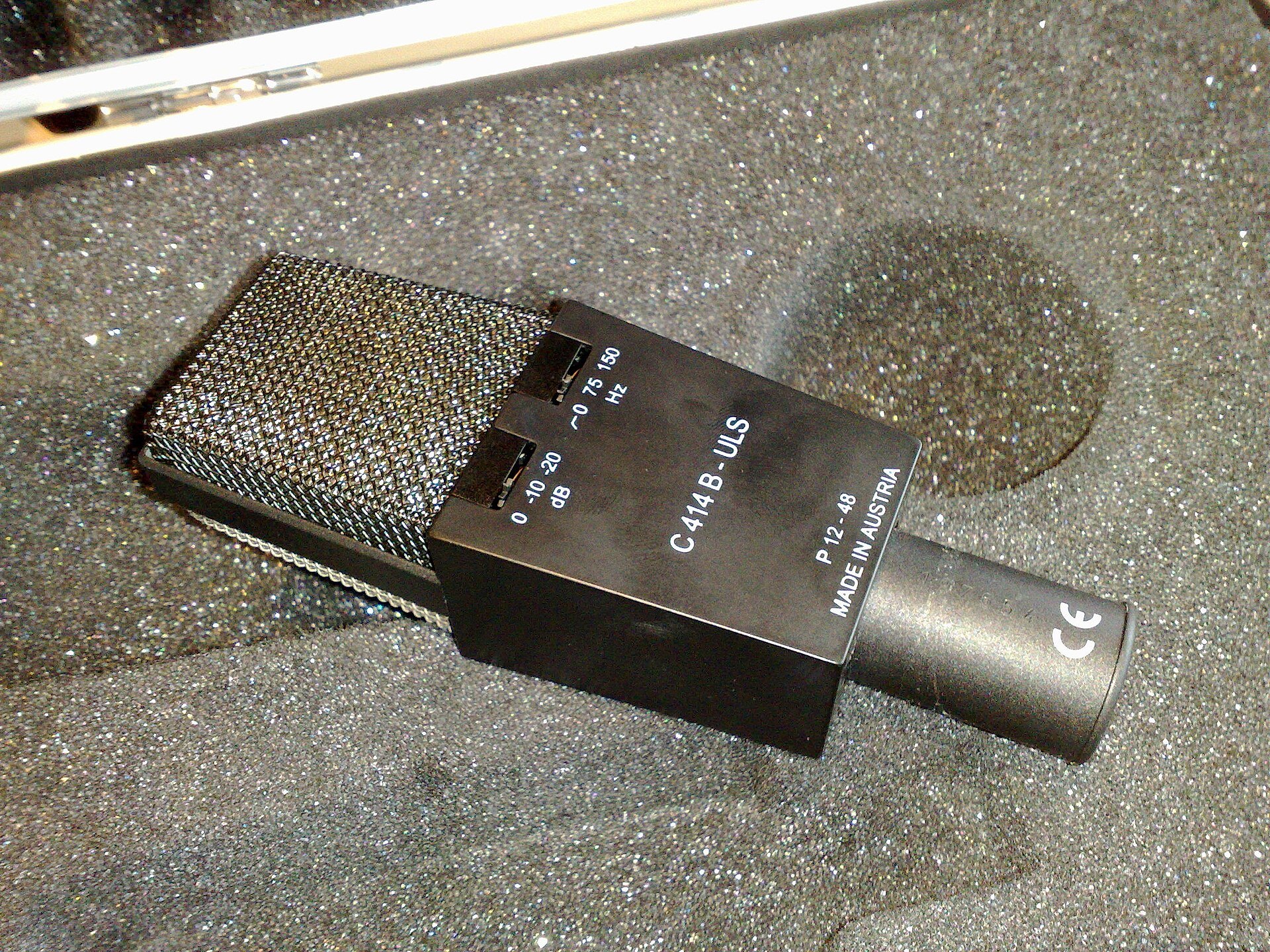
Photo: Hens Zimmerman from Zeist, The Netherlands / Flickr via Wikimedia Commons, CC BY 2.0
How We Got Here: *The Elephants of Mars*
To understand the album, you have to go back to the record that changed Vai's mind.
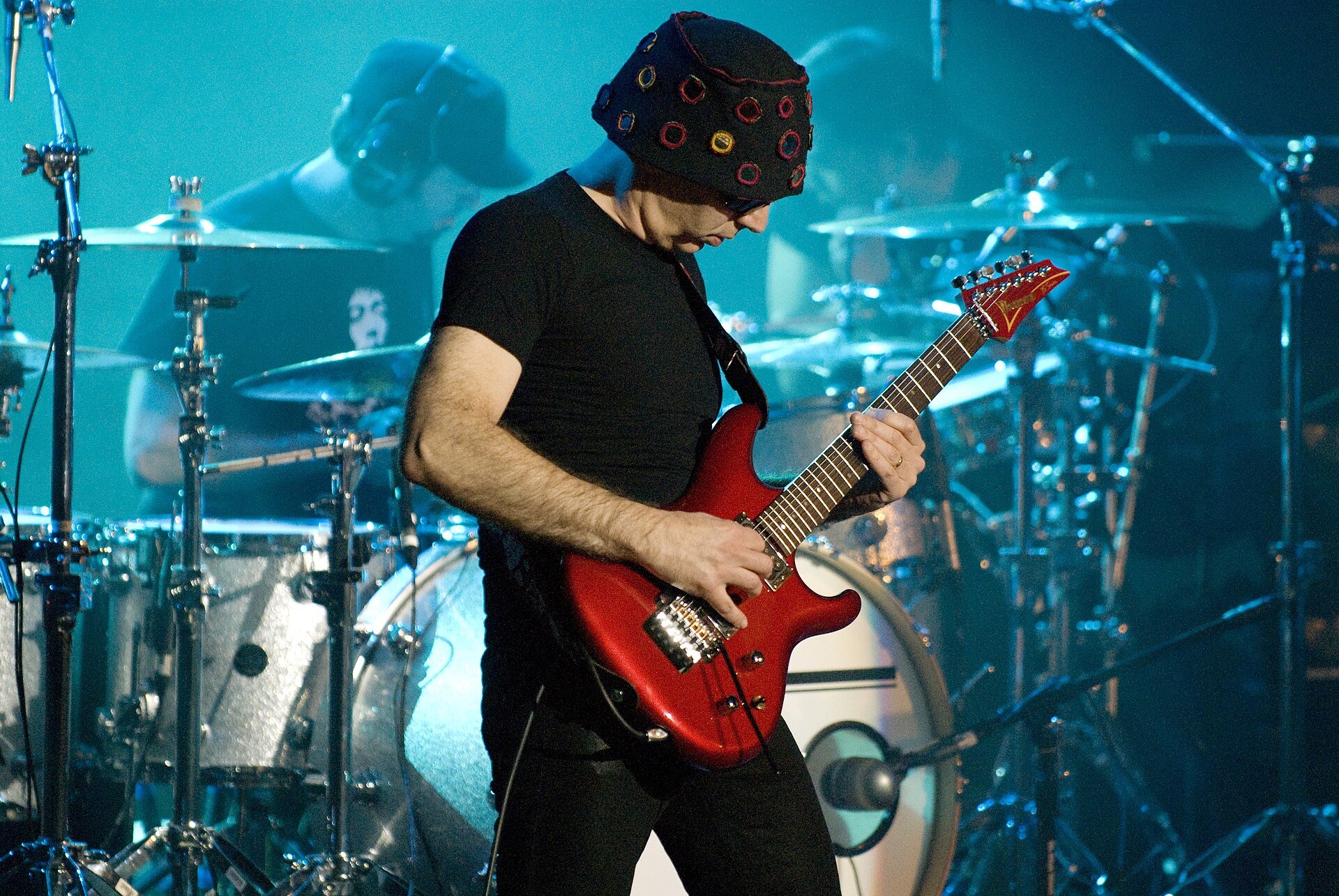
Satriani made The Elephants of Mars, released April 8, 2022, during the pandemic, when nobody could get in a room together. He told Guitar World that he plugged his guitar into a Millennia HV-37 mic preamp, went straight into Pro Tools and recorded everything DI. He monitored through AmpliTube or whatever else was handy, because he assumed every part would be re-amped through real amps later. That's how he'd worked for roughly twenty years.
Then the plan fell apart in the best possible way. As he told the UK retailer Guitarguitar, in the re-amping sessions he and his team compared the DI tracks run through his amps (an old Marshall, his newer Marshall, an EVH, a Wells, a row of Fender combos) against the modeling suites everyone was talking about. They kept picking the SansAmp plugin. Satriani told Guitarist (as reported by Guitar World) that every time they put a real amp against the plugin, "the SansAmp version won." In a separate interview with Guitar.com, he summed it up: every guitar sound on the album was his guitar, DI, through the SansAmp plugin.
There was an awkward side effect. Satriani has his own signature AmpliTube collection, released by IK Multimedia in December 2020, and he didn't use it on the record. He told Guitar World that he had to call his friends at IK and apologize.
Why did a modest plugin beat a room full of legendary tube amps? Satriani's answer is the most useful thing in this whole story. He told Guitarguitar the plugin captured "the sound of my fingertip on the string" better than anything else. When he recorded a part through the plugin, he was hearing it while he played and reacting to it, so the performance and the tone grew up together. Re-amping a DI later, even through a great amp, sometimes felt like a letdown because it wasn't the sound he'd been playing to.
That point gets lost in most amp-versus-plugin arguments. A tone you can react to while you play is often worth more than a "better" tone you add afterward.
Satriani Has Done This Before
Satriani isn't a newcomer to recording without speakers. In the same Guitar World conversation, he pointed back to Engines of Creation, the electronic-leaning album he made in 2000 with producer Eric Caudieux in Caudieux's living room. They used about ten amp heads into a Palmer speaker simulator, with no speaker cabinets, and blended in a SansAmp plugin in a few spots because, as he remembers it, it was about the only plugin worth using at the time.
That history matters because Eric Caudieux is back on The Sea of Emotion. The official credits on Satriani's website list the album as produced and recorded by Satriani, Vai and Caudieux, edited by Caudieux, mixed by Cian Riordan and Caudieux, and mastered by Ryan Smith at Sterling Sound. Caudieux also plays keyboards on it. So the man who helped Satriani make an amp-less record a quarter century ago was in the room, or at least on the file transfers, when Vai finally made the switch.
What's Actually in the Plugin Folder
The four names in the Guitarist interview make a good snapshot of where guitar software is in 2026.
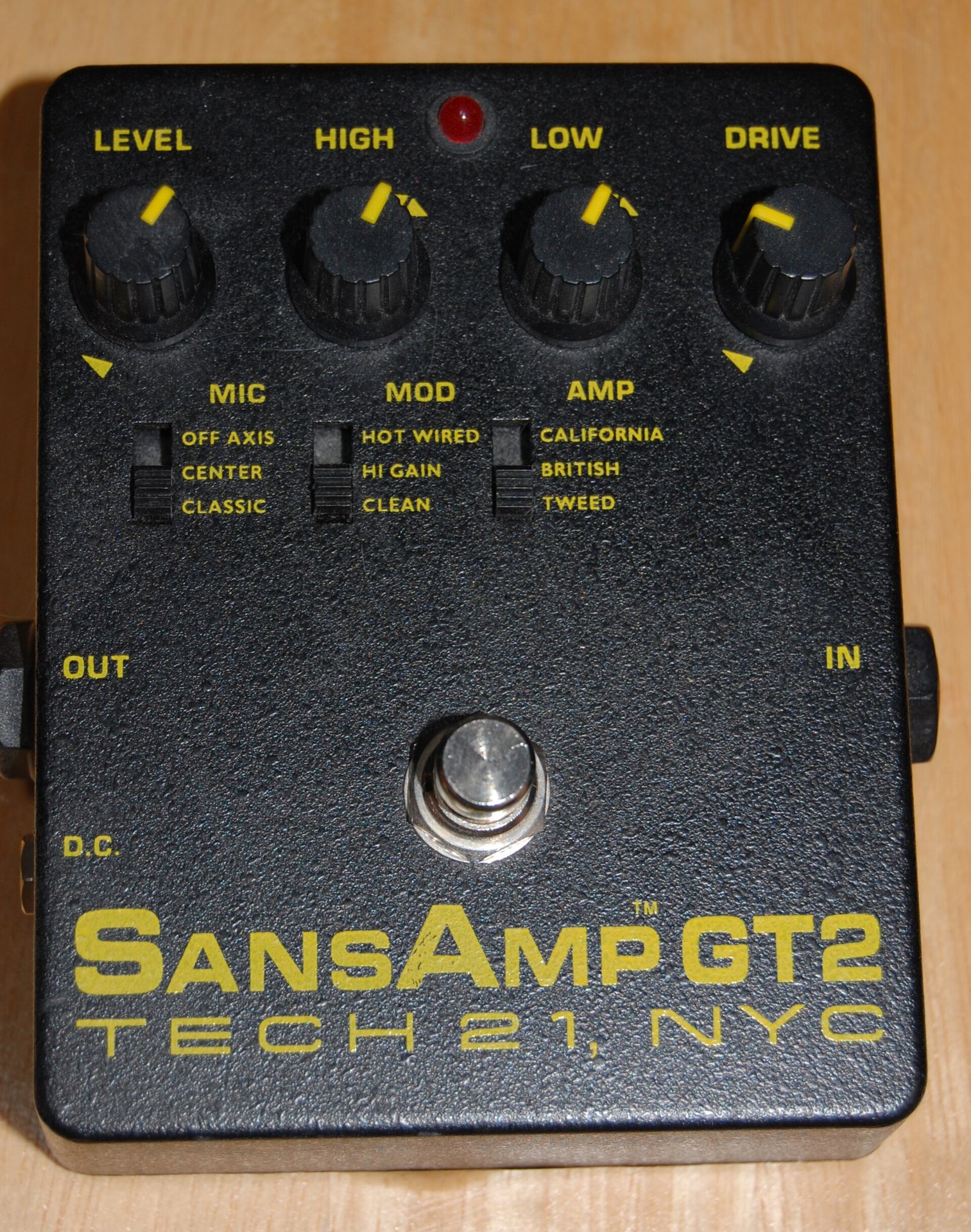
Photo: Bubba73 (Jud McCranie) / Wikimedia Commons, CC BY-SA 3.0
SansAmp. Tech 21's SansAmp is the elder statesman. The hardware pedals have been a direct-recording staple for decades. The GT2, pictured above, has been in production basically unchanged since 1993. SansAmp has also existed as software for years: the PSA-1 emulation started out at Bomb Factory and is now sold by Avid for Pro Tools. Neither player has said exactly which SansAmp plugin he used, but the point stands. The plugin that won the Elephants of Mars shootout wasn't the newest or the flashiest. It was a design built around feel and simplicity.
Neural DSP. Neural DSP was founded in Helsinki in 2017 by Douglas Castro and Francisco Cresp. It built its reputation on artist-signature amp-sim plugins and then on its Quad Cortex floor unit. If one company has made plugins socially acceptable among working pros, it's Neural, and it's now Vai's main tool.
IK Multimedia Tonex. Tonex is IK's machine-learning "Tone Model" platform. Instead of modeling a circuit component by component, it captures how a specific real amp, cab or pedal actually responds and lets you play through that capture. It runs as software and on hardware like the Tonex Pedal and the tiny Tonex One.
Brainworx. Brainworx is a German developer best known for its mixing tools and amp plugins sold through Plugin Alliance, the kind of thing a seasoned engineer reaches for when a sound needs shaping rather than replacing.
The lineup includes a decades-old classic, a modern boutique modeler, an AI capture system and a studio-grade developer. Nobody is relying on a single magic plugin. They're using software the way they used to use a room full of amps: as a palette.
Same Fingers, Same Guitars
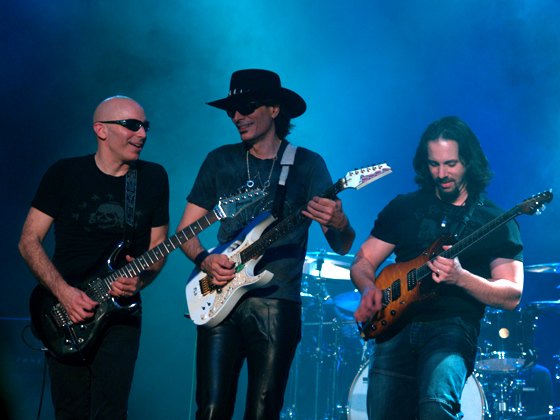
The Guitar World writeup makes a point worth repeating. Nobody listening to The Sea of Emotion is going to mistake who's playing what. Satriani's tone is vocal and singing, with that legato that sounds like it's leaning forward. Vai's is wild, elastic and full of whammy-bar gymnastics. Within a couple of notes you know who's who.
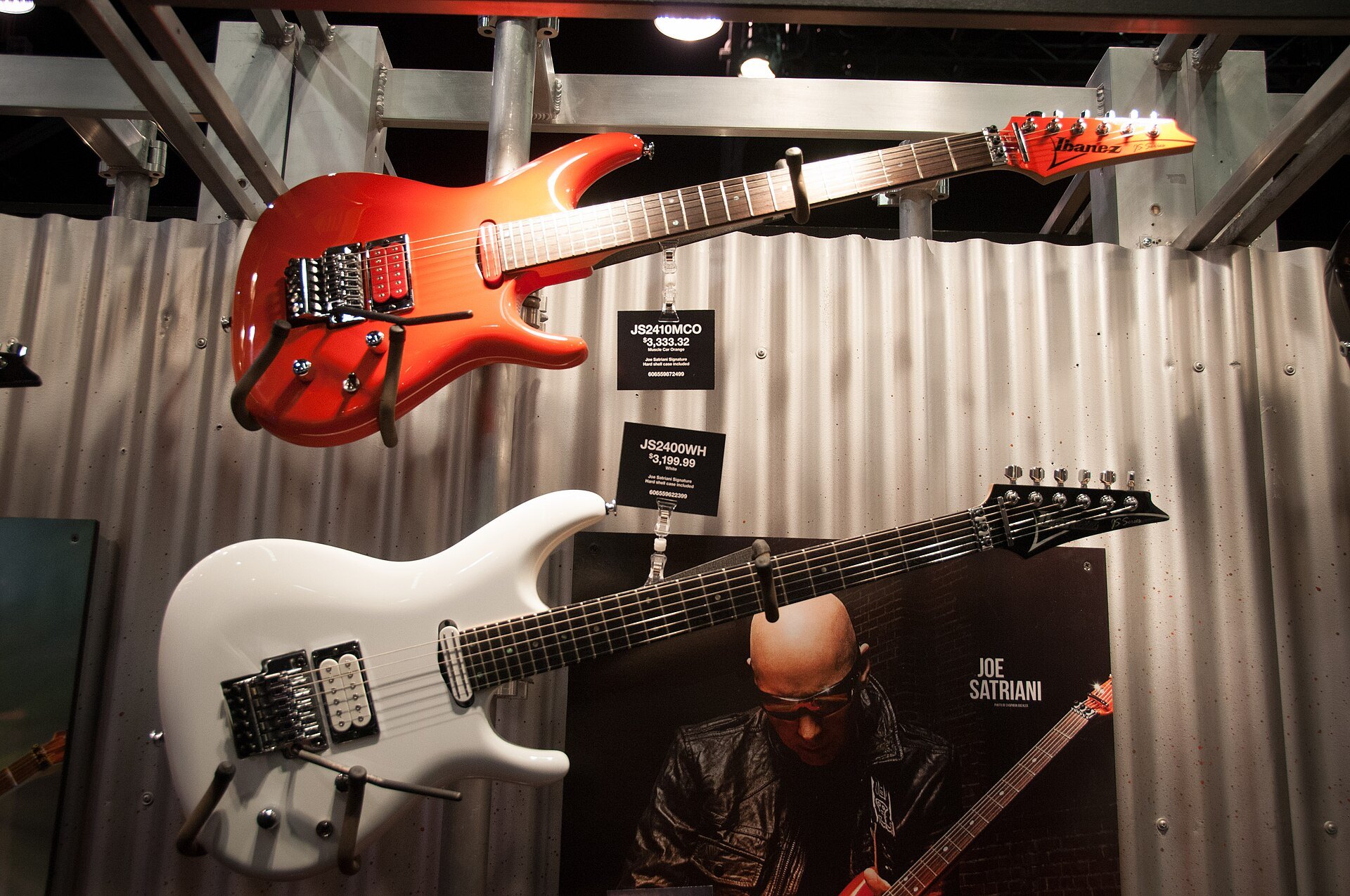
Photo: ArtBrom from Seattle / Flickr via Wikimedia Commons, CC BY-SA 2.0
The guitars are as familiar as ever. Satriani played his chrome and gold Ibanez JS signature models, a paisley-finish prototype and a Taylor nylon-string. Vai used his usual Ibanez PIA and JEM guitars, including his famous named instruments like Evo and Flo III. There's also a seven-string sitar custom-built by Sterling Ball, because, in Satriani's words, the two of them are "always putting sitars on our albums."
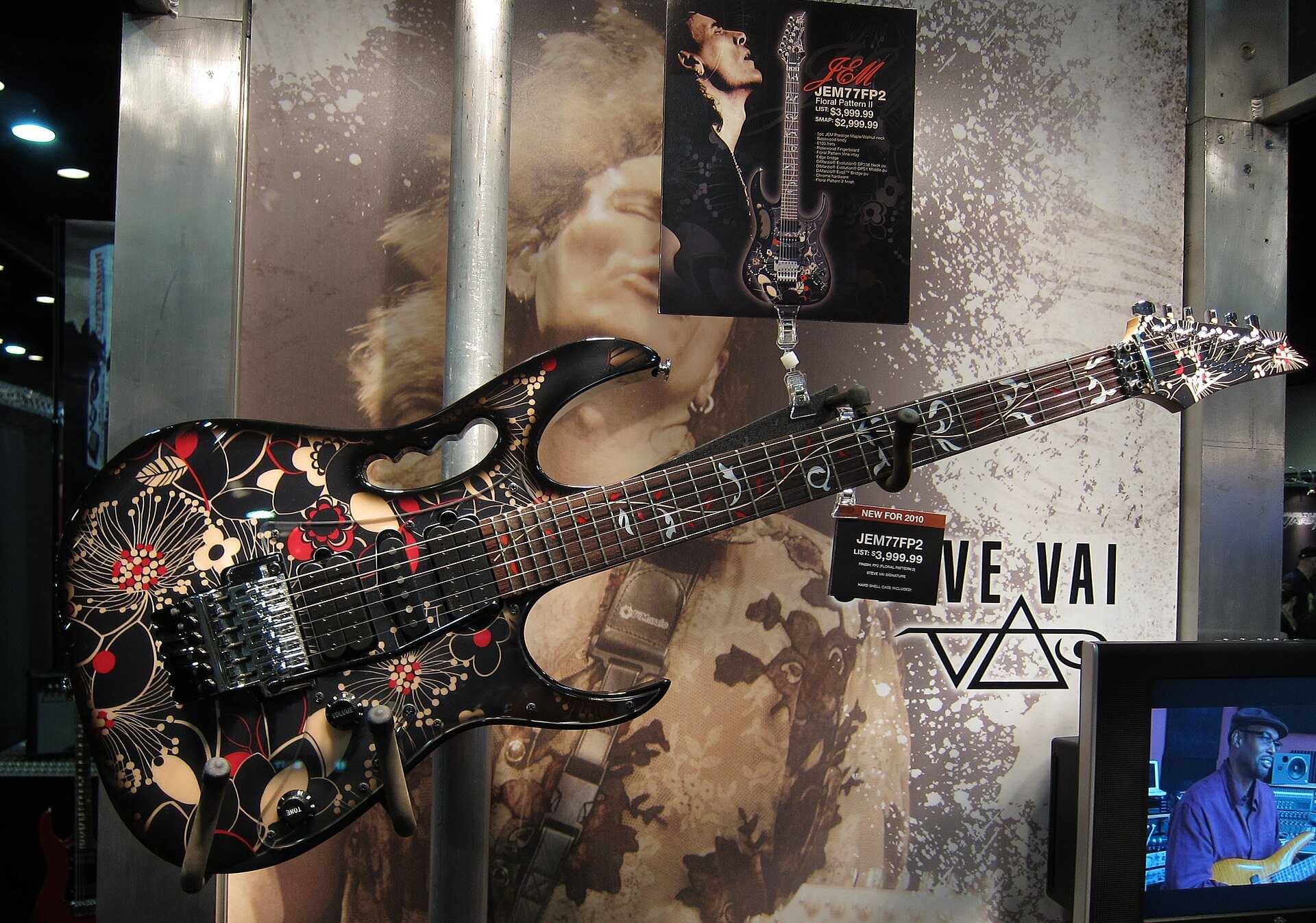
Photo: Stephen Drake / Flickr via Wikimedia Commons, CC BY 2.0
That's really the whole argument in one paragraph. The amp changed. The players didn't. The identity of a Satch or Vai tone was never in the transformer of a particular head. It was in the hands, the phrasing, the vibrato, the pick attack and the guitar itself. Software just had to get out of the way, and in 2026 it finally does.
So, Is Using Plugins Cheating?
No. And now there's a pretty good argument from authority to go with the argument from common sense.
The "cheating" idea always had a strange logic. Nobody calls a studio guitarist a cheat for using a Neve preamp, an 1176 compressor or a plate reverb. Those are tools. A guitar amp in a recording studio is also a tool: a device that turns a weak electrical signal into a shaped, compressed, distorted sound that a microphone then turns back into a signal. A good plugin does the same job without the air in the middle. You can argue about whether it does the job as well. You can't argue it's dishonest.
What Satriani and Vai's experience really shows is that the question was always wrong. The useful question isn't "real or fake?" It's "does this tone help me play better, and does it sit in the track?" Satriani found the SansAmp plugin made him more dynamic in the moment. Vai found that Neural's plugins got him to the sound without hours of mic placement. Both are musical reasons.
Where Real Amps Still Win (According to Satch Himself)
None of this means you should sell your tube amp tomorrow, and Satriani would be the first to tell you so.
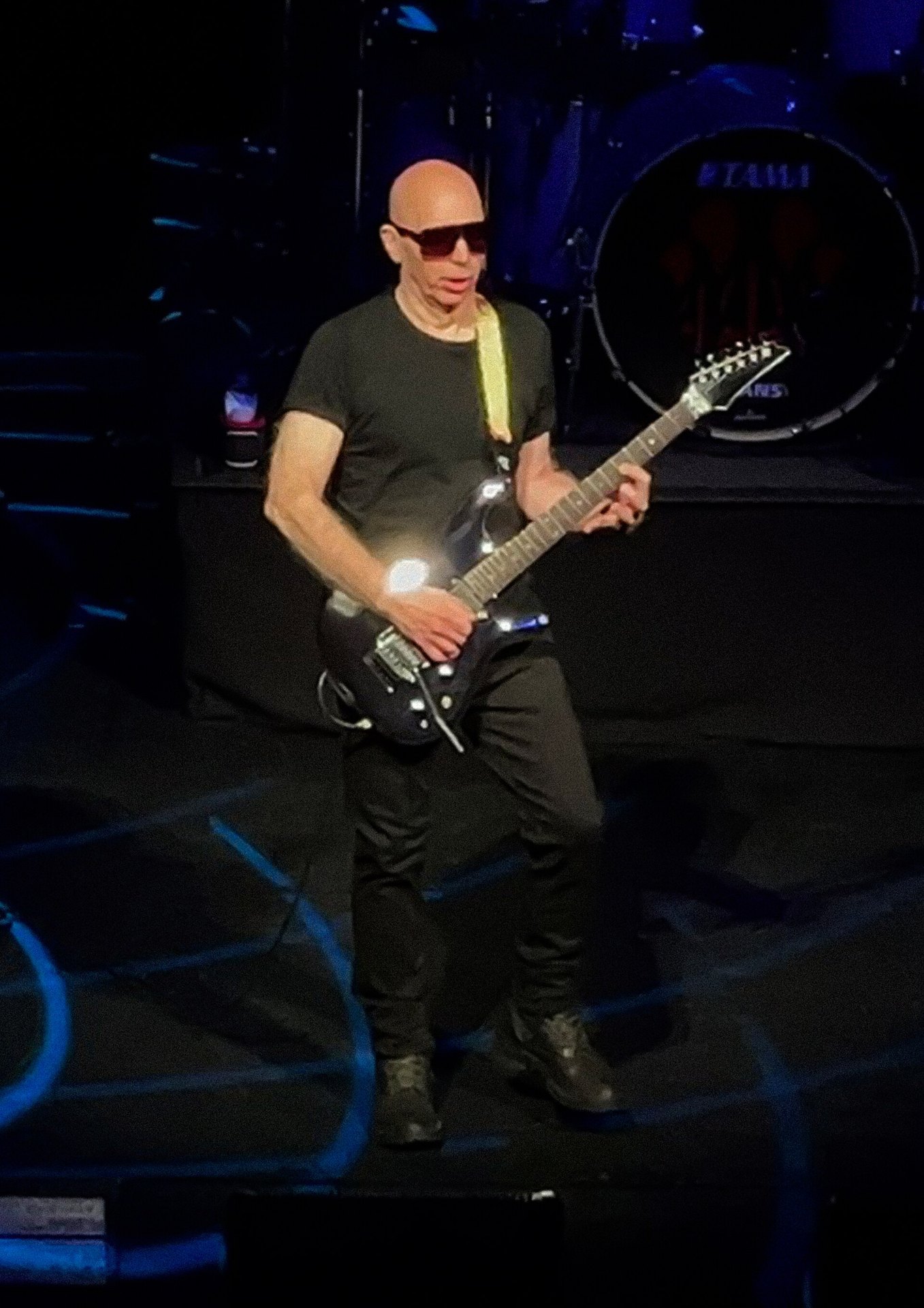
In his Guitar.com interview around The Elephants of Mars, he said he didn't expect to go all-digital on stage. He loves playing loud through a Marshall JVM, and he worries about dynamic range in affordable digital gear. His argument is that cheaper converters and processing squash the range between quiet and loud. That's fine in a bedroom against a compressed backing track, but it's a problem on stage next to a drummer who can swing from a whisper to a jet engine. He also noticed that some digital rigs sound great up close but seem to disappear once you walk out into the room.
That's a fair, specific criticism, and it points to a sensible split that a lot of working players already use:
- In the studio and at home, plugins and captures are fast, consistent, quiet and close enough to perfect. You can change your mind about the tone after the take, which is the whole reason Satriani recorded DI in the first place.
- On a loud stage, a real amp moving real air still has advantages in feel and projection, especially for players who ride their guitar's volume knob.
Even in the studio, Vai kept his Carvin Legacy 3 and Synergy module around for a few parts. The lesson isn't "amps are dead." It's that the old rules have fallen away. You get to pick.
How to Record Like SatchVai at Home
The great irony of this story is that the signal chain on a major-label shred album now looks almost exactly like the one in your spare bedroom. Here's the basic idea, scaled down.
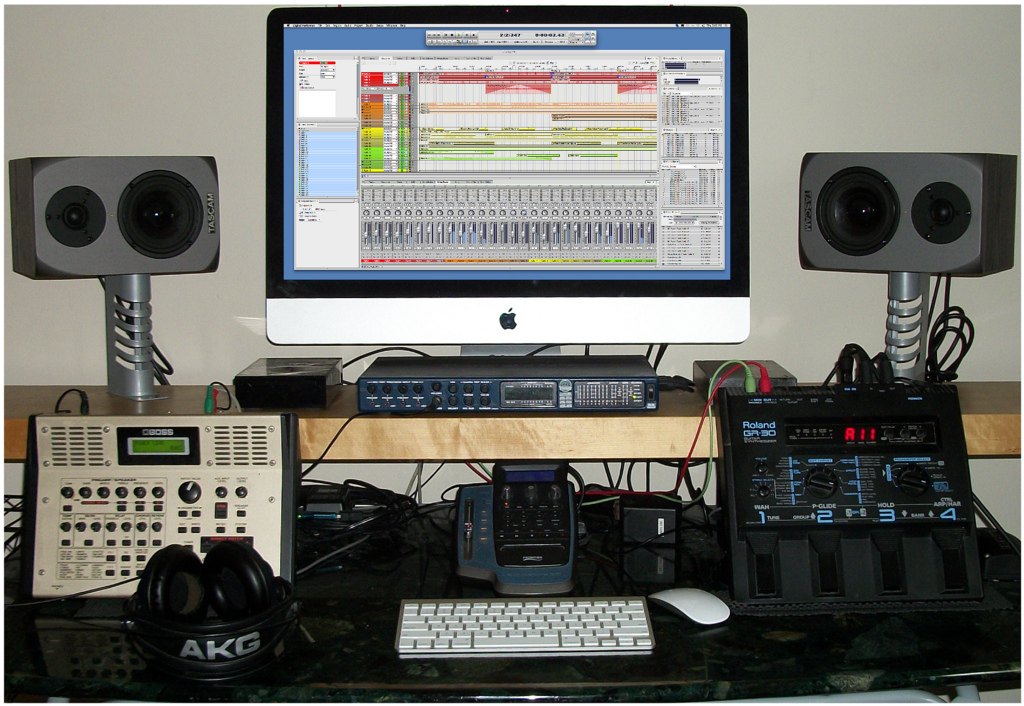
Photo: Andrew Pilling / Flickr via Wikimedia Commons, CC BY-SA 2.0
1. Get a clean, quiet DI. Satriani went guitar to Millennia HV-37 preamp to Pro Tools. You don't need a boutique preamp to start. Any decent audio interface with a proper Hi-Z instrument input will capture a clean signal. The Focusrite Scarlett 2i2 (4th Gen) is the default choice for a reason. It has two Hi-Z inputs, Auto Gain and Clip Safe to protect your levels, and it works with every major DAW and every Neural DSP, Tonex, SansAmp or AmpliTube plugin out there.
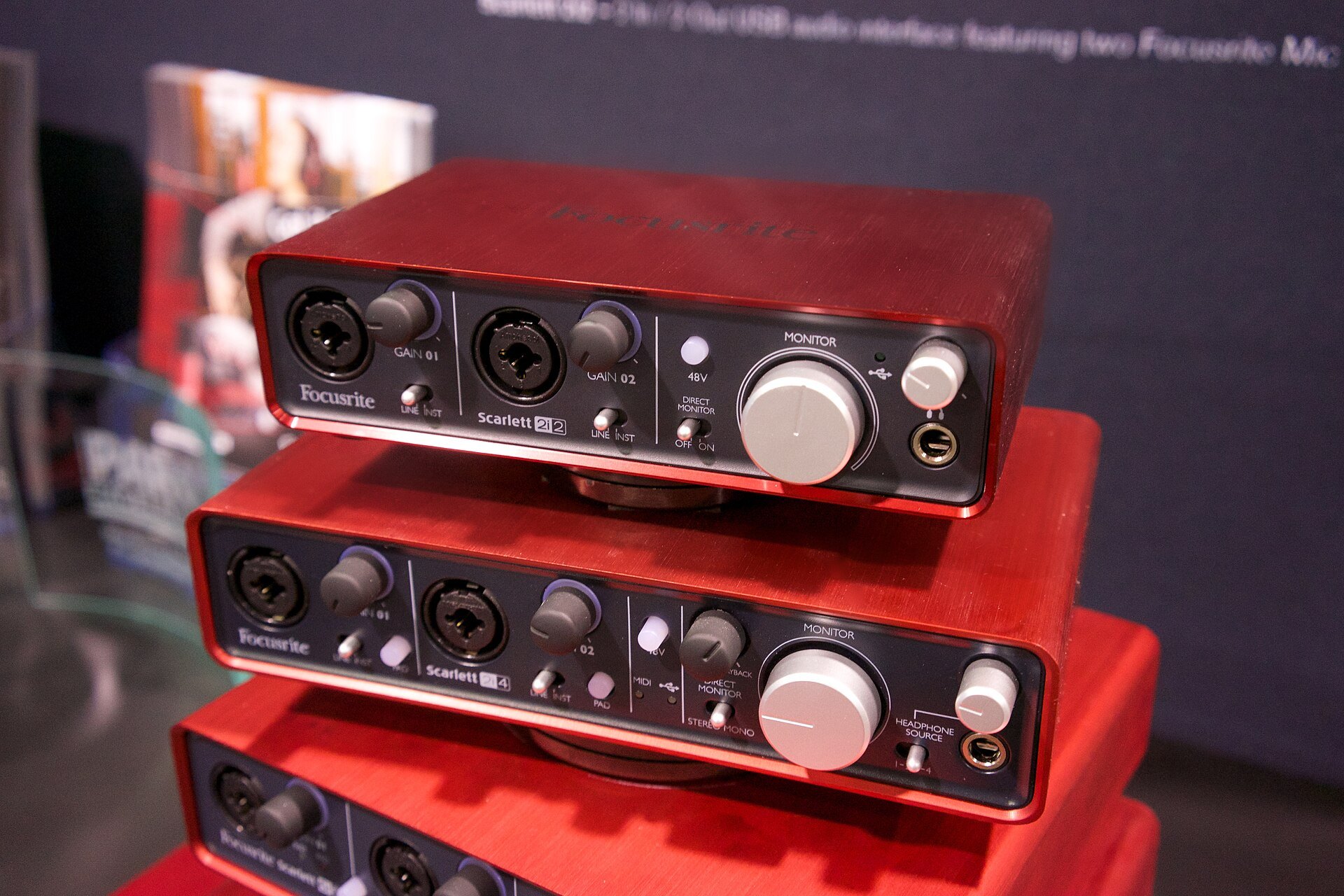
Photo: Matt Vanacoro / Flickr via Wikimedia Commons, CC BY 2.0
2. Always keep the DI track. Record the dry signal even while you monitor through a plugin. That gives you Satriani's safety net. If the tone isn't right once the drums and bass are in, you change the plugin, not the performance.
3. Commit to a sound you can play to. This is the Satch lesson. Pick a tone that excites you before you hit record, and let it shape how you play. Don't record a sterile DI planning to "fix it later" without hearing anything inspiring.
4. Try a capture pedal if you want hardware. If you'd rather have something under your foot than in your laptop, the IK Multimedia Tonex One puts the same Tone Model engine Satriani had in his plugin folder into a micro pedal. It stores 20 presets, has a TRS stereo output and doubles as a USB-C audio interface, so it works on a pedalboard and on a desk.
5. Or go old-school direct. The pedal that started the whole "no amp" movement is still around. The Tech 21 SansAmp GT2 is all analog and lets you choose an amp type (Tweed, British, California), a mod and a mic setting. Then you run it straight into a board or interface. It's the hardware cousin of the plugin that beat Satriani's Marshalls.
6. Use fewer mics, or none at all. Vai's old six-plus-mic setup is a beautiful thing if you have a big room and a full day. If you don't, a well-chosen cabinet impulse or capture gets you most of the way in seconds.
As an Amazon Associate, TGP earns from qualifying purchases.
The Bigger Picture
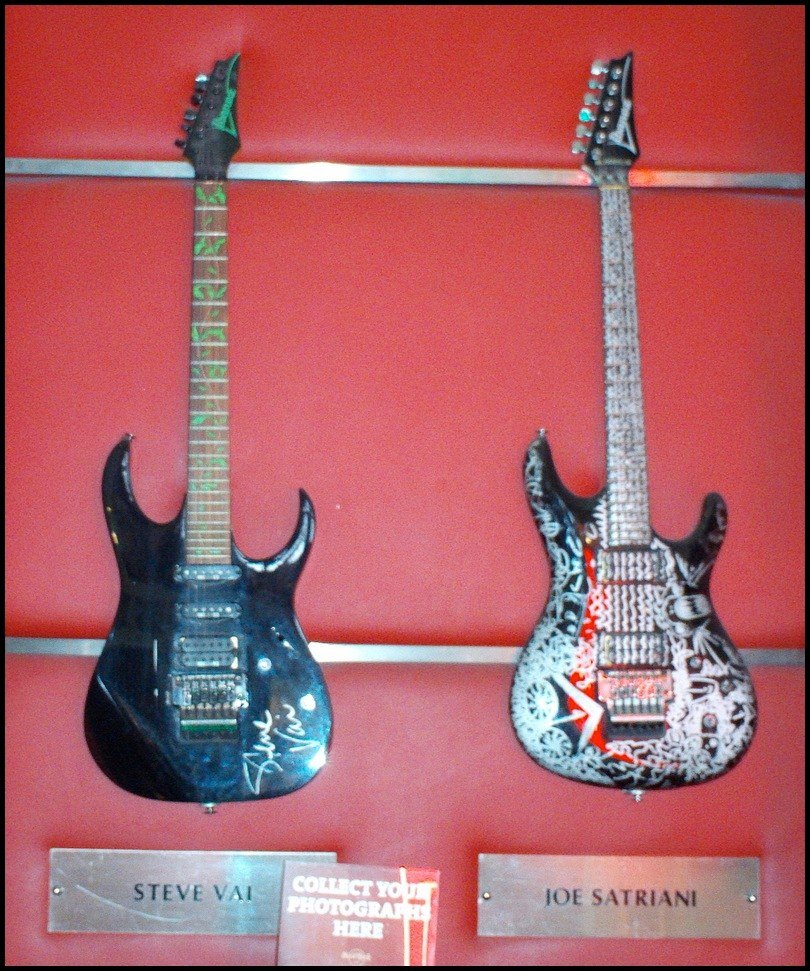
Photo: Sean Ellis from Bangalore, India / Flickr via Wikimedia Commons, CC BY 2.0
It's easy to forget how personal this story is. Vai started taking lessons from Satriani in 1973, when he was 13 and Satriani was a teenager himself on Long Island. Fifty-plus years later the teacher is still teaching the student something new, and this time it's about software instead of scales.
It also says something about where the industry is going. The guitarists most closely identified with high-end Ibanez guitars, signature amps and extravagant studio rigs are now telling the world that the convenient option sounded better, or at least just as good, while making the work easier. When people at that level stop treating plugins as a compromise, the stigma loses most of its power.
For everyone else, the message is simple. If you've been holding off on recording because you can't crank a 100-watt head in your apartment, you've run out of excuses. The tools Satriani and Vai used on The Sea of Emotion are, in many cases, the same ones you can install tonight.
The Sea of Emotion by SatchVai is out November 6, 2026, on earMUSIC. The tracklist is "Mayhem," "Bronco Freight Train," "Dancing," "The Feeling I Know," "Zoot Suit Riot," "Old Sins Have Long Shadows," "I Wanna Play My Guitar," and the three-part "The Sea of Emotion" suite, which ends with "Reflections on a Year and a Half." Listen with good headphones and see if you can hear the plugins. That's the whole point: you won't.
Sources: Guitar World, "Steve Vai and Joe Satriani relied on guitar plugins for their new collaborative album" (Oct. 16, 2026), reporting a Guitarist interview; Guitar World, Joe Satriani interviews on The Elephants of Mars (2022); Guitar.com, "Every guitar sound is DI'd" (2022); Guitarguitar interview with Joe Satriani (2022); satriani.com discography credits for The Sea of Emotion; earMUSIC and Noble PR press release (Sept. 2, 2026); Neural DSP; Avid (SansAmp PSA-1 plugin).
Experience-driven coverage, not algorithm bait.
- 20+ years of guitar playing experience
- Real-world retail experience at Guitar Center
- Thousands of hours testing guitars, amps, and pedals
- A community of 50,000+ guitar enthusiasts across platforms
- Partnerships with Fender, DistroKid, TrueFire, Card Chords, and Enya
- Editorial standards published openly — see how we test gear
The Modern Guitar Magazine. Delivered to your inbox.
No spam. No gimmicks. Just great guitar content — stories, tones, iconic solos, and honest gear takes. Every week.
Ask GP
3 free questions a dayStill curious? Ask GP about this story.
Your personal classic-rock and guitar guide — ask anything about Even the Shred Gods Went.
Discussion (0)
Sign in to join the discussion.
Sign in to commentLoading comments…
Discover another guitar story
Swipe through our latest features, breaking news and iconic solos — one story at a time.
Open Swipe →More Guitar News
Steve Vai and Joe Satriani Finally Announce Their First Studio Album Together
The Sea of Emotion arrives November 6, ending a 53-year musical buildup between two of guitar’s most important modern voices.
SatchVai Band: The Story of Guitar's Greatest Teacher and His Most Famous Student
Discover the incredible story behind the SatchVai Band, how Joe Satriani taught Steve Vai, the legendary guitarists who studied under Satch, and the remaining 2026 Surfing With The Hydra tour dates.

The Disappearing Guitar Rig: Are We Witnessing the Death of the Guitar Amp?
Guitar tone has never been more powerful, portable or convincing. So why do so many players still refuse to let the amplifier die?
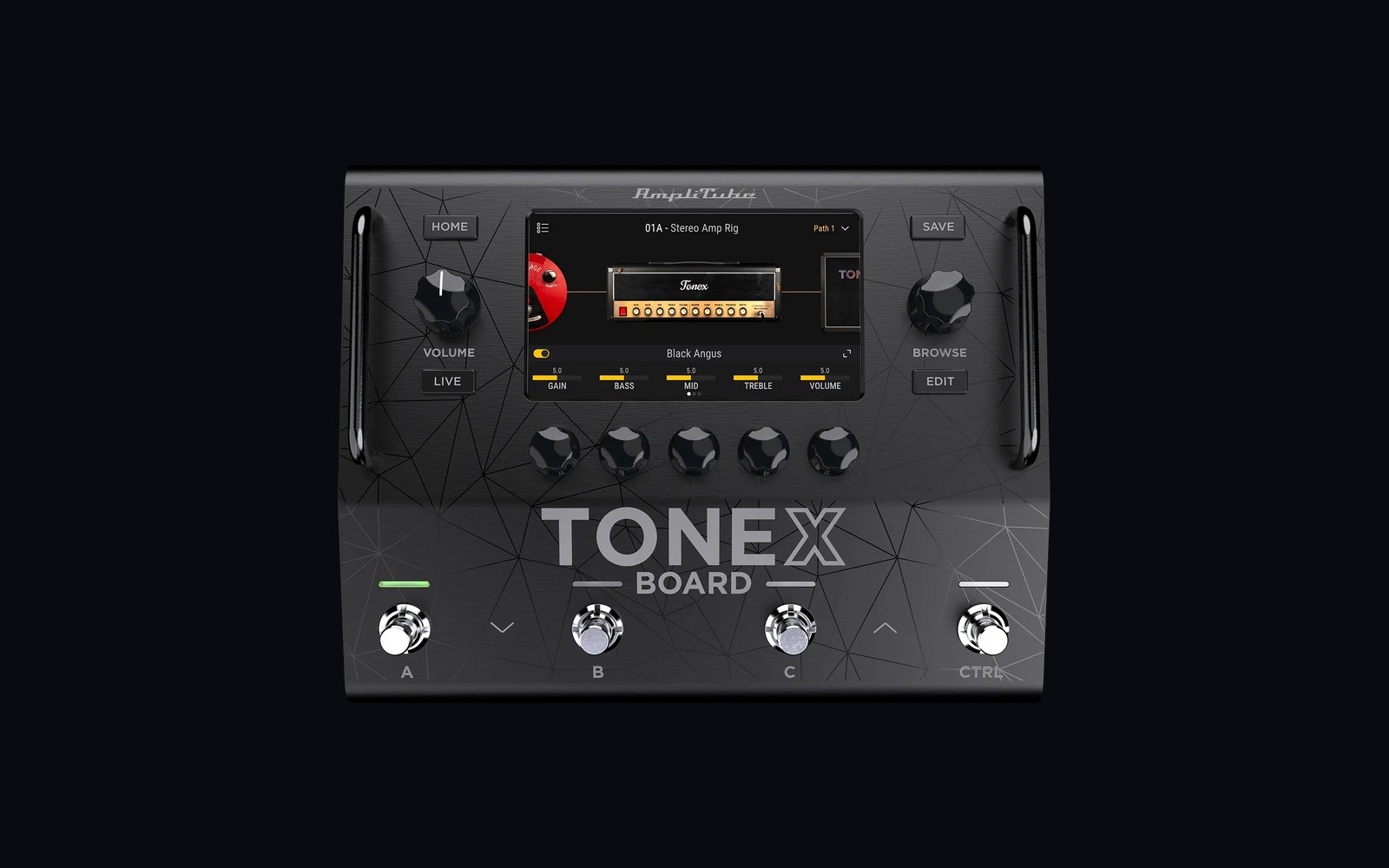
The New TONEX Board Puts a Complete Rig at Your Feet for $999.99
IK Multimedia brings touchscreen control, AmpliTube effects, and dual-amp routing to its newest floorboard. For guitarists, the real question is how much simpler it makes getting through a gig.