
History of the Riff: Jimi Hendrix's "Voodoo Child (Slight Return)" and the Wah Intro Recorded for a TV Crew
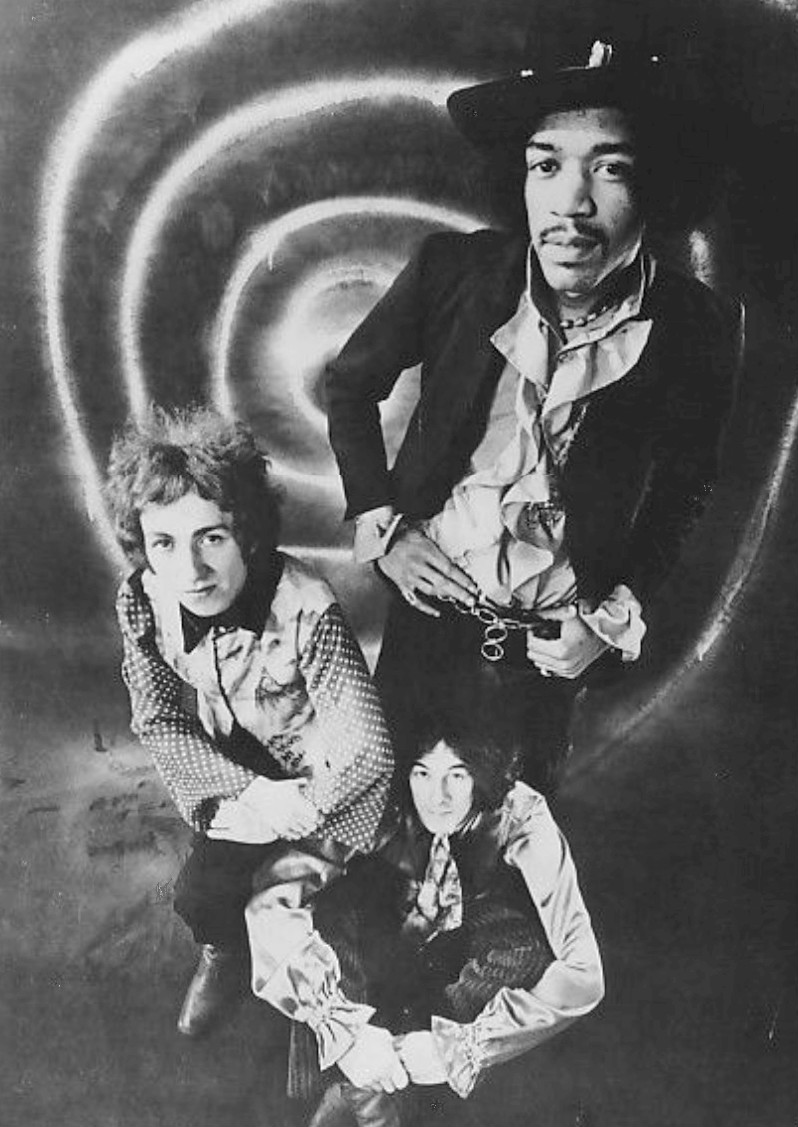
The Jimi Hendrix Experience in a 1968 Reprise Records publicity photo: Noel Redding, Jimi Hendrix and Mitch Mitchell.
Photo: Reprise Records, public domain, via Wikimedia Commons.
A packed Record Plant, a 15-minute blues jam, a TV crew that wanted footage, and a count-in in E. The next morning's take became the most famous wah intro ever recorded.
There's a strange little detail at the heart of the most famous wah-wah intro ever recorded. Jimi Hendrix didn't count it off for a producer, or a label, or even really for his band. He counted it off for a TV camera.
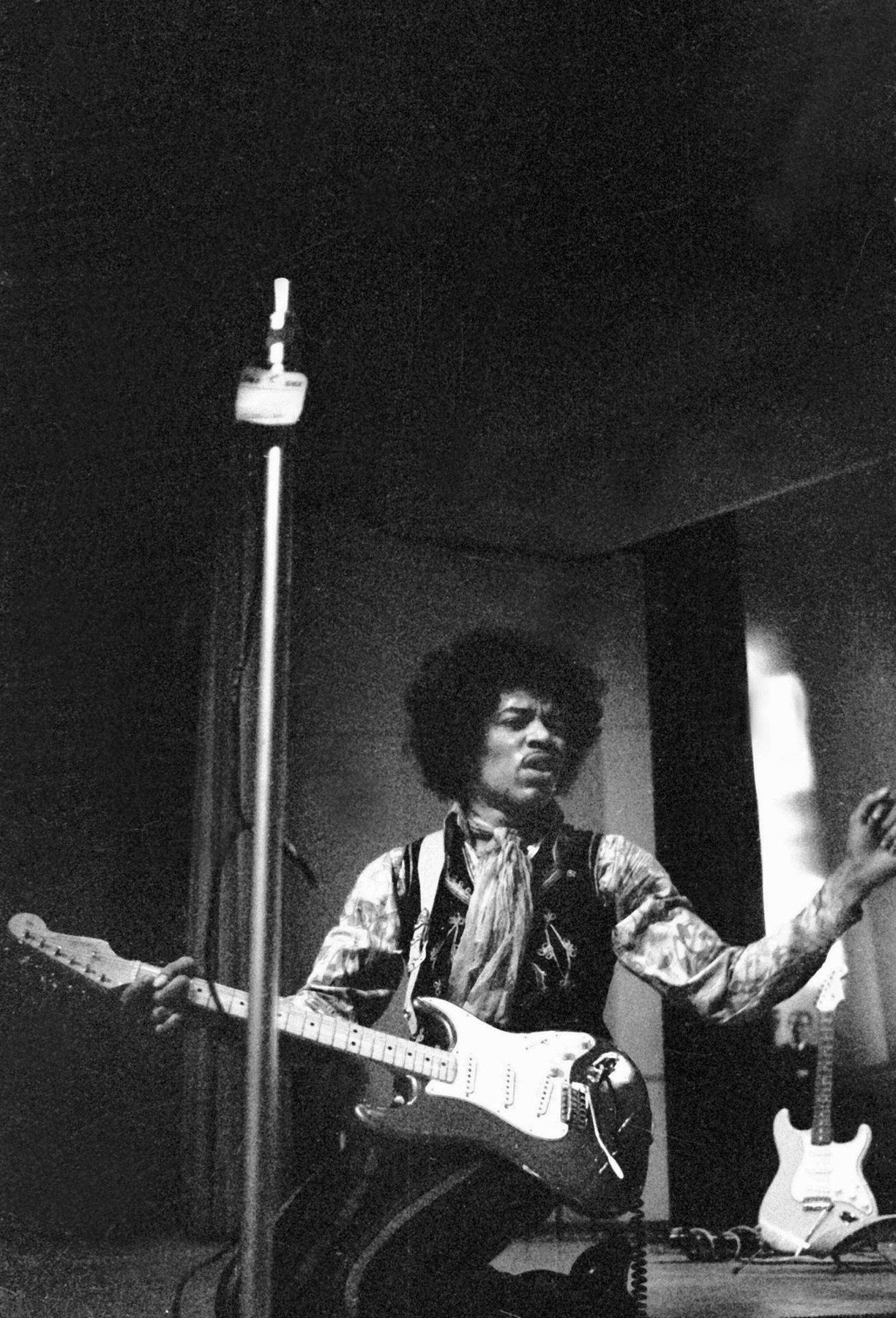
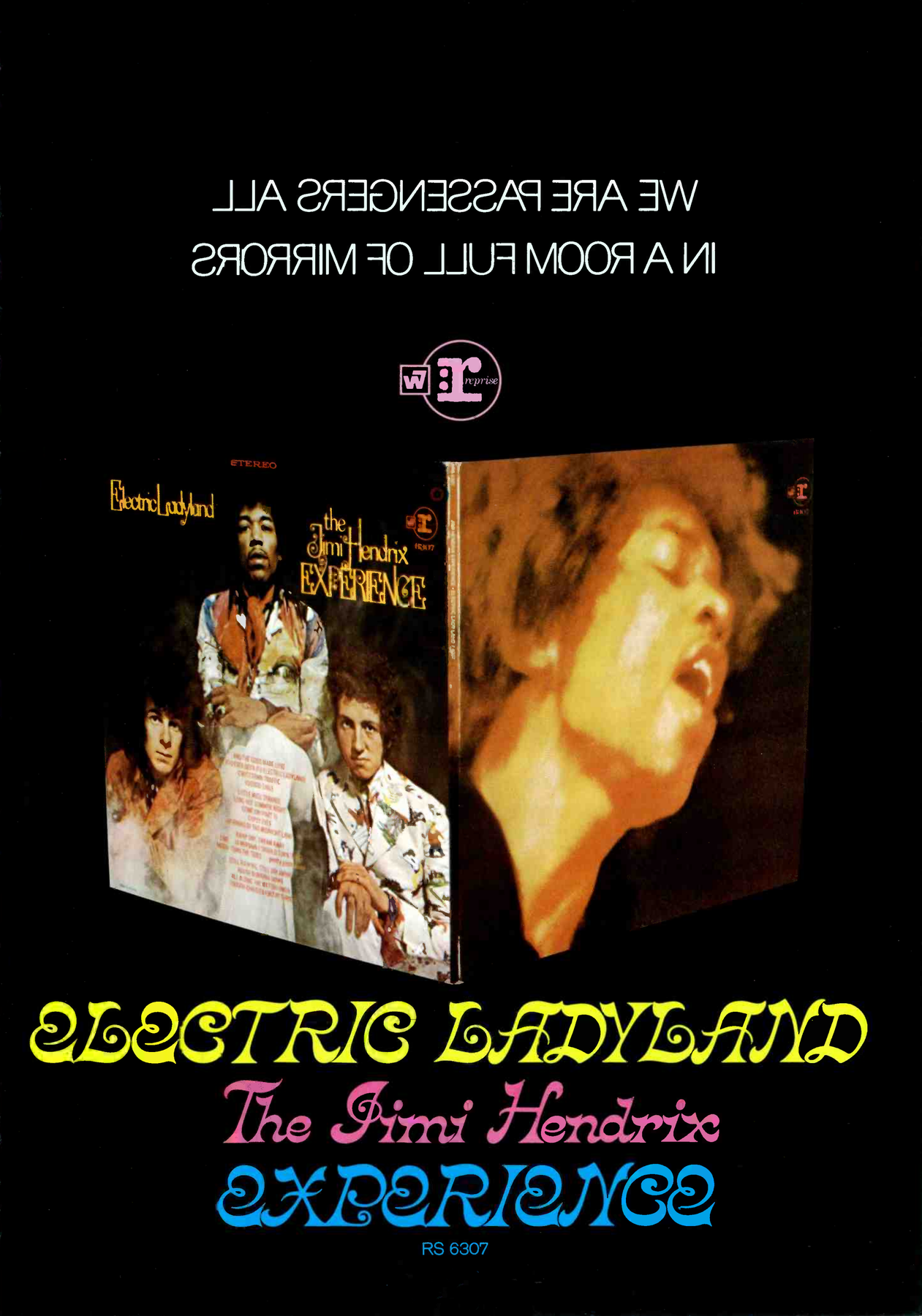
On May 3, 1968, the Jimi Hendrix Experience walked into the Record Plant in New York City while an ABC film crew set up to shoot a short documentary. Hendrix called out the key, E, gave a count, and started scratching muted strings through a wah pedal. The band learned the song as the cameras rolled. One of those takes closed Electric Ladyland, and two years later, weeks after Hendrix died, it became his only No. 1 single in the UK.
This week Washington state picked Hendrix as the face of its 2029 U.S. Mint $1 coin, so it's a good time to go back to the riff that best explains why. "Voodoo Child (Slight Return)" is a blues, a funk groove, a hard-rock riff and a guitar sermon all at once. Here's how it happened, what's going on in that intro, and why guitarists are still chasing it nearly 60 years later.
First, the Long Night Before
You can't tell the story of "Voodoo Child (Slight Return)" without the song it came from, and the names make that confusing.
"Voodoo Chile," with the "chile" spelling, is the 15-minute slow blues that sits on the first half of Electric Ladyland. It's Hendrix's longest studio recording. "Voodoo Child (Slight Return)" is the five-minute song that closes the album. The "slight return" in the title is literal. Hendrix came back to the idea the next day and turned it into something completely different.
"Voodoo Chile" grew out of "Catfish Blues," a Muddy Waters tribute Hendrix played on stage through 1967 and early 1968. It strung together verses based on Waters songs like "Rollin' Stone" and "Rollin' and Tumblin'." By April 1968, Hendrix was demoing an early "Voodoo Chile" on his own in a New York hotel room, with new lyrics and a vocal line that moves in unison with the guitar.
The song got its real recording in the early hours of a very Hendrix night. During the Electric Ladyland sessions, the band often jammed in New York clubs after work. On May 2, 1968, after a jam at the Scene, a club a short walk from the studio, Hendrix brought a crowd of about 20 people back to the Record Plant.
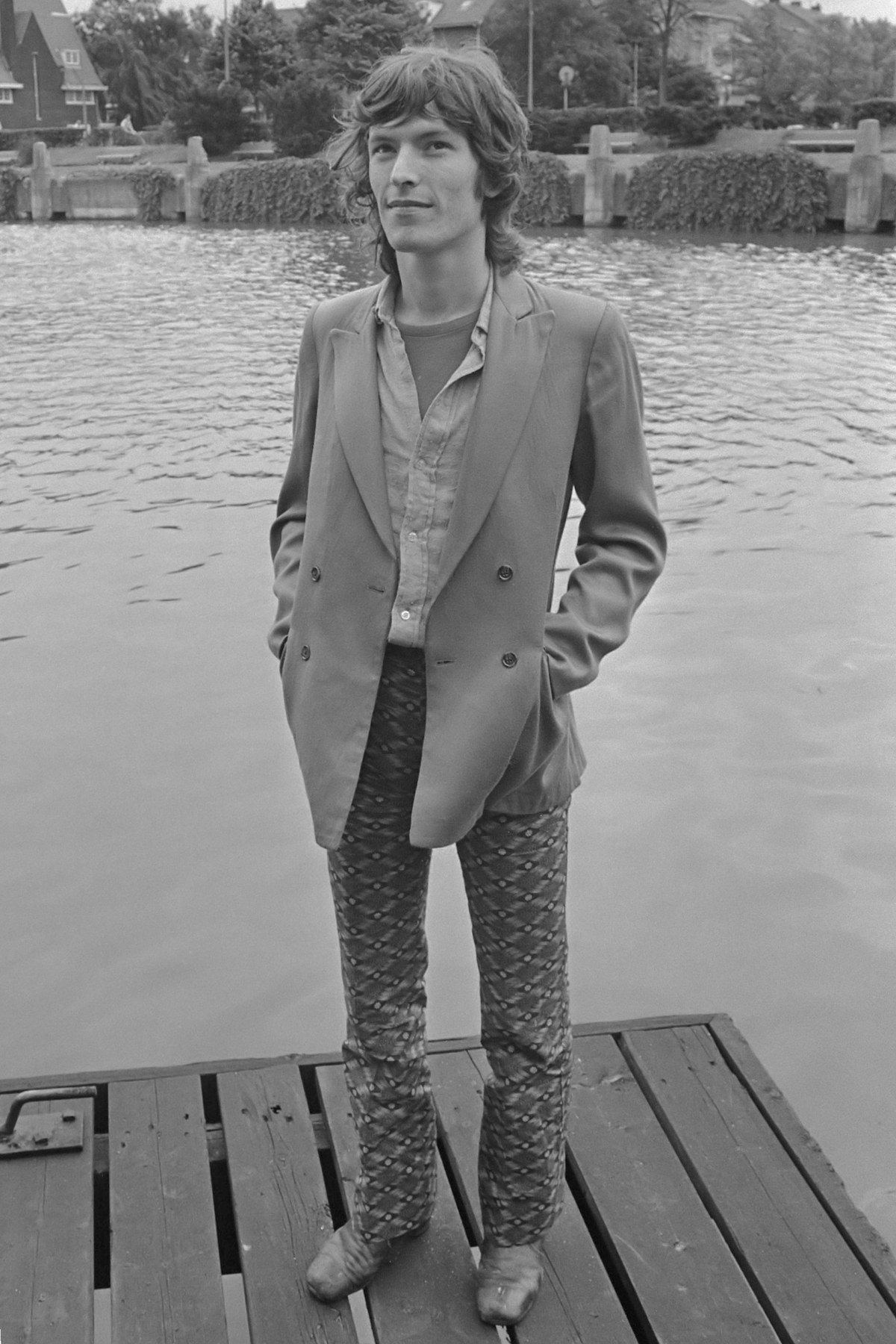
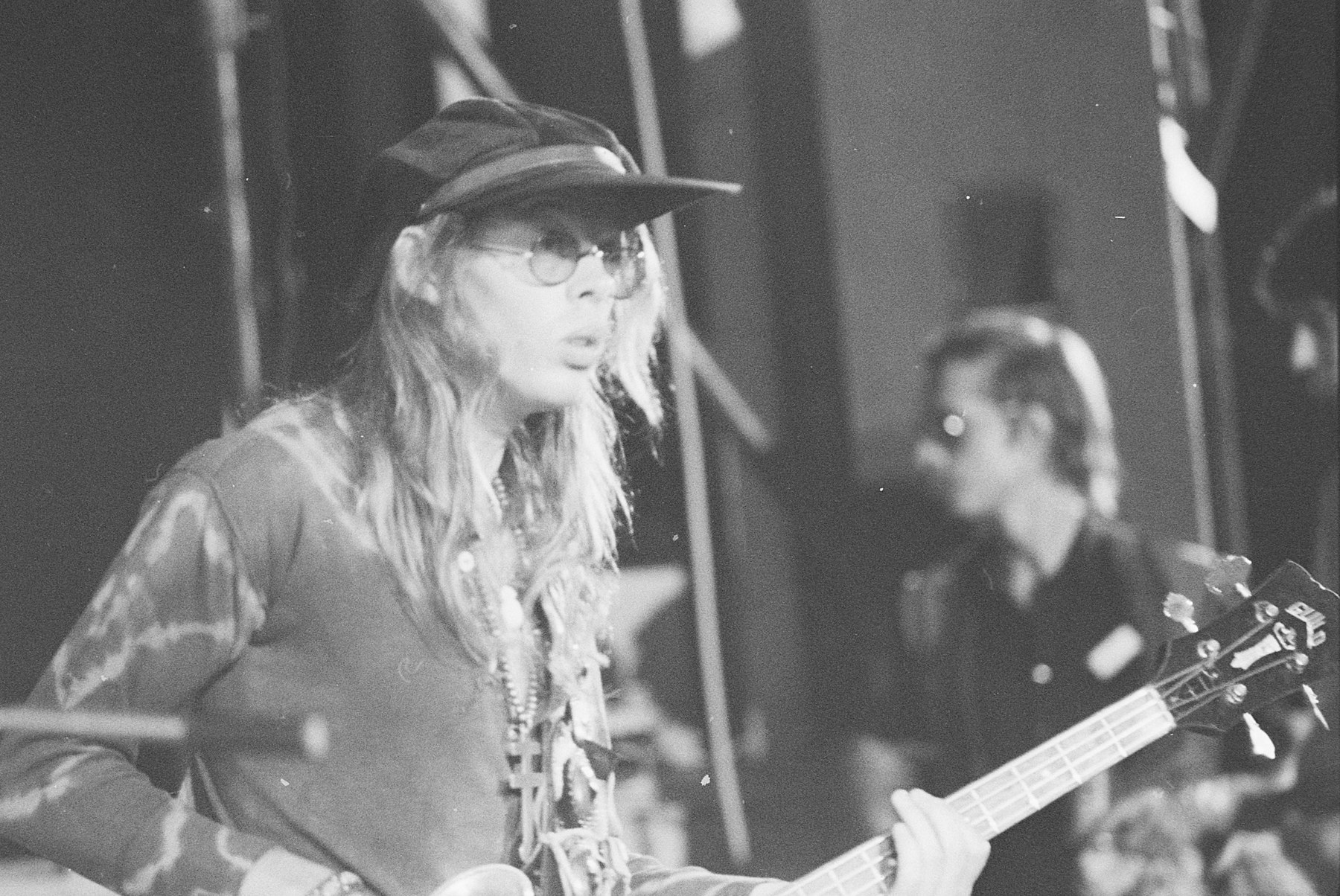
That habit drove Noel Redding up the wall. He'd already stormed out of the studio earlier that evening, so he wasn't there. Instead, Traffic's Steve Winwood sat down at the organ, Jefferson Airplane's Jack Casady picked up the bass, and Mitch Mitchell played drums. The result was "Voodoo Chile," a late-night slow blues with crowd noise from the guests mixed in so it sounds like a club.
Engineer Eddie Kramer remembered that night years later as a simple one: the drums and amps already set up, Hendrix walking in with the guys, and "one rehearsal, one take." Hold on to that comment, because it'll matter when we get to the gear.
A Studio Full of People, and a Producer on His Way Out
To understand why "Voodoo Child (Slight Return)" sounds the way it does, it helps to know what kind of room the band was working in.
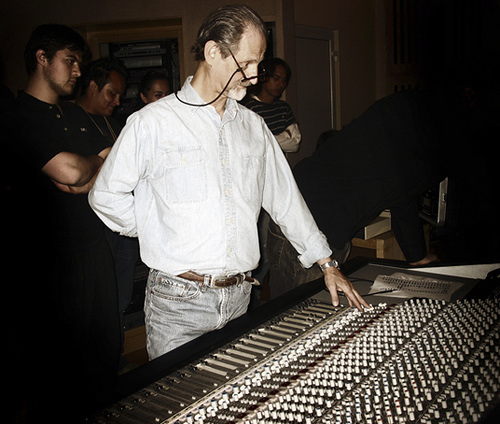
Electric Ladyland had been coming together on and off since the summer of 1967 at studios in London and the U.S. On April 18, 1968, recording moved to the Record Plant in New York, a studio that had just opened. Chas Chandler, the former Animals bassist who had discovered Hendrix and produced the first two Experience albums, was in the producer's chair. Eddie Kramer and Gary Kellgren were the engineers.
It wasn't a happy setup. Hendrix wanted take after take. He and Mitchell cut more than 50 takes of "Gypsy Eyes" across three sessions. And as Hendrix invited friends and hangers-on in, the control room turned into a party. "There were tons of people in the studio; you couldn't move," Redding later said. "It was a party, not a session."
Chandler got fed up and walked away from his working relationship with Hendrix. When the album came out, the sleeve said it was "produced and directed by Jimi Hendrix," which annoyed Chandler, since he'd produced some of the songs. Redding, who had started his own band, Fat Mattress, was drifting too, and Hendrix ended up playing many of the album's bass parts himself.
So when the Experience showed up on May 3, the band was fraying, the studio was chaotic, and Hendrix was more or less running the show. That's the backdrop for a song that sounds like three people locking in on the spot. Because that's what it was.
"Make It Look Like You're Recording, Boys"
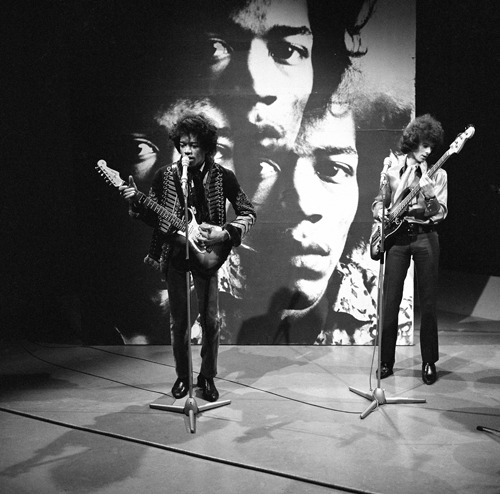
The day after the "Voodoo Chile" jam, Hendrix came back to the Record Plant with Redding and Mitchell. ABC television was there to film them for a short documentary.
Redding later explained what happened next: "We learned that song in the studio... They had the cameras rolling on us as we played it."
Hendrix told the story with a bit more humor. "Someone was filming when we started doing [Voodoo Child]," he said. "We did that about three times because they wanted to film us in the studio, to make us — 'Make it look like you're recording, boys' — one of them scenes, you know, so, 'OK, let's play this in E, a-one, a-two, a-three', and then we went into 'Voodoo Child'."
According to Hendrix biographer Steven Roby, the trio recorded eight takes, and the last one became the master. As for the ABC footage, Roby reports the archive listing reads "LOST ABC 9/73." Nobody knows where it is. Somewhere there may be film of the most famous wah intro in history being invented, and it's been missing for more than 50 years.
Listen to the record with that story in mind and a lot of it makes sense. This isn't the stacked, layered Hendrix of "1983... (A Merman I Should Turn to Be)." It's a band in a room. Kramer, talking to The Recording Engineer's Handbook, put it this way: "If you listen to Voodoo Child, you can hear the way the room just resonates. That's because I had mics everywhere, and the fact that Jimi was singing live too!" He added that he was never afraid to record an artist live in the room: "anything that was in the room was fair game to be recorded."
Breaking Down the Riff
So what is Hendrix actually playing? There are really three parts to it: the scratch, the lick, and the riff that hits when the band comes in.
A note before you grab a guitar. Hendrix tuned down a half step, and "Voodoo Child (Slight Return)" is no exception. He calls out "E" and plays E shapes, but because every string is a half step low, the record sounds in E-flat. If you want to play along with the album, tune to E♭ A♭ D♭ G♭ B♭ E♭. If you just want to learn it, standard tuning works fine.
The scratch
The song opens with nothing but muted strings and a wah pedal. Most teachers show it the same way: lay your fretting hand lightly across the strings around the 7th fret, as if you were about to grab an E chord up there, but don't press down. Then strum a steady 16th-note rhythm and rock the wah in time.
What comes out is half guitar, half percussion. It's choppy and vocal, almost like a voice saying "wacka-wacka" under its breath. Charles Shaar Murray, in his Hendrix book Crosstown Traffic, heard something much older in it. He described "the West African even-before-Bo-Diddley beat he percussively scratches from his guitar and wah-wah pedal" and argued that Hendrix was announcing, as clearly as possible, that he was a man of the blues.
That's a big part of why the intro has lasted. It's a funk rhythm part, it's a sound effect, and it's a direct line back to the oldest rhythms in American music, all in a few bars of muted strings.
The lick
Out of the scratch comes a single-note phrase built on the E minor pentatonic scale. Common transcriptions put it around the 7th to 9th frets on the G and D strings, with quick hammer-ons and pull-offs, before it drops down and resolves to the open low E. The phrase repeats several times, and Hendrix changes the ending as he goes, adding a bend up high on the last pass.
The important thing is that the wah stays in the picture. Hendrix isn't using it as a "sweep at the end of a note" effect. He works it in rhythm with his picking, so the pedal becomes part of the phrasing.
The riff
Then Mitchell and Redding crash in, and the song becomes a riff. It's built on a low E pedal, the open sixth string chugging underneath, with chord stabs on top that lean on the bluesy E7#9 sound (often called the "Hendrix chord," which he'd already made famous on "Purple Haze"). Hendrix moves between those stabs, quick pentatonic fills, and partial chords so fast that it's hard to say where the rhythm part ends and the lead part begins.
That's the real lesson of this riff. You can learn the shapes in an afternoon, but you'll never play it note for note the same way twice, because Hendrix didn't either. Every live version is different. The best approach is to learn a solid basic version of the riff and then make up your own variations, the way he did.
A practice tip: play the riff with only a click on 2 and 4, and keep that low E going. If the groove still feels good with nothing around it, you're close. If it sounds busy, you're probably filling every gap, and Hendrix left more air in this riff than people remember.
The Wah-Wah Pedal Was Barely a Year Old
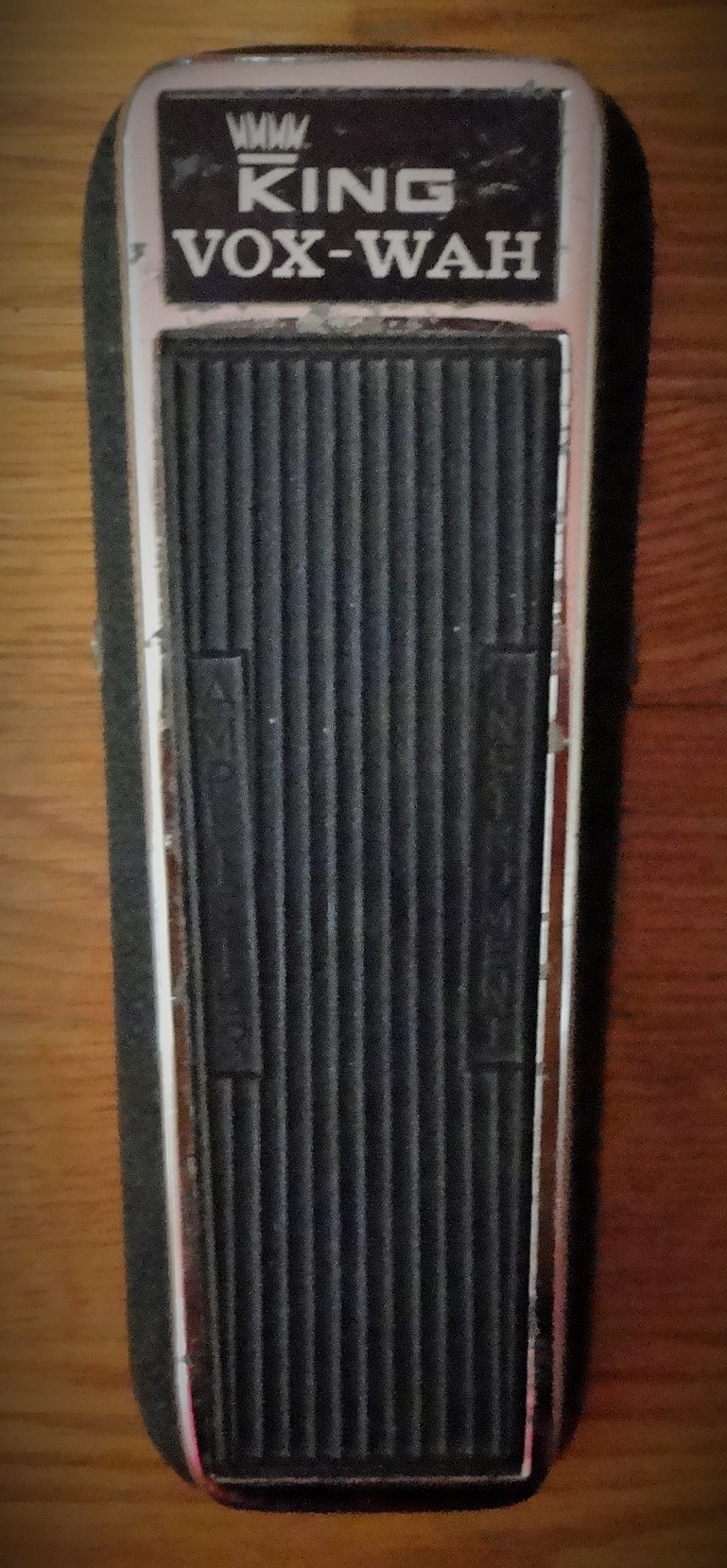
It's easy to forget how new the wah pedal was when Hendrix cut this track. It had only arrived on the market in 1967, built by the Thomas Organ Company and sold under the Vox name. In the UK it was pretty much brand new.
Hendrix jumped on it almost right away. His most prominent early wah track was "Burning of the Midnight Lamp," a UK single in the summer of 1967 that reached No. 18 and later landed on Electric Ladyland. But "Voodoo Child (Slight Return)" is the one that turned the pedal into an instrument. Classic Rock described the wah as "a relatively new invention in 1968, when Jimi Hendrix used it to devastating effect" on this intro.
After this record, the wah stopped sounding like a novelty. It sounded like something a serious guitarist could build a whole song around, and players have been doing exactly that ever since.
The Gear: A Strat, a Wah, and an Amp Nobody Agrees On
Gear nerds have argued about this track for decades, and the honest answer is that some of it is still a mystery.
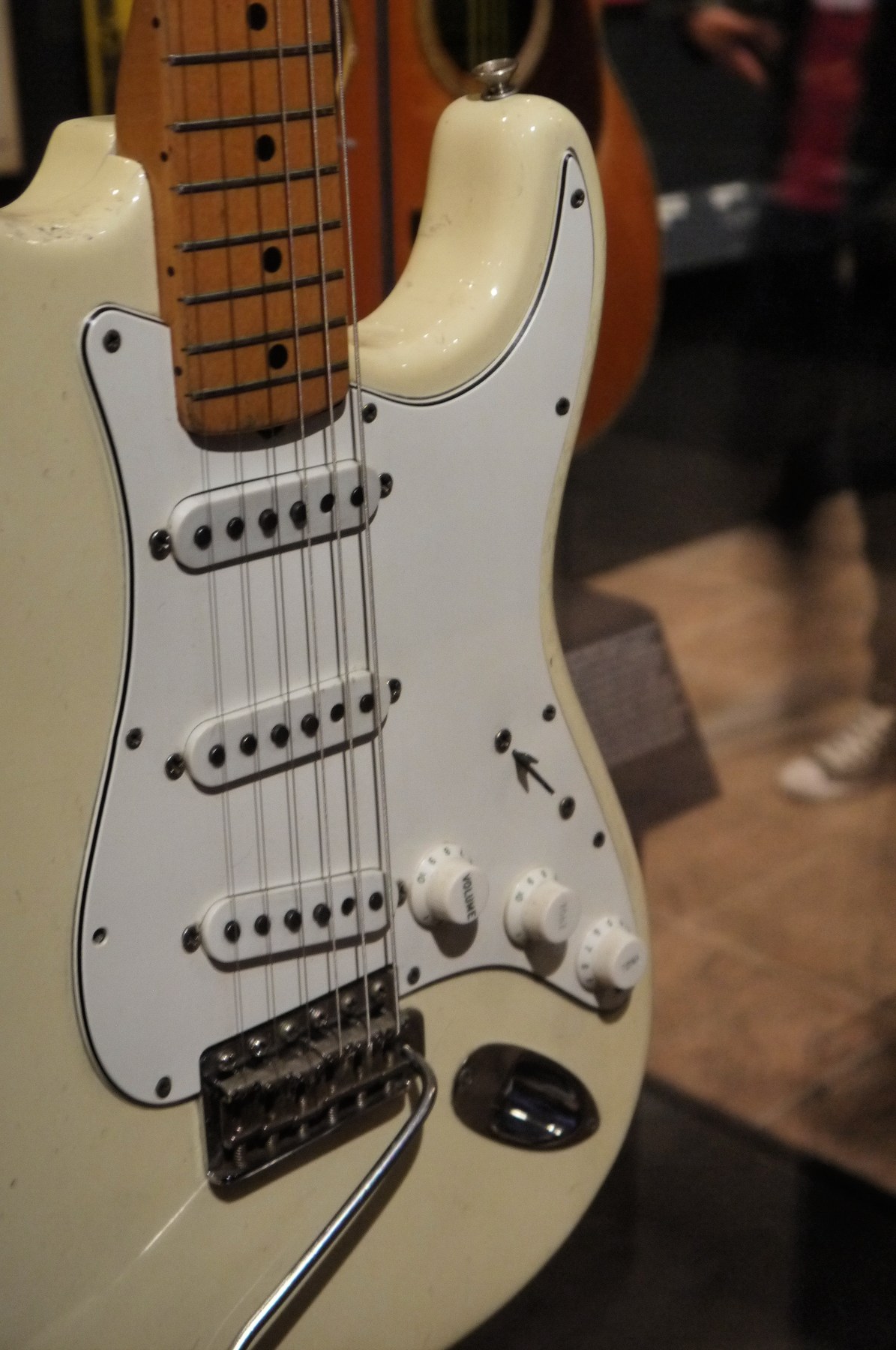
The guitar. Hendrix played a Fender Stratocaster, as he did on most of his records. Lessons and tone guides usually point to the neck pickup for the intro, and you can hear that round, vocal sound under the wah. We couldn't find a primary source that names the exact Strat he used on May 3, 1968, so we won't guess.
The wah. A Vox-branded wah from the Thomas Organ era is the standard answer, and it fits the timeline. Again, no session document lists the specific pedal.
The amp. Here's where it gets tangled. Eddie Kramer has said in interviews that Hendrix used a Fender amp rather than his usual Marshalls, and he's described it differently at different times, including a Fender Showman setup and, in another account, a Fender Bassman. But in at least one of those interviews, Kramer is clearly describing the night with Steve Winwood and Jack Casady. That's "Voodoo Chile," the long jam, not "Voodoo Child (Slight Return)." Since the two songs share almost the same name, it's easy to see how they get crossed.
Many players think the "Slight Return" tone sounds more like a cranked Marshall stack than a Fender. Others say the two tracks sound similar enough to have come from the same setup. Until someone finds the session notes, or that lost ABC footage, you can treat any confident claim about the amp as an educated guess.
What actually matters. Whatever the amp was, the recipe is pretty clear from the record: a Strat, an amp turned up loud enough to sustain and break up on its own, a wah used for rhythm and not just for effect, and a lot of control with the guitar's volume knob and your picking hand. If you're trying to get close at home, don't pile on gain. Hendrix's rhythm sound on this track is crunchier and cleaner than most people's first attempt.
The Album, the Title Mix-Up and a Posthumous No. 1
Electric Ladyland came out in the U.S. on Reprise on October 16, 1968, and in the UK on Track nine days later. "Voodoo Child (Slight Return)" closed the double album. By mid-November the record was No. 1 on the Billboard Top LPs chart, where it stayed for two weeks. It was the Experience's only No. 1 album.
The title confusion started almost right away. In his own handwritten lyrics, Hendrix used "Voodoo Chile" for the long song and both "Voodoo Chile (Slight Return)" and "Voodoo Child (Slight Return)" for the short one. The U.S. release used "Voodoo Chile" and "Voodoo Child (Slight Return)," which is how most people know them today.
Then came the single. Hendrix died in London on September 18, 1970. About five weeks later, on October 23, Track Records released "Voodoo Child (Slight Return)" as a UK single under the title "Voodoo Chile," with no "slight return" at all. It was backed with "Hey Joe" and "All Along the Watchtower," which made it something closer to an EP than a normal single.
During the week of November 15, 1970, it hit No. 1 on the UK Singles Chart. It's the only UK No. 1 Hendrix ever had, and he didn't live to see it.
The Song Hendrix Played Until the End
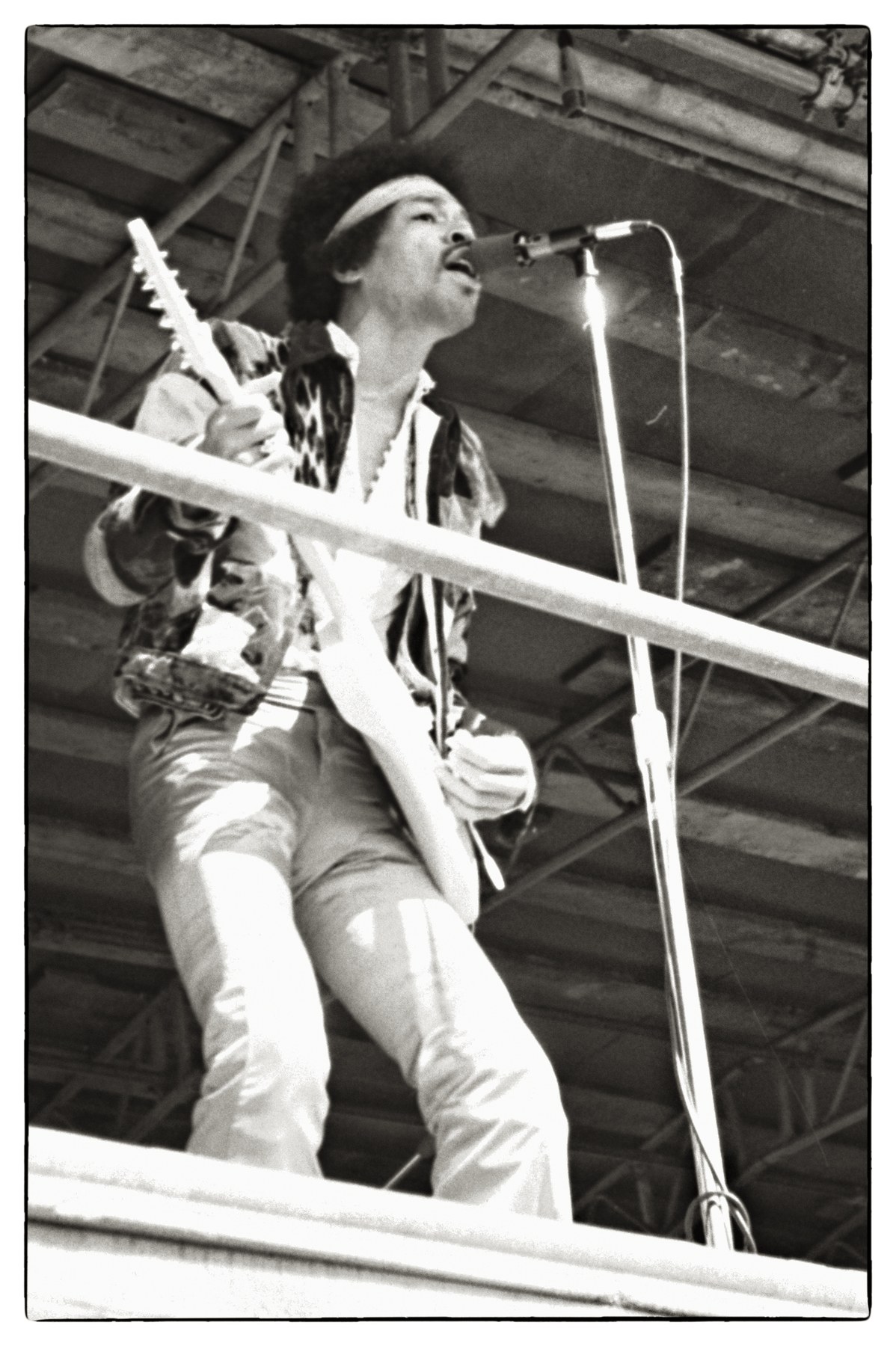
On record, "Voodoo Child (Slight Return)" runs about five minutes. On stage, it was a launchpad. It became one of Hendrix's regular closing songs, stretching anywhere from seven to 18 minutes.
It meant different things on different nights. At the Fillmore East on January 1, 1970, with the Band of Gypsys, Hendrix introduced it as the "Black Panthers' national anthem." At the time, he was under pressure to make a public statement about race in America, and that introduction is one of the few times he did it from the stage.
The most famous live version came the summer before, at Woodstock. Hendrix and his new band, Gypsy Sun and Rainbows, didn't go on until about 9 a.m. on Monday, August 18, 1969, after most of the crowd had gone home. Near the end of the set, he launched into "Voodoo Child (Slight Return)," stretched it into a jam with Larry Lee trading solos, and told the remaining crowd, according to the Bethel Woods Center for the Arts, "you could leave if you want to, we're just jamming, that's all." When the jam crashed to a stop, Hendrix went straight into "The Star-Spangled Banner." The riff that came right before that moment was this one. (We covered the full set in our Jimi Hendrix Woodstock performance feature.)
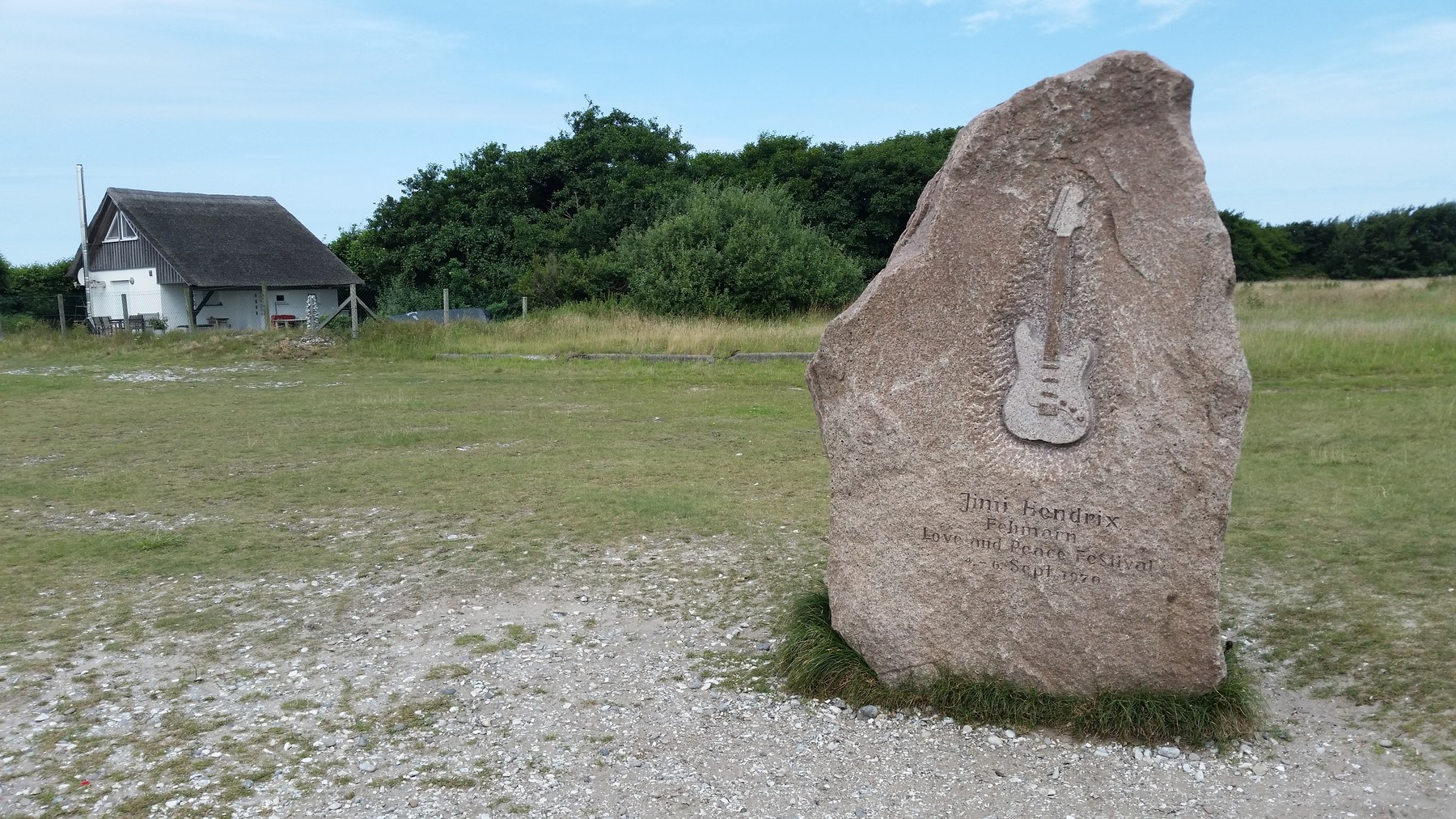
The last time Hendrix played it was on September 6, 1970, at the Love and Peace Festival on the Baltic island of Fehmarn in northern Germany. Classic Rock reports that it was the last song he ever sang in public. The final lines of the song talk about meeting again in the next world if he didn't see you in this one. Twelve days later, he was gone.
The Rhythm Section That Held It Together
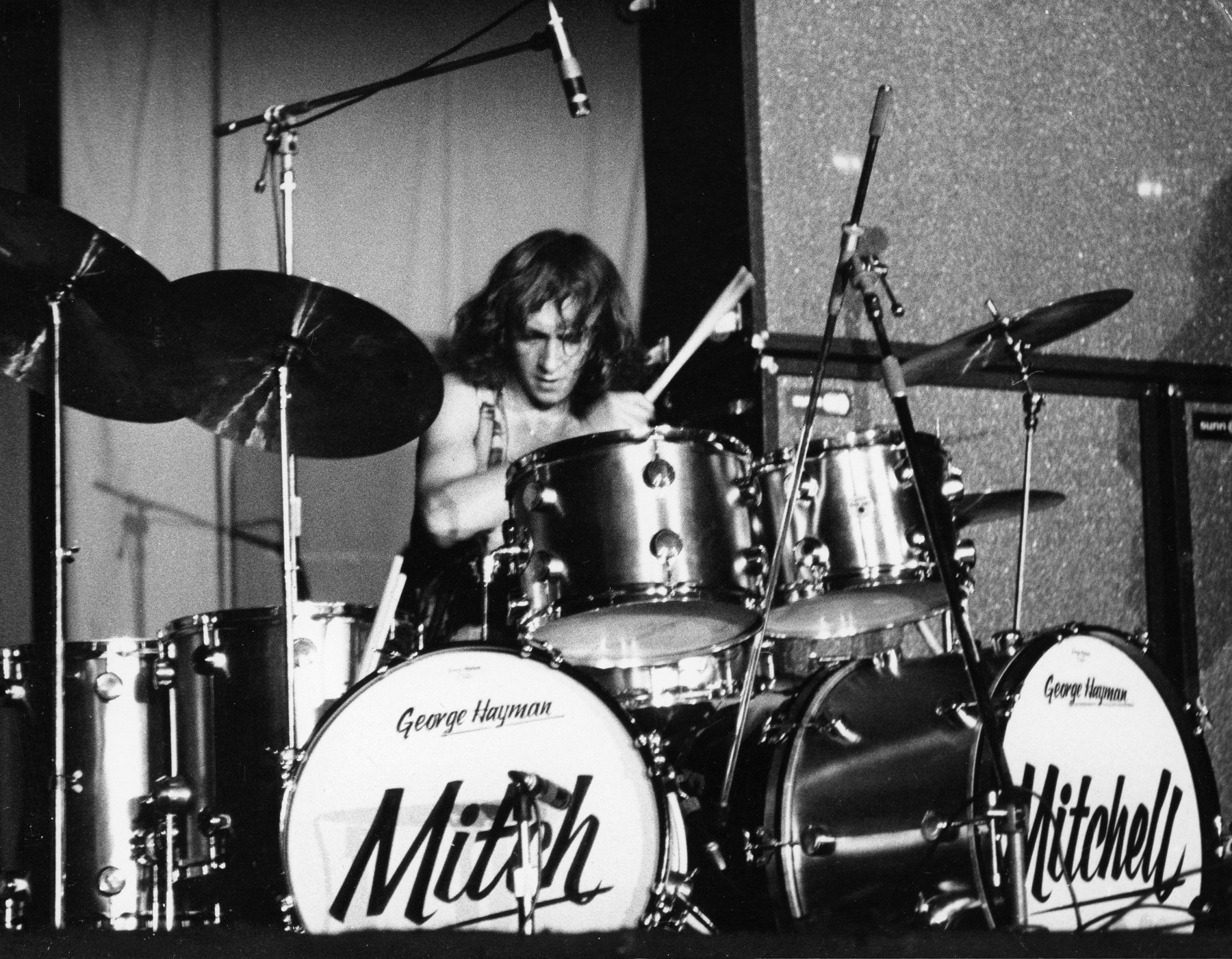
It's easy to hear "Voodoo Child (Slight Return)" as a Hendrix solo record. It isn't. Listen again and notice what Mitch Mitchell and Noel Redding do.
Mitchell came from a jazz background, and you can hear it. He doesn't just play a beat under the riff. He reacts, pushing and pulling the groove, filling the holes, and building with Hendrix when the solo starts climbing. Redding's job was the opposite. He holds the bottom steady so Hendrix and Mitchell can fly around on top. Classic Rock described their playing as "solid, unwavering," giving Hendrix the room he needed to bring the dynamics down and back up.
That's how a song learned on the spot, in front of a TV crew, ended up sounding so tight. Three players who knew each other's moves were listening hard. About a year later, the Experience broke up. "Voodoo Child (Slight Return)" is one of the last great records they made together.
Why Every Guitarist Tries This Riff Eventually
Plenty of riffs are famous. This one is a rite of passage.
Joe Satriani, who knows a thing or two about guitar heroes, told MusicRadar: "It's just the greatest piece of electric guitar work ever recorded. In fact, the whole song could be considered the holy grail of guitar expression and technique." Rolling Stone ranked it in the top 102 on its original 2004 list of the 500 Greatest Songs of All Time.
The most important cover belongs to Stevie Ray Vaughan. He recorded it for his second album, Couldn't Stand the Weather, in 1984 and played it live for the rest of his career. In a 1985 interview he explained why: "I love Hendrix's music... and I just feel it's important for people to hear him." Guitar World's Damian Fanelli wrote that Vaughan could "smooth out some of Hendrix's weirder edges without losing any of the music's power or excitement," which introduced Hendrix's blues to a whole new generation of players.
The list of others who've taken a shot at it is long and wildly mixed, according to Classic Rock: Yngwie Malmsteen, Mick Mars, Extreme, Pearl Jam, Earth, Wind & Fire, Neal Schon, Tom Morello, and Zakk Wylde's Pride & Glory. Hip-hop artists including the Beastie Boys, Ice-T, Mos Def and Schoolly D have sampled it.
There's a reason so many different players are drawn to it. The riff is a test. The intro checks your rhythm and your wah control. The main riff checks whether you can play rhythm and lead at the same time. And the solos check whether you have anything to say. You can't fake any of it.
From a Lost TV Reel to a U.S. Coin
On November 9, 2026, Washington governor Bob Ferguson announced that Hendrix will be the state's pick for the U.S. Mint's American Innovation $1 Coin Program. Washington's coin is scheduled for 2029. The design still has to go through development and public review, and the Treasury Secretary makes the final call.
"Jimi Hendrix's historic innovation on guitar and his deep roots in Washington make him a great choice to represent our state," Ferguson said.
"Innovation" is the right word, and "Voodoo Child (Slight Return)" might be the best single example of what it means. In five minutes, a kid from Seattle took a brand-new effects pedal, a Delta blues tradition, a funk rhythm and a roaring hard-rock riff, and fused them into one song. He did it in a crowded New York studio, with a fraying band, while a TV crew asked him to "make it look like" he was recording.
The footage is still lost. The riff isn't. Tune down a half step, rest your hand across the strings, rock the pedal, and you're playing the same few muted bars that have hooked guitarists since 1968.
Quick Facts: "Voodoo Child (Slight Return)"
- Artist: The Jimi Hendrix Experience (Jimi Hendrix, Noel Redding, Mitch Mitchell)
- Recorded: May 3, 1968, at the Record Plant, New York City
- Engineers: Eddie Kramer and Gary Kellgren
- Album: Electric Ladyland (U.S. release October 16, 1968; UK October 25, 1968), final track
- Length: About 5:08
- Tuning: Half step down (E♭ standard); played in E shapes, sounds in E♭
- Key sounds: Muted wah-wah scratch, E minor pentatonic lick, low E pedal with E7#9 stabs
- UK single: Released October 23, 1970, as "Voodoo Chile"; No. 1 the week of November 15, 1970
- Last live performance: September 6, 1970, Love and Peace Festival, Fehmarn, Germany
*More Hendrix riff stories: Purple Haze and Foxey Lady. Have your own take on the Voodoo Child intro, or a tip for nailing the wah rhythm? Bring it to Guitar Talk.*
Shop this gear
- Fender Jimi Hendrix Voodoo Child Strat — BlackCompare prices at Plugged Gear Co.

- Fender Jimi Hendrix Stratocaster — 3-Color Sunburst / MapleCompare prices at Plugged Gear Co.

- Fender Tread-Light Wah Pedal — Black with BrownCompare prices at Plugged Gear Co.

Plugged Gear Co. may earn a commission from qualifying purchases.
Reader-supported
Keep Guitar Alive
Enjoyed this story? The Guitar Plugged is free to read and reader-supported. If it helped you play, listen or buy a little smarter, chip in to keep guitar journalism like this coming.
One-time contribution, processed securely by Stripe. Contributions are not tax-deductible.
Experience-driven coverage, not algorithm bait.
- 20+ years of guitar playing experience
- Real-world retail experience at Guitar Center
- Thousands of hours testing guitars, amps, and pedals
- A community of 50,000+ guitar enthusiasts across platforms
- Partnerships with Fender, DistroKid, TrueFire, Card Chords, and Enya
- Editorial standards published openly — see how we test gear
The Modern Guitar Magazine. Delivered to your inbox.
No spam. No gimmicks. Just great guitar content — stories, tones, iconic solos, and honest gear takes. Every week.
Ask GP
20 free questions a dayStill curious? Ask GP about this story.
Your personal classic-rock and guitar guide — ask anything about Jimi Hendrix's "Voodoo Child (Slight.
Discussion (0)
Sign in to join the discussion.
Sign in to commentLoading comments…
Discover another guitar story
Swipe through our latest features, breaking news and iconic solos — one story at a time.
Open Swipe →More Guitar News
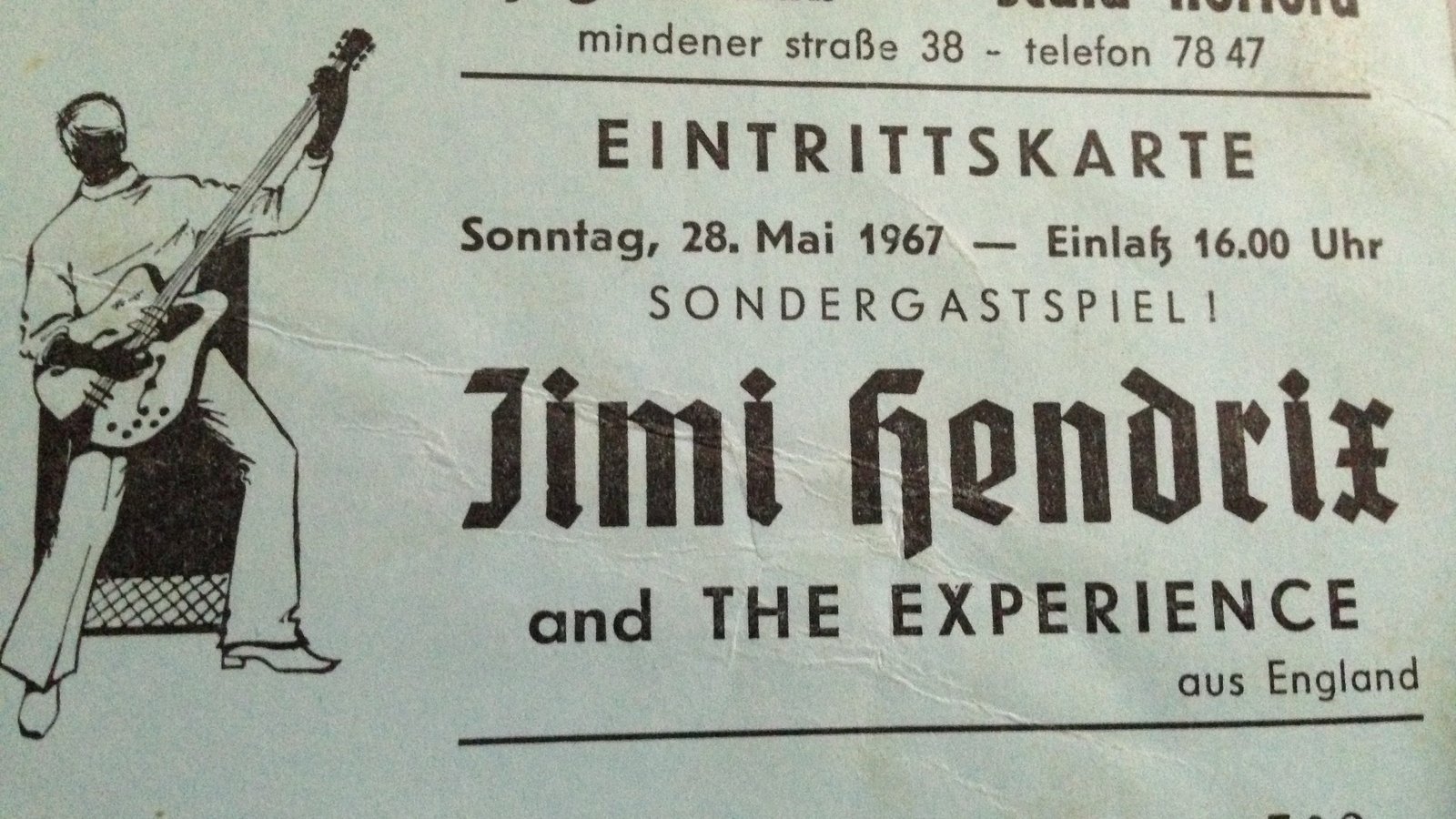
History of the Riff: Purple Haze
The story behind Jimi Hendrix's legendary Purple Haze riff — where it came from, how it was recorded, and why it changed rock guitar forever.
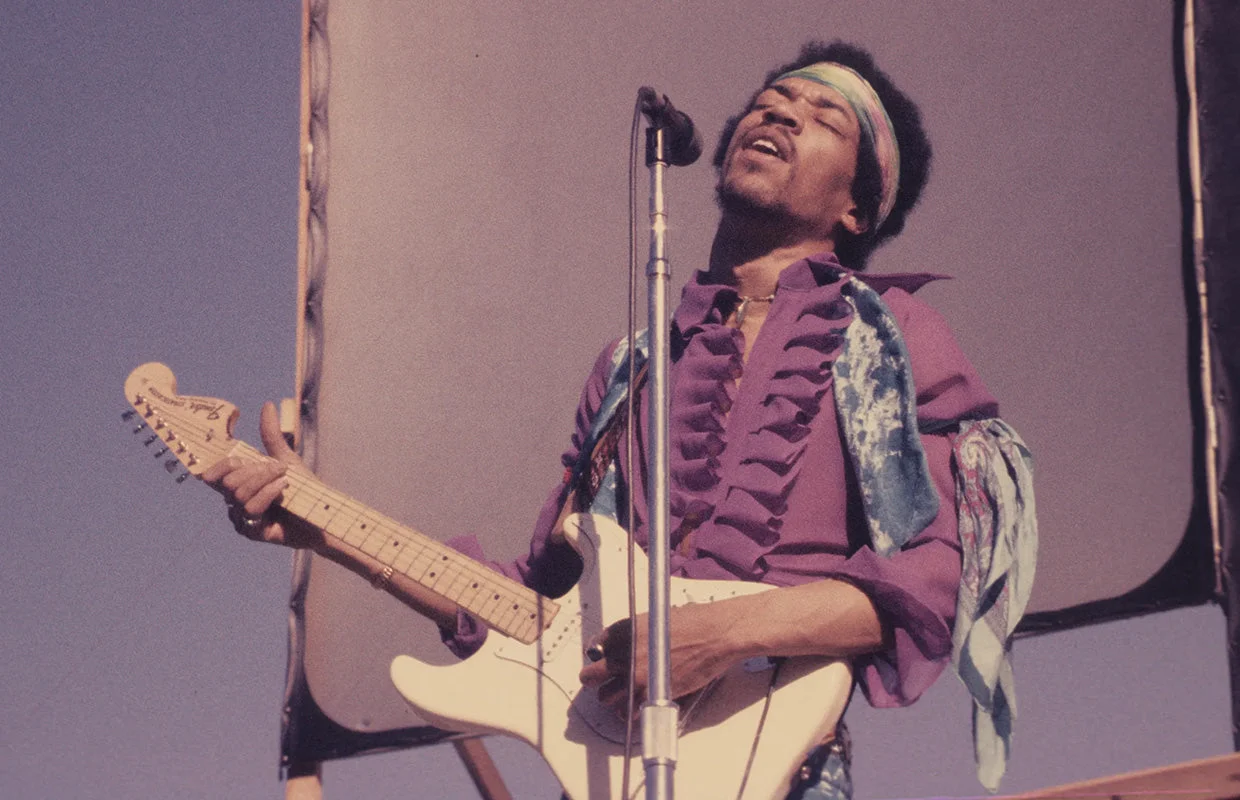
History of the Riff: Jimi Hendrix's "Foxey Lady" — The Sound That Made the Electric Guitar Dangerous
Feedback before the riff, four Marshall cabinets, a microphone eight feet away and a Stratocaster flipped upside down — the full story of the riff that made the electric guitar sound dangerous.
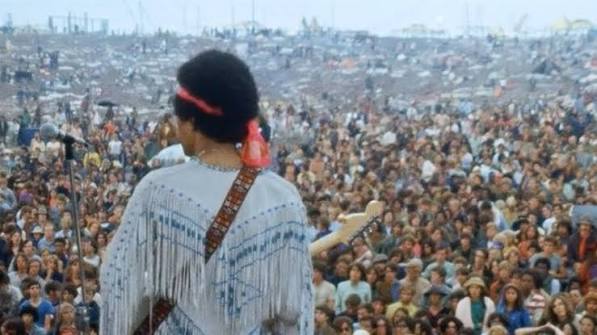
Jimi Hendrix at Woodstock: The Performance That Redefined Electric Guitar Forever
On the morning of August 18, 1969, Jimi Hendrix walked onto the Woodstock stage and delivered one of the most influential guitar performances ever witnessed — a set that turned the Stratocaster into a new instrument and the American anthem into a statement heard around the world.