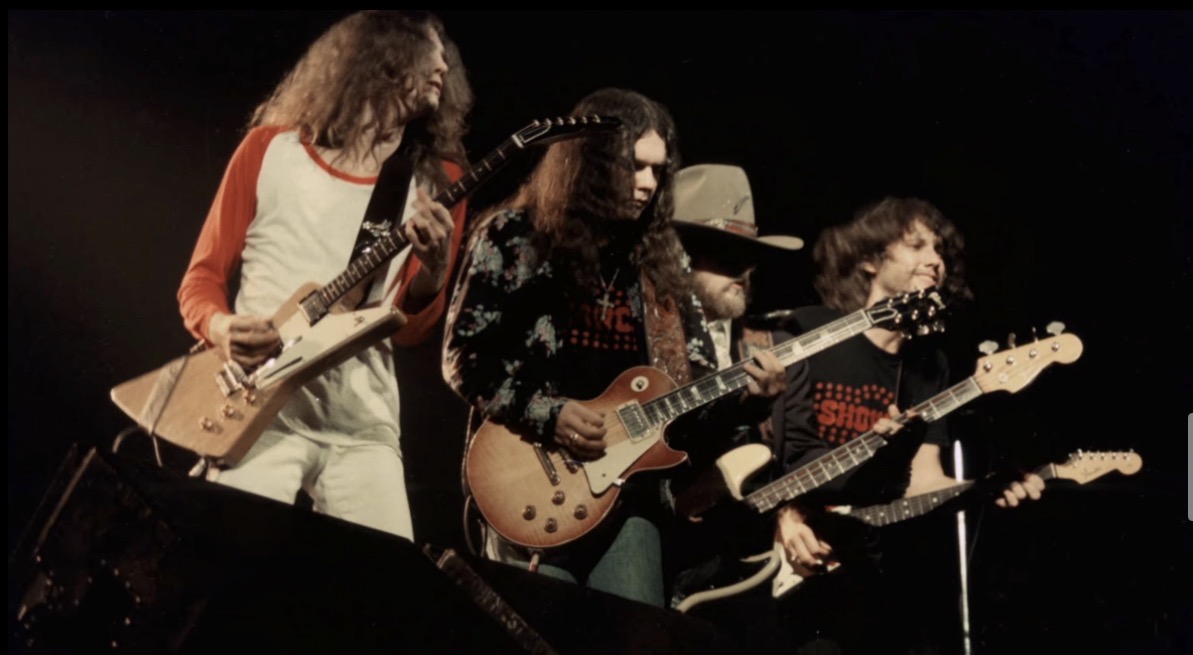
Allen Collins' four-minute Free Bird solo isn't about speed — it's about momentum, repetition, and reckless tone. Here's why it still gives guitarists chills.
Every guitarist has a list.
The solos you learn because you have to. The solos that impress your friends. And then there are the solos that change the way you look at the instrument.
For me, "Free Bird" falls into that last category.
On paper, it's almost ridiculous. Nearly five minutes of guitar fireworks at the end of a Southern rock ballad. In reality? It's one of the greatest lessons in lead guitar ever recorded.
Because the magic of "Free Bird" isn't speed. It's momentum.
The Build-Up
Most players think of "Free Bird" as the fast part. That's a mistake.
The solo actually starts long before the first flurry of notes. The song spends over four minutes slowly turning the pressure up. The acoustic intro, the vocal melody, the gradual increase in intensity — it's all setting the stage.
By the time Allen Collins kicks the door open with that first screaming phrase, your ears are begging for release. That's songwriting.
Too many guitarists skip this lesson and go straight to shredding. "Free Bird" proves that the notes only matter because of what came before them.
The First Time I Tried to Learn It
I remember putting the record on and thinking: "How hard can this be?"
Then I tried playing it.
Your left hand burns. Your picking hand starts to tighten up. You realize pretty quickly that the solo isn't a sprint — it's a marathon.
The challenge isn't playing one fast lick. It's maintaining intensity for four straight minutes without losing feel.
That's why so many cover bands butcher it. You can fake the notes. You can't fake the energy.
Get Allen Collins’ “Free Bird” Tone
Tell ToneMD what gear you own and get a full signal chain with real numbered settings for this tone.
Included with Premium
Allen Collins Was Playing Like a Man Possessed
A lot of legendary solos feel calculated. This one doesn't.
Allen Collins sounds like he's chasing something. The phrases get bigger. The bends get wider. The vibrato gets more desperate. There's almost a reckless quality to the playing.
Some of the lines aren't perfectly clean. Good. That's rock and roll.
You can hear fingers digging into strings and amplifiers on the edge of exploding. Perfection would have ruined it.
The Secret Ingredient: Repetition
Here's something that blew my mind when I finally sat down and analyzed the solo: a lot of the phrases are simple. Pentatonic ideas. Repeating motifs. Classic rock vocabulary. Nothing revolutionary.
“You can fake the notes. You can't fake the energy.”
The genius is how the ideas are stacked and developed. The solo keeps climbing, and every phrase feels like it's trying to outdo the one before it.
It's like watching a plane continue to gain altitude. Eventually you're so high up that the final bends feel almost emotional.
The Tone
No pedalboard with twenty presets. No studio trickery. Just guitars, loud Marshalls, and enough sustain to make every bend sing.
The tone has teeth. It's bright. It's raw. And most importantly, it reacts to the player's hands. Every aggressive pick attack jumps out of the speakers.
You don't hear effects. You hear effort.
• Gibson Les Paul or Explorer with PAF-style humbuckers
• Cranked Marshall Plexi or Super Lead
• Light overdrive — let the power tubes break up
• Heavy strings, big bends, no compression
• Mids forward, presence up, reverb subtle
Why Guitarists Still Love It
Because "Free Bird" represents something we've lost a little bit. It's unapologetic. It's too long. It's excessive. And it's absolutely glorious.
Nobody in that studio was worried about fitting into an algorithm or cutting the song down for streaming. They simply let the guitars keep going because the moment demanded it.
As guitar players, we connect with that. We've all had those moments in our practice room where one phrase leads to another and suddenly twenty minutes have passed.
"Free Bird" feels like that moment captured on tape.
Final Thoughts
The "Free Bird" solo isn't the fastest solo ever recorded. It isn't the most technically demanding.
But if your definition of a great guitar solo is one that makes you want to pick up your guitar immediately after hearing it… then this one belongs on the Mount Rushmore.
More than fifty years later, that ending still gives me chills. And every time I hear those opening notes of the solo, I know exactly what's coming.
Four minutes of six-string freedom.
Where does the "Free Bird" solo rank on your all-time list? Top five? Number one? Let us know — and tell us the first solo that made you want to become a guitarist.
Keep Exploring Iconic Solos
What to Remember
- ▸Free Bird's solo works because of four minutes of build-up before the first note.
- ▸It's a marathon, not a sprint — endurance and intensity matter more than speed.
- ▸Allen Collins' phrases are largely pentatonic; the genius is in how he stacks and develops them.
- ▸The tone is just a Gibson into a cranked Marshall — reactive, raw, and hands-driven.
- ▸Perfection would have ruined it. The slight ragged edge is the rock and roll.
- Marshall Studio Vintage SV20$1,599·Check on Amazon →
- Dunlop Flow Picks$6·Check on Amazon →
- Ernie Ball Regular Slinky Strings$6·Check on Amazon →
Some links are affiliate links — we may earn a small commission at no cost to you.
Build the Free Bird Rig
Some links may be affiliate links. We may earn a small commission at no cost to you.
Experience-driven coverage, not algorithm bait.
- 20+ years of guitar playing experience
- Real-world retail experience at Guitar Center
- Thousands of hours testing guitars, amps, and pedals
- A community of 50,000+ guitar enthusiasts across platforms
- Partnerships with Fender, DistroKid, TrueFire, Card Chords, and Enya
- Editorial standards published openly — see how we test gear
The Modern Guitar Magazine. Delivered to your inbox.
No spam. No gimmicks. Just great guitar content — stories, tones, iconic solos, and honest gear takes. Every week.
Ask GP
3 free questions a dayStill curious? Ask GP about this story.
Your personal classic-rock and guitar guide — ask anything about Iconic Solos.
Discussion (0)
Sign in to join the discussion.
Sign in to commentLoading comments…
Discover another guitar story
Swipe through our latest features, breaking news and iconic solos — one story at a time.
Open Swipe →More in Iconic Solos
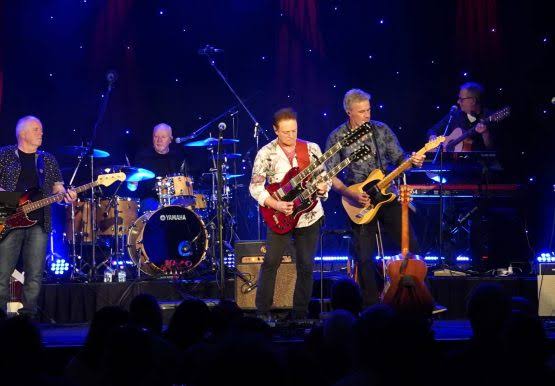
The Story Behind the "Hotel California" Guitar Solo: How Don Felder and Joe Walsh Created Rock's Greatest Guitar Duel
Nearly five decades on, the final minutes of the Eagles' "Hotel California" still stop guitarists in their tracks. Inside the composition, tone, and interplay of Don Felder and Joe Walsh's legendary dual-guitar finale.

10 Underrated Guitar Solos Every Player Should Learn
Ten overlooked guitar solos — from Larry Carlton to Derek Trucks — that will make you a better player through phrasing, feel, and note choice.
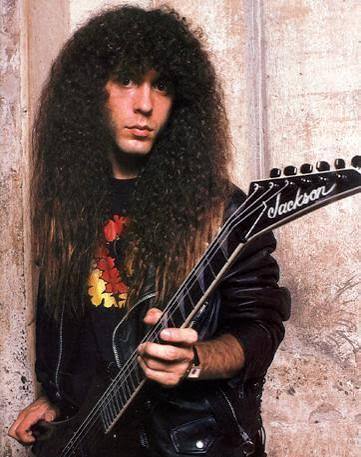
Iconic Solos: Marty Friedman's "Tornado of Souls" — The Crown Jewel of Thrash Guitar
More than 35 years later, Marty Friedman's solo on Megadeth's Tornado of Souls is still the gold standard for melodic shred — exotic phrasing, vocal-like bends, and an ending run that breaks brains.