Joe Perry's Guitar Tone Decoded: The Secret Sauce Behind Aerosmith's Legendary Sound
Inside Joe Perry's iconic tone — the vintage Les Pauls, cranked Marshalls, key pedals, and playing techniques that define Aerosmith's sound.
There are guitar tones that sound good, and then there are guitar tones that immediately make you say, "That's Joe Perry."
The legendary Aerosmith guitarist has spent over five decades crafting one of rock's most recognizable sounds — a gritty, blues-soaked, slightly dangerous tone that perfectly complements Steven Tyler's vocals. Whether it's the swagger of "Walk This Way," the sleazy groove of "Sweet Emotion," or the massive riffs of "Love in an Elevator," Joe Perry's guitar playing has always been about feel over perfection.
So what exactly makes Joe Perry's tone so special? Let's decode it.
The Foundation: Vintage Gibson Guitars
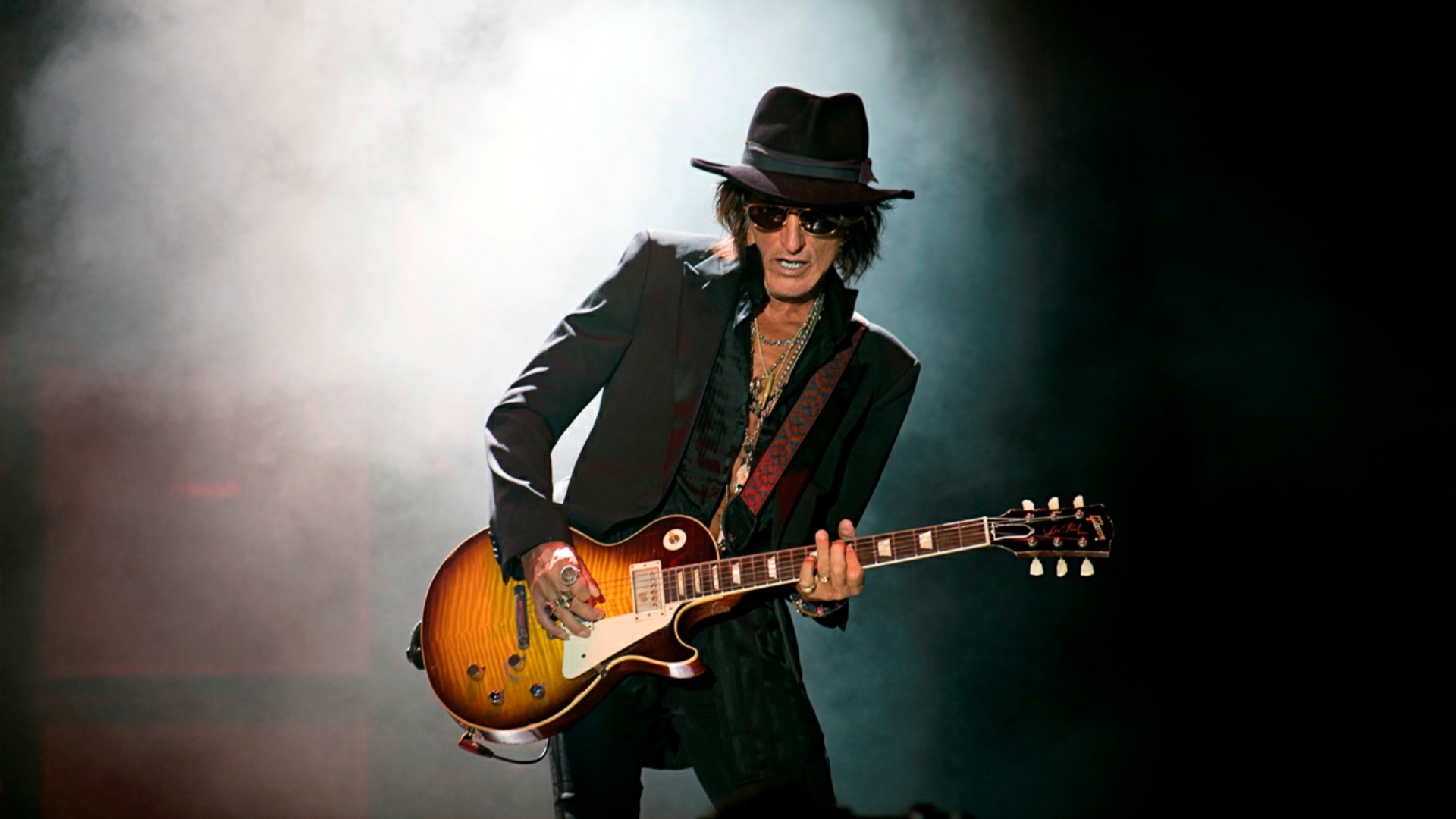
Joe Perry's sound starts with his guitars. Throughout his career, he's become almost synonymous with vintage Gibson instruments, particularly Les Pauls.
• Gibson Les Paul '59 Reissue
• Gibson Les Paul Standard
• Gibson Boneyard Les Paul Signature
• Gibson Firebird
• Gibson ES-355
• Fender Telecaster (used on select tracks)
Perry's most famous guitar may be his "Billie" Les Paul, a stunning 1959 Burst that has appeared on countless recordings and tours. His preference for old-school PAF-style humbuckers gives his sound warmth, punch, and that slightly compressed midrange that cuts through a loud rock band.
The Amplifiers: Marshall Is King
If Gibson provides the voice, Marshall provides the attitude. Joe Perry's live rig has evolved over the years, but Marshalls have remained at the center of his tone.
• Marshall JTM45
• Marshall Plexi Super Lead
• Marshall Silver Jubilee
• Marshall JVM Series
• Fender Tweed amps for studio work
Unlike many modern players, Perry doesn't rely on extreme gain. Instead, he turns the amp up loud and lets the power tubes do the work. The result? A crunchy, open sound with incredible dynamics. Dig in and it snarls. Roll back the volume knob and it cleans right up.
The Secret Weapon: The Guitar's Volume Knob
One of the most overlooked aspects of Joe Perry's tone is how much he works the volume knob. Rather than using multiple channels or complicated switching systems, Perry constantly manipulates his guitar's controls.
Get Joe Perry’s “Walk This Way” Tone
Tell ToneMD what gear you own and get a full signal chain with real numbered settings for this tone.
Included with Premium
This technique allows him to move between clean rhythm tones, crunchy blues textures, and full-on rock leads — all from the same amp setting. It's old-school, but incredibly effective.
Effects: Less Is More
Joe Perry's pedalboard has changed through the decades, but his philosophy remains simple: the effects serve the song.
• Wah pedal
• Analog delay
• Chorus
• Fuzz
• Overdrive
• Talk box
The iconic intro to "Sweet Emotion" wouldn't be the same without tasteful effects, but Perry never allows pedals to overpower his core guitar tone. Everything starts with the amp.
“A great Les Paul, a cranked Marshall, and a whole lot of swagger.”
The Joe Perry EQ Formula
If you're trying to approximate Joe Perry's sound on a modeler or amp, start here.
• Gain: 6/10
• Bass: 5/10
• Mid: 7/10
• Treble: 6/10
• Presence: 5/10
The mids are the key. Joe Perry's tone is thick and vocal-like, helping his guitar sit perfectly inside Aerosmith's mix.
How To Get Joe Perry's Tone on a Budget
You don't need a vintage Burst and a wall of Marshalls to chase this sound. A few smart choices will get you most of the way there.
- Guitar: Epiphone Les Paul Standard 50s
- Amp: Marshall DSL40CR or Fender Tone Master Deluxe Reverb
- Pedals: Overdrive, Wah, Analog Delay
Even a modern modeler like the Fractal FM3, Headrush Core, or Neural DSP Quad Cortex can get remarkably close with the right patch.
The Real Secret: Swagger
Here's the truth: you can buy all the gear in the world and still not sound like Joe Perry. His tone comes from his phrasing, his attack, and his sense of groove.
Joe Perry plays slightly behind the beat, bends notes with attitude, and leaves space where many guitarists would overplay. That swagger is impossible to purchase — but it's something every guitarist can study.
Final Thoughts
Joe Perry's guitar tone is proof that rock and roll doesn't need to be complicated. A great Les Paul. A cranked Marshall. A handful of pedals. And a whole lot of attitude. Sometimes, that's all you need to create one of the most iconic guitar sounds in rock history.
Tone Rating: 10/10 — because when you hear a Joe Perry riff, you know exactly who's playing within the first few notes.
Keep Exploring Tone Decoded
What to Remember
- ▸Joe Perry's tone is built on vintage Gibson Les Pauls with PAF-style humbuckers.
- ▸Cranked Marshalls — JTM45, Plexi, Silver Jubilee — drive his crunch, not high-gain pedals.
- ▸He uses the guitar's volume knob like a channel switcher between clean, crunch, and lead.
- ▸Effects are tasteful: wah, delay, fuzz, chorus, and the occasional talk box.
- ▸The real magic is phrasing and swagger — playing behind the beat with attitude and space.
- Epiphone Les Paul Standard '50s$699·Check on Amazon →
- Marshall DSL40CR Combo Amp$899·Check on Amazon →
- Dunlop Cry Baby Wah Pedal$99·Check on Amazon →
- MXR Carbon Copy Analog Delay$179·Check on Amazon →
- Fractal Audio FM3 Mark II Turbo$1,199·Check on Amazon →
- Headrush Core$499·Check on Amazon →
Some links are affiliate links — we may earn a small commission at no cost to you.
Shop This Tone
Some links may be affiliate links. We may earn a small commission at no cost to you.
Experience-driven coverage, not algorithm bait.
- 20+ years of guitar playing experience
- Real-world retail experience at Guitar Center
- Thousands of hours testing guitars, amps, and pedals
- A community of 50,000+ guitar enthusiasts across platforms
- Partnerships with Fender, DistroKid, TrueFire, Card Chords, and Enya
- Editorial standards published openly — see how we test gear
Get Tone Decoded in Your Inbox
Weekly rig breakdowns, tone guides, and gear news from The Guitar Plugged.
Ask GP
3 free questions a dayStill curious? Ask GP about this story.
Your personal classic-rock and guitar guide — ask anything about Joe Perry's Guitar Tone Decoded.
Discussion (0)
Sign in to join the discussion.
Sign in to commentLoading comments…
Discover another guitar story
Swipe through our latest features, breaking news and iconic solos — one story at a time.
Open Swipe →More in Tone Decoded
Dimebag Darrell Didn't Just Make Metal Heavier—He Made It Swing
Inside the fearless Texas guitar language, brutal-but-musical tone, and melodic instinct that made Dimebag Darrell impossible to imitate — and impossible to replace.
The Infamous Stevie Ray Vaughan Soundcheck
No crowd. No spectacle. Just Stevie Ray Vaughan checking levels at the Syria Mosque in 1986 — and sounding absolutely monstrous. What the footage reveals about tone, touch and the myth of the rig.
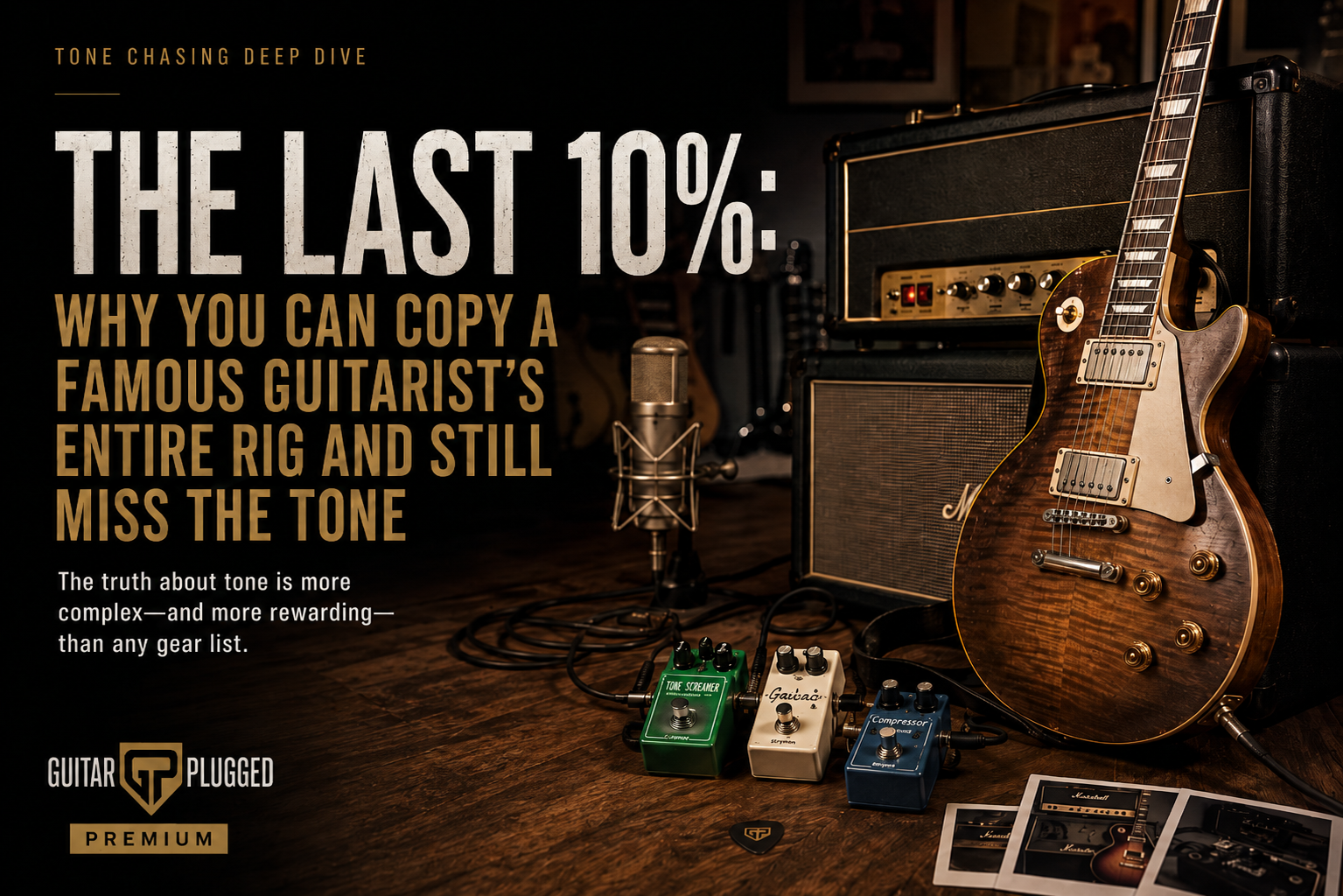
The Last 10%: Why You Can Copy a Famous Guitarist’s Entire Rig and Still Miss the Tone
You bought the guitar, the amp, and the pedals — so why doesn’t it sound right? The last 10 percent of guitar tone is the most important part, and it’s almost never about the gear list.