
John Christ, 1965–2026: The Danzig Guitarist Who Heard the Riff in Glenn's Voice
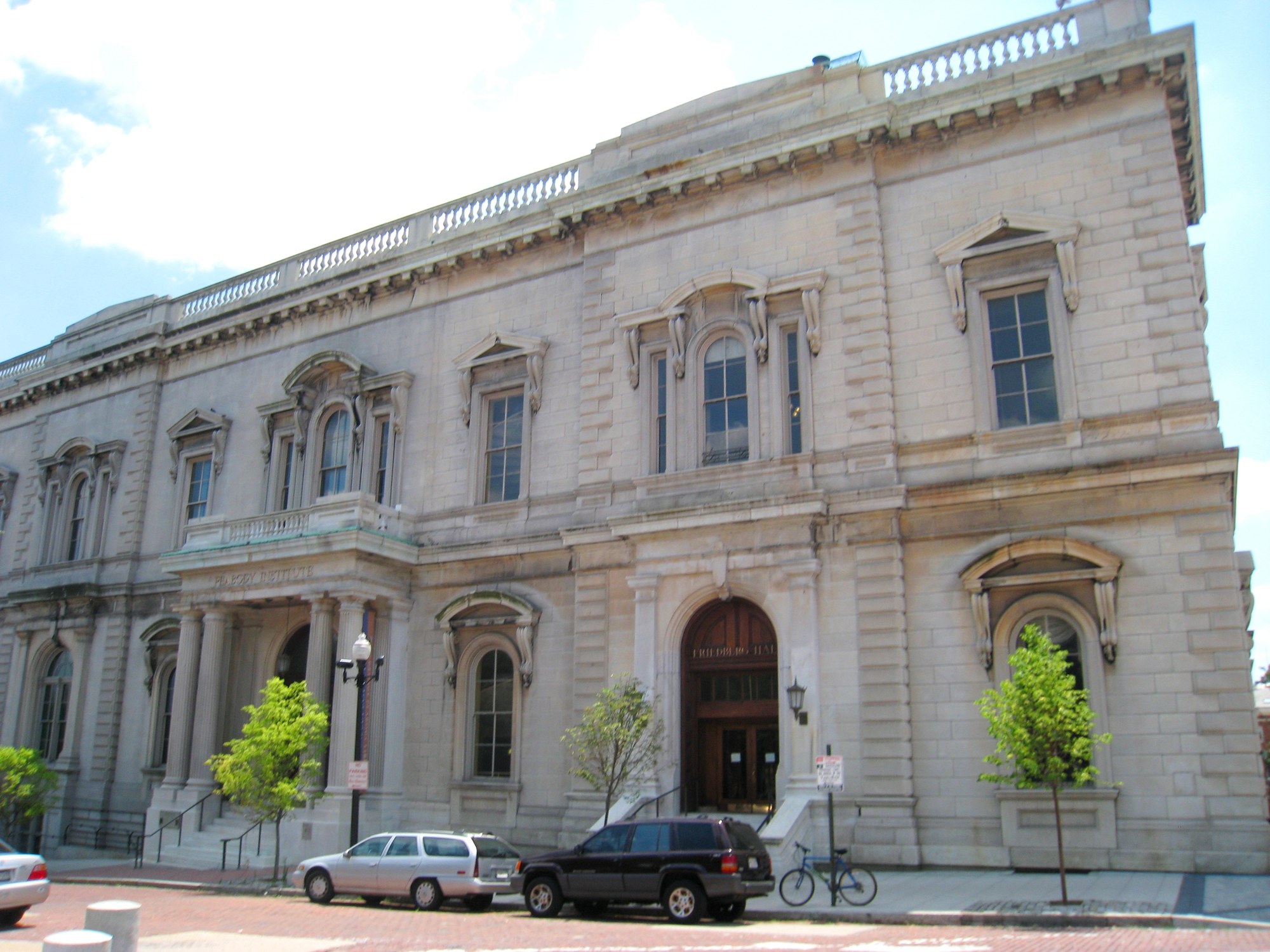
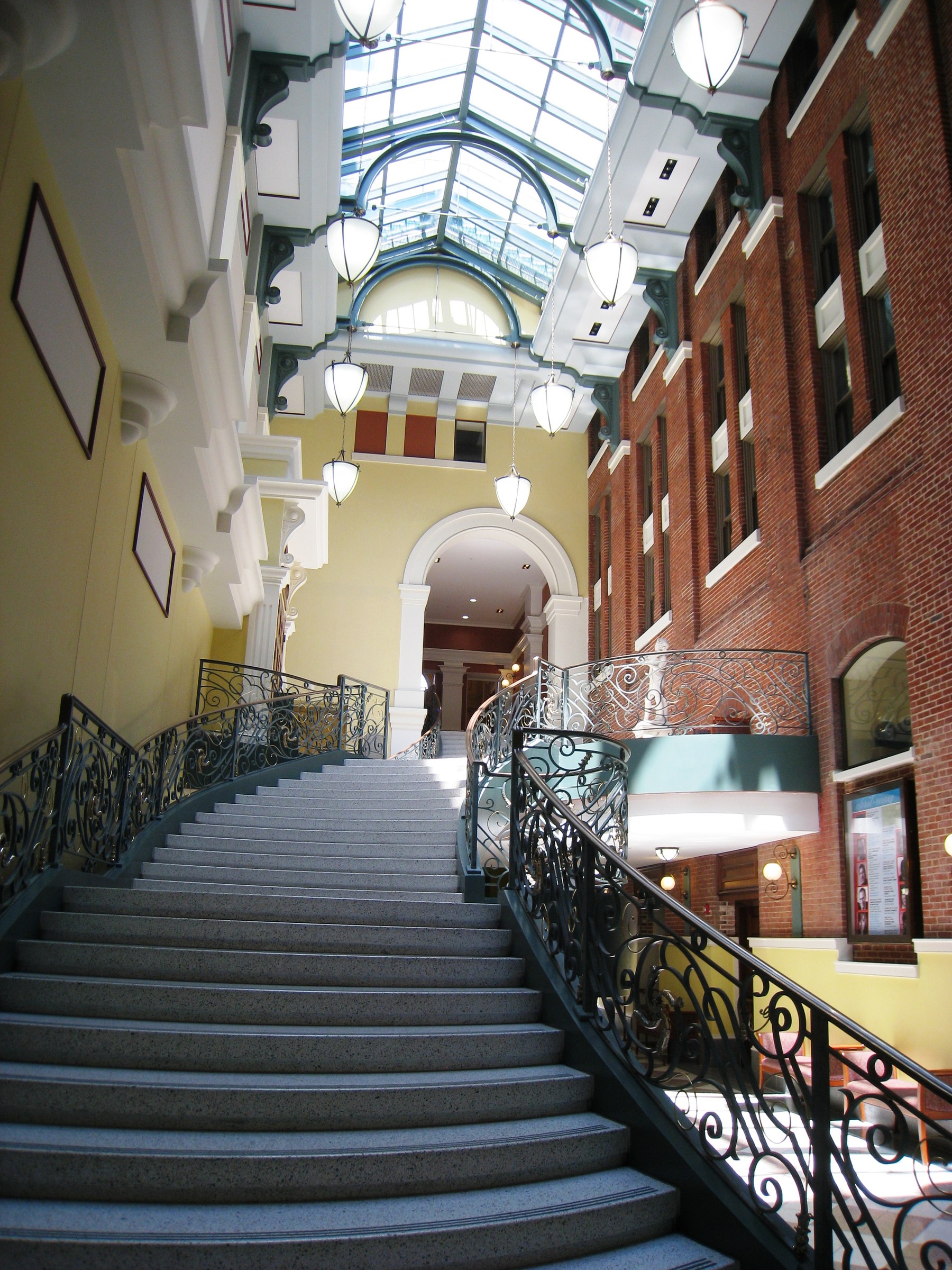
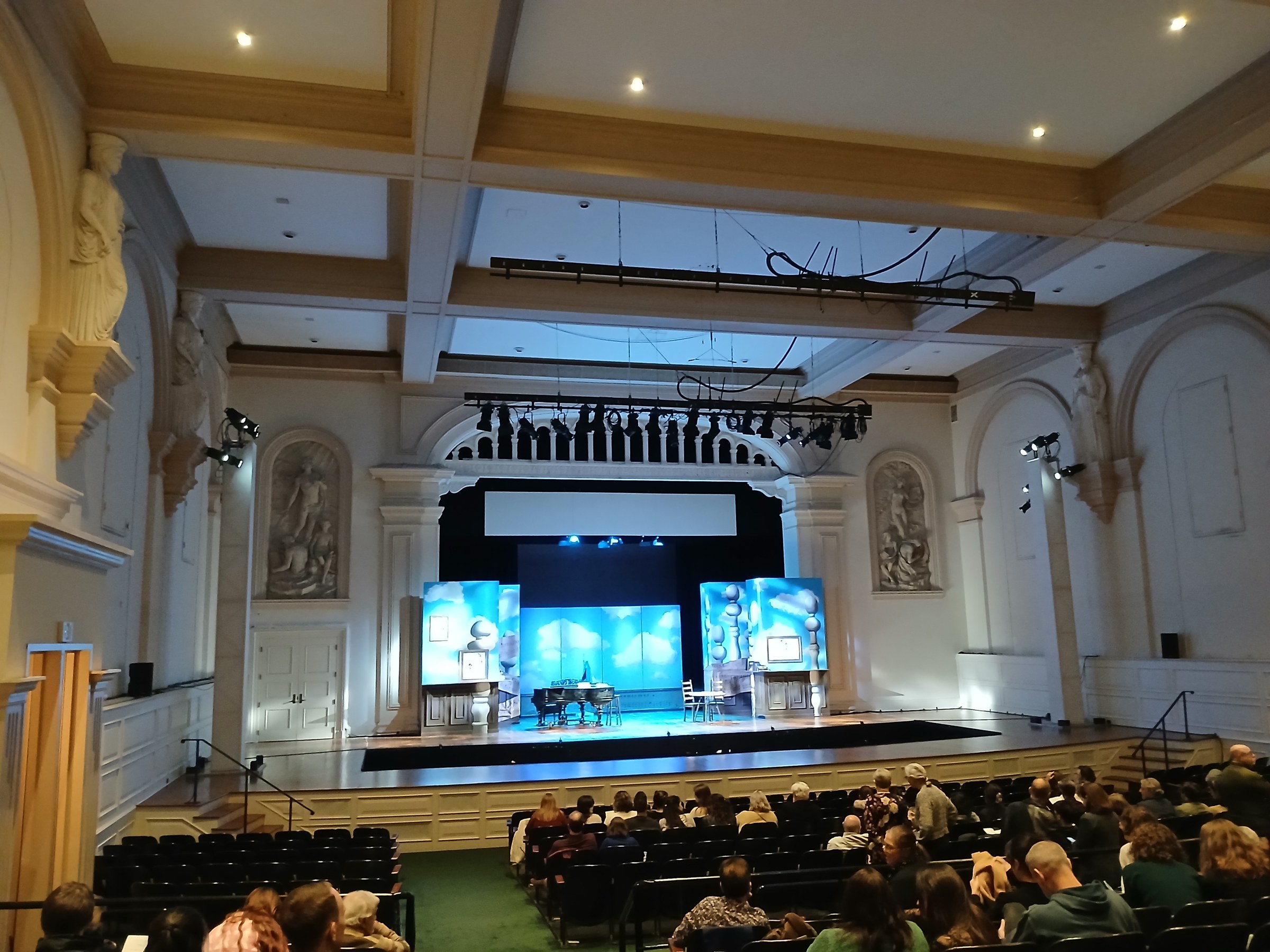
The Peabody Institute on Mount Vernon Place in Baltimore. Christ studied classical guitar here before he left college for Samhain. This is not a portrait of Christ; no freely licensed photograph of him was available for this tribute.
John Christ, the original guitarist of Danzig and late-period Samhain, died on November 15 at 61. His family asked for privacy and did not state a cause. The records still tell you what he was for: a blues and jazz player who made Glenn Danzig's songs cut.
John Christ died on November 15, 2026. He was 61. The statement posted to his official channels the next day was short, and it asked for something specific: privacy.
"It is with a heavy heart that we must inform you of the peaceful passing of John Christ on November 15, 2026," the message read, as reported by Guitar World, Rolling Stone and other outlets that confirmed the news. "No services are planned, and we kindly ask everyone to respect the family's privacy during this time. John loved each and every one of you."
A cause of death has not been disclosed. We are not going to invent one. In early September, Christ had told fans he was dealing with an undisclosed medical issue. "Recently, I have been focusing on a medical issue that has been kicking my butt, and I am in the process of recuperating," he wrote, as quoted by Guitar World. Doctors, he said, had asked him to take a few months off "to rest up and let my body get back to normal, or else they said they will send Glenn to my house to babysit — that is motivation enough to get better!"
That joke is the last public word most of us have from him about his health. It is also very much his voice: dark humor, a nod to the boss who made him famous, and a refusal to make a medical update into a spectacle. The respectful way to write about him now is to do what the records already do. Talk about the playing.
Christ was the original guitarist of Danzig, and the last guitarist of Samhain before that band changed its name. He is the player on Danzig (1988), Danzig II: Lucifuge (1990), Danzig III: How the Gods Kill (1992), the Thrall-Demonsweatlive EP (1993) and Danzig 4 (1994). If you know "Mother," "Twist of Cain," "She Rides," "Her Black Wings" or "How the Gods Kill," you know his right hand. He was ranked 63rd on Guitar World's 2004 list of the 100 greatest metal guitarists, a fact he liked to mention later with a grin, saying he still had 62 spots to make up. The ranking was a metal-magazine snapshot. The work was more interesting than the number.
Baltimore, Peabody and a Second Audition
He was born John Wolfgang Knoll, in Baltimore, Maryland, in 1965. Standard biographical accounts, including Wikipedia, list the date as February 19; we have not independently pulled a primary birth record, and the major obituaries this week have been content to say he was 61 and that John Wolfgang Knoll was his given name. That is enough for a tribute, and it is all we will lean on.
What is better documented is the path. Guitar World, in both its 2023 interview and this week's obituary, describes a Baltimore player who started on acoustic guitar in grade school, moved to electric at 13, studied classical guitar at the Peabody Institute, and later studied jazz, theory and composition at Towson University. That combination matters, because the Danzig records do not sound like a conventional 1980s metal guitar record. The riffs are heavy, but they are also vocal. The leads are flashy when they need to be, and then they get out of the way. You can hear a player who had been taught to listen.
In 1987, he dropped out of college and went to New Jersey to try to join Glenn Danzig's band Samhain. The first audition, by his own later account, did not close the deal. "Glenn was not too impressed with my rhythm playing at the time," he told Guitar World, "but my lead playing spoke for itself." He did not wait to be called back. He started phoning Glenn and leaving guitar riffs on the answering machine until the tape ran out.
"Eventually, I got the second audition in Manhattan the very night before the spring semester at my college was set to begin," he said. "I nailed the audition, and the newly completed Samhain began working on the album right then and there in Top Hat Studios on 28th Street, NY, on February 1, 1987."
Rolling Stone, in its obituary, adds a scene from that period that Christ himself had told before: an audition in front of Glenn Danzig and Rick Rubin, who was looking for bands to sign. Samhain, Christ said, used only downstrokes, no alternate picking. "We were jamming at a furious pace." At some point he tore the fingernail off his index finger and started bleeding. "I accidentally brushed up against Glenn and left six bloody lines on his shoulder. Rick Rubin thought this was awesome. Glenn thought I was on speed. I was just pissed off because I had to wait four hours to audition."
It is a good story because it is unglamorous. He was not mystically chosen. He was a hungry guitarist who would fill a tape, tear a nail and come back the next day. Samhain, not long after, became Danzig. Christ stayed.
The Classic Records, and What "Mother" Actually Did
The original Danzig lineup — Glenn Danzig, Christ, bassist Eerie Von and drummer Chuck Biscuits — made a very particular kind of heavy music. It had punk in its past and blues in its hands. It was not thrash, and it was not hair metal. Rick Rubin produced the early records, and the guitar tone was dry, midrangey and mean, with a lot of space around it. Christ's job was to make the songs feel inevitable.
"The diminutive Glenn Danzig had massive musical talent in the areas of creativity, lyric writing, and even coming up with cool riffs," Christ told Guitar World in 2023. "Glenn had the innate ability to hear something or an idea in his head and make that a reality. My gift was that I could hear in Glenn's voice what his idea was supposed to sound like on the guitar. I was the ultimate guitar conduit to Glenn's musical vision."
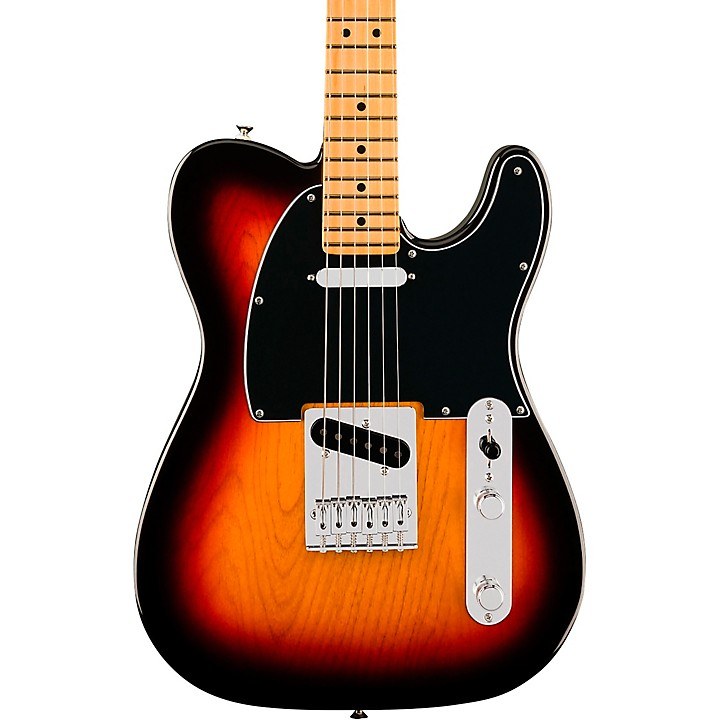

Fender Player II Telecaster
$849.99 at Guitar Center
That is the sentence most of the obituaries have reached for this week, and it is the right one, because it describes a working relationship rather than a personality cult. Christ did not claim to have written Glenn's music for him. He claimed he could hear it.
Listen to the first record with that in mind. "Twist of Cain" is a riff that sits in the pocket and refuses to fill every bar. "She Rides" is almost a rockabilly song in a leather jacket. "Mother," the song that would later become the band's calling card, is on that 1988 debut. It is worth being precise about the timeline, because the lore around "Mother" is often compressed. The studio version belongs to the first album. The much wider audience arrived later, in 1993 and 1994, after the live reading on Thrall-Demonsweatlive and the video that followed. Rolling Stone this week called "Mother" their 1993 hit, and said Danzig and Thrall-Demonsweatlive earned gold records. We are repeating that reporting, not independently auditing RIAA certifications.
The later albums are where Christ's range is easiest to hear. Lucifuge has "Her Black Wings" and a looser, bluesier swing than the debut. How the Gods Kill is the one a lot of guitar players quietly prefer: the title track, "Dirty Black Summer," "Sistinas," a record that lets the leads breathe without turning into a shred clinic. Danzig 4 is darker and more claustrophobic. Through all of it, the pinch harmonics are a signature, not a tic. He was open about where he got them. In the 2023 Guitar World interview, he called the technique "a direct ripoff from Ted Nugent and Billy Gibbons of ZZ Top."
That is a more useful thing to tell a young guitarist than a list of modes. The harmonics work because the riff is already in the right place, and because he hits them like a blues player, not like a special effect.
Rolling Stone notes that the classic lineup toured the United States and internationally alongside acts including Metallica, Black Sabbath and Slayer. The records were not a cult secret in some corners, even if they never became a format-radio machine. The band's identity in those years is a four-person identity. Take Christ's guitar off "Twist of Cain" or "How the Gods Kill" and you do not have a slightly different mix. You have a different band.
The Bich, Not the Warlock
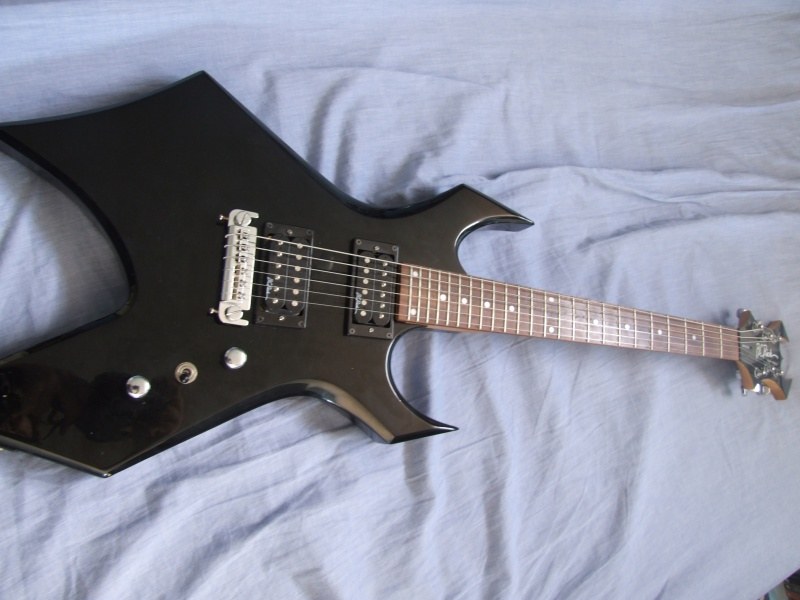

In the 2023 Guitar World interview, Christ talks about "his trusty guitar, which he affectionately named 'The Bitch.'" The same piece describes him as a "BC Rich-wielding young gun." That is the sourced core of the gear story, and it is the part we will treat as solid.
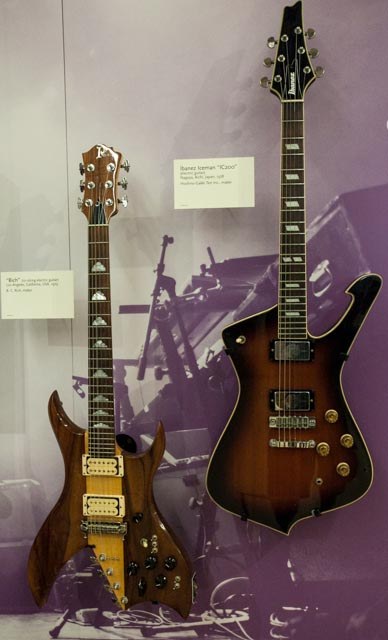
Beyond that, the details get thinner in the sources we could verify this week. Wikipedia, citing a 1994 Musician magazine feature, says his main guitar was a 1983 B.C. Rich Bich, strung with custom D'Aquisto strings and fitted with PRS HFS White Label pickups, and that a customized 10-string backup has been displayed at the Hard Rock Cafe in Orlando. We have not pulled the Musician piece or confirmed the Hard Rock display independently, so those specifics stay in the "reported, not re-verified" column. The important fact does not depend on them. In a decade of pointy-superstrat metal, the guitar that cut those Danzig records was a B.C. Rich Bich with a name that made a bad pun on the model, and he stuck with it.
Amplifier lore is even easier to get wrong, so we will not invent a catalog. Later interviews and fan-site reprints describe a move, around How the Gods Kill, from Marshalls toward VHT heads and a more elaborate rack. Those accounts are plausible and widely repeated. They are not something we are going to turn into a definitive studio-by-studio rig list without the original interviews in front of us. What you can hear on the records is simpler than a spreadsheet: a dry, present guitar, not much obvious ambient effect in the main riffs, and a lead tone that still has the wood and the pick in it.
If you are a player looking for a lesson rather than a shopping list, the lesson is not "buy this exact Bich." It is that he found one guitar that could do the job, named it, and then did the work with his hands. The pinch harmonics, the downstroke discipline he described from the Samhain audition, the habit of leaving space — those travel from one guitar to another. The Bich was the tool. The style is the point.
The Exit, and the Record He Made for Himself
Christ officially left Danzig on July 5, 1995, Guitar World reported this week, citing "horrible contract negotiations," poor internal communication, and Glenn signing his own deal without the rest of the band. That is his framing, given over the years, and it should be presented as his framing. We do not have a fresh comment from Glenn Danzig in the obituaries we read, and we are not going to script one.
He was more reflective than bitter in at least one later conversation. In a 2018 interview with Metal Insider, quoted this week by Rolling Stone, he called the classic years "a magical time that we were together and doing it that way for as long as we did." Then he added, "I just look back and wish that we'd all been more mature. Myself especially. I'd like to entertain the thought that had I been a better communicator we could have hung in there a bit longer and mended some of those fences at the time. I didn't know how to do that and I didn't know what to say."
After the split, Guitar World says, he had dreamed of landing in the Ozzy Osbourne camp and instead formed a band called Juice 13. In 1999 he released his only solo album, Flesh Caffeine. "I was actually having fun writing songs again," he told Guitar World. "Prior to that, it seems like every note had a dollar value associated with it. Now that I had freedom, I said, 'Let it rip, no expectations,' and I experimented with drop D tuning for the first time ever and fell in love."
He also said the title track was inspired by a relationship that was "super-intense; I was out of control, and so was she." It is a small, human detail, and it is more revealing than a press-kit list of side projects. The man who had been a conduit for someone else's vision was, for a moment, writing from his own mess.
The Accident, and the Long Way Back
Here we have to slow down, because the sources do not agree on the year, and the injuries were serious.
Wikipedia, citing a 2010 Brave Words report, says the crash was in 2003. Guitar World's 2023 feature, built around a long interview with Christ himself, places the accident in 2004. We are not going to pick a winner. What is not in dispute is the rest of the story, in his words.
"The accident ruined my fretting hand," he told Guitar World. "Rehab was long and painful. I had a few surgeries. I had a speech therapist. I endured massive physical and psychological testing because of a major head injury. I had to learn how to walk again. I had general orthopedic hand specialists who miraculously managed to get my fingers moving again. I wore these contraptions on my fingers with rubber bands to stretch them. More than a year passed before I could even hold a guitar. It took six years before I could play well again."
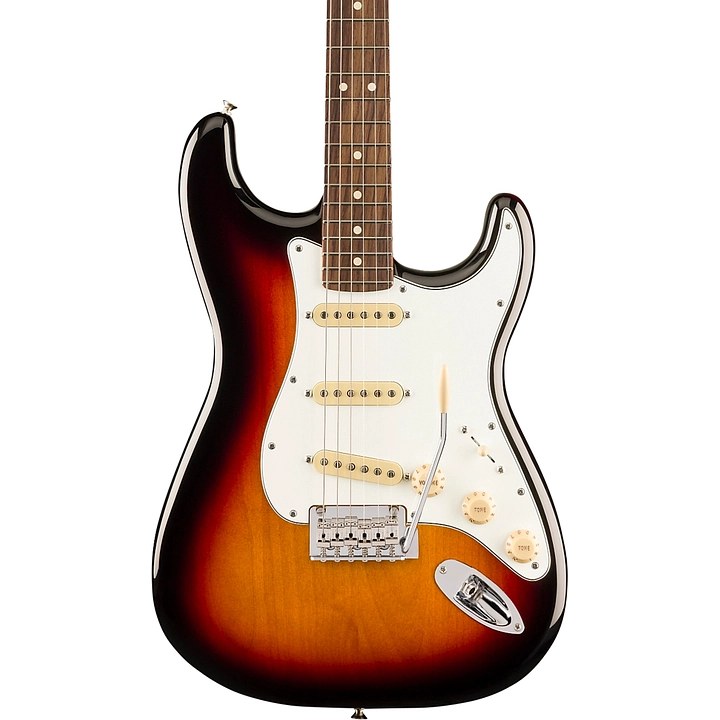
Fender Player II Stratocaster
$849.99 at Guitar Center
The 2023 interview is unsparing about what "play well again" actually required. "My ring and pinky fingers on my left hand have no sensation in the tips," he said. "I had to re-learn how to send specific messages from my brain to my fingers to produce a certain sound. My fingers can no longer intuitively sense the differences between the strings. I can feel pressure, but not texture, heat, or cold." For years afterward, he said, he would sometimes burn his fingers because he could not feel the heat. Sometimes the ring finger would lock on the neck and he would have to stop and open it with his right hand.
The method he used to come back is the part that should outlive the tributes. "My ear became my guide to re-teaching myself how to play guitar," he said. "The beautiful result was that through trial and error, and tens of thousands of hours of super-slow motion, repetition, and experimentation, I discovered that if you can hear it and sing it, you can absolutely play it."
He also said, in 2023, that he was finally clean and sober, and that the work had taken him nearly 20 years. "I've done it, and I'm better than ever. If you don't believe me, come out and see me perform in 2023." This week's obituaries note that he had been teaching private lessons and holding workshops, and that the September medical update included stepping away from teaching and live gigs until further notice. That is the last professional chapter we can responsibly describe. We are not going to fill in the months after it with guesswork.
What to Hear, and What to Leave Alone
If you are coming to this because "Mother" showed up in a social-media montage, start with the first album and stay there long enough to hear "Twist of Cain" and "She Rides" as guitar songs, not just atmosphere. Then go to How the Gods Kill. The title track is the cleanest argument for why Christ belonged in a metal magazine's list and why the list still undersells him. It is not a display of speed. It is a display of taste: when to lean on a harmonic, when to let a chord hang, when to answer the vocal and when to stay out.
Lucifuge is the record to play if you want the blues connection without a lecture. Danzig 4 is the record to play if you want to hear the classic lineup just before it broke. Flesh Caffeine is the record to play if you want to hear what he did when nobody was asking him to be a conduit.
A few things this tribute will not do. It will not invent a cause of death. It will not invent a quote from Glenn Danzig, Eerie Von or Chuck Biscuits that we have not seen in the reporting. It will not pretend that a freely licensed concert portrait of Christ exists on Wikimedia Commons when it does not; the photographs here are of the school where he trained and of B.C. Rich instruments from the same family as the guitar he actually played, and the captions say so. It will not turn a complicated band breakup into a morality play. He already said the part that matters: the time was magical, and he wished they had all been more mature, himself especially.
The family has asked for privacy, and there are no services planned. The right place to spend a little time this week is not in speculation. It is in the records. Put on "Twist of Cain." Listen for the space around the riff, and for the harmonic that arrives like a blade and then gets out of the way. That was John Christ. He could hear the song in someone else's voice, and he could still, after a wreck that took the feeling from his fingers, hear it in his own ear well enough to teach his hands again.
If you want to keep the conversation going, Guitar Talk is open.
Plugged Gear Co., Guitar Center and American Musical Supply links may earn us a commission from qualifying purchases.
Reader-supported
Keep Guitar Alive
Enjoyed this story? The Guitar Plugged is free to read and reader-supported. If it helped you play, listen or buy a little smarter, chip in to keep guitar journalism like this coming.
One-time contribution, processed securely by Stripe. Contributions are not tax-deductible.
Experience-driven coverage, not algorithm bait.
- 20+ years of guitar playing experience
- Real-world retail experience at Guitar Center
- Thousands of hours testing guitars, amps, and pedals
- A community of 50,000+ guitar enthusiasts across platforms
- Partnerships with Fender, DistroKid, TrueFire, Card Chords, and Enya
- Editorial standards published openly — see how we test gear
The Modern Guitar Magazine. Delivered to your inbox.
No spam. No gimmicks. Just great guitar content — stories, tones, iconic solos, and honest gear takes. Every week.
Ask GP
20 free questions a dayStill curious? Ask GP about this story.
Your personal classic-rock and guitar guide — ask anything about John Christ, 1965–2026.
Discussion (0)
Sign in to join the discussion.
Sign in to commentLoading comments…
Discover another guitar story
Swipe through our latest features, breaking news and iconic solos — one story at a time.
Open Swipe →More Guitar News
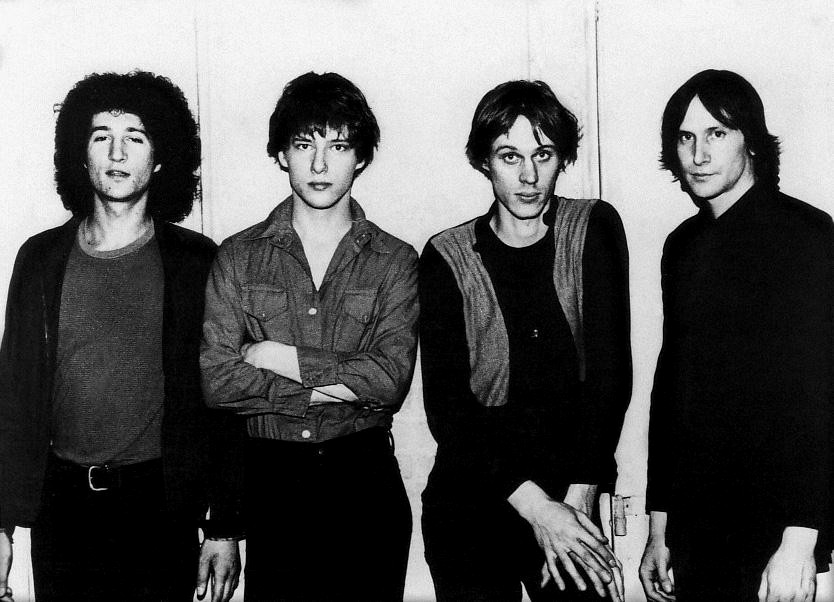
Richard Lloyd Dies at 75: The Television Guitarist Who Helped Rewrite Rock
Richard Lloyd, the Television co-founder whose interlocking lines with Tom Verlaine made Marquee Moon a guitar landmark, has died at 75.
Remembering Eddie Van Halen: Six Years On, the Guitar Still Speaks His Language
Six years on, guitar shops still sound a little like Eddie Van Halen. This Guitar Talk feature is for players — what he left us that we still use every time we plug in.