Roger Waters Says James Hetfield Is "No Musician." Here's What the Guitar Playing Says
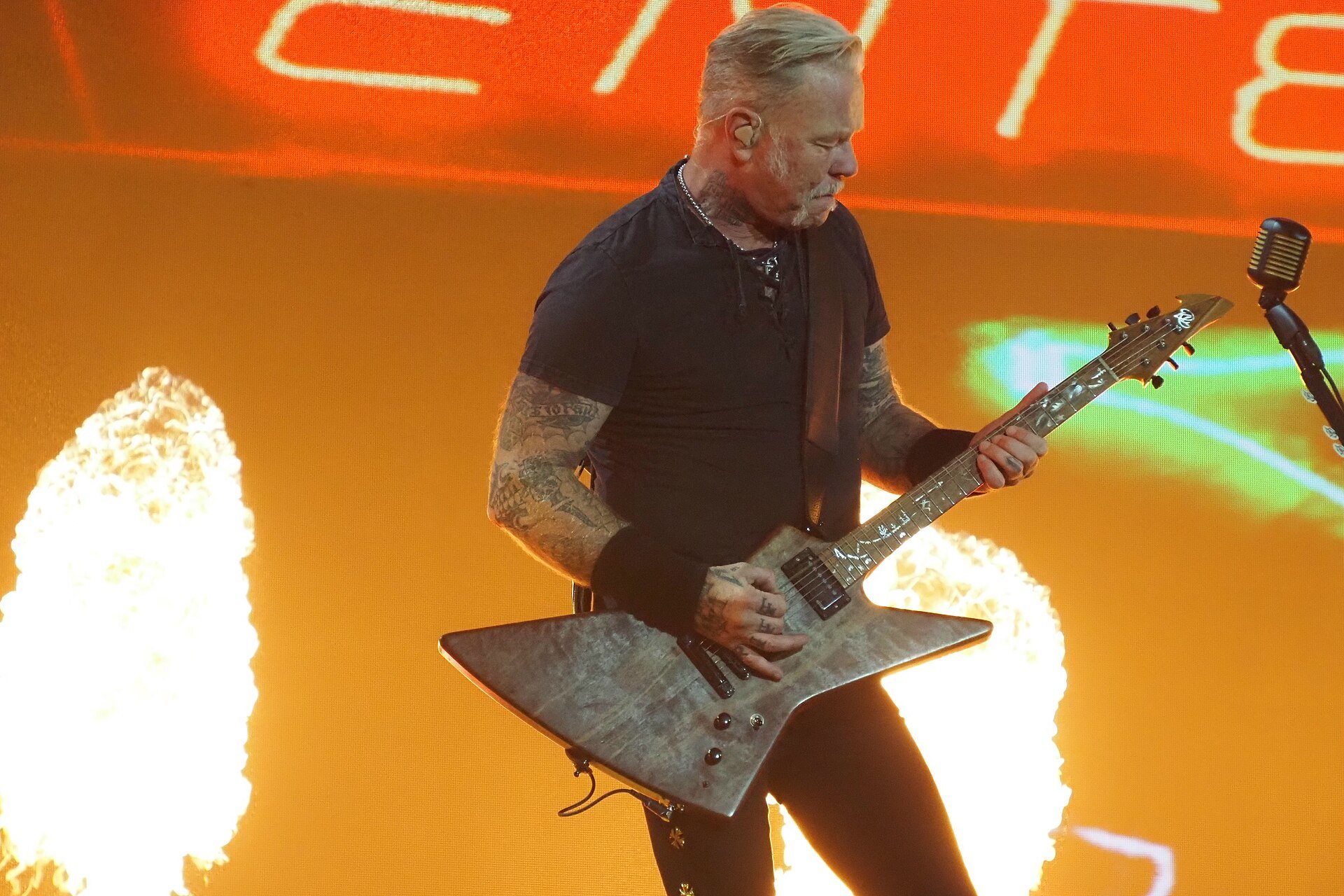
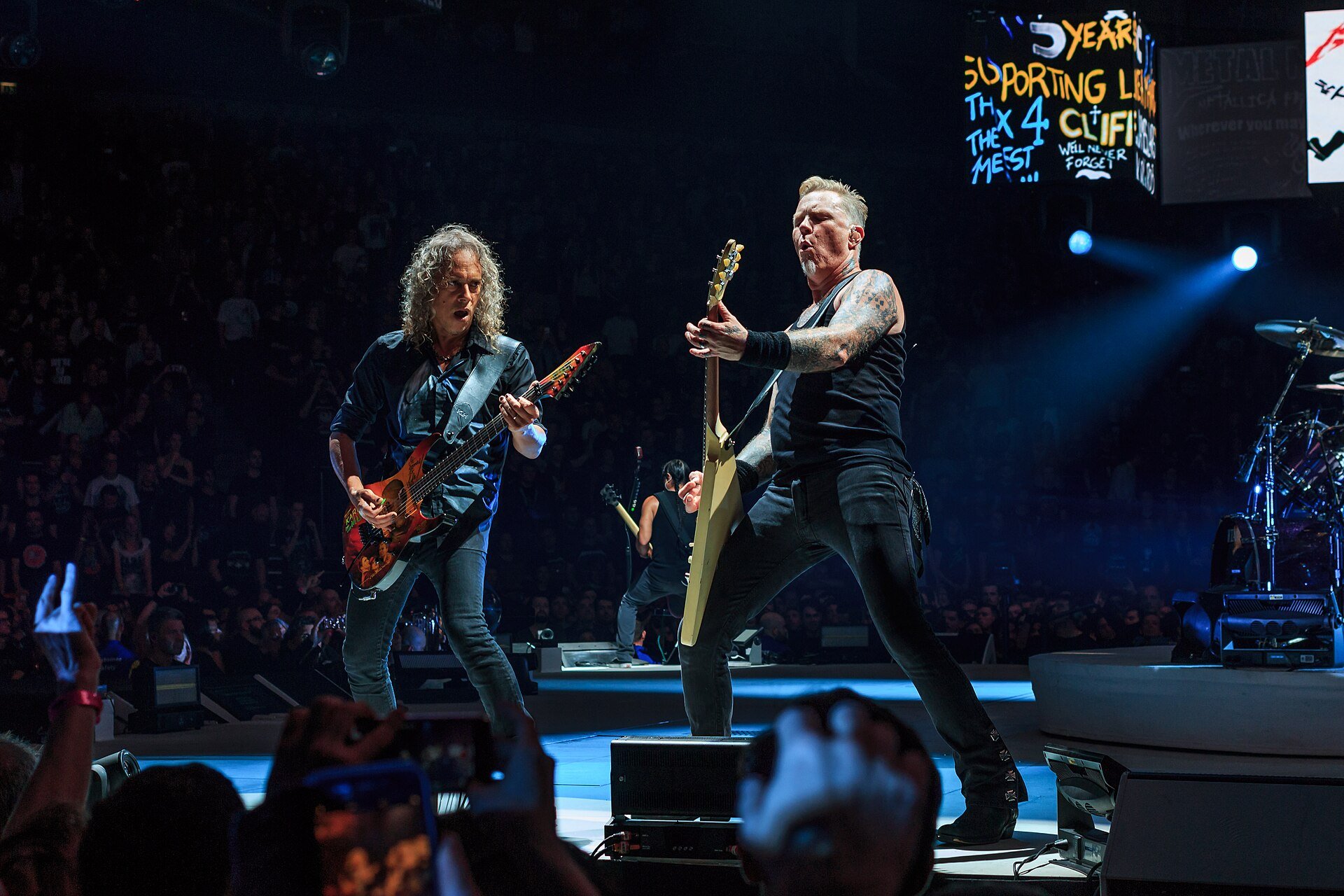
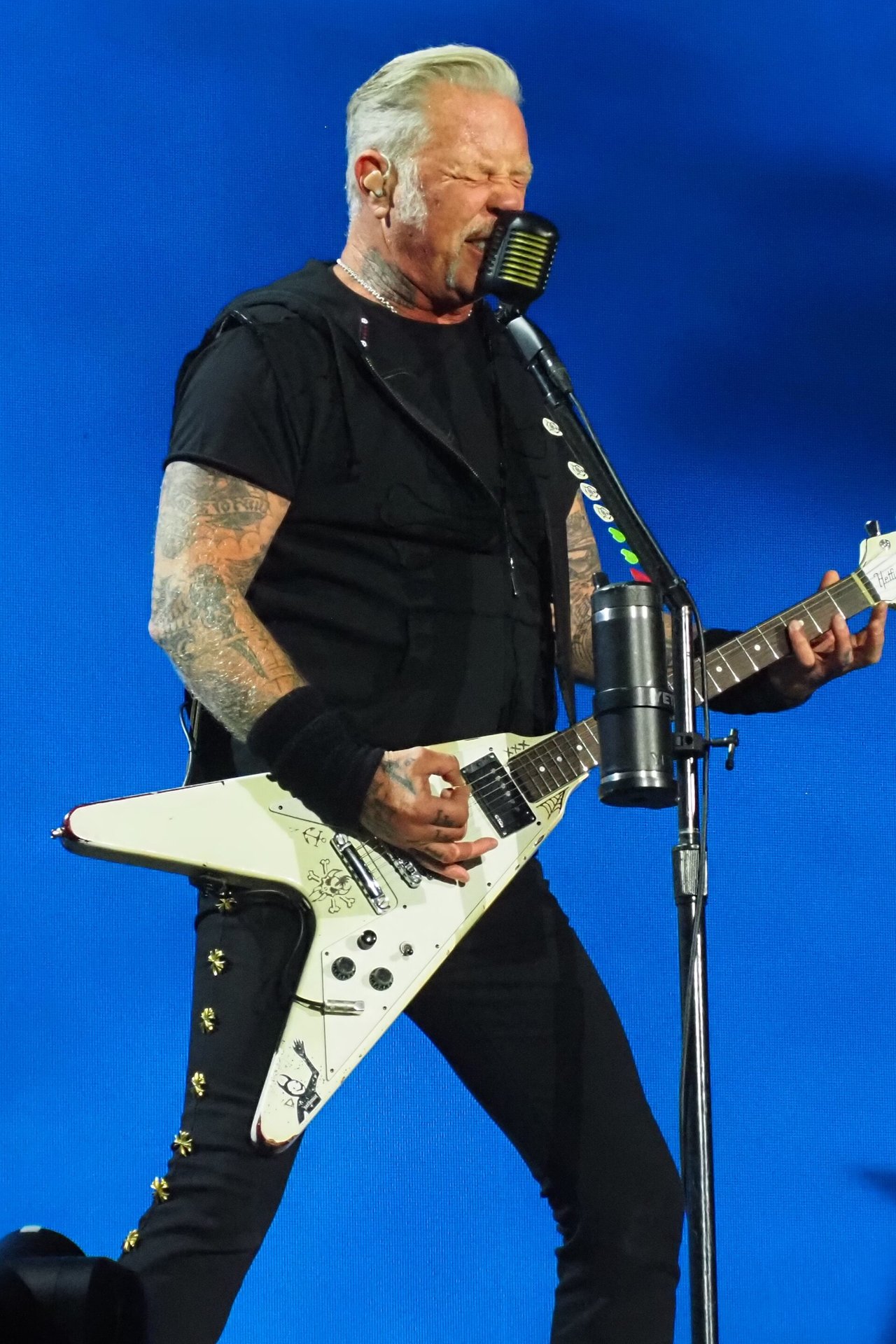
James Hetfield with Metallica at Marvel Stadium in Melbourne, Australia, November 8, 2025, on the M72 World Tour.
Roger Waters called James Hetfield "no musician" after his Sphere speech. We set the politics aside and look at the riffs, downpicking and acoustic work.
A stage comment in Las Vegas turned into one of the loudest rock feuds of the year. We're not here to referee the politics. We're here to ask the only question a guitar site is qualified to answer: is Roger Waters right about James Hetfield the musician?
Roger Waters doesn't like James Hetfield very much. That much is clear from his appearance on Katie Halper's podcast last week, where the former Pink Floyd bassist and singer called the Metallica frontman a crude name more than once, mocked his intelligence and called him "a nobody."
Most of that is a personal and political argument, and readers will land wherever they land on it. But Waters also made a claim that is squarely about music, and that one is worth taking seriously:
"He's no musician. I heard them playing acoustic instruments, and they couldn't. It was appalling."
That's a specific claim about guitar playing, and it can be tested against the record. So let's do that.
What Happened: The Sphere Speech and the Response
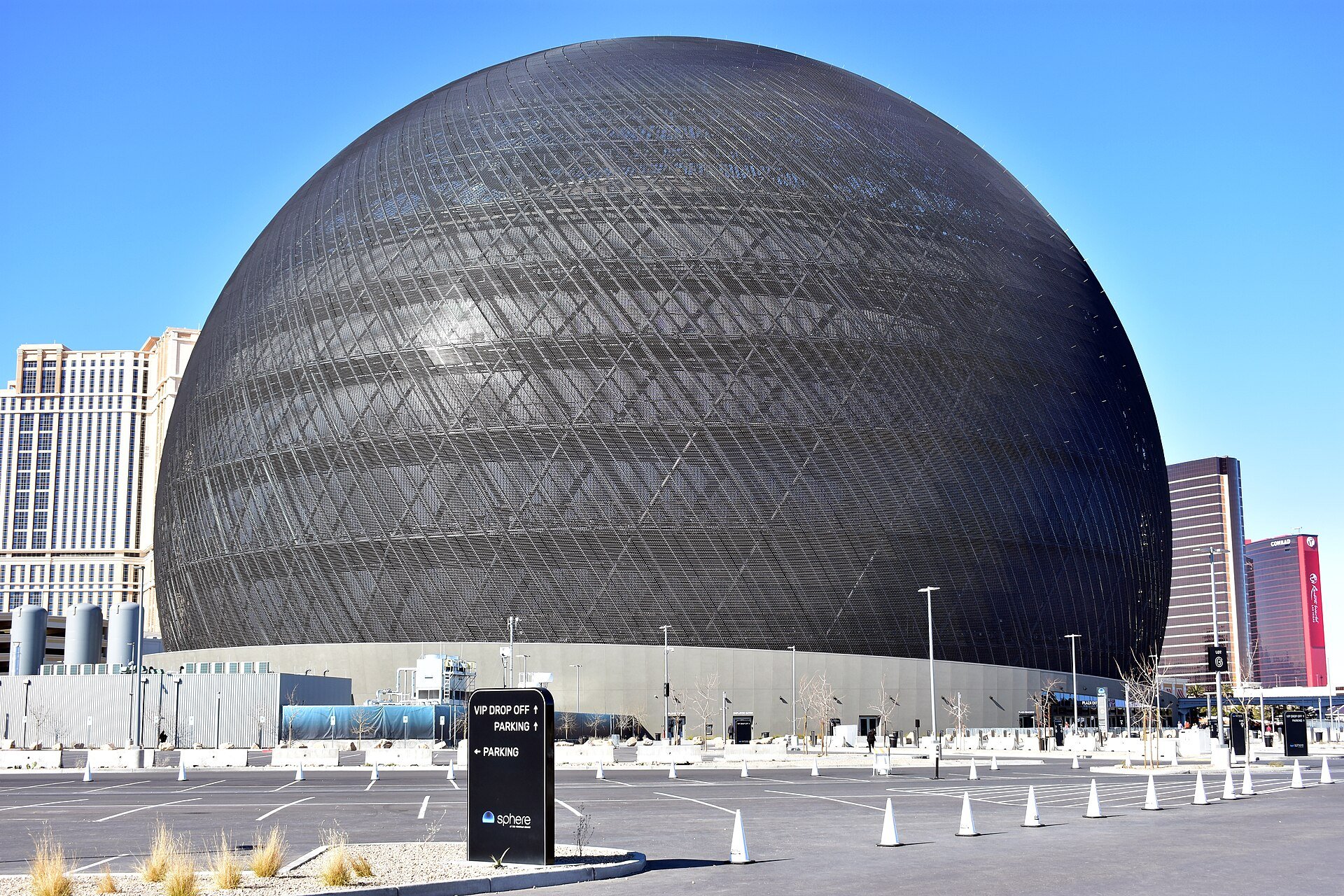
On October 10, 2026, during the fourth of Metallica's ten shows at the Sphere in Las Vegas, Hetfield stopped to address the crowd. In language we'll paraphrase for a family-friendly site, he said Metallica wasn't there to push opinions on the audience the way some other entertainers do, and that the show was a chance to forget about everything going on outside. He finished with a line that's easy to quote: "Metallica's agenda is love, energy and heavy music, baby!"
He didn't name anyone. Guitar World, Guitar Player and Consequence all noted the timing, though. The comments came weeks after rapper Macklemore was removed from Ed Sheeran's tour following onstage pro-Palestinian and anti-ICE remarks, and Waters had already criticized Sheeran over that episode.
Waters answered on Katie Halper's show. Alongside the insults, he said it was a shame no one had taught Hetfield that "being kind is way more important than all that loud music and bouncing around and whatever." According to Consequence, he also brought up the reported use of Metallica's music to torture detainees at U.S. military prisons such as Guantanamo Bay and Abu Ghraib, and closed with a call for Palestinian solidarity, a cause he has championed publicly for about two decades.
Some commentators also pointed out that Metallica's catalog isn't exactly apolitical. As Guitar Player noted, the band's Sphere set opened with "Blackened," a song about environmental destruction, and built toward "One," a song about the horrors of war.
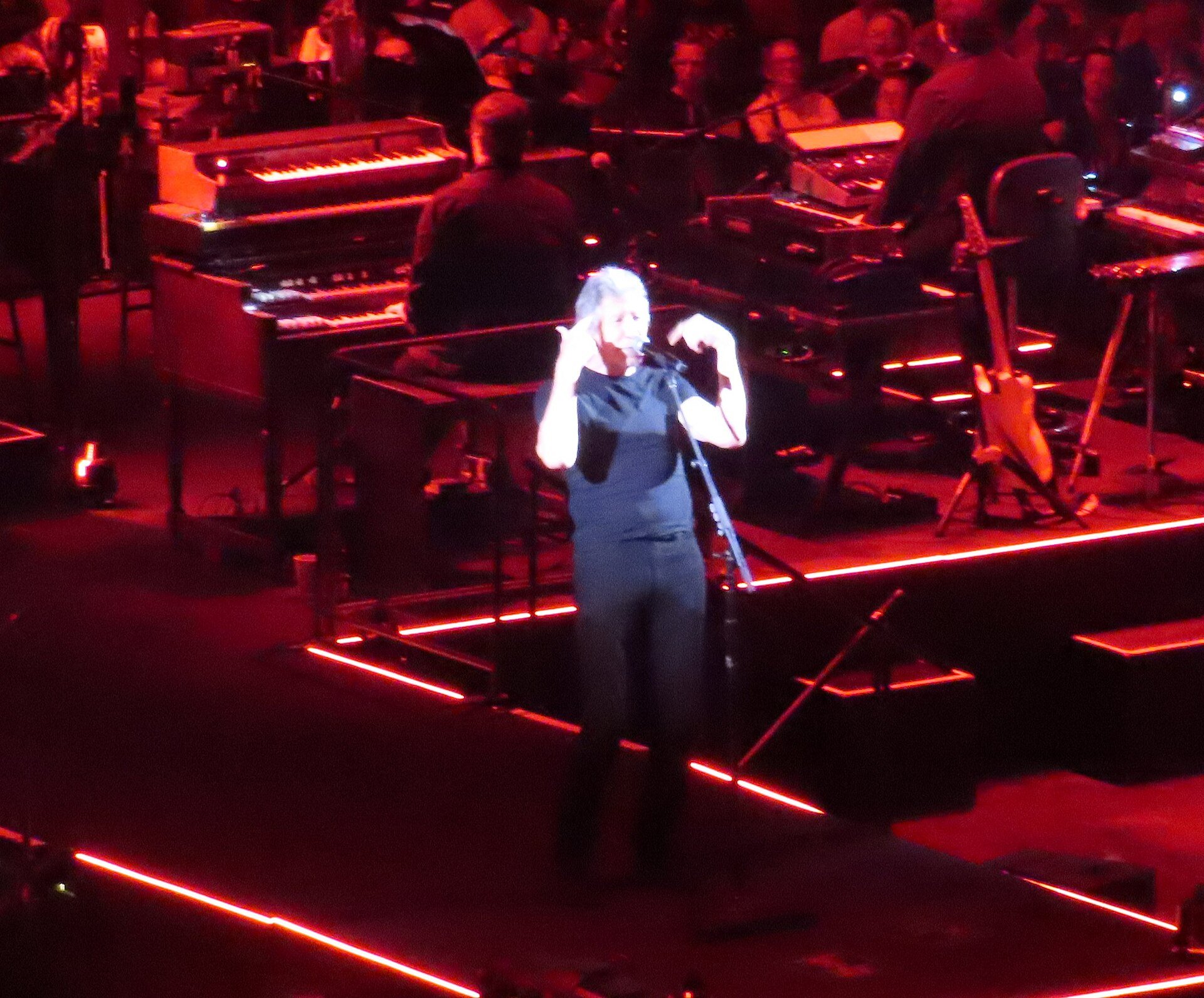
CC BY 2.0. Photo: Steve Knight / Flickr via Wikimedia Commons
That's the news. Here's where we step off the political stage. Whether musicians should use their platforms for political statements is a real debate, and Tom Morello, of all people, offered a measured take the day before Hetfield's speech. "In order for music to be great, it has to be authentic," Morello told Star FM, arguing that artists should write what's honest to them rather than what pleases anyone else. You can agree with Waters, Hetfield or neither.
The musicianship claim is a separate question. Let's look at it.
The Case Against Waters, Part 1: The Right Hand
If you've ever tried to play "Master of Puppets," "Battery" or "Damage, Inc." the way they were recorded, you already know the first counterargument. Hetfield's right hand is one of the most studied in rock guitar.
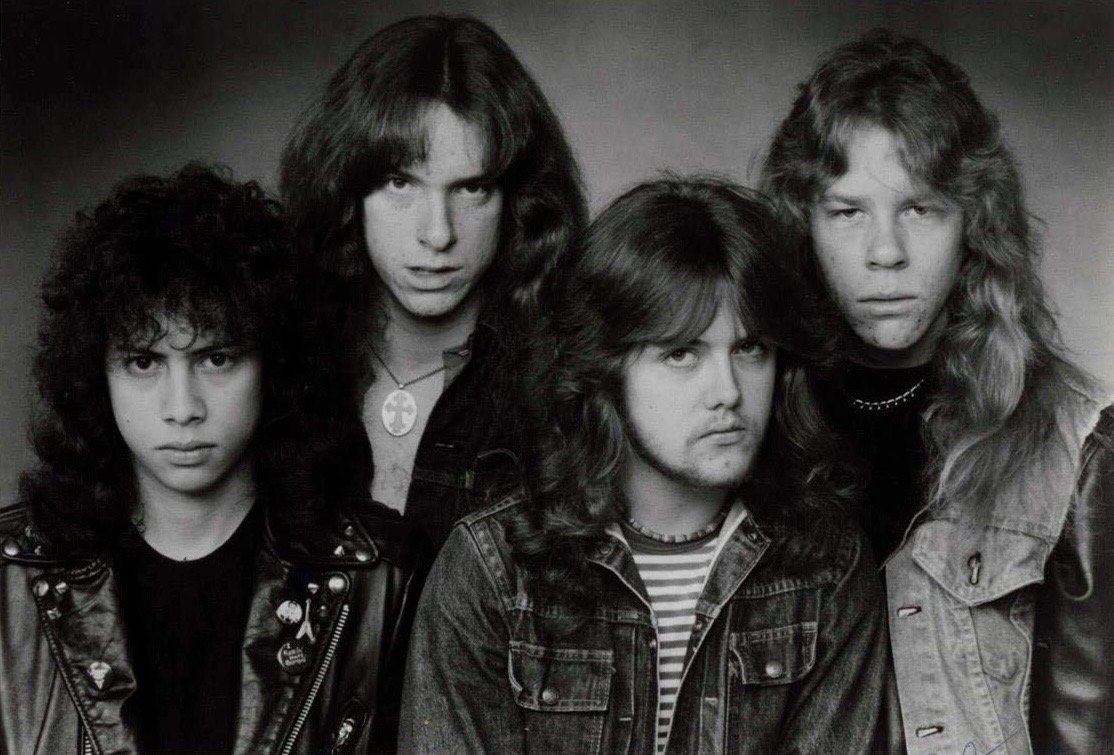
The core of it is downpicking: playing fast eighth- and sixteenth-note riffs using only downstrokes instead of alternating down and up. Downstrokes hit the string with more weight and consistency, which gives the chug its punch. The catch is that they're physically brutal at speed. Guitar World puts the title track of Master of Puppets at about 220 bpm at its peak, and the main riff is famously played with downstrokes.
Public domain (no copyright notice, per the Commons file page). Megaforce Records press photo
Hetfield has always described his technique as something earned, not a gift. He told MusicRadar in 2008:
"It was always a kind of contest – who could down-pick the fastest – and mostly it was a battle between me and Lars, actually. It's a hard thing to do well, because your timing has got to be dead on. If you're playing eighth or sixteenth notes then you've got to get cooking. A lot of practice is called for to build up your strength."
In a later MusicRadar interview, he explained where the approach came from. "When I pick up the guitar… I want to be the drummer," he said. "I've always loved playing drums, so it's kind of what I'm doing on the guitar. I love syncopation." And on downpicking specifically: "It's like hitting a drum, it really is."
That's not the description of a player who stumbled into a sound. It's a deliberate rhythmic concept. He has also credited Scorpions rhythm guitarist Rudolf Schenker as an influence, saying he liked that Schenker was "just the rhythm guy," someone who wasn't trying to be everything.
Tight enough to stack
The best evidence for Hetfield's precision comes from someone who sat behind the desk. Flemming Rasmussen, who engineered and produced Ride the Lightning, Master of Puppets and ...And Justice for All, told Metallica biographer Joel McIver, as quoted by MusicRadar:
"James is extremely exact. He's the best rhythm guitar player in the world by a mile. There's no-one better than him when it comes to downpicking. It's unbelievable. He'll do eight tracks and it'll sound like one guitar."
That last line is the important one for guitarists. Double-tracking rhythm guitars is standard. Stacking several takes of fast, palm-muted metal riffing without them smearing into a blur requires timing that is almost mechanically consistent. Most players who try it in a home studio discover very quickly how loose they really are.
Tone as part of the technique
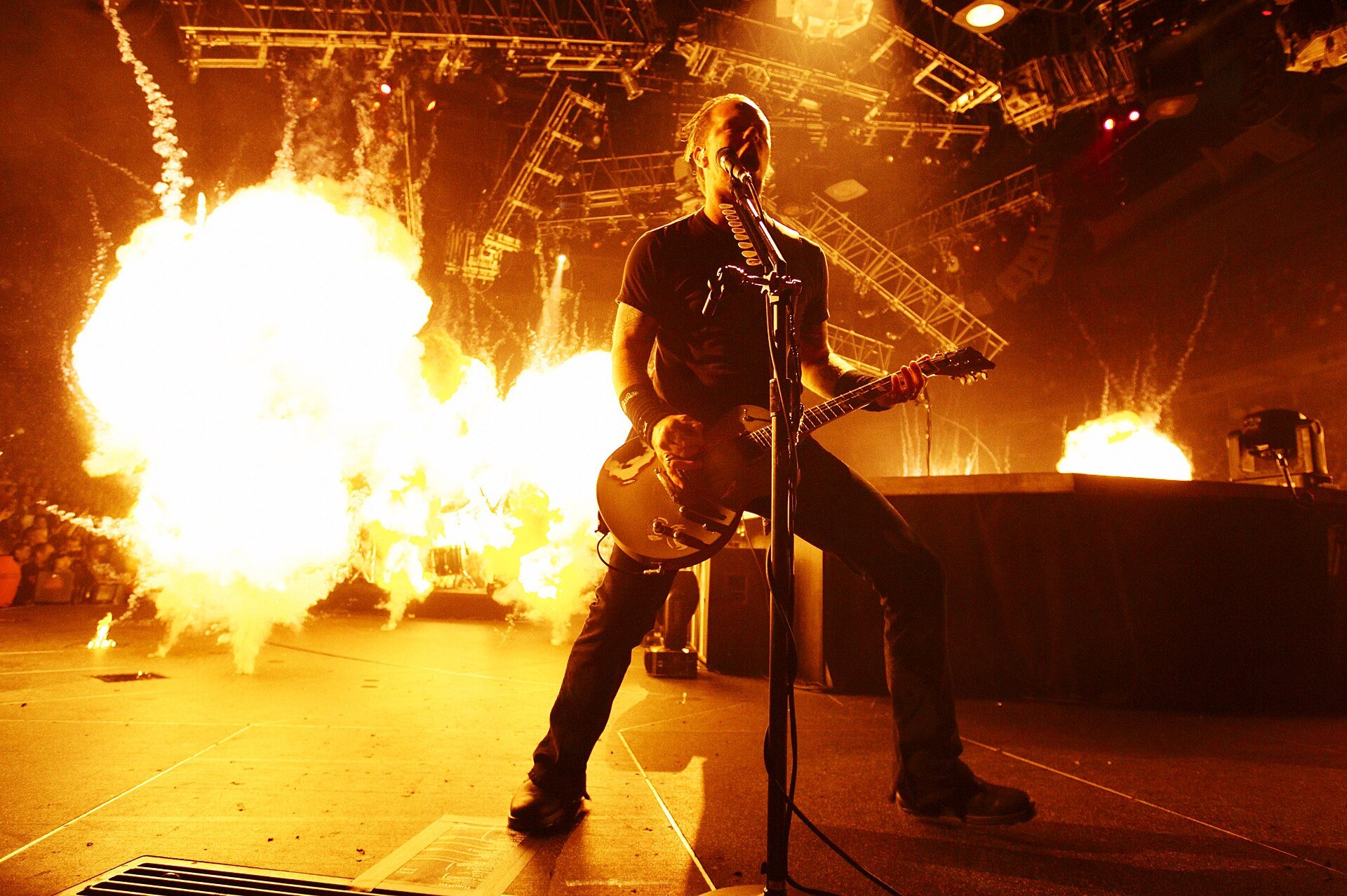
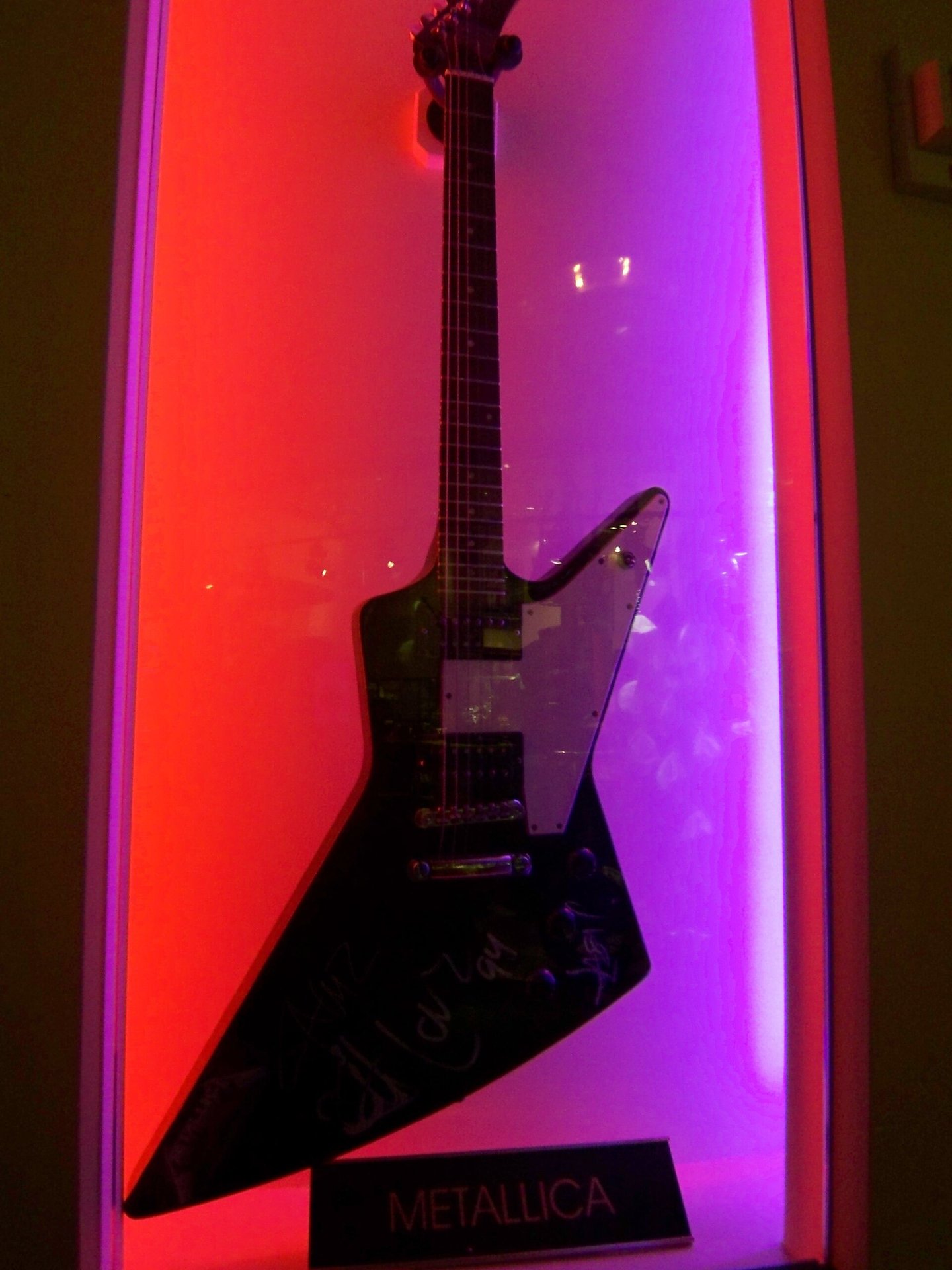
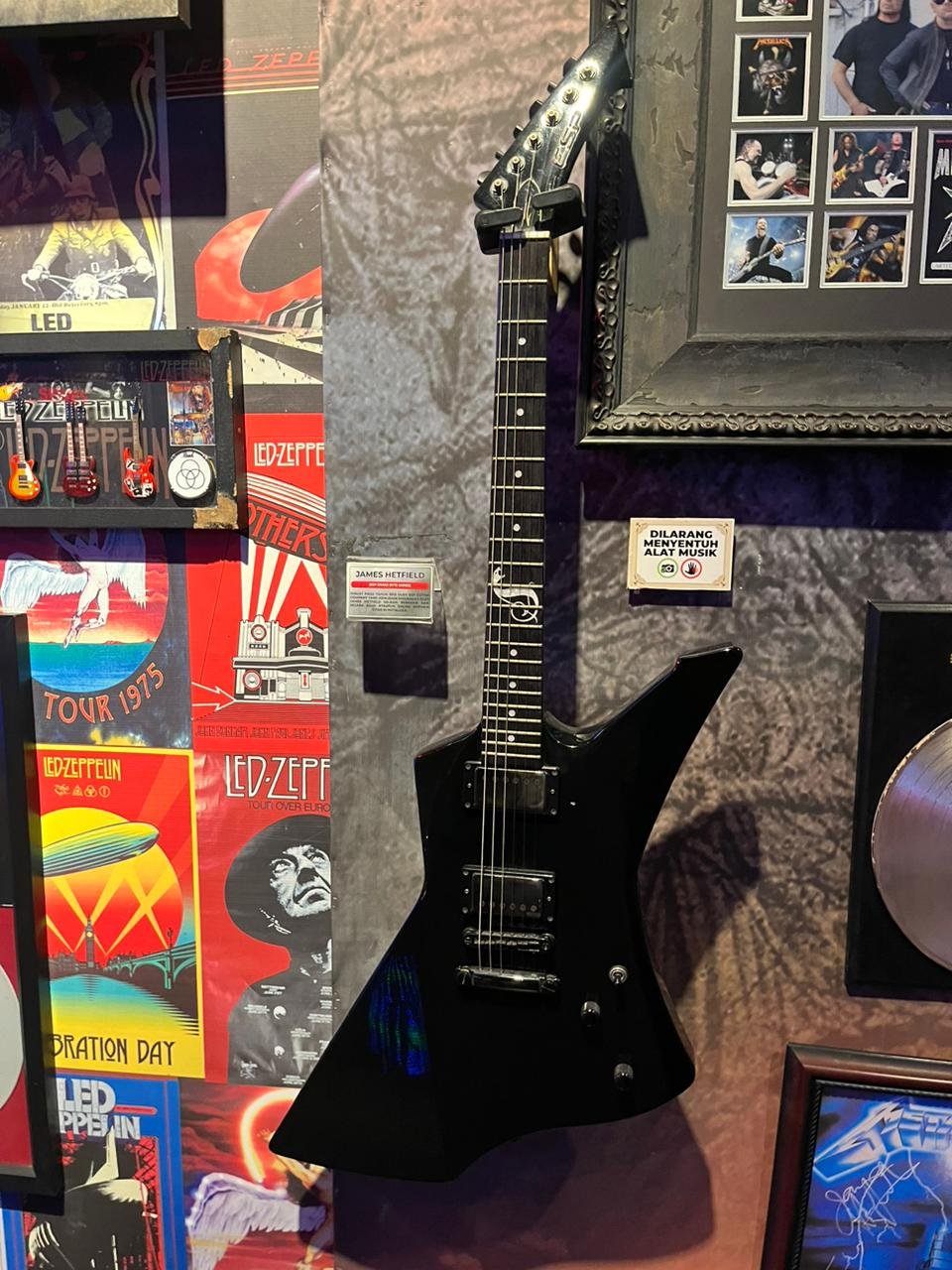
Hetfield's rhythm sound is part of his playing, not just his gear. For much of Master of Puppets he played his white Gibson Explorer, which got EMG 81 active pickups in 1987, and Guitar World notes he got his distortion from amps rather than effects pedals. On "The Thing That Should Not Be" he used a Jackson King V and tuned down for the first time.
His description of what he's chasing is useful for any rhythm player. "It's got to be percussive," he told MusicRadar. "It's got to push air, what we call bark." He has also said that over the years he's taken saturation out of his sound, which forces him to dig in harder and gives the riffs more dynamics. That's the opposite of hiding behind gain.
CC BY 2.0. Photo: Gabriel Flores Romero / Flickr via Wikimedia Commons
The Case Against Waters, Part 2: The Riffs
The second counterargument is songwriting. Hetfield and drummer Lars Ulrich are the core songwriting partnership in Metallica, and Hetfield's name sits on almost every song in the catalog. Some of the most-learned riffs in metal came out of that partnership, including "Seek & Destroy," "For Whom the Bell Tolls," "Master of Puppets," "One," "Sad but True" and "Blackened."
It's worth being accurate here. Metallica riffs were often a group effort. Kirk Hammett, for example, came up with the riff that became "Enter Sandman," and bassists Cliff Burton and Jason Newsted share credits on several classics. Rasmussen has described the band building songs from cassette tapes full of riff ideas, cutting and pasting parts between songs. Hetfield wasn't writing everything alone.
But a riff isn't just a sequence of notes. It's how it's played, and the defining Metallica riffs depend on Hetfield's right hand: the gallops, the palm-muted chugs that open up into ringing chords, the off-beat accents that make a fast riff feel like it's swinging rather than running. Take the right hand away and many of those riffs don't sound like themselves.
There's also the arranging. "Master of Puppets" runs about eight and a half minutes through several tempo and time-signature changes. "One" moves from a clean, arpeggiated ballad to one of the most famous machine-gun riffs ever recorded. That kind of long-form structure is composition, whatever you think of the genre.
The Acoustic Question
Here's where Waters' claim is most specific, and where it needs the most care. He said he heard Metallica "playing acoustic instruments, and they couldn't." He didn't say which performance he meant, and we're not going to guess.
What we can do is look at the band's acoustic track record, which is longer than many people assume.
On the records. Acoustic guitar has been part of Metallica's sound since the 1980s. "Fade to Black" from Ride the Lightning opens on acoustic guitar (we broke down that song's Kirk Hammett solo here), and "Battery" from Master of Puppets opens with layered acoustic guitars before the band crashes in. "Mama Said," from 1996's Load, is a country-leaning acoustic ballad.
"Nothing Else Matters." It isn't strictly an acoustic recording, but it's the song people mean when they talk about Metallica's softer side, and it's mostly Hetfield. He wrote it on tour in 1990 while homesick, and the song's famous opening, an E minor arpeggio built on the open low E, G, B and high E strings, came to him while he was on the phone with his girlfriend. He played the guitar solo on the studio recording too. Kirk Hammett doesn't play on the track at all. Hetfield nearly didn't share the song with the band. As quoted by Metal Hammer, he said: "I thought that Metallica could only be the four of us. These are songs about destroying things, head banging, bleeding for the crowd."
That song went on to pass a billion views on YouTube. In 2021, Elton John told the band on The Howard Stern Show that he thought it was "one of the best songs ever written." You don't have to agree with Elton, but it's hard to call the man who wrote and played it "no musician."
Live and unplugged. Metallica has played fully acoustic sets several times. In October 1997, the band did two all-acoustic sets at Neil Young's Bridge School Benefit, a show that was later released as Live at Bridge School Benefit 1997. The setlist included "Fade to Black," "The Four Horsemen," "Low Man's Lyric" and, fittingly for today, a cover of Lynyrd Skynyrd's "Tuesday's Gone." The band went back to the Bridge School in 2016. On November 3, 2018, they played an acoustic benefit at the Masonic in San Francisco for their All Within My Hands foundation, released in 2019 as Helping Hands…Live & Acoustic at the Masonic. That record includes acoustic arrangements of "Disposable Heroes," "Enter Sandman," "The Four Horsemen" and "Hardwired."
So is there anything to Waters' point?
To be fair to Waters, there's a reasonable, more modest version of his complaint. Acoustic guitar is a different instrument from a high-gain electric. Without distortion and a wall of amps, every little timing wobble, every slightly off chord and every strained vocal is exposed, and thrash songs rearranged for acoustic guitars don't always work. Plenty of fans who love the Masonic and Bridge School recordings will also admit some of the reworked songs are rougher than others. Hetfield himself is a rhythm player first and has never presented himself as a fingerstyle virtuoso.
But "some acoustic arrangements are uneven" is a very different statement from "he's no musician." The second one doesn't survive contact with the evidence.
Hetfield the Lead Player
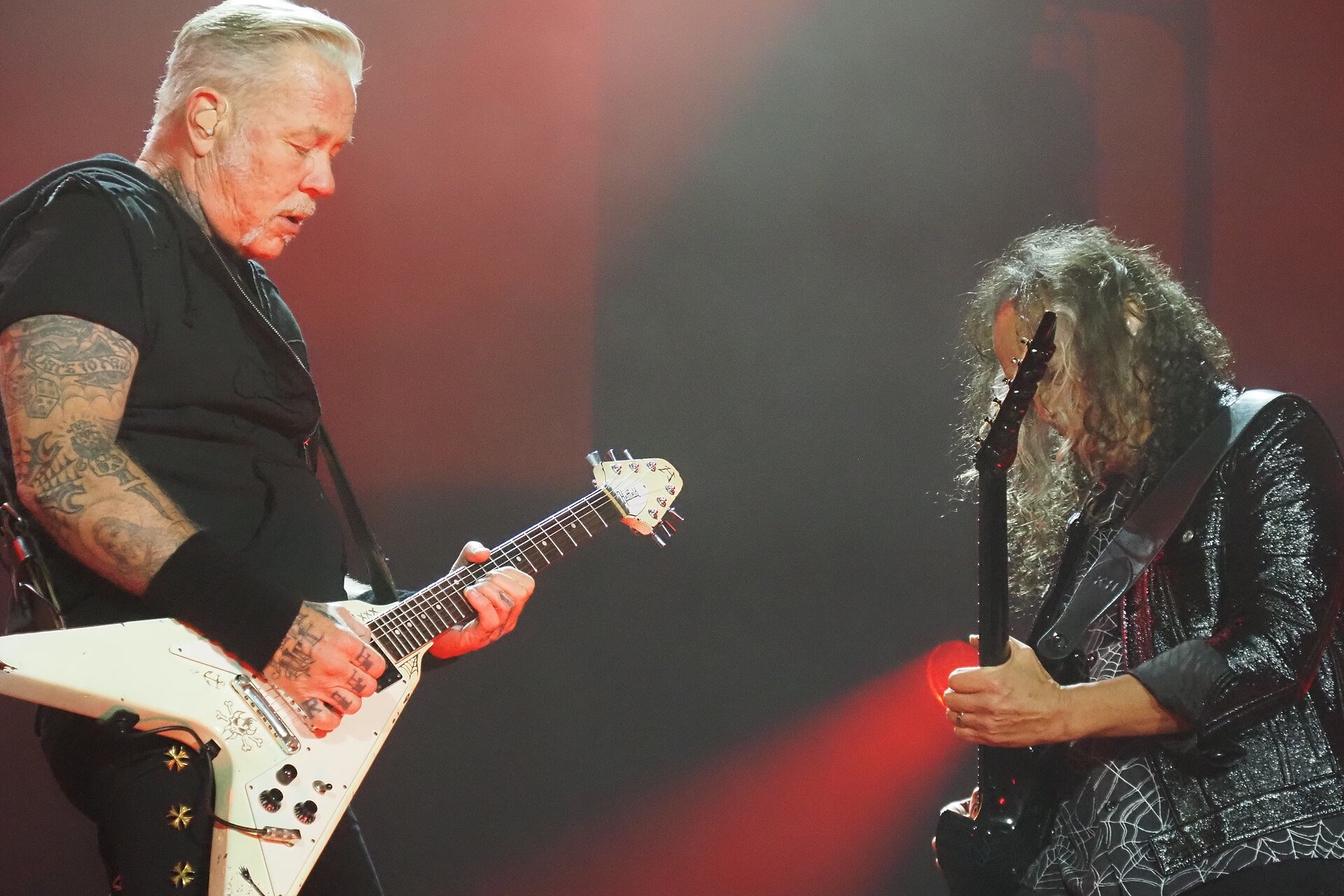
One more point that often gets lost: Hetfield isn't only a rhythm guitarist. Hammett handles most of Metallica's solos, but Hetfield takes melodic leads and harmony parts throughout the catalog, and "Nothing Else Matters" shows he can carry a solo on his own. His lead playing is melodic and restrained rather than fast, which suits songs that need a vocal line on guitar rather than fireworks.
He's also a working frontman who sings while playing some of the most physically demanding rhythm parts in rock. That kind of independence between hands and voice is a skill in its own right. Hetfield told MusicRadar it's a case of "concentrating more on one role than the other in the appropriate places." Anyone who has tried to sing over a downpicked riff at speed knows how understated that is.
What Guitarists Can Take From Hetfield
Feud aside, Hetfield's playing has a few lessons that apply to just about any style:
1. Rhythm is a lead instrument. Hetfield treats the right hand like a drum kit. Practicing riffs with a metronome and focusing on consistent attack will improve your playing more than another scale pattern. 2. Build stamina, not just speed. His own explanation of downpicking is practice and strength. Start slow, play longer, and stop when it hurts. Pushing through pain is how players end up injured. 3. Less gain can mean more power. His comment about pulling saturation back and digging in is a useful experiment. Drop your gain a notch and see if your riffs get punchier. 4. Tightness is a recording skill. If you double-track at home, Rasmussen's "eight tracks… one guitar" line is the standard to aim for. 5. Let yourself write the soft song. Hetfield almost kept "Nothing Else Matters" to himself because it didn't fit Metallica's image. It turned out to be one of the band's most loved songs.
The Verdict
Roger Waters is entitled to dislike James Hetfield, to disagree with his view of what a concert is for and to say so as bluntly as he likes. That's his argument to have, and he's had a lot of them over the years.
But on the narrow question he raised about musicianship, the record answers clearly. Hetfield is one of the most influential rhythm guitarists in rock, a riff writer whose parts are still being learned by teenagers forty years later, the guitarist behind one of the most famous clean-guitar intros of the 1990s, and the player engineers describe as almost unnervingly precise. You can find him unexciting, or not to your taste. "No musician" isn't a serious description of that body of work.
Metallica's Sphere residency runs through March 2027. If you're going, watch his right hand.
*Where do you stand on Hetfield the guitarist? Make your case in Guitar Talk, and if you want the other half of Metallica's guitar story, read our Ultimate Guide to Kirk Hammett.*
Experience-driven coverage, not algorithm bait.
- 20+ years of guitar playing experience
- Real-world retail experience at Guitar Center
- Thousands of hours testing guitars, amps, and pedals
- A community of 50,000+ guitar enthusiasts across platforms
- Partnerships with Fender, DistroKid, TrueFire, Card Chords, and Enya
- Editorial standards published openly — see how we test gear
The Modern Guitar Magazine. Delivered to your inbox.
No spam. No gimmicks. Just great guitar content — stories, tones, iconic solos, and honest gear takes. Every week.
Ask GP
3 free questions a dayStill curious? Ask GP about this story.
Your personal classic-rock and guitar guide — ask anything about Roger Waters Says James Hetfield.
Discussion (0)
Sign in to join the discussion.
Sign in to commentLoading comments…
Discover another guitar story
Swipe through our latest features, breaking news and iconic solos — one story at a time.
Open Swipe →More Guitar News
The Ultimate Guide to Kirk Hammett: Gear, Solos, Tone & Metallica Legacy
Explore the ultimate guide to Kirk Hammett, covering his history with Metallica, signature gear, iconic solos, playing style, influences, and the techniques that made him one of heavy metal's most recognizable guitarists.
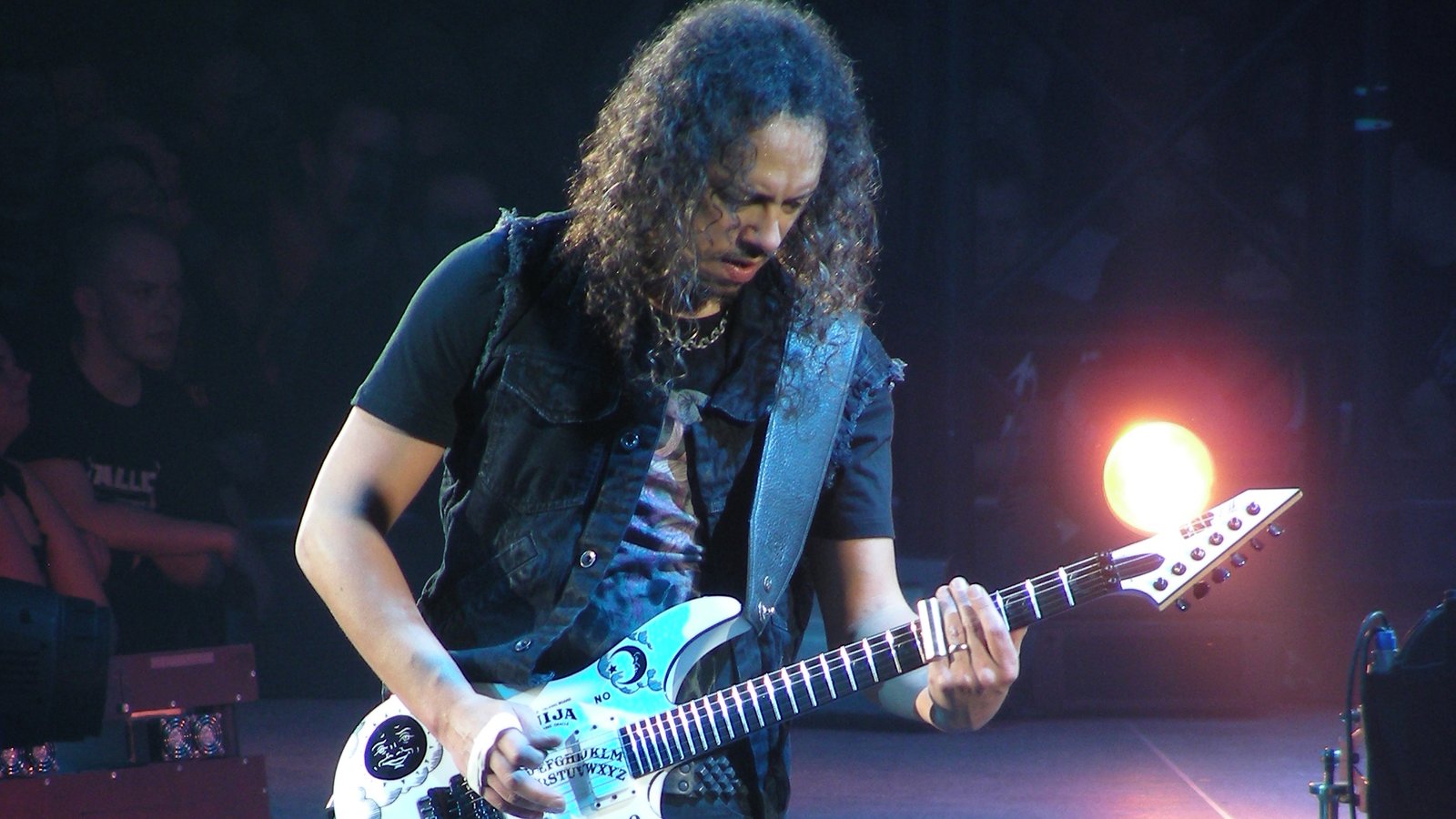
Iconic Solos: How "Fade to Black" Made Metal Cry
Kirk Hammett's "Fade to Black" solos turned thrash into something emotional. Here's why the outro is still the most quoted lead in Metallica's catalog.
The Top 25 Guitar Riffs of All Time, Ranked
From Whole Lotta Love and Smoke on the Water to Crazy Train and Enter Sandman — the 25 greatest guitar riffs ever recorded, ranked.
The 15 Best '80s Metal Guitarists of All Time
From Eddie Van Halen and Randy Rhoads to George Lynch, Steve Vai and Dimebag Darrell, these are the players who made an entire generation want to turn the gain up.
Steve Gaines: The Lynyrd Skynyrd Guitarist Who Had One Album and Changed the Band Anyway
Steve Gaines joined Lynyrd Skynyrd with an onstage audition and died three days after Street Survivors came out. 49 years on, here's the guitarist he was.