
Steve Gaines: The Lynyrd Skynyrd Guitarist Who Had One Album and Changed the Band Anyway
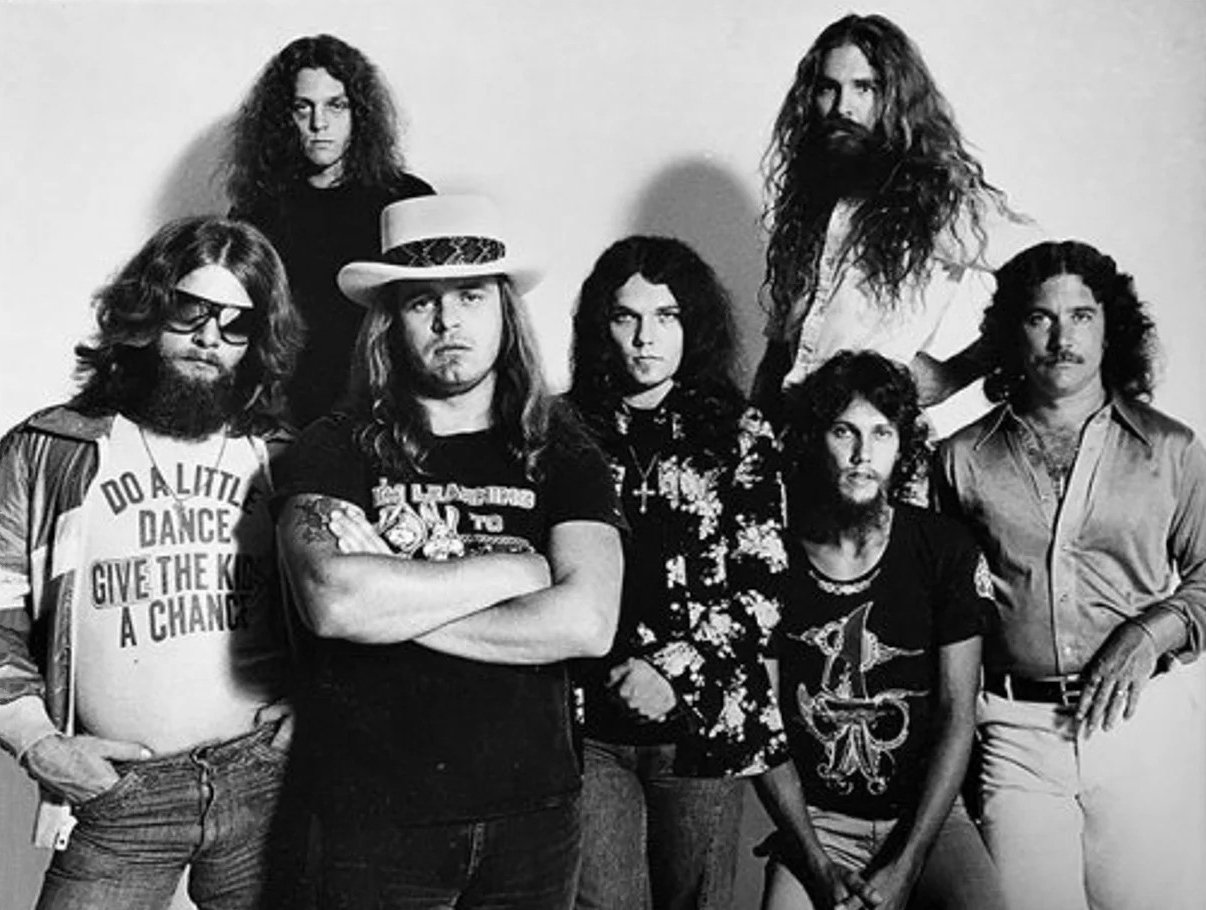
Lynyrd Skynyrd in a 1977 MCA trade ad, the lineup that made Street Survivors: Leon Wilkeson, Allen Collins, Ronnie Van Zant, Gary Rossington, Steve Gaines, Artimus Pyle and Billy Powell.
Public domain. MCA Records trade ad, Billboard, Nov. 19, 1977, via Wikimedia Commons
Steve Gaines joined Lynyrd Skynyrd with an onstage audition and died three days after Street Survivors came out. 49 years on, here's the guitarist he was.
Forty-nine years ago tonight, Lynyrd Skynyrd's plane came down in the Mississippi woods. Steve Gaines had been in the band for about 17 months. His only studio album with them had been in stores for three days. This is the guitarist he was, and the one he was turning into.
On October 20, 1977, Lynyrd Skynyrd played the Greenville Memorial Auditorium in South Carolina and then boarded a chartered Convair bound for Baton Rouge, where they were due to play LSU the next night. The plane ran out of fuel and crashed in a forest near Gillsburg, Mississippi. Six people died: singer Ronnie Van Zant, guitarist Steve Gaines, backing vocalist Cassie Gaines, assistant road manager Dean Kilpatrick, and pilots Walter McCreary and William Gray.
Ronnie Van Zant's name is the one most people remember first, and fairly so. But the guitar story of that night belongs to Steve Gaines, a 28-year-old from Miami, Oklahoma, who had walked onstage with the band as an unknown in 1976 and, by the time Street Survivors came out on October 17, 1977, had written or co-written a third of it.
Today the band marked the anniversary with a short tribute: "They may have left us on this day in 1977… but the music and their spirit has never dissipated and only grows stronger and resonates throughout the world." For guitar players, the best way to honor that is to listen closely to what Gaines actually played.
Miami, Oklahoma, and the Beatles in Kansas City
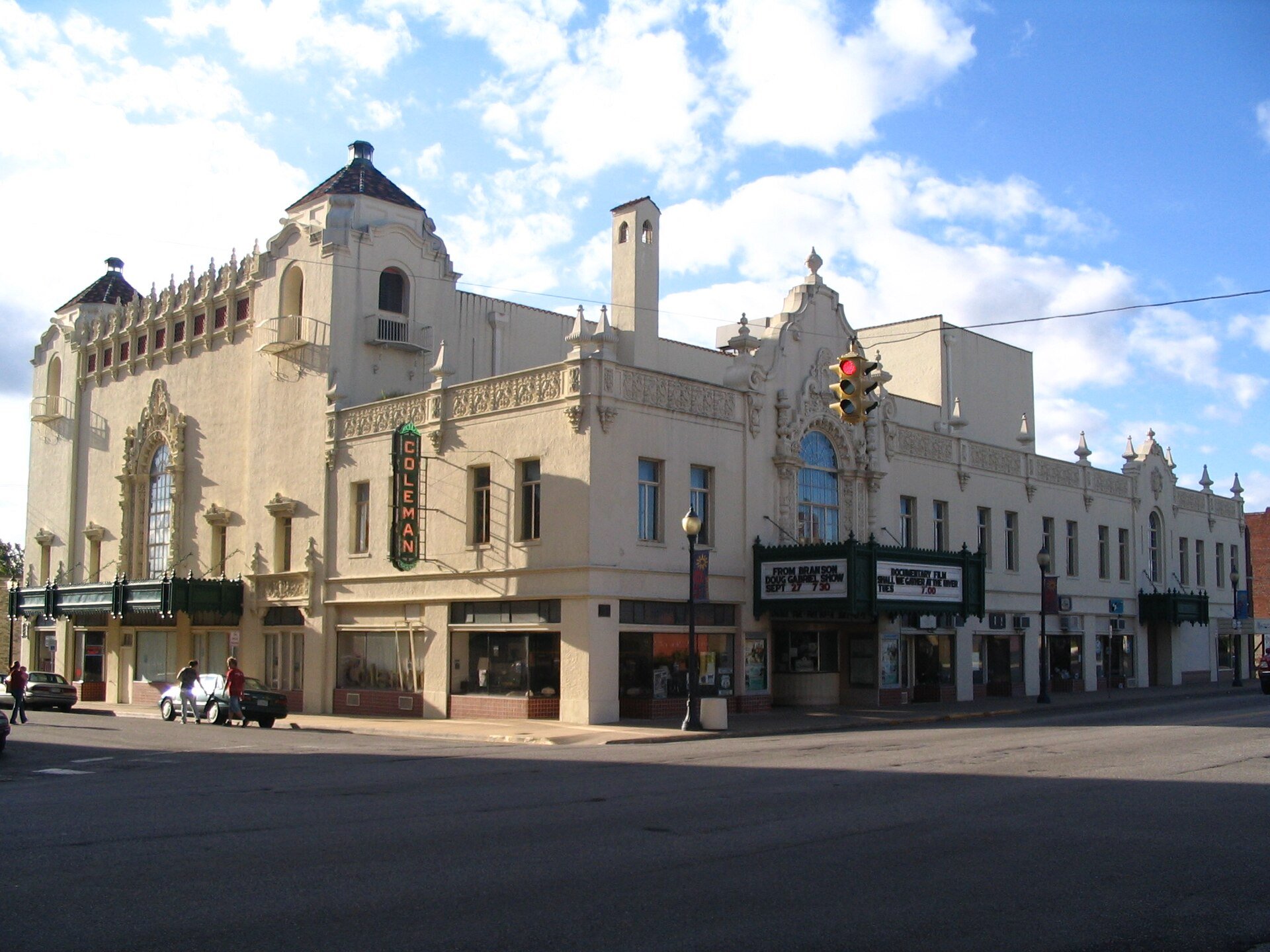
Steven Earl Gaines was born on September 14, 1949, in Miami, Oklahoma, a small town in the state's northeast corner. Like a lot of players his age, he can date the moment it started. AllMusic's biography places him among the crowd when the Beatles played Kansas City's Municipal Stadium on September 17, 1964, a show that was only added to the tour after Kansas City Athletics owner Charles O. Finley stepped in. As the story goes, he came home and kept at his father until he got a guitar of his own.
What he did with it is the more interesting part. Gaines didn't grow up as a pure Southern rocker. The influences people who knew his playing point to include the Beatles, Stax and Memphis soul, Muscle Shoals, and the blues. AllMusic describes him as having "a distinctly hard, Southern-style lead sound" and calls him "a more-than-proficient slide guitarist." He was also a strong singer, closer to a white soul voice than a rock shouter. That mix of soul phrasing, country picking and blues bite is all over his later work.
The Bar-Band Years: Manalive, Detroit and Crawdad
Gaines spent roughly a decade in working bands across the middle of the country before anyone outside it knew his name. The details differ a little depending on the source, which is normal for regional bands of the era, but the outline is consistent.
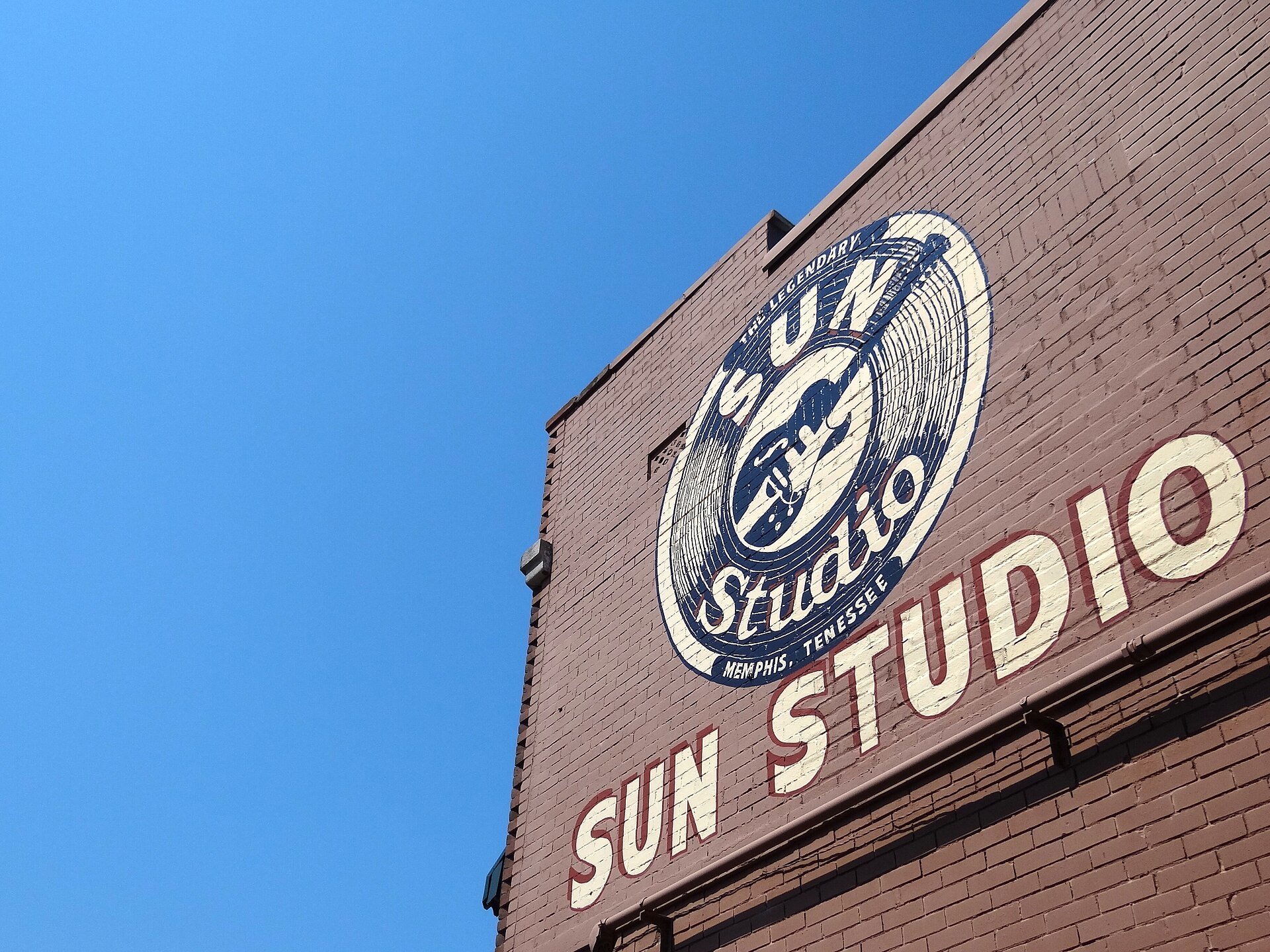
His teenage band, remembered as Manalive (some accounts list an earlier group called the Ravens), cut a single at Sun Studio in Memphis, the same small room where Elvis Presley, Johnny Cash and Jerry Lee Lewis had made their first records. In the early 1970s he played with ILMO Smokehouse, a band out of Quincy, Illinois, and with Detroit, the group fronted by singer Rusty Day that grew out of Mitch Ryder's circle.
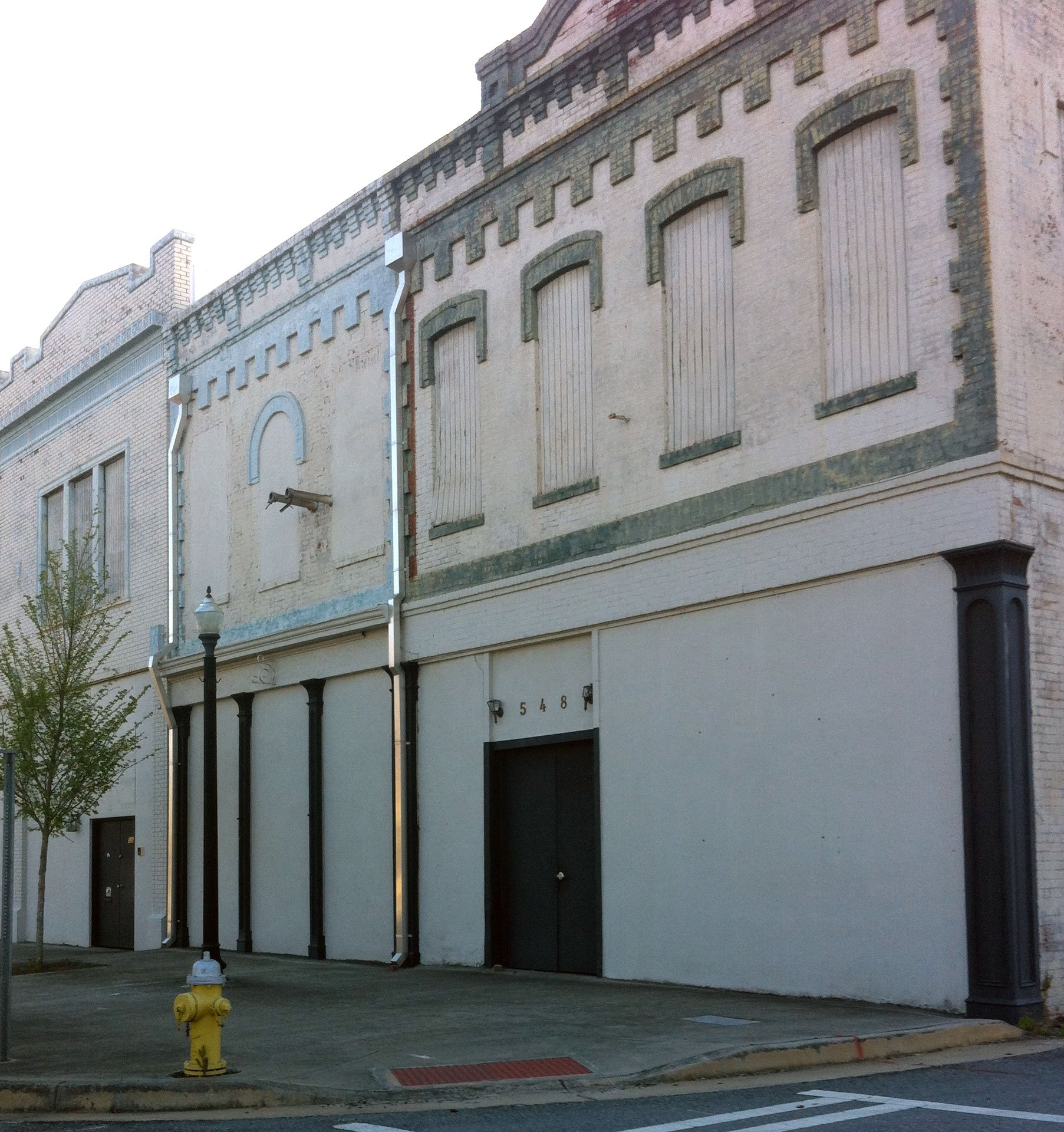
Around 1974 he started his own band, Crawdad. The lineup, as documented by It's Psychedelic Baby magazine, was Gaines on guitar and vocals, John "Moose" Moss on guitar and vocals, John Seaberg on bass, Terry Emery on keyboards and Ron Brooks on drums. In 1975 Gaines recorded songs with producer John Ryan, working at Leon Russell's Church Studio in Tulsa and at Capricorn Studios in Macon, Georgia, the home base of the Allman Brothers Band and much of the Southern rock boom.
Those recordings didn't come out while he was alive. MCA finally released them in 1988 as One in the Sun, which is credited as his only solo album. If you only know Gaines from Street Survivors, it's worth hearing. It's looser and funkier than Skynyrd, with a cover of Curtis Mayfield's "It's Alright" next to his own songs, and it makes clear he arrived in Skynyrd as a finished writer and singer, not a kid who got lucky.
By 1975, though, it looked like his chance might have passed. He was 26, working, and largely unknown.
The Audition: One Song, One Slide, in Front of a Paying Crowd
The opening came through his family. In December 1975, Steve's older sister Cassie Gaines joined the Honkettes, Lynyrd Skynyrd's backing vocal trio. At the same time, the band had a hole in the lineup. Ed King, one of their three guitarists, had walked out mid-tour in 1975, and the Skynyrd sound had always been built on three guitars.
Gary Rossington explained what that loss meant in a 2003 interview with Classic Rock: "Ed departing the way he did, that also made things really hard for us, because it changed the sound from a three-guitar band to a two-guitar." The band tried other names. Leslie West of Mountain played with them, but Rossington said the chemistry wasn't there and West wanted a joint billing they had no interest in.
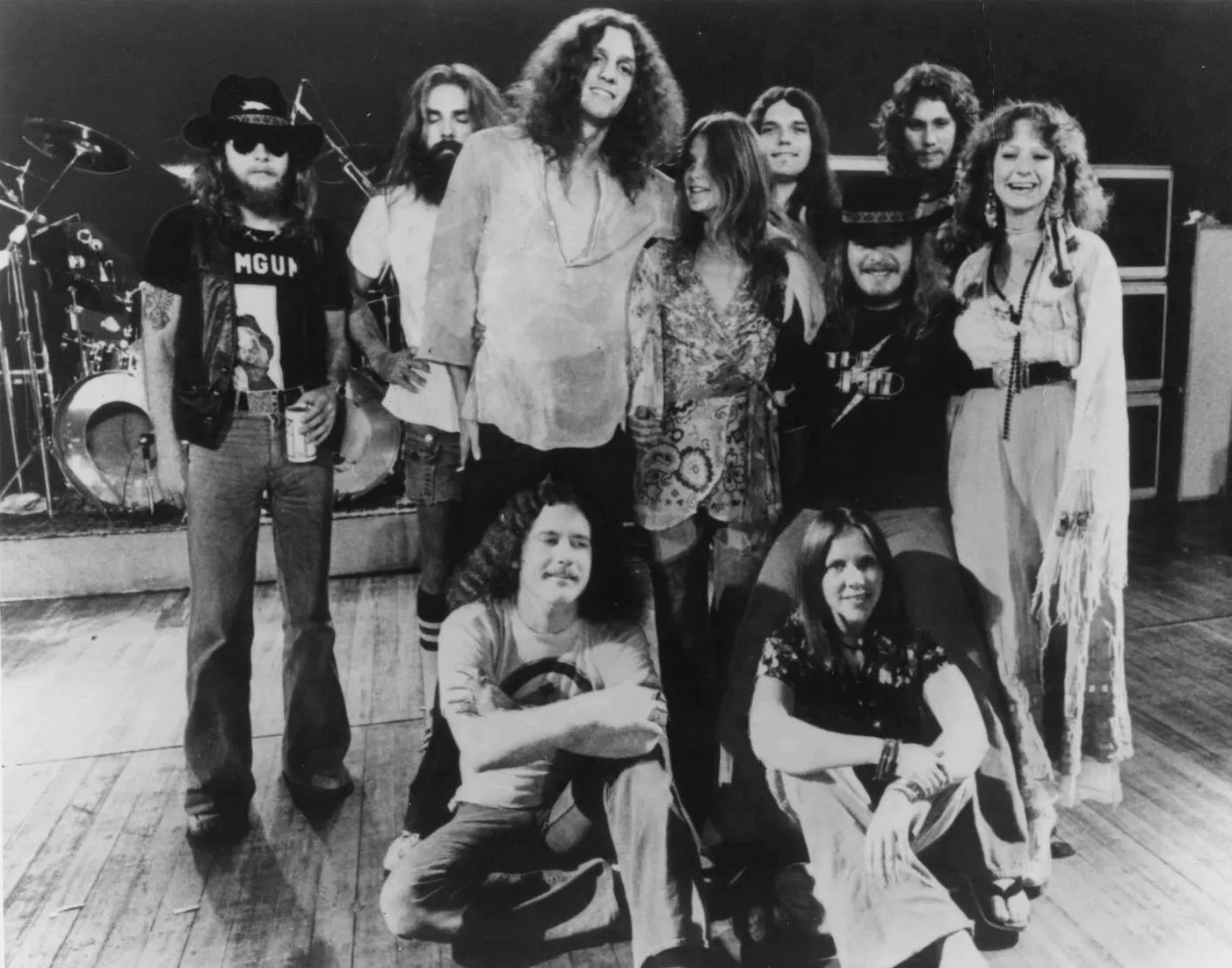
Public domain. MCA Records press photo, 1976, via Wikimedia Commons
Cassie kept telling them about her little brother. Nobody in the band took it very seriously. When they finally agreed, the "audition" was about as 1970s as it gets: Gaines was invited to sit in for one song, onstage, in front of an audience, at the Municipal Auditorium in Kansas City in May 1976. According to Classic Rock's account, sound engineer Kevin Elson was told to simply turn him off if he was bad.
He wasn't bad. Rossington told the story this way:
"Cassie kept saying we should hear her brother, but nobody thought he'd be good enough. We told him to jam with us on Call Me The Breeze, because that was just a [chord] progression, he couldn't screw that up too much. But he tore it up like you wouldn't believe. He had a slide in his pocket, and when he pulled that out he really impressed Allen and I. Right after that show we told him to quit the band he was with, he was coming with us. We threw him in the van. He didn't even have a suitcase."
One detail worth flagging: not every account agrees on the song. Rossington remembers J.J. Cale's "Call Me the Breeze," a Skynyrd staple at the time. Other retellings, including the one on Gaines' Wikipedia page, say it was Jimmie Rodgers' "T for Texas," and add that the band couldn't actually hear him from the stage and relied on Elson, listening on headphones, to tell them he was good. Both songs were twelve-bar workouts in the Skynyrd set, and the outcome is the same either way. We've gone with the account of the man who was standing next to him.
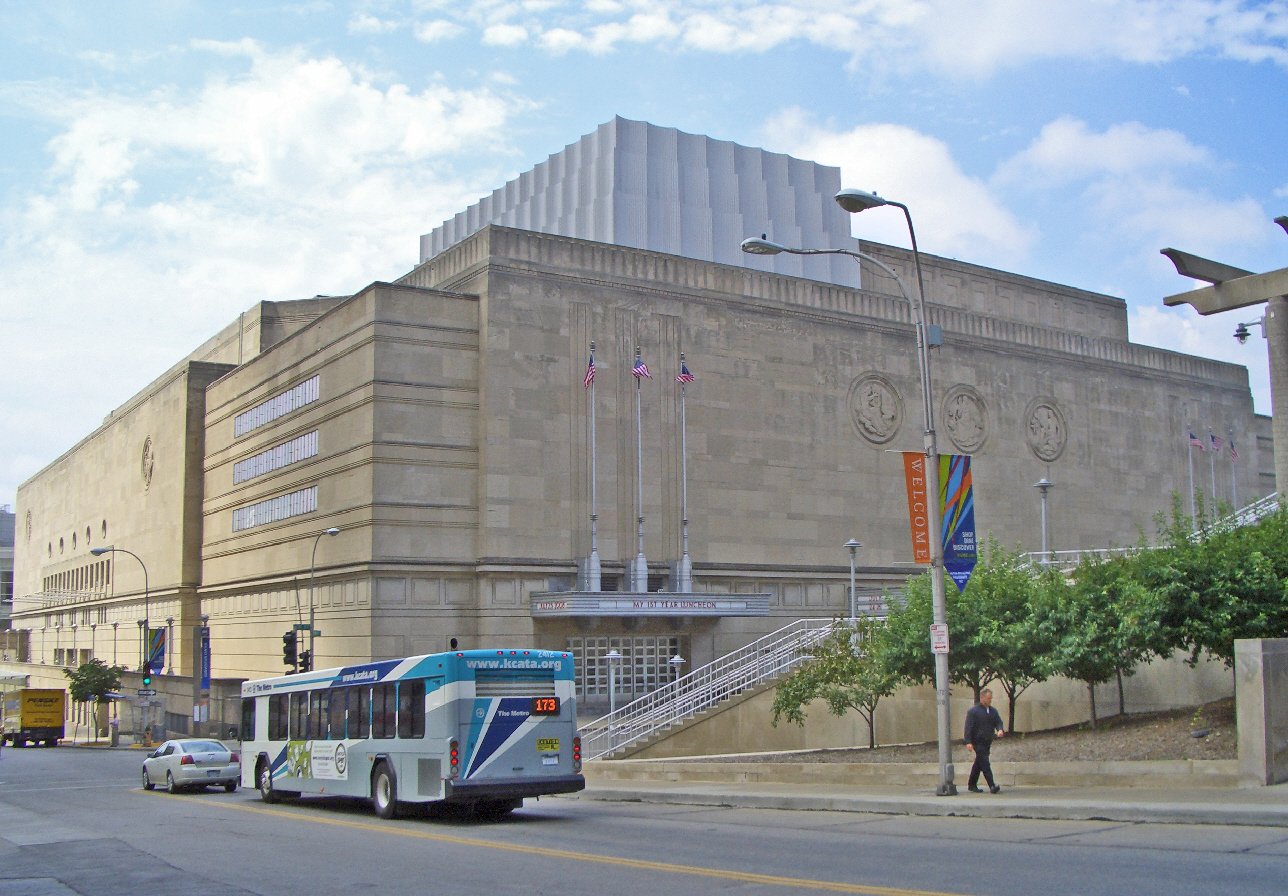
Public domain (released by the photographer). Photo: Charvex / Wikimedia Commons
The slide detail matters, by the way. Rossington played most of the band's slide parts. A new guitarist who could pull a bottleneck out of his pocket and hold his own told them right away that he wasn't just a fill-in for Ed King's parts. He could cover the whole range.
Three Gigs In, Then a Live Album
Gaines joined almost immediately. The timing was brutal and lucky at once: the band had already scheduled the recordings for a live album at the Fox Theatre in Atlanta in July 1976. By the account in Classic Rock, he had played only three gigs with the band when the tapes started rolling for One More from the Road.

That album went on to become one of the defining live records of the decade, and it's the first place most people heard him. Listen to the extended version of "T for Texas" and the guitar trading on "Gimme Three Steps" and "Call Me the Breeze," and you'll hear a player who is learning other people's parts in real time while still sounding like himself. It's also a reminder of how hard the job was. Skynyrd's arrangements were tightly worked out, with guitar harmonies and handoffs that Rossington and Allen Collins had been refining for years.
About six weeks later the band played Knebworth in England, opening for the Rolling Stones in front of an enormous crowd. The new lineup was on the biggest stage it had ever seen, and by most accounts it held up just fine.
What the Three-Guitar Lineup Actually Sounded Like
It's easy to describe Skynyrd's guitar sound as "three guitars" and leave it there, but the way the parts fit together is the whole point.
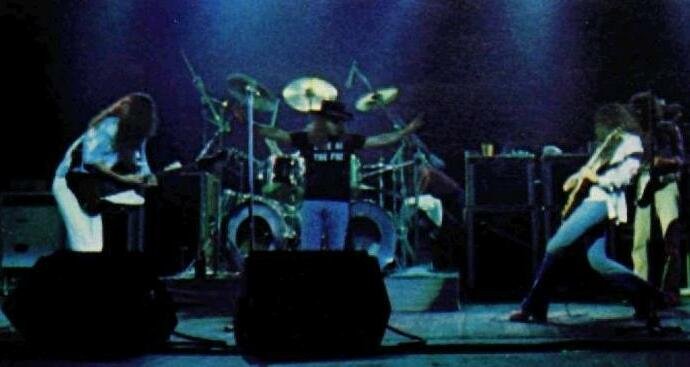
Public domain. MCA Records trade ad, Billboard, Dec. 11, 1976, via Wikimedia Commons
- Gary Rossington was the band's anchor. He played rhythm, a lot of the slide work, and solos with a warm, singing Les Paul tone. His 1959 Gibson Les Paul, nicknamed "Berniece" after his mother, is now one of the most famous guitars in Southern rock.
- Allen Collins was the firebrand. His playing was faster, sharper and more aggressive, and he's the guitarist behind the closing solo in "Free Bird." (We broke that down in our Iconic Solos piece on Collins and "Free Bird".)
- Steve Gaines slotted in between them and pulled the band toward something new. His lead lines had more country chicken-pickin' snap and more blues and soul phrasing than either of the others, and he sang well enough to take lead vocals himself.
Equipment researchers who have pieced together his rig from photos, footage and road-crew recollections generally list a black Gibson Les Paul Custom and a sunburst Fender Stratocaster as his main guitars with Skynyrd, run into Peavey amplifiers on the road. Treat the exact years and model details with care, since they come from fan-compiled sources rather than anything Gaines documented himself. What you can hear for certain is that he moved easily between the thick humbucker sound the band was known for and a brighter, single-coil snap.

Street Survivors: Gaines' Only Studio Album With Skynyrd
The sessions for the band's fifth studio album started at Criteria Studios in Miami in April 1977 with producer Tom Dowd. They didn't go smoothly. The band disliked the sounds they were getting, and most of the album was recut that summer at Studio One in Doraville, Georgia, with Kevin Elson and Rodney Mills, uncredited, helping steer it.
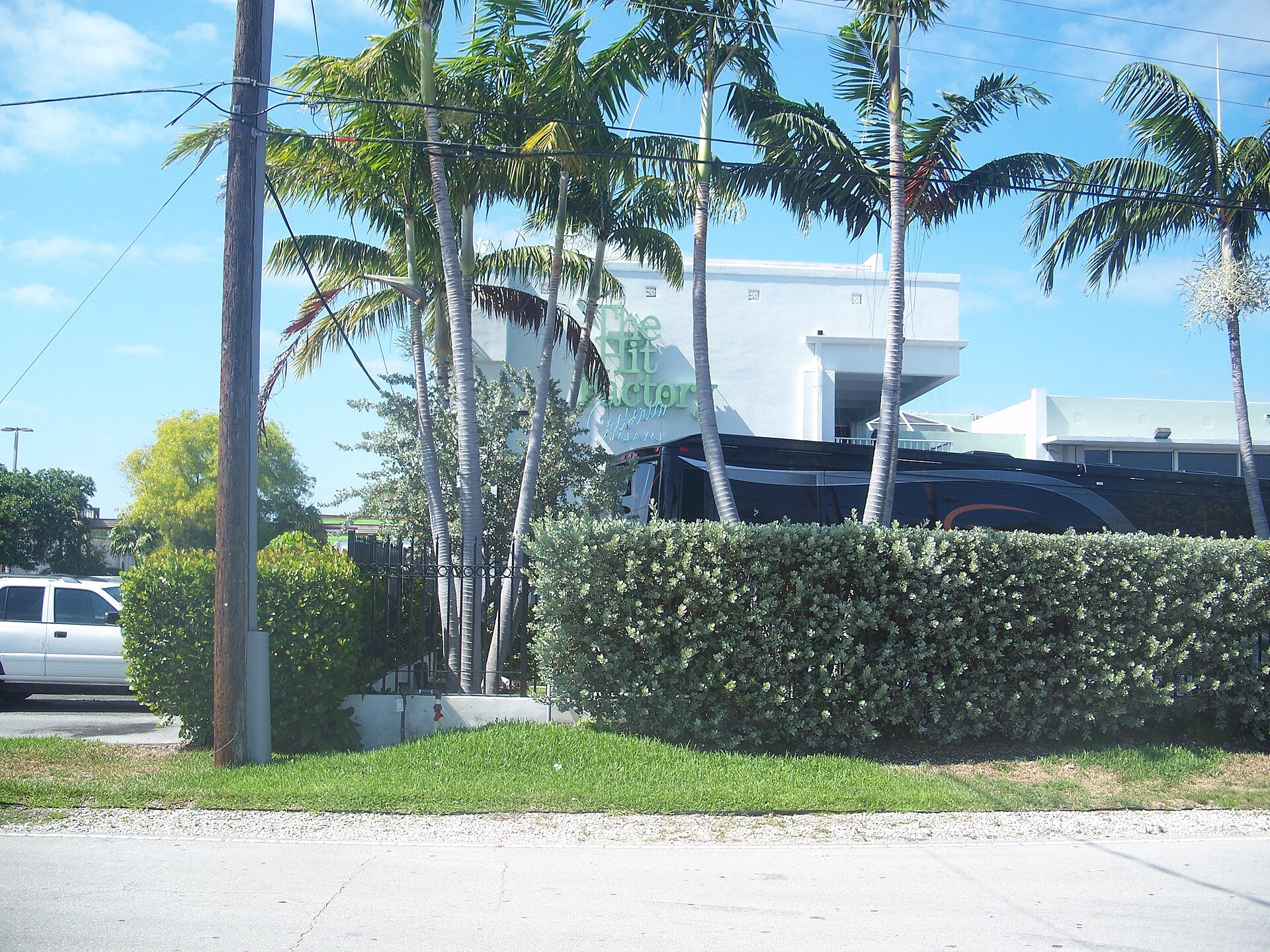
What came out of those sessions was, in large part, a showcase for the new guitarist. Of the album's eight songs, Gaines wrote "I Know a Little" and "Ain't No Good Life" on his own, and co-wrote "You Got That Right" and "I Never Dreamed" with Van Zant. That's half the record with his name on it, barely a year after he joined.
Van Zant clearly saw it coming. Classic Rock quotes him saying of Gaines:
"I expect we'll all be in Steve's shadow one day. This kid is a writing and playing fool. He's already scared everybody [in the band] into playing their best in years."
Rossington, looking back in 2003, remembered "the freshness that Steve brought to the sessions," adding: "He was a great picker, and such a great guy to hang with, and his natural enthusiasm rubbed off on all of us." Pianist Billy Powell said Gaines also took some pressure off Van Zant, because "Steve was a great singer, too."
"I Know a Little"
If you want one track that explains Steve Gaines, it's this one. He wrote it before he joined the band, and it's a fast, swinging boogie with a country-blues heart. Van Zant sings it, but the guitar is the star. The main figure is a quick, bouncing line that owes as much to Nashville's hot pickers as to the blues, and the lead breaks get hotter and more blues-based as the song goes on.
For players, the lesson is in the right hand. The song lives on clean, snappy articulation and a light swing feel. Dig in too hard or add too much gain and it turns to mush. It sounds like the Skynyrd sound filtered through Tulsa and Memphis, which is exactly what it was.
"You Got That Right"
Gaines and Van Zant wrote this one together and trade lead vocals on it, which almost never happened on a Skynyrd record. It's a straight-ahead rocker with a big hook, and it was released as the album's second single in 1978, after the crash, peaking at No. 69 on the Billboard Hot 100.
The guitar break is the part people still learn. The track has two solos, one fretted and one on slide, and the fretted one is generally credited to Gaines. To our ears, the phrasing is the giveaway. The bends are tight and vocal, the lines lean country, and they resolve like a singer finishing a phrase rather than a shredder showing off. Who played the slide break is argued over in fan circles, and we haven't found a primary source that settles it, so we won't pretend to.
"Ain't No Good Life"
This is the one that shows how much Van Zant trusted him. Gaines wrote it and sang it, which made it one of the very few songs by the original band with a lead vocal by someone other than Ronnie. It's a slow, swaggering blues, and Gaines plays it like a soul singer would sing it, leaving space and letting notes hang. If you've only heard the Skynyrd of "Sweet Home Alabama," this one might surprise you.
"I Never Dreamed"
The other Gaines and Van Zant co-write is a slower, more melancholy song, and its lead guitar parts were among the overdubs finished in Doraville. It's less of a showcase than the other three, but it's another sign that Gaines was becoming a songwriting partner for Van Zant, not just a sideman.
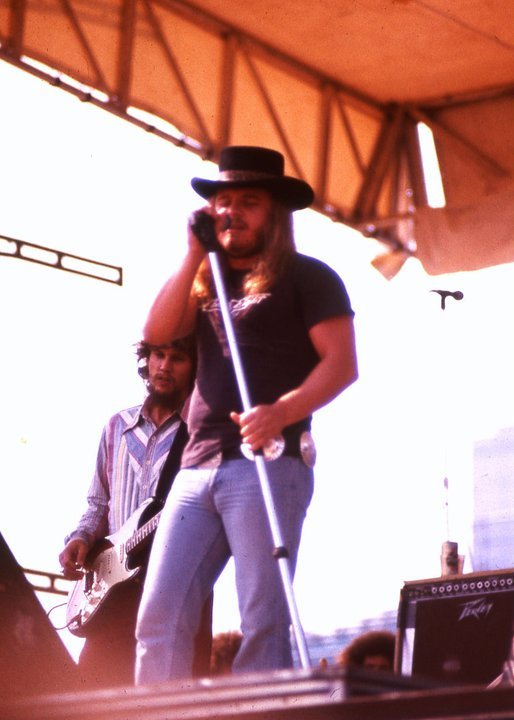
CC BY-SA 4.0. Photo: Jimmy Barnes Photography / Wikimedia Commons
October 1977
Street Survivors came out on Monday, October 17, 1977. The band was only a handful of dates into what was shaping up to be its most successful headlining tour, and the shows had been strong. Rossington told Classic Rock that the new songs "were going over really good with the audience," and that "our egos were all kinda boosted by people liking what they were hearing, pretty much for the first time."
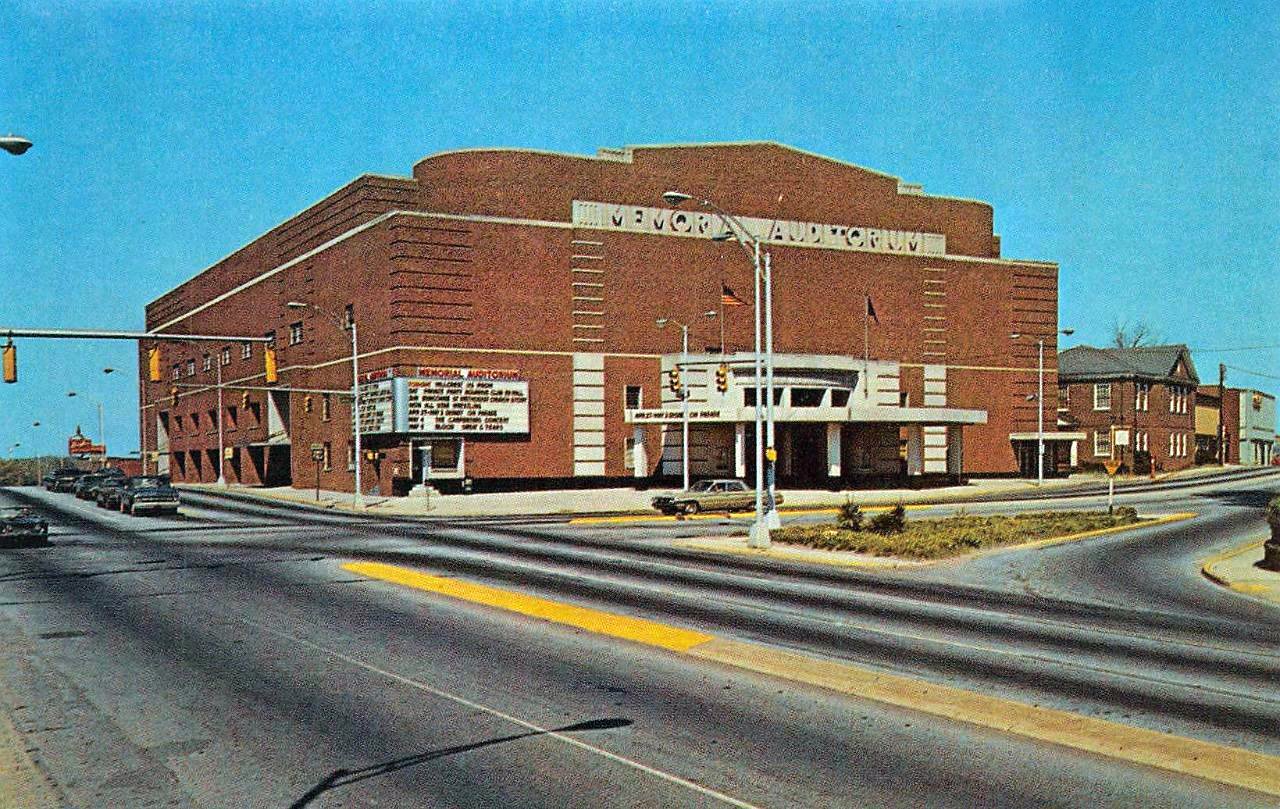
Public domain. Asheville Post Card Co. postcard, 1959, via Wikimedia Commons
Three days later, after the Greenville show, the plane went down near Gillsburg, Mississippi. The National Transportation Safety Board found that the aircraft had run out of fuel. Steve and Cassie Gaines, Ronnie Van Zant, Dean Kilpatrick and both pilots were killed. Most of the others aboard, including Rossington, Collins, Powell, bassist Leon Wilkeson and drummer Artimus Pyle, survived with serious injuries.
We won't dwell on the details here. They've been told many times, and the people who lived through that night have spoken about them in their own words. What matters for this story is what came after.
The album's original cover showed the band standing on a city street surrounded by flames, with the fire nearly covering Steve Gaines' face. At the request of Gaines' widow, Teresa, MCA withdrew it and replaced it with a plain black-background shot of the band. The record shipped gold within ten days, reached No. 5 on the Billboard 200, the band's highest chart position, and was eventually certified double platinum.
Rossington spoke about the crash rarely and carefully. "For a long time I wouldn't talk about the plane crash," he said in 2003. "It hurt to keep going back to it in interviews or whatever."
Steve Gaines' Legacy as a Guitarist
It's hard to measure the influence of a player who made one studio album with a major band. But there are a few concrete ways to see where Steve Gaines' legacy shows up.
He made the three-guitar band work again. Skynyrd's identity depended on interlocking parts, and when Ed King left, the band became something less. Gaines didn't just fill the slot. He gave it a different voice, and he brought a songwriting and vocal option the band had never had.
He bridged Southern rock and country picking. "I Know a Little" sits right where the Allman Brothers, the Memphis soul session players and Nashville's hot pickers meet. Plenty of later players, from the country guitarists of the 1990s to today's Southern rock revivalists, work in that same territory.
He showed what a "third guitarist" can be. The slot is often treated as a utility role, the person covering rhythm parts so the soloists can stretch. Gaines treated it as a creative chair. That's a lesson any guitarist joining an established band can use.
When the surviving members reunited in 1987 for a tribute tour with Ronnie's younger brother Johnny Van Zant on vocals, they played "Free Bird" as an instrumental each night and dedicated it to Ronnie, Steve and Cassie Gaines, and Dean Kilpatrick. In 2006, when Lynyrd Skynyrd was inducted into the Rock and Roll Hall of Fame, Steve Gaines was inducted with them.
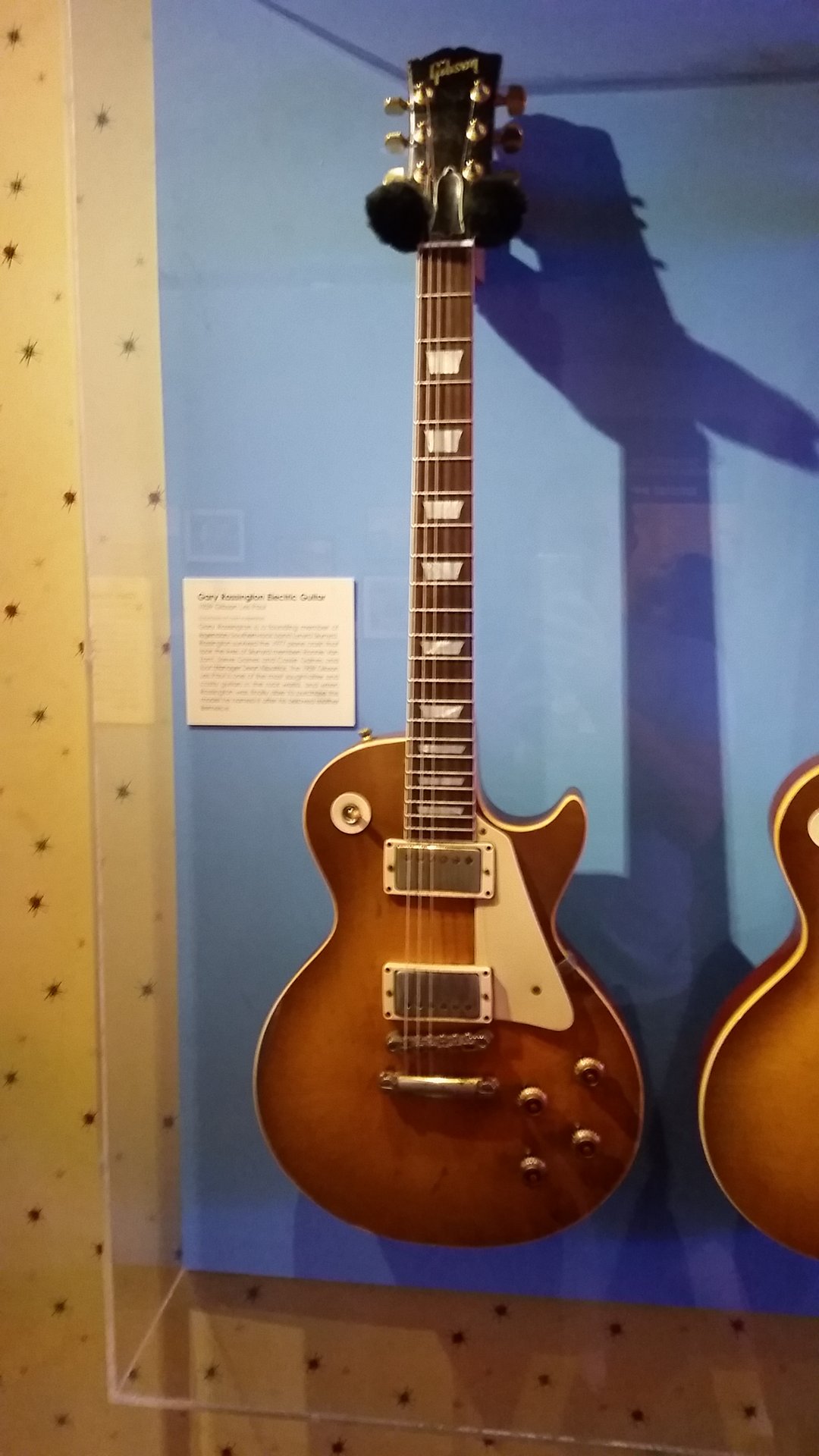
CC BY-SA 2.0. Photo: Zurich_99 / Flickr via Wikimedia Commons
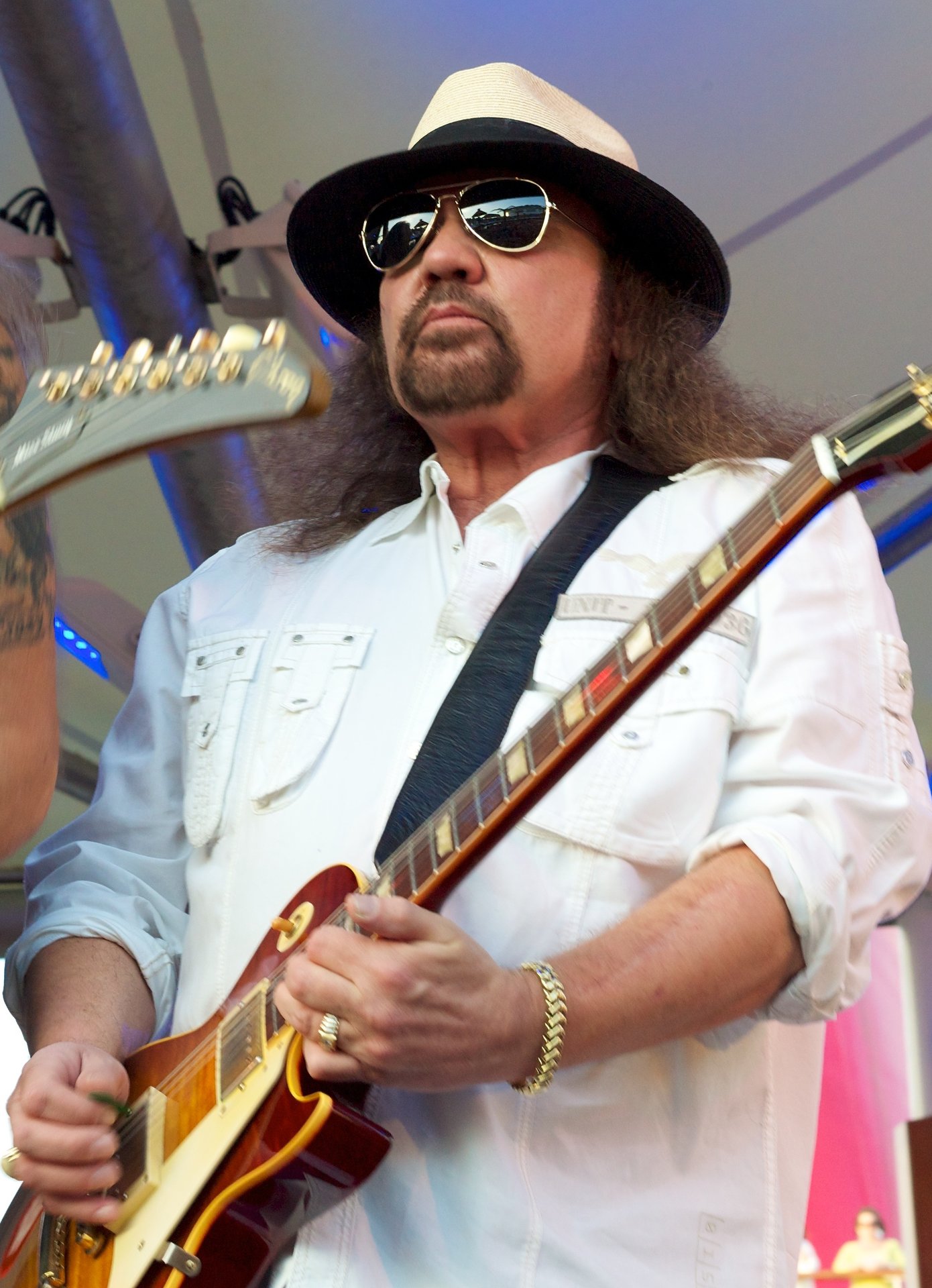
Gary Rossington, the last surviving member of the classic lineup, died in March 2023. He had made a point, in that 2003 interview, of saying that the band continued to pay the estates of Steve Gaines, Ronnie Van Zant and the others who died, so that their families shared in the music they helped make.
How to Hear Steve Gaines Today
If you want to get to know his playing beyond the hits, here's a short listening plan:
1. *"I Know a Little" (Street Survivors, 1977). Start here. It's his tune, his licks and his feel. 2. "You Got That Right" (Street Survivors). Listen for the fretted solo and the vocal trade-off with Van Zant. 3. "Ain't No Good Life" (Street Survivors). Gaines the singer and slow-blues player. 4. "T for Texas" and "Call Me the Breeze" (One More from the Road, 1976). The new guy fitting into a three-guitar band on the fly. 5. *One in the Sun (1988). His own songs and his own band, recorded before Skynyrd. 6. The Street Survivors Deluxe Edition (2008).** The original Criteria takes and live tracks from Fresno in August 1977 show how the songs grew in the band's hands.
The Takeaway
Steve Gaines got about 17 months with Lynyrd Skynyrd. In that time he survived an audition most of us would never agree to, learned a live album's worth of parts in three gigs, wrote half of the band's best-selling studio album and earned a compliment from Ronnie Van Zant that sounds less like praise and more like a prediction.
The prediction didn't get a chance to come true. But if you pick up a guitar tonight and work out the opening lick of "I Know a Little," you'll understand why Van Zant made it.
*How did you first hear Steve Gaines? Tell us in the Guitar Talk section, and read our breakdown of Allen Collins and the "Free Bird" solo next.*
Experience-driven coverage, not algorithm bait.
- 20+ years of guitar playing experience
- Real-world retail experience at Guitar Center
- Thousands of hours testing guitars, amps, and pedals
- A community of 50,000+ guitar enthusiasts across platforms
- Partnerships with Fender, DistroKid, TrueFire, Card Chords, and Enya
- Editorial standards published openly — see how we test gear
The Modern Guitar Magazine. Delivered to your inbox.
No spam. No gimmicks. Just great guitar content — stories, tones, iconic solos, and honest gear takes. Every week.
Ask GP
3 free questions a dayStill curious? Ask GP about this story.
Your personal classic-rock and guitar guide — ask anything about Steve Gaines.
Discussion (0)
Sign in to join the discussion.
Sign in to commentLoading comments…
Discover another guitar story
Swipe through our latest features, breaking news and iconic solos — one story at a time.
Open Swipe →More Guitar News
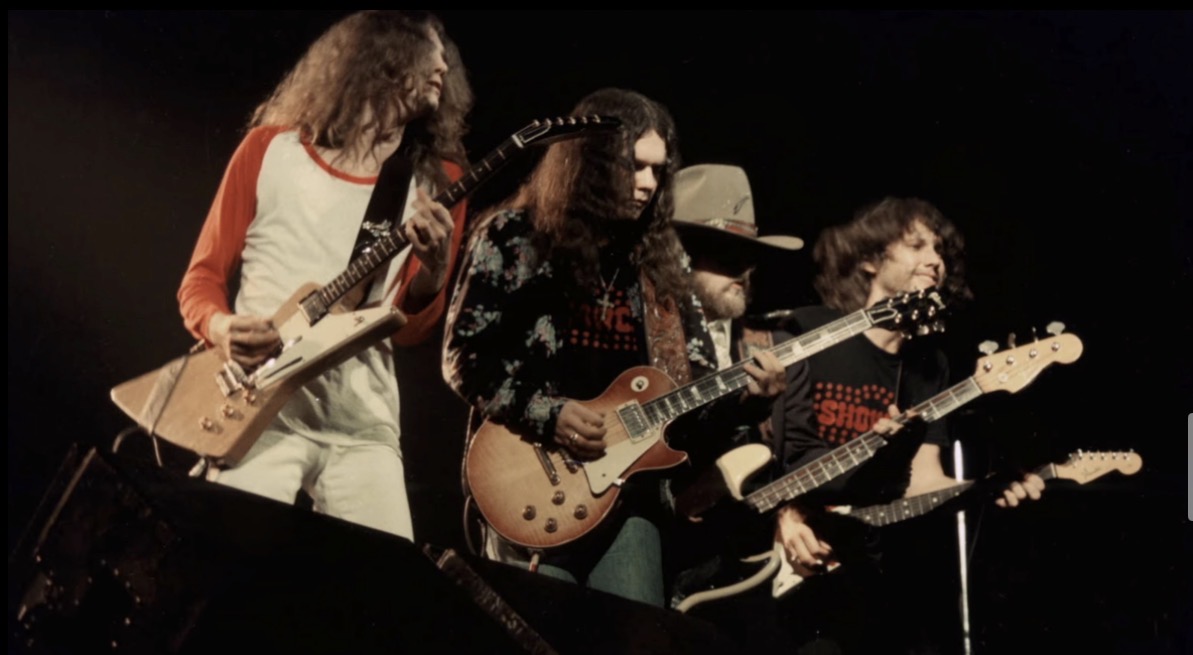
Iconic Solos: Why the "Free Bird" Solo Feels Like Flying
Allen Collins' four-minute Free Bird solo isn't about speed — it's about momentum, repetition, and reckless tone. Here's why it still gives guitarists chills.
The 15 Greatest Guitar Duos of All Time — When Two Guitars Became One Sound
Rock history is full of guitarists who became greater because of the person standing on the other side of the stage. These are the 15 partnerships that changed the sound of electric guitar.
The 10 Greatest Guitar Harmonies of All Time
One guitar states the melody. The second one changes its emotional weight. We rank the ten harmonized guitar moments that define the twin-lead sound.

The 25 Greatest Classic Rock Albums of All Time
Classic rock never really disappeared — it just changed generations. These 25 albums didn't just sell millions of copies. They rewrote the rulebook, defined tones, and taught generations of guitarists what rock music could be.