
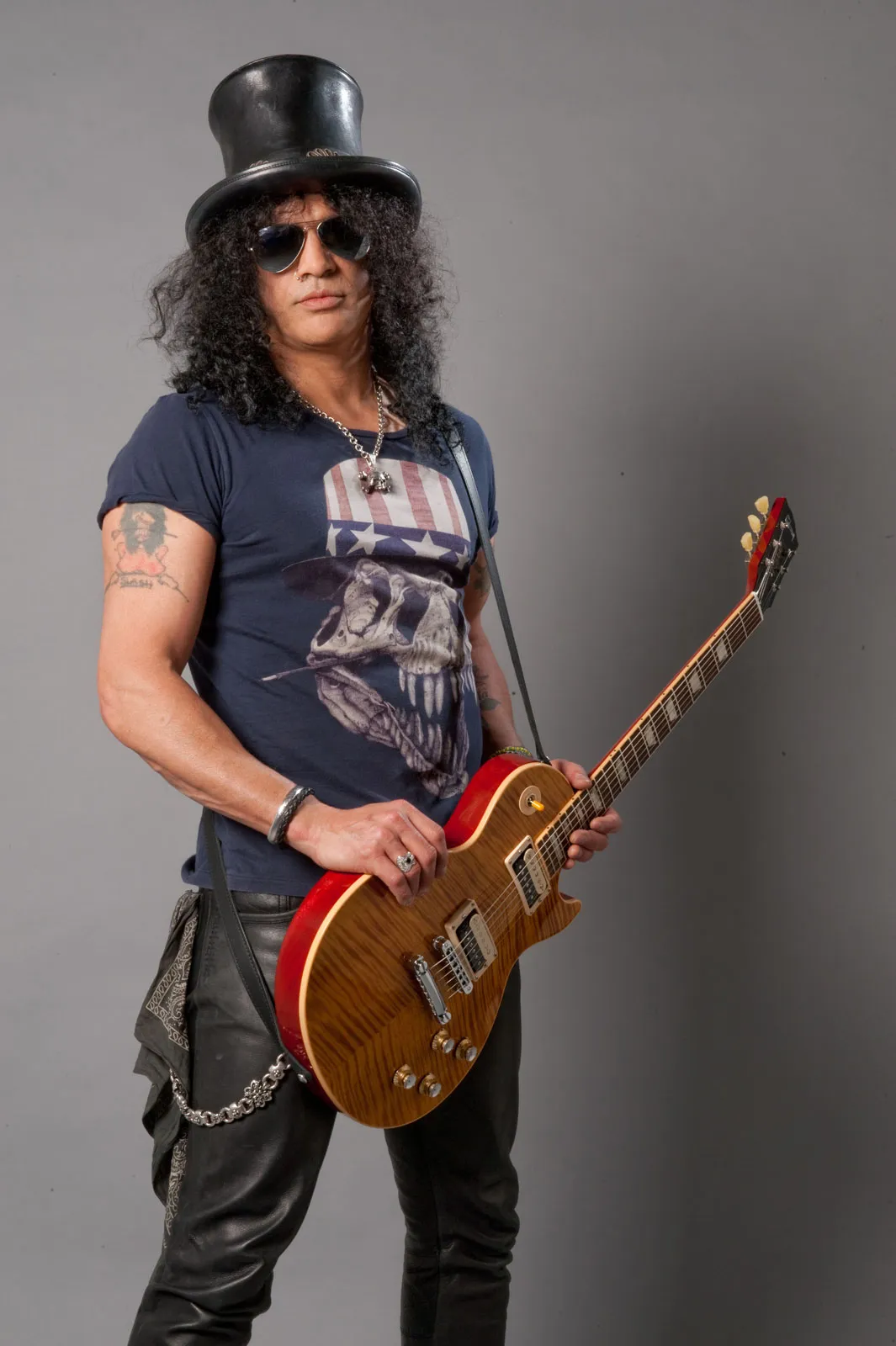
Iconic Solos: Why Slash's Sweet Child O' Mine Solo Still Hits Decades Later
Discover why Slash's Sweet Child O' Mine guitar solo remains one of the greatest rock solos ever recorded. A deep dive into tone, phrasing, technique, and legacy.
Some guitar solos are technically impressive.
Others are memorable.
A select few become part of music history.
Slash's solo in Sweet Child O' Mine belongs firmly in that last category.
Released in 1987 on Appetite for Destruction, the song helped launch Guns N' Roses into superstardom and gave the world one of the most recognizable guitar solos ever recorded. More than three decades later, guitarists are still learning it, studying it, and chasing the tone behind it.
So what makes this solo so special?
The Perfect Build-Up
Before Slash ever launches into the solo, the song creates tension.
The famous opening riff instantly grabs your attention, but the verses and chorus continue building anticipation. By the time the solo arrives, listeners are ready for a payoff.
And Slash delivers.
Instead of immediately showing off his speed, he begins with a melodic phrase that feels like an extension of the vocal melody.
That's one of the biggest reasons the solo works.
It feels like part of the song rather than a separate guitar exercise.
Melody First, Speed Second
One of Slash's greatest strengths has always been his phrasing.
Throughout the Sweet Child O' Mine solo, every bend, vibrato, and note choice feels intentional.
Rather than flooding the listener with endless notes, Slash creates memorable musical statements.
Many modern players can play faster.
Very few can make a guitar sing the way Slash does here.
The solo proves an important lesson:
Get Slash’s “Sweet Child o' Mine” Tone
Tell ToneMD what gear you own and get a full signal chain with real numbered settings for this tone.
Included with Premium
The best solos are often the ones you can hum.
• Gibson Les Paul Standard
• Marshall Silver Jubilee
• Dunlop Cry Baby Wah
• Ernie Ball Strings
The Tone
A huge part of the magic comes from Slash's tone.
His Les Paul and Marshall combination created a thick, vocal-like sound that cuts through the mix without becoming harsh.
The sustain allows every bend to breathe.
The overdrive adds aggression without sacrificing clarity.
It's one of the defining guitar tones of the entire 1980s.
Even today, countless players still use Slash-inspired rigs in pursuit of that sound.
The Climactic Run
As the solo progresses, Slash gradually increases the intensity.
The final section introduces faster runs and more aggressive phrasing, but it never feels excessive.
Everything serves the emotional arc of the song.
This is where many players get it wrong.
They think the secret is the speed.
The real secret is the build.
Slash earns every fast lick because he spent the earlier sections telling a story.
Why Guitarists Still Love It
There are technically harder solos.
There are faster solos.
There are more complex solos.
Yet Sweet Child O' Mine remains one of the most played, studied, and celebrated guitar solos ever recorded.
Why?
Because it captures the perfect balance between technique, melody, tone, and emotion.
It's accessible enough for intermediate players to learn, yet sophisticated enough that professionals still admire it.
Few solos achieve both.
Our Take
If someone asked us to explain what makes a great rock guitar solo, Sweet Child O' Mine would be near the top of the list.
It's melodic.
It's emotional.
It's memorable.
And most importantly, it serves the song.
Slash didn't just play a great solo.
He created a moment that has inspired generations of guitarists and will likely continue doing so for decades to come.
That's what makes it iconic.
Want more legendary solos? Explore the Iconic Solos series on The Guitar Plugged.
Slash Signature Essentials
Some links may be affiliate links. We may earn a small commission at no cost to you.
Experience-driven coverage, not algorithm bait.
- 20+ years of guitar playing experience
- Real-world retail experience at Guitar Center
- Thousands of hours testing guitars, amps, and pedals
- A community of 50,000+ guitar enthusiasts across platforms
- Partnerships with Fender, DistroKid, TrueFire, Card Chords, and Enya
- Editorial standards published openly — see how we test gear
The Modern Guitar Magazine. Delivered to your inbox.
No spam. No gimmicks. Just great guitar content — stories, tones, iconic solos, and honest gear takes. Every week.
Ask GP
3 free questions a dayStill curious? Ask GP about this story.
Your personal classic-rock and guitar guide — ask anything about Iconic Solos.
Discussion (0)
Sign in to join the discussion.
Sign in to commentLoading comments…
Discover another guitar story
Swipe through our latest features, breaking news and iconic solos — one story at a time.
Open Swipe →More in Iconic Solos
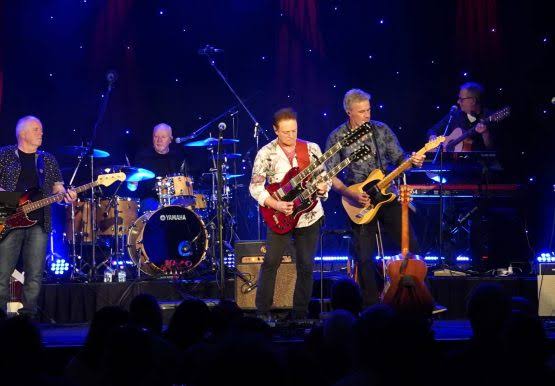
The Story Behind the "Hotel California" Guitar Solo: How Don Felder and Joe Walsh Created Rock's Greatest Guitar Duel
Nearly five decades on, the final minutes of the Eagles' "Hotel California" still stop guitarists in their tracks. Inside the composition, tone, and interplay of Don Felder and Joe Walsh's legendary dual-guitar finale.

10 Underrated Guitar Solos Every Player Should Learn
Ten overlooked guitar solos — from Larry Carlton to Derek Trucks — that will make you a better player through phrasing, feel, and note choice.
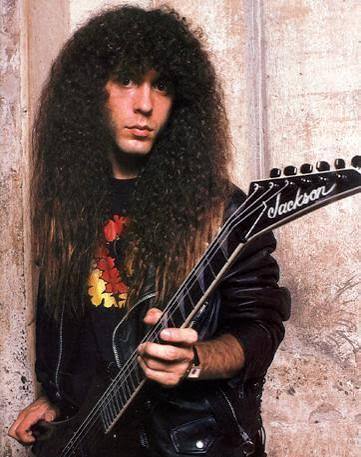
Iconic Solos: Marty Friedman's "Tornado of Souls" — The Crown Jewel of Thrash Guitar
More than 35 years later, Marty Friedman's solo on Megadeth's Tornado of Souls is still the gold standard for melodic shred — exotic phrasing, vocal-like bends, and an ending run that breaks brains.