Tone Decoded: Mark Knopfler — The Sound of Taste, Touch, and Timing
Mark Knopfler built one of the most recognizable guitar sounds in history with a Stratocaster, a clean Fender amp, a compressor, and his fingers. Here's exactly how his tone works — and how to get it.
When guitar players talk about legendary tones, the conversation usually revolves around high-gain monsters, massive pedalboards, or vintage amplifiers cranked to the edge of destruction. Then there's Mark Knopfler.
The iconic guitarist of Dire Straits built one of the most recognizable guitar sounds in history using remarkably simple gear. His tone isn't about distortion or volume — it's about touch, dynamics, and making every note count.
From the opening lick of 'Sultans of Swing' to the soaring melodies of 'Brothers in Arms,' Knopfler's tone proves that sometimes less really is more.
The Foundation of the Knopfler Sound
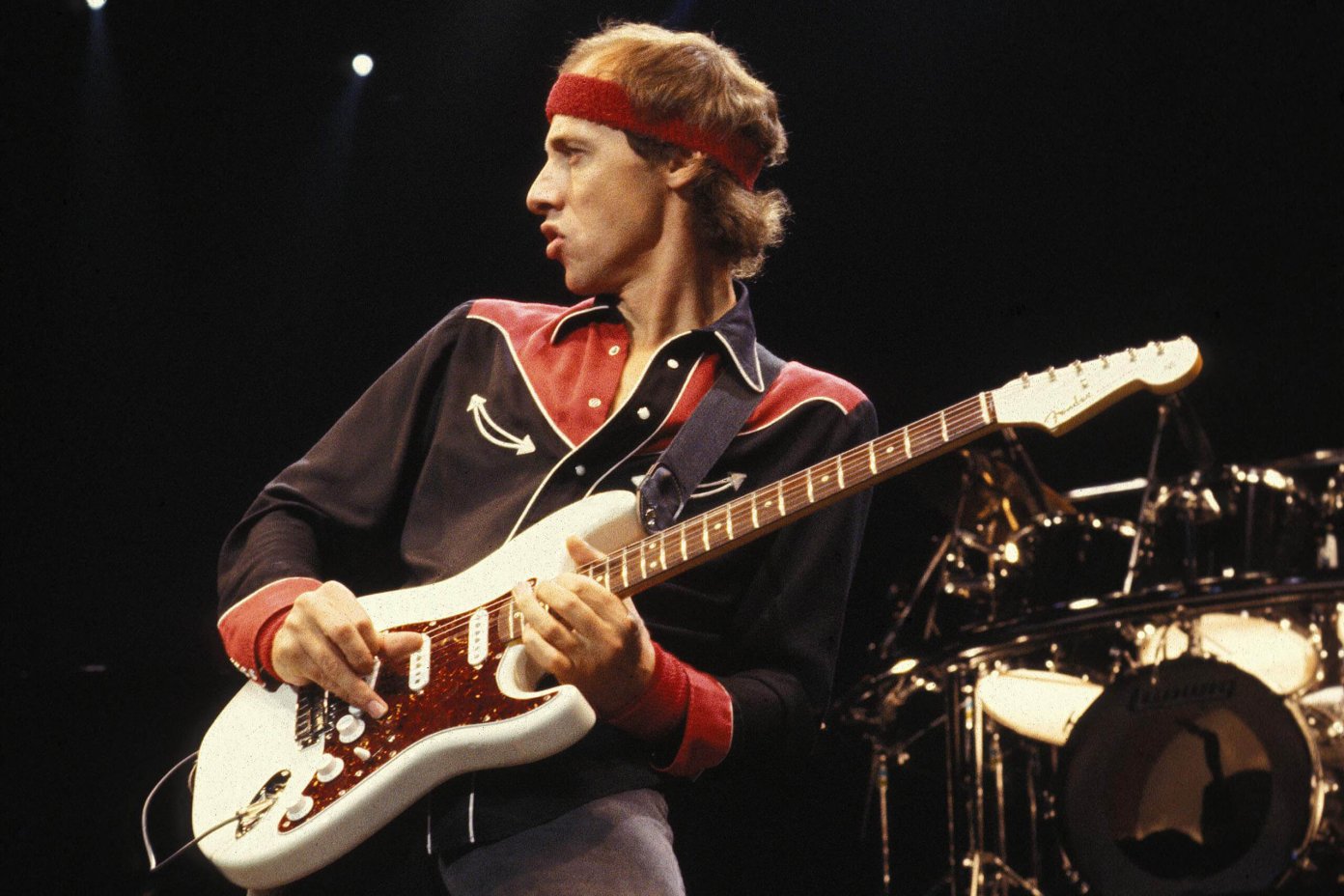
If there is one thing that defines Mark Knopfler's tone, it's his fingers. Unlike most rock guitarists, Knopfler rarely uses a pick. Instead, he employs a hybrid fingerstyle technique that allows him to pluck strings with incredible precision and dynamic control.
Softer attack. Greater note separation. Enhanced dynamics. More vocal-like phrasing. Cleaner articulation. A huge portion of his tone comes directly from his hands — not his gear.
The Guitar: Fender Stratocaster
The guitar most associated with Knopfler's classic sound is the legendary Stratocaster — single-coil pickups, bright top-end, glassy highs, tight low-end, excellent note definition. His famous 'Sultans of Swing' tone primarily comes from using the neck and middle pickup positions, producing a warm yet articulate sound that cuts through a mix without becoming harsh.
Gibson Les Pauls, Pensa-Suhr custom guitars, Schecter models, National resonators, and Martin acoustics all appear throughout his catalog — but the Strat remains the foundation of the classic Dire Straits era tone.
The Amplifiers
Knopfler's amp choices changed over the years, but several models played major roles.
A key ingredient in early Dire Straits recordings. Huge clean headroom, sparkling highs, dynamic response, and natural compression — the perfect platform for fingerstyle phrasing.
Get Mark Knopfler’s “Sultans of Swing” Tone
Tell ToneMD what gear you own and get a full signal chain with real numbered settings for this tone.
Included with Premium
Frequently used during the late 70s and early 80s. Loud, pristine cleans, tight bass response, and exceptional clarity.
Later in his career Knopfler incorporated higher-end boutique amplifiers — but always with a focus on clarity rather than gain.
The Secret Sauce: Compression
Many guitarists chase Knopfler's tone by buying Strats and Fender amps but overlook one critical component: compression. A compressor evens out volume spikes, adds sustain, enhances clean articulation, and creates the polished studio feel heard on classic Dire Straits recordings. A quality compressor pedal is arguably the most important effect in the entire signal chain.
The EQ Formula
“In a world obsessed with more gain, more effects, and more speed, Knopfler reminds us that the most powerful tone comes from restraint.”
 Bass     ████░░░░░  4–5
 Mid      ██████░░░  6–7
 Treble   ██████░░░  6–7
 Gain     █░░░░░░░░  Very Low
 Reverb   ███░░░░░░  Light–Mod
The goal is clarity and touch sensitivity — not saturation.
Signature Songs and Their Tones
The blueprint. Neck/middle pickup position, crystal-clean amp, fingerstyle attack, light compression. Every note breathes.
A completely different beast. Overdriven amp, mid-heavy EQ, thick sustain, more aggressive attack. Far dirtier than most classic Knopfler tones.
One of the most emotional guitar tones ever recorded. Warm sustain, smooth lead voice, spacious ambience, incredible dynamics. The guitar doesn't play notes — it sings.
The Rig — Decoded
Single-coil glass, position 4 for the classic 'Sultans' quack. Warm but articulate.
Thumb-and-fingers attack supplies softer transients, vocal phrasing, and dynamics no pick can fake.
Light squeeze for sustain and that polished studio sheen across every clean note.
Loud, pristine cleans. Touch-sensitive headroom is the whole point — gain stays very low.
Just enough room to make the notes bloom. Never washy.
How to Get the Mark Knopfler Tone on a Budget
You don't need vintage gear to capture the essence of his sound.
Guitar: Squier Classic Vibe Stratocaster. Amp: Boss Katana 50. Pedals: a compressor and a touch of reverb. Most importantly — learn to play with your fingers. A $400 Strat played fingerstyle will get you closer to Knopfler than a $4,000 custom guitar played with a heavy pick.
The Final Verdict
Mark Knopfler's tone is proof that gear is only part of the equation. His sound comes from fingerstyle technique, dynamic touch, Stratocaster single-coils, clean amplifiers, light compression, and tasteful phrasing.
The real lesson from Knopfler isn't which amp to buy or which pedal to use. It's learning that every note matters. In a world obsessed with more gain, more effects, and more speed, Mark Knopfler reminds us that sometimes the most powerful tone comes from restraint.
What to Remember
- ▸The fingers do the heavy lifting — hybrid fingerstyle is the single biggest tonal ingredient.
- ▸A Stratocaster in positions 2 and 4 is the heart of the classic Dire Straits sound.
- ▸Set the amp clean with very low gain — clarity beats saturation every time.
- ▸A compressor (MXR Dyna Comp) is non-negotiable for the polished studio feel.
- ▸Keep mids present — scooped EQs kill the vocal quality of his lead lines.
- ▸Restraint is the technique — every note should earn its place.
Keep Exploring Tone Decoded
Dive into more rig breakdowns — from EVH's Brown Sound to Gilmour's clean leads — in our Tone Decoded section on TheGuitarPlugged.
- MXR Dyna Comp Compressor$129·Check on Amazon →
- Squier Classic Vibe '60s Stratocaster$479·Check on Amazon →
- Boss Katana 50 MkII$249·Check on Amazon →
Some links are affiliate links — we may earn a small commission at no cost to you.
Build Your Knopfler Rig
Some links may be affiliate links. We may earn a small commission at no cost to you.
Experience-driven coverage, not algorithm bait.
- 20+ years of guitar playing experience
- Real-world retail experience at Guitar Center
- Thousands of hours testing guitars, amps, and pedals
- A community of 50,000+ guitar enthusiasts across platforms
- Partnerships with Fender, DistroKid, TrueFire, Card Chords, and Enya
- Editorial standards published openly — see how we test gear
The Modern Guitar Magazine. Delivered to your inbox.
No spam. No gimmicks. Just great guitar content — stories, tones, iconic solos, and honest gear takes. Every week.
Ask GP
3 free questions a dayStill curious? Ask GP about this story.
Your personal classic-rock and guitar guide — ask anything about Mark Knopfler.
Discussion (0)
Sign in to join the discussion.
Sign in to commentLoading comments…
Discover another guitar story
Swipe through our latest features, breaking news and iconic solos — one story at a time.
Open Swipe →More in Tone Decoded
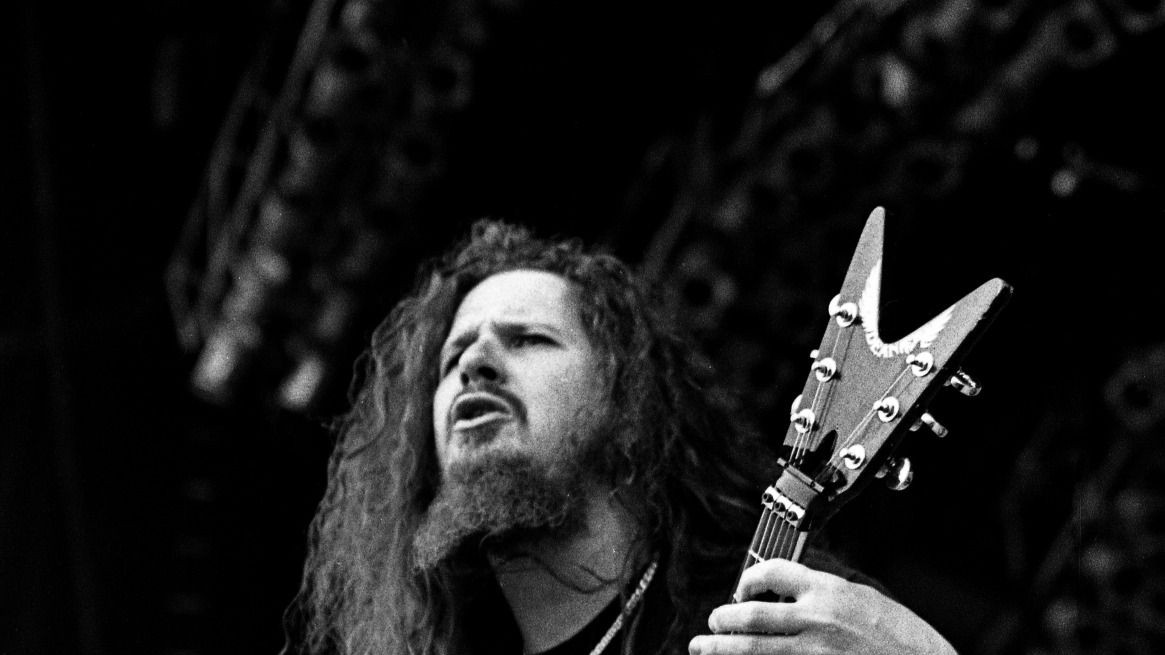
Dimebag Darrell Didn't Just Make Metal Heavier—He Made It Swing
Inside the fearless Texas guitar language, brutal-but-musical tone, and melodic instinct that made Dimebag Darrell impossible to imitate — and impossible to replace.
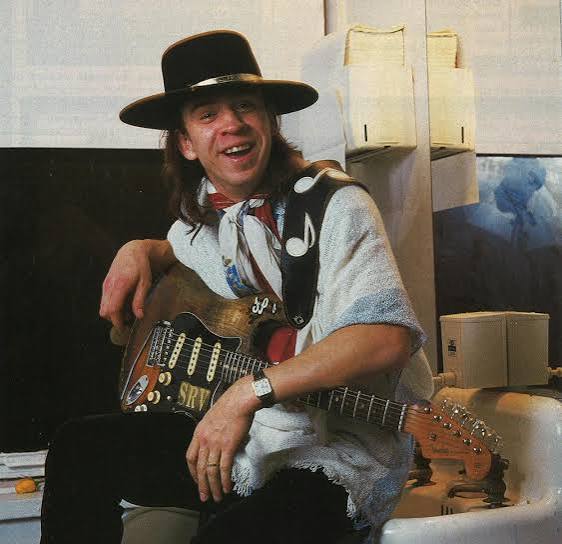
The Infamous Stevie Ray Vaughan Soundcheck
No crowd. No spectacle. Just Stevie Ray Vaughan checking levels at the Syria Mosque in 1986 — and sounding absolutely monstrous. What the footage reveals about tone, touch and the myth of the rig.
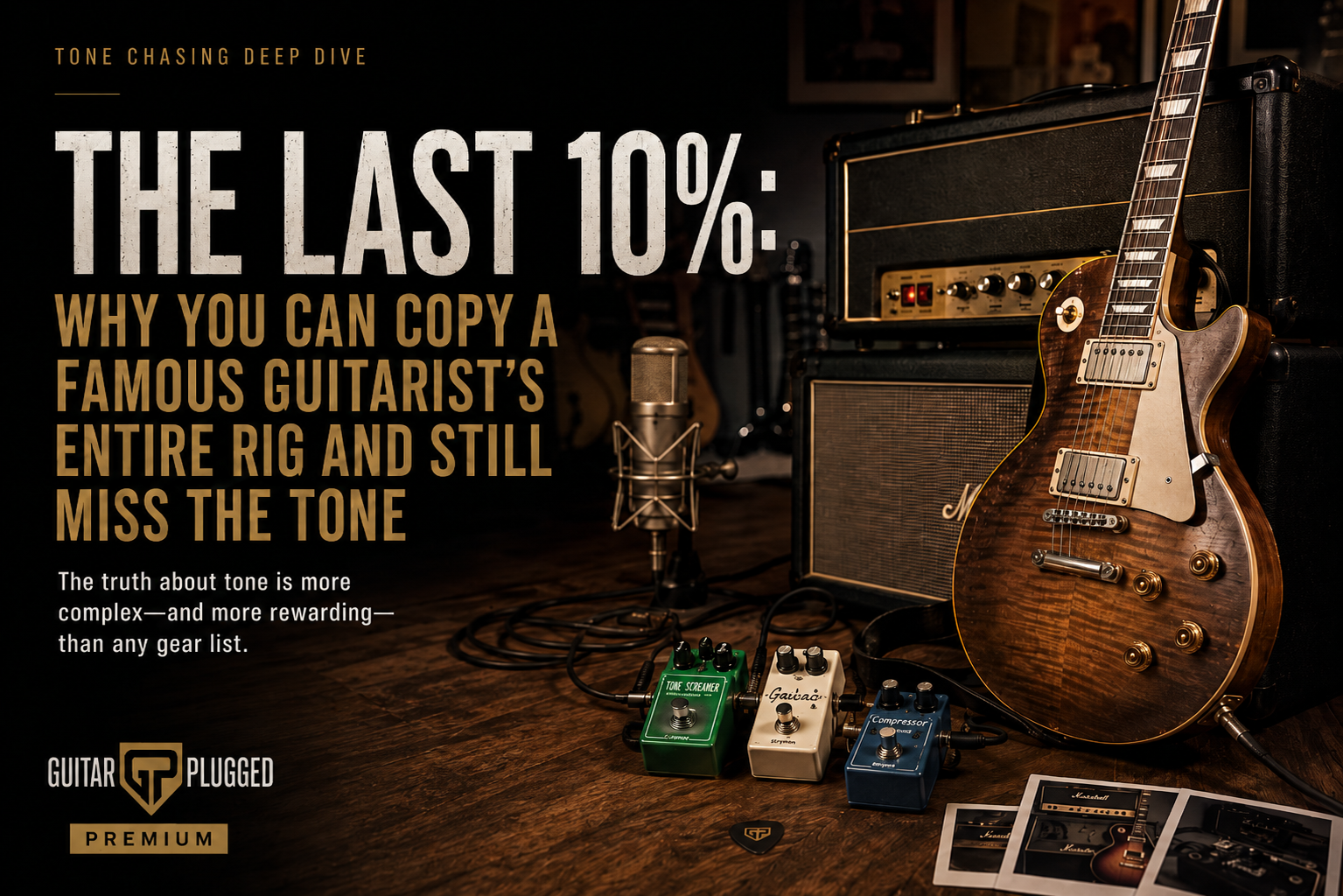
The Last 10%: Why You Can Copy a Famous Guitarist’s Entire Rig and Still Miss the Tone
You bought the guitar, the amp, and the pedals — so why doesn’t it sound right? The last 10 percent of guitar tone is the most important part, and it’s almost never about the gear list.