Tone King’s Royce Puts British AC Chime Into a Three-Tube Pedalboard Preamp
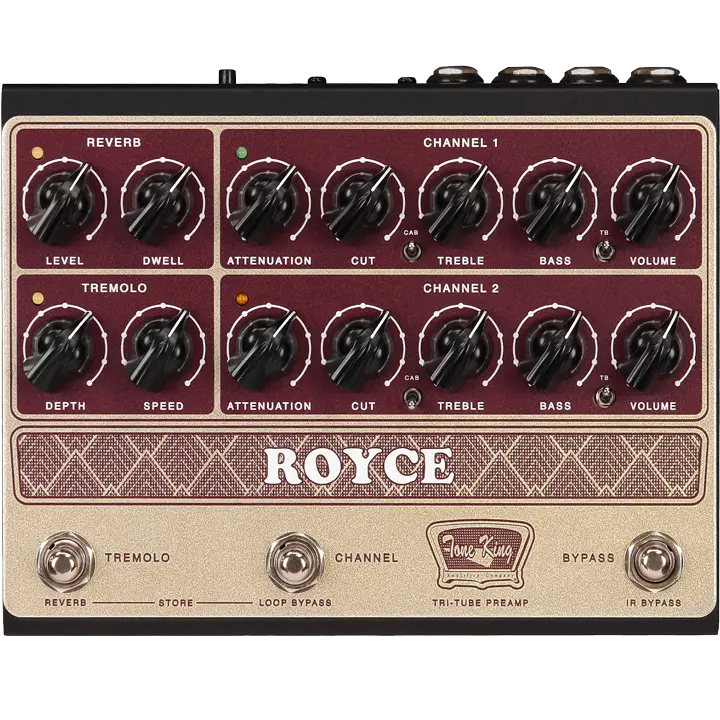
Photo: Tone King official product image.
Tone King’s new Royce combines two Normal/Top Boost channels, direct outputs and cabinet simulation in a $599.99 pedal built for ampless and hybrid rigs.
Tone King has introduced the Royce, a two-channel preamp pedal aimed at the chime, harmonic richness and touch response associated with 1960s British AC-style amplifiers. The company’s official product page lists it at $599.99 and in stock at the time of research on November 16, 2026. Three 12AX7 tubes, two independent channels and an unusually extensive connection panel make this more than another overdrive built around a familiar amp reference.
The important distinction is what the Royce is intended to replace. It can supply an amplifier-style front end for direct recording or a stage system, but it can also work alongside an existing amp. Cabinet impulse responses, balanced XLR outputs, headphones and MIDI are part of the same unit, rather than accessories that must be added elsewhere on the board.
This is a release report based on Tone King’s specifications, not a hands-on review. The company’s claims about feel, compression and vintage authenticity have not been independently tested by TheGuitarPlugged.
Two Channels, Two Familiar Starting Points
Both Royce channels offer Normal and Top Boost modes. That gives players two separately configured versions of the same underlying amp-inspired vocabulary, instead of a clean channel paired with a fundamentally different high-gain circuit.
Tone King describes Normal mode as the fuller, warmer option, with a substantial low end and a punchy clean response. Top Boost is presented as the brighter, more harmonically complex alternative, adding gain and the chime that makes this family of amplifier sounds attractive for ringing chords and articulate lead lines.
Each channel has Attenuation, Cut, Treble, Bass, Middle and Volume controls, plus its own Top Boost switch. That layout makes several practical arrangements possible: Normal on one channel and Top Boost on the other, two different gain settings in the same mode, or contrasting EQ setups for different guitars. Those are potential applications of the controls, not listening impressions.
The inclusion of a Middle control also makes clear that Royce is a modern interpretation rather than an exercise in duplicating every detail of one vintage control panel. Tone King is using the AC-style sound as a starting point while offering a broader set of ways to shape it.
What the Third Tube Does
Royce runs three 12AX7 tubes at high voltage. Tone King says one of them drives its built-in Zero-Watt Power Amp, a phase-inverter stage intended to recreate some of the interaction between an amplifier’s preamp and power section.
That terminology needs a little unpacking. A phase inverter is part of the signal path in many push-pull tube amplifiers. Tone King’s aim is to bring its contribution to an amp’s response into a pedal preamp, rather than treating the preamp alone as the entire sound.
The phrase “Zero-Watt Power Amp” does not mean Royce can drive a passive speaker cabinet on its own. It remains a preamp pedal: a real cabinet still needs a suitable power amplifier. For direct use, Royce provides its IR and power-amp simulation system instead.
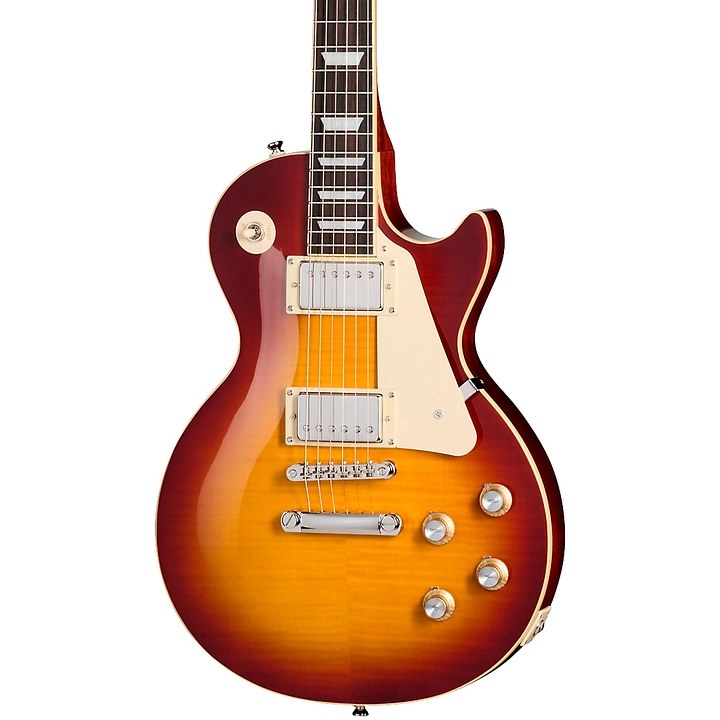

Epiphone Les Paul Standard 60s
$699.00 at Guitar Center
Tone King also lists two built-in Ironman attenuators. As with the phase-inverter circuit, their presence is part of the manufacturer’s approach to controlling response and drive within the unit. Whether that combination delivers the experience a particular player wants from an AC-style rig is something an audition must establish.
Cabinet Sounds Without Another Box
Royce has three selectable cabinet configurations per channel, giving it six onboard IR slots. Tone King includes 20 OwnHammer impulse responses through the Synergy Editor software, and users can load additional IRs and manage the library from the editor.
The listed default cabinet options include a Tone King Imperial 1x12, a Vox AC30 2x12 with 1963 Celestion Blues, and a basketweave 4x12 with 1971 Celestion G12M-25 speakers. That selection extends beyond a single AC-style cabinet, giving players different speaker and enclosure references to pair with the preamp.
An impulse response represents the cabinet-and-microphone contribution to a direct guitar sound. It does not turn the pedal into a physical combo, but it can provide the speaker filtering that a raw preamp output normally lacks when connected directly to a recording interface or PA.
The onboard IR section can be bypassed when another cabinet loader or an external power amp is doing that job. That matters for hybrid setups, where adding a second cabinet simulation unintentionally can be as unhelpful as having none.
Reverb, Tremolo and Preset Control
Tone King includes convolution spring reverb with Level and Dwell controls, plus stereo tremolo with Depth and Speed controls. Both effects can be assigned independently to each channel.
Those choices fit the pedal’s musical brief. Reverb and tremolo are closely associated with spacious clean and edge-of-breakup guitar sounds, so their inclusion reduces the number of separate processors needed for that kind of setup. It does not mean a player must abandon preferred external effects: Royce also includes a bypassable stereo series effects loop.
MIDI support allows up to 128 saved presets. According to Tone King, recallable settings include channel selection, master bypass, IR selection and bypass, effects-loop bypass, and reverb bypass and tails. The editor also exposes additional cabinet and power-amp simulation settings.
That is an important distinction from assuming every front-panel knob is automatically stored. Players building a MIDI rig should check the manufacturer’s detailed preset documentation against the changes they need to make during a set.
Direct Rig or Existing Amplifier?
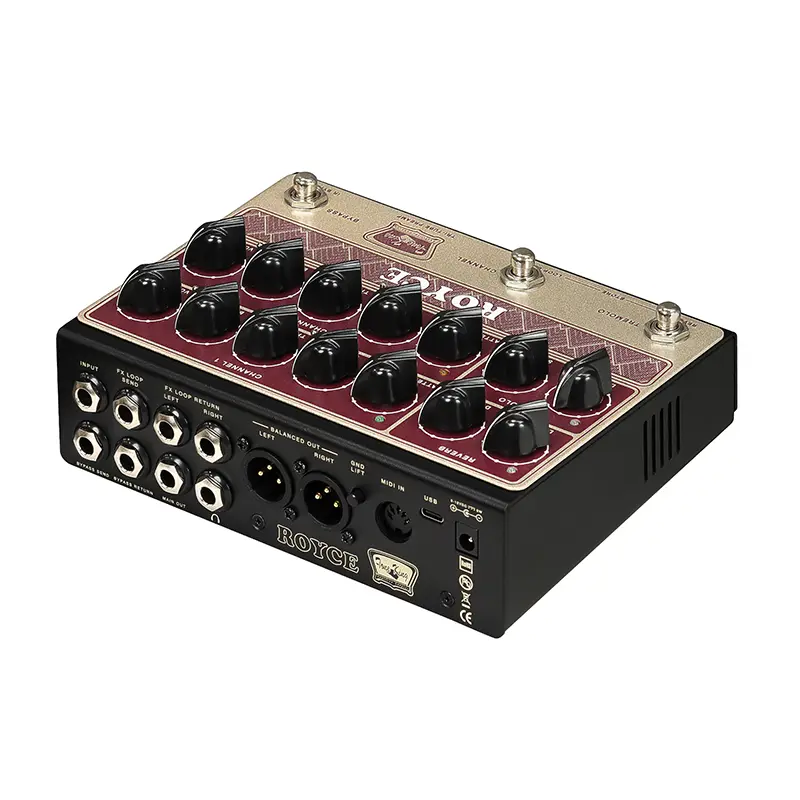
The connection list includes dual balanced XLR outputs with a ground-lift switch, a headphone output, effects send and stereo returns, a five-pin MIDI connector and USB-C for the Synergy Editor. Dedicated Bypass Send, Bypass Return and Main Out connections support integration with another amp or preamp.
For an ampless setup, the attraction is straightforward: an analog tube front end, cabinet processing and direct connections are gathered in one pedal. For an existing amplifier with a series effects loop, Tone King describes a three-cable method that adds Royce’s two channels to the rig.
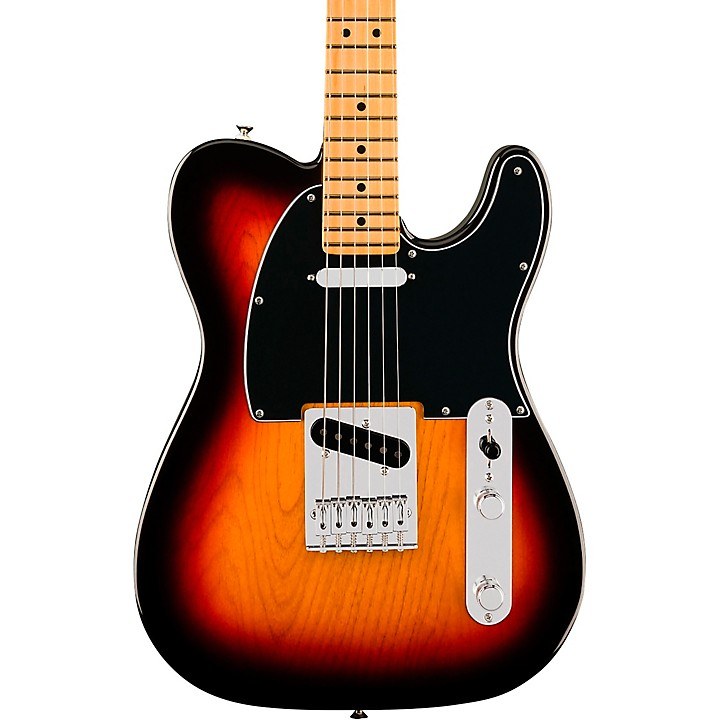
Fender Player II Telecaster
$849.99 at Guitar Center
Those are different jobs. Someone who wants a compact overdrive in front of a combo may not need the routing, IRs or MIDI. Someone trying to consolidate a direct stage rig may regard those same features as the main reason to consider it. Checking the intended signal path before buying is more useful than assuming “preamp pedal” means one universal connection method.
Price, Size and the Bottom Line
The official US listing is $599.99. Tone King gives the dimensions as 7.2 inches wide, 5.7 inches deep and 2.75 inches high, with a weight of 1.9 pounds. A universal 12V power supply and a six-foot USB cable are included. Price and availability can change after the research date.
Royce’s most interesting feature is not simply that it promises British chime. It is the attempt to put two independently voiced tube channels, phase-inverter behavior, cabinet options, stereo effects and rig integration into one platform.
For players considering an AC-inspired direct or hybrid system, that is a substantial specification sheet. The unanswered question is the one specifications cannot settle: how convincingly the pedal responds to your guitar, your picking and the rest of your rig. That verdict belongs to a proper test, not a launch announcement.
Sources & further reading
Similar gear
These are similar options and substitutes, not the artist's exact gear or an endorsement by the artist.
Plugged Gear Co., Guitar Center and American Musical Supply links may earn us a commission from qualifying purchases.
Reader-supported
Keep Guitar Alive
Enjoyed this story? The Guitar Plugged is free to read and reader-supported. If it helped you play, listen or buy a little smarter, chip in to keep guitar journalism like this coming.
One-time contribution, processed securely by Stripe. Contributions are not tax-deductible.
Experience-driven coverage, not algorithm bait.
- 20+ years of guitar playing experience
- Real-world retail experience at Guitar Center
- Thousands of hours testing guitars, amps, and pedals
- A community of 50,000+ guitar enthusiasts across platforms
- Partnerships with Fender, DistroKid, TrueFire, Card Chords, and Enya
- Editorial standards published openly — see how we test gear
The Modern Guitar Magazine. Delivered to your inbox.
No spam. No gimmicks. Just great guitar content — stories, tones, iconic solos, and honest gear takes. Every week.
Ask GP
20 free questions a dayStill curious? Ask GP about this story.
Your personal classic-rock and guitar guide — ask anything about Tone King’s Royce Puts British.
Discussion (0)
Sign in to join the discussion.
Sign in to commentLoading comments…
Discover another guitar story
Swipe through our latest features, breaking news and iconic solos — one story at a time.
Open Swipe →More Guitar News
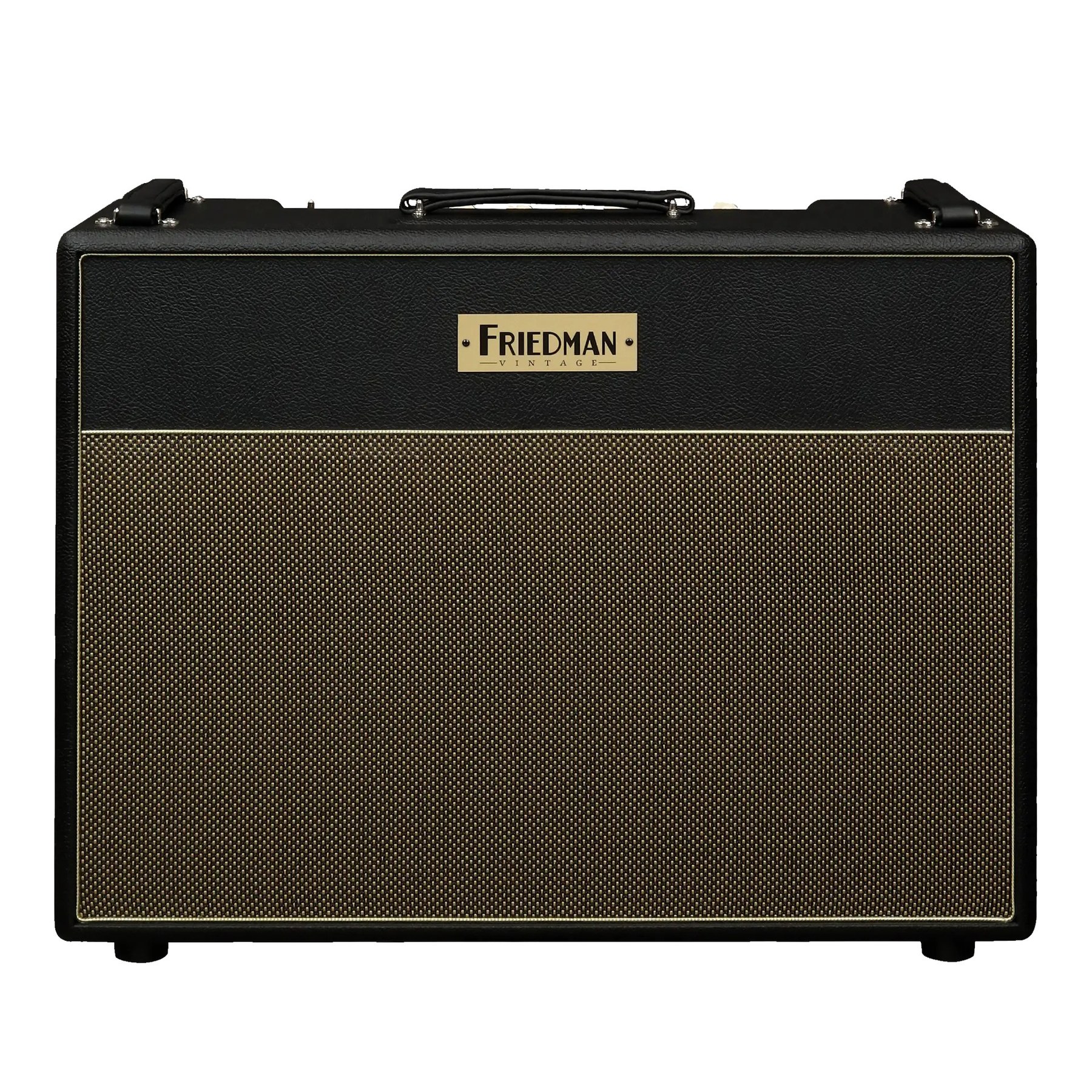
Friedman VX-30: Dave Friedman's 30-Watt EL84 Amp Takes On Early-'60s British Chime
Friedman's new VX-30 is a 30-watt, all-tube EL84 head, 2x12 combo and matching cabinet inspired by a 1963 copper-panel Top Boost amp. Official US prices, specs and stock as of November 10, 2026.
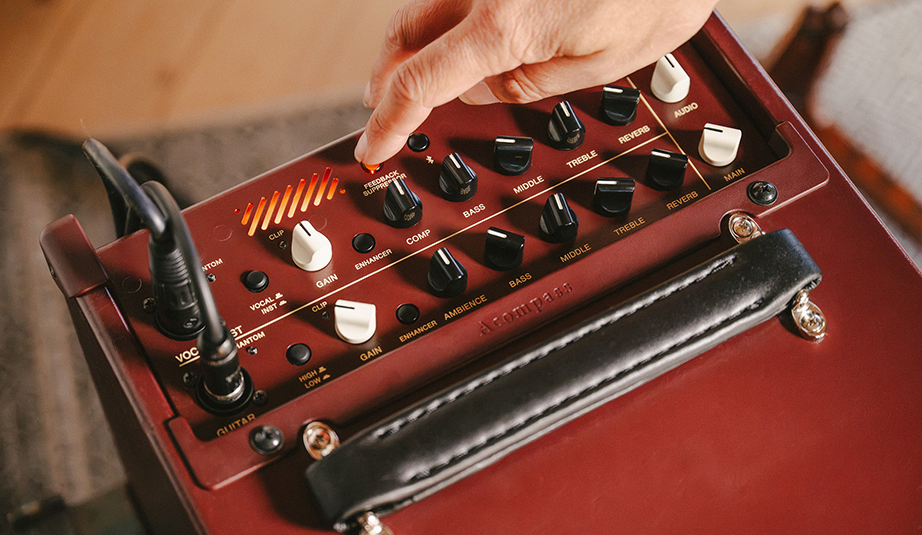
Yamaha's Acompass 60 Combines a 60W Acoustic Amp and Vocal Channel
Yamaha's Acompass 60 combines independent guitar and vocal channels, an eight-inch speaker, feedback suppression, Bluetooth and XLR output in an 8.2-kilogram combo.
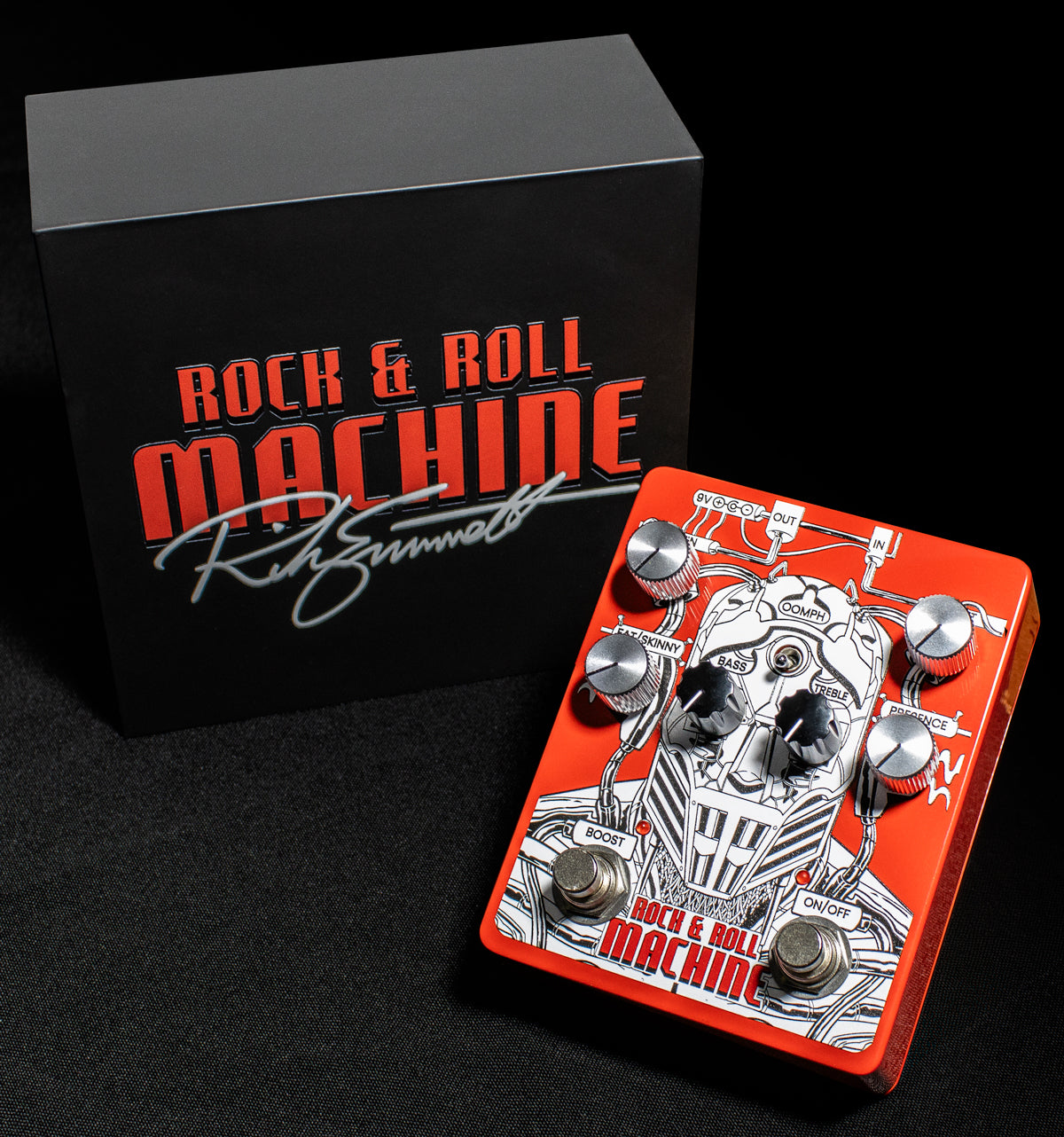
Triumph's Rik Emmett Teams With Mojotone for the Rock & Roll Machine Signature Pedal
Mojotone's new Rik Emmett signature preamp pedal starts from his late-'70s Plexi tone and adds a boost, a Fat/Skinny knob and an Oomph switch for 4x12-style low end.