
Wayne Charvel and the Birth of the Superstrat: How a Repair Shop Rewired Rock Guitar
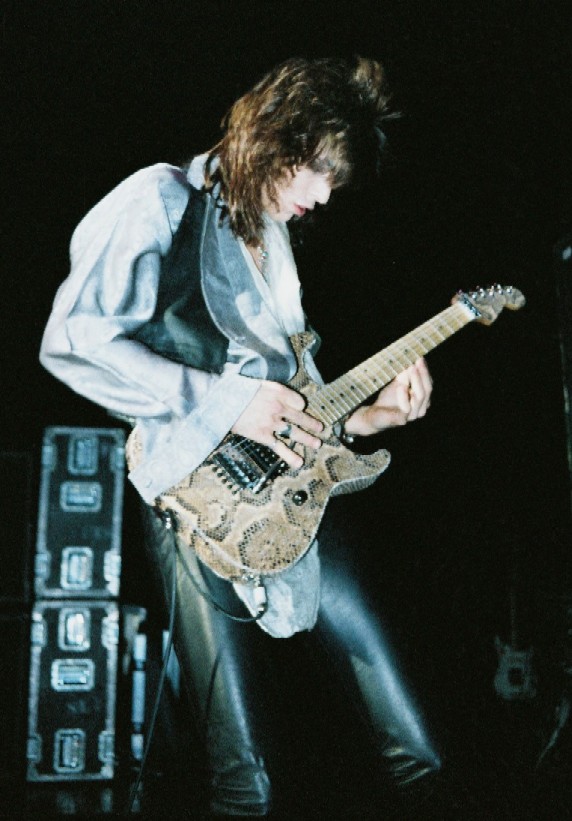
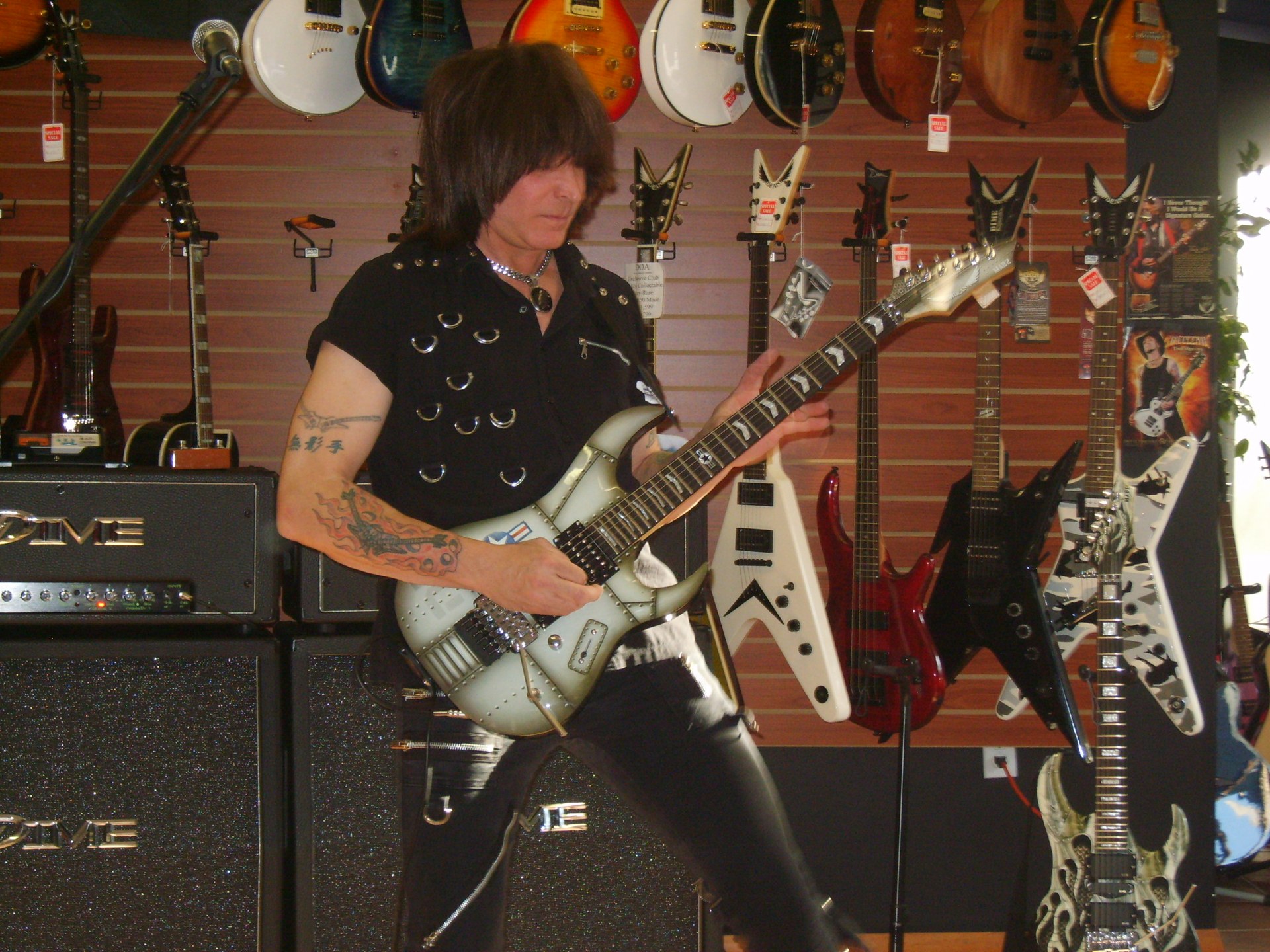
Ratt's Warren DeMartini in London in 1986, one of the players who defined the Charvel era. Photo: Tim Stevens / Wikimedia Commons, CC BY-SA 3.0. Source: https://commons.wikimedia.org/wiki/File:Warren_DeMartini.jpg
Wayne Charvel's name is still on the headstock of some of the most aggressive bolt-on guitars you can buy, but he left the company that carries it in 1978. In that short window, he helped create the idea that a Fender-style guitar was a starting point, not a finished product — the superstrat.
Wayne Charvel died on July 12, 2026, at 85. His name is still on the headstock of some of the most aggressive bolt-on guitars you can buy, but he left the company that carries it in 1978, only four years after he opened his doors. In that short window, he helped create the idea that a Fender-style guitar was a starting point, not a finished product.
That idea has a name now: the superstrat. A Strat-shaped body, a humbucker in the bridge, a flatter fingerboard, jumbo frets, and usually a locking tremolo. Almost every rock and metal guitar maker has built one. The Charvel history is the story of where that recipe came from, and it starts with a refinisher who just wanted family-friendly hours.
The Fender Refinisher
Before he had a shop, Wayne Charvel was a working guitarist. He told Reverb's Tony Bacon that he'd played in nightclub bands for 15 years before the birth of his first son pushed him toward steadier work.
He already knew his way around a guitar's finish. "A couple of my good friends at Fender knew that I was painting guitars, so they hired me to do all the warranty repairs," he said in a 2010 interview for the NAMM Oral History program. Fender didn't want to pull workers off the production line every time a scratched-up guitar came back, so the touch-ups went to Wayne.
That job gave him a front-row seat at the factory. "They used overhead pin routers. Everything was made by hand. They didn't have CNC machines in those days," he said. "And it was just great to see all those guitars. It was just so exciting, so motivating."
It also taught him something more useful than any single repair. Fender guitars were bolted together. A neck came off with four screws. A body could be swapped, rerouted, or refinished without touching the rest of the instrument. If you could make better parts, you could make a better Fender.
Charvel's Guitar Repair, Azusa, 1974
In 1974, Wayne opened Charvel's Guitar Repair on East Arrow Highway in Azusa, California. The push came from a friend, electronics wizard Bob Luly. "Bob said I'd do better if I had a shop," Wayne recalled, "because people respect it more if you're doing repairs in a shop as opposed to your garage."
The shop handled out-of-warranty Fender work and refinishing, and parts soon followed. The first product, offered from late 1974, was a $2.50 aluminum jack plate for Les Pauls, built to replace the original part that broke too easily. A trem arm and pickguards for Strats came next, and a mail-order business grew around them.
Selling the parts Fender wouldn't
The timing was perfect. In the mid-1970s, Fender was building more guitars than ever, and its reputation for quality was slipping. Players were starting to talk about "vintage" guitars for the first time, and a lot of them figured they could build something better themselves.
By late 1976, Charvel Manufacturing was advertising raw Tele, Strat, and P-Bass style bodies for "kit builders, repairmen, and the guitarist who wants to improve his sound with a better, heavier wood." Matching necks showed up in the ads a few months later. The wood came from two suppliers who would become important names themselves: David Schecter's shop in Reseda, California, and Lynn Ellsworth's Boogie Bodies in Washington State.
One early ad even carried a "1952 Telecaster kit" from Cathy and Seymour Duncan's young company: brass saddles, two dome knobs, and a black pickguard for $36. The fine print reminded buyers: "Guitar not included."
What rock players actually wanted
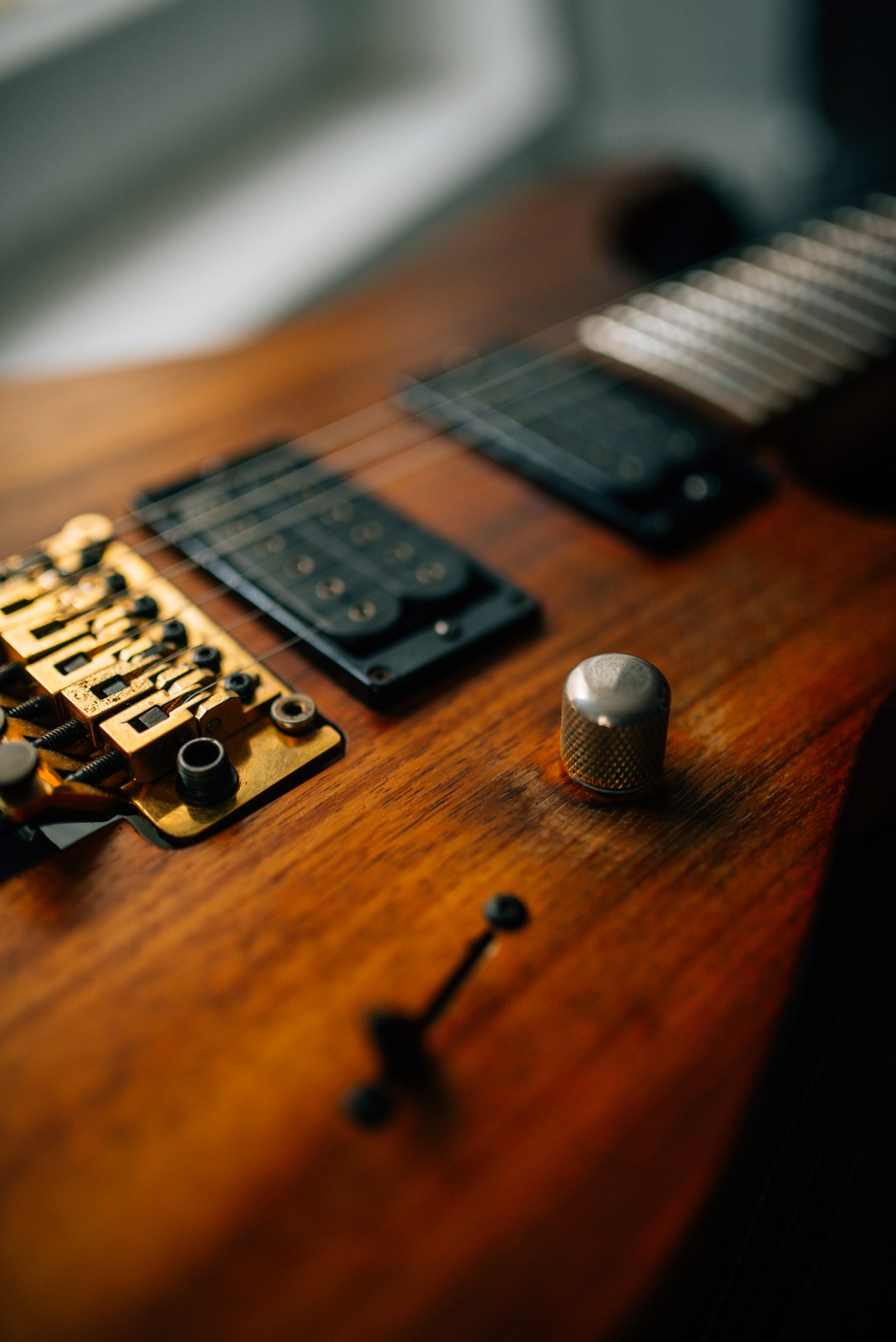
The custom work is where Charvel's shop made its name. Players came in wanting things a stock Fender didn't offer, and Wayne gave it to them: humbuckers routed into Strat-style bodies, flatter fingerboard radiuses, and jumbo frets. "In those days, you couldn't buy a Fender guitar other than just completely stock," he said.
Word spread through the touring world. MusicRadar's obituary lists Deep Purple, ZZ Top, and the Who among the people he built for, with the Who's guitar tech Alan Rogan as an early client. Wayne also learned to make bodies himself by working alongside David Schecter. According to MusicRadar, the two of them once turned out a hundred bodies over a single weekend at Schecter's shop.
A Kid Named Edward
The most famous customer started out as a guy who hung around. "Eddie came by the shop a lot and sometimes would sit on the floor and play the guitar while we repaired some of his other guitars," Wayne said.
Wayne also remembered that Eddie Van Halen didn't have much money or many tools. "I knew he didn't have any money, so I gave him stuff," he told Reverb. "I don't suppose he had any tools, either, because the first guitar I ever saw, he had nailed the pickup into the body. But it worked!"
The $50 body
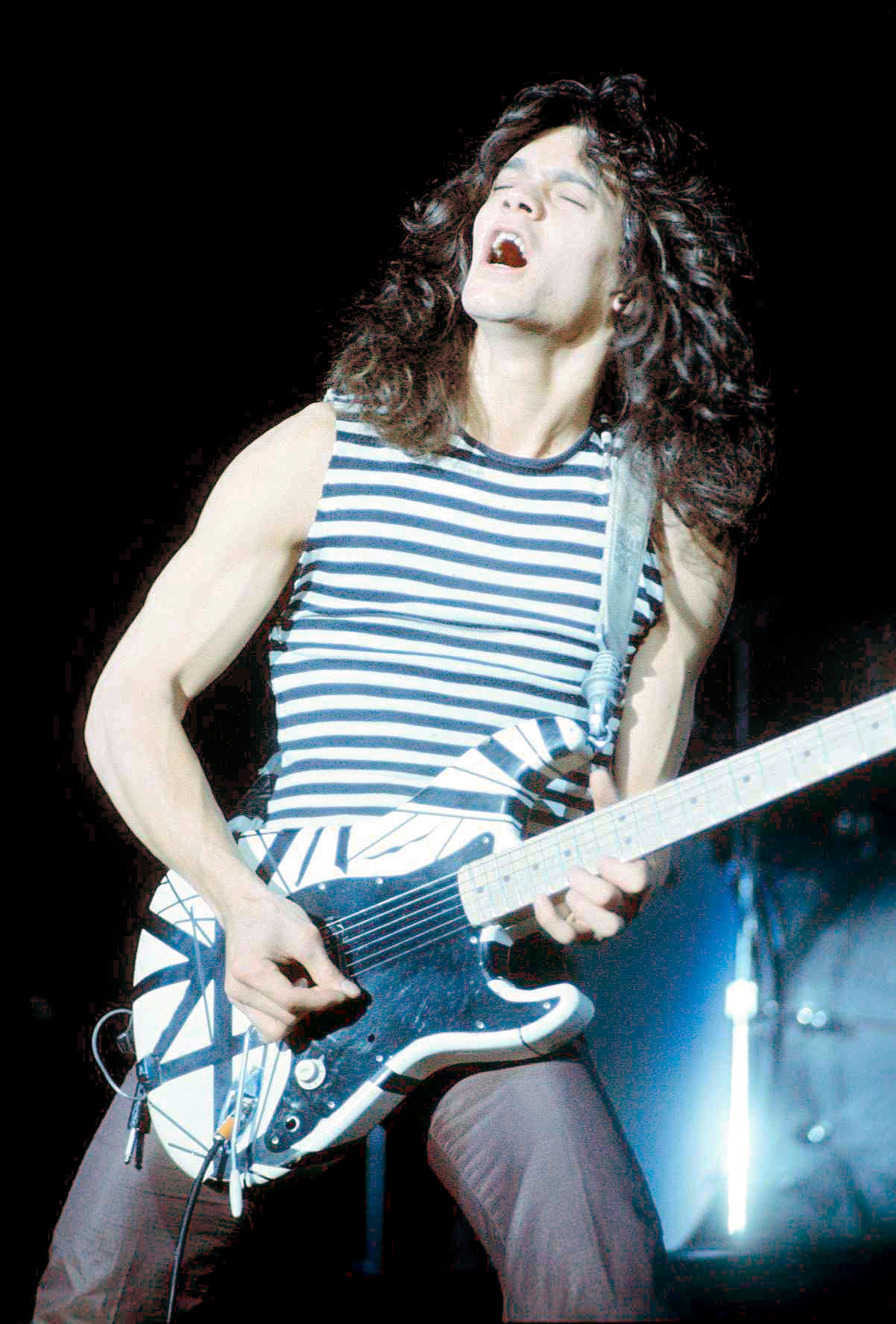
The guitar Eddie built from Charvel parts became the Frankenstein, the black-and-white striped guitar on the cover of Van Halen's 1978 debut. Eddie told the story many times. "There's a body laying on the bottom and I go – what are these? And they go – those are seconds," he told Guitar World in 2006. "They said – no, it means there's a knot in the wood. Cosmetically, they were not attractive. And I go – I'll take one of those! The body cost me 50 bucks, and the neck cost me 80."
Wayne's version is a little different. In his telling, Eddie asked whether he had a spare body and neck, and Wayne gave him "an extra Boogie Body neck and an old body in my shop." Both men agree on the important part: the body was a reject, and it came from Charvel.
The details have been argued over for decades, and the best research we've found comes from Chris Gill, co-author of Eruption: Conversations with Eddie Van Halen. Working from dated concert photos, Gill places the first appearance of the bare, unfinished body between mid-January and February 18, 1977. He also points out that Charvel didn't start stocking Boogie Bodies parts until late 1976, so the guitar couldn't date from 1975, as Eddie sometimes said. The body's grain shows the knot in the treble cutaway that made it a second.
Gill's photos also suggest the neck came later. It doesn't appear until July 1977, and it matches the "flatter-wider Gibson-style" Style C neck in Charvel's 1977 catalog, which was priced at $89.95. That's close enough to the $80 Eddie remembered.
Even the maker of the body is debated. A Jackson/Charvel Custom Shop builder told Gill he saw a Boogie Bodies stamp in the neck pocket. Wayne, though, said repeatedly that it was an older body made in his own shop, and some researchers think he and David Schecter built it.
Why one guitar mattered so much
Eddie described the build in plain terms to journalist Jas Obrecht. "I went to Charvel and had them rout a body out for just one pickup and one volume knob," he said. "I had to cut my own pickguard to cover everything up because it was originally a three-pickup Strat body." He added a wide neck because he hated skinny ones, left it bare because he didn't want to slip when bending strings, and put in a humbucker and big Gibson-style frets.
Put those choices together and you have the superstrat in one guitar: Fender shape and tremolo, Gibson-style pickup and frets, and nothing on it that didn't help him play. When the album came out and kids saw that cover, they wanted that guitar. Charvel was one of the few places selling the parts to build it.
The Lunch That Saved Charvel
Business success didn't make Wayne's life easier. He was a builder, not a business owner, and he admitted it. "I'd never done this before, I didn't know about business," he told Reverb. "I remember one week, the bank called and said you've got a $1,400 overdraft. This was a Wednesday or Thursday and I knew I had to make payroll. I had a Mustang convertible and I had to sell that, just to make payroll."
During the second half of 1977, the shop moved about five miles east to West Gladstone Street in San Dimas. That fall it also got the employee who would change its future. Grover Jackson, a Tennessee-born guitarist and vintage fan, started working there in September 1977.
Jackson had come in to buy a body for a guitar of his own. Over lunch, Wayne told him he was worried about a supplier and buried in orders. Jackson made an offer. "I said to Wayne, 'Wait a minute, I can save your business. I'll not take any wages, but in lieu of wages, can I have ten percent of the company if I can save it?'"
By late summer 1978, Wayne was done. "By this point, I was so disgusted with the whole thing that I didn't care about the money or anything," he said. "Just get it out of my hair, you know?" Jackson bought the business in November 1978. The collector site USACharvels.com puts the price at about $30,000; we haven't been able to confirm that figure anywhere else.
One more famous Van Halen guitar carries Wayne's name. Both Guitar World and MusicRadar credit him with building the original yellow-and-black Bumblebee, at Eddie's request, the guitar on the cover of Van Halen II.
Grover Jackson Turns Parts Into Guitars
Jackson inherited a parts business and turned it into a guitar company. His first employee, hired in January 1979, was 18-year-old guitarist Mike Eldred, who found the shop on a tip from Eddie Van Halen himself. (Eldred later ran the Fender Custom Shop from 1997 to 2014.)
The shop paid its bills by making bodies for Mighty Mite and DiMarzio, and the first Charvel-made necks came off the pin routers in March 1979. At the June 1979 NAMM show in Atlanta, Charvel sold what Jackson called "probably the very first Charvel guitars that were sold on any kind of real commercial level": oil-finished, unpainted mahogany Strat-style guitars.
The company grew fast. It expanded across the street into Glendora around 1980 and kept adding space, but the neck plates kept the San Dimas address throughout. That's why collectors still call these guitars "San Dimas Charvels." The original San Dimas building is long gone. According to Reverb, it was eventually torn down for a Costco parking lot.
The recipe, written down
By the early '80s, the Charvel order sheet read like a list of everything players had been asking Wayne to add by hand. Here's what defined a classic Charvel superstrat:
- A Strat-style body, usually alder, often with a single bridge humbucker or a humbucker-and-single-coil layout
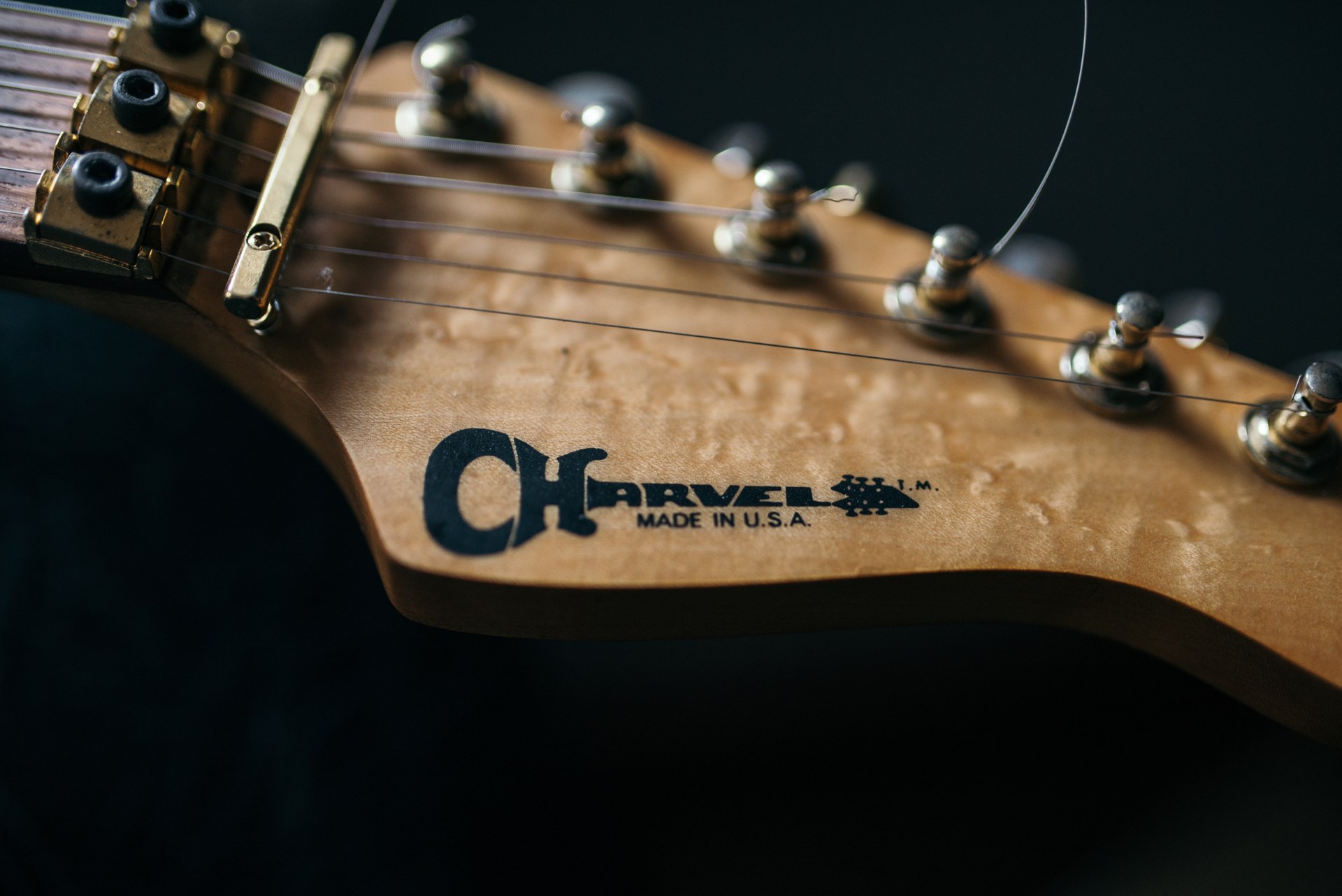
- A bolt-on maple neck, famously left unfinished on the U.S.-made guitars
- A flatter fingerboard, around an 11-inch radius instead of vintage Fender's rounder curve
- Jumbo frets for easy bends and fast playing
- DiMarzio or Seymour Duncan pickups, both companies that grew up in the same hot-rod scene
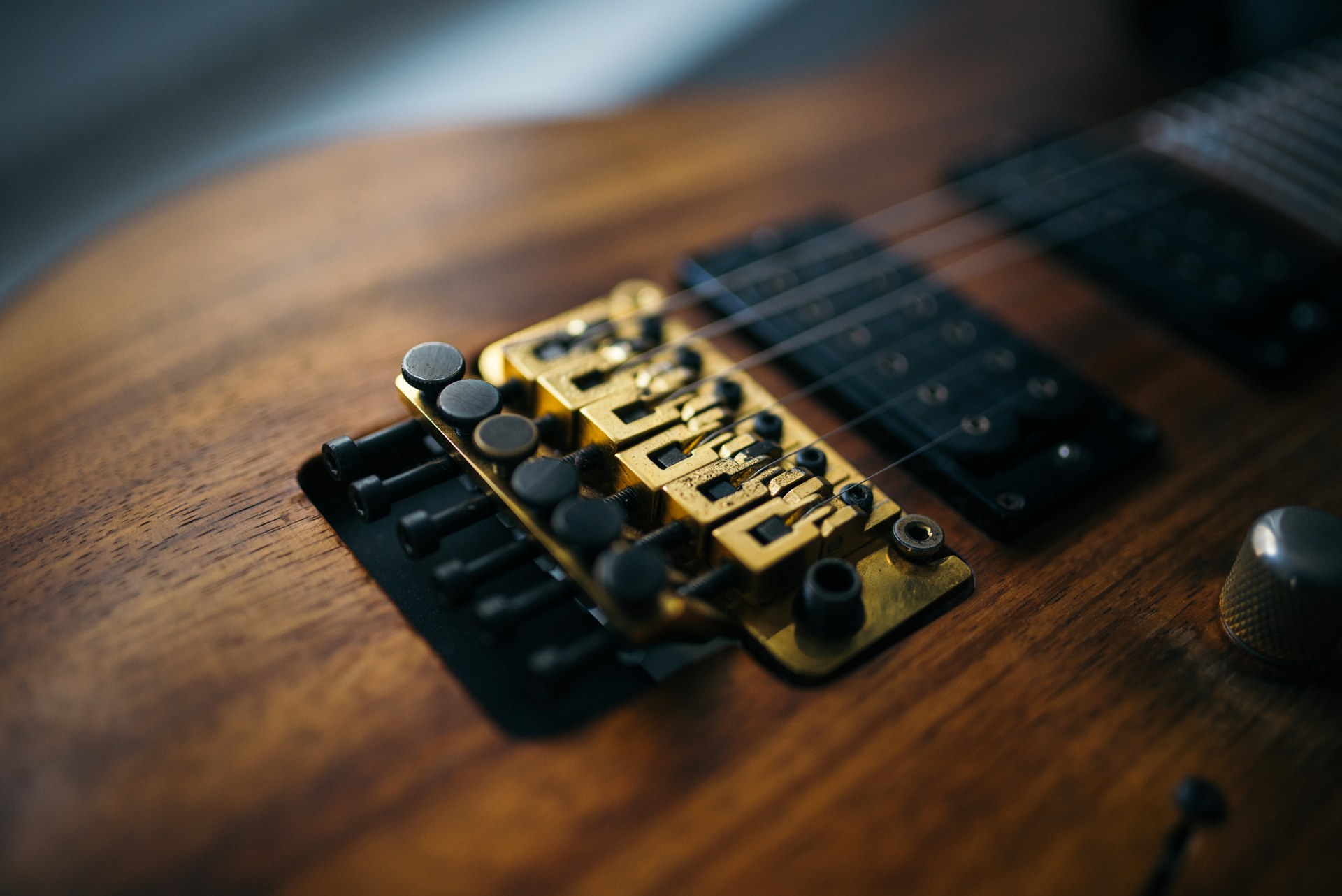
- A locking tremolo, as the Floyd Rose took over in the early '80s (we covered that story in our Floyd Rose history)
- Any paint job you could dream up
That last point mattered as much as any spec. The catalogs promised "absolutely no color or design limitations," and the shop borrowed from Southern California's custom car and van culture. "People would bring in artwork and say, 'Can you do this?'" Eldred remembered. "And we were: 'Yeah, no problem.'" Flames, stripes, and wild graphics became as much a part of the Charvel look as the bare maple neck.
Randy Rhoads and the second name on the sign
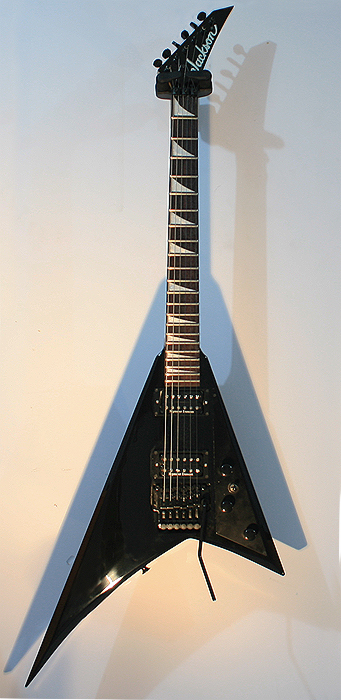
In late 1980, Randy Rhoads walked into the San Dimas shop with a cocktail napkin. "Randy took out this little cocktail napkin," Jackson recalled, "with kind of a line drawing on it, like four or five angular lines. And that was his contribution — it was his idea to do the pointy thing."
That guitar was too radical for the Charvel name, Jackson thought, so he put his own name on the headstock. The Jackson brand grew out of it. For the rest of the decade, the rough rule was that Charvels were bolt-on and Jacksons were neck-through. It was also on the Jackson side that 24 frets became a standard feature, after a request from Gary Pihl, who played guitar for Sammy Hagar.
The 800-Pound Gorilla
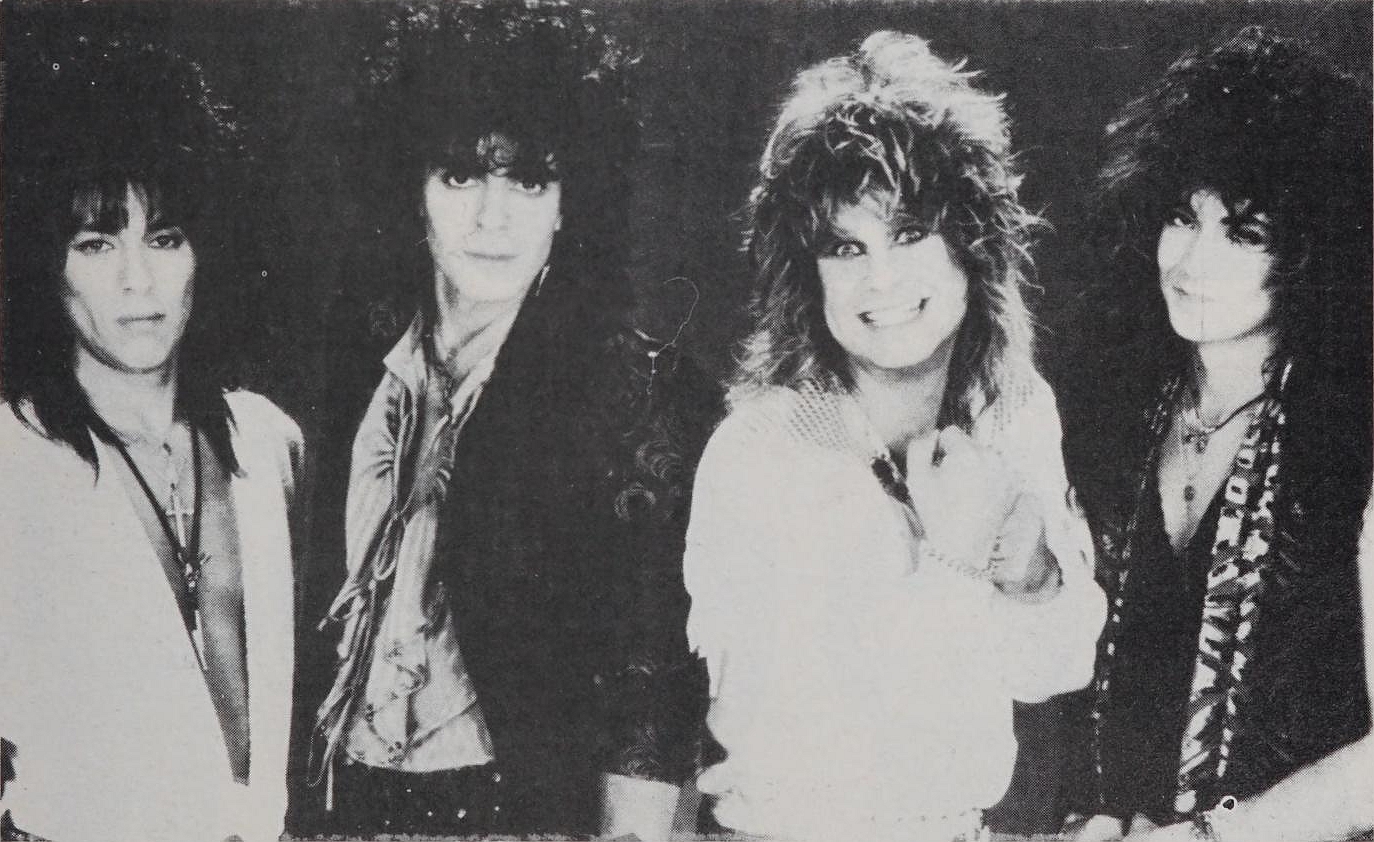
By the mid-'80s, Charvel/Jackson was the custom shop for hard rock. A 1985 ad crammed 15 guitarists into one photo, including Steve Vai, then in Alcatrazz, Jake E. Lee from Ozzy Osbourne's band, and Steve Lynch of Autograph, under the headline "Success. It's The Company You Keep."
"We were the 800-pound gorilla in the early '80s," Jackson told Reverb. "Everybody was copying us."
The client list went well beyond hair metal. Warren DeMartini of Ratt, George Lynch of Dokken, Gary Moore, Allan Holdsworth, and Jeff Beck all played Charvel or Jackson guitars. Eldred remembered Moore climbing into the wood bins out back, pulling out boards to find "the heaviest piece of wood he could find."
From San Dimas to Japan, Then Fender
The custom-shop era didn't last. In 1985, Jackson partnered with the Texas distributor International Music Corporation and moved production to a larger building in Ontario, California. As part of the deal, Charvel became a made-in-Japan brand, while Jackson stayed American-made.
That shift is why buyers should be careful with vintage Charvels. According to collector guides summarized on Wikipedia, the Japanese guitars that followed are easy to spot once you know the signs:
- Neck plates read "Ft. Worth, TX," IMC's U.S. office, instead of San Dimas, even though every one of those guitars was made in Japan.
- The gold "Charvel – Made in USA" headstock decal changed to a white logo.
- The bare maple neck was replaced with a clear satin finish.
Because U.S.-made San Dimas Charvels became collectible, fakes are common. Some are built by putting a San Dimas neck plate or reproduction decal on an import. If you're paying San Dimas money, get the guitar checked by someone who knows the era.
Grover Jackson left in 1989. Akai bought Charvel/Jackson in 1997, and Fender took it over in the early 2000s. Guitar World dates the deal to 2002, though Reverb's account says 2001. Under Fender, Charvel went back to building high-end U.S. guitars, and it still runs a custom shop inside the Fender Custom Shop facility in Corona, California.
Wayne Charvel's Second Act
Leaving Charvel didn't stop Wayne from building. MusicRadar's obituary describes custom guitars and basses he made for Billy Gibbons and Dusty Hill on ZZ Top's 1983 Eliminator tour, complete with onboard pyro. He also worked with his friend Bernie Rico at B.C. Rich, setting up its routers and helping modernize production. "My job was to set up routers so they could just whiz around those guitars," he said.
In 1987 and 1988, Gibson built the W.R.C., a Wayne Charvel signature superstrat with a maple bolt-on neck and an ebony fingerboard. Early ones had a Kahler tremolo and later ones a Floyd Rose Original. Only a few hundred were made, and Wikipedia says a lawsuit from Jackson cut the run short.
Then there was the four-necked Quad guitar he built for shredder Michael Angelo Batio. "Wayne Charvel was building all my guitars," Batio told Guitar World. "I said to him, 'Can you do this?'" Wayne could.
In 1999, Wayne and his son Michael launched Wayne Guitars, and the family ran Charvel Music, a full-line music store in Paradise, California. The 2018 Camp Fire destroyed their homes and workshop.
Charvel Today: Which One Is Which?
If the history has you shopping, here's how the current Charvel catalog breaks down. Lines change, so check Charvel's site for current models and prices.
| Line | Where it's built | What it is |
|---|---|---|
| **Pro-Mod** | Ensenada, Mexico | Charvel's core hot-rodded line, covering every body shape, including the DK22 and DK24 Dinky models |
| **USA Select** | Corona, California (Custom Shop) | The flagship production line, built on the So-Cal and San Dimas bodies |
| **MJ Series** | Japan | Premium Japanese-built versions of classic shapes |
| **Signature** | Corona or Ensenada | Artist models for Guthrie Govan, Warren DeMartini, Jake E. Lee, Angel Vivaldi, Joe Duplantier, and Satchel |
| **Custom Shop** | Corona, California | Built to order through Charvel Custom Shop dealers |
The body names tell you which era each one points to. San Dimas and So-Cal Style 1 models are Strat-style. Style 2 models are Tele-style, the shape Wayne used to soup up Telecasters. The Dinky is a slightly smaller, more contoured superstrat body.
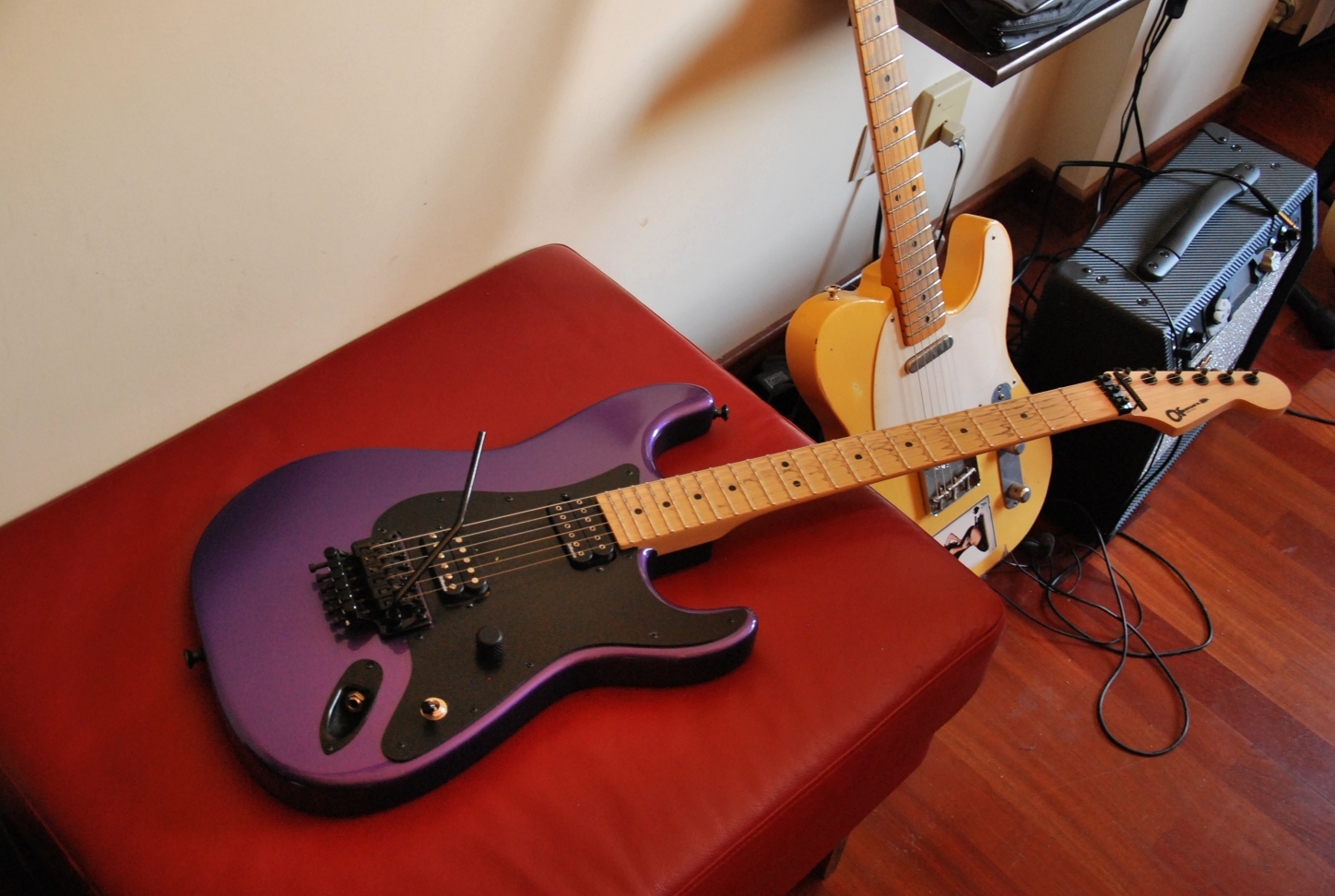
If you want the closest thing to the original Charvel recipe, look for a Strat-style So-Cal or San Dimas body, a bridge humbucker, a Floyd Rose, and a maple neck with a flat radius and big frets. If you want the most modern take, the Dinky's 24-fret, compound-radius designs are where the brand has gone since. We haven't tested current Charvel models hands-on for this piece, so treat this as a map of the lineup, not a review.
Why Wayne Charvel's Idea Still Matters
Wayne Charvel's most lasting creation wasn't a specific guitar. It was an attitude: a factory guitar is something you're allowed to change. Pull the neck, reroute the body, add a humbucker, flatten the board, paint it however you want. Today that sounds obvious. In 1974, it was a niche service in a small shop in Azusa.
Eddie Van Halen made that idea famous with a $50 reject body. Grover Jackson turned it into a production line, and dozens of companies copied it. Every superstrat on a guitar store wall, whatever logo is on the headstock, follows the recipe Wayne's customers kept asking for.
The practical takeaway is that if you've ever swapped a pickup, leveled frets, or bolted a new neck onto an old body, you're doing what Wayne Charvel sold parts for. And if you want a guitar that comes from that bloodline, a Charvel Pro-Mod San Dimas or So-Cal is still the most direct, affordable link to it.
Hot-rodding a guitar starts with the simplest upgrade. X Concepts String Club sends fresh strings to your door every month, so you keep playing instead of hunting for strings.
What's the best superstrat you've ever played? Tell us about it, and whether it said Charvel, Jackson, or something else on the headstock, in Guitar Talk.
Sources - Tony Bacon, "A Repair Shop Sparked a Revolution: The Charvel/Jackson Story," Reverb (April 8, 2021): https://reverb.com/news/a-repair-shop-sparked-a-revolution-the-charvel-jackson-story - Jonathan Horsley, "Remembering Wayne Charvel...," MusicRadar (July 22, 2026), quoting Wayne Charvel's 2010 NAMM Oral History interview: https://www.musicradar.com/guitars/wayne-charvel-obituary - Matt Owen, "Wayne Charvel... dies aged 85," Guitar World (July 20, 2026): https://www.guitarworld.com/gear/electric-guitars/wayne-charvel-dies-aged-85 - Wayne Richard Charvel obituary, Dignity Memorial: https://www.dignitymemorial.com/obituaries/tolleson-az/wayne-charvel-12968731 - Chris Gill, "The true origins and evolution of Eddie Van Halen's legendary Frankenstein guitar," Guitar World (Oct. 4, 2021): https://www.guitarworld.com/features/eddie-van-halen-frankenstein-origins - Eddie Van Halen quotes (Guitar World, Nov. 2006; Jas Obrecht, "Young Wizard of Power Rock") as compiled by Ground Guitar: https://www.groundguitar.com/eddie-van-halen-guitars-and-gear/eddie-van-halens-frankenstein-frankenstrat/ - USACharvels.com, "Prepro History": http://www.usacharvels.com/history/pg1.htm - Wikipedia, "Charvel" (Japanese-era identification, Gibson W.R.C., current lineup), cross-checked against the sources above: https://en.wikipedia.org/wiki/Charvel
Experience-driven coverage, not algorithm bait.
- 20+ years of guitar playing experience
- Real-world retail experience at Guitar Center
- Thousands of hours testing guitars, amps, and pedals
- A community of 50,000+ guitar enthusiasts across platforms
- Partnerships with Fender, DistroKid, TrueFire, Card Chords, and Enya
- Editorial standards published openly — see how we test gear
The Modern Guitar Magazine. Delivered to your inbox.
No spam. No gimmicks. Just great guitar content — stories, tones, iconic solos, and honest gear takes. Every week.
Ask GP
3 free questions a dayStill curious? Ask GP about this story.
Your personal classic-rock and guitar guide — ask anything about Wayne Charvel and the Birth.
Discussion (0)
Sign in to join the discussion.
Sign in to commentLoading comments…
Discover another guitar story
Swipe through our latest features, breaking news and iconic solos — one story at a time.
Open Swipe →More in Signature Gear
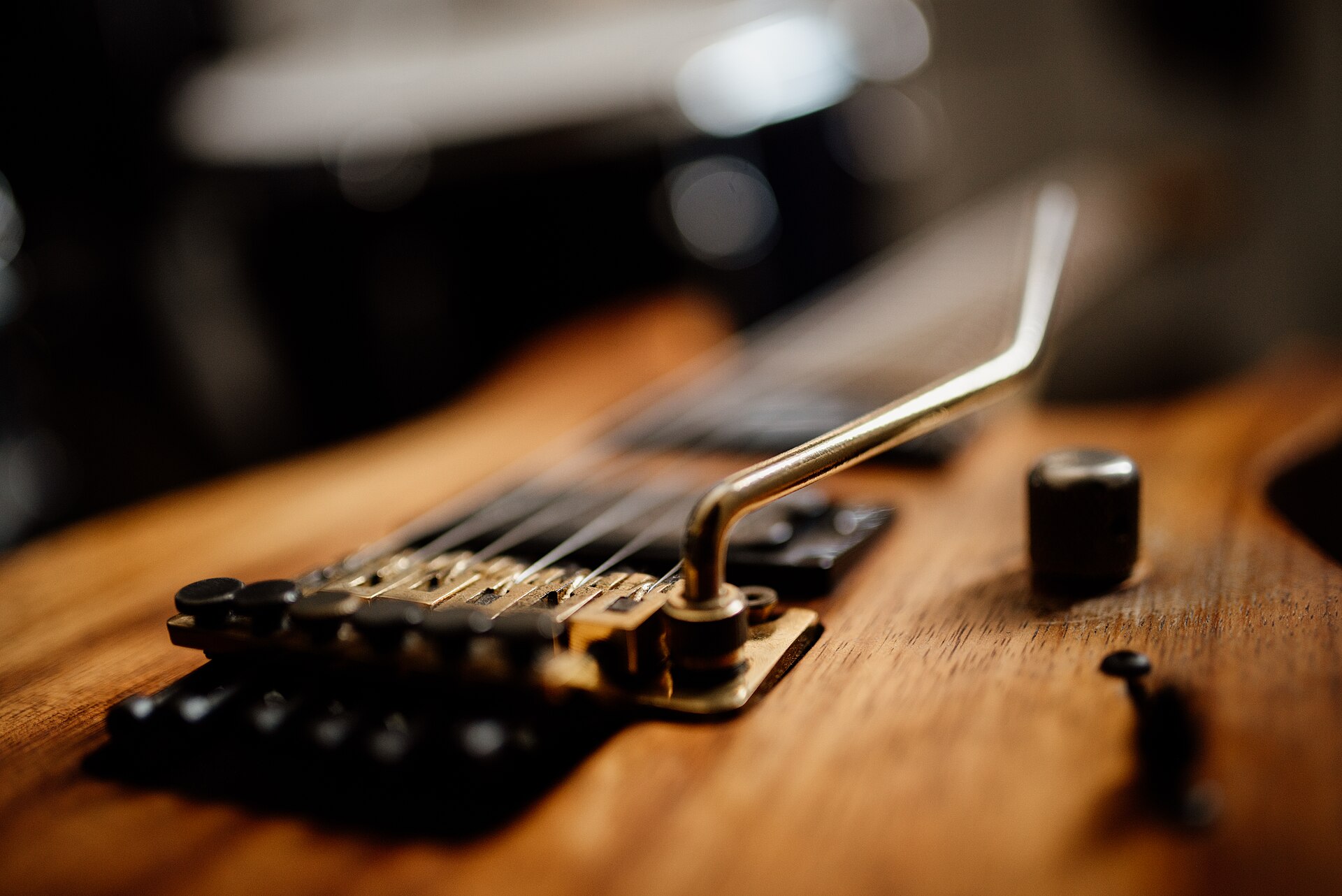
The Floyd Rose Story: Krazy Glue, a '57 Strat, and the Bridge That Built the Dive Bomb
Every guitar player knows the sound: the low E dropping until the string flaps against the pickups, then snapping back up to pitch like nothing happened. That trick didn't exist as an everyday move before the late 1970s. The Floyd Rose history explains why.
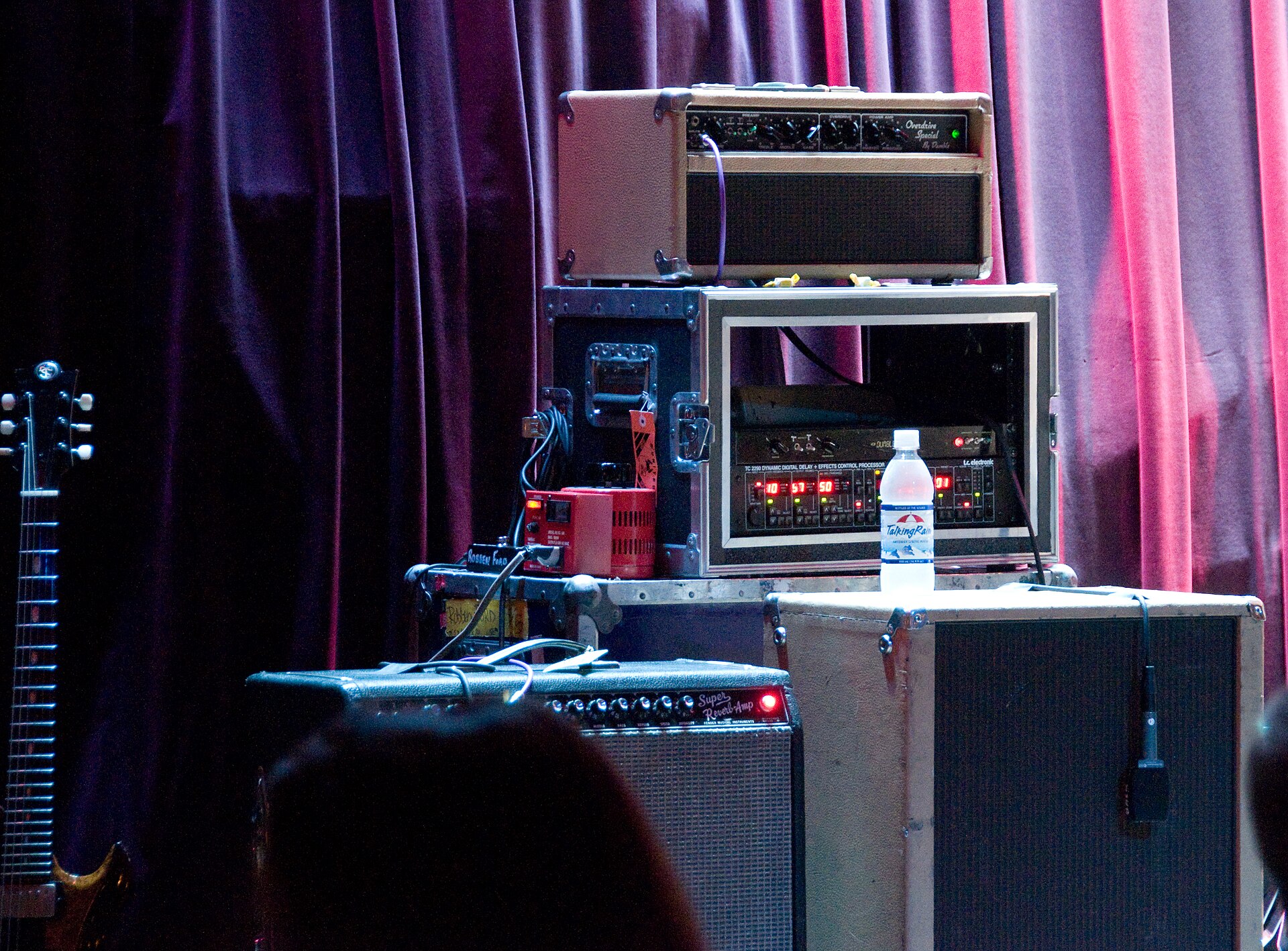
Dumble Is Taking Special Orders Again. That Is Not the Same Thing as Alexander Coming Back.
The Dumble Preservation Society is inviting special orders for an Overdrive Special, a Tweedle Dee, and a MegaPLX. No prices are listed. Alexander Dumble died in 2022, and the guitarist most tied to the Overdrive Special says the builder wanted the amplifiers to stop with him.

RipToneZ Is Giving Valeton GP-200 Players More Reasons to Keep Playing
With free downloads, affordable artist-inspired packs, and a $4.99 monthly Tone Club, RipToneZ is building an offering that goes beyond buying another preset.