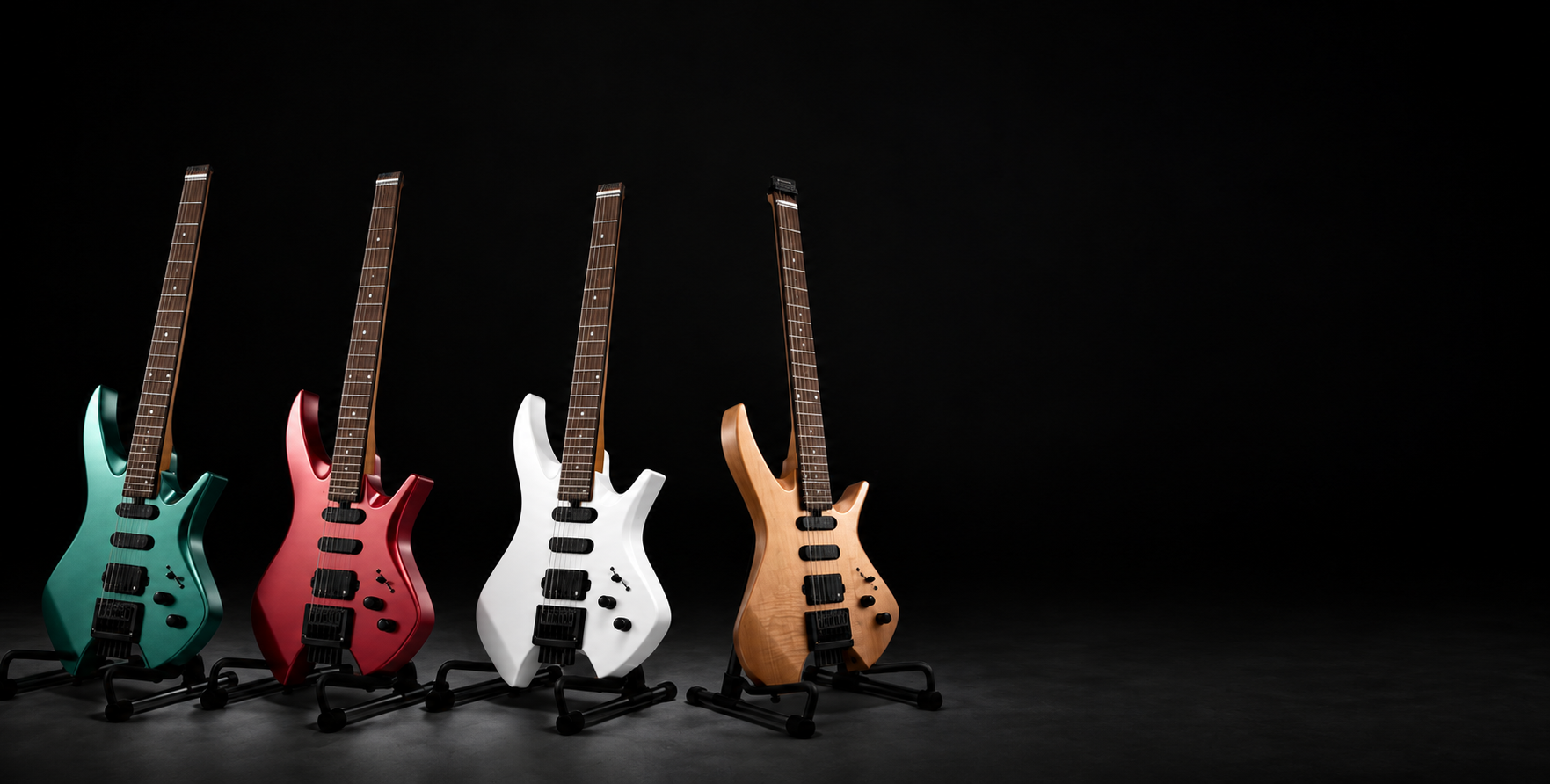
Photo: Donner.
A 24-fret, HSS headless guitar for around $330–$350. Donner's HLX-500 is a budget build with premium ambitions.
For most of the last decade, the headless guitar has been a status symbol. Strandberg turned a once-forgotten 1980s idea into the instrument of choice for a generation of progressive and modern players, and before long Ibanez, Schecter and others followed. The catch was always the price. If you wanted to find out whether headless was for you, you generally had to pay premium money to find out.
Donner thinks that's a problem it can solve. The HLX-500 is the budget brand's latest swing at the headless market, and the pitch is simple: take the features that make these guitars appealing — portability, balance, upper-fret access, tuning stability — and put them in a guitar that costs about what a mid-range pedal board does.
What the HLX-500 actually is
The HLX-500 is an updated version of Donner's earlier NHL-500, and the company says outright on its product pages that the model name has simply changed from NHL-500 to HLX-500. Guitar World covered its NAMM 2026 debut, reporting a $329.99 price and Donner's own billing of it as “the ultimate modern headless guitar”. At the time of writing, Donner's US store lists it at $349.99.
On paper, it's a well-specced instrument for the money. You get an HSS pickup configuration, a 24-fret rosewood fingerboard, a choice of poplar or okoume body depending on finish, and regular or roasted maple necks. The neck uses what Donner calls a “progressive asymmetrical” profile — closer to a familiar C or D shape than Strandberg's trapezoidal EndurNeck, but still shaped with ergonomics in mind.
Tuning is handled at the bridge, as with any headless design, and Donner pairs it with a locking system that it says keeps the guitar stable through long sets and frequent transport. A gig bag with backpack straps is included, which fits the travel-first positioning.
Budget price, premium intentions
The interesting thing about the HLX-500 isn't that it's cheap. Plenty of guitars are cheap. It's that Donner is deliberately borrowing the language and feature set of the high-end headless world and asking whether you really need to spend four figures to get it.
That's a fair question. A lot of what makes headless guitars appealing is the concept itself: no neck dive, a shorter overall length, easy access to the upper frets and a guitar you can throw in an overhead bin. None of those benefits are exclusive to expensive builds. If Donner gets the fundamentals right — fretwork, bridge quality, electronics — the HLX-500 delivers most of the headless experience at a fraction of the cost.
The HSS layout is a smart choice for that goal, too. Many high-end headless guitars lean hard into modern metal and prog, with twin humbuckers and extended-range options. An HSS setup makes the HLX-500 more of a generalist: a bridge humbucker for rhythm and lead, and single-coils for cleaner, glassier textures. It's a guitar pitched at the player who's curious about headless rather than one who already knows they want an eight-string fanned-fret monster.
That's a strategy that has worked in other corners of the guitar world. Budget brands have spent years closing the gap on build quality, and entry-level instruments today are better than many mid-priced guitars were a generation ago. Headless was one of the last segments where the price floor stayed high. The HLX-500 is part of the push to lower it.
Why headless appeals in the first place
It helps to remember what a headless guitar actually changes. Moving the tuners from the headstock to the bridge takes weight off the end of the neck, which is the main cause of neck dive on a strap. The result is a guitar that tends to sit where you leave it, whether you're standing or seated.
The shorter overall length matters more than it sounds. A headless guitar is easier to carry, easier to store in a small apartment or studio corner, and far less likely to clip a ceiling, a cymbal or a bandmate on a crowded stage. For players who travel, it can mean the difference between checking an instrument and carrying it.
There's also a playing argument. Many headless designs, the HLX-500 included, lean into a sculpted body and deep cutaways so the upper frets are easier to reach. Combined with a 24-fret board, that makes lead work high on the neck feel less like a stretch.
Who the HLX-500 is for
The most obvious buyer is the curious player: someone who has watched modern players on headless instruments and wondered whether the format would suit them, but didn't want to commit serious money to an experiment. At this price, the HLX-500 is a way to find out.
It also makes sense as a second guitar. A lot of players already own a main instrument they love and wouldn't risk on a plane, at a campfire or in a cramped rehearsal room. A compact, affordable headless guitar can fill the travel and practice role without replacing anything.
Beginners are a less obvious fit, but not an unreasonable one. The lighter, better-balanced feel can be comfortable for newer players, and the locking bridge-tuning setup is simple once you've done a string change or two. The main thing a beginner should know is that headless string changes work differently, so it's worth watching a walkthrough before the first one.
Getting the most out of a budget headless guitar
Almost any affordable guitar benefits from a proper setup, and headless guitars are no exception. Checking neck relief, action and intonation when the guitar arrives can make a noticeable difference to how it plays. If you're not comfortable doing that yourself, a local tech can usually handle it for a modest fee.
Pay attention to strings. Headless bridges vary in which strings they accept, and some are built for double-ball-end sets while others take standard single-ball-end strings. Check what the HLX-500's hardware is designed for before stocking up, so you're not stuck with the wrong sets.
Finally, give the guitar time. The ergonomics of a headless instrument feel different at first, especially if you're used to reaching toward a headstock. Most players find that the balance and compact size feel natural after a few sessions.
What to keep in mind
A budget headless guitar lives or dies on its hardware. The bridge on a headless instrument does double duty as the tuning system, so its quality matters more than on a conventional guitar. Before buying any affordable headless model, it's worth reading owner reviews on tuning stability, fret finishing and how easily the guitar takes string changes — especially if you plan to use standard double-ball-end or single-ball-end strings.
Pickups are the other usual trade-off at this price. Many players treat a budget guitar like the HLX-500 as a platform: if the neck and hardware are solid, a pickup swap down the road can move it much closer to premium territory without doubling the cost.
And, as always, set expectations. A $350 guitar isn't going to match a $1,500 instrument in every detail. The question is whether it gets the important things right — and whether it lets more players try the headless format without a big financial gamble.
The bottom line
The HLX-500 is a sign of where the headless market is heading. What started as a boutique curiosity and became a premium niche is now reaching the price bracket where most players actually shop. Donner is betting that plenty of guitarists have wanted to try a headless guitar and simply didn't want to pay the entry fee.
If it delivers on the fundamentals, the HLX-500 could be the guitar that introduces a lot of players to the headless idea in the first place.
Plugged Gear Co. may earn a commission from qualifying purchases.
Experience-driven coverage, not algorithm bait.
- 20+ years of guitar playing experience
- Real-world retail experience at Guitar Center
- Thousands of hours testing guitars, amps, and pedals
- A community of 50,000+ guitar enthusiasts across platforms
- Partnerships with Fender, DistroKid, TrueFire, Card Chords, and Enya
- Editorial standards published openly — see how we test gear
The Modern Guitar Magazine. Delivered to your inbox.
No spam. No gimmicks. Just great guitar content — stories, tones, iconic solos, and honest gear takes. Every week.
Ask GP
3 free questions a dayStill curious? Ask GP about this story.
Your personal classic-rock and guitar guide — ask anything about Donner's HLX-500 Wants to Make.
Discussion (0)
Sign in to join the discussion.
Sign in to commentLoading comments…
Discover another guitar story
Swipe through our latest features, breaking news and iconic solos — one story at a time.
Open Swipe →More in Signature Gear
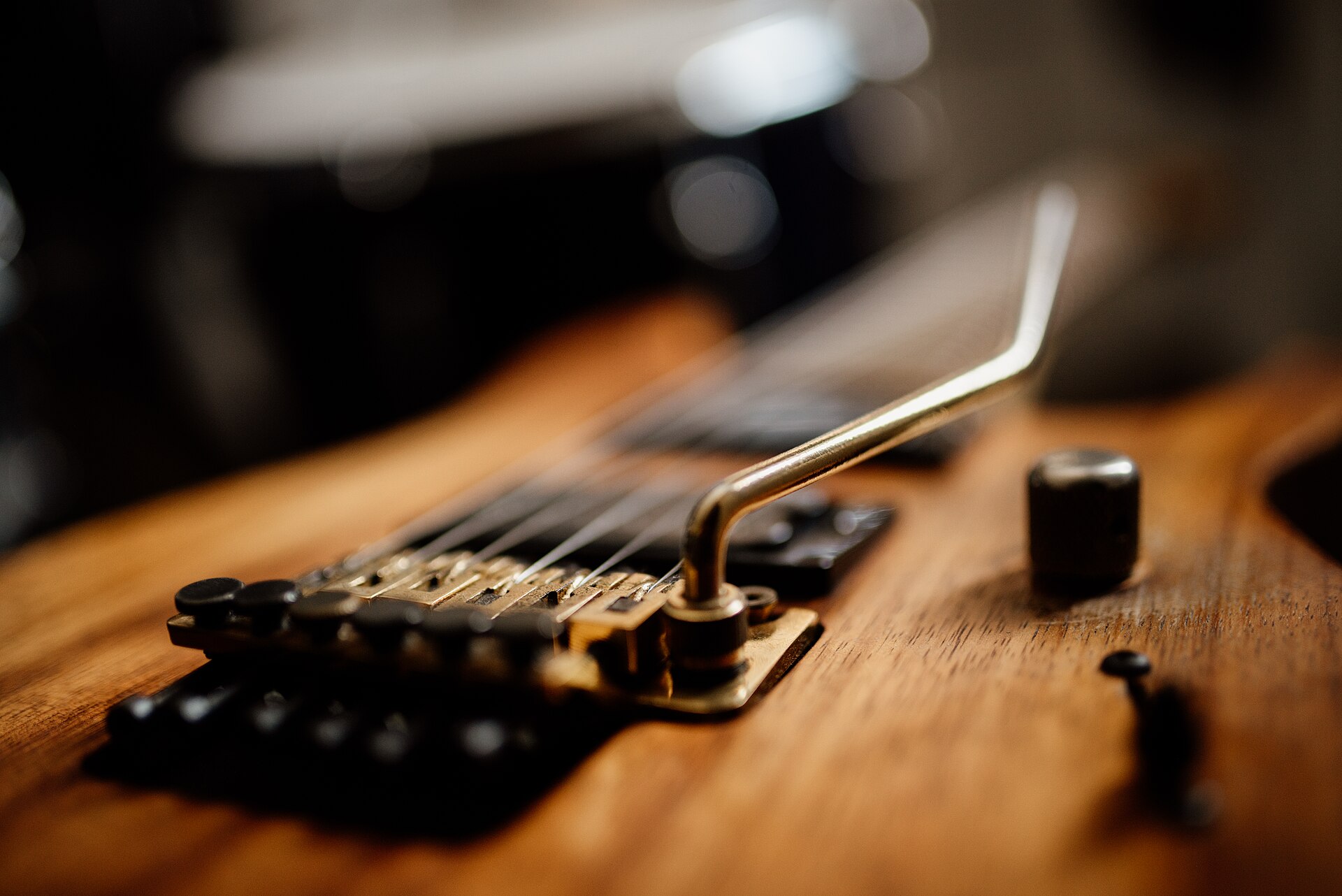
The Floyd Rose Story: Krazy Glue, a '57 Strat, and the Bridge That Built the Dive Bomb
Every guitar player knows the sound: the low E dropping until the string flaps against the pickups, then snapping back up to pitch like nothing happened. That trick didn't exist as an everyday move before the late 1970s. The Floyd Rose history explains why.
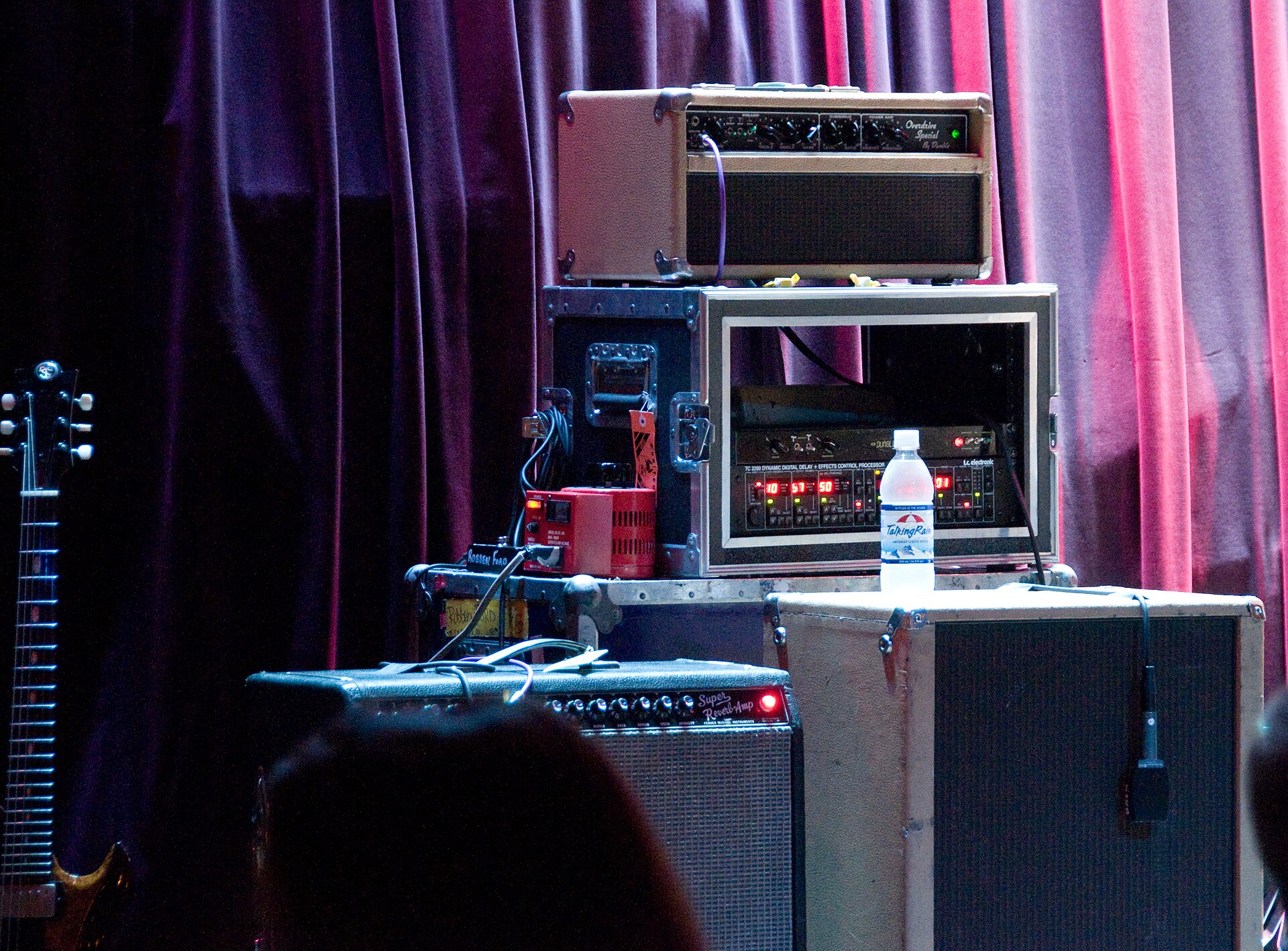
Dumble Is Taking Special Orders Again. That Is Not the Same Thing as Alexander Coming Back.
The Dumble Preservation Society is inviting special orders for an Overdrive Special, a Tweedle Dee, and a MegaPLX. No prices are listed. Alexander Dumble died in 2022, and the guitarist most tied to the Overdrive Special says the builder wanted the amplifiers to stop with him.

RipToneZ Is Giving Valeton GP-200 Players More Reasons to Keep Playing
With free downloads, affordable artist-inspired packs, and a $4.99 monthly Tone Club, RipToneZ is building an offering that goes beyond buying another preset.