
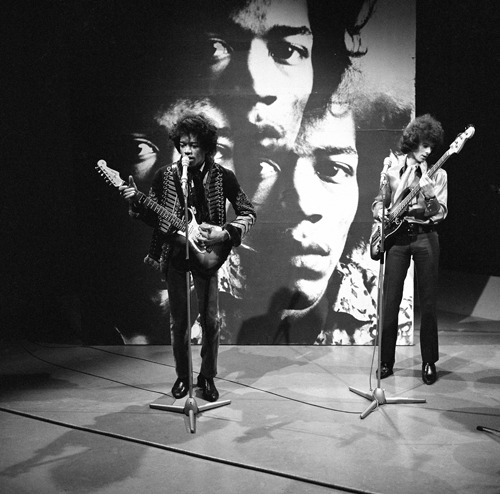
Washington Chooses Jimi Hendrix for Its 2029 Innovation Dollar
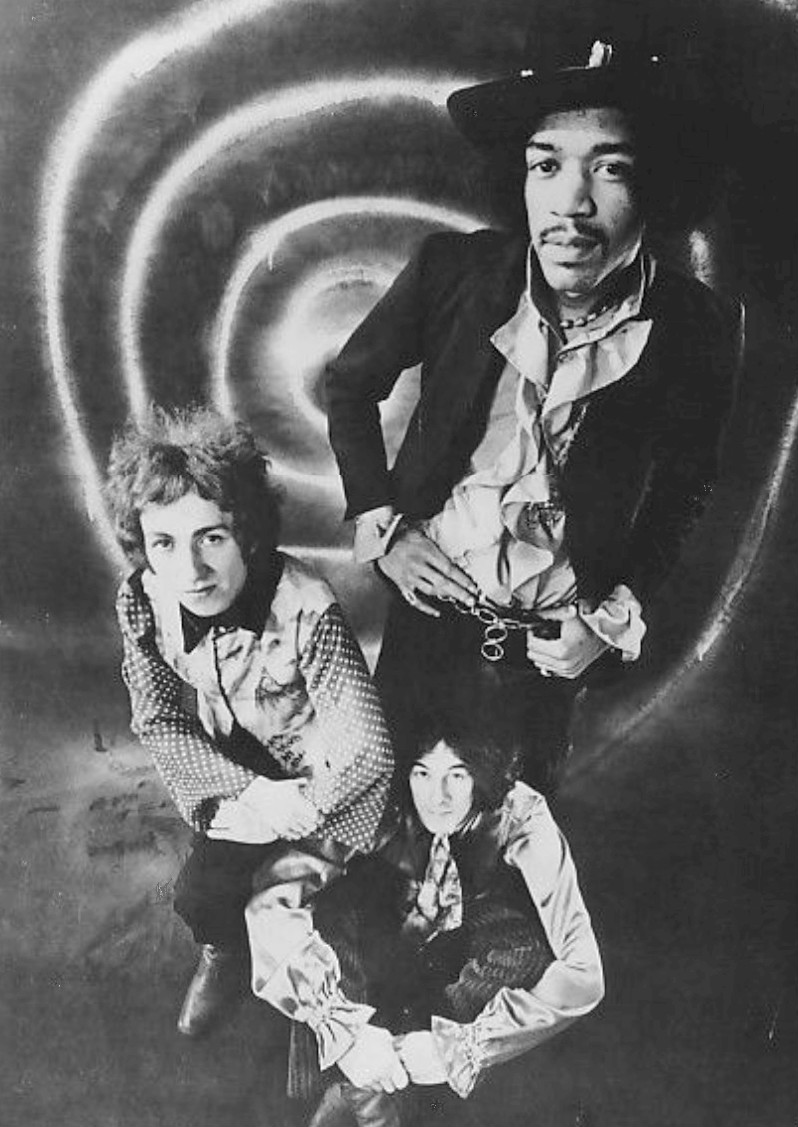
Photo: VARA, CC BY-SA 3.0 NL, via Beeld en Geluid and Wikimedia Commons.
The state has selected the Seattle-born guitarist for its submission to the U.S. Mint, recognizing his transformation of the electric guitar. The coin’s final design is still ahead.
Jimi Hendrix has been chosen as Washington state’s submission to the U.S. Mint American Innovation $1 Coin Program, with the state’s coin scheduled for release in 2029. Governor Bob Ferguson announced the selection on November 9, 2026, putting a guitarist at the center of a national program devoted to innovation.
That last word is what makes the news more interesting than another celebrity tribute. Washington is not simply recognizing a famous musician who happened to be born there. Its announcement specifically connects Hendrix’s place in the state’s history with the way he changed the electric guitar.
There is an important qualification: Washington has selected the subject of its submission, not unveiled a finished coin. Design development and federal review still lie ahead, and the final design will be selected by the U.S. Secretary of the Treasury. Any image presented as the actual Hendrix coin before that process is completed needs careful scrutiny.
A Guitarist Among Washington’s Innovators
Ferguson’s choice followed work by an Innovation Coin Advisory Committee assembled by Washington Treasurer Mike Pellicciotti, the state’s official liaison to the Mint. The committee reviewed public submissions, developed additional ideas and unanimously approved five finalists for the governor to consider.
Alongside Hendrix, the finalists were Billy Frank Jr. and treaty-rights innovation; Indigenous ecosystem management and reef-net fishing innovation; Bruce Lee and martial-arts innovation; and Medic One and Medic Two, and paramedic innovation.
That list places music in a broader conversation about how a state defines invention and progress. The finalists represent different kinds of change: cultural, environmental, civic, medical and artistic. Hendrix’s selection argues that transforming an instrument’s possibilities belongs in that conversation too.
“Picking just one example from the most innovative state in the nation was difficult, but Jimi Hendrix’s historic innovation on guitar and his deep roots in Washington make him a great choice to represent our state,” Ferguson said in the announcement.
The governor’s statement is praise from the selecting official, not a neutral ranking of states. Its clearest editorial point is the connection between Hendrix’s local beginnings and an influence that reached far beyond Washington.
Seattle Is Part of the Story
Hendrix was born in Seattle in 1942. The governor’s office identifies Horace Mann Elementary School, Washington Junior High and Garfield High School among the schools he attended, and notes that his first musical gig took place in Seattle.
Those details matter because the Hendrix story is often told through the places where his breakthrough became visible internationally. London, major festivals and the imagery surrounding his most famous performances can dominate the narrative. Washington’s selection brings the story back to the city where he grew up and began making music.
The coin program is organized around states and territories, so those roots are more than background biography. They are the reason Washington can use Hendrix to tell its own story of innovation while acknowledging an artist whose influence became global.
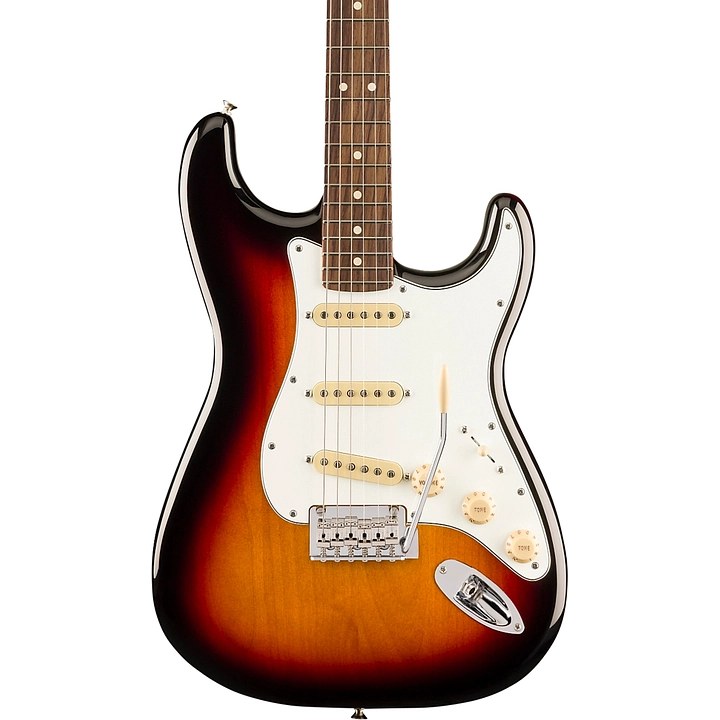

Fender Player II Stratocaster
$849.99 at Guitar Center
The announcement also notes that Hendrix and the Jimi Hendrix Experience entered the Rock & Roll Hall of Fame in 1992. That recognition arrived long after his death in 1970, a reminder of how much of his public legacy has developed through later generations hearing and reassessing a relatively brief performing career.
Why His Guitar Work Fits an Innovation Program
For guitarists, the strongest argument is audible rather than ceremonial. Hendrix helped make the amplified instrument’s behavior part of the music itself. Feedback was not merely a problem to suppress; distortion was not only a departure from a clean signal. Both could become expressive material.
Washington’s announcement cites Rolling Stone’s 2023 guitarist ranking, which placed Hendrix first and highlighted his popularization of feedback, his fusion of blues and psychedelia, and his influence on rock, metal and funk. That is the publication’s assessment, not a government-established measurement of musical greatness.
The useful point is broader than a league table. Hendrix’s importance does not require claiming that he invented every technique, effect or sound associated with him. His achievement was in how those elements worked together: rhythmic movement, melodic phrasing, electric texture and songs that gave the experimentation a musical purpose.
For a player, that is a more productive way to think about innovation than chasing equipment alone. A familiar guitar or amplifier can become something different when the player changes the relationship between sound and composition. Hendrix’s legacy is not just a collection of tones to reproduce; it is an example of hearing possibilities inside the instrument that others have treated as boundaries.
That is editorial interpretation of his influence, rather than a claim about what the eventual coin design will depict. The Mint’s visual treatment has not yet been selected.
A Short Career With a Long Afterlife
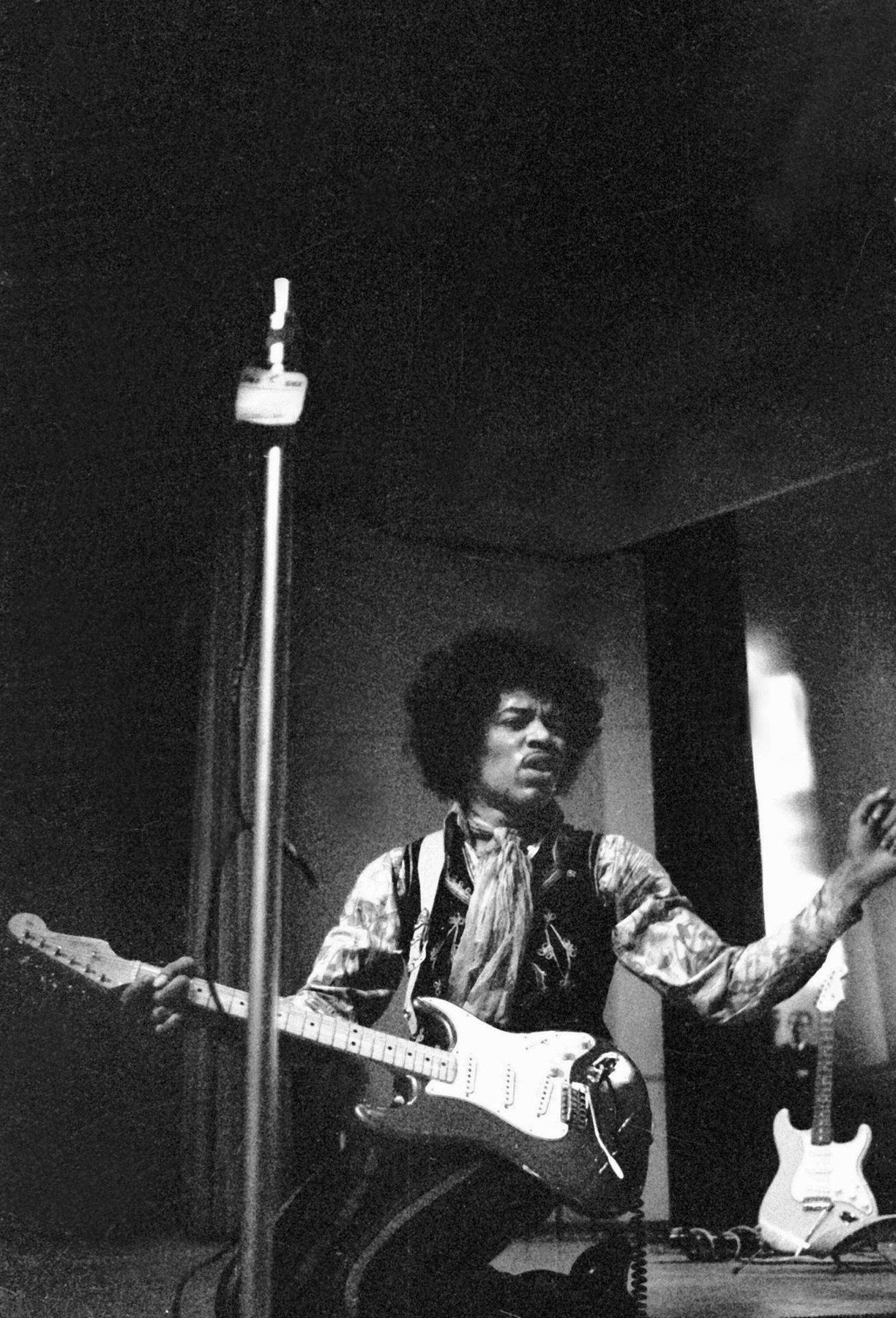
Hendrix’s death in 1970 did not close the conversation around his playing. His recordings continue to serve very different listeners: beginners learning their first riffs, experienced guitarists studying touch and rhythm, and musicians looking for ways to move beyond conventional electric-guitar arrangements.
The continuing fascination also creates a risk. It is easy to reduce him to the most recognizable images, a handful of effects or the idea of spectacular lead playing. The music offers a wider picture, with blues phrasing, chordal detail and rhythmic invention sitting alongside the dramatic sounds.
A public honor cannot capture all of that on a small metal surface. It can, however, create another reason for listeners to return to the recordings rather than stop at the iconography.
For readers wanting a closer musical entry point, TheGuitarPlugged’s existing History of the Riff feature on “Voodoo Child (Slight Return)” explores one of the performances central to that legacy. The coin announcement is a different story: not a new recording or product, but a recognition of why the guitarist still matters.
What Happens Before 2029
The next steps outlined by Washington include design development, consultation with the U.S. Commission of Fine Arts, and public review by the Citizens Coinage Advisory Committee. The U.S. Secretary of the Treasury will make the final design selection.
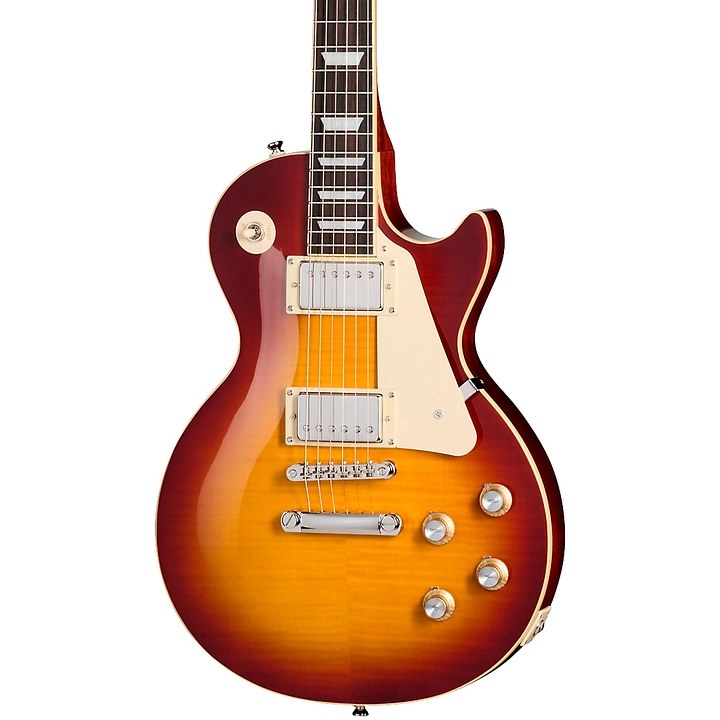
Epiphone Les Paul Standard 60s
$699.00 at Guitar Center
The governor’s office describes the American Innovation program as issuing four new $1 coins each year through 2032 to honor innovation and innovators from the 50 states, the District of Columbia and five U.S. territories. Washington’s scheduled place in that sequence is 2029.
That gives the news a clear timetable without suggesting a coin is available now. The announcement does not establish an approved portrait, a guitar image, a purchasing date or collector pricing. Those details should come from later official Mint releases, not speculation or unofficial mock-ups.
More Than Another Hendrix Souvenir
The significance of Washington’s choice is its framing. Hendrix is being recognized not only as a performer or a cultural figure, but as an innovator whose work changed what an electric guitar could communicate.
For an instrument often discussed through specifications, signature models and faithful recreations, that is a useful reminder. The lasting breakthrough was not a particular piece of gear. It was what a musician imagined he could do with it.
The finished coin will arrive later, if the planned schedule holds. Washington’s statement is already clear: the guitarist belongs among the people and ideas through which the state tells its story of invention.
Sources & further reading
Plugged Gear Co., Guitar Center and American Musical Supply links may earn us a commission from qualifying purchases.
Reader-supported
Keep Guitar Alive
Enjoyed this story? The Guitar Plugged is free to read and reader-supported. If it helped you play, listen or buy a little smarter, chip in to keep guitar journalism like this coming.
One-time contribution, processed securely by Stripe. Contributions are not tax-deductible.
Experience-driven coverage, not algorithm bait.
- 20+ years of guitar playing experience
- Real-world retail experience at Guitar Center
- Thousands of hours testing guitars, amps, and pedals
- A community of 50,000+ guitar enthusiasts across platforms
- Partnerships with Fender, DistroKid, TrueFire, Card Chords, and Enya
- Editorial standards published openly — see how we test gear
The Modern Guitar Magazine. Delivered to your inbox.
No spam. No gimmicks. Just great guitar content — stories, tones, iconic solos, and honest gear takes. Every week.
Ask GP
20 free questions a dayStill curious? Ask GP about this story.
Your personal classic-rock and guitar guide — ask anything about Washington Chooses Jimi Hendrix for.
Discussion (0)
Sign in to join the discussion.
Sign in to commentLoading comments…
Discover another guitar story
Swipe through our latest features, breaking news and iconic solos — one story at a time.
Open Swipe →More Guitar News
History of the Riff: Jimi Hendrix's "Voodoo Child (Slight Return)" and the Wah Intro Recorded for a TV Crew
A packed Record Plant, a 15-minute blues jam, a TV crew that wanted footage, and a count-in in E. The next morning's take became the most famous wah intro ever recorded.
History of the Riff: Purple Haze
The story behind Jimi Hendrix's legendary Purple Haze riff — where it came from, how it was recorded, and why it changed rock guitar forever.