Kenny Wayne Shepherd Goes Back to Ledbetter Heights: 30 Years, the Original Rig and Better Hands
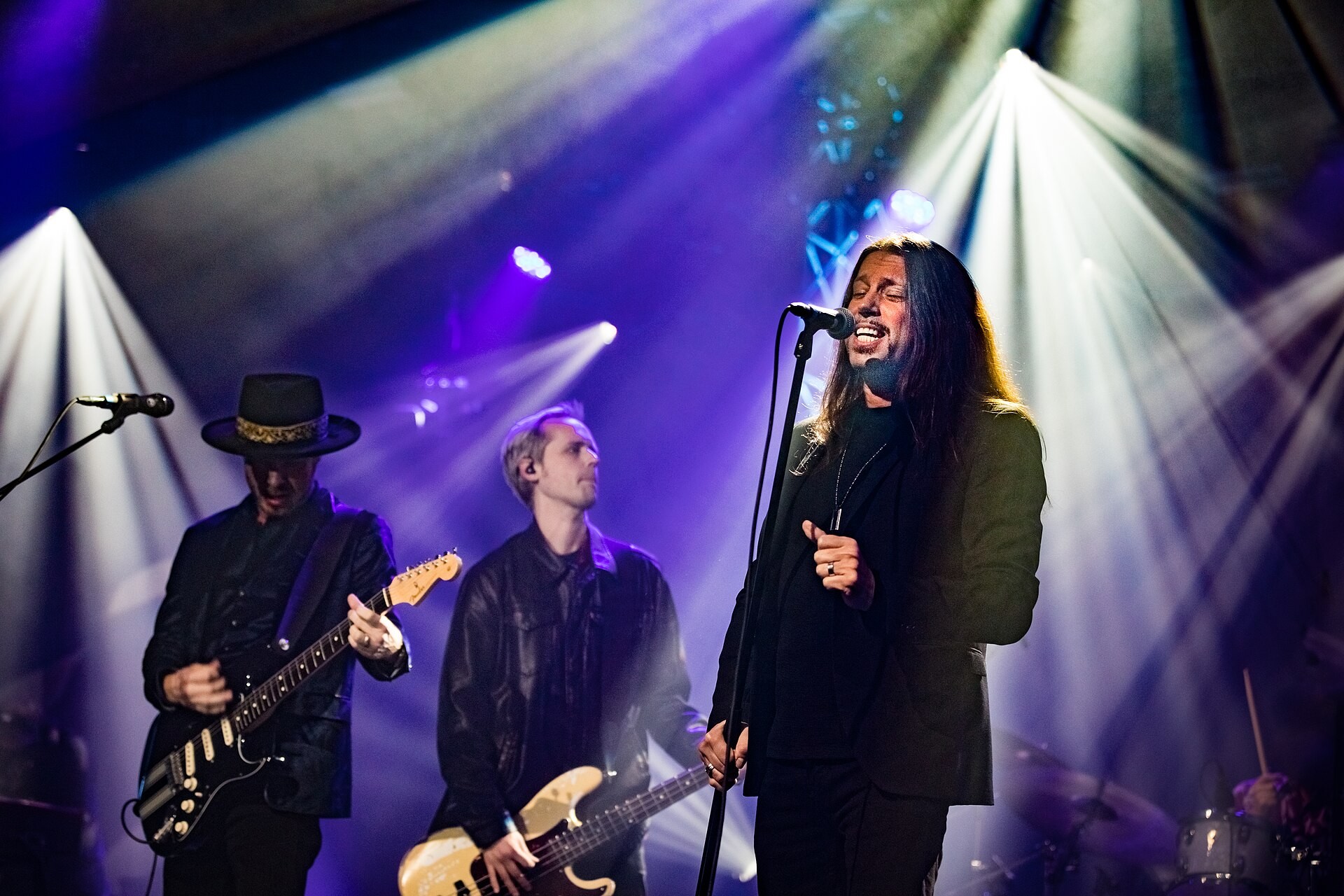
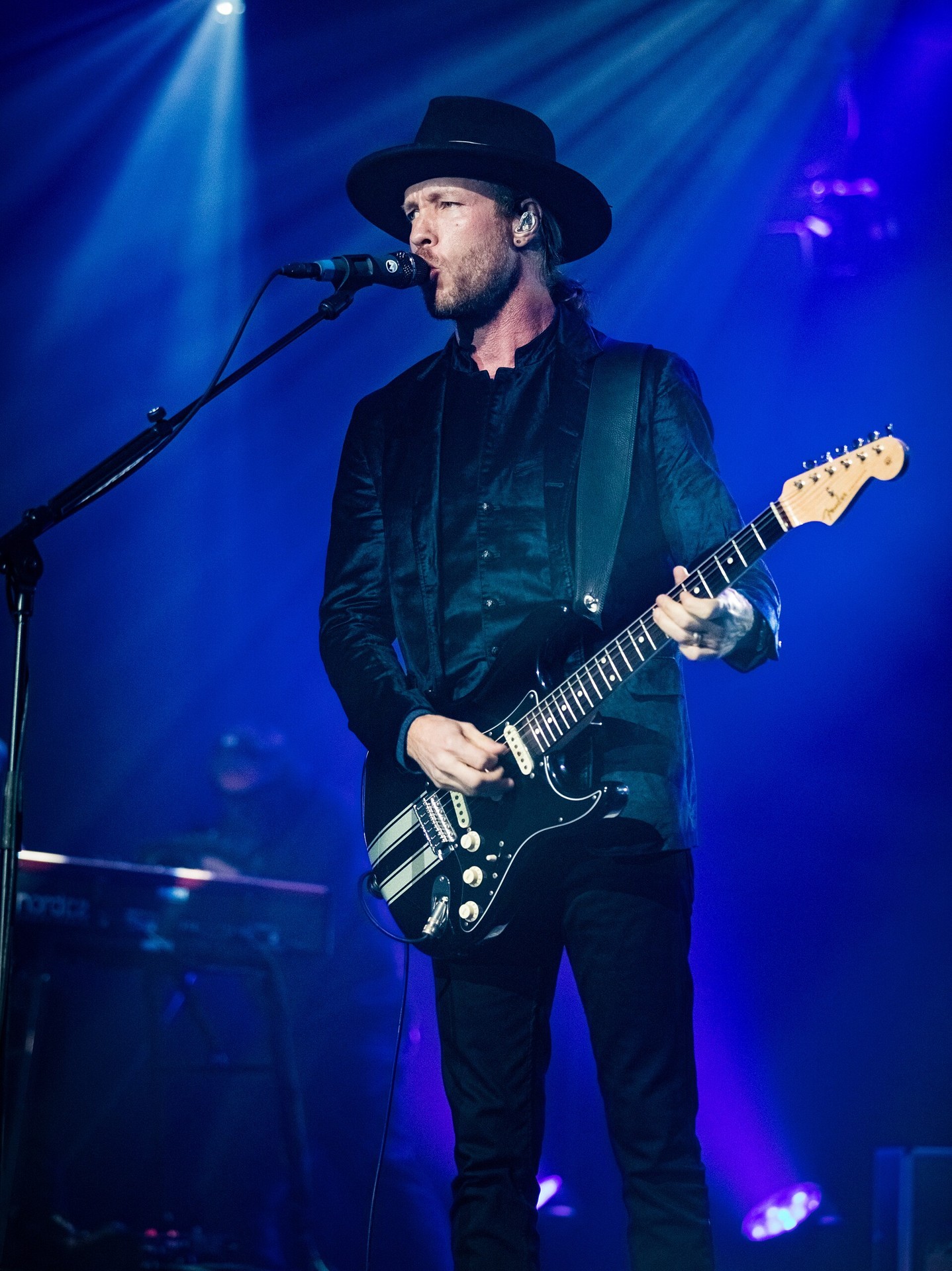
Kenny Wayne Shepherd (left, in the hat) onstage with singer Noah Hunt at the Leverkusener Jazztage in Leverkusen, Germany, on November 7, 2019.
Photo: Andreas Lawen, Fotandi, CC BY-SA 4.0, via Wikimedia Commons.
Thirty years after a Shreveport teenager cut Ledbetter Heights between high school classes, Kenny Wayne Shepherd has re-recorded it with Noah Hunt singing and the old rig plugged back in. Here's how he got here, how he plays, and what he plays through.
In the spring of 1995, Kenny Wayne Shepherd was a senior at a Shreveport, Louisiana, high school who spent his weekends making a major-label record in Memphis. That record, Ledbetter Heights, came out that September, sold half a million copies within about a year, and put a Strat-playing teenager on rock radio at the height of grunge.
Thirty years later, he's gone back and made it again. Ledbetter Heights (The 30th Anniversary Sessions) came out on May 8, 2026. It's a newly recorded version of all 12 original songs, with longtime singer Noah Hunt on vocals, original drummer Chris "Whipper" Layton behind the kit, and, according to Shepherd's camp, the same 1995 rig he used the first time.
He's still out playing it, too. The Ledbetter Heights 30th Anniversary Tour has four more dates this month, and his team has already extended it into spring 2027.
Here's how a kid from Shreveport got there, what makes his playing work, and the guitars, amps and pedals behind it.
What's on Ledbetter Heights (The 30th Anniversary Sessions)
The new album keeps the original 12 songs, in a slightly different order. The 2026 sequence runs:
- Born With a Broken Heart
- Deja Voodoo
- Aberdeen
- Shame, Shame, Shame
- One Foot on the Path
- Everybody Gets the Blues
- While We Cry (Live)
- I'm Leaving You (Commit a Crime)
- (Let Me Up) I've Had Enough
- Riverside
- What's Goin' Down
- Ledbetter Heights
New versions of "Deja Voodoo," "One Foot on the Path" and "Born With a Broken Heart" came out as singles in the weeks before release.
Shepherd co-produced it with Jerry Harrison, who also worked with him on 1997's Trouble Is… and on Trouble Is… 25, the full re-recording of that album released in December 2022. Layton, a founding member of Stevie Ray Vaughan's Double Trouble, played on the original Ledbetter Heights sessions, and he's back here.
Why re-record it at all?
The biggest reason is the voice. As a teenager, Shepherd didn't sing his own songs. The original album's lead vocalist was Corey Sterling. Noah Hunt joined later, and he sang the band's biggest hit, "Blue on Black," and almost everything since.
"A lot of people often wonder what Ledbetter Heights would have sounded like if Noah had been in the band for that record," Shepherd told Loudwire Nights in April. "So now they get a chance to hear that."
He wasn't looking to rebuild the album from scratch. "If I had felt like we got some things wrong with that record, then you'd hear a lot of big, huge differences between the two," he told the North State Journal in October. "But I didn't feel the need to go back and reinvent it."
What actually changed
A few things did change, and they're the ones guitar players will want to listen for:
- "Riverside" got slowed down. On the 1995 album it was the only song with Shepherd singing lead. Producer David Z brought it to him late in those sessions. "They kind of pressured me into singing it because I was so shy, man, and I didn't like the sound of my voice because I felt like I sounded like a kid — which I did," he told the North State Journal. The new version is slower because he thought it could be "more effective" and "more mysterious sounding." He told Loudwire, "That's the one song I always wish sounded a little different on the record, so we made it different."
- "Born With a Broken Heart" has a real ending. The original faded out. The new take ends the way the band learned to finish it onstage. "We probably didn't know how to end the song, so they're just like, 'Fade it,'" he said. "But live, you have to come up with an ending, right?"
- Some solos are different. Shepherd told Loudwire they changed some of the guitar solos. His own verdict on the playing, from an interview with Detroit's 101 WRIF transcribed by Ultimate Guitar: "my hands are working a lot better now than they were back then."
The original 1995 rig
Shepherd's official announcement says he "returned to his original 1995 rig for the sessions." In an interview with Australian Musician earlier this year, he described going back to the same guitars, amplifiers and pedals he used on the original recordings, many of which he still owns.
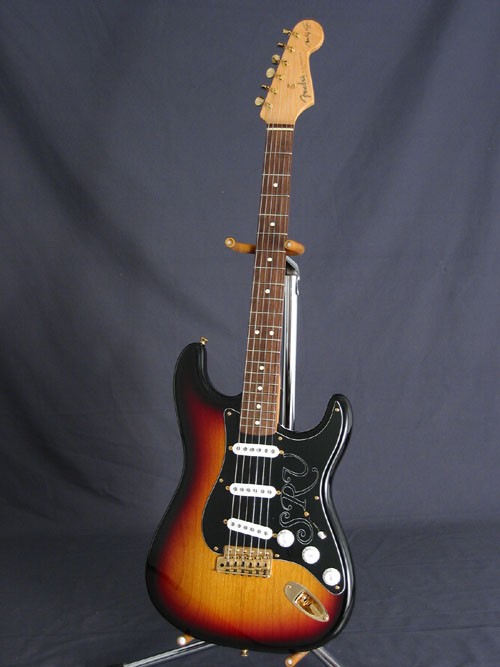
Neither Shepherd nor his label has published a full list of that rig. One piece is documented, though. The gear page on his official site says a first-year Fender Stevie Ray Vaughan Signature Stratocaster "was used by Kenny to record his first album, Ledbetter Heights," and on his first U.S. tour. Fender Custom Shop master builder J.W. Black fitted it with a replacement neck to Shepherd's spec, plus jumbo frets, Graph Tech saddles and a left-handed tremolo.
Kenny Wayne Shepherd's Rise: From Shreveport to Platinum
A radio dad and a seat on Stevie's amp case
Shepherd was born in Shreveport on June 12, 1977. His father, Ken Shepherd, was a local radio personality and concert promoter, so the house was full of records and the backstage doors were open. Shepherd told the North State Journal he was told his first concert, at about age 3, featured Muddy Waters and John Lee Hooker.
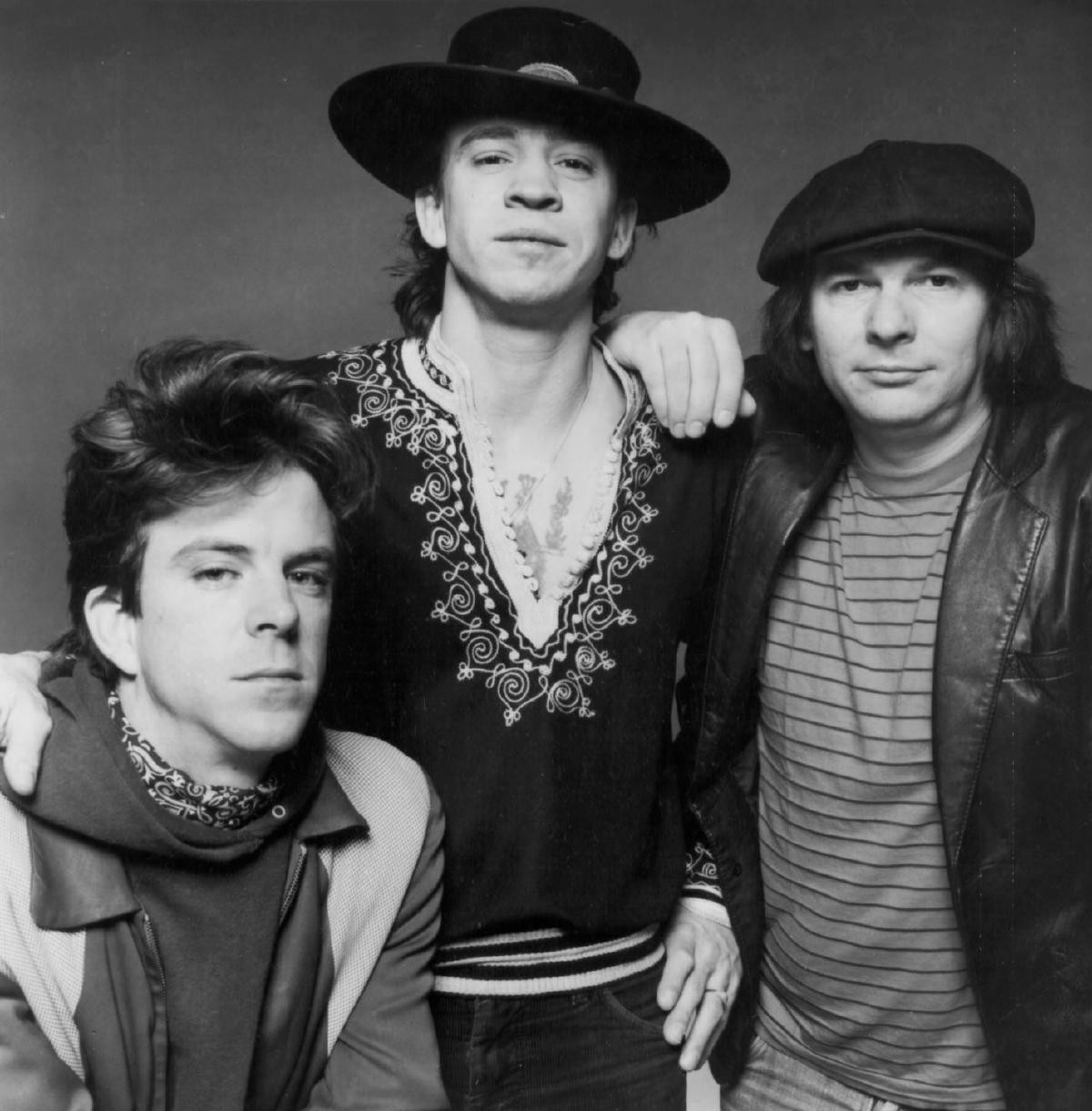
The show that changed everything came when he was 7. His father promoted a festival with Stevie Ray Vaughan and Double Trouble headlining, and young Kenny watched the whole set from the side of the stage. "I got to watch the whole show from the side of the stage, sitting on one of his amp cases, just feet away from him," he told Loudwire. "And I was completely mesmerized, man."
He taught himself to play by ear, from his father's records. His first real Strat, a candy apple red American model, was a gift from his parents in 1989. Vaughan signed it in Dallas. When the signature started wearing off under his hand, he traced over it with a Sharpie. That guitar, with the half-SRV, half-Kenny autograph, is still listed on his official gear page.
Thirteen, onstage in New Orleans
Shepherd has told interviewers he got his first standing ovation at 13, in a New Orleans club. Bluesman Bryan Lee had invited him to sit in. Around Shreveport he started playing out, and the story usually told is that a video of one of his early festival performances got to Irving Azoff, then running Giant Records. Azoff signed him at 16.
He was clear about what he did and didn't want. "I didn't want to be a pop star," he told Loudwire. "I wasn't following whatever the current trend was."
Making Ledbetter Heights in high school
"I was 17 when I recorded it," Shepherd told 101 WRIF. "It was the last three months of my senior year in high school. I graduated, I turned 18 in June, the record dropped at the end of September." He cut it with producer David Z and Chris Layton, splitting time between classes in Louisiana and sessions in Memphis. He wrote or co-wrote most of the material.
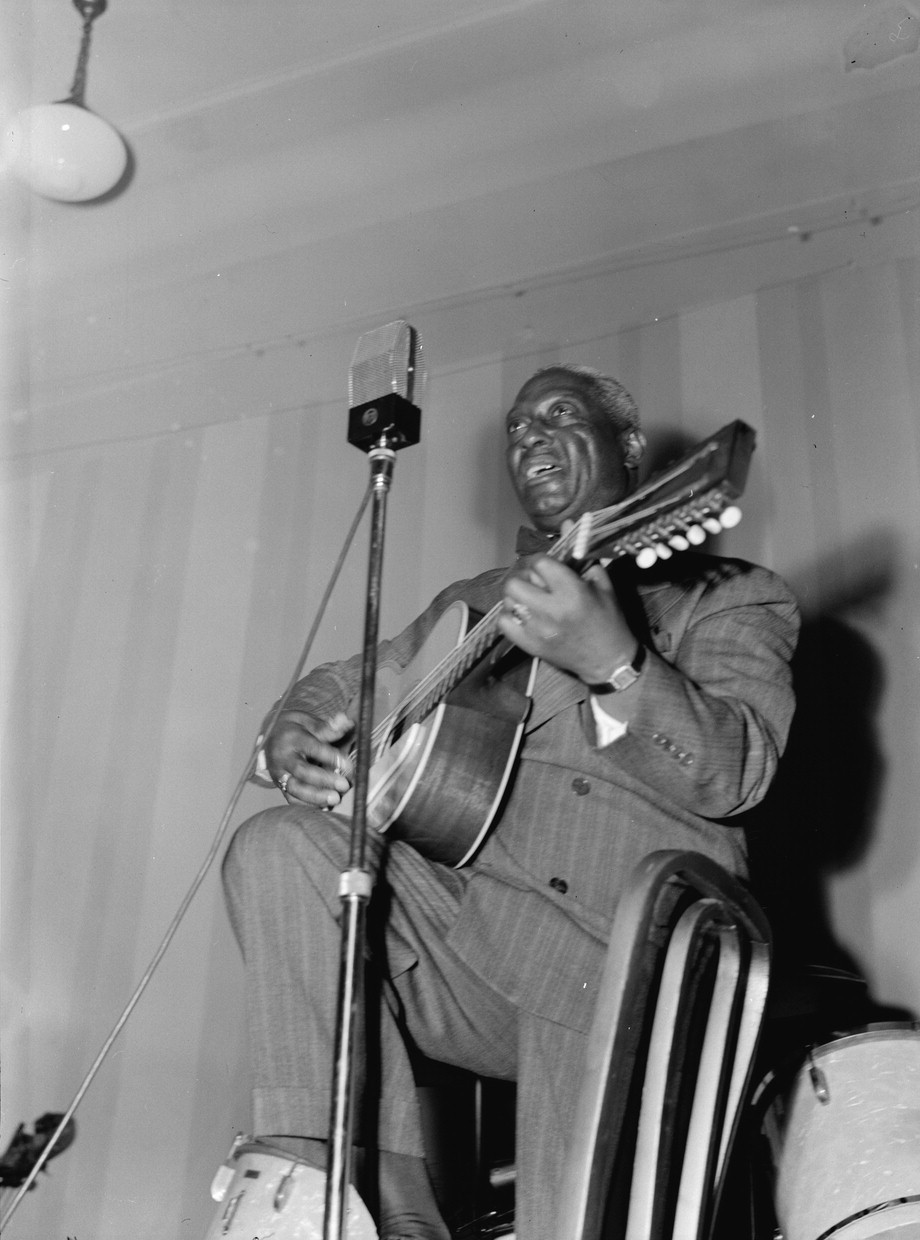
He named the album after Ledbetter Heights, a historic Shreveport neighborhood that honors Huddie "Lead Belly" Ledbetter. Lead Belly spent his formative years playing the clubs of what was then St. Paul's Bottoms, Shreveport's old red-light district. What remains of that area is now part of the city's Allendale/Ledbetter Heights Historic District.
The breakout
The record took off at rock radio first. "Thankfully, the record company got the first single, 'Déjà Voodoo' to radio," Shepherd told CincyMusic, and from there album sales followed. Its first tour ran across the country in his dad's Suburban, towing a U-Haul trailer. Then the openers came. "I graduated high school and then we went out with B.B. King," he told 101 WRIF. After that came the Eagles' Hell Freezes Over reunion tour in Europe ("80,000 people a night") and dates with Bob Dylan. "It just snowballed," he said.
Here's how the numbers shook out:
- No. 1 on Billboard's Blues Albums chart. Shepherd's camp says it held the top spot for 10 weeks.
- Gold, then Platinum. RIAA records show Gold (500,000) in September 1996 and Platinum (1 million) in August 2004. Shepherd's own press materials say Platinum came "by early 1996"; the RIAA dates don't support that, so we've gone with the RIAA.
- A top-10 rock radio single. "Déjà Voodoo" made the top 10 on rock radio.
His official bio also notes that Guitar World ranked him the No. 3 blues artist in the world, behind B.B. King and Eric Clapton. We couldn't locate the original issue to confirm the details.
Trouble Is…, Noah Hunt and everything after
Hunt came in for the second album. Trouble Is… (1997) gave the band "Blue on Black," a No. 1 on Billboard's Mainstream Rock chart, and it became the longest-running No. 1 album in the history of Billboard's blues chart.
After that, Shepherd kept moving between straight blues and straight rock:
- **10 Days Out: Blues From the Backroads (2007).** A road-trip album and documentary recording with elder bluesmen, including B.B. King, Pinetop Perkins and Hubert Sumlin. It earned two Grammy nominations.
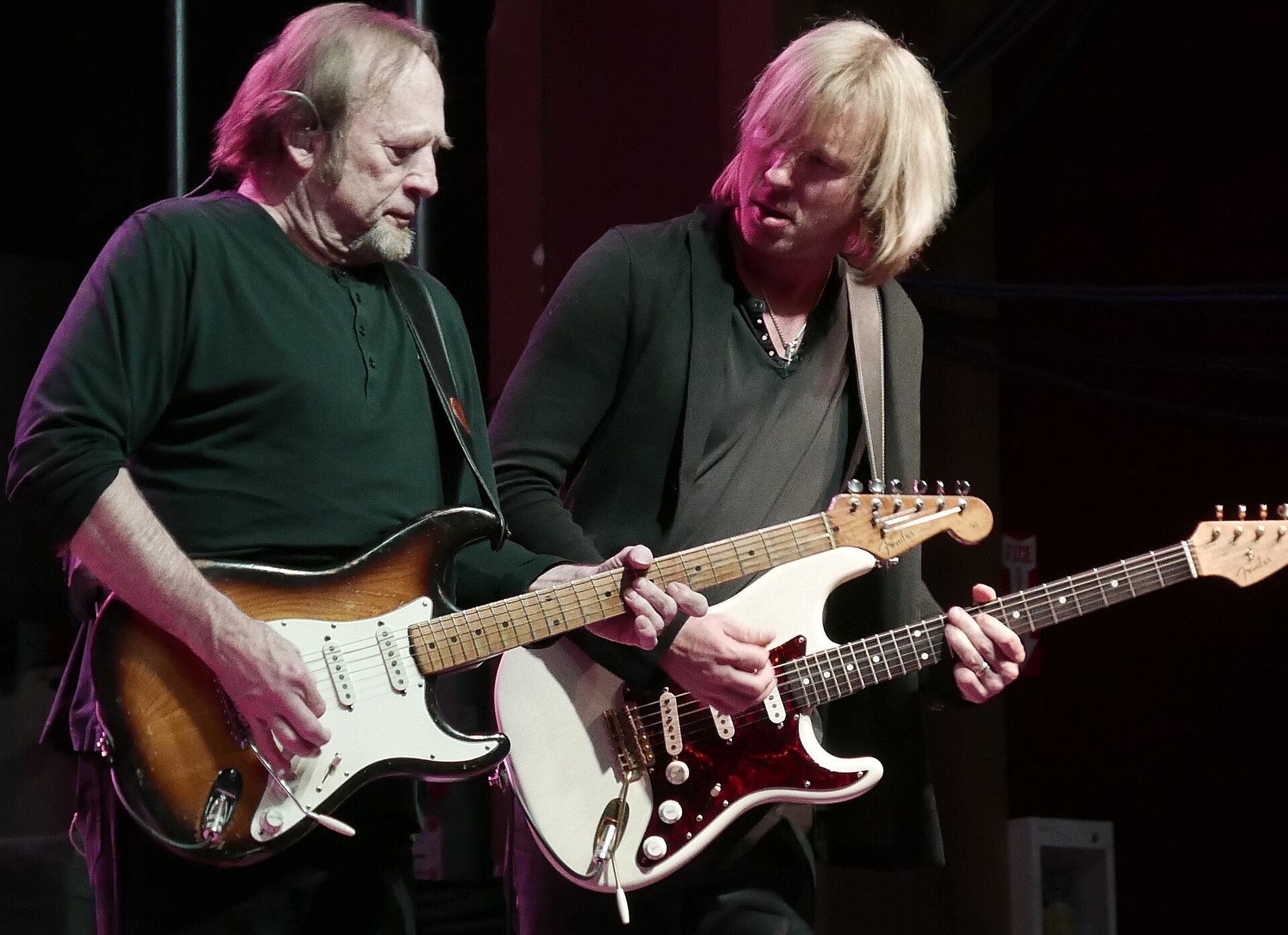
- The Rides. A trio with Stephen Stills and Barry Goldberg, which made two albums, Can't Get Enough (2013) and Pierced Arrow (2016).
- **Trouble Is… 25 (2022).** A full re-record of his second album. That's the template for this year's project.
- **Dirt on My Diamonds Vol. 1 and Vol. 2 (2023 and 2024).**
- **Young Fashioned Ways (March 2025).** A duo album with Bobby Rush that earned a Best Traditional Blues Album nomination at the 2026 Grammys.
That's six Grammy nominations in all, according to the Recording Academy.
Kenny Wayne Shepherd's Playing Style
Fewer notes, more feeling
People hear the Stevie Ray Vaughan influence right away. There's the Strat, the big bends, and the Texas shuffle in his right hand. Shepherd has never hidden it. But he's also said that copying Vaughan was never the goal. "I don't want to be anybody else other than myself musically," he told NJArts, "but I did want to affect people the way he affected me."
What he took from the older players was restraint. Listening to B.B. King and Albert Collins, he told NJArts, the moments that got him were "generally not when they're playing this big flurry." It was "when they were playing very few notes, sometimes only one note." That's the key to his solos even now. Plenty of fast runs, but the big moments are usually one bent note held a beat longer than you expect.
He also grew up on the radio, and it shows. "Having a great vocal melody and a great lyric has always been, to me, equally as important as the guitar playing on the record," he told MusicRadar, "even if I wasn't doing the singing." That's why so many of his biggest songs are hooks first and solos second.
Heavy strings, big frets
His hands do a lot of the work, and his setup is built around them:
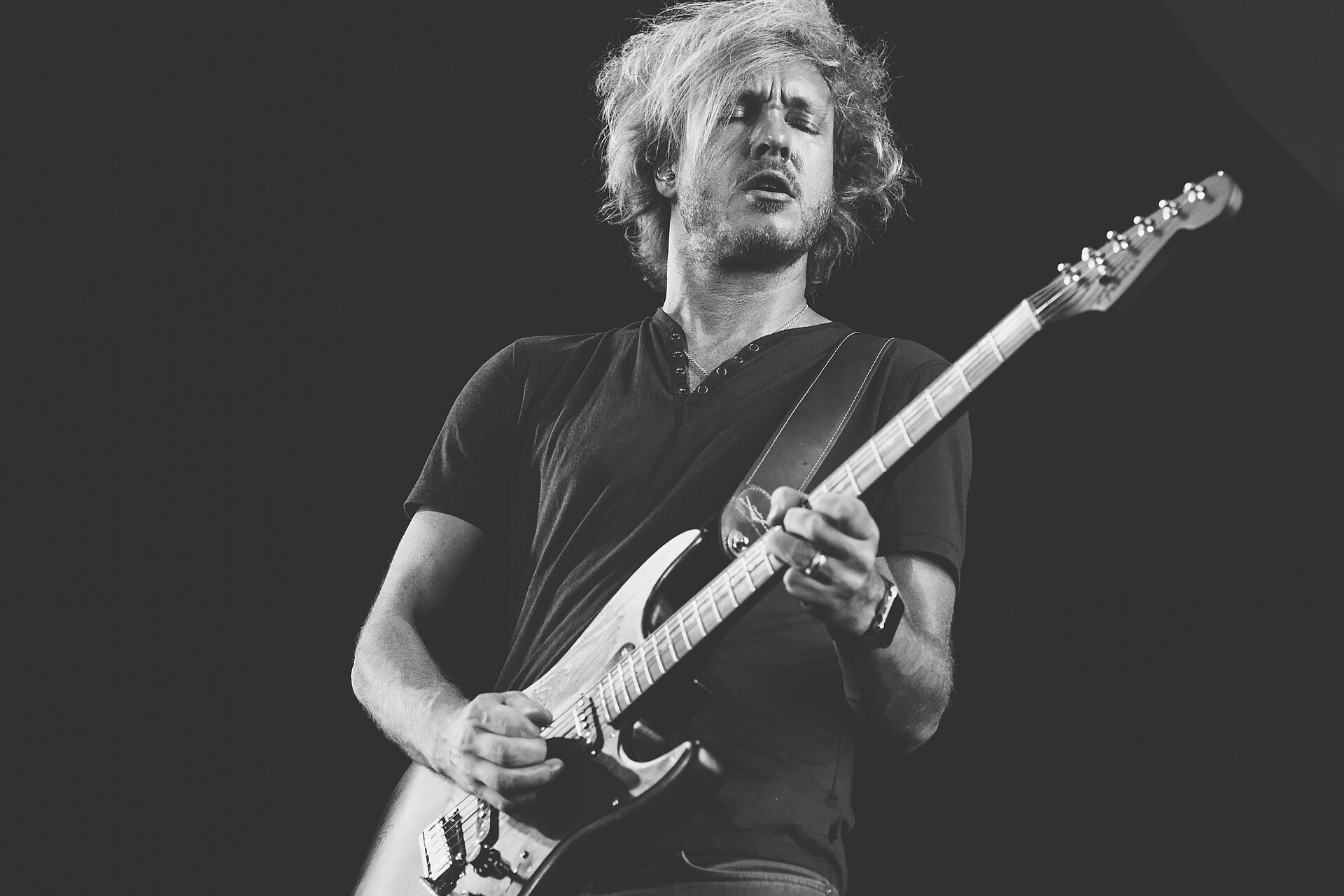
- Heavy strings. Premier Guitar's 2023 Rig Rundown lists Ernie Ball sets gauged .011, .014, .018, .038, .048 and .058 on all his electrics, played with Dunlop heavy picks. That's a light top with a heavy bottom, so the treble strings still bend while the low end stays thick.
- Jumbo frets. He uses 6100-size wire, "almost like bass frets," he told MusicRadar. "In order to really be able to have a sure grip on the string to do a huge bend, then you need to be able to have chunkier fretwire. If you're using vintage-style fretwire, it's a losing battle."
- Graph Tech saddles. He put them on his '61 Strat to stop breaking strings, and it worked "immediately," so now they're on all his guitars.
- Left-handed tremolos. Several of his Strats, listed on his official gear page, have Fender fit them with a lefty trem, the same trick Vaughan borrowed from Hendrix.
He barely uses the whammy bar
For a guy with all those tremolo bridges, he hardly touches the bar. "I use it here and there - maybe six times throughout an entire two-hour-long show," he told MusicRadar. "It's an effect." He likes hardtail Strats for that reason: "those guitars ring so true."
Tone is in the hands
Shepherd likes to say that the player matters more than the guitar. His favorite example is Hubert Sumlin, Howlin' Wolf's guitarist, who joined him on tour and showed up to a Milwaukee gig "with a $120 Squier Strat," Shepherd told Guitarist, in a story published by Guitar World. "He played it on stage that night and killed it." When fans hear Shepherd's Les Paul online and say it sounds like a Strat, he says, "that's because there's a Strat player playing it."
Kenny Wayne Shepherd's Gear: Strats, Dumbles and a Short Pedal List
The 1961 Stratocaster
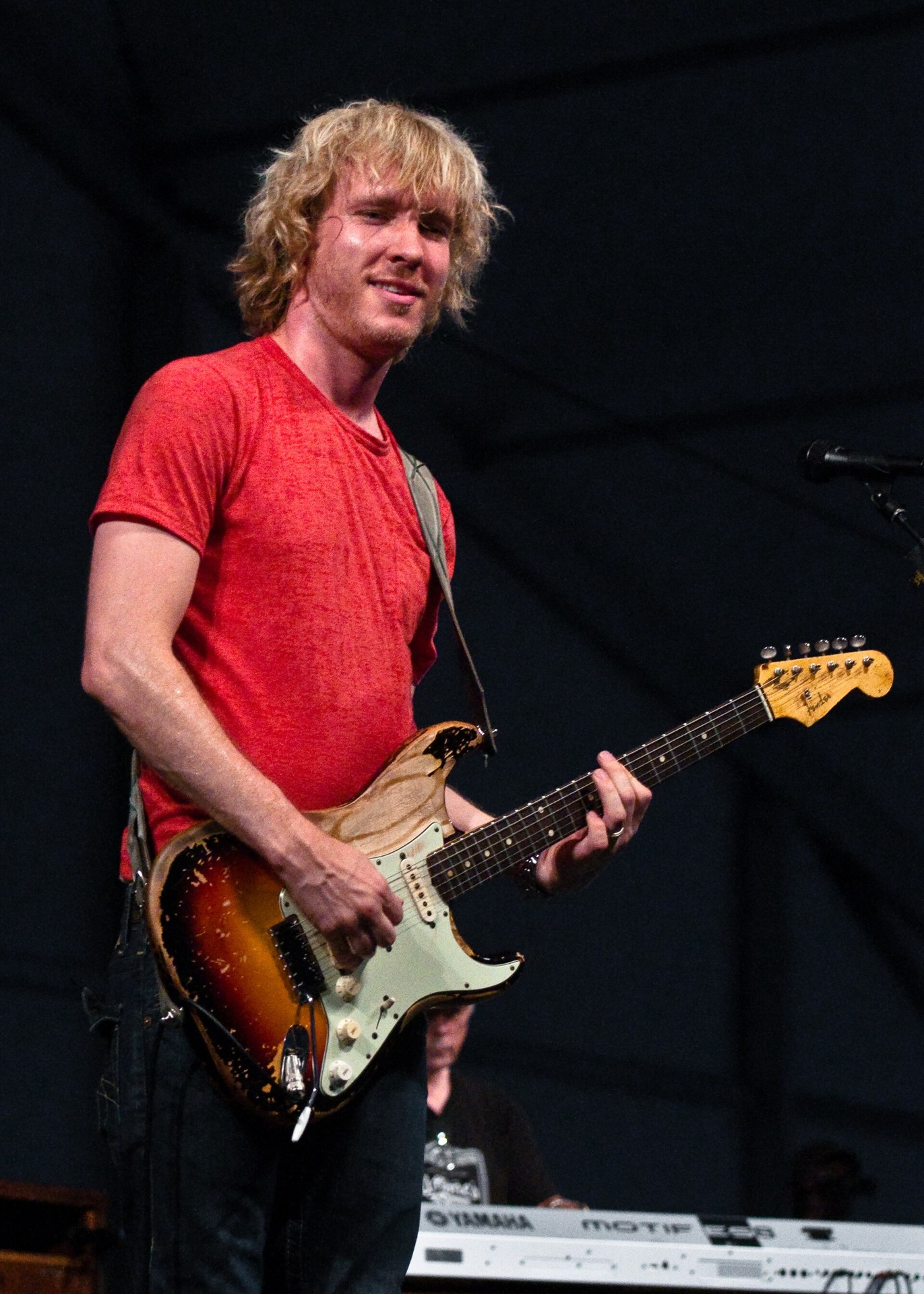
His official site calls the '61 "THE ONE," and Premier Guitar calls it his No. 1. It's a three-tone sunburst Strat with a rosewood slab board and jumbo frets. The way he got it is one of the best guitar stories going.
At about 16, on a trip to Los Angeles with his father, he played it in the vintage room at the Hollywood Guitar Center and couldn't afford it. A little more than a year later, back in L.A. for a showcase, he walked in and found it hanging in the middle of the same wall. He still couldn't afford it, so his dad, his A&R man Jeff Aldrich and his attorney Jim Zumwalt split the cost three ways, on the condition that he paid them back.
He's recorded with it on every album since, his site says. For Trouble Is…, he told Vintage Guitar, "I'd say 90 percent of the songs were played on the '61." Fender has since built him a near-identical relic copy, which saves wear on the original.
The Kenny Wayne Shepherd Signature Stratocaster
Fender first released his signature Strat in 2008. The current version, per his site and Premier Guitar, has these specs:
- Body: chambered ash, in a Transparent Faded Sonic Blue lacquer
- Neck: early-'60s C-shape maple neck. Shepherd calls it "the ultimate copy of the neck on my '61 Strat."
- Fingerboard: bound rosewood with a vintage 7.25-inch radius and block inlays
- Pickups: three Kenny Wayne Shepherd custom single-coils
He told MusicRadar that the pickups took a year and a half to develop and read "around 8/8.5" kilohms, "not so hot that it muddies up the sound."
More Strats, and a 1960 Les Paul
His touring guitars change from run to run, but a few show up again and again:
- "Copperboy." A Todd Krause Custom Shop Strat in copper-orange sparkle with gold hardware and Abigail Ybarra-wound pickups. Billy Gibbons gave it its name.
- The Crossroads Strat. A 2015 Krause build covered in Highway 61 and Highway 49 markers.
- A Jimi Hendrix Monterey Strat. It has a reverse-headstock neck, and he's long used it to close shows with "Voodoo Child."
- A 1959 hardtail Strat.
- A 1960 Gibson Les Paul Standard. He hunted for one for about a decade. He told Guitarist he likes the 1960's thinner neck, and that his picking hand sometimes catches the toggle switch mid-solo.
Amps: from cranked Twins to a wall of Dumbles
Early on, he went big. "I used to play three Twins all turned all the way up," he told MusicRadar. In the Trouble Is… era, he told Vintage Guitar, the rig was a first-series '65 Twin Reverb reissue, a '64 blackface Vibroverb and a Fender Vibro-King.
These days the amps are by Alexander "Howard" Dumble, who died in 2022. Premier Guitar counted 11 Dumbles in his collection in 2023. Three of them were on his tour: a Pro Reverb called the Ultra/Rockphonix, a Bassman called the Slidewinder, and a Band Master called the AC763. He usually runs two, and the third is a backup. All the Dumbles he's worked on have been "50 watts and below," he told MusicRadar. For more on the man and the mystique, see our Dumble story.
Pedals: the classic blues-rock chain
His board reads like a history of blues-rock tone. In 2023 he described his chain to Guitarist like this:
- A wah
- A Uni-Vibe-style pedal built by his tech
- A Klon KTR
- A TS808 reissue and an Analog Man King of Tone
- An Analog Man Bi-Chorus
- A delay
- A Roger Mayer Octavia
Premier Guitar's 2023 rundown adds a Boss TU-3 tuner, Free The Tone delay and reverb, and a Voodoo Lab PX-8 Plus switcher. (Here's why the Tube Screamer is still everywhere.)
Some of the originals are still around. He bought two first-run Klon Centaurs, a gold one and a silver one. The gold one has since gone missing, and he still has the silver. Those were "like 250 bucks," he told Guitarist, and it's now "worth multiples of what I paid for it."
Getting close to the sound
You don't need a '61 or a Dumble to get in the neighborhood:
- Start with a Strat, rosewood board if you can, and play the neck and middle pickups. If you're shopping, our best Strats under $1,000 is a good starting point.
- Go up a string gauge on the bass side and get the frets checked. Bigger frets make his kind of bends easier.
- Use a clean, loud Fender-style amp with plenty of headroom, and let a Tube Screamer- or Klon-style pedal do the pushing.
- Save the vibe and wah for color, not for every song.
- Play fewer notes. Pick one bend, hold it, and make it count.
Kenny Wayne Shepherd Tour Dates: What's Left
Each night on the Ledbetter Heights 30th Anniversary Tour, the band plays the whole album, then a second set from across his career. Shepherd says the band had never played the album start to finish, not even in 1995. "It doesn't matter how many times you've seen us play," he told the North State Journal. "You're gonna see us perform songs that you've never seen us play before."
As of November 11, 2026, his official site lists these remaining dates:
2026 - Nov. 19: River Spirit Event Center, Tulsa, Oklahoma - Nov. 20: Riverside Casino & Golf Resort, Riverside, Iowa - Nov. 21: Payne & Mencias Palladium (Allied Solutions Center for the Performing Arts), Carmel, Indiana - Nov. 22: Clyde Theatre, Fort Wayne, Indiana
2027 - March 20: Ruth Eckerd Hall, Clearwater, Florida - March 22: Peace Center, Greenville, South Carolina - March 24: Kleinhans Music Hall, Buffalo, New York - March 25: Goodyear Theater, Akron, Ohio - March 27: Massey Hall, Toronto - March 29: State Theatre, Ithaca, New York - March 31: Nashua Center for the Arts, Nashua, New Hampshire - April 1: Plymouth Memorial Hall, Plymouth, Massachusetts - April 2: Stadium Theatre, Woonsocket, Rhode Island - April 3: Warner Theatre, Torrington, Connecticut - April 5: Patchogue Theatre, Patchogue, New York - April 6: Keswick Theatre, Glenside, Pennsylvania - April 7: Warner Theatre, Washington, D.C. - April 10: Soundwave Beach Weekend, Miramar Beach, Florida - April 11: Peabody Auditorium, Daytona Beach, Florida - April 13: Sunrise Theatre, Fort Pierce, Florida
The band also played The Legendary Rhythm & Blues Cruise from Oct. 31 to Nov. 7, which has already sailed. Check kennywayneshepherd.net/tour for tickets and any changes.
What Else He's Working On
Shepherd isn't treating 2026 as a nostalgia year. A few other projects are in motion:
- "Bone Dry (Revisited)." He plays on this new version of Colin Stough's song, out October 1 on BBR Music Group. "He has exceptional musical instincts," Shepherd said of the young Mississippi singer.
- A second album with Bobby Rush. It's the follow-up to Young Fashioned Ways. "He's a master of his craft," Shepherd told the North State Journal. No title or release date has been announced.
- A rock covers album. He's been finishing it with his band, with songs he grew up hearing on the radio. He's named INXS, Genesis, Pink Floyd and Billy Idol as artists on the list. No release date has been announced.
- A new album of originals, and producing other artists. He's told interviewers about both.
He's also clear about why it matters. "In order for blues music to continue to have any relevance in the modern world," he told the North State Journal, "it needs to continue to evolve and grow." He named Samantha Fish, Christone "Kingfish" Ingram and Marcus King among the younger players doing just that. (Read our take on Kingfish.)
The Takeaway on Kenny Wayne Shepherd and Ledbetter Heights
The 1995 album showed what a 17-year-old could do with a Strat and a lot of Stevie Ray Vaughan records. The 2026 version shows what 30 years of playing those songs on the road does to them. The tones are the same and the songs are the same, but the solos are more patient, the endings are worked out, and one song is finally the way he heard it in his head.
For players, the lesson is in the details Shepherd keeps coming back to. Heavy strings and big frets so the bends are sure. A clean amp turned up. Pedals you understand. And as few notes as it takes to make someone feel something.
Put the original and the new version side by side and listen to "Riverside" first.
Join the conversation: Original Ledbetter Heights or the 30th Anniversary Sessions? Which version of "Deja Voodoo" wins? Tell us in Guitar Talk. And for the player who started it all for him, read our ultimate guide to Stevie Ray Vaughan.
Plugged Gear Co. may earn a commission from qualifying purchases.
Reader-supported
Keep Guitar Alive
Enjoyed this story? The Guitar Plugged is free to read and reader-supported. If it helped you play, listen or buy a little smarter, chip in to keep guitar journalism like this coming.
One-time contribution, processed securely by Stripe. Contributions are not tax-deductible.
Experience-driven coverage, not algorithm bait.
- 20+ years of guitar playing experience
- Real-world retail experience at Guitar Center
- Thousands of hours testing guitars, amps, and pedals
- A community of 50,000+ guitar enthusiasts across platforms
- Partnerships with Fender, DistroKid, TrueFire, Card Chords, and Enya
- Editorial standards published openly — see how we test gear
The Modern Guitar Magazine. Delivered to your inbox.
No spam. No gimmicks. Just great guitar content — stories, tones, iconic solos, and honest gear takes. Every week.
Ask GP
20 free questions a dayStill curious? Ask GP about this story.
Your personal classic-rock and guitar guide — ask anything about Kenny Wayne Shepherd Goes Back.
Discussion (0)
Sign in to join the discussion.
Sign in to commentLoading comments…
Discover another guitar story
Swipe through our latest features, breaking news and iconic solos — one story at a time.
Open Swipe →More Guitar News
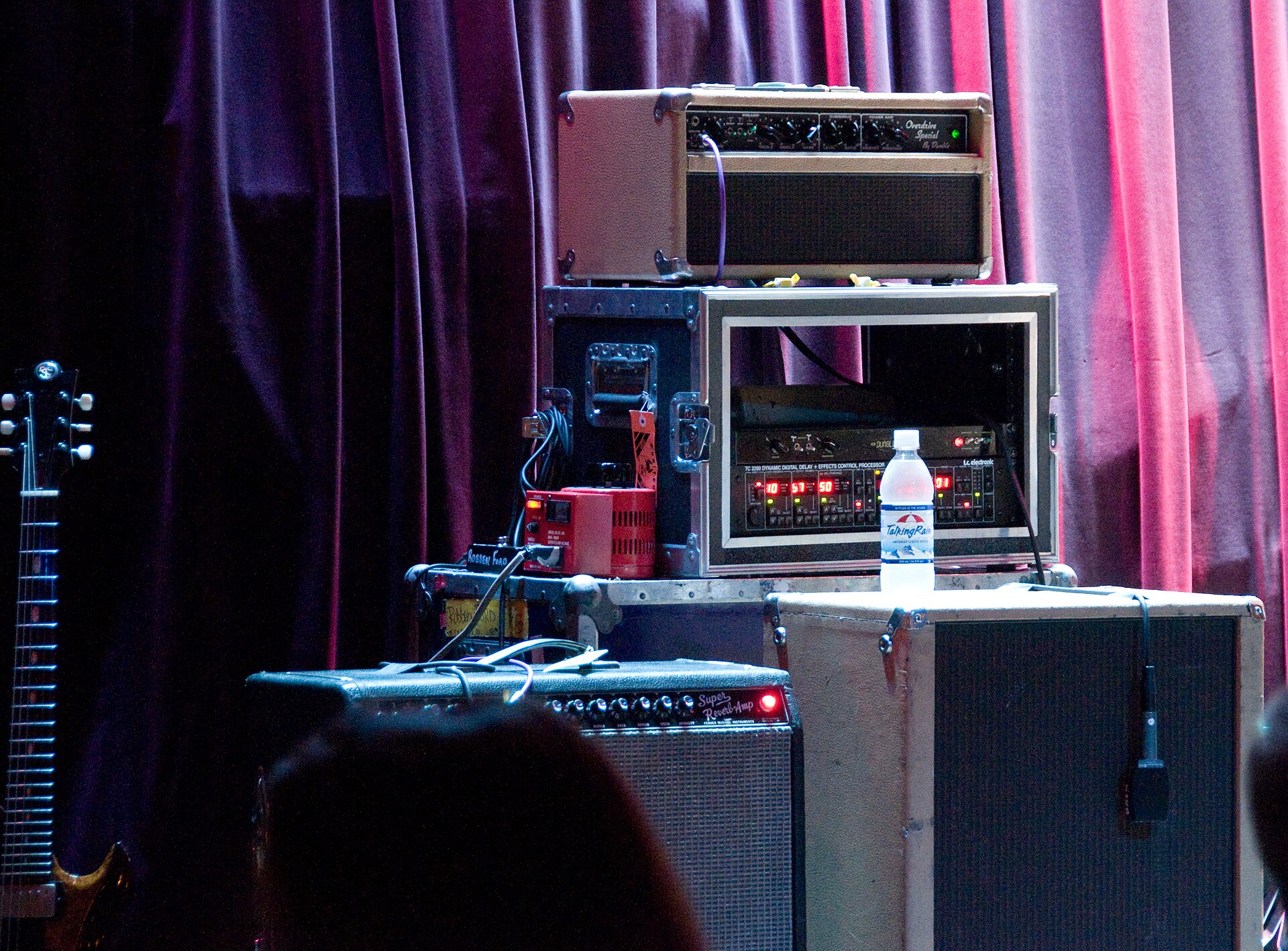
Dumble Is Taking Special Orders Again. That Is Not the Same Thing as Alexander Coming Back.
The Dumble Preservation Society is inviting special orders for an Overdrive Special, a Tweedle Dee, and a MegaPLX. No prices are listed. Alexander Dumble died in 2022, and the guitarist most tied to the Overdrive Special says the builder wanted the amplifiers to stop with him.
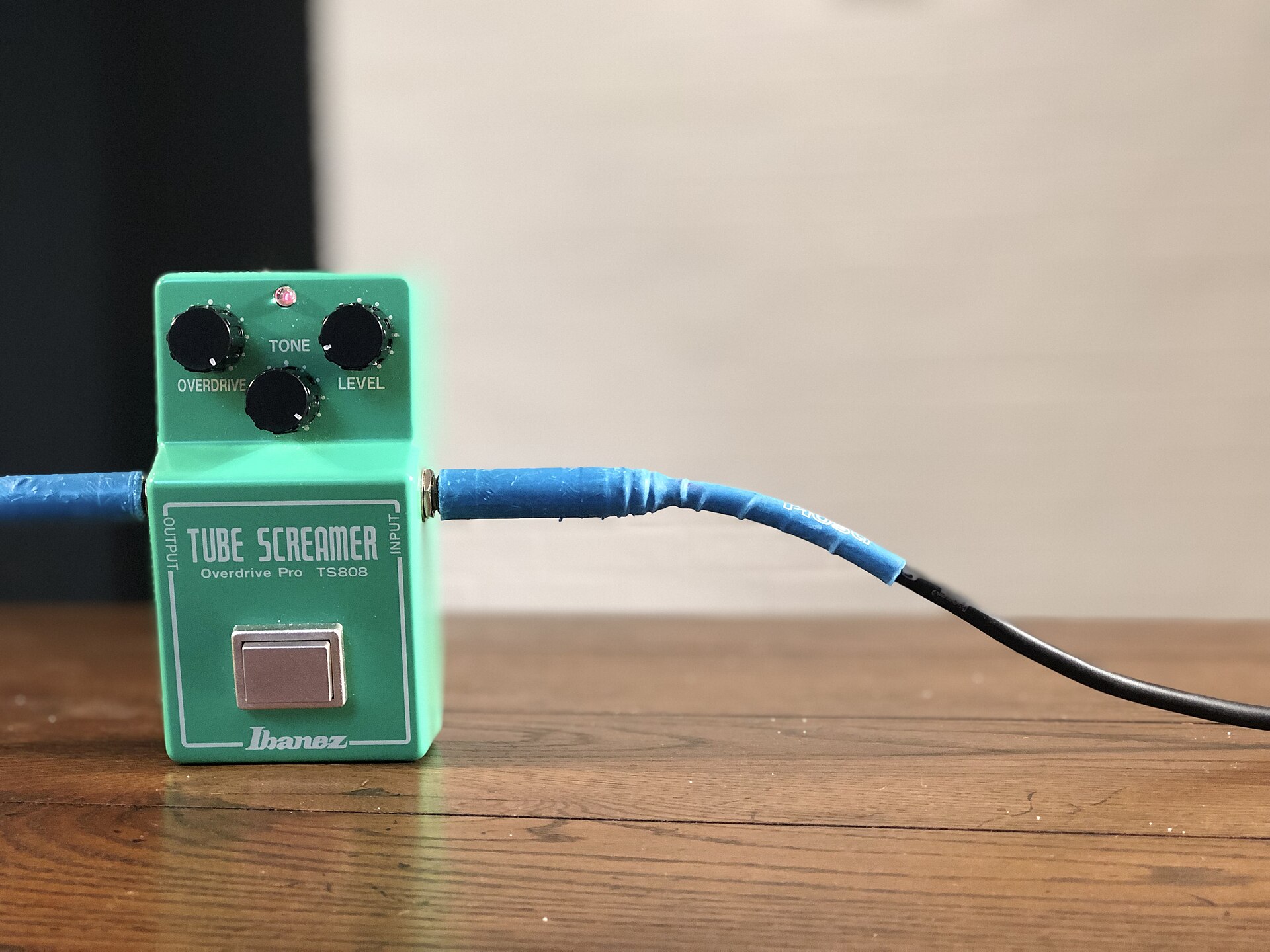
The Ibanez Tube Screamer: How a Little Green Box Built to Compete Became the Pedal Everyone Copies
How a Maxon engineer's answer to the Boss OD-1 became the Ibanez Tube Screamer, why the TS808 vs TS9 debate never ends, and what SRV really used.
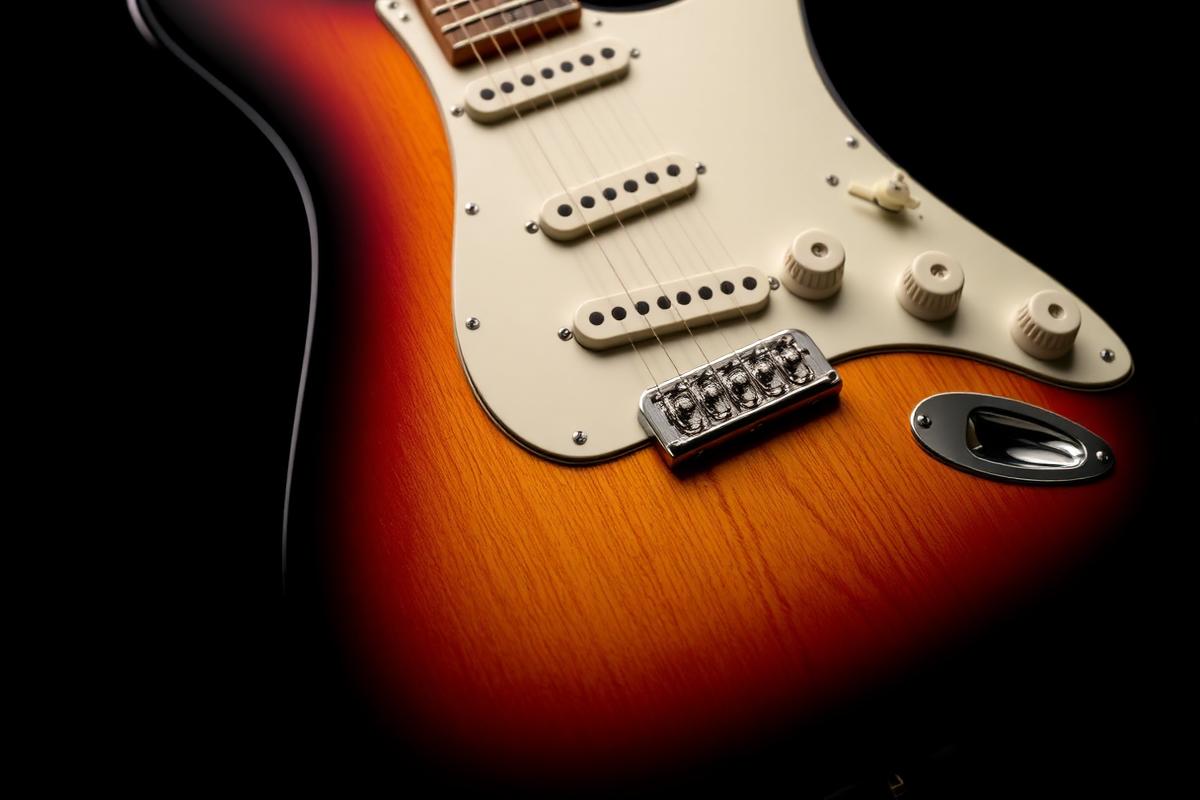
The Best Stratocasters Under $1,000 Right Now
From Fender’s revamped Player II to PRS’s dialed-in Silver Sky SE, these are the S-style workhorses that actually earn their keep under a grand—what to buy, what to skip, and why it matters.
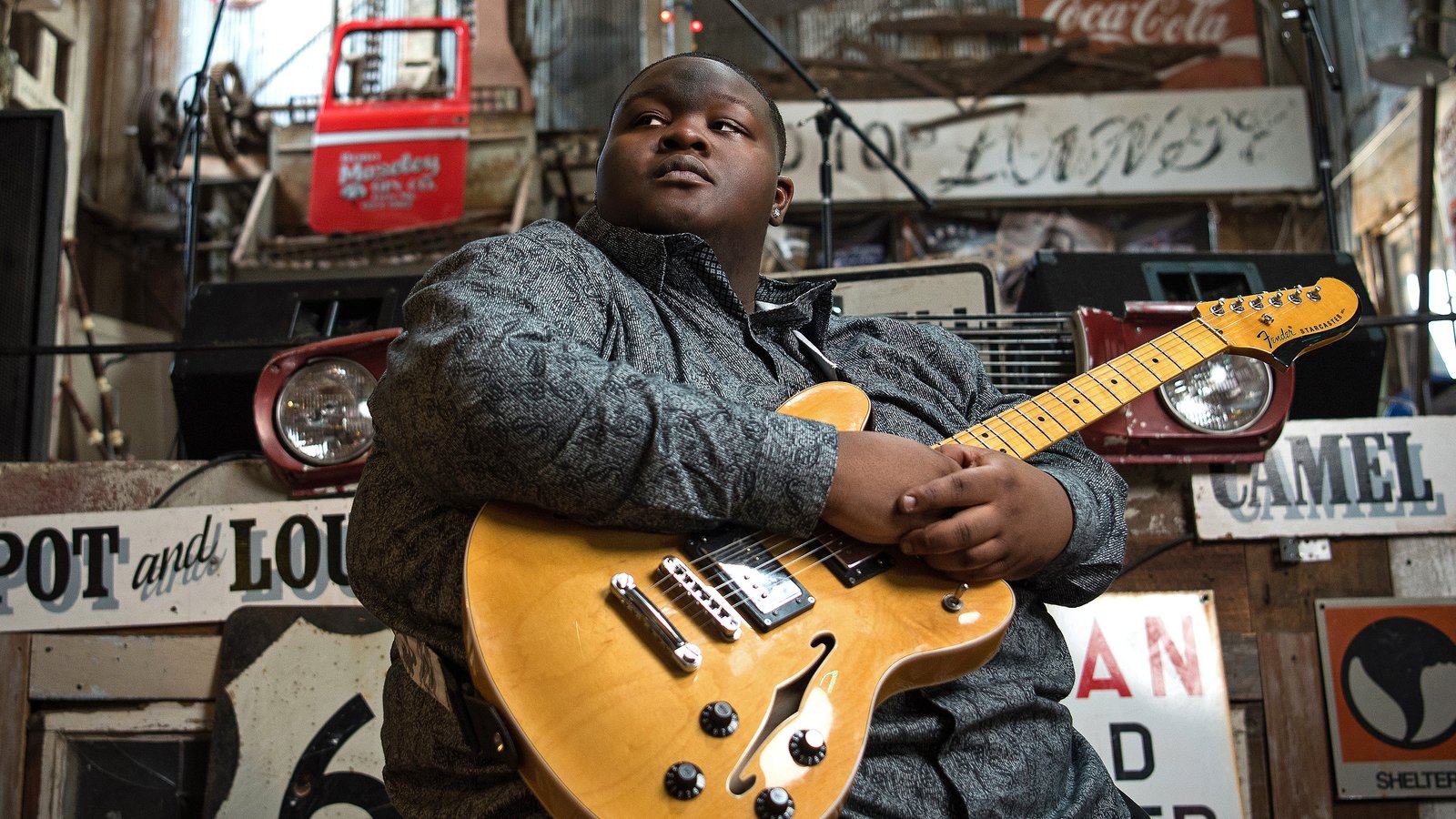
Christone "Kingfish" Ingram: The Modern Blues Guitar Hero Reviving a Legendary Tradition
At 27, Christone "Kingfish" Ingram has a No. 1 blues debut, a Grammy and a phrasing vocabulary that reminds every guitarist tone starts in the hands, not the pedalboard.
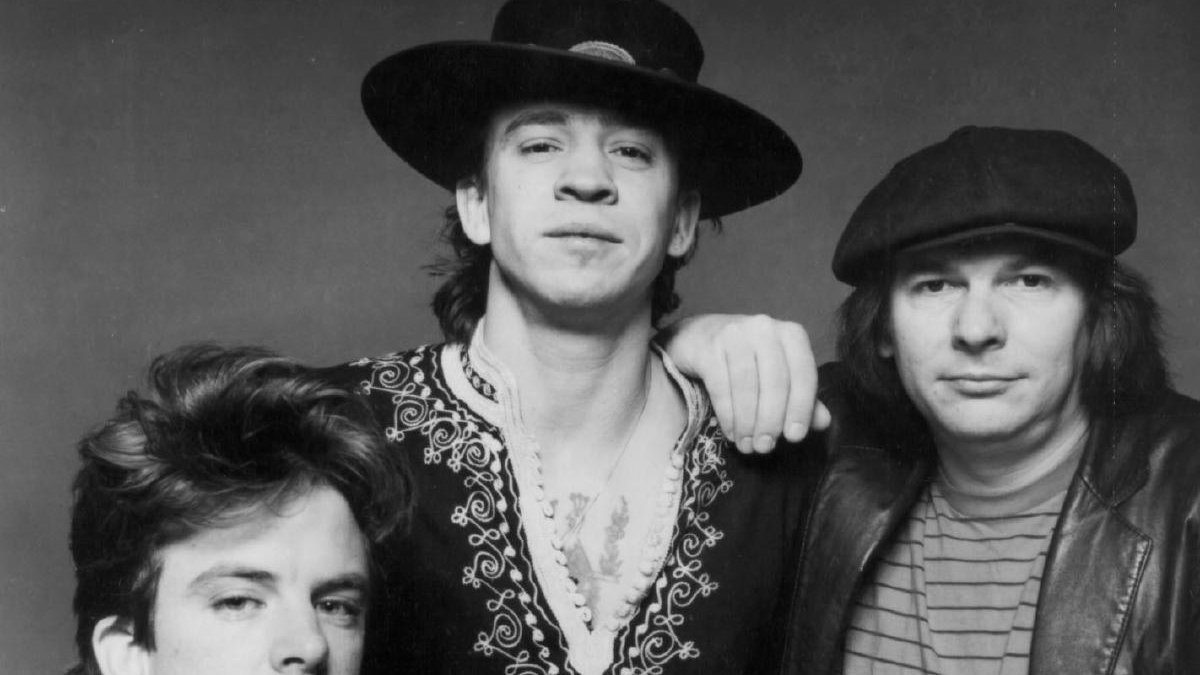
The Ultimate Guide to Stevie Ray Vaughan: The Guitarist Who Brought the Blues Back to Life
Biography, gear, technique, tone secrets, top songs, and beginner tips for chasing the sound of the man who dragged the blues back into the spotlight.