
The Fender Jaguar History: How Fender's Flagship Flopped, Then Became Alt-Rock's Secret Weapon
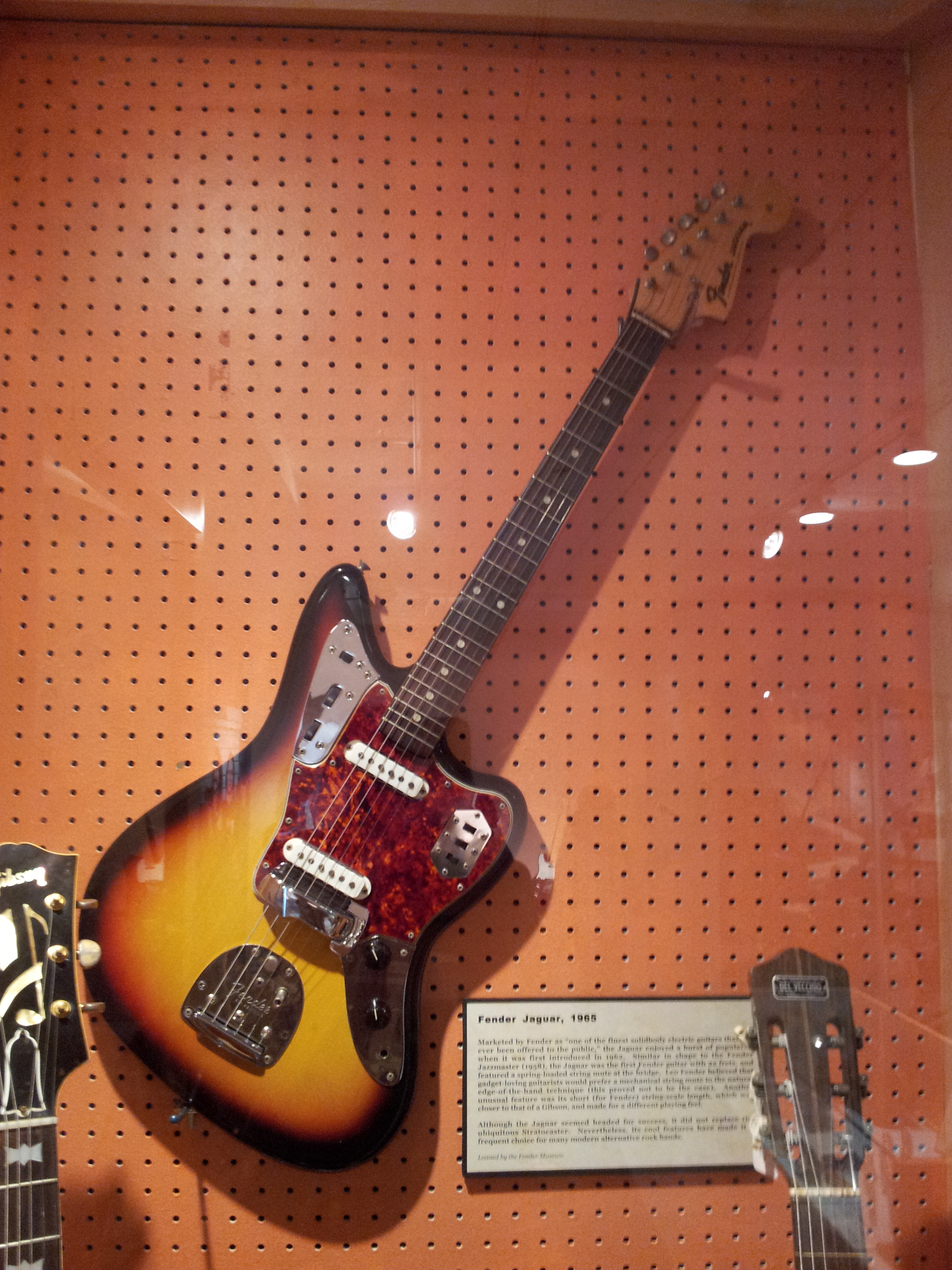
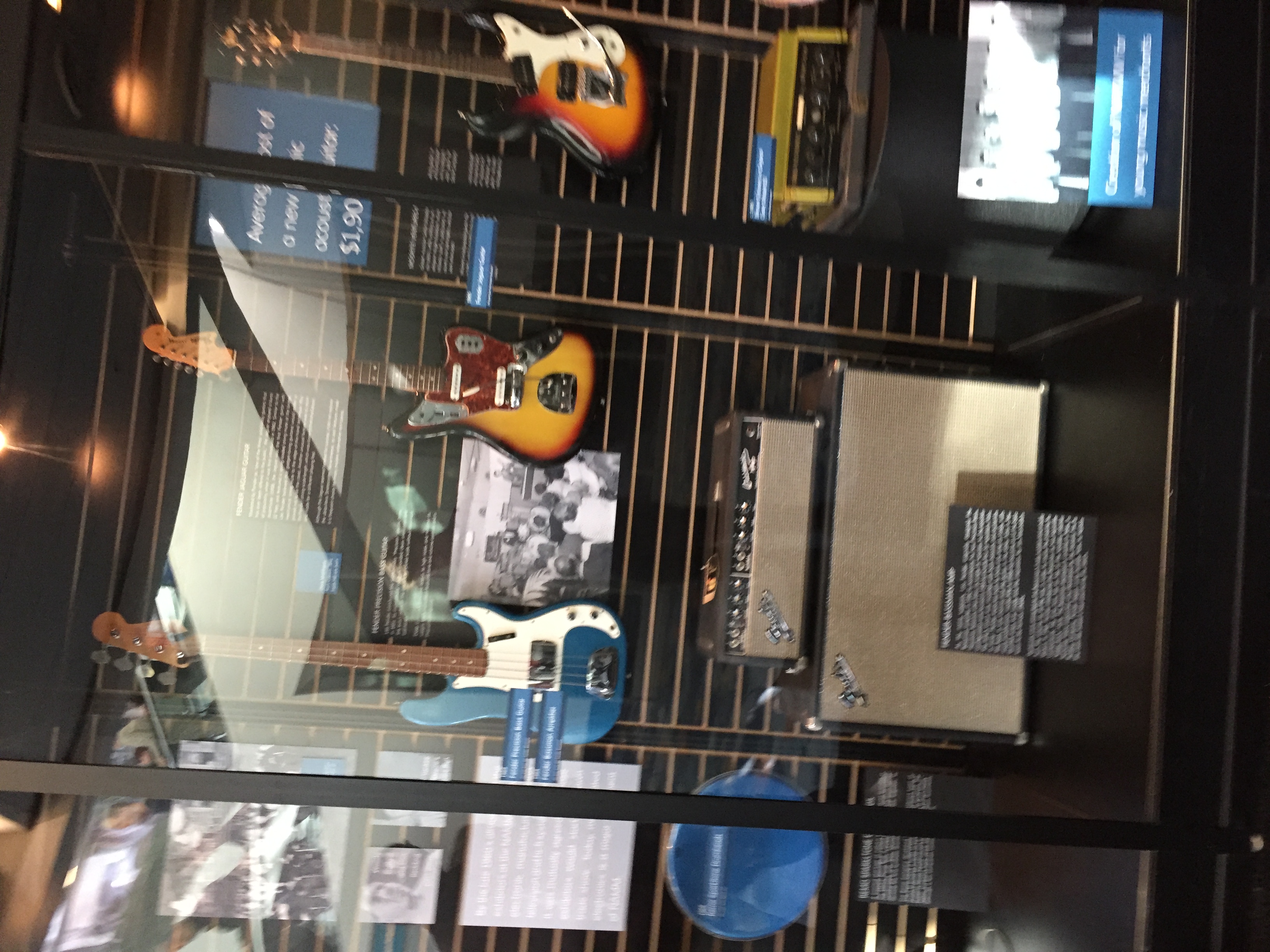
A 1965 Fender Jaguar in sunburst on display at the Museum of Making Music in Carlsbad, California.
Fender launched the Jaguar in 1962 as its most expensive, most complicated guitar. It lost to the Strat, died in 1975, then got rescued by punks, shoegazers and a kid from Aberdeen who bought one out of the classifieds.
In 1962 the Fender Jaguar was the most expensive, most complicated guitar Leo Fender's company made. It had more chrome than a Cadillac grille, more switches than anything else in the catalog, and a shorter neck built to pull Gibson players across the aisle.
It didn't work. The Jaguar caught the tail end of surf music, got buried by the British Invasion, and was quietly discontinued in 1975.
Then something odd happened. The guitar nobody wanted turned into the guitar everybody cool could afford. Punks bought them cheap. Shoegazers loved how weird they sounded. Kurt Cobain found a beat-up left-handed one in the classifieds and put it on Saturday Night Live. Today the Jaguar is one of Fender's core guitars, and it got there almost entirely by accident.
This is the Fender Jaguar history, from the drafting table to the dive bar, plus what you need to know before you buy one.
Fender in 1962: The Company That Had Already Won
To understand why the Jaguar exists, you have to remember where Fender stood at the start of the '60s. The Telecaster (1951) and the Stratocaster (1954) were already everywhere. The Precision Bass had changed how bands sounded. Fender had built its whole reputation on simple, bolt-together instruments that a working player could fix with a screwdriver.
But Fender also wanted a luxury model. In 1958 it launched the Jazzmaster, a big offset-bodied guitar with a floating vibrato and a separate rhythm circuit, aimed at the jazz players who were still loyal to Gibson and the archtop makers. Jazz players mostly ignored it. Surf bands on the West Coast picked it up instead.
The Jaguar was Fender's second swing at a top-of-the-line guitar. According to Fender's own history of the model, it was the fourth and last of the company's original standard guitars, after the Tele, Strat and Jazzmaster, and the only one of the four born in the 1960s.
What Made the Jaguar Different
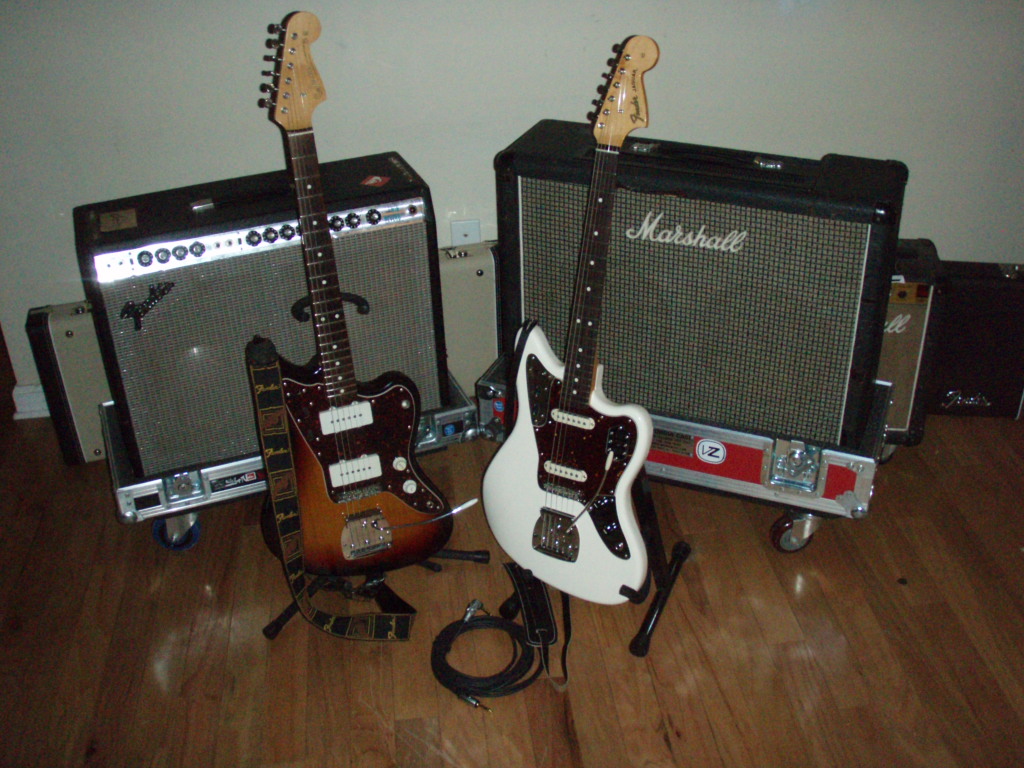
Put a Jaguar next to a Jazzmaster and they look like siblings. Pick them up and they feel like cousins at best. Here's what Fender changed.
The 24-inch scale
This is the big one. Every other Fender guitar of the era ran a 25.5-inch scale. The Jaguar used 24 inches, which is even shorter than Gibson's 24.75. Fender's pitch at the time was that the shorter scale and its 22 frets (one more than the Strat, Tele and Jazzmaster had) made for "faster, more comfortable" playing.
In practice, a shorter scale means less string tension at the same pitch. Bends come easier, chords feel slinkier, and the guitar has a looser, slightly rubbery feel compared to a Strat. That's great for some players and frustrating for others, especially once you get to the bridge. More on that below.
The pickups and their "claws"
The Jazzmaster's pickups are wide, flat and soft-sounding. The Jaguar went the other way, with taller, narrower single coils closer in shape to a Strat pickup. Each one sat in a notched metal cradle that players call the "claws." Fender says those claws reduced hum and focused the magnetic field under the strings, a design it shared only with the Bass VI from 1961.
The result is a bright, glassy, slightly thin sound. It's not a fat tone. It's a tone that cuts, which is exactly what surf players wanted and exactly what made it interesting to noise-rock players two decades later. If you want the deeper backstory on why single coils sound the way they do, our humbuckers vs. single coils explainer covers the basics.
The switches (and the famous strangle switch)
The Jaguar has more controls than any other vintage Fender. There are two separate circuits.
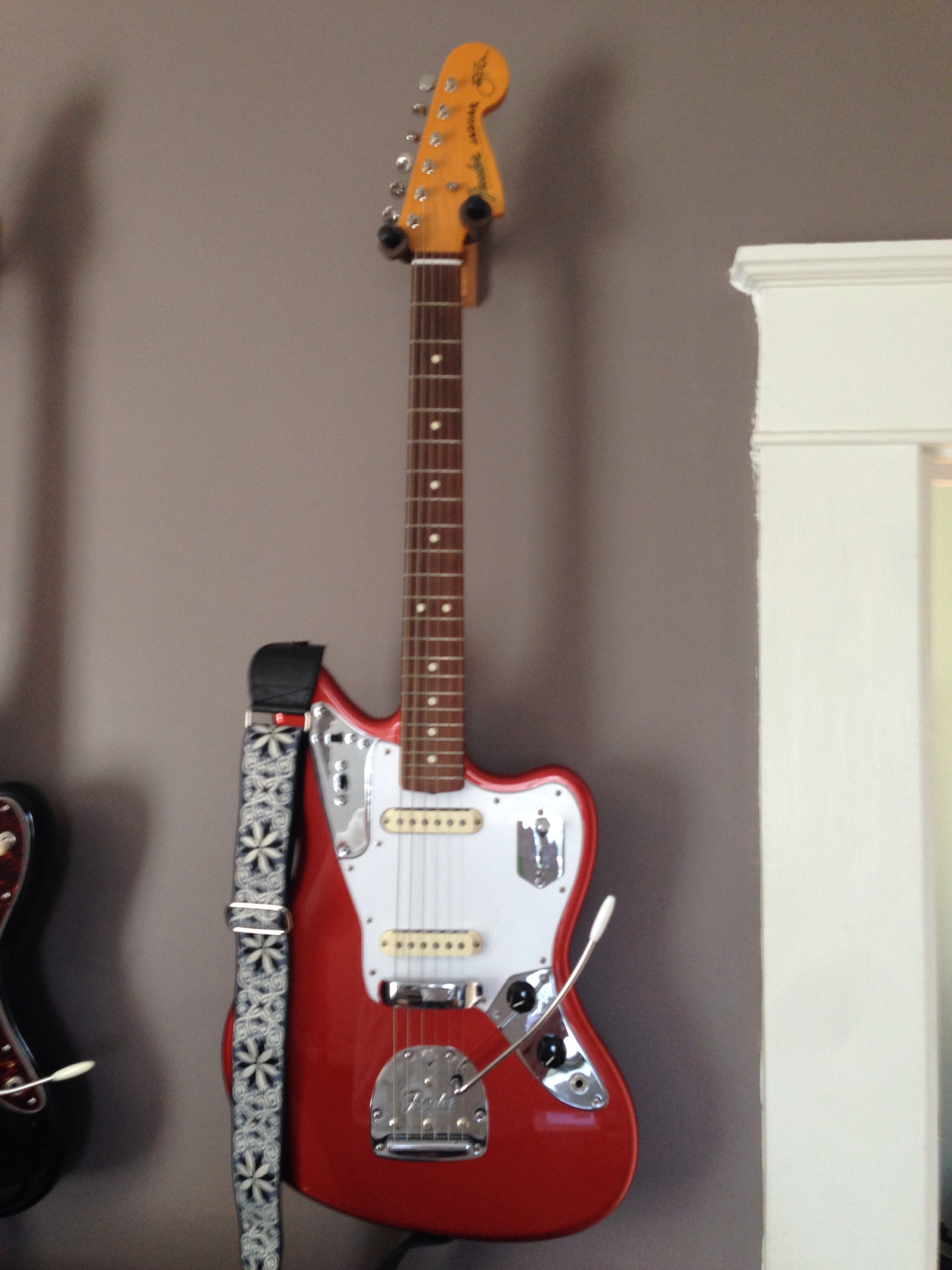
The lead circuit lives on a chrome plate on the lower horn. It has three slide switches: an on/off switch for each pickup, plus a third switch that brings in a capacitor to cut low end. Players nicknamed it the "strangle" switch because that's what it sounds like it does to your tone. Flip it on and the bass drops out, leaving a thin, honky, cutting sound. Volume and tone knobs sit on a separate plate.
The rhythm circuit sits on a plate on the upper horn. One slide switch flips you into a neck-pickup-only preset with its own volume and tone roller wheels. The idea was that a player could set a darker comping sound and a brighter lead sound in advance and jump between them with one switch.
Count it up and you get eight controls: four switches, two knobs and two rollers. Fender's own history says the Jazzmaster had six. On a stage in 1962, that looked like the future.
The vibrato, the lock and the mute
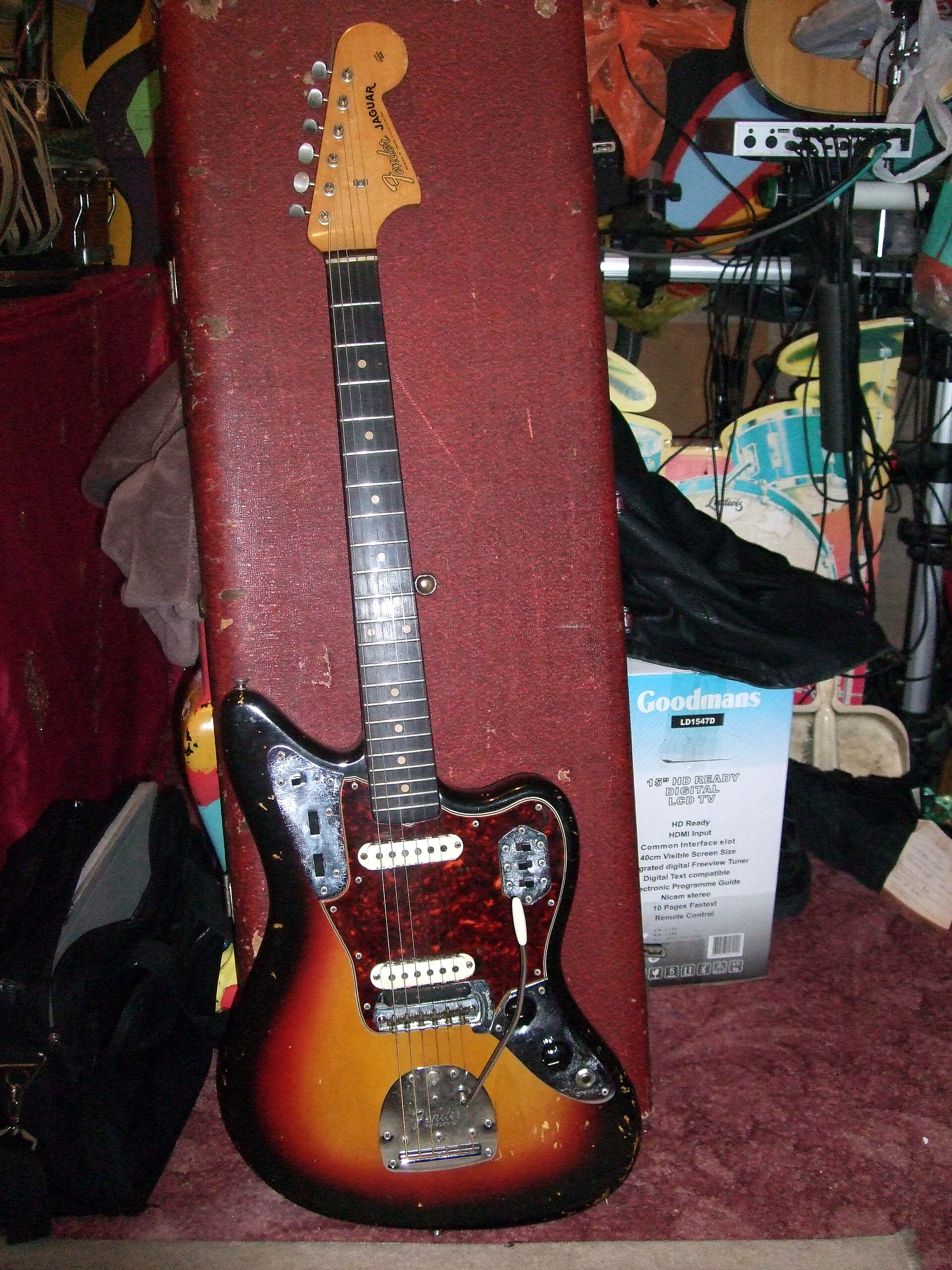
Like the Jazzmaster, the Jaguar used a floating vibrato with a separate bridge, not the Strat's all-in-one unit. It added a tremolo lock, a small button that stops the vibrato plate from moving so a broken string doesn't send the rest of the guitar out of tune.
It also had a built-in, spring-loaded string mute near the bridge. Flip it up and a felt-faced pad presses against the strings for a muted, plucky sound. Fender has said itself that most players ignored it and muted with their palm instead. Plenty of vintage Jaguars have had the mute pulled off entirely.
Small details that collectors care about
A few more Jaguar firsts, per Fender's history of the model:
- It was the first Fender guitar offered with a choice of four neck widths, labeled A through D.
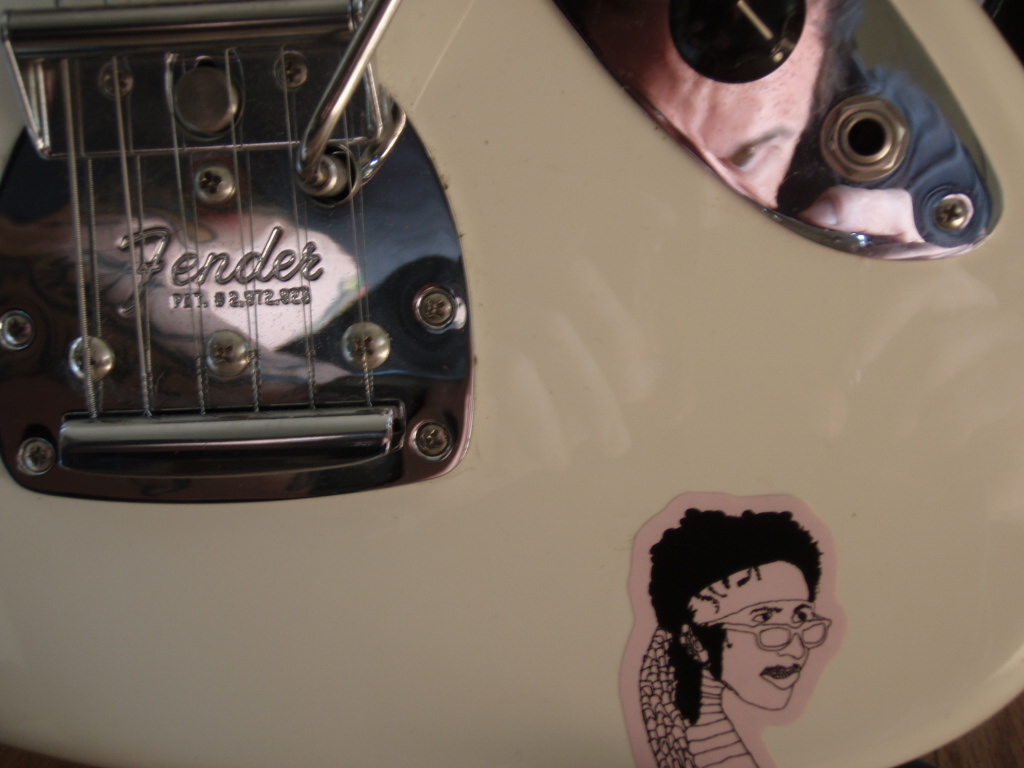
- It was the first Fender guitar to carry the thicker "transition" headstock logo, the bridge between the thin 1950s "spaghetti" logo and the heavy black logo of the late '60s.
- Early 1962 examples had thick "slab" rosewood fretboards. Later changes included a bound neck and pearloid dots in 1965, block inlays in 1966, and a switch from nitrocellulose to polyester finish in 1968, according to MusicRadar's model timeline.
Surf Music's Last Wave
The Jaguar arrived right in the middle of the surf boom. Southern California instrumental bands were drowning Fender guitars in reverb, and Dick Dale had already shown how loud and fast that sound could get. (He did it on a Stratocaster, not a Jaguar. Read our Dick Dale "Misirlou" story for how.)
The Jaguar fit that scene perfectly. It was bright, it looked like a hot rod, and its short neck made fast picking feel easy. Fender's history names Beach Boys guitarist Carl Wilson as an occasional Jaguar player in the mid-'60s, and he can be seen with one in the opening credits of the 1965 Disney film The Monkey's Uncle.
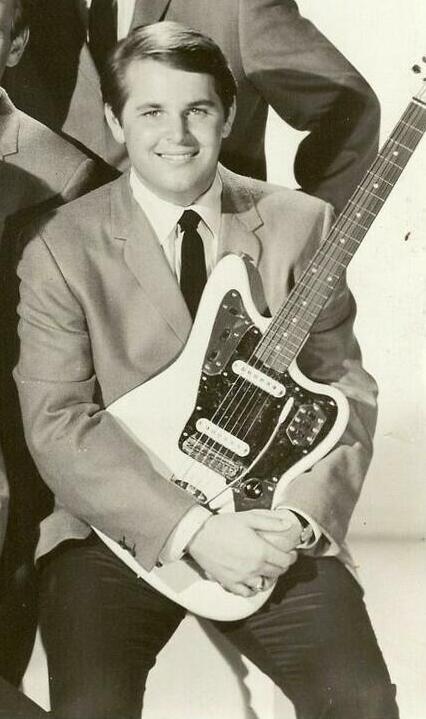
Fender also says Jimi Hendrix was given a 1963 Jaguar by Rolling Stones guitarist Brian Jones. Hendrix is linked to the Strat for good reason, but it's a nice reminder that the Jaguar was passing through serious hands from early on.
The problem was timing. In 1964 the Beatles landed, and surf music fell off the charts almost overnight. Kids wanted to look like George Harrison and Keith Richards, not like the guys on the beach-party movie posters. The Telecaster and Stratocaster kept selling. The Jaguar, priced above both, became the guitar that hung on the wall.
The CBS Years and the Quiet Death of the Jaguar
CBS bought Fender in January 1965. The Jaguar stayed in the line for another decade, picking up the cosmetic changes above, but it never caught on the way Fender hoped. Fender's history says CBS-era Fender discontinued it in 1975 after a 13-year run. Wikipedia pins the date to December of that year.
That should have been the end of the story. Instead, it set up the second act.
Punk, Thrift Stores and the Second Life of the Jaguar
Here's the thing about a failed luxury guitar: once it's out of fashion, it gets cheap.
When punk exploded in 1976 and 1977, plenty of young players couldn't afford a Strat or a Tele. Fender's own account says the dusty, unloved Jaguars and Jazzmasters sitting in shop corners were "practically a steal." Fender's priciest guitar of 1962 had become the one broke kids could actually buy.
And the Jaguar's quirks turned out to be features. The bright pickups cut through distortion without turning to mud. The floating vibrato could make warped, seasick bends. The strangle switch gave you a thin, nasty tone you couldn't easily get anywhere else. The short scale made it easy to thrash.
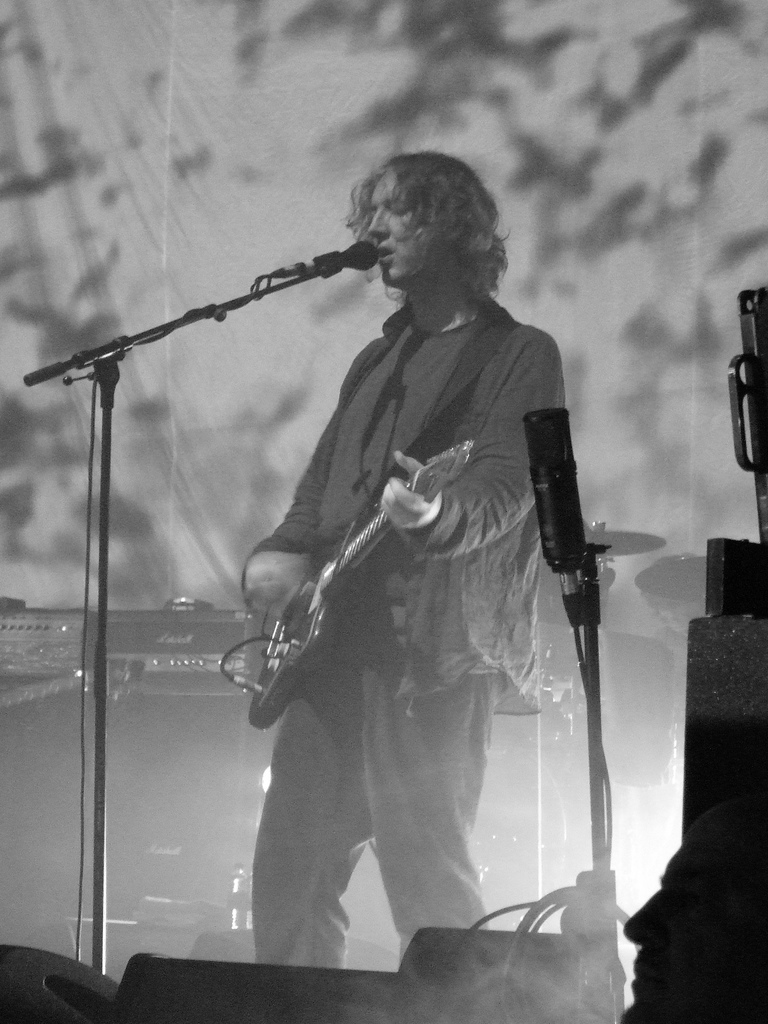
Through the '80s and early '90s, the Jaguar became a fixture in post-punk, indie and shoegaze. Fender's own list of notable Jaguar players reads like a college-radio playlist: Tom Verlaine of Television, Thurston Moore of Sonic Youth, John Squire of the Stone Roses, Kevin Shields and Bilinda Butcher of My Bloody Valentine, Graham Coxon of Blur, Will Sergeant of Echo & the Bunnymen, Mark Gardener of Ride, and John Frusciante of the Red Hot Chili Peppers. (If you want the parallel Jazzmaster story, our Kim Gordon and Sonic Youth offset deep dive picks it up from there.)
Meanwhile, Fender had its own troubles. CBS sold the company to a group led by Bill Schultz in 1985. During the rebuild, Fender Japan kept guitars coming, and it brought the Jaguar back as a reissue in the mid-1980s. MusicRadar dates the Japanese '62 reissue to 1986. For most of the late '80s, if you wanted a new Jaguar, it came from Japan.
Kurt Cobain's 1965 Jaguar
No player did more for the Jaguar's reputation than Kurt Cobain, and the guitar he made famous was barely a Jaguar anymore.
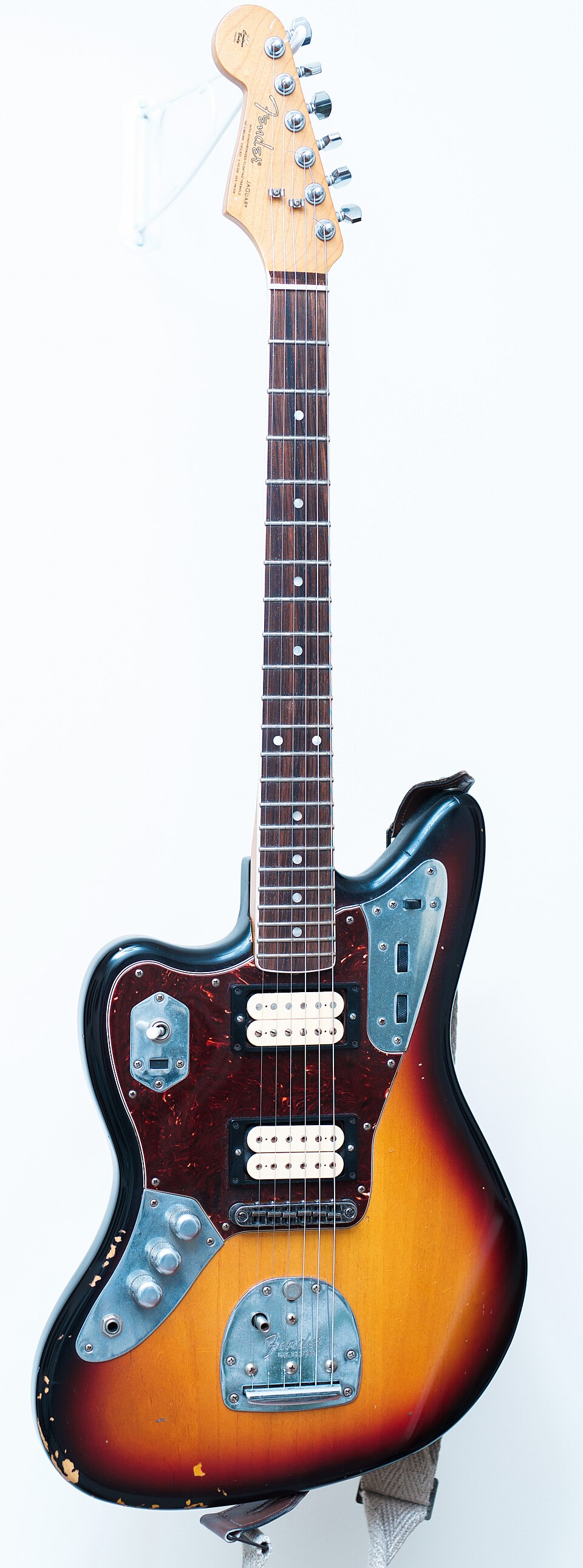
Cobain bought a left-handed 1965 Jaguar in 1991 through an ad in the LA Recycler classifieds, according to his tech Earnie Bailey and to DiMarzio. It had already been heavily modified by a previous owner. The stock single coils were gone, replaced by a DiMarzio Super Distortion humbucker in the bridge and a DiMarzio PAF in the neck. The three lead slide switches had been swapped for a three-way toggle on the same chrome plate, and an extra volume control had been added. It had a black chrome bridge, Gotoh tuners, and an older "spaghetti" Fender logo on the headstock that didn't match its year.
It even came in a tour-grade Anvil flight case. "You're probably talking about a guitar that at the time was worth maybe $300," Bailey told MusicRadar. "So someone had commissioned these really extensive modifications on it and then paid for a flight case for it."
Who owned it before Kurt is still an open question. Fans have pointed to session guitarist Martin Jenner, who played with Cliff Richard and the Everly Brothers, but that has never been confirmed.
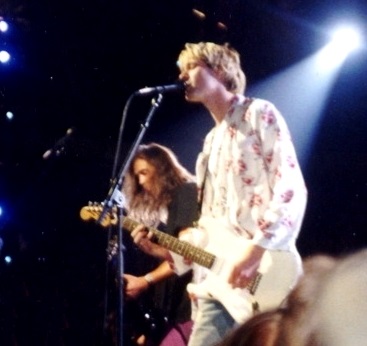
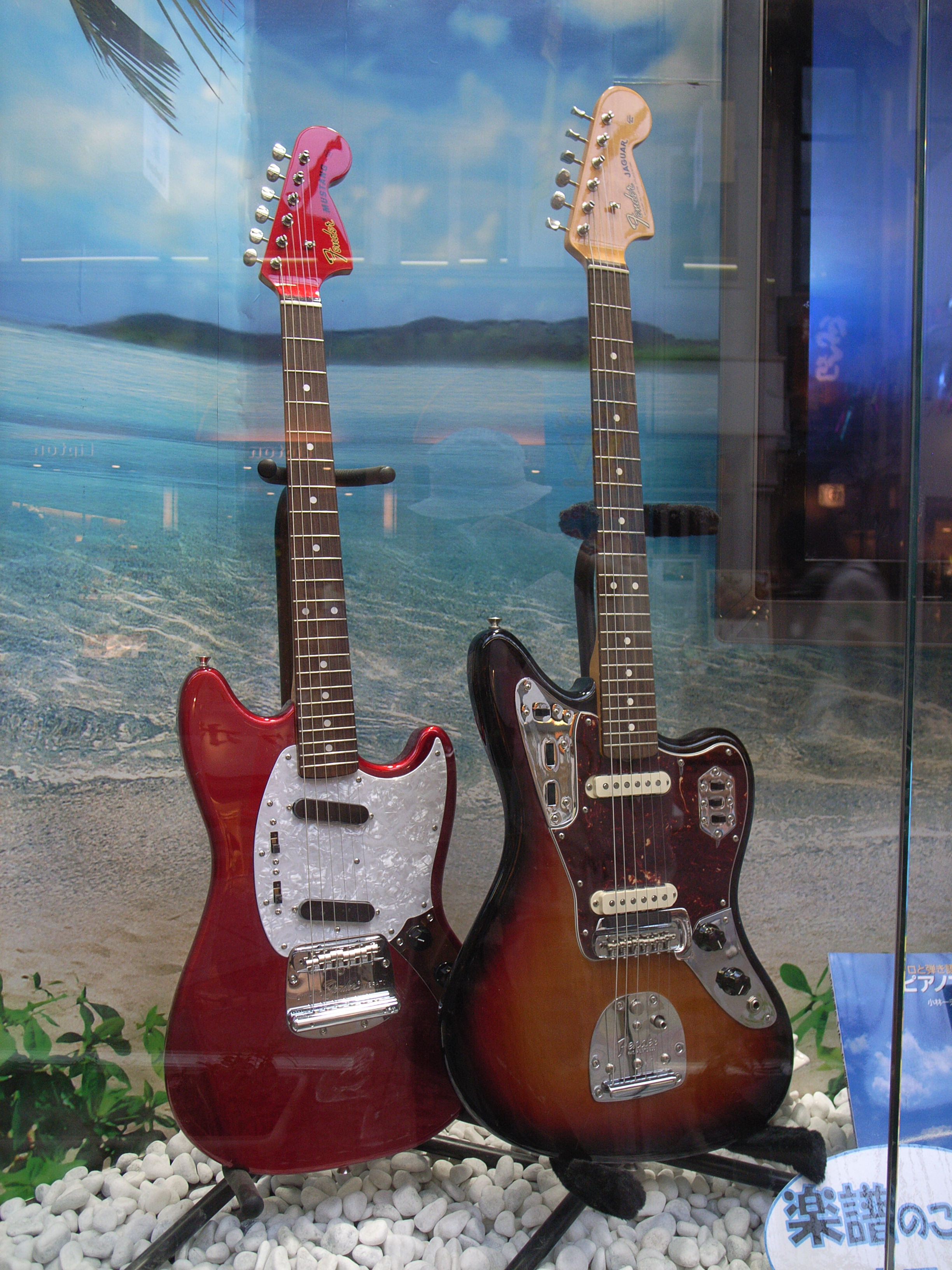
Bailey's account has the Jaguar first appearing live in late summer 1991, right around the release of Nevermind. It became a mainstay of that era, including Nirvana's appearance on Saturday Night Live and their 1992 Reading Festival headline set, according to MusicRadar. By 1993 Cobain had largely moved on to Japanese-made Fender Mustangs.
Cobain also helped design a hybrid of his two favorite short-scale Fenders. The Jag-Stang combined Jaguar and Mustang shapes, and Fender released it in 1995, a year after his death. In 2011, for the 20th anniversary of Nevermind, Fender released the Kurt Cobain Jaguar, a recreation of the '65 with its humbuckers, toggle, three knobs and black chrome hardware.
Fender's Justin Norvell, who drove that project, said the upper rhythm-circuit controls on Kurt's original "were engaged and disengaged over the years," but Fender wired them up on the tribute model "because you might as well. We didn't want people thinking the guitar is broken."
Back in America: The 1999 Reissue and Beyond
Cobain's influence made the Jaguar more popular in the '90s than it had ever been in the '60s, and Fender finally answered. In 1999 it introduced the American Vintage '62 Jaguar, the first U.S.-made Jaguar in nearly 25 years.
After that, the floodgates opened. Fender history lists a string of variations through the 2000s:
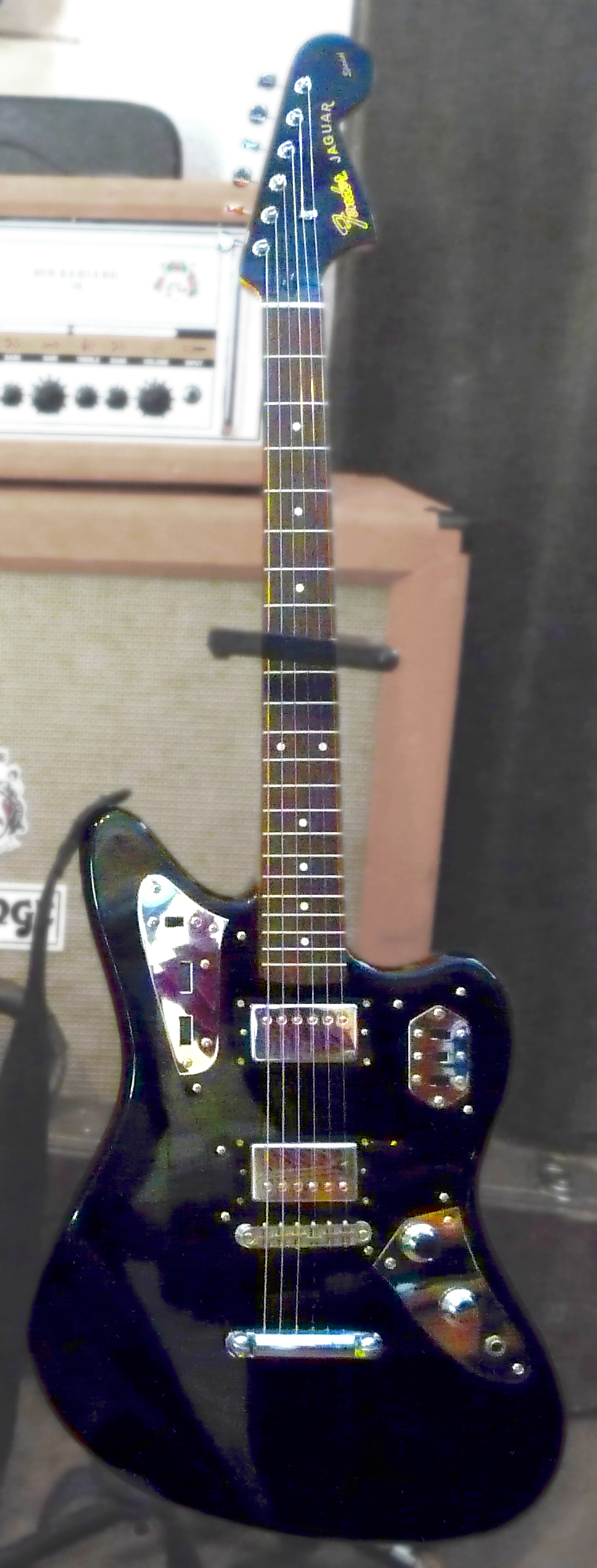
- Squier's Jagmaster, a Jaguar and Jazzmaster mashup first built in Japan in 1997, inspired by Bush singer Gavin Rossdale's humbucker-loaded Jaguar.
- The Jaguar Baritone Custom and the Special Edition Jaguar HH, both mid-2000s Japanese models.
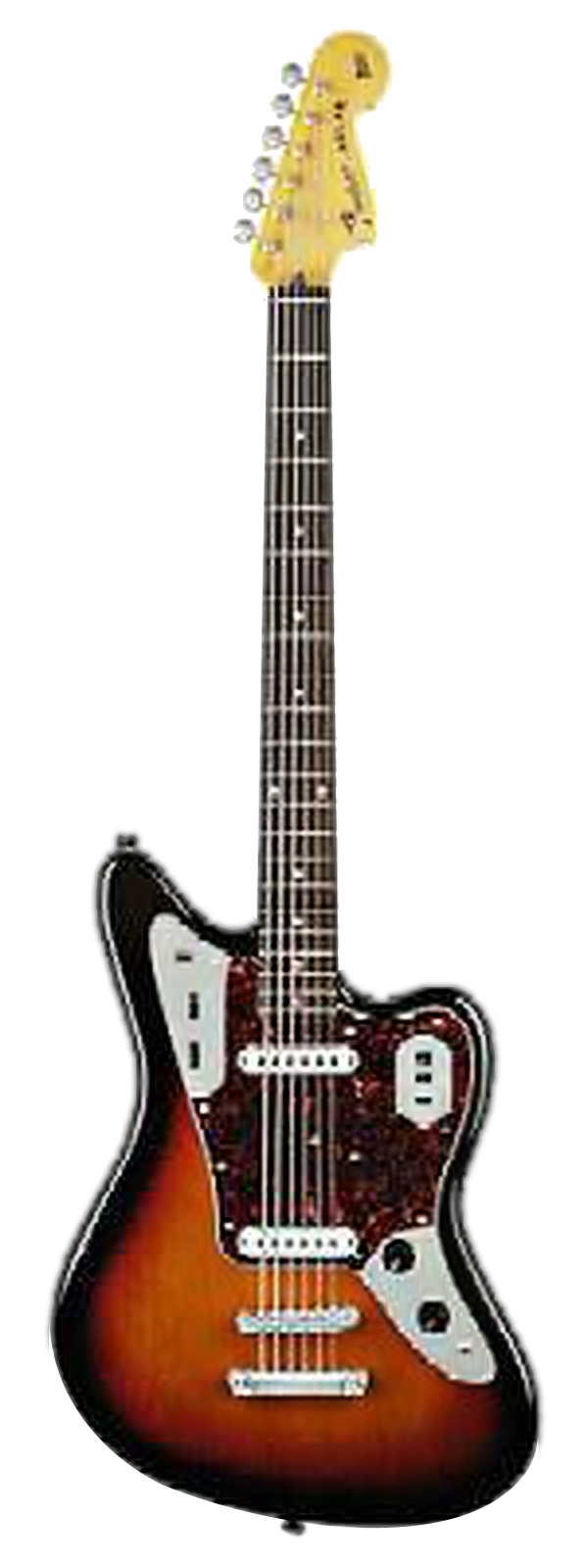
- The Jaguar Bass in 2006, basically a Jazz Bass in Jaguar clothing.
- Mexican-built Classic Player Jaguar Special and Jaguar Special HH models in 2009.
- The Squier Vintage Modified Jaguar HH in 2011.
Johnny Marr Fixes the Jaguar
If Cobain made the Jaguar famous with the guts ripped out, Johnny Marr made it famous by fixing it.
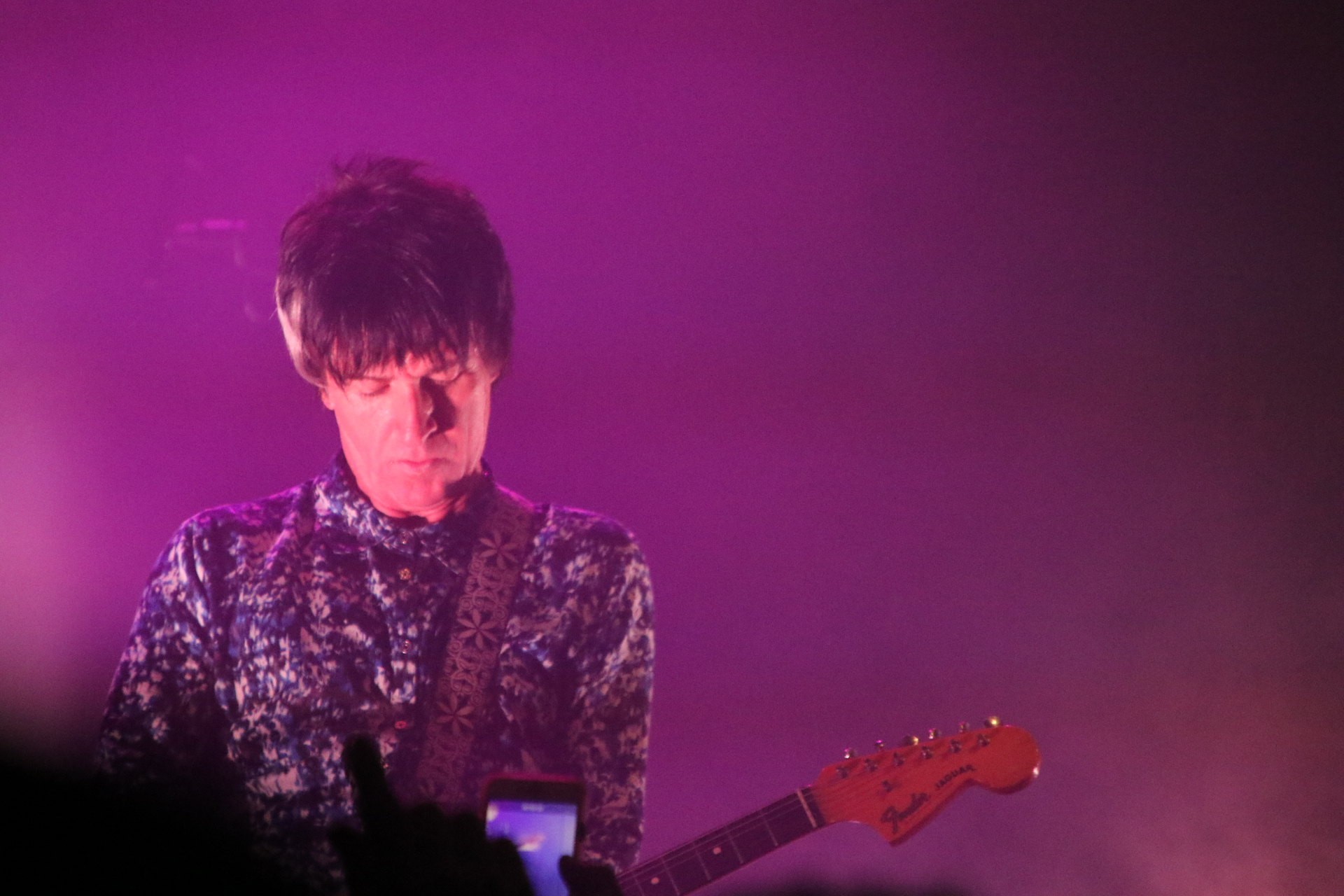
Marr, the former Smiths guitarist, spent years playing Jaguars with the Cribs and Modest Mouse and on his solo records. According to Fender, his signature model debuted in January 2012, during the Jaguar's 50th anniversary year. Paul Reno, who has documented the model closely, says Marr spent around three years testing prototypes on a few hundred shows with his tech Bill Puplett.
The changes go right at the Jaguar's weak spots:
- One four-way blade switch replaces the three lead slide switches. The positions are bridge, both pickups in parallel, neck, and both pickups in series. The series setting is darker and thicker, closer to a humbucker.
- Two recessed slide switches on the upper horn replace the rhythm circuit. One is a bright switch that works in every position; the other only works in the series position. Recessing them means you can't knock them by accident mid-song.
- Mustang-style saddles on the Jaguar bridge, with nylon inserts in the bridge posts for stability.
- Custom-wound Bare Knuckle single coils, a neck based on his 1965 Jaguar, and a taller vibrato arm with a nylon sleeve so it doesn't swing around.
Guitar World's review said every one of the tones was usable, and called the parallel setting's sound reminiscent of the out-of-phase midrange honk of a Gretsch. Marr's model shows what the Jaguar could have been in 1962 if somebody had asked a working guitarist first.
Living With a Jaguar: The Bridge Problem and How to Fix It
Every honest Jaguar article has to talk about the bridge.
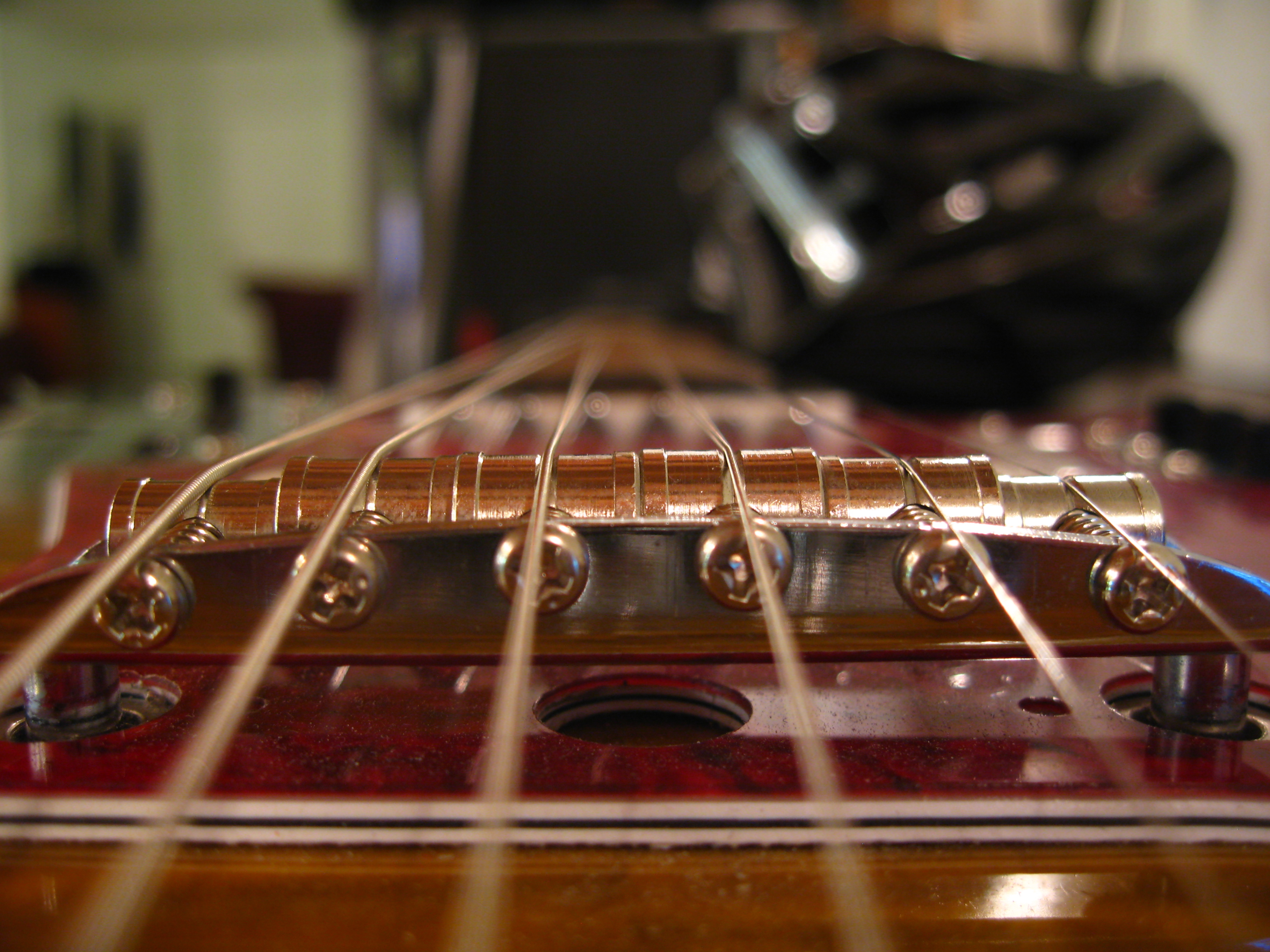
The original Jaguar bridge (shared with the Jazzmaster) rocks back and forth with the vibrato, and its saddles have shallow grooves. Combine that with the short 24-inch scale, the long run of string behind the bridge and the shallow angle the strings cross it at, and you get very little downward pressure on the saddles. With the light strings most people use today, strings can buzz against the saddles or even pop out of their grooves when you dig in.
Leo Fender didn't design it for 9s. Players in the early '60s commonly used heavier, often flatwound strings, which put a lot more tension on that bridge. Here are the fixes players use most, roughly cheapest first:
- Go up a string gauge. Many offset owners and repair shops suggest 11s or even 12s on a Jaguar. The short scale makes heavier strings feel looser than they would on a Strat, so it's less of a sacrifice than it sounds.
- Get a proper setup. Raising the bridge increases the break angle, and shimming the neck brings the action back down. It's a common job for a tech who knows offsets.
- Try Mustang saddles. Fender itself now fits Mustang-style saddles on the Player II Jaguar and the Johnny Marr model. The deeper single groove holds the string better. The catch is that their fixed curve suits the vintage 7.25-inch fretboard radius best.
- Swap the bridge. Aftermarket options like the Mastery bridge use deeper saddle grooves and a different design meant to stop strings from popping out. It's the most expensive fix but the most common "end of the problem" upgrade among offset players.
Also, learn the switches before you play a gig. More than one Jaguar owner has hit the strangle switch with a picking hand and wondered why the guitar suddenly sounded like a transistor radio.
Fender Jaguar vs. Jazzmaster: Which Offset Is for You?
They look alike, but they aren't interchangeable.
| Fender Jaguar | Fender Jazzmaster | |||
|---|---|---|---|---|
| Introduced | 1962 | 1958 | ||
| Scale length | 24 in. | 25.5 in. | ||
| Frets (vintage) | 22 | 21 | ||
| Pickups | Narrow single coils in metal "claws" | Wide, flat single coils | ||
| Tone | Bright, glassy, cutting | Warmer, rounder, softer | ||
| Lead switching (vintage) | Three slide switches incl. strangle | One three-way toggle | ||
| Feel | Short, slinky, easy bends | Long, stiffer, more Strat-like tension |
The short version: the Jaguar is brighter and spankier and feels smaller in the hands. The Jazzmaster is warmer and bigger. Players with smaller hands, or anyone who likes a Gibson-style scale but wants Fender sparkle, often gravitate to the Jaguar.
Which Fender Jaguar Should You Buy Today?
Fender's current Jaguar lineup covers a wide range. List prices below are what Fender.com showed on November 12, 2026. Street prices change, so check before you buy.
- Squier Classic Vibe '70s Jaguar ($549.99 list). The entry point. Poplar body, 24-inch scale, 9.5-inch radius, bound neck with block inlays, and barrel-style saddles. Squier calls out the short scale and slim C neck as good news for smaller hands.
- Fender Player II Jaguar ($879.99 list). The modern take. Alder body, Modern C neck, 9.5-inch radius, Alnico V bridge and Alnico II neck single coils, a simple three-way blade switch, and Mustang saddles on the bridge. No strangle switch, no rhythm circuit. This is the Jaguar for people who want the look and feel without the cockpit.
- Fender Vintera III Mid '60s Jaguar ($1,349.99 list). The period-correct one, launched in April 2026. Alder body, 7.25-inch radius rosewood fingerboard, vintage-tall frets, the full lead and rhythm circuits, the vibrato lock, and the vintage-style mute.
- Fender American Professional Classic Jaguar ($1,599.99 list). The U.S.-made option, with Coastline '65 Jaguar pickups, a Modern C neck and a 9.5-inch radius.
- Fender Johnny Marr Jaguar. Still in Fender's catalog as an artist model, with the four-way switch and fixes described above. Check current pricing before buying.
Our take: if you want the authentic, every-switch Jaguar experience, the Vintera III is the one built for it. If you want a gig guitar that happens to look like a Jaguar, the Player II's simpler wiring and Mustang saddles remove most of the classic headaches. The Classic Vibe is the cheapest way to find out whether the 24-inch scale is for you.
The Takeaway
The Fender Jaguar history is the story of a guitar that failed at the job it was designed for and succeeded at one nobody planned. Fender built it to win over Gibson players and sell a premium surf machine. Instead it became the sound of college radio, shoegaze and grunge, carried by players who liked it because it was cheap, strange and a little hard to tame.
If you've never played one, go find one with a good setup and heavier strings. Leave the strangle switch off for the first five minutes. Then flip it on and see if you hear what Kevin Shields, Johnny Marr and Kurt Cobain heard.
Got a Jaguar story, a favorite mod, or a strong opinion on Jaguar vs. Jazzmaster? Bring it to Guitar Talk and tell us how you set yours up.
Plugged Gear Co. may earn a commission from qualifying purchases.
Reader-supported
Keep Guitar Alive
Enjoyed this story? The Guitar Plugged is free to read and reader-supported. If it helped you play, listen or buy a little smarter, chip in to keep guitar journalism like this coming.
One-time contribution, processed securely by Stripe. Contributions are not tax-deductible.
Experience-driven coverage, not algorithm bait.
- 20+ years of guitar playing experience
- Real-world retail experience at Guitar Center
- Thousands of hours testing guitars, amps, and pedals
- A community of 50,000+ guitar enthusiasts across platforms
- Partnerships with Fender, DistroKid, TrueFire, Card Chords, and Enya
- Editorial standards published openly — see how we test gear
The Modern Guitar Magazine. Delivered to your inbox.
No spam. No gimmicks. Just great guitar content — stories, tones, iconic solos, and honest gear takes. Every week.
Ask GP
20 free questions a dayStill curious? Ask GP about this story.
Your personal classic-rock and guitar guide — ask anything about The Fender Jaguar History.
Discussion (0)
Sign in to join the discussion.
Sign in to commentLoading comments…
Discover another guitar story
Swipe through our latest features, breaking news and iconic solos — one story at a time.
Open Swipe →More Guitar News
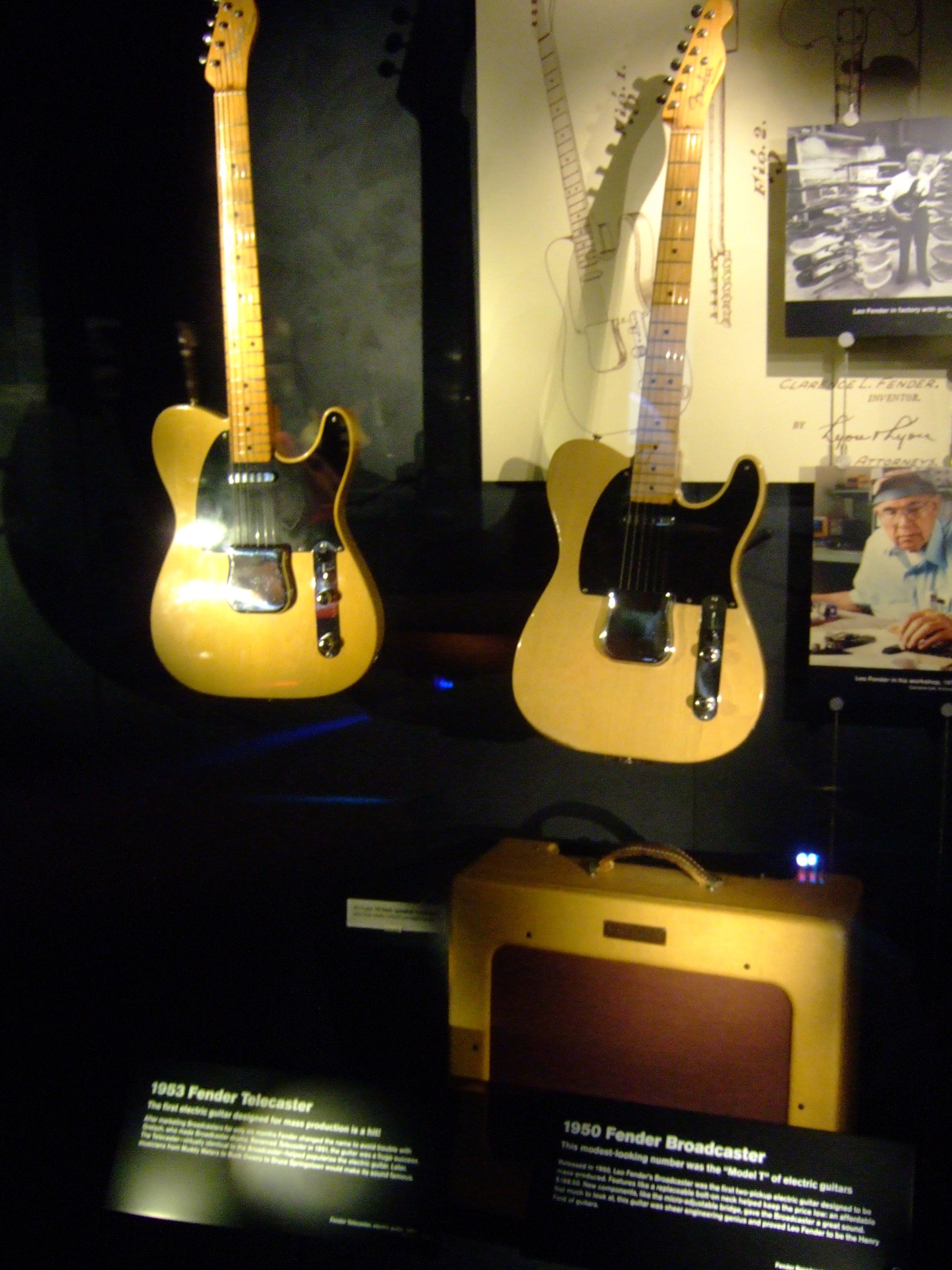
The Fender Telecaster History: How a Radio Repairman's "Plank" Became the Guitar That Does Everything
The Fender Telecaster history, from Leo Fender's 1950 Esquire and Broadcaster to the Nocaster, Keith's Micawber, Springsteen's Esquire and what to buy now.
Kim Gordon's Jazzmaster: Sonic Youth's Offset Sound, and Why Her Signature Drops the Rhythm Circuit
Fender's Limited Edition Kim Gordon Jazzmaster costs $1,099.99. It pairs a Seymour Duncan JB with a Jazzmaster neck pickup and drops the rhythm circuit. Here's how Sonic Youth made the offset a noise-rock icon, and what Gordon's version changes.
History of the Riff: Dick Dale's "Misirlou" — How Surf Guitar Turned a Middle Eastern Melody into a Rocket
No power chords. No punctured speaker. Just double-picked fire, spring reverb splash, and an Eastern Mediterranean folk tune rebuilt as the sound of Southern California surf — then resurrected by Pulp Fiction.
Humbuckers vs. Single-Coils: Which Pickup Is Right for You?
Humbuckers roar, single-coils sparkle. Here’s how pickups actually work, what they sound like, and the easy way to choose the right set for your guitar, genre, and budget.