History of the Riff: The Kinks' "You Really Got Me" — How Two Power Chords and a Sliced Speaker Invented Hard-Rock Guitar
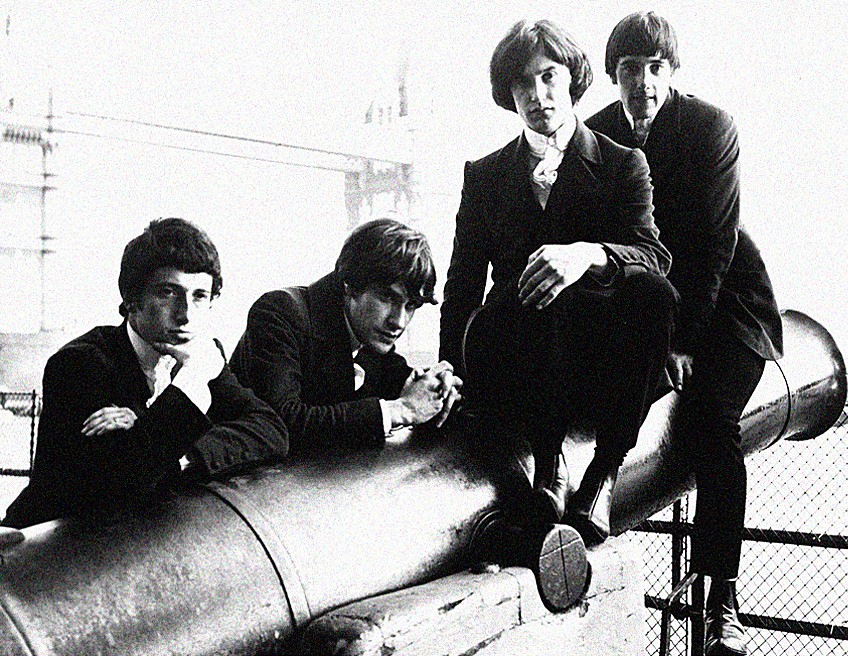
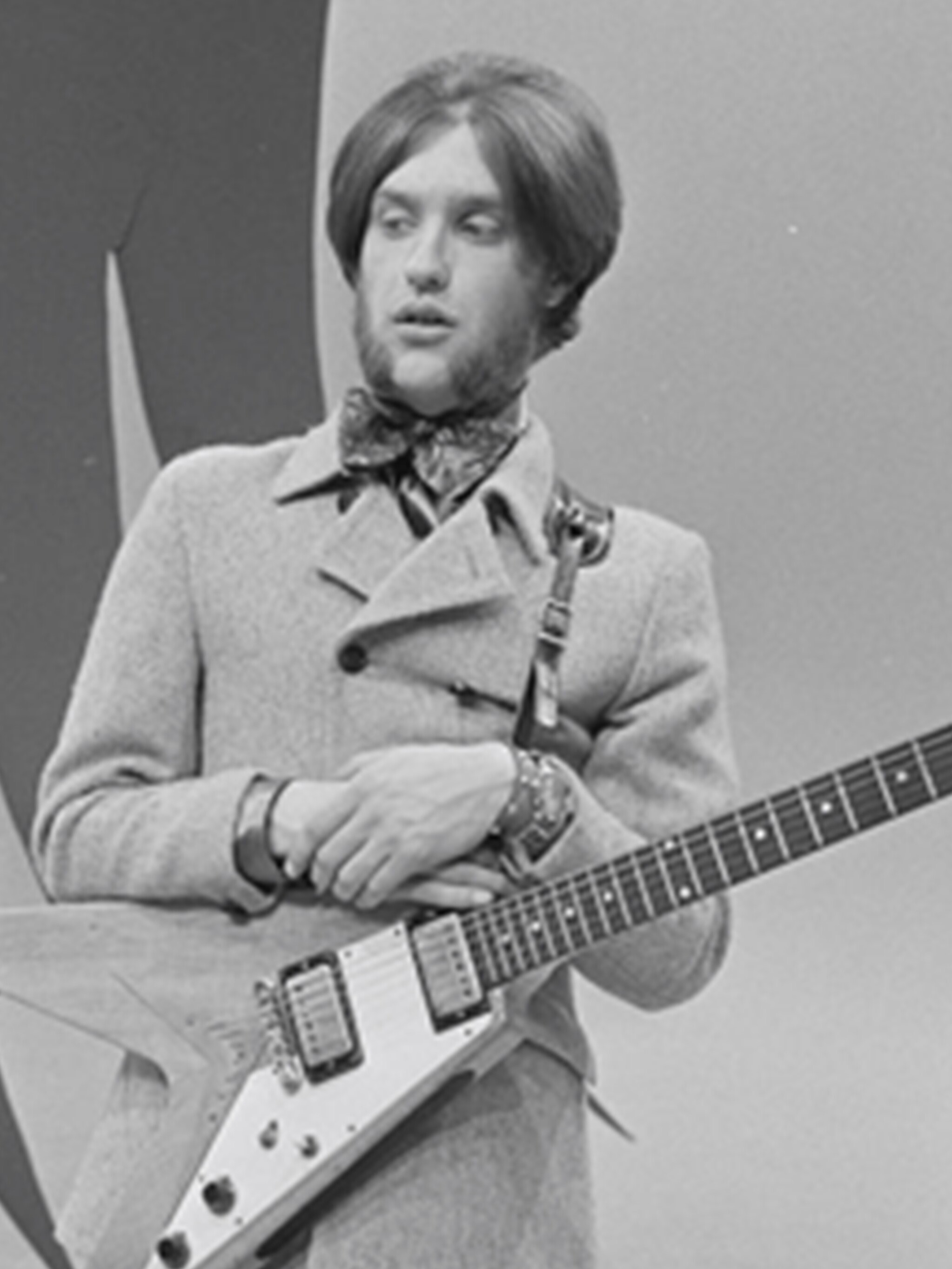
Photo: Photographer anonymous. License: Public domain (PD-US-no notice).
After Rumble taught the guitar to threaten and Misirlou taught it to sprint, Dave Davies' 1964 two-chord smash taught it to punch the charts — with a razor-cut Elpico, a Vox slave, and zero apology.
If Link Wray's "Rumble" taught the electric guitar how to threaten, and Dick Dale's "Misirlou" taught it how to sprint, The Kinks' "You Really Got Me" taught it how to win a chart fight with attitude alone.
Two chords. Stop-start phrasing. Distortion that was not a studio accident — it was a teenage guitarist taking a razor blade to a cheap green amp because clean tone had stopped being interesting. Released in August 1964 as the band's third single, the record hit No. 1 in the UK, cracked the U.S. Top 10, and handed hard rock a blueprint that still shows up every time someone builds a song around a power-chord punch instead of a polite melody.
This is a researched History of the Riff deep dive — not a hands-on gear review — into how Ray Davies' front-room piano figure, Dave Davies' sliced Elpico, Shel Talmy's "impolite" American production habits, and one of the most stubborn re-recording fights in British Invasion history created a language guitarists still speak in five-note power shapes and amp abuse.
Photo: Photographer anonymous. License: Public domain (PD-US-no notice).
Why "You Really Got Me" Still Matters to Guitar Players
"Rumble" made distorted block chords feel dangerous. "Misirlou" made single-note velocity feel like a wave. "You Really Got Me" did something neither of those instrumentals managed: it sold power-chord aggression as a pop smash.
That distinction matters if you play guitar for rooms with people in them.
The riff is not clever in a conservatory sense. It is clever in a band sense. Root-fifth power shapes a whole step apart — the familiar I–♭VII rock move most players hear as G5 to F5 in the classic key — hit with stop-start punctuation, then slammed again. No blues turnaround gymnastics. No surf picking marathon. Just commitment, muting, and a tone that refuses to be polite.
Musicologist Robert Walser later called it "the first hit song built around power chords." You can argue genealogies all afternoon — Wray was first in spirit, plenty of R&B used fifths — but for working players the practical truth is simpler: after August 1964, a distorted two-chord guitar figure was allowed to be the song, not the garnish.
Dave Davies has pushed back on the "heavy metal" label over the years, preferring something closer to "first heavy guitar riff rock record." Fair. Labels chase the sound after the fact. The lesson for players does not need a genre tag: speaker abuse as tone design, economy as arrangement, and aggression as a commercial strategy all showed up here before Marshall stacks, before Sabbath, before punk had a name.
Muswell Hill: Ray, Dave, and the Band That Almost Got Dropped
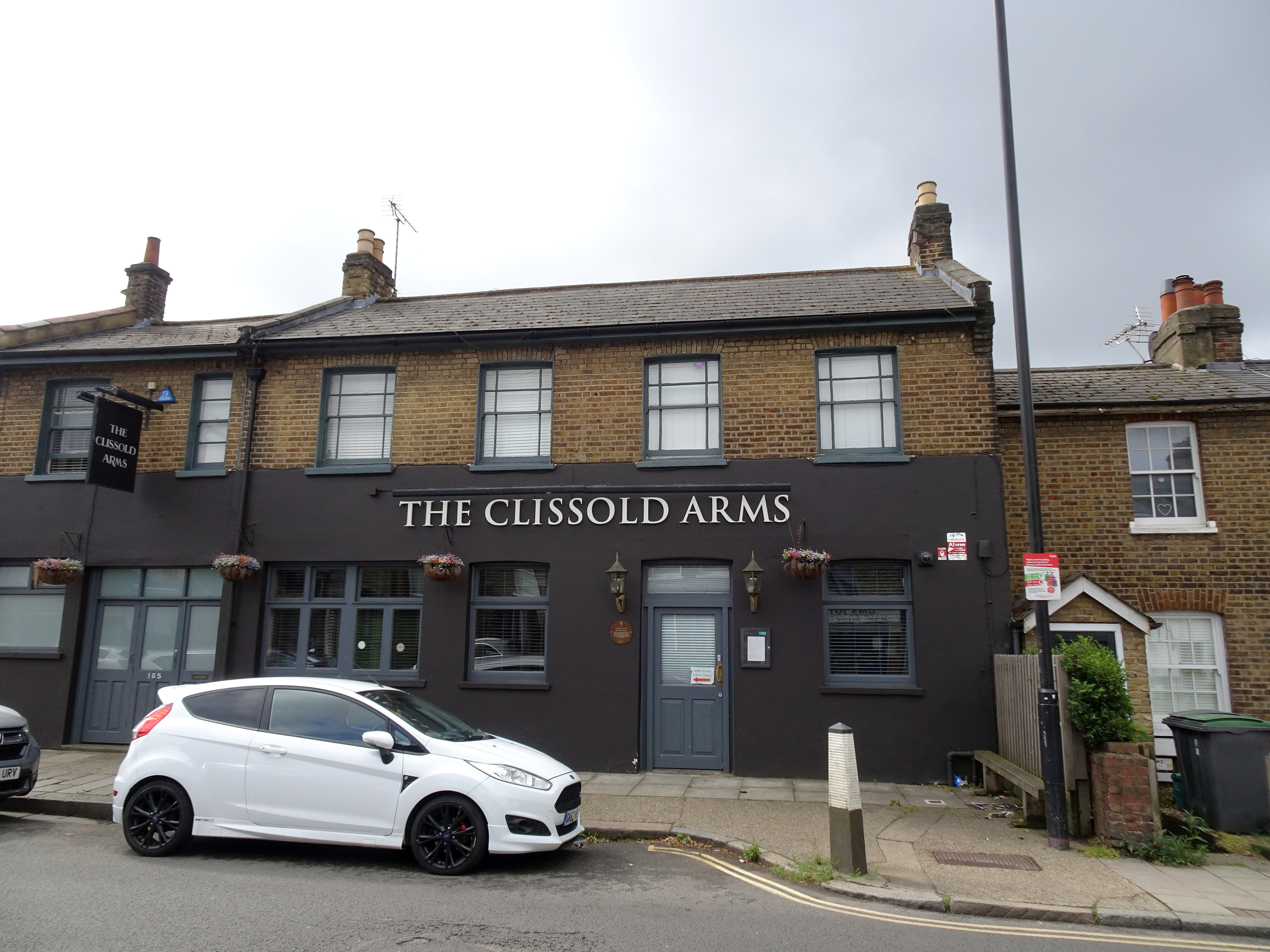
Ray Davies was born June 21, 1944; Dave Davies on February 3, 1947. They grew up in North London — the Fortis Green / Muswell Hill world that later became Kinks mythology — with the family home on Denmark Terrace and early public gigs tied to the Clissold Arms area. The brothers' musical path wound through school bands and name changes: Ray Davies Quartet, Ramrods, then the Ravens by late 1963, with schoolmate Pete Quaife on bass.
American producer Shel Talmy heard a Ravens demo after running into co-manager Robert Wace at Mills Music on Denmark Street. Talmy liked what he heard, took the tape to Pye, and got them signed. By early 1964 the band had a new name — the Kinks — pushed by co-manager Larry Page as a nod to the "kinky" fashion look of the moment. Drummer Mickey Willett was out; Mick Avory would become the long-term drummer, though session players still mattered in the studio.
Pye wanted Beatle-type product. The first single was a cover of Little Richard's "Long Tall Sally." It flopped. The follow-up, "You Still Want Me," also failed to chart. The label was ready to lose interest. Ray answered with a song that was not Merseybeat cosplay.
How a Piano Figure Became a Guitar Weapon
Ray wrote "You Really Got Me" in March 1964 — accounts place the writing window around March 9–12 — on the upright piano in the family front room. The first version was not a metal manifesto. Ray has described wanting a jazz-type tune, originally built around a sax line. Dave has mentioned Ray messing around in a Gerry Mulligan / "Jazz on a Summer's Day" vein and landing on a figure based on a 12-bar blues feel. In a 2013 Guardian interview, Dave also linked the brothers' shared affection for Jimmy Giuffre's "The Train and the River" to the ba-ba ba-ba rhythmic germ.
Ray has also framed the song as a tribute to blues people he loved — Lead Belly, Big Bill Broonzy — filtered through "certain musical shifts" that came from being a white kid from North London. Manager Larry Page's version of events adds another thread: the characteristic riff taking shape while working out the chords to the Kingsmen's "Louie Louie." Ray's lyric inspiration stories include spotting an attractive dancer during a college-era gig and never finding her again — "she really got me going" — and the broader idea of a love song for street kids who skip the wine-and-dine routine.
Multiple origin stories can be true at once. What matters for guitarists is the handoff: Ray had a piano figure. Dave heard it as a guitar riff. Ray later said Dave "ended up playing the sax line in fuzz guitar and it took the song a step further." That step — from jazz-leaning piano sketch to distorted power-chord engine — is the entire History of the Riff point.
They road-tested it. Crowds reacted. A demo went down at Regent Sound in March. Then came the fight to get the right studio version on tape.
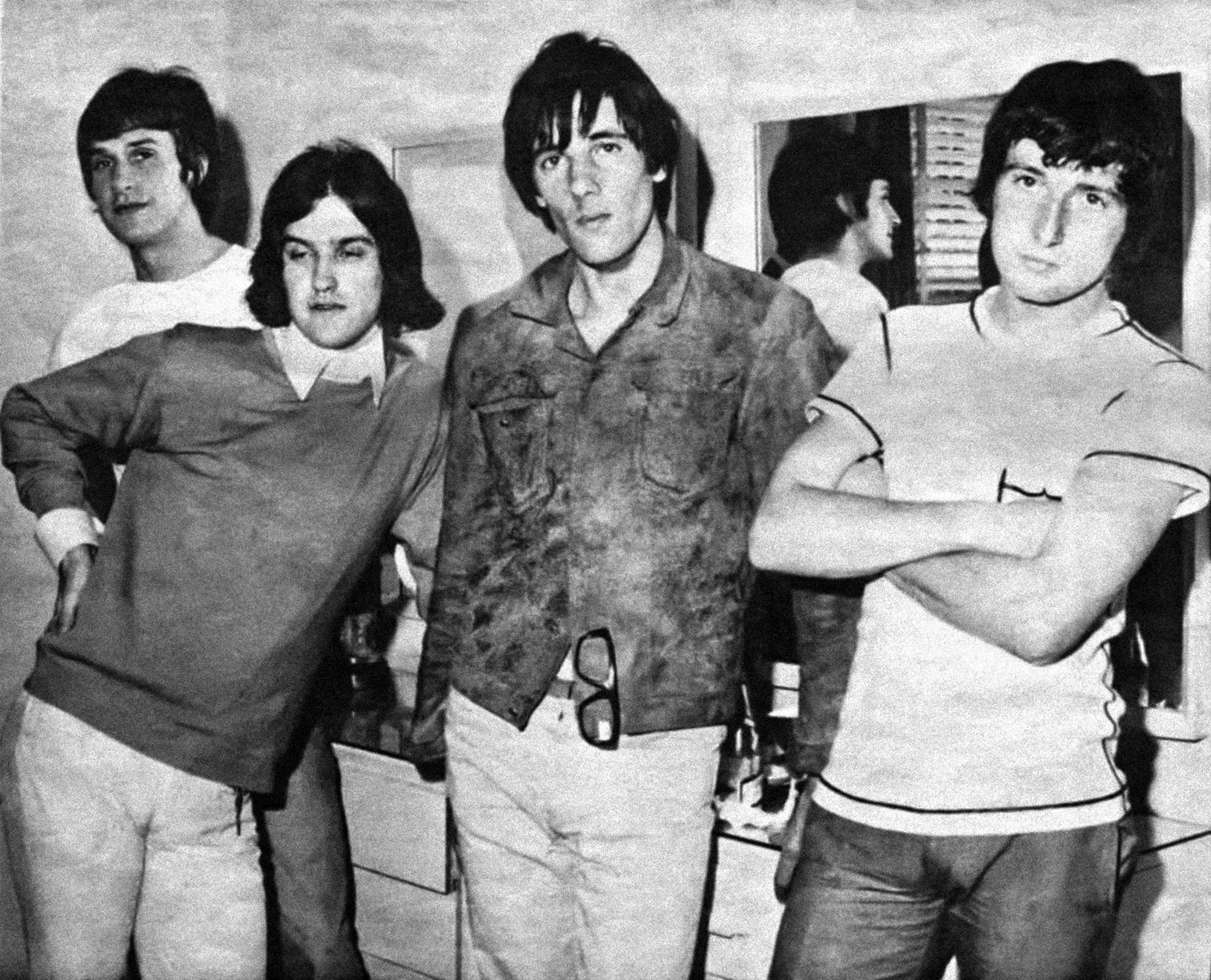
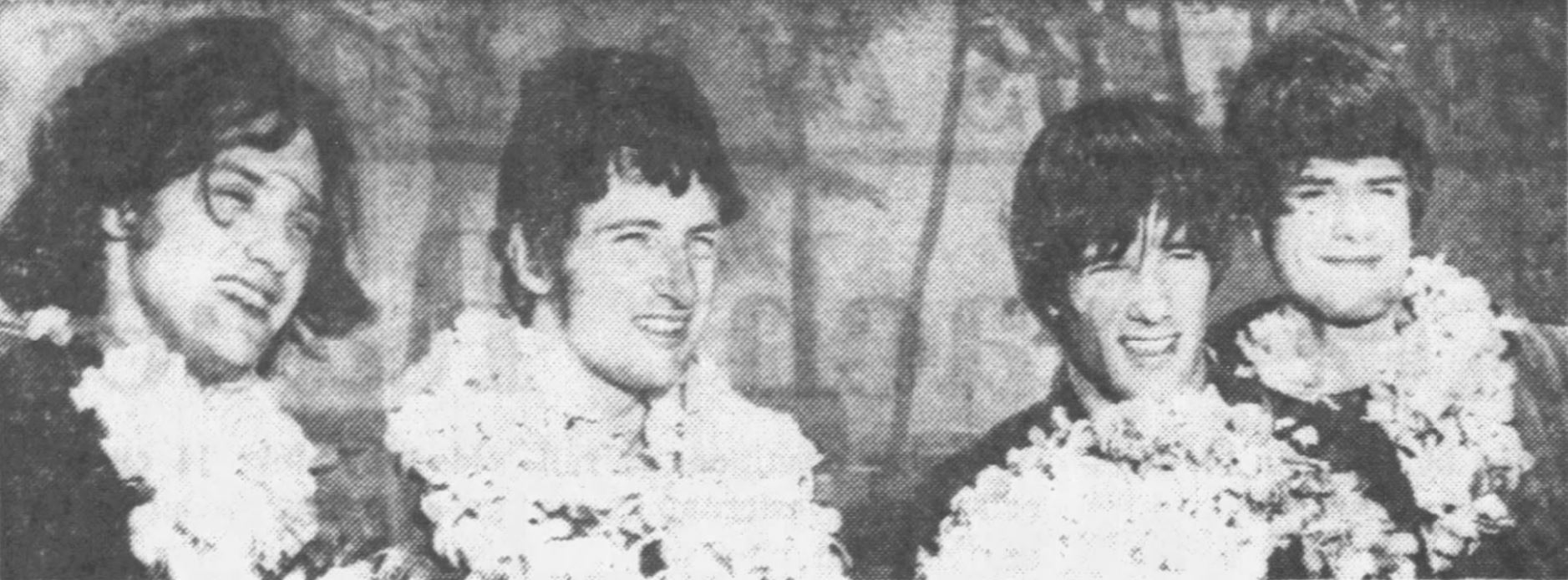
Credit: KRLA Beat / Beat Publications. License: Public domain (PD-US-no notice).
Anatomy of the Riff: What Two Chords Are Actually Doing
Strip the mythology and listen like a player.
Harmony. The famous figure lives on power chords a whole step apart — I to ♭VII in rock shorthand. Most guitarists map the classic recording around G5 and F5: root-fifth shapes with no third, so the harmony stays muscular and slightly ambiguous until the vocal melody locks the major-ish mood. Later verses climb — the arrangement ratchets tension by moving the same gesture up, not by adding fancy changes. That is the opposite of blues-box wandering. The riff is the form.
Feel. The magic is not the chord names. It is the punctuation. Hit. Cut. Hit again. Space is part of the aggression. If you rush the rests or soften the attacks into a continuous jangle, you get a different song. The classic record breathes in punches.
Tone as arrangement. Distortion here is not a solo color parked at the end. It is the bed the vocal rides on. That is why Walser and later hard-rock writers treat the track as a blueprint: the guitar's grind is structural.
Solo attitude. Dave's break is short, jagged, and deliberately un-pretty by 1964 pop standards — more statement than recital. Ray has told the Storyteller-era anecdote about shouting encouragement across the room, spoiling Dave's concentration for a second, and a shouted "fuck off" living under the drum fill before the solo (Ray claiming he tried to cover it with an "oh no" on the vocal). Treat the exact audibility as contested folklore if you like; treat the spirit as accurate. The solo is sibling energy, not session polish.
What not to do when learning it. Do not scrape copyrighted tab from a paywall and call it research. Learn the contour by ear from the Kinks' record. Start with clean timing and muted stops before you chase gain. If your version sounds busy, you are missing the point. Two chords crush when they are decisive.
The Gear Myth and Reality: Elpico, Razor, Vox
This is the story every guitarist has heard — and it is one of the cases where the myth and the documentation mostly agree, even when the details wobble.
Dave Davies bought a small green Elpico AC55 — a cheap British general-purpose amp sold in radio/department-store territory, not a boutique boutique stack — from a neighborhood radio-spares shop because he was bored with his guitar sound. In a fit of frustration (and, in Dave's Guardian telling, while full of teenage rage after a relationship was broken up by parents), he took a razor blade to the speaker cone. Later retellings also mention knitting needles poked into the cone so the fabric rattled as it moved. He hit a chord. The rasp was wrong in the right way. He felt like an inventor.
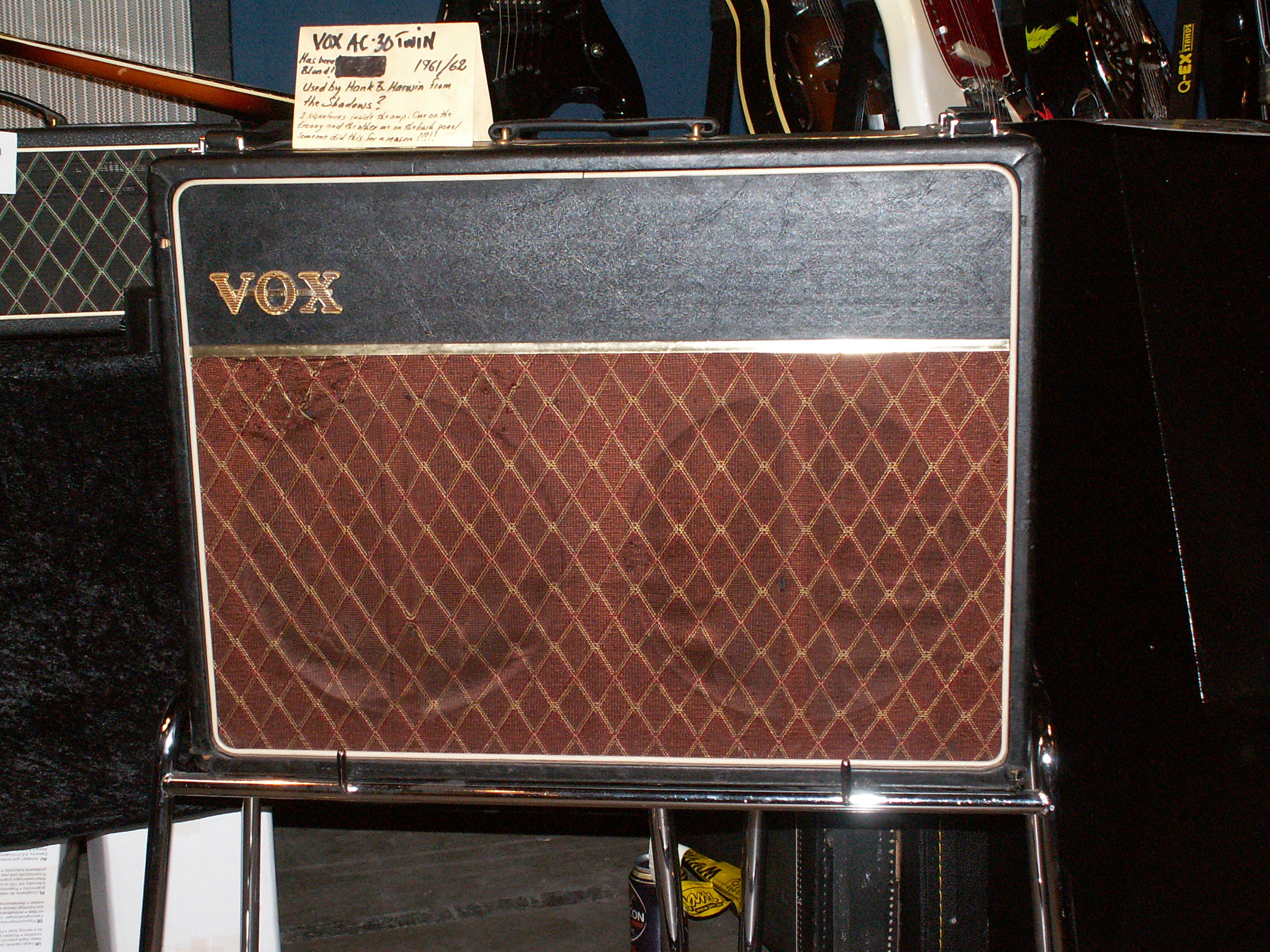
In the studio chain most consistently described by Dave and by producer Shel Talmy in Sound on Sound's Classic Tracks feature, that wounded Elpico was close-miked and also fed into a Vox — Dave recalls an AC30; Talmy has sometimes remembered an AC10 — to get level and further grit. Talmy then used American board tricks he had brought from L.A.: guitar split across two channels, one limited hard, levels ridden so the combination felt louder and dirtier than polite British pop usually allowed. People kicked the little amp as they walked past to make it sound even worse. Talmy's word for English records of the era was "polite." His job, as he saw it, was to be impolite.
The guitar itself, per Talmy and standard session accounts, was a Harmony Meteor. Mid-1960s UK guitarists were not living in a Fender Twin / Marshall Plexi monoculture yet. Vox AC30s were the British Invasion workhorse; department-store Elpicos were the kind of junk-shop experiment that only becomes legend after a No. 1.
A few honesty checks for TGP readers:
- Distortion on records was not invented in 1964. Link Wray had already punctured a Premier amp for "Rumble" in 1958. Guitarists had been overdriving amps for years. What "You Really Got Me" did was put ripped-speaker power-chord distortion at the center of a British chart-topping vocal hit.
- Dave has publicly insisted the Elpico slash was his invention and bristled when Ray's comments seemed to blur credit. Sibling disputes are part of the Kinks' operating system. The musical outcome is not in dispute.
- Modern "YRGM in a box" pedals and reissue-minded Elpico projects exist because players want the idea of that rasp without destroying a speaker every Tuesday. Principles beat cosplay: mid-forward grind, broken-cone rasp or a pedal that fakes it, modest gain with attitude, and rhythmic commitment.
Studio Battle: Pye, IBC, Talmy, and Who Played What
The song was cut more than once in mid-1964.
A slower, bluesier, echo-heavy version tracked at Pye did not satisfy Ray. He wanted the raw, uptempo attack they felt live. Pye did not want to pay for another go — two flops already, thank you. Publishing leverage and management money broke the stalemate. The keeper session moved to IBC Studios in London (Talmy's preferred room for freedom from Pye execs), generally dated to mid-July 1964 — July 12 or 13 depending on the discography you trust. Runtime of the released single sits around 2:13–2:20 depending on the pressing credit.
Talmy produced. Engineers associated with the IBC date in secondary sources include Glyn Johns and Bob Auger. The single came out August 4, 1964 on Pye in the UK (B-side: "It's All Right" / "It's Alright"), then rush-released in the U.S. on Reprise in early September.
Personnel is where Kinks scholarship earns its keep:
- Lead guitar / the riff and solo: Dave Davies. The Jimmy Page-played-the-solo rumor has been denied by Page, denied by Talmy, denied by Mick Avory in later interviews, and explained by historians like Doug Hinman as resentment mythology from an older R&B scene shocked that North London teenagers could hit that hard. Page did do other Kinks session work around the debut-album period; that fact keeps the rumor sticky. It does not put him on the released solo.
- Drums: Session great Bobby Graham. Mick Avory was in the band by then but, on this track, is credited with tambourine while Graham handled the kit — Talmy trusting a known studio hitter for the take that mattered.
- Bass / vocals / rhythm world: Pete Quaife on bass; Ray on lead vocal and rhythm guitar in the core band credits. Piano is usually credited to Arthur Greenslade in Hinman-based discographies; Jon Lord later claimed a "plink plink" keyboard part — another detail where memory and paperwork do not fully shake hands. Newer Kinks day-by-day research has also floated additional rhythm-guitar names on some sessions; TGP is not going to invent a seating chart beyond what reputable discographies support.
Talmy's production signature — multi-miking the drums when London still thought that would "phase," riding meters into the red, dual-channel guitar grit — is as important as the razor blade. The Elpico made the rasp. Talmy made it radio-mean.
Chart Shock and the Immediate Copybook
UK release: August 4, 1964. Within days it was on local charts. By September it was No. 1 on Record Retailer / the main British listings, holding the top for two weeks across the key UK charts of the moment. U.S. peak: No. 7 on the Billboard Hot 100. Canada and other territories followed. For a band that had just been staring at the drop list, it was a complete rewrite of the plot.
The sound was the shock. Melody Maker's blindfold-test anecdote has Dave Berry first guessing the Kingsmen, then praising the on-the-spot rawness. Record Mirror heard a "strong guitar sound." American Cash Box called it a "pulsating, blues-flavored" rocker that builds. Kids heard something that did not sound like the polite end of the Invasion.
Influence was immediate inside the London scene. Pete Townshend has long been tied to writing "I Can't Explain" in the shadow of the Kinks' breakthrough — same producer (Talmy), same hunger for riff-first English rock that hit like a fist. Jeff Beck and Jimmy Page are repeatedly named in guitar histories as players who noticed what Dave's distortion was allowing. The Kinks themselves chased the lightning with "All Day and All of the Night," another sliding power-chord cousin that became a hit in its own right.
Credit: Pan American Airways / The Honolulu Advertiser. License: Public domain (PD-US-no notice).
Van Halen, Proto-Metal, and Why the Riff Would Not Die
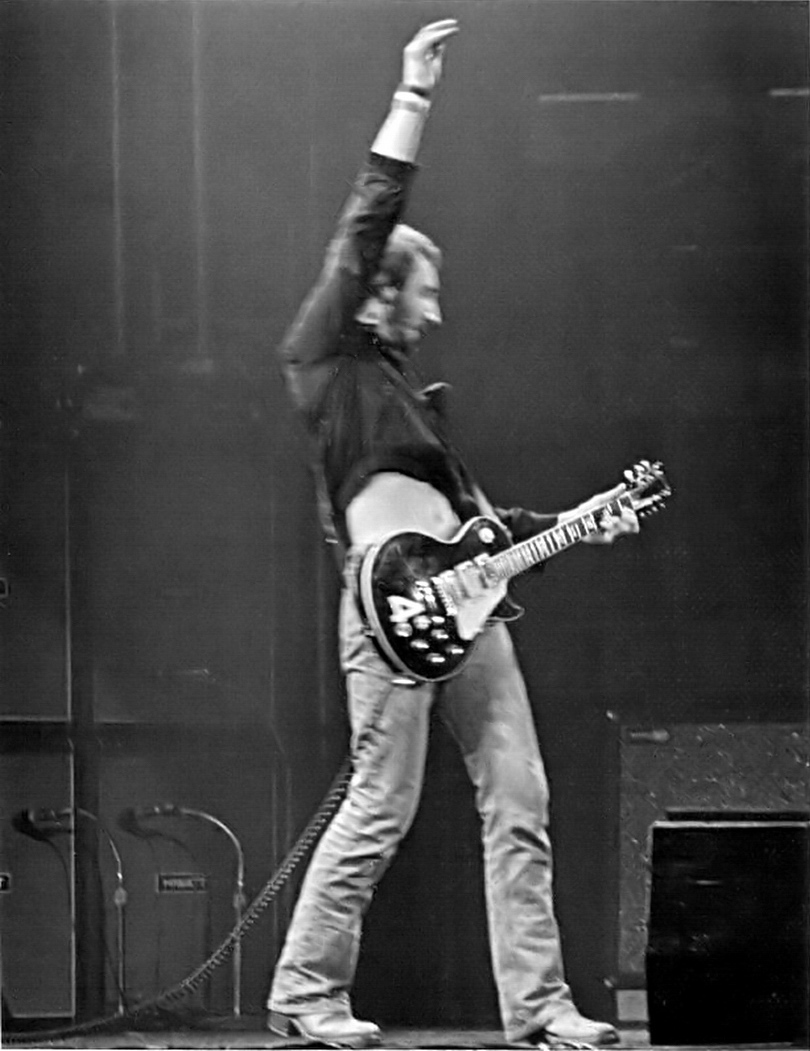
Fourteen years later, Van Halen put "You Really Got Me" on their 1978 debut and released it as their first single. It peaked at No. 36 on the Hot 100 — modest by Kinks-1964 standards, enormous as a launch rocket for a new hard-rock era. Radio often paired it with "Eruption," so a generation learned the riff as the landing pad after Eddie's tapping showcase.
Eddie later said he was bummed Ted Templeman wanted someone else's tune as the first single. Ray Davies found the cover flashy but of its stadium-rock moment; Dave has been cooler on it, arguing technique and flash can miss the song's street-kid point. Mick Avory, decades on, shrugged that Van Halen's take was "an exaggeration" of what the Kinks did — more notes, same patent.
That patent is the legacy.
Hard rock and early metal heard permission: write the song on the riff, dirty the guitar on purpose, leave space for the vocal to shout over the grind. Punk heard economy and sneer. Garage bands heard two chords and a dare. Rolling Stone later slotted the Kinks' original high on all-time song and guitar-song lists; Q put it in a top guitar-tracks ranking; VH1 included it among hard-rock monuments; the recording entered the Grammy Hall of Fame in 1999. Awards are souvenirs. The real trophy is every band rehearsal that still starts with those two shapes.
Place it on the History of the Riff shelf next to the siblings it answers. Wray's "Rumble" (1958): instrumental menace, pencil through a speaker, power chords as threat. Dale's "Misirlou" (1962): instrumental velocity, spring reverb, picking as the riff. The Kinks' "You Really Got Me" (1964): vocal hit, razor through a speaker, power chords as chorus engine. Three different doors into the same building — electric guitar as attitude technology.
How to Approach the Riff as a Player (Without Stealing Tab)
No note-for-note tab dump. Steal the behavior.
1. Commit to the stops. Practice the figure with exaggerated silence between hits. If your hands never leave the strings, you are playing a different riff.
2. Mute like a drummer. Left-hand dampening and right-hand discipline keep the power chords from blooming into mush. The classic feel is percussive, not puddly.
3. Gain is attitude, not a mask. You do not need modern high-gain to sound related. Edge-of-breakup into mild fuzz/rasp — or a pedal that approximates torn-speaker trash — plus mid presence will get you closer than a scooped metal preset.
4. Serve the vocal. Ray's melody sits on the riff. If your cover turns into a guitar exhibition, you have Van Halen'd it before you earned the right. Decide which version of the song you are honoring.
5. Keep the solo rude. Short. Angular. A little behind or ahead of polite. Perfection is optional; character is not.
6. Learn the climb. The arrangement's upward moves are half the drama. If you only practice the opening two chords forever, you are memorizing the meme, not the song.
The Long Shadow: Two Chords Still Crush
Ray Davies once said he was "literally born" when the song hit — identity arriving with the chart position. Dave heard the finished record in a mate's car and briefly thought it was someone else. Shel Talmy still ranked it with "My Generation" among the classics he touched. The brothers kept fighting, kept touring the song for decades, and even shared a stage on it again in 2015 after nearly twenty years apart — because some riffs outlive the arguments that made them.
For TGP readers building a personal canon — the same instinct behind the Riff Vault — "You Really Got Me" belongs next to "Rumble" and "Misirlou" as a complete early-'60s lesson plan:
- Wray: distortion and power chords as danger
- Dale: picking speed and amp volume as identity
- Davies brothers + Talmy: power-chord minimalism as a hit single
Everything from Townshend's windmill vocabulary to Sabbath's riff religion to punk's three-chord ethics to Van Halen's arena reboot drinks from that well — whether the playlist says "Kinks" or not.

The Takeaway
"You Really Got Me" is not famous because it has a lot of chords. It is famous because it refused to need them.
In 1964, two brothers from Muswell Hill, a producer who hated polite meters, a razor blade, a green Elpico, and a Vox slave chain turned teenage lust and sibling friction into the shortest graduate seminar in hard-rock guitar ever pressed to a 45. The record topped British charts, invaded America, spooked the session-myth machine into inventing a Jimmy Page ghost solo, and then spent sixty years getting covered, cited, and exaggerated — which is what happens when you invent a language instead of a novelty.
Put the Kinks' original on. Listen past the Van Halen version in your head if that is the one you learned first. Hear the whole-step lurch, the cutoffs, the midrange grind, the vocal riding the fistful of strings.
That is the sound of the electric guitar learning how to start a fight — and win the charts anyway.
— The Guitar Plugged | TGP
★ Key Takeaways
What to Remember
- ▸The Kinks released "You Really Got Me" on Pye on August 4, 1964; it hit UK No. 1 and U.S. No. 7, becoming their breakthrough British Invasion smash.
- ▸Ray Davies wrote the song on piano in Muswell Hill in March 1964; Dave Davies turned the figure into a distorted guitar power-riff (Harmony Meteor into a razor-slashed Elpico AC55, slaved into a Vox).
- ▸Producer Shel Talmy cut the keeper take at IBC Studios in mid-July 1964 after an earlier Pye version was rejected as too echo-laden/slow; Bobby Graham played drums, Mick Avory tambourine.
- ▸The Jimmy Page-played-the-solo rumor is rejected by Page, Talmy, and band accounts; Dave Davies played the lead and the signature riff.
- ▸Musicologists and rock historians treat the track as a foundational power-chord hit; Pete Townshend's early Who work and Van Halen's 1978 cover are the most cited next chapters.
- ▸On the History of the Riff timeline it sits after Wray's "Rumble" and Dale's "Misirlou" as the moment distorted power chords became pop-chart language.
Keep Exploring
- History of the Riff: Link Wray's "Rumble"
- History of the Riff: Dick Dale's "Misirlou"
- History of the Riff: "Whole Lotta Love"
- History of the Riff: Jimi Hendrix's "Purple Haze"
- Best Of: The Top 25 Greatest Guitar Riffs of All Time
Sources & further reading
1. The Guardian — Dave Davies & Shel Talmy, "How we made You Really Got Me" (June 10, 2013) 2. Sound on Sound — Richard Buskin, "Classic Tracks: The Kinks 'You Really Got Me'" (September 2009) 3. Guitar Player — features on Dave Davies' Elpico slash and Ray Davies on the song's piano-to-guitar evolution 4. Doug Hinman, The Kinks: All Day and All of the Night (Backbeat, 2004) and later day-by-day Kinks research for session dating/personnel 5. Standard chart/discography summaries (Official Charts / Billboard peaks; Pye 7N 15673; Reprise U.S. issue) 6. Contemporary and retrospective commentary on influence (Townshend / Who connection via Talmy; Van Halen 1978 cover reporting; Grammy Hall of Fame 1999)
Note: This feature is a researched historical overview. Gear descriptions reflect publicly documented accounts (Dave Davies interviews, Shel Talmy interviews, Sound on Sound, Guitar Player, band biographies). TGP did not studio-recreate an Elpico-into-AC30 chain for this article. Exact amp model of the Vox slave (AC30 vs AC10 in conflicting memories), some keyboard credits, and the precise audibility of studio banter under the solo remain areas where firsthand memories differ — flagged above rather than smoothed into fake certainty.
Closing CTA
Got a riff that hit you the way "You Really Got Me" hits — two chords, maximum malice, zero apology? Share it in Guitar Talk — or dig the sibling History of the Riff features on Link Wray's "Rumble" and Dick Dale's "Misirlou" and keep building the lineage that made your tone possible.
Experience-driven coverage, not algorithm bait.
- 20+ years of guitar playing experience
- Real-world retail experience at Guitar Center
- Thousands of hours testing guitars, amps, and pedals
- A community of 50,000+ guitar enthusiasts across platforms
- Partnerships with Fender, DistroKid, TrueFire, Card Chords, and Enya
- Editorial standards published openly — see how we test gear
The Modern Guitar Magazine. Delivered to your inbox.
No spam. No gimmicks. Just great guitar content — stories, tones, iconic solos, and honest gear takes. Every week.
Ask GP
3 free questions a dayStill curious? Ask GP about this story.
Your personal classic-rock and guitar guide — ask anything about The Kinks' "You Really Got.
Discussion (0)
Sign in to join the discussion.
Sign in to commentLoading comments…
Discover another guitar story
Swipe through our latest features, breaking news and iconic solos — one story at a time.
Open Swipe →More in Guitar Talk
History of the Riff: Dick Dale's "Misirlou" — How Surf Guitar Turned a Middle Eastern Melody into a Rocket
No power chords. No punctured speaker. Just double-picked fire, spring reverb splash, and an Eastern Mediterranean folk tune rebuilt as the sound of Southern California surf — then resurrected by Pulp Fiction.
History of the Riff: Link Wray's "Rumble" — The Instrumental That Made the Guitar Sound Dangerous
No lyrics. No melody you’d hum in the shower. Just power chords, a punctured speaker, and a sound so menacing some radio stations banned it. Here’s how Link Wray’s 1958 instrumental rewired rock guitar.
The 10 Greatest Guitar Renditions of “The Star-Spangled Banner”
From Jimi Hendrix's controlled chaos at Woodstock to modern performances by H.E.R., Gary Clark Jr. and Jack White, these guitarists turned America's national anthem into something deeply personal.