History of the Riff: Black Sabbath's "Iron Man" — A Lumbering Monster, a Factory Accident, and Doom's Walking Template
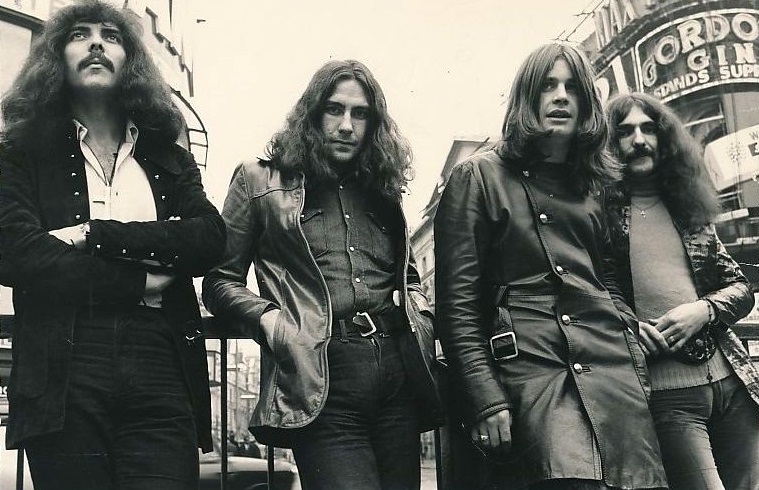
Photo: Photographer anonymous. License: Public domain (PD-US-no notice).
After Smoke on the Water turned four notes into guitar-shop folklore, Tony Iommi's Iron Man riff showed how a slow, blues-stained figure — born in a rehearsal room over Bill Ward's boom — could invent metal's sense of weight, space, and riff-as-character.
If Link Wray's "Rumble" taught the electric guitar how to threaten, Dick Dale's "Misirlou" taught it how to sprint, The Kinks' "You Really Got Me" taught it how to win a chart fight with two power chords, and Deep Purple's "Smoke on the Water" taught it how to become guitar-shop folklore, Black Sabbath's "Iron Man" taught it how to walk — slowly, heavily, like something you hear before you see.
Tony Iommi has said he heard the figure as a monster creeping up. Ozzy Osbourne heard a big iron bloke stomping through a city. Geezer Butler turned that image into a science-fiction revenge story that had nothing to do with Marvel Comics. The track landed on Paranoid in 1970, became a U.S. single a year later, and spent the next half-century as metal's proof that tempo and space can hit harder than speed.
This is a researched History of the Riff deep dive — not a hands-on gear review — into how four Birmingham players, a sheet-metal accident years earlier, a rehearsal-room boom from Bill Ward, and one of rock's most patient guitar figures became the template for doom's lumbering DNA.
Photo: Photographer anonymous. License: Public domain (PD-US-no notice).
Why the Iron Man Guitar Riff Still Matters to Guitar Players
"Smoke on the Water" is the riff people joke about in guitar shops. "Iron Man" is the riff people underestimate until they try to play it with the right weight.
What it still teaches:
- Weight over notes. The famous figure is not a theory puzzle. It is a short blues-flavored contour — often summarized as B–D–E–G–F♯ in E-centered talk — voiced so the tonic arrives late and the gait feels inevitable.
- Space is the arrangement. Rush it and you get a cartoon. Leave the air between statements and the riff grows a body. That is why bedroom covers that sprint through the intro rarely feel like the record.
- Riff as character. Most famous riffs are hooks. This one is a role. Players who only learn the main loop miss the song's creeping intro bend, the later double-time climax, and how the band lets tempo climb like a threat escalating.
- Accident as method. Iommi's fretting-hand injury, homemade thimbles, light strings, and later downtuning habits are not trivia. They are why Sabbath's guitar language favors power, contour, and atmosphere over jazz-chord density — and why "Iron Man" still teaches players to make limitation into identity.
On the History of the Riff shelf, "Iron Man" is the chapter after "Smoke on the Water." Blackmore proved four notes could become a folk song for amp walls. Iommi proved a lumbering figure could invent a whole emotional weather system — doom before the word was a genre tag.
Birmingham, a Factory Accident, and the Sound of the Wrong Side of Flower Power
Black Sabbath — Ozzy Osbourne (vocals), Tony Iommi (guitar), Geezer Butler (bass), Bill Ward (drums) — came out of Birmingham's industrial working-class world, not the San Francisco postcard. Osbourne later framed the contrast bluntly in interviews and memoir territory: flower-in-your-hair California talk meant little to kids with no shoes and no money. Butler has said you could see a lot going wrong in the world and nobody was saying it. Sabbath's early catalog answered with war, paranoia, nuclear dread, and science-fiction revenge — not peace beads.

The guitar story starts earlier than Paranoid. As a teenager, Iommi — a left-handed player who frets with his right hand — lost the tips of his right middle and ring fingers in a sheet-metal factory accident on what is often told as his last day of work there. Standard biographies and Iommi's own accounts describe despair, then a factory foreman pointing him toward Django Reinhardt, who had rebuilt a virtuoso career with two damaged fretting fingers. Iommi stayed left-handed rather than relearning righty from scratch. He improvised prosthetic fingertips (melted plastic from a soap bottle and leather jacket strips in the widely retold version) and adapted his technique around pain, light string gauges, and eventually lower tunings.
That is researched overview, not a TGP bench recreation. What matters for players is the musical consequence: power-chord economy, singing single-note contours, and a taste for dark intervals that made heaviness feel inevitable rather than merely loud. The classic tritone dread of the song "Black Sabbath" is the clearest "devil's interval" poster child in the catalog. "Iron Man" lives more in blues-pentatonic lumber and delayed tonic payoff — stained by the same harmonic darkness without being a carbon copy of that title-track tritone.
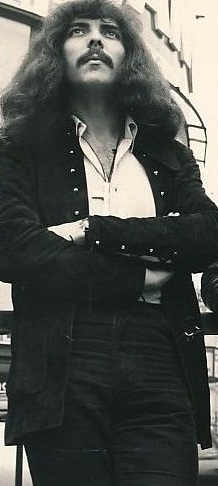
Photo: Photographer anonymous. License: Public domain (PD-US-no notice).
Paranoid Season: Fast Album, Slow Monster
Paranoid was recorded quickly in June 1970 at Regent Sound and Island Studios in London with producer Rodger Bain, then released in the UK on September 18, 1970 (U.S. Warner Bros. release followed in January 1971). The album was originally headed toward a War Pigs identity before the label pushed the shorter title track as the more marketable single and album name. "Iron Man" sits on side one after "War Pigs," "Paranoid," and "Planet Caravan" — a sequencing that still feels like a mood swing from anti-war epic to hit single to space ballad to walking steel.
Iommi has been clear in a 2021 Songfacts interview (with Greg Prato) that he personally relates to "Black Sabbath" and "Iron Man" as definitive Ozzy-era Sabbath songs. A lot of people say "Paranoid," he noted — but that one was written as filler because they needed another track. "Iron Man" was not filler in his telling. It was character.
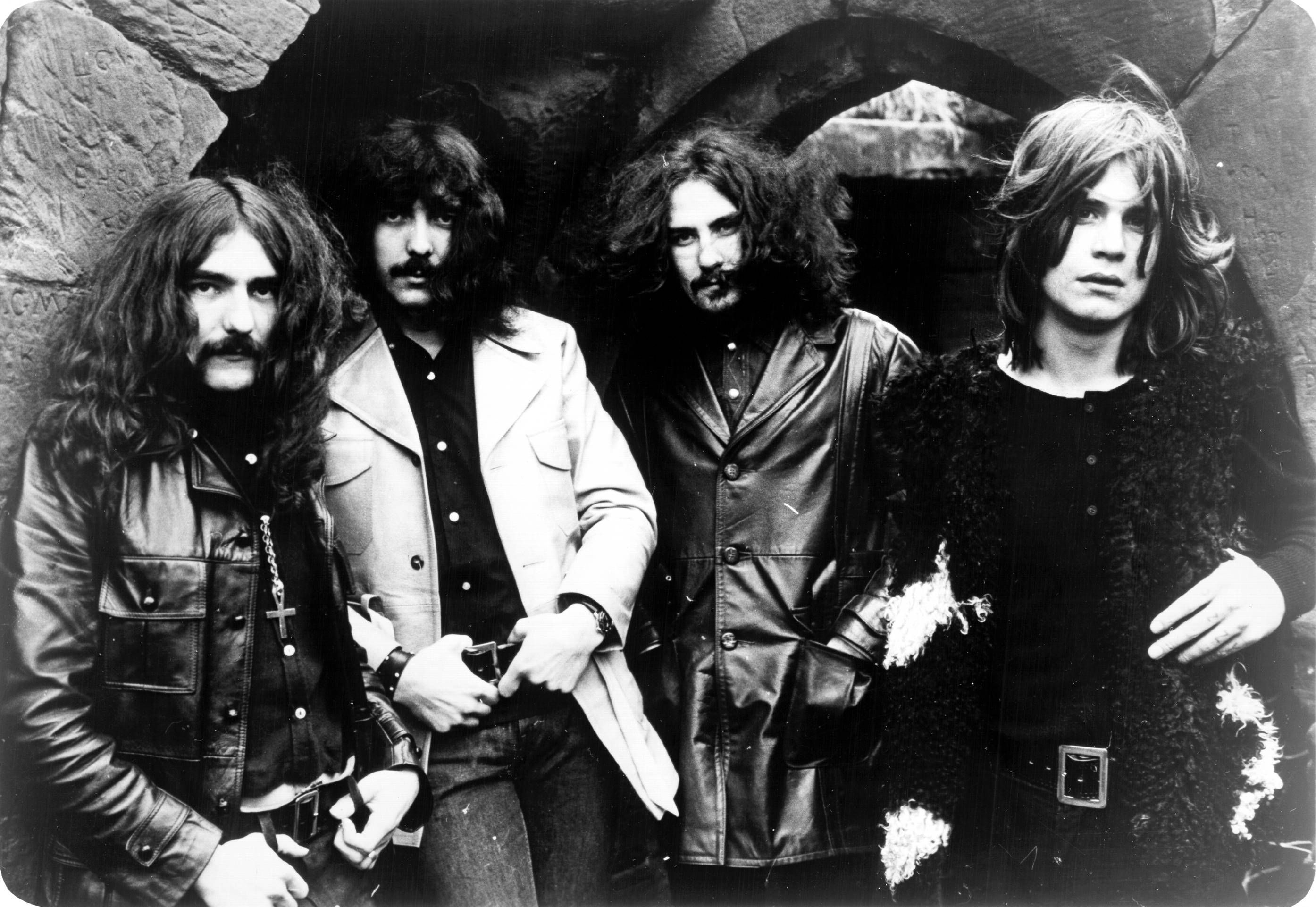
Image: Warner Bros. Records trade advertisement. License: Public domain (PD-US-no notice).
Writing the Riff: Boom, Bend, Monster
Iommi's Songfacts recollection is the cleanest origin story we have in his own words.
He was in a rehearsal room. Bill Ward started playing a heavy "boom, boom, boom." Iommi answered with the bent-string groan that opens the track, thought it was cool, kept going, and landed on the main riff. Most of his riffs, he said, arrive on the spot. This one matched what Ward was playing. In his head he could hear it as a monster — someone creeping up on you — so he wrote the figure there and then.
Ozzy's contribution to the title is the other half of guitar folklore. Hearing the riff, he reportedly said it sounded like a big iron bloke walking about. The working title "Iron Bloke" became "Iron Man." Butler then wrote the lyric around that image: a man who travels into the future, sees the apocalypse, gets turned to steel by a magnetic field on the way back, tries to warn people, is mocked, and eventually causes the destruction he foresaw. Butler has been clear there is no Marvel Comics connection — American comics were not his childhood diet. In later comments he has also framed the story as a kind of Jesus allegory with the forgiveness removed: the prophet ignored until vengeance replaces mercy. H. G. Wells and occult/horror reading habits show up in Butler's own explanations of where his imagination lived.
That is the songwriting triangle players should remember: Iommi hears a monster; Ozzy hears an iron bloke; Butler writes a self-fulfilling prophecy. The riff is not abstract. It is casting.
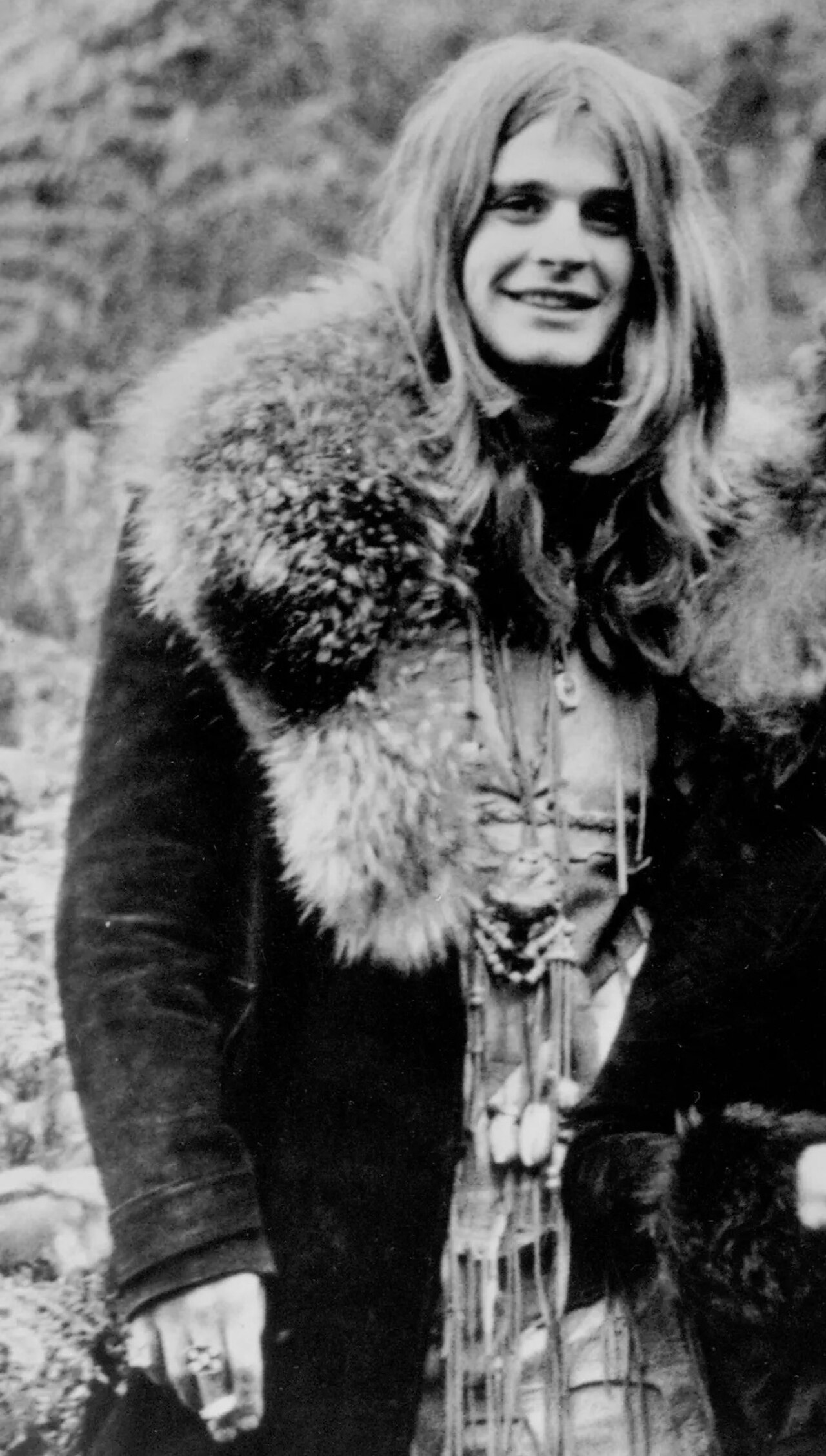
Image: Premier Talent Associates publicity photograph. License: Public domain (PD-US-no notice).
Recording Notes: Bass Drum Headaches and a Disputed Dalek Voice
Studio lore around "Iron Man" includes a practical problem: producer Rodger Bain and engineer Tom Allom struggled to capture the power and depth of Bill Ward's bass drum with the microphones available — a detail that surfaces in Classic Rock / album-history reporting. The song's low-end stomp is half the character; the room and the kit had to fight for it.
Then there is the spoken opening: "I am Iron Man." One circulating story has Osbourne speaking into a metal fan. Other accounts treat that as unlikely or incomplete. Music professor Ethan Hein, writing for MusicRadar in 2025, notes that a fan might create choppy tremolo but not the heavy distortion people hear, and floats a ring modulator — the Dalek-speech family of processing — as a more plausible candidate. TGP's position: the effect is iconic; the exact chain is contested. Do not pretend a forum rumor is a session log.
Get Black Sabbath’s “Iron Man” Tone
Tell ToneMD what gear you own and get a full signal chain with real numbered settings for this tone.
Included with Premium
Album length on the standard cut is about 5:56; the U.S. single (released October 7, 1971, with "Electric Funeral" as B-side in common listings) was trimmed to roughly 3:33. Chart peak: No. 52 on the Billboard Hot 100 in 1972 — Sabbath's highest Hot 100 single in that era's usual tallies — plus later Grammy recognition for a live Reunion performance (Best Metal Performance, 2000). Ranking lists have been kind for decades: VH1's "greatest heavy metal song," Rolling Stone's heavy-metal song lists, and the usual "greatest riffs" roundups. Marvel later used the track around the Iron Man films anyway — proof that culture can marry a song to a comic book the lyricist never wrote for.
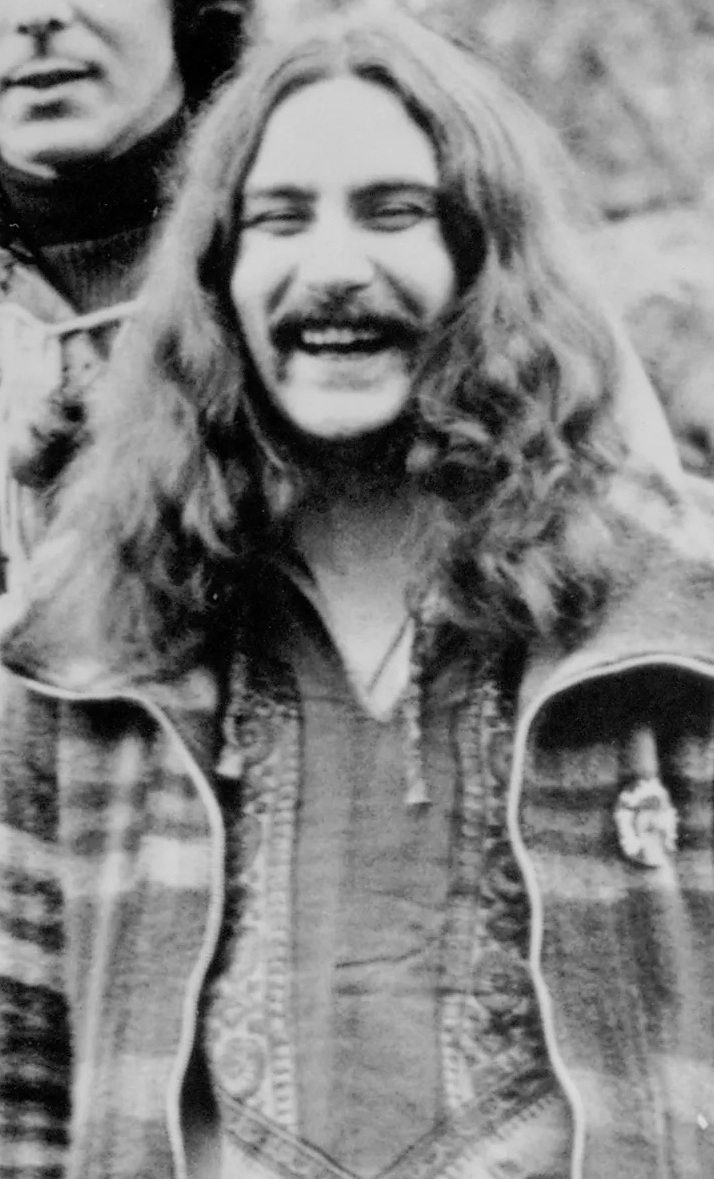
Image: Premier Talent Associates publicity photograph. License: Public domain (PD-US-no notice).
Anatomy of the Riff: What Players Often Butcher
Strip the comic-book coincidence and listen like a guitarist.
The intro bend. Before the famous walk, Iommi bends the low E toward F♯ (behind-the-nut / low-string groan territory in standard descriptions), picks, and releases slowly back to E. Hein and other analysts note multiple overdubs rubbing slightly against each other — woozy on purpose. If your cover jumps straight to the main riff, you skipped the monster entering the room.
The main figure. The shop-floor shorthand is a power-chord / root-fifth walk around that B–D–E–G–F♯ contour in an E-centered blues feel. The tonic E shows up late in the phrase. That delay is why it feels like footsteps approaching rather than a chorus chant landing on home base every bar.
Tempo and patience. Analyses of the studio cut put the early groove around the mid-60s to ~70 BPM before the band lets intensity and tempo climb across sections — into the mid-70s and beyond as bridges and later climaxes hit, with a late double-time surge near the end. You do not need a click-map tattooed on your forearm. You need to feel that the record refuses to hurry until the story demands it. Players who learn the riff from a sped-up meme or a Guitar Hero memory often flatten that architecture into one medium chug.
Vocal unison as songwriting. In the verses, Osbourne's melody often rides the riff contour — more blues/R&B riff-song logic than verse-chorus pop of the era. Learn the vocal rhythm with the guitar. Separating them into "riff loop + unrelated singing" is how covers lose the character.
Form is half the lesson. "Iron Man" is not intro-riff-solo-done. It stacks multiple riff identities, bridges ("Nobody wants him…"), a later C♯-centered double-time surge, solos, a drum break, a reprise of the intro bend idea at double time, and a terminal climax with new harmony under the outro. Metal scholars talk about terminal climaxes for a reason: Sabbath was already treating riff suites like architecture in 1970.
How players butcher it. Common failure modes: rushing the main figure; ignoring the intro; turning every statement into palm-muted modern metal without the open air; copying only the first ninety seconds; and treating the late double-time section as optional karaoke. The record is a walk that becomes a chase. Play the walk.
Gear Context: SG, Laney, Light Strings — Researched Overview Only
Do not buy a pedalboard because a YouTube thumbnail promised "exact Iron Man tone."
Guitar. Consensus across guitar press and band history: Iommi's early Sabbath voice is Gibson SG Special territory — P-90-equipped SG Special language — often cited as a mid-1960s instrument. Press years differ in the details (Guitar World Classic Tones-style reporting has cited a 1965 SG Special for "Iron Man"; other features float 1964). TGP flags the year fork rather than inventing a serial number. What is stable: SG Special, P-90 bite, lefty orientation, modified for Iommi's fretting reality.
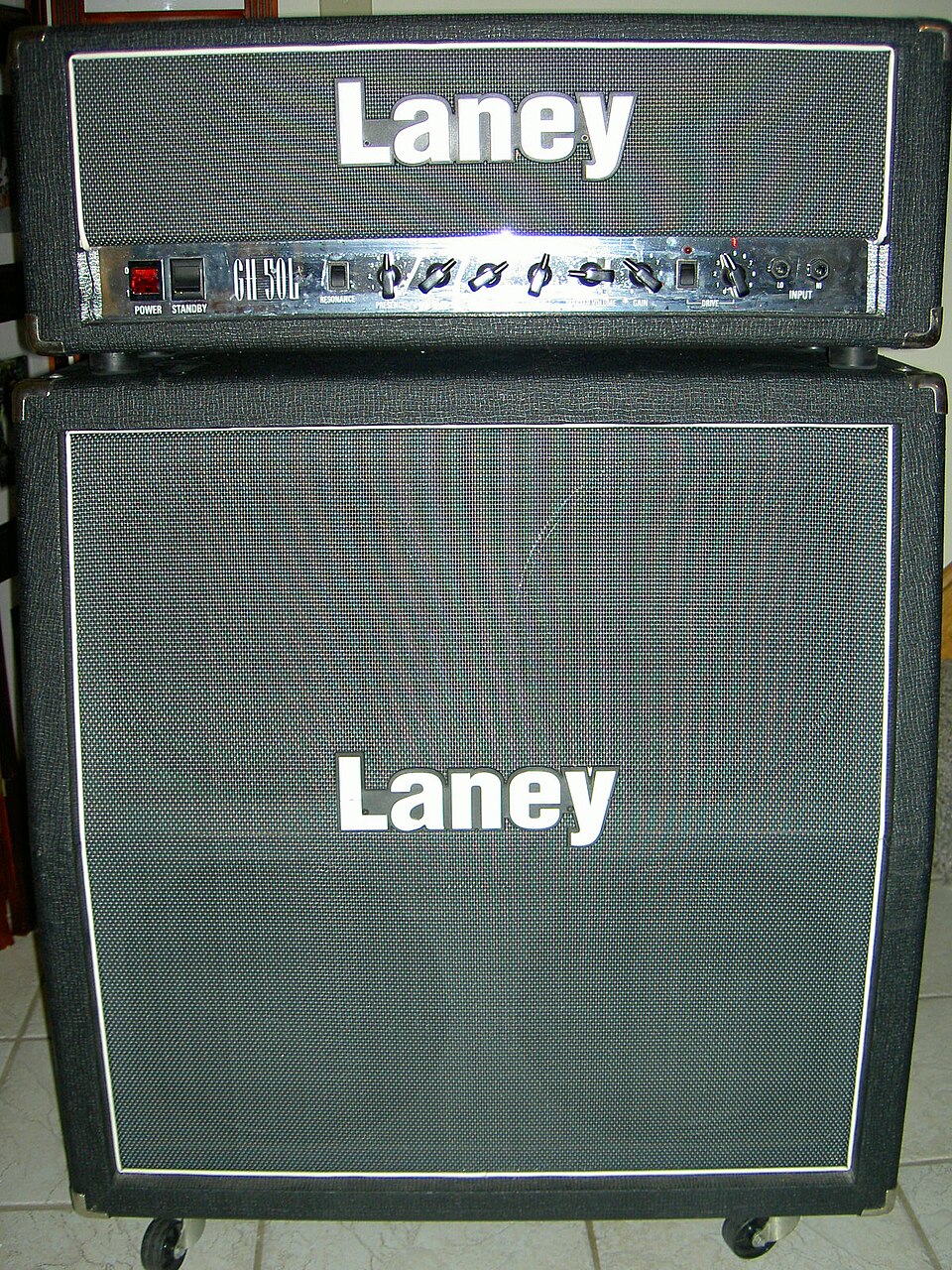
Amp and booster. Early Iommi tradition is Laney — Birmingham-made amplification — with 100-watt Supergroup-class heads and 4x12 cabs in the classic story, often paired with a Dallas-Arbiter Rangemaster (or modified Rangemaster) treble booster into a loud, mid/presence-forward setting. Guitar World-style reconstructions describe presence/middle/treble up, bass down, guitar into a bass input, gain cranked for power-tube grind. Treat that as informed press reconstruction, not a TGP meter session on the Paranoid master.
Strings and tuning. Because of the injury, Iommi gravitated to very light gauges (banjo-string lore in early DIY sets; later commercial light sets). On Paranoid-era studio "Iron Man," major guitar-press reconstructions place the guitar in standard E (EADGBE), not the deeper C♯ standard associated with Master of Reality and later doom worship. Live, Sabbath often sat lower; album pitch can also sound slightly sharp of concert E depending on the transfer. TGP's practical note: learn the feel in standard first to match the record's relative intervals; do not assume every Sabbath riff on every album shares one tuning dogma.
Room and band. Butler's bass and Ward's kick are part of the "guitar tone." Solo-guitar bedroom clones that ignore the rhythm section are covering a different song.
Cultural Afterlife: Metal DNA, Marvel Irony, Guitar-Shop Status
"Smoke on the Water" became the universal guitar-shop dare. "Iron Man" became something adjacent but different: metal's walking mascot — less of a punchline, more of a bloodline.
You hear its lessons in doom and stoner bands that treat tempo as a weapon, in countless power-chord beginners who learn to leave space, in rap samples and oddball covers (from jazz-trio left turns to novelty cameos), and in the Marvel machine that adopted a song Geezer Butler did not write about Tony Stark. Road Warriors entrance-theme reworks, VH1 metal rankings, Rolling Stone lists, Guitar Hero-era ubiquity — the riff outlived the decade that tried to dismiss Sabbath as primitive.
Place it on the TGP History of the Riff timeline:
- Wray, "Rumble" (1958): distortion and power as threat
- Dale, "Misirlou" (1962): velocity and spring reverb as identity
- Kinks, "You Really Got Me" (1964): two power chords as a pop smash
- Deep Purple, "Smoke on the Water" (rec. 1971; album 1972; U.S. hit 1973): four-note parallel fourths as guitar-shop folklore
- *Black Sabbath, "Iron Man" (rec. June 1970; Paranoid 1970; U.S. single 1971):* lumbering riff-as-character as doom's template
Smoke taught the world a folk song for guitar shops. Iron Man taught the world that heaviness could have a gait.
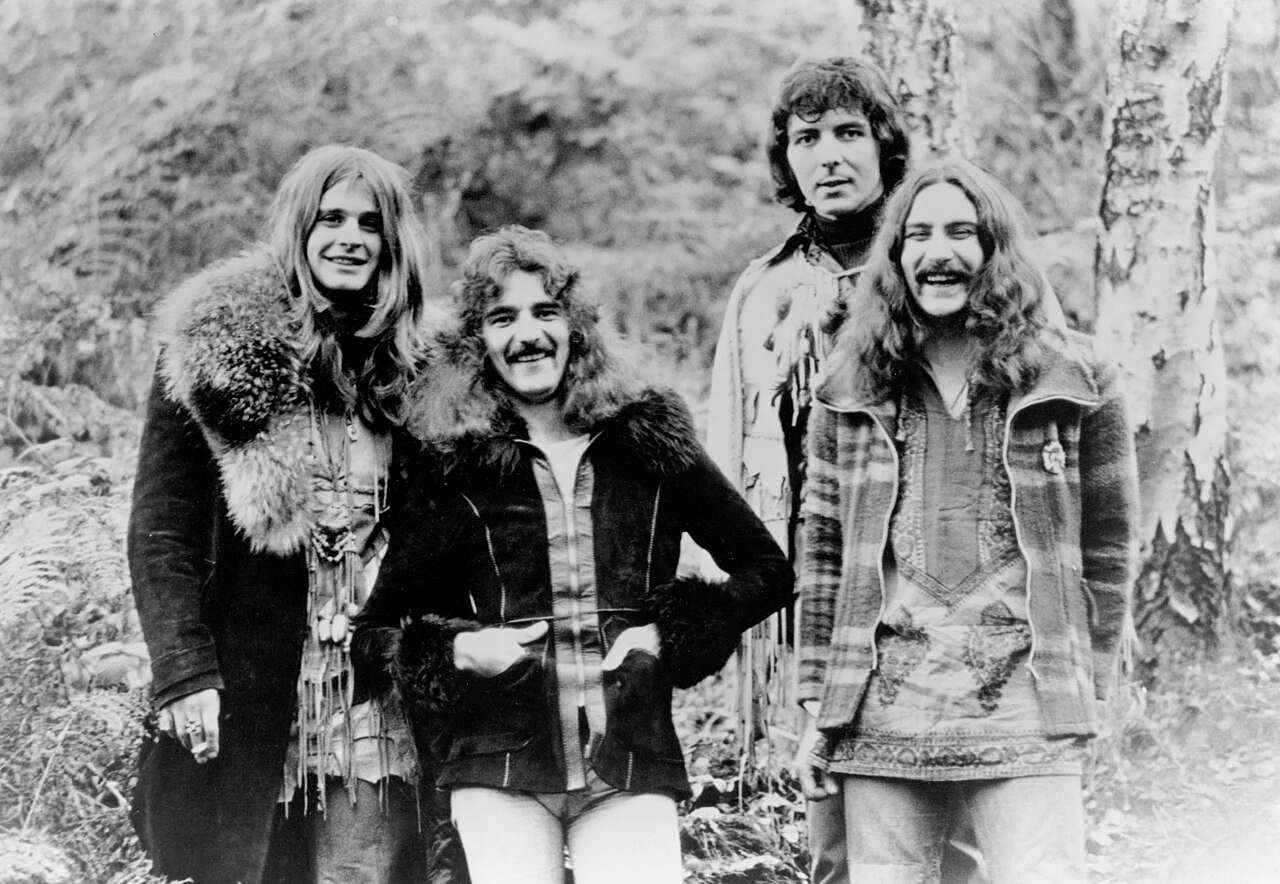
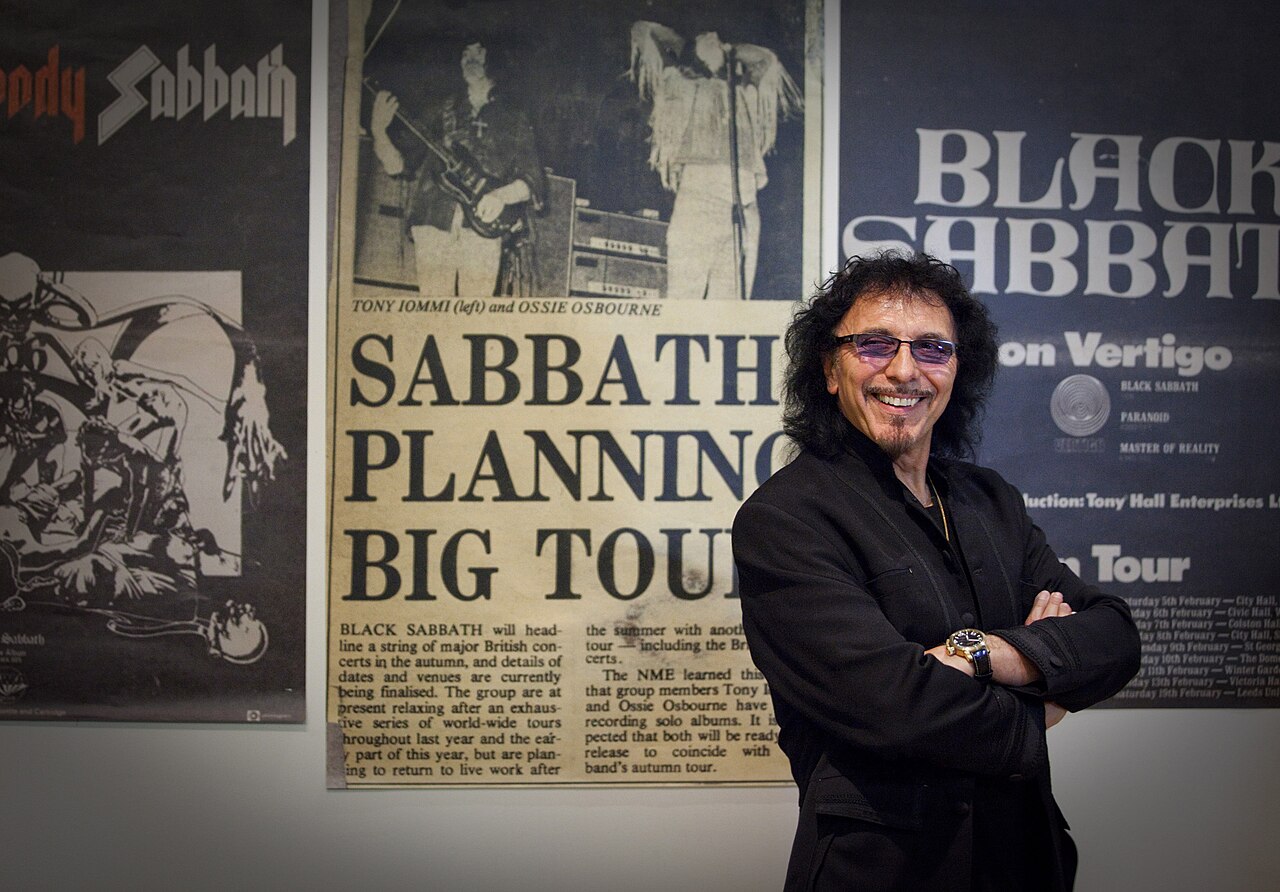
Image: Premier Talent Associates publicity photograph. License: Public domain (PD-US-no notice).
What to Steal as a Player Today (Without Stealing Tab)
No copyrighted tab scrape. Steal the behavior from the Black Sabbath record.
*1. Learn it by ear from the Paranoid studio cut.* Hum the intro bend before you grab the guitar. If you only know a video-game loop, reset.
2. Respect the walk. Mid-tempo. Heavy. Not hurried. If your version sounds like thrash cosplay, you are covering a different emotion.
3. Leave the air. The rests and the sustained ringing are part of the riff. Mute everything into modern chug and you erase the monster.
4. Late tonic, strong contour. Feel how the phrase withholds home. That delay is the footsteps.
5. Play the song, not the sticker. Intro bend, main figure, verse unison logic, bridges, later double-time architecture. Collecting the first riff is tourism. Learning the suite is musicianship.
6. Tone is loud simplicity. SG-into-Laney-with-booster mythology is a direction, not a shopping list. Mid-forward grind, light strings if they help your hand, and a band that locks the kick to the gait will get you closer than a boutique "doom" pedal with a skull silkscreen.
7. Turn limitation into vocabulary. Iommi's injury story is not inspiration-poster fluff. It is a reminder that the heaviest guitar language in rock came from adapting the instrument to a damaged fretting hand — power, contour, atmosphere — instead of quitting.
The Takeaway
"Iron Man" is not famous because it has a lot of notes. It is famous because it made a few notes feel like a creature with mass.
In June 1970, Black Sabbath cut a second album in a hurry, and Tony Iommi answered Bill Ward's boom with a bent-string groan and a lumbering figure he heard as a monster. Ozzy named the iron bloke. Geezer wrote the ignored prophet who becomes the apocalypse. The single took a year to hit U.S. shops, peaked outside the Top 40, and somehow outranked its chart position for the next fifty years — because guitar players recognized a new kind of power: not Smoke's folk-song clarity, but doom's walk.
Put the Paranoid original on. Listen past the Marvel trailer in your head. Hear the intro bend rub against itself, the main figure withhold the tonic, Ward's kick fighting for depth, Ozzy riding the contour, the later sections refusing to end like a normal single.
That is the sound of the electric guitar learning how to lumber — and making the rest of heavy music follow at a respectful distance.
— The Guitar Plugged | TGP
★ Key Takeaways
What to Remember
- ▸Black Sabbath recorded Iron Man in June 1970 for Paranoid (UK release Sept. 18, 1970; U.S. Jan. 1971); the U.S. single arrived Oct. 7, 1971 and peaked at Billboard Hot 100 No. 52 in 1972.
- ▸Tony Iommi wrote the riff on the spot over Bill Ward's boom-boom-boom rehearsal groove, hearing a monster creeping up; Ozzy's "iron bloke" remark led from Iron Bloke to Iron Man; Geezer Butler wrote the sci-fi revenge lyric (not Marvel).
- ▸The famous figure is a patient, E-centered blues/power-chord contour (B–D–E–G–F♯ shorthand) with a late tonic and a bent low-E intro; players often butcher it by rushing and skipping the song's later architecture.
- ▸Iommi's sheet-metal fretting-hand injury, homemade thimbles, light strings, and SG/Laney/Rangemaster early tradition are core context — researched overview, not a TGP bench test. Paranoid-era Iron Man is generally treated as standard-E territory; deeper C♯ tuning is more a later Sabbath chapter.
- ▸"I am Iron Man" vocal FX: metal-fan story vs. ring-modulator-type processing remain contested — flagged, not settled.
- ▸On the History of the Riff timeline it follows Wray, Dale, the Kinks, and Smoke on the Water as the moment the riff learned to walk like a character.
Keep Exploring
- History of the Riff: The Kinks' "You Really Got Me" — live on TGP
- History of the Riff: Link Wray's "Rumble" — live on TGP
- History of the Riff: Dick Dale's "Misirlou" — live on TGP
- History of the Riff: Deep Purple's "Smoke on the Water" (series draft)
- Best Of: Greatest Guitar Riffs features on TGP as they publish
Sources & further reading
1. Wikipedia — "Iron Man" (Black Sabbath song) and Paranoid (album) (dates, charts, lyric synopsis; cross-check against interviews) 2. Songfacts — Tony Iommi interview with Greg Prato (March 2021) on the Iron Man riff origin and definitive Ozzy-era songs 3. Classic Rock / Louder — Paranoid track-by-track and Iron Man song-story reporting (Iron Bloke title; Butler lyric framing) 4. Rolling Stone — Paranoid Super Deluxe liner-note interview material with Geezer Butler on the lyric concept 5. MusicRadar — Ethan Hein theory breakdown of Iron Man (Aug. 2025): form, tempo map, pitch contour, FX speculation 6. Guitar World — Tonal Recall / Classic Tones-style reporting on Iommi Iron Man rig reconstructions (SG Special, Laney Supergroup, Rangemaster, standard tuning claims) 7. Reverb / guitar-press overviews of Iommi's injury adaptations, light strings, and later downtuning habits 8. Loudwire / Geezer Butler comments on Iron Man as Christ allegory (vengeance instead of forgiveness) — treat as Butler's later interpretive framing
Note: This feature is a researched historical overview. Gear descriptions reflect publicly documented accounts (Iommi interviews, Guitar World reconstructions, band oral histories). TGP did not studio-recreate an SG-into-Laney-with-Rangemaster chain for this article. Exact "I am Iron Man" processing, precise SG manufacture year cited across press (1964 vs 1965), and how sharp the Paranoid album pitch sits versus concert E remain areas where sources differ — flagged above rather than smoothed into fake certainty.
Closing CTA
Got a riff that hits the way "Iron Man" hits — not more notes, more mass? Share it in Guitar Talk. Dig the sibling History of the Riff pieces on The Kinks' "You Really Got Me", Link Wray's "Rumble", and Dick Dale's "Misirlou", plus the series draft on Deep Purple's "Smoke on the Water," and keep walking the lineage that made heavy guitar feel like a character with footsteps.
Experience-driven coverage, not algorithm bait.
- 20+ years of guitar playing experience
- Real-world retail experience at Guitar Center
- Thousands of hours testing guitars, amps, and pedals
- A community of 50,000+ guitar enthusiasts across platforms
- Partnerships with Fender, DistroKid, TrueFire, Card Chords, and Enya
- Editorial standards published openly — see how we test gear
The Modern Guitar Magazine. Delivered to your inbox.
No spam. No gimmicks. Just great guitar content — stories, tones, iconic solos, and honest gear takes. Every week.
Ask GP
3 free questions a dayStill curious? Ask GP about this story.
Your personal classic-rock and guitar guide — ask anything about Black Sabbath's "Iron Man".
Discussion (0)
Sign in to join the discussion.
Sign in to commentLoading comments…
Discover another guitar story
Swipe through our latest features, breaking news and iconic solos — one story at a time.
Open Swipe →More in Guitar Talk

Gretchen Menn on Finding Her Own Voice, Playing with Steve Vai, and the Hardest Music of Her Career
From Zepparella and a Dante-inspired solo album to a guitar concerto, orchestral recording, and a new band, Menn has built a career that refuses to stay in one musical lane. In an exclusive conversation with TheGuitarPlugged, she talks about the experiences and ideas connecting it all.
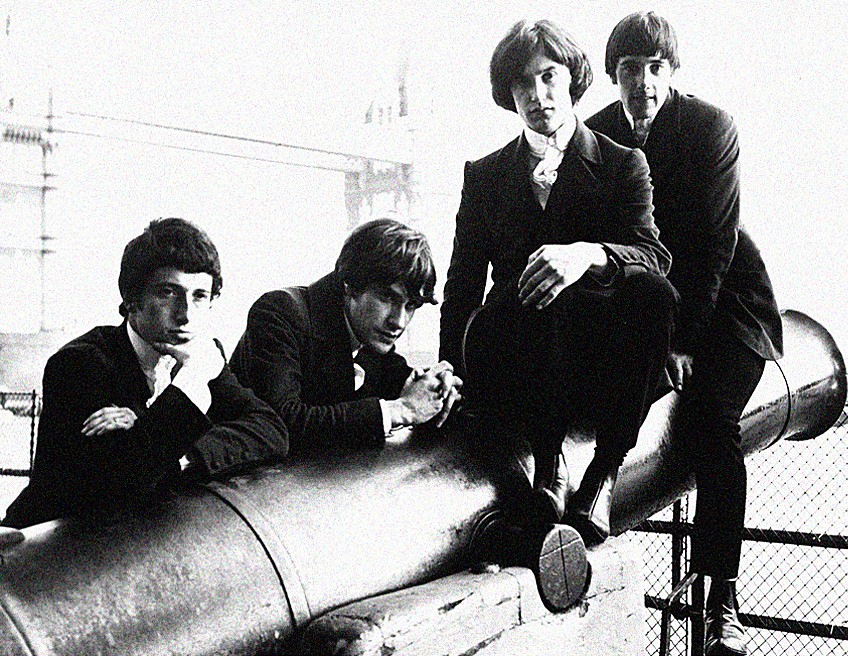
History of the Riff: The Kinks' "You Really Got Me" — How Two Power Chords and a Sliced Speaker Invented Hard-Rock Guitar
After Rumble taught the guitar to threaten and Misirlou taught it to sprint, Dave Davies' 1964 two-chord smash taught it to punch the charts — with a razor-cut Elpico, a Vox slave, and zero apology.
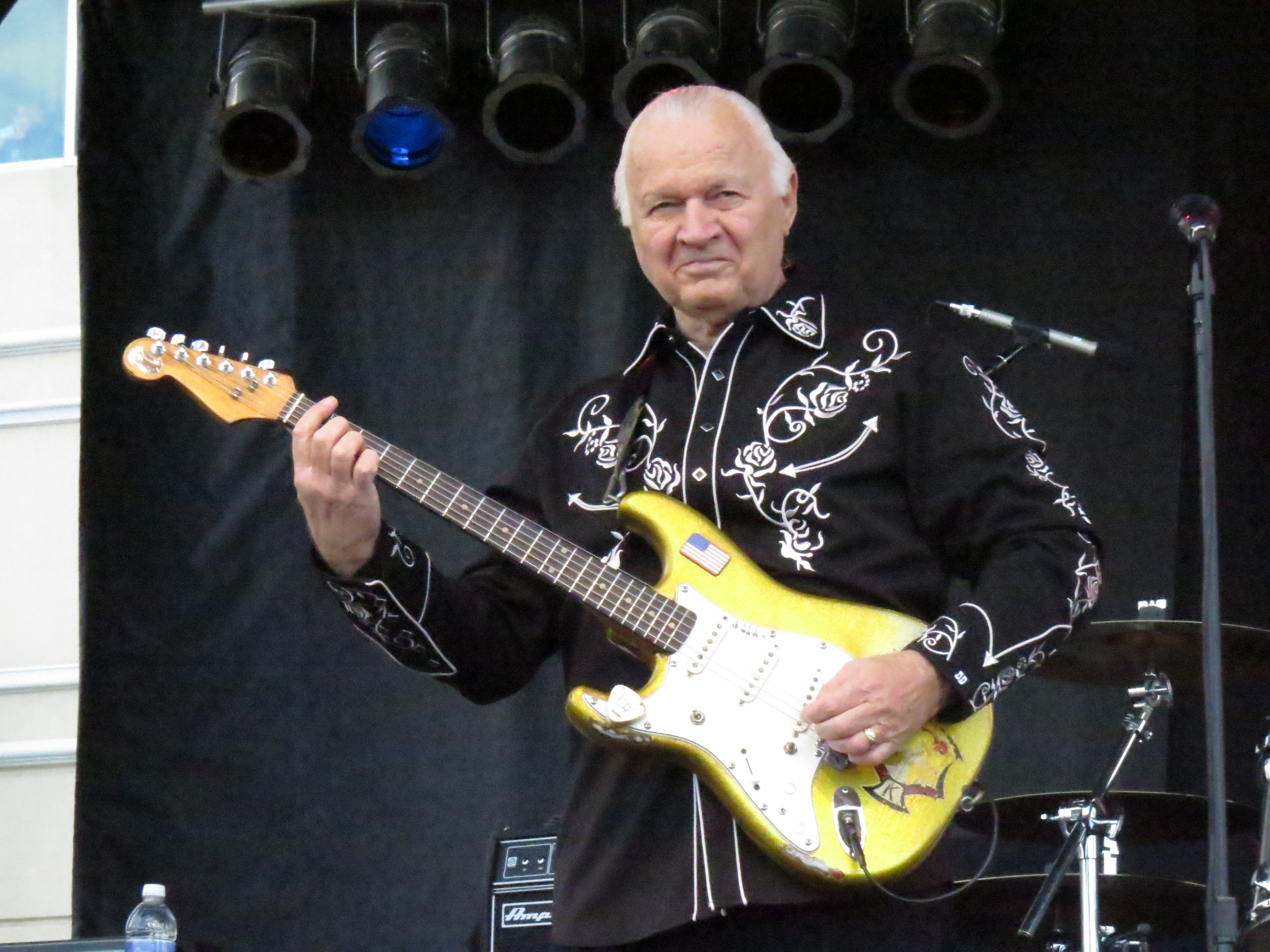
History of the Riff: Dick Dale's "Misirlou" — How Surf Guitar Turned a Middle Eastern Melody into a Rocket
No power chords. No punctured speaker. Just double-picked fire, spring reverb splash, and an Eastern Mediterranean folk tune rebuilt as the sound of Southern California surf — then resurrected by Pulp Fiction.