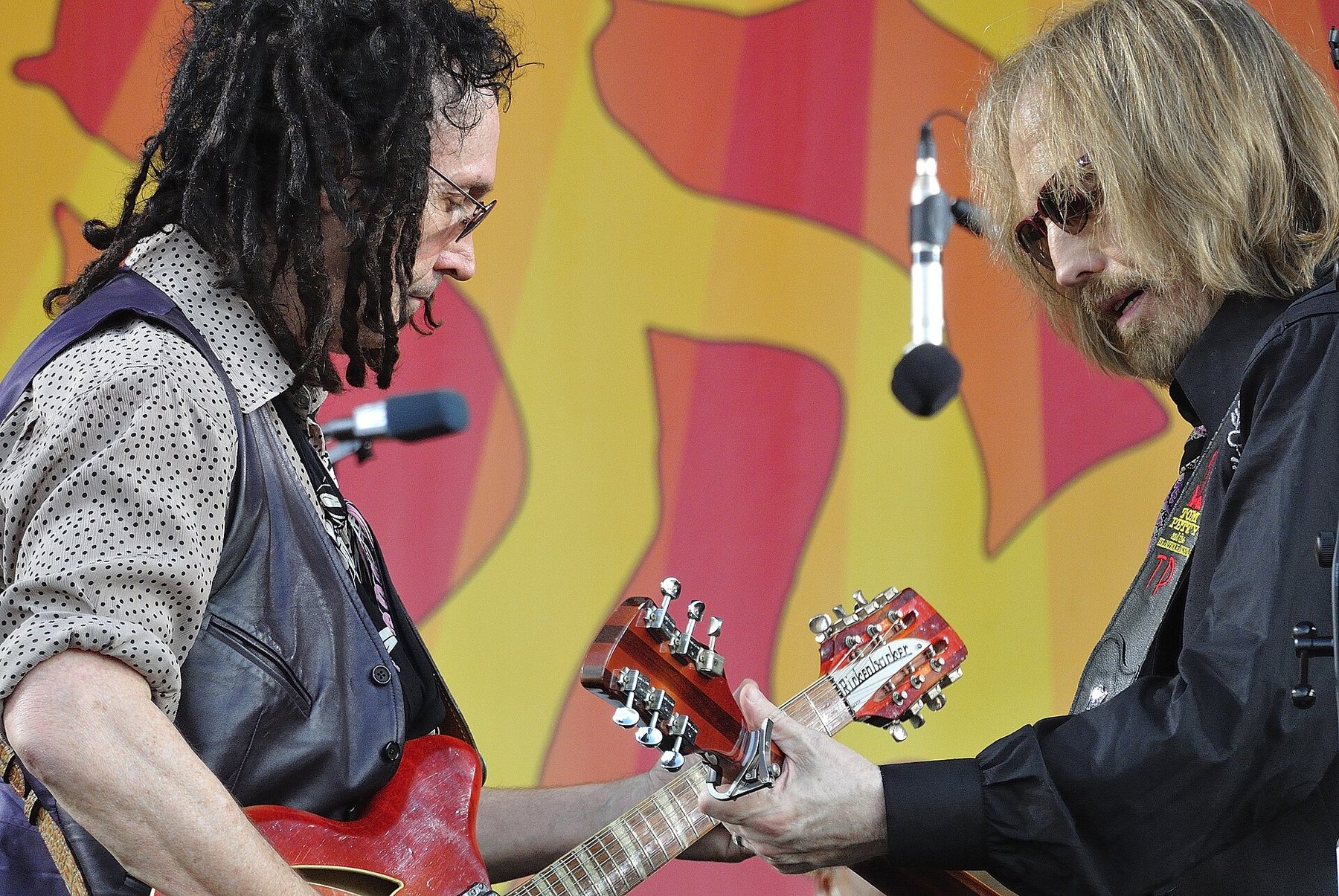
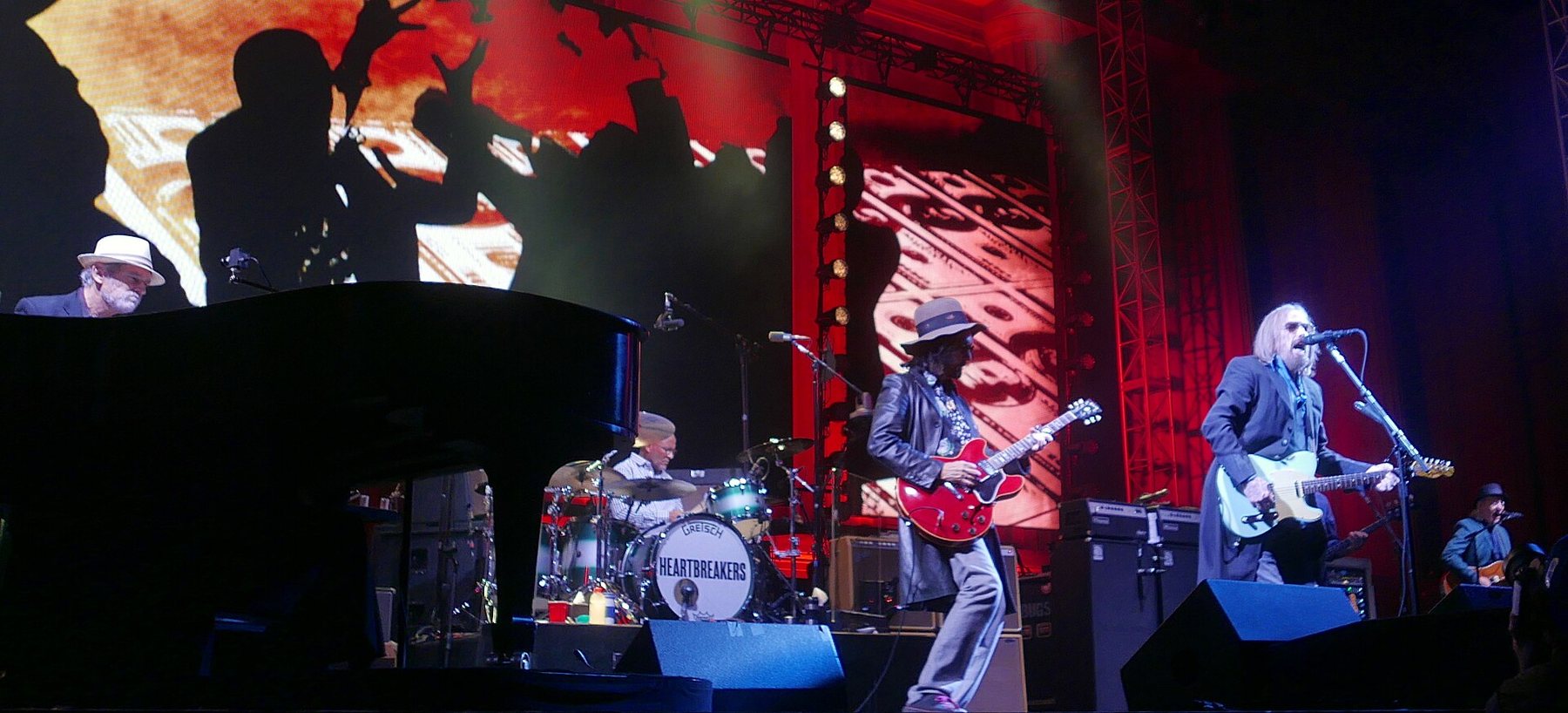
Mike Campbell (left) and Tom Petty at the New Orleans Jazz & Heritage Festival, April 28, 2012. Photo: Takahiro Kyono / Wikimedia Commons, CC BY 2.0 (https://creativecommons.org/licenses/by/2.0/). Source: https://commons.wikimedia.org/wiki/File:Mike_Campbell_%26_Tom_Petty_(7314690670).jpg
The American Girl riff sounds like a Rickenbacker 12-string. It isn't. Here's how Mike Campbell's '51 Broadcaster, a borrowed '64 Strat and a Bo Diddley beat made Tom Petty and the Heartbreakers' signature song, and how to play it.
Ask most guitarists what makes the American Girl riff chime and they'll tell you it's a Rickenbacker 12-string, the Byrds' sound reborn in 1976. It's a reasonable guess. It's also wrong. The band didn't own a 12-string. What you hear is Mike Campbell's 1951 Fender Broadcaster playing octaves over a low D drone, stacked on top of Tom Petty strumming a borrowed 1964 Stratocaster. Two six-strings, played in a half-built studio in Hollywood, by most accounts on the Fourth of July.
The timing for a second look is good. Tom Petty and the Heartbreakers turn 50 this year. Their debut album came out on November 9, 1976. On October 20, Gibson marked the anniversary with a limited run of Tom Petty Flying V guitars. So we're going back to the record that started it, and to the closing track that became the band's signature: a song that wasn't a hit, isn't about Gainesville, and doesn't have the guitar everyone thinks it has.
The News Hook: Gibson's "Flying Five" Petty V
On October 20, 2026, Gibson announced the Tom Petty Flying V 50th Anniversary, a limited edition of 250 guitars worldwide, 50 in each of five finishes that Gibson calls the "Flying Five." Gibson says the design was inspired by the Heartbreakers logo on the cover of the 1976 debut album. We cover the specs, price and availability in our news story on the Gibson Tom Petty Flying V.
Tom's daughter Adria Petty explained the connection in a statement quoted by Guitar World: "The V was an essential part of the imagery onstage for my dad as well as the band rose to fame in the 1970's."
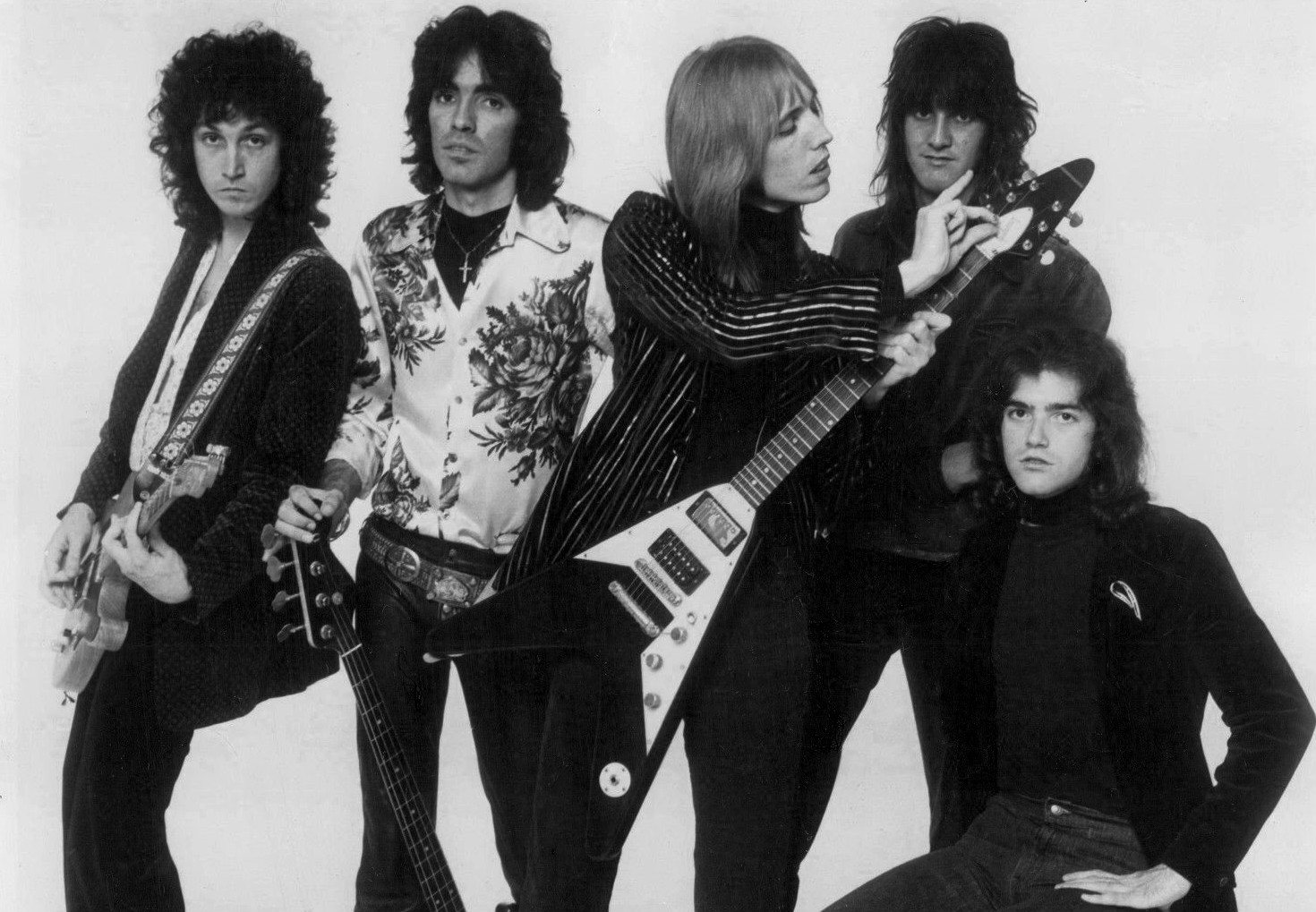
That's true, and you can see it in the band's 1977 publicity photo below. But it's worth being clear for guitar players: the V is part of the band's look, not part of the "American Girl" recording. On the record, it's all Fender.
From Mudcrutch to the Heartbreakers
The road to "American Girl" ran through a failed band and a record label that broke it up.
Petty's Gainesville group Mudcrutch, which included Campbell and, later, keyboardist Benmont Tench, drove to Los Angeles in 1974 with a demo tape. Within a week, Petty told the Gainesville Sun in 1976, they had several offers. The one they took came from Denny Cordell, the English producer who ran Shelter Records with Leon Russell. Cordell had them stop at Shelter's studio in Tulsa on the way west, and the band signed with the label that year.
It didn't work. Mudcrutch's only Shelter single, "Depot Street," came out in 1975 and didn't chart. Album sessions stalled. By late 1975 the label had ended the band but kept Petty under contract. He tried making a solo record with Los Angeles session players and didn't like how it felt. He wanted a band.
He got one almost by accident. In early 1976, Tench put together a demo session with a group of Gainesville musicians: Campbell on guitar, Ron Blair on bass and Stan Lynch on drums. Petty dropped in, heard them, and realized this was the group he'd been missing. The old friends became Tom Petty and the Heartbreakers, with Cordell producing.
A Studio Made of Boards and Wires
Shelter was in flux. Cordell and Russell fell out in 1976, and Cordell ended up as the label's sole owner. Meanwhile, the company was building its own studio in Hollywood, and the Heartbreakers were its first real test.
Petty described it to the UK paper Sounds in 1978: "They were building the Shelter studio at the same time—it was all boards and wires. I think we cut everything in about 15 days. It was all written in the afternoon and cut at night."
That's the context for the whole debut album. It's ten songs and about half an hour long, cut quickly by a young band that knew each other's playing from Florida bar gigs. Petty wrote every track, co-writing the opener "Rockin' Around (With You)" with Campbell. Noah Shark engineered and mixed. "American Girl" closes side two.
Writing "American Girl"
The song has an unusually clear birthplace, and it isn't Florida.
In Paul Zollo's book Conversations with Tom Petty (2005), Petty said he wrote it while living in an apartment beside a freeway in Encino, near Leon Russell's house. The sound of passing traffic reminded him of the ocean. "That was my ocean. My Malibu," he told Zollo. That's where the song's picture of passing cars sounding like waves on a beach comes from.
The lyric itself is short and cinematic. A young woman "raised on promises" stands alone on a balcony, hears the traffic out on Highway 441, and wonders whether there's more to life somewhere else. It's a song about wanting out, and about the stubborn hope that you'll get there. Campbell has called it a love song.
According to widely repeated accounts, the band recorded it on July 4, 1976, America's Bicentennial. The session paperwork isn't public, but the date has been reported for decades. For a song called "American Girl," you couldn't ask for a better one, though nobody has suggested it was planned that way.
Inside the Session: How the Riff Was Built
Two Fenders and No 12-String
Here's the myth-buster. Campbell has told the story several times, and the details hold steady.
When the Heartbreakers formed, Petty had mostly been Mudcrutch's bass player. He didn't own a good electric guitar. Campbell had bought a 1964 Stratocaster for $200 when he got to Los Angeles, and he lent it to Petty. "Tom didn't really have a good electric guitar, so I let him use that one when he switched over to guitar," Campbell told Guitarist, as reported by Guitar Player in 2025.
Then Campbell bought his own new old guitar: a 1951 Fender Broadcaster from Nadine's Music in Hollywood for $600, according to Guitar World. He told Guitarist he had to put the band's P.A. and a blackface Deluxe Reverb on consignment to afford it. "I brought those two guitars to the studio, and we really found that sound," he said.
He also wanted a 12-string on "American Girl." He didn't have one. "We didn't have a 12-string, but we wanted one on the song," he told Guitar World. "Well, I did! I took my Broadcaster and played octaves – because a 12-string is multiple notes and octaves on one string. I tried to simulate a 12-string on that riff throughout the song."
He gave Guitarist a slightly more technical version: Petty "was playing Bo Diddley chords," and "on my Broadcaster I played the octaves with a low-D drone to try to sound like a 12-string." Then, he said, "Suddenly, this harmonic happened that became, to me, the Heartbreaker sound."
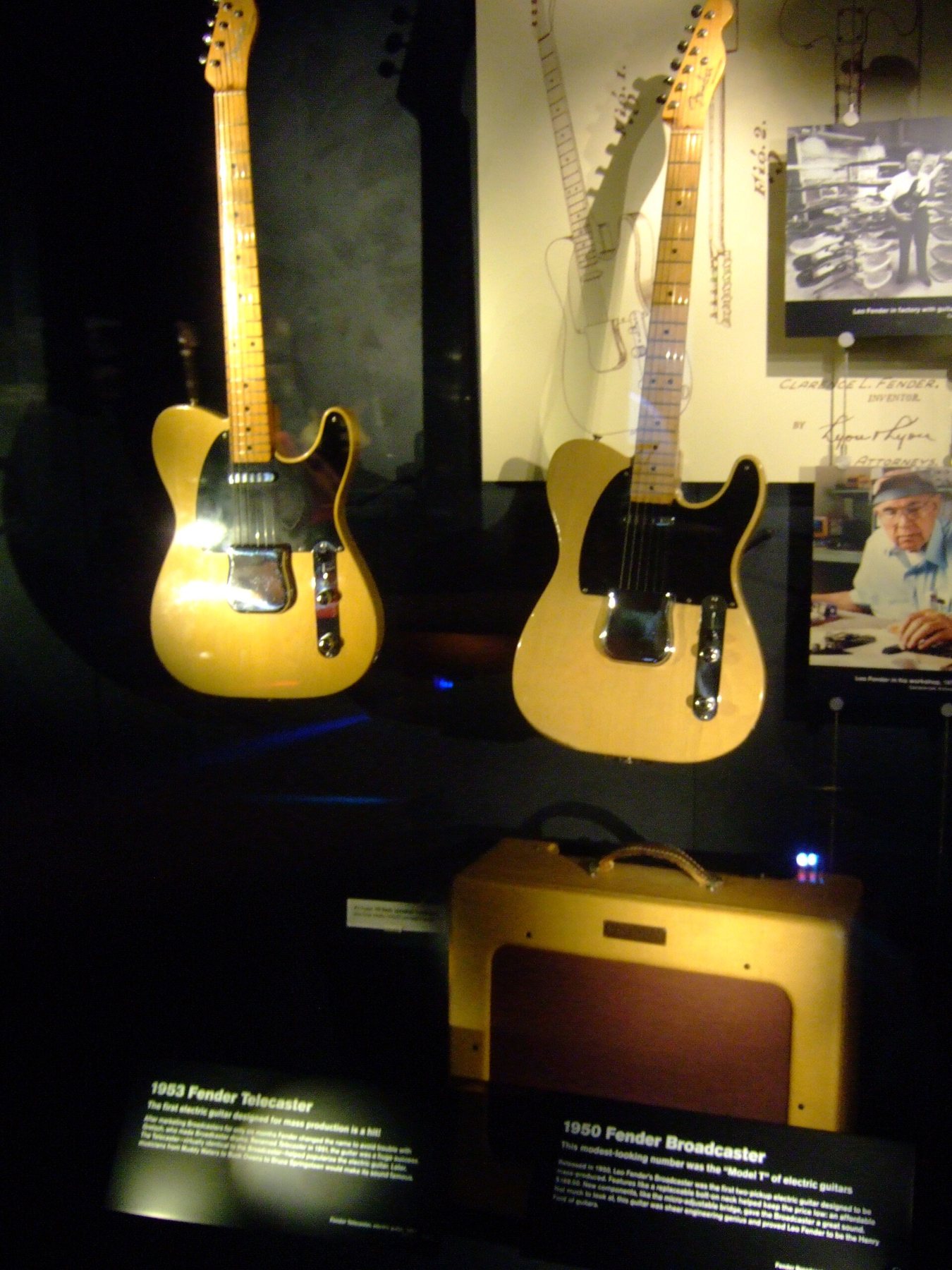
That's the key to the record. The "chime" isn't one instrument. It's two guitars interacting: a strummed Strat on the bottom and a Broadcaster on top, doubling the important notes an octave apart and leaning on an open D string. When those parts rub together, you get overtones that your ear reads as a 12-string. Ultimate Classic Rock, summarizing the band's accounts, adds that Campbell left the third out of several chords. That keeps the stacked guitars from clashing and gives them a hard, horn-like ring.
The Ending He Didn't Like
The song's famous coda, where the guitar breaks into a rush of fast triplet figures as the song barrels to a close, almost didn't survive. Campbell told Guitar World it was "an afterthought." He didn't think it worked.
"I didn't like it, but Tom said, 'No, it's great. Now you've got to double it.' So I doubled it, and that became the end of that song," he said. "It was the harmonics between the rhythm and the Broadcaster on top of it. That became the Heartbreakers' sound."
It's a small lesson in why bands need a second opinion. The guitarist was ready to bin the part. The songwriter heard what it did to the record.
Bo Diddley Under the Byrds
Under the jangle, the engine is a rhythm older than either guitarist. Stan Lynch's drums and Petty's chords push a "Bo Diddley beat," the syncopated shave-and-a-haircut pulse Bo Diddley built a career on in the 1950s. Campbell describes Petty playing "Bo Diddley chords" underneath him. It's why "American Girl" feels like it's leaning forward even at full speed.
Never Run Out of Strings Again.
Fresh USA-made strings delivered every month from the X Concepts String Club.
According to Ultimate Classic Rock, Petty later said, "The drums are all on one track, which is really unusual. They're damn present." That's a big part of the record's punch. There's no huge, polished 1970s drum production here. It's a band in a room.
Two more details round out the sound. Benmont Tench's keyboards fill the space underneath, and Phil Seymour of the Dwight Twilley Band sings the high backing vocals. Campbell told Songfacts that the long, sustained vocal note at the end, achieved by Petty and Seymour staggering their breaths, was nicknamed "the laser vocal."
Lynch summed up the session to Petty biographer Warren Zanes, as quoted by UCR: "I think everyone knew that there was a little lightning in the bottle on that one."
The Byrds Question
When "American Girl" came out, nearly everyone heard the Byrds in it. Rolling Stone later described Petty and Campbell's twin guitars as mirroring Roger McGuinn's 12-string, folk-rock chime filtered through new wave energy. Pitchfork called it "Bo Diddley meets the Byrds, updated for new wave."
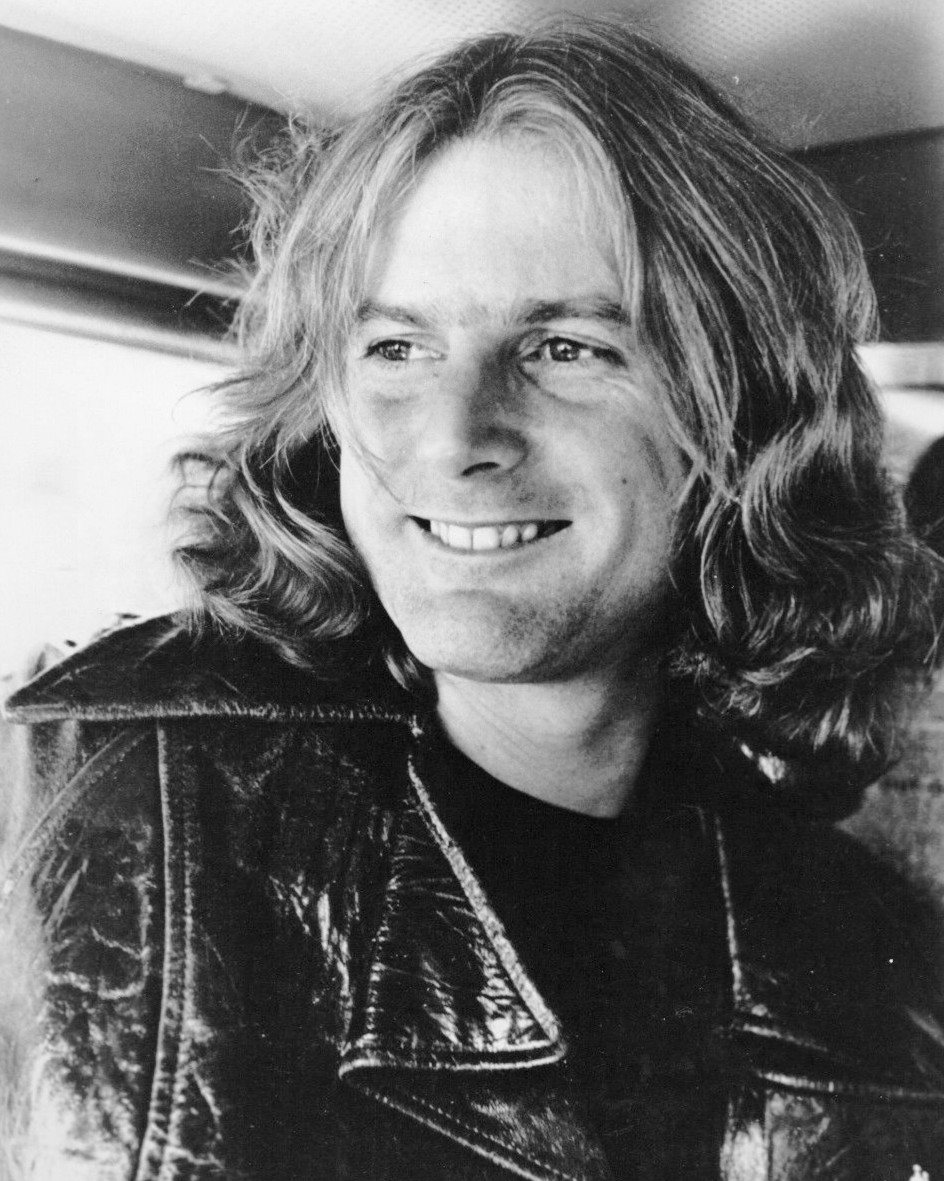
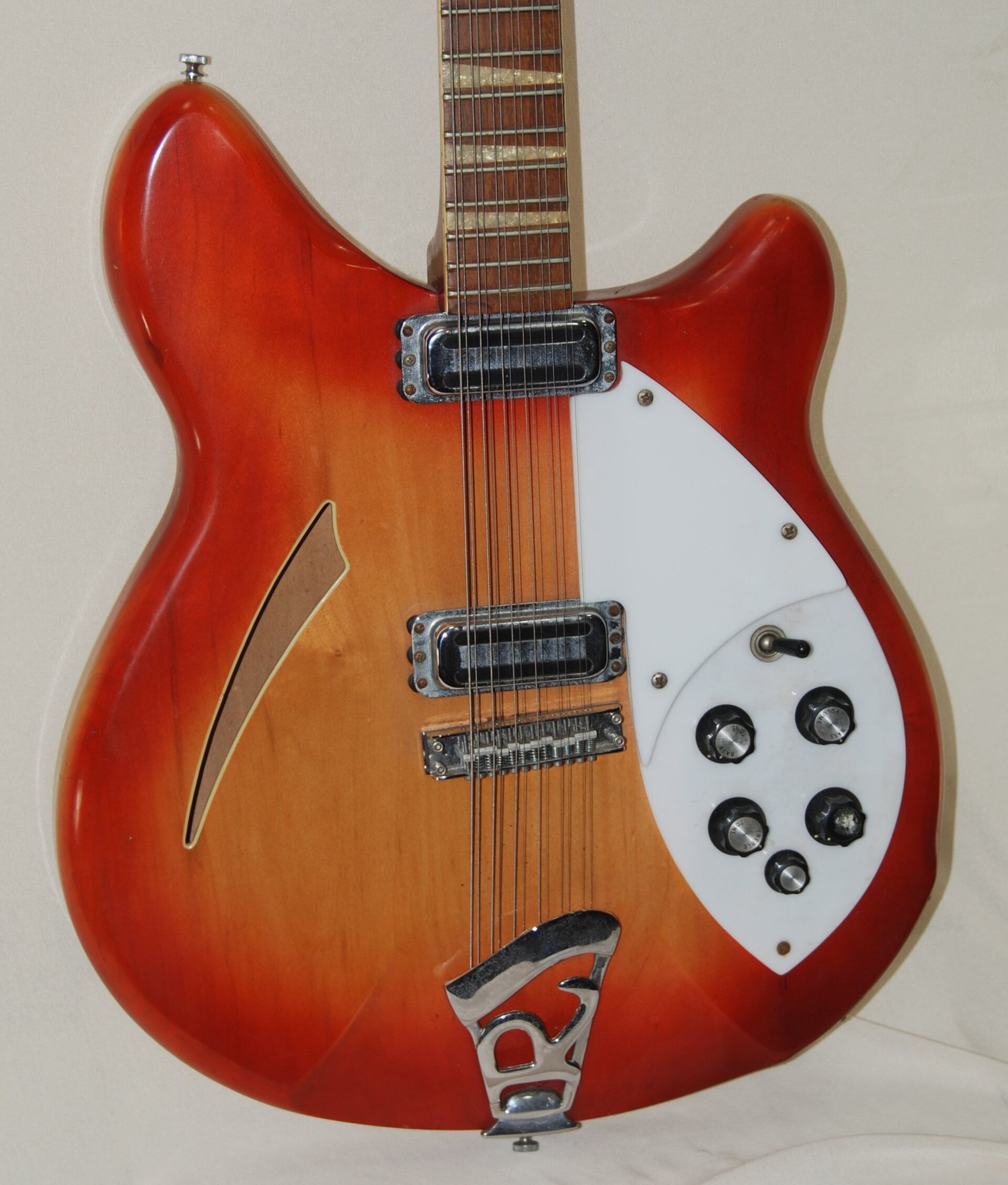
McGuinn heard it too. Asked by PhillyVoice in 2017 to recall the first time he heard the song, he laughed: "I said, 'when did I record that?'" Then he explained: "I was kidding, but the vocal style sounded just like me and then there was the Rickenbacker guitar, which I used. The vocal inflections were just like mine." Of course, as we've seen, there was no Rickenbacker on the record, which says a lot about how well Campbell's octave trick worked. McGuinn didn't just admire the song. He recorded it, and his cover appeared on his 1977 solo album Thunderbyrd.
Petty, for his part, played down the comparison. He loved the Byrds, but in later interviews he said the band hadn't been trying to sound like them on "American Girl," and that back then they wouldn't have imagined they could.
Both things can be true. The Heartbreakers loved the Byrds, and the influence is obvious. But they got to that sound from a different direction. McGuinn's chime came from an actual Rickenbacker 12-string. Petty and Campbell's came from two Fenders and a workaround. Later, Petty did become closely tied to Rickenbacker 12-strings. Rickenbacker even issued a Tom Petty limited-edition 660/12TP in 1991. But that's a later chapter.
The Gainesville Myth
No discussion of "American Girl" gets far before someone mentions the dorm.
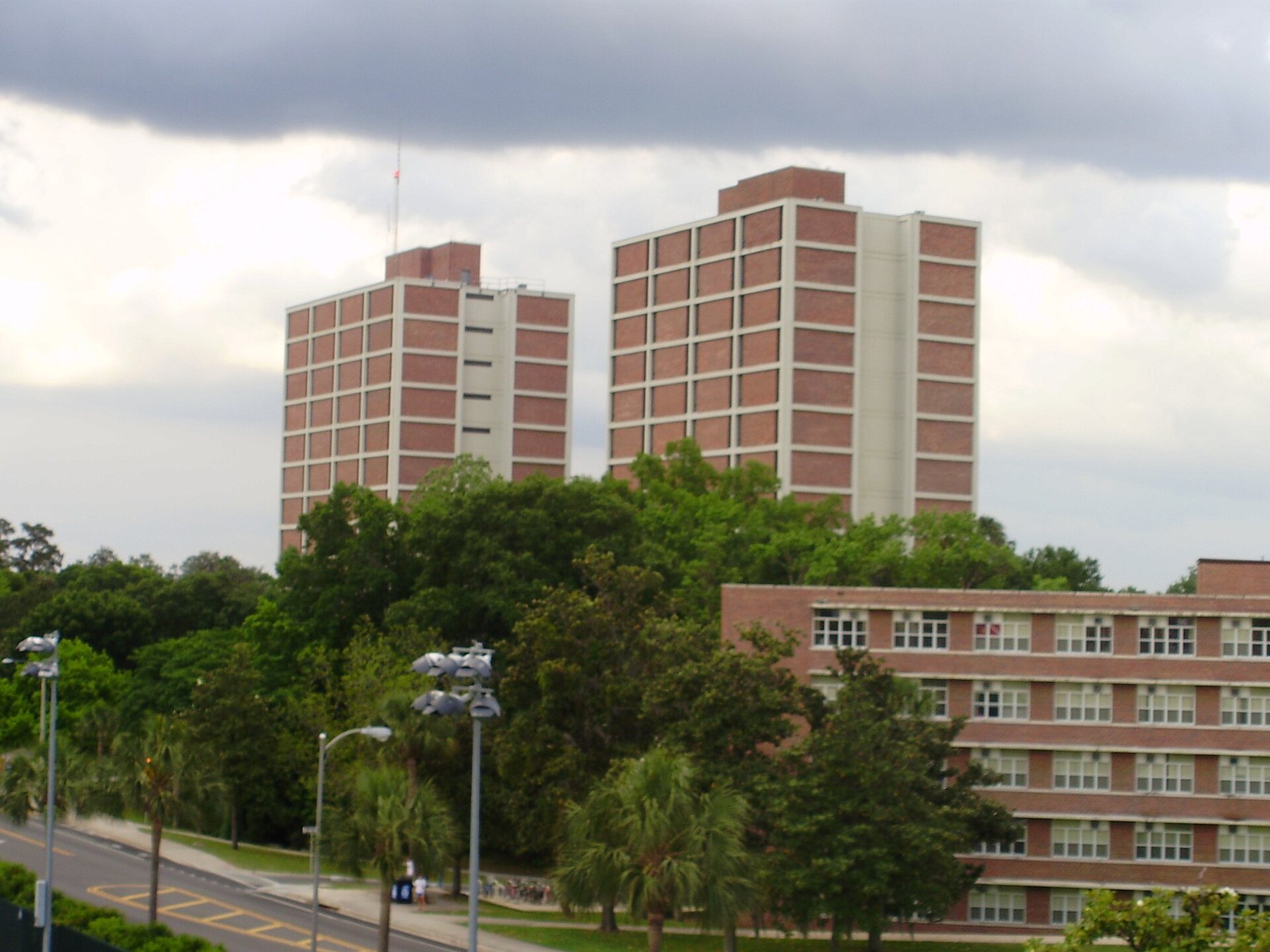
The story goes like this: Petty wrote the song about a University of Florida student who jumped to her death from Beaty Towers, a high-rise residence hall in Gainesville that sits beside U.S. Route 441. Some versions add drugs, a date, a name. It spread for decades on campus and online.
It's easy to see why. Petty grew up in Gainesville. The lyric mentions a balcony and 441. And Snopes, which rates the story false, points out that people tend to invent backstories for mysterious lyrics.
It doesn't hold up, though. Snopes notes that the Beaty Towers rooms don't have balconies, and that the windows are small and awkward. The Wikipedia entry on the song, citing UF's student paper, The Independent Florida Alligator, says a university spokesman stated that nobody has died jumping from the building. And 441 runs for hundreds of miles, not just past one campus.
Most importantly, Petty said no. Asked about it by Zollo, he called it an "urban legend" and said, "It's become a huge urban myth down in Florida. That's just not at all true. The song has nothing to do with that." He added that people could have just called him and found out.
Campbell had his own theory on the suicide reading, as quoted by UCR. People fixated on the phrase "if she had to die," he said, but missed that the full line is "if she had to die trying." "To me, it's just a really beautiful love song," he said.
One more correction while we're here: the song mentions 441, not the Florida Turnpike. Both turn up in online retellings, but only one is in the lyric.
A Flop That Became a Standard
For a song now treated as an American classic, "American Girl" had a quiet start. Shelter released it as a single in February 1977. It didn't chart in the US. In the UK, where the band toured and found an audience first, it reached No. 40 that summer. The album reached No. 24 in Britain, and the US finally caught up: the LP peaked at No. 55 on the Billboard 200 in 1978 and eventually went gold.
The song's reputation kept growing anyway. It turned up on film, in Fast Times at Ridgemont High (1982) and, most memorably, in The Silence of the Lambs (1991). There it's playing in a young woman's car just before she's abducted. Campbell said the scene didn't spoil the song for him, calling it "an interesting juxtaposition of an optimistic, joyous song against a really dark scene."
It even crept into other people's riffs. The Strokes' 2001 single "Last Nite" was widely noted for its resemblance. Petty told Rolling Stone in 2006 that he'd seen the band admit it: "That made me laugh out loud. I was like, 'OK, good for you.' It doesn't bother me."
Rolling Stone ranked it No. 169 on its 2021 list of the 500 Greatest Songs of All Time.
Super Bowl XLII
On February 3, 2008, Tom Petty and the Heartbreakers played the Super Bowl XLII halftime show at University of Phoenix Stadium in Glendale, Arizona. They opened with "American Girl," followed by "I Won't Back Down," "Free Fallin'" and "Runnin' Down a Dream." The song that couldn't get on American radio in 1977 led off a set in front of a Super Bowl television audience.
The Last Song
"American Girl" also had the final word. It was the last song the Heartbreakers played on their 40th anniversary tour, closing the encore at the Hollywood Bowl on September 25, 2017. Petty died a week later, on October 2.
Campbell's verdict, given in 2021 and quoted by UCR, is the best summary of what the song meant to the band: "We played it every gig for 40 years, and every night it would still get me excited, soon as I heard that clang clang clang." He called it "the first song that I think the Heartbreakers really sounded like what we were gonna be."
How to Play the American Girl Riff
This is a description in our own words, not a transcription. Work the parts out against the record.
Key and Chords
The song is in D major, in standard tuning. The open D string is your friend. Campbell describes a "low-D drone" under his octave part, and you'll want that open string ringing whenever the riff sits on D.
The chord vocabulary is small, and most popular lessons agree on it. You'll need D, E (major), Em, G, A and Bm. The E major in the verse is the interesting one. It doesn't belong to the key of D, and it gives the verse a lift toward the A chord. Bm is the only barre chord. Lesson versions differ on the exact order and on whether the E is an E or an E7, so trust your ears over any chart.
The Rhythm Part (Tom's Strat)
The rhythm guitar is where the Bo Diddley beat lives. Think of a syncopated, accented figure, with the accents falling in a "one... two... three, four" push rather than a straight eighth-note strum. The tempo is quick, so keep your strumming hand loose and moving and let the accents do the work.
- All down strokes for the accents. It keeps the pulse driving and consistent.
- Mute between the hits. Relaxing your fretting hand slightly between accents gives the rhythm its chop and keeps it from washing out.
- Lock to the snare. The drums are dry and up front on the record. If your accents don't line up with them, it sounds wrong right away.
The Lead Part (Mike's Broadcaster)
This is the fun part. Instead of full chords, play octave shapes high on the neck, letting the open D string ring below where it fits. Skip the third where you can. That's the trick UCR describes for keeping the two guitars from clashing.
If you're working with another guitarist, divide the jobs: one plays full chords with the Bo Diddley rhythm, the other plays octaves and partial voicings on top. That's the whole Heartbreakers concept in one song. If you're recording alone, double-track the octave part the way Campbell did on the ending. The tiny differences between two takes are what thicken the chime.
The Outro
The ending is the hard bit: fast, repeating triplet figures, doubled, as the band rides one chord into the fade. Learn it slowly with a metronome, then push the tempo up in small steps. Clean picking matters more than speed here. If the notes smear, the doubled part turns into mush.
Tone Tips
- Bright, clean, slightly pushed. Think clean amp with a touch of edge from your picking, not a drive pedal. Too much gain kills the overtones that make the riff chime.
- Bridge pickup for the lead, Strat for the rhythm. A Tele-style bridge pickup gives the octave part its bite. A Strat's middle or neck position keeps the rhythm round enough to sit underneath.
- A little compression helps. It evens out the octaves and adds sustain to the ringing open string.
- Fresh strings. A jangle part on dead strings is a lost cause.
We couldn't confirm which amps the band used for this session from a reliable source, so we're not going to guess. Any clean Fender-style amp will get you in the right neighborhood. (Later on, Petty and Campbell leaned on Vox AC30s for much of their career, a story we tell in our Vox AC30 history.)
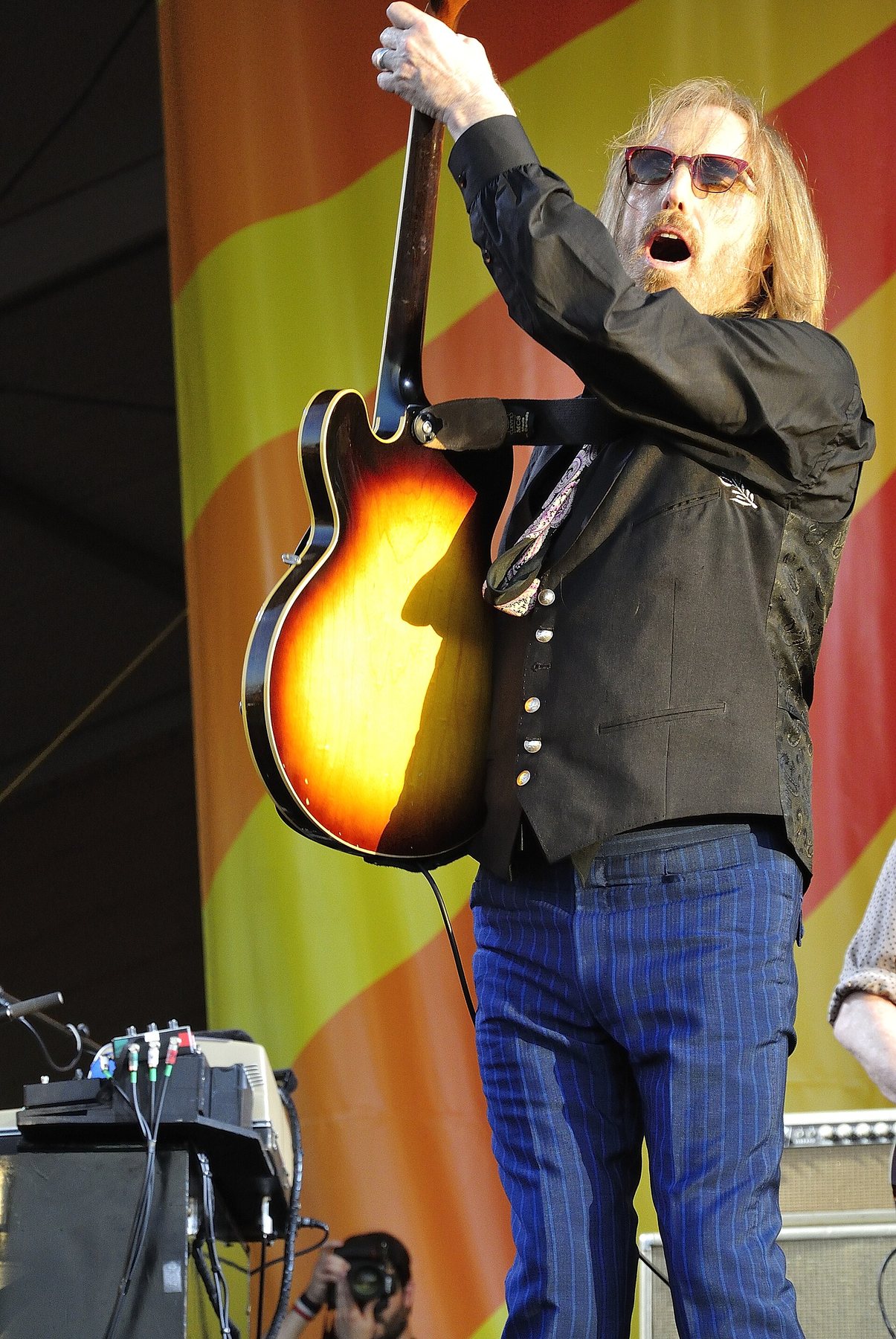
Gear for the Sound at Three Budgets
These are researched suggestions, not products we've tested for this article. If you buy through the Amazon link below, TGP may earn a commission at no extra cost to you. The point is the concept, a Tele-style guitar on top and a Strat-style guitar underneath, not any one model.
| Budget | Lead (Broadcaster role) | Rhythm (Strat role) | Notes |
|---|---|---|---|
| Starter | A Squier Classic Vibe '50s Telecaster or similar single-cut, single-coil guitar | Any Strat-style guitar you already own (see our best Strats under $1,000) | Into a small clean amp or a decent amp modeler. Double-track at home. |
| Mid-range | A Fender Player II or Vintera II-era Telecaster | A Fender Player II or Vintera II Stratocaster | A clean Fender combo, or a modeler with a blackface-style amp, plus a light compressor. |
| Pro / collector | A Fender Custom Shop or vintage-correct '50s Tele (Fender has made Broadcaster reissues at times) | A '60s-spec Stratocaster | Want the real 12-string chime for live use? A Rickenbacker 12-string is the classic choice, and the one Petty later became known for, though it's not what's on the record. |
If you can't double-track and don't have a 12-string, an octave or polyphonic pitch pedal blended low under a clean tone can suggest the effect. Just keep the mix subtle. Campbell got it with his hands, not a pedal.
What Guitar Players Can Take From It
- Work with what you have. The band wanted a 12-string and didn't own one. That limitation produced a sound that was more personal than the real thing would have been.
- Two guitars should play two different parts. Petty strummed and Campbell voiced octaves on top. The magic lives in the interaction. Two guitarists strumming the same chords will never sound like this.
- Drop the third when the guitars crowd each other. Leaving it out lets stacked parts ring together instead of fighting.
- Listen to your bandmates about your own parts. Campbell wanted to bin the ending. Petty heard it as the payoff and made him double it.
- A song can outgrow its chart history. "American Girl" missed the US charts in 1977 and still opened a Super Bowl halftime show and closed the band's final concert.
Fifty years on, the American Girl riff still makes the case for the Heartbreakers better than any anniversary guitar can. A borrowed Strat, a $600 Broadcaster, an open D string and a Bo Diddley pulse, played by friends from Gainesville in a studio that wasn't finished yet. Gibson's Flying Five will look great on a wall. To sound like Tom Petty and the Heartbreakers, though, start with the idea Campbell had in 1976: if you don't have the guitar you want, find another way to get the sound.
*Grab a guitar, tune up with our Free Guitar Tuner, and then read our History of the Riff on Chuck Berry's "Johnny B. Goode", another riff built on clean guitars and a driving beat, or on another band of Florida rockers, Lynyrd Skynyrd's "Sweet Home Alabama". Tell us in Guitar Talk: did you assume "American Girl" was a 12-string too?*
FAQ
What guitar was used on "American Girl"? No 12-string was used. Mike Campbell played his 1951 Fender Broadcaster, using octaves over an open low D to imitate a 12-string, and Tom Petty played rhythm on Campbell's 1964 Fender Stratocaster, according to Campbell's interviews with Guitar World and Guitarist.
Was "American Girl" played on a Rickenbacker 12-string? Not on the original 1976 recording. Campbell has said the band didn't have a 12-string at the time. Petty became associated with Rickenbacker 12-strings later in his career.
Is "American Girl" about a suicide at the University of Florida? No. Petty called that story an "urban legend" in Conversations with Tom Petty and said he wrote the song in an apartment near a freeway in Encino, California.
What key is "American Girl" in? D major, in standard tuning. The main chords are D, E, Em, G, A and Bm.
When was "American Girl" recorded? It's widely reported to have been recorded on July 4, 1976, at the Shelter Studio in Hollywood, with Denny Cordell producing. It closed the band's debut album, released November 9, 1976.
Was "American Girl" a hit? Not at first. The 1977 single didn't chart in the US and reached No. 40 in the UK. It became one of the band's signature songs anyway and opened their Super Bowl XLII halftime show in 2008.
Who covered "American Girl"? Roger McGuinn of the Byrds recorded it for his 1977 album Thunderbyrd, and many artists have covered it since, including Dierks Bentley, whose version appeared on the 2024 tribute album Petty Country.
Sources
- Guitar World, Mike Campbell on his five favorite Broadcaster tracks: https://www.guitarworld.com/artists/guitarists/mike-campbell-top-5-tom-petty-and-the-heartbreakers-tracks-recorded-with-his-broadcaster
- Guitar World, Mike Campbell on the riff he wanted to ditch: https://www.guitarworld.com/artists/guitarists/mike-campbell-on-the-riff-he-wanted-to-ditch
- Ultimate Classic Rock, How Tom Petty Crafted the Legacy-Defining "American Girl": https://ultimateclassicrock.com/tom-petty-american-girl/
- PhillyVoice, Roger McGuinn of the Byrds remembers Tom Petty (2017): https://www.phillyvoice.com/roger-mcguinn-byrds-remembers-tom-petty/
- Snopes, the "American Girl" Gainesville legend: https://www.snopes.com/fact-check/american-girl/
- Rolling Stone, The 500 Greatest Songs of All Time (2021): https://www.rollingstone.com/music/music-lists/best-songs-of-all-time-1224767/tom-petty-and-the-heartbreakers-american-girl-1225169
- Gibson, Tom Petty Flying V 50th Anniversary announcement: https://www.gibson.com/blogs/gibson-gazette/gibson-announces-tom-petty-flying-v-and-lifestyle-collection
- Guitar World, Gibson Tom Petty Flying V coverage: https://www.guitarworld.com/gear/electric-guitars/gibson-tom-petty-and-the-heartbreakers-50th-anniversary-flying-v
Experience-driven coverage, not algorithm bait.
- 20+ years of guitar playing experience
- Real-world retail experience at Guitar Center
- Thousands of hours testing guitars, amps, and pedals
- A community of 50,000+ guitar enthusiasts across platforms
- Partnerships with Fender, DistroKid, TrueFire, Card Chords, and Enya
- Editorial standards published openly — see how we test gear
The Modern Guitar Magazine. Delivered to your inbox.
No spam. No gimmicks. Just great guitar content — stories, tones, iconic solos, and honest gear takes. Every week.
Ask GP
3 free questions a dayStill curious? Ask GP about this story.
Your personal classic-rock and guitar guide — ask anything about American Girl Riff.
Discussion (0)
Sign in to join the discussion.
Sign in to commentLoading comments…
Discover another guitar story
Swipe through our latest features, breaking news and iconic solos — one story at a time.
Open Swipe →More Guitar News
Gibson's Tom Petty Flying V Marks 50 Years of the Heartbreakers
Gibson is celebrating 50 years of Tom Petty and the Heartbreakers with a 250-piece Flying V in five finishes. Here are the specs, the price, why it's a V, and where to find one.
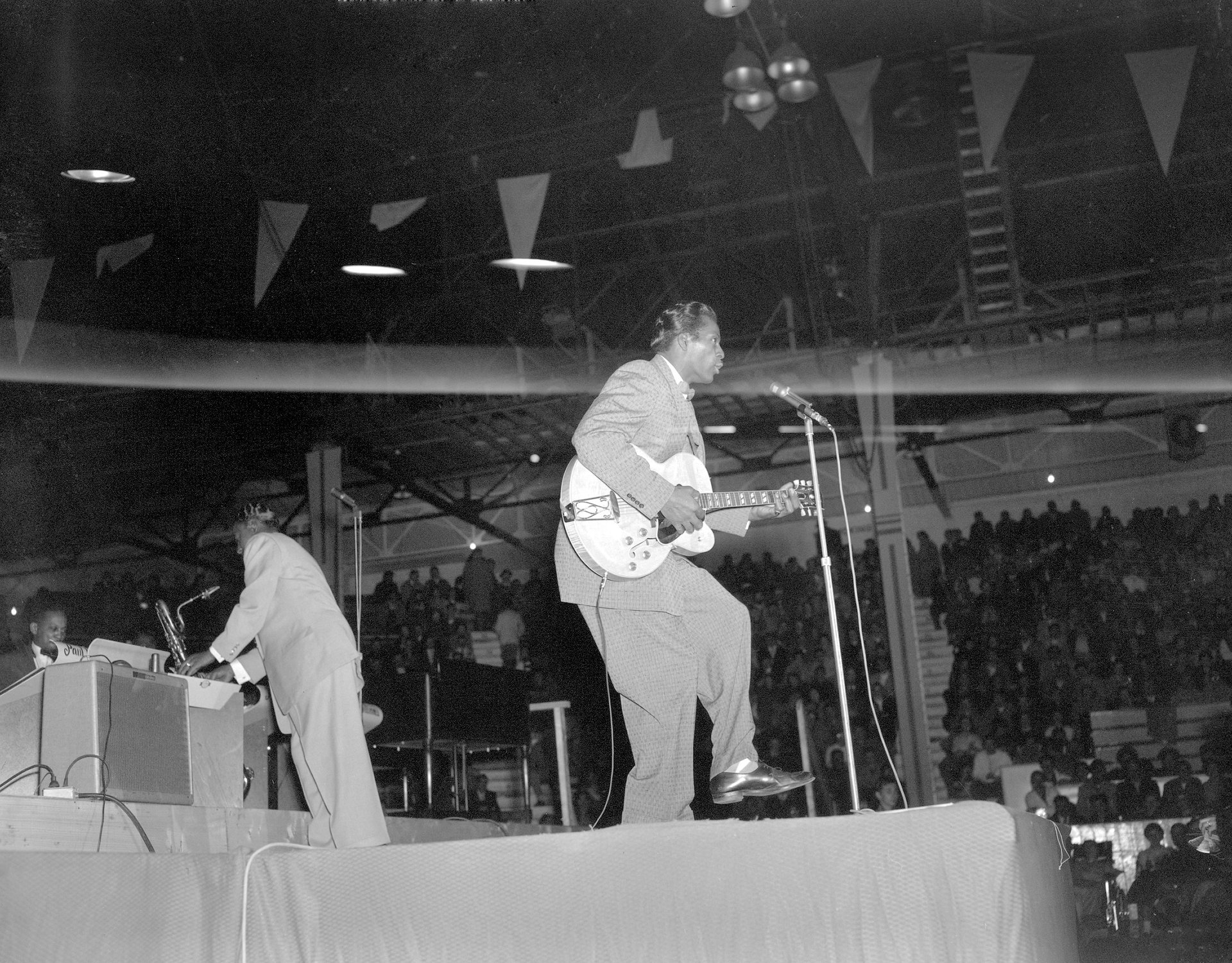
History of the Riff: Chuck Berry's "Johnny B. Goode," the Intro That Taught Rock Guitar to Talk
Chuck Berry would have turned 100 today. Here's how a 1946 Carl Hogan lick, T-Bone Walker's slurs and one January day at Chess Records became the intro every rock guitarist learns first.
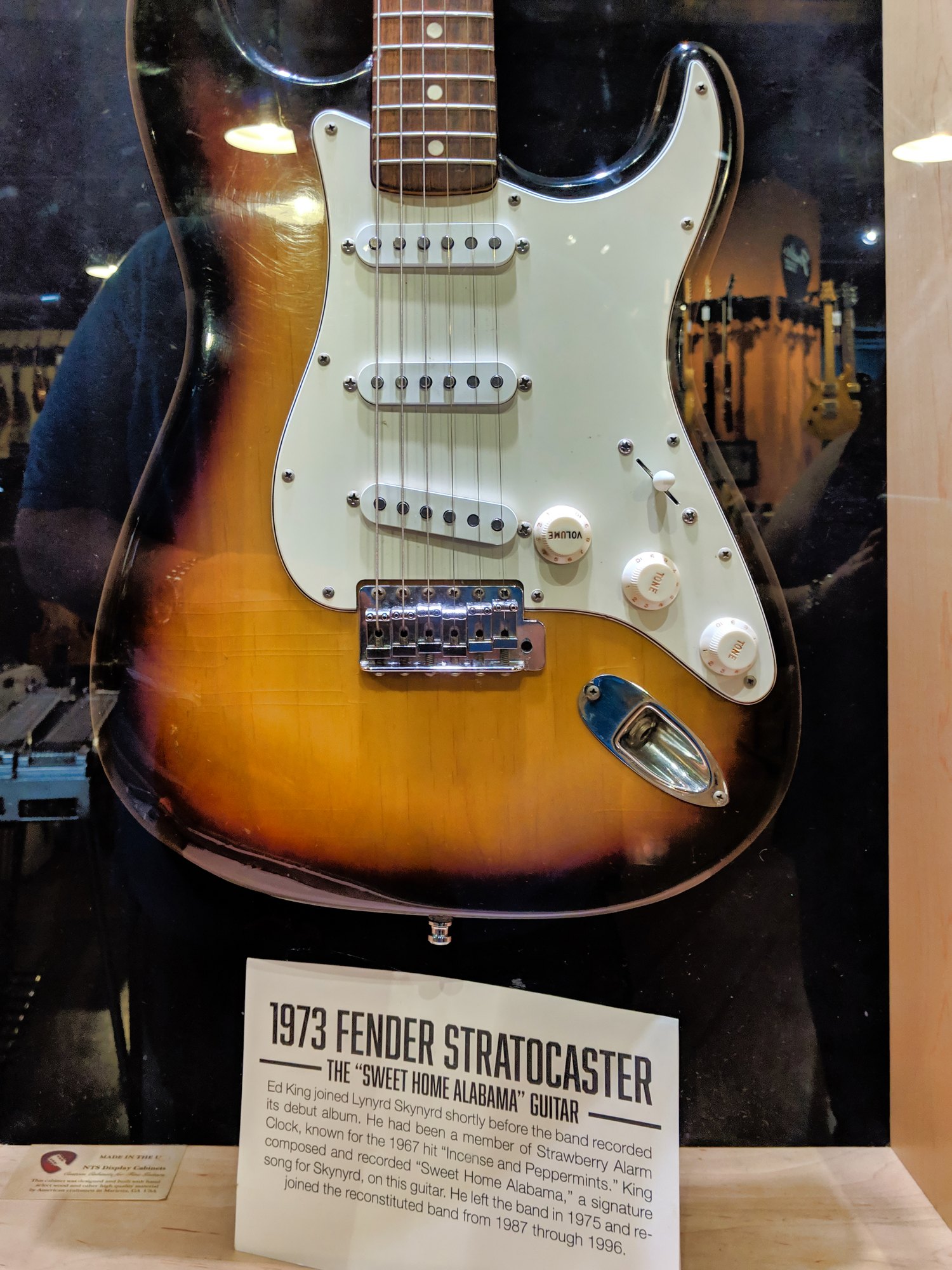
History of the Riff: "Sweet Home Alabama" and the Lick That Came in a Dream
The history of the Sweet Home Alabama riff: Ed King's dream, Gary Rossington's spark, a cranked Fender Twin, and the D-or-G key debate that still splits players.
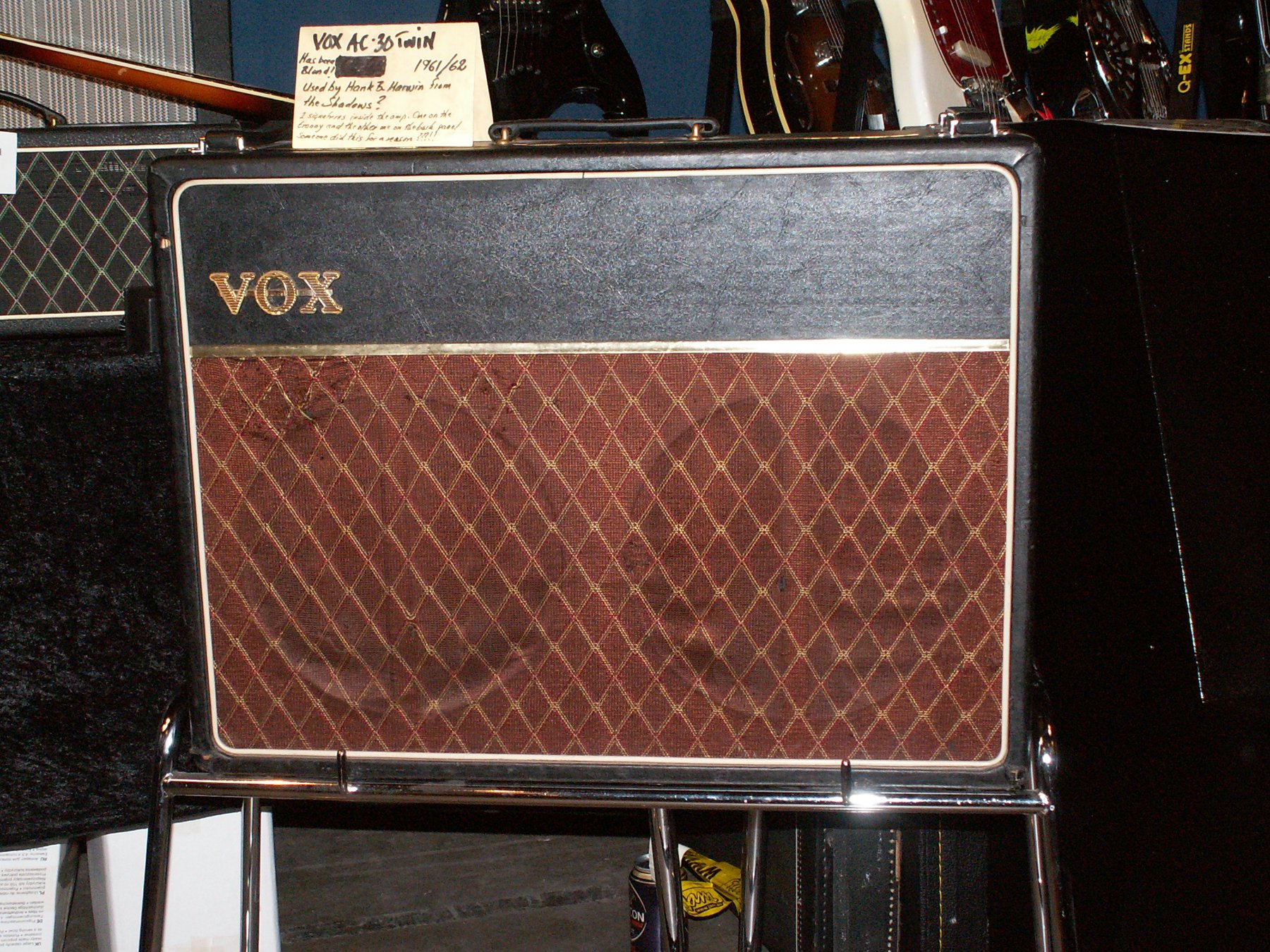
The Vox AC30 History: How a British Amp Learned to Chime
The Vox AC30 history, from Hank Marvin's call for more volume to the Top Boost, Beatlemania, Brian May and The Edge: the circuit, the speakers, the chime.