
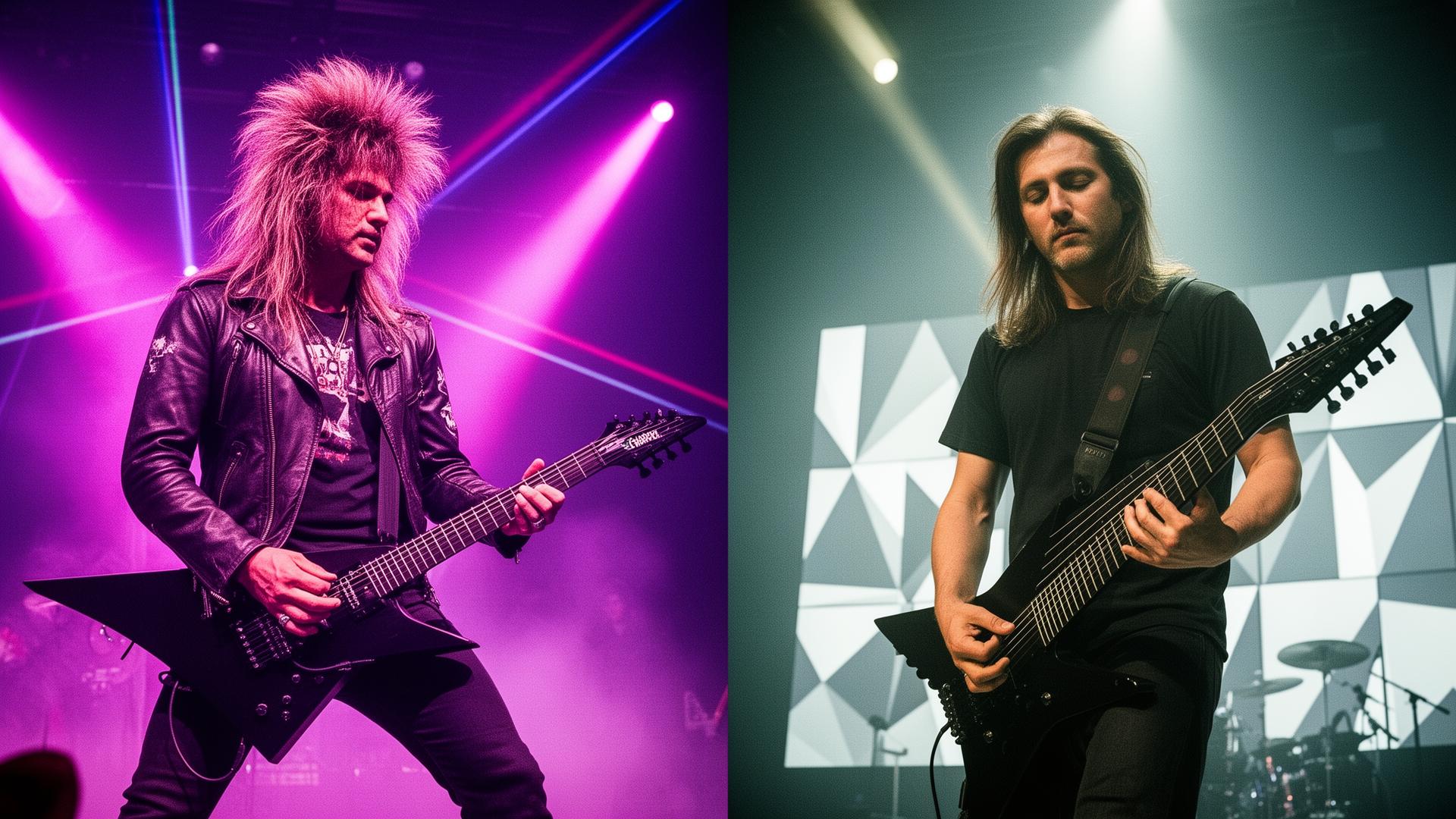
Long Live the Guitar Solo: 80s Guitar Gods vs. the Modern Revolution of Henson and Abasi
There’s a quiet debate happening in guitar culture right now—the emotional firepower of the 80s guitar gods versus the precision and architecture of modern innovators like Tim Henson and Tosin Abasi. Neither side is wrong. And the tension between them is shaping the future of the instrument.
▶ LISTEN WHILE READING
There’s a quiet debate happening in guitar culture right now.
On one side, you’ve got the 80s guitar gods—players who turned solos into an art form, filling arenas with screaming bends, endless sustain, and emotional storytelling through six strings.
On the other side, you’ve got the modern innovators—players like Tim Henson and Tosin Abasi, pushing the instrument into new technical and rhythmic dimensions that didn’t exist a few decades ago.
Neither side is wrong. But they represent two completely different philosophies of guitar. And the tension between them is exactly what’s shaping the future of the instrument.
The Era of the Guitar Solo Kings
The 1980s wasn’t just a decade for guitar—it was the decade of guitar. Players like Eddie Van Halen, Steve Vai, and Slash didn’t just play solos. They owned them.
The guitar solo wasn’t optional—it was the emotional peak of every song. It was expected. It was celebrated. It was the moment the crowd waited for.
Everything was built around feel: wide vibrato, expressive bends, melodic phrasing, and solos that told a story instead of just showing technique.
This era gave us the idea of the “guitar god”—a larger-than-life player who could turn a single note into a stadium-wide emotional reaction. The guitar wasn’t just an instrument. It was the main character.
The Shift Away From the Solo
As music evolved into the 2000s and beyond, guitar slowly lost its spotlight in mainstream rock and pop. Songs became shorter, more production-heavy, and more rhythm-driven.
The long, expressive guitar solo started disappearing from radio. But instead of dying, guitar evolved in a different direction.
Want This Tone?
Tell ToneMD what gear you own and get a full signal chain with real numbered settings for this tone.
Included with Premium
The Modern Revolution: Precision, Complexity, and Redefinition
Modern players like Tim Henson and Tosin Abasi didn’t reject the guitar—they rebuilt its language.
Tosin Abasi brought a new level of technical innovation through progressive metal and extended-range guitars, redefining what rhythm and lead can even mean.
Tim Henson pushed guitar into a hybrid world of math-like rhythm structures, genre blending, and clean, almost digital precision.
In this world, the guitar isn’t just about solos. It’s about composition, texture, and rhythmic architecture. Instead of asking “how emotional is this solo?” the question becomes: “What is this guitar part doing inside the entire soundscape?”
“The guitar didn’t lose its voice. It just learned new languages.”
Two Different Philosophies of Genius
The 80s guitar gods and modern innovators aren’t really in competition. They’re solving different problems.
The 80s mindset is emotion first—solos as storytelling, tone as identity, guitar as the center of the song.
The modern mindset is structure first—complexity and rhythm focus, sonic experimentation, guitar as part of a bigger system.
One is about expression. The other is about evolution.
So… Is the Guitar Solo Dead?
No. But it’s no longer the default language of guitar. In the 80s, the solo was the destination. Today, it’s just one possible tool in a much larger toolbox.
And that’s where the tension comes from. Some players miss the emotional peak of a soaring solo. Others see modern guitar as the next logical step forward. Both are right in their own way.
Why Both Eras Matter
The truth is, modern guitar wouldn’t exist without the 80s. And the 80s wouldn’t have evolved if guitar stopped there.
Without the expressive foundation of players like Eddie Van Halen, guitar would have never become emotionally iconic. Without modern innovators, it would have never become structurally limitless.
One era gave us feeling. The other gives us possibility.
Final Thought
The debate between 80s guitar gods and modern players like Henson and Abasi isn’t really about who is better. It’s about what you value more: emotion or innovation, solos or systems, nostalgia or evolution.
But maybe the real answer is simpler. The guitar didn’t lose its voice. It just learned new languages. And the best players—past and present—are all speaking it differently.
- Ibanez TOD10N Tim Henson Signature Nylon Electric Guitar$899·Check on Amazon →
- Charvel Pro-Mod DK24 HSS 2PT CM$1,099·Check on Amazon →
- Neural DSP Quad Cortex Multi-Effects Modeler$1,899·Check on Amazon →
Some links are affiliate links — we may earn a small commission at no cost to you.
Experience-driven coverage, not algorithm bait.
- 20+ years of guitar playing experience
- Real-world retail experience at Guitar Center
- Thousands of hours testing guitars, amps, and pedals
- A community of 50,000+ guitar enthusiasts across platforms
- Partnerships with Fender, DistroKid, TrueFire, Card Chords, and Enya
- Editorial standards published openly — see how we test gear
The Modern Guitar Magazine. Delivered to your inbox.
No spam. No gimmicks. Just great guitar content — stories, tones, iconic solos, and honest gear takes. Every week.
Ask GP
3 free questions a dayStill curious? Ask GP about this story.
Your personal classic-rock and guitar guide — ask anything about Long Live the Guitar Solo.
Discussion (0)
Sign in to join the discussion.
Sign in to commentLoading comments…
Discover another guitar story
Swipe through our latest features, breaking news and iconic solos — one story at a time.
Open Swipe →More in Guitar Talk
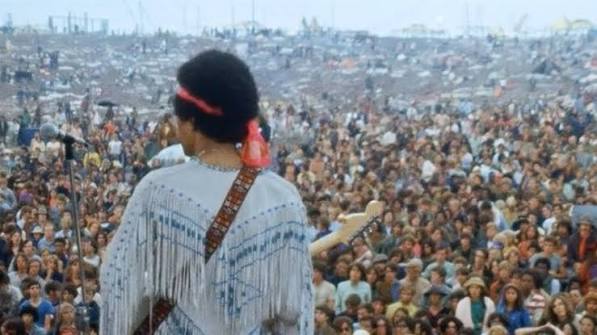
The 10 Greatest Guitar Renditions of “The Star-Spangled Banner”
From Jimi Hendrix's controlled chaos at Woodstock to modern performances by H.E.R., Gary Clark Jr. and Jack White, these guitarists turned America's national anthem into something deeply personal.
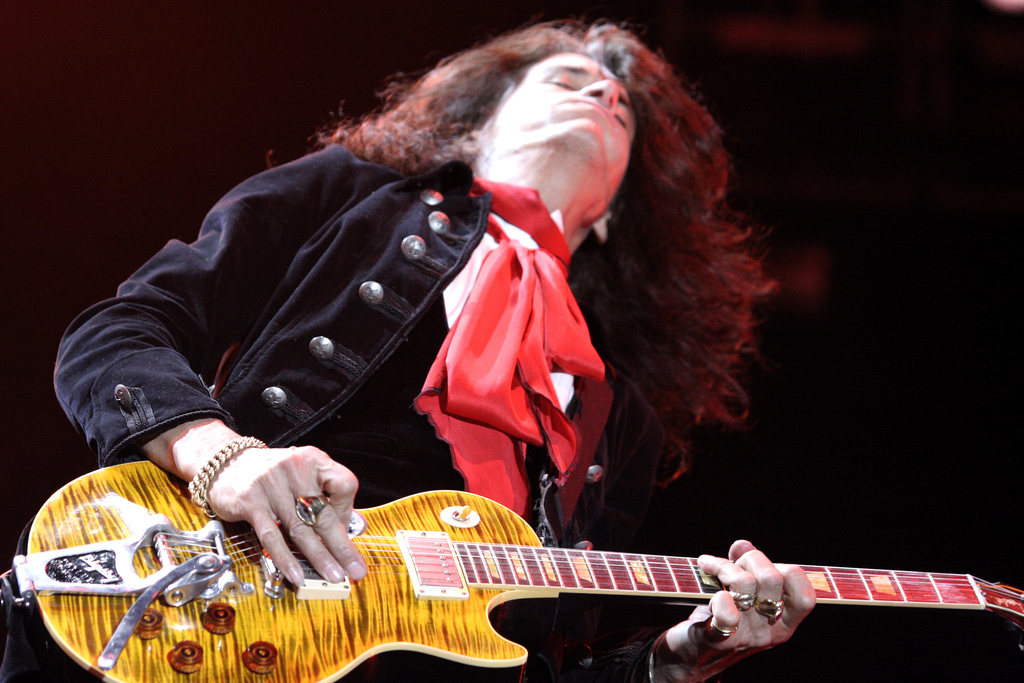
Happy Birthday, Joe Perry: The Riff Machine Who Gave Aerosmith Its Swagger
Joe Perry turns 76 today. From the swampy grind of “Sweet Emotion” to the reunion that saved a band, this is the career of the guitarist who taught American hard rock how to strut.
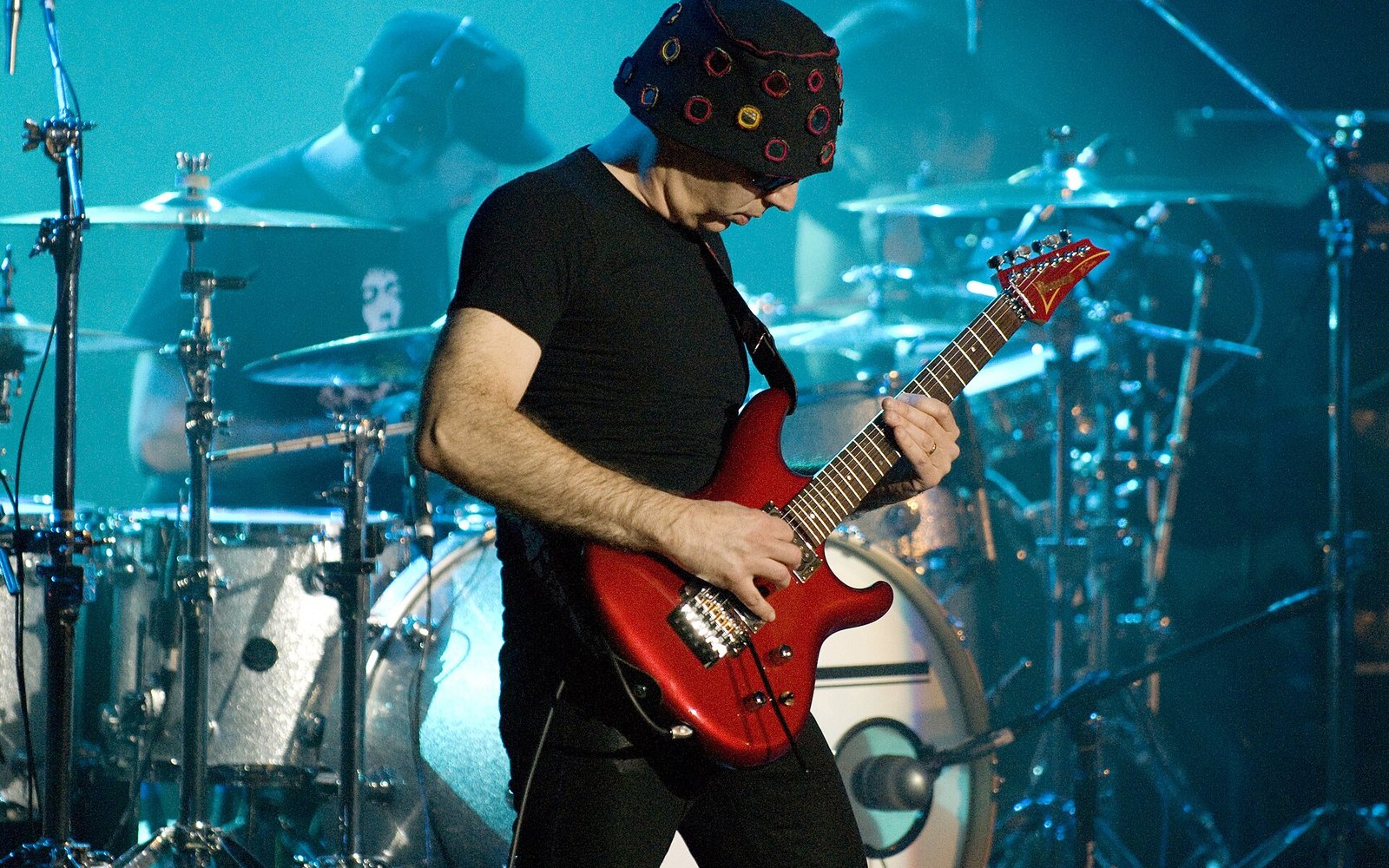
History of the Riff: How Joe Satriani Made “Flying in a Blue Dream” Feel Weightless
An acoustic guitar in an unusual tuning, a stray broadcast and a melody that seems to hang in the air: inside the construction of Satriani’s 1989 masterpiece.