

Paul Gilbert performing in 2019. Photo: Lars Horstmann / Production Partner / Wikimedia Commons, CC BY-SA 4.0 (https://creativecommons.org/licenses/by-sa/4.0/), cropped. Source: https://commons.wikimedia.org/wiki/File:GS2019_-_Paul_Gilbert.jpg
From Racer X to Mr. Big and beyond, Paul Gilbert combined terrifying technique with genuine musicality, humor, and teaching passion. Here's why he remains one of the most important guitarists of his generation.
Few guitarists possess the combination of technical mastery, creativity, humor, and musicality that defines Paul Gilbert. While many players can play fast, Gilbert built a career by doing something much harder: making incredible technique sound musical, memorable, and entertaining.
From his days with Racer X to his success in Mr. Big and his extensive solo career, Paul Gilbert remains one of the most respected guitarists on the planet. Yet despite his world-class abilities, he has always remained approachable, educational, and passionate about helping others become better musicians.
The Early Days
Born in Illinois in 1966, Paul Gilbert became obsessed with guitar at a young age. Influenced by players like Jimmy Page, Eddie Van Halen, Randy Rhoads, and Jimi Hendrix, he quickly developed a reputation as a player with frightening speed and precision.
His talent earned him a spot on the cover of guitar magazines before he was even old enough to legally drink.
By the mid-1980s, Gilbert formed Racer X, a band that quickly became legendary among guitar enthusiasts. Songs like "Scarified" showcased alternate picking abilities that seemed almost impossible at the time.
Even today, many guitarists use Racer X tracks as benchmarks for technical proficiency.
Racer X: A Shred Revolution
When players discuss the greatest shred albums ever recorded, Racer X is almost always part of the conversation.
Gilbert's playing featured blazing alternate picking, wide intervallic licks, precise string skipping, creative sequences, and incredible synchronization between both hands.
Unlike many shred guitarists of the era, Gilbert's lines often felt melodic rather than mechanical. His ability to combine speed with memorable phrasing helped separate him from countless imitators.
Mr. Big and Mainstream Success
While Racer X made him a hero among guitar nerds, Mr. Big introduced Gilbert to a worldwide audience.
The band's massive hit "To Be With You" became a global phenomenon, reaching number one in multiple countries.
While casual listeners focused on the acoustic ballad, guitar fans discovered that Gilbert was sneaking jaw-dropping guitar work into songs like:
- Addicted To That Rush
- Green-Tinted Sixties Mind
- Daddy, Brother, Lover, Little Boy
- Colorado Bulldog
Get Paul Gilbert’s “Scarified” Tone
Tell ToneMD what gear you own and get a full signal chain with real numbered settings for this tone.
Included with Premium
His riffs, solos, and harmony arrangements became essential listening for aspiring rock guitarists.
What Makes Paul Gilbert Special?
Many players can play fast. Very few can teach. Even fewer can entertain. Paul Gilbert does all three.
His playing is built on a foundation of elite alternate picking. While sweep picking dominated much of the shred world, Gilbert became famous for proving that alternate picking could achieve incredible speed while maintaining articulation and clarity.
His trademark exercises have become standard practice routines for generations of guitarists.
Signature Elements of His Playing
Perhaps most importantly, Gilbert never sounds like he's showing off. Even his most difficult passages often sound playful and musical.
- Monster alternate picking
“Every note serves the music.”
- String skipping patterns
- Wide interval melodies
- Blues-inspired phrasing
- Humor and creativity
- Exceptional vibrato
- Memorable melodic hooks
The Teacher Behind the Legend
Paul Gilbert has arguably influenced more guitar players through education than almost any guitarist of his generation.
His instructional videos became legendary for being easy to understand, funny and entertaining, packed with practical exercises, and focused on musical application.
Thousands of players have improved their technique through Gilbert's lessons without ever taking a private lesson from him. His approach removes the intimidation factor often associated with advanced guitar playing.
His Gear Philosophy
Unlike many modern players chasing endless gear upgrades, Gilbert has often emphasized that technique matters more than equipment.
Throughout his career he has been associated with Ibanez PGM signature guitars, Marshall amplifiers, Laney amplifiers, and various overdrive and delay setups.
His signature Ibanez PGM remains one of the most recognizable artist models ever produced, instantly identifiable by its painted F-holes and sleek design.
Why Paul Gilbert Still Matters in 2026
The guitar world changes constantly. Trends come and go. Yet Paul Gilbert continues to remain relevant because his musicianship transcends trends.
YouTube is filled with players who can play fast. Very few possess Gilbert's combination of technique, tone, melody, personality, and teaching ability.
Whether he's performing with Mr. Big, releasing solo records, or teaching guitar online, Gilbert continues to inspire players of every skill level.
Our Take
Paul Gilbert belongs firmly in the conversation when discussing the greatest technical guitarists of all time.
What separates him from many of his peers is that his playing never feels like an exercise. Every note serves the music, every solo tells a story, and every lesson makes players excited to pick up their guitar.
That's a rare gift.
For many guitarists, Paul Gilbert wasn't just a shred hero — he was the player who made them believe they could become better musicians themselves.
And that influence may ultimately be his greatest legacy.
Plugged Gear Co. may earn a commission from qualifying purchases.
Experience-driven coverage, not algorithm bait.
- 20+ years of guitar playing experience
- Real-world retail experience at Guitar Center
- Thousands of hours testing guitars, amps, and pedals
- A community of 50,000+ guitar enthusiasts across platforms
- Partnerships with Fender, DistroKid, TrueFire, Card Chords, and Enya
- Editorial standards published openly — see how we test gear
The Modern Guitar Magazine. Delivered to your inbox.
No spam. No gimmicks. Just great guitar content — stories, tones, iconic solos, and honest gear takes. Every week.
Ask GP
3 free questions a dayStill curious? Ask GP about this story.
Your personal classic-rock and guitar guide — ask anything about Paul Gilbert.
Discussion (0)
Sign in to join the discussion.
Sign in to commentLoading comments…
Discover another guitar story
Swipe through our latest features, breaking news and iconic solos — one story at a time.
Open Swipe →More in Guitar Talk
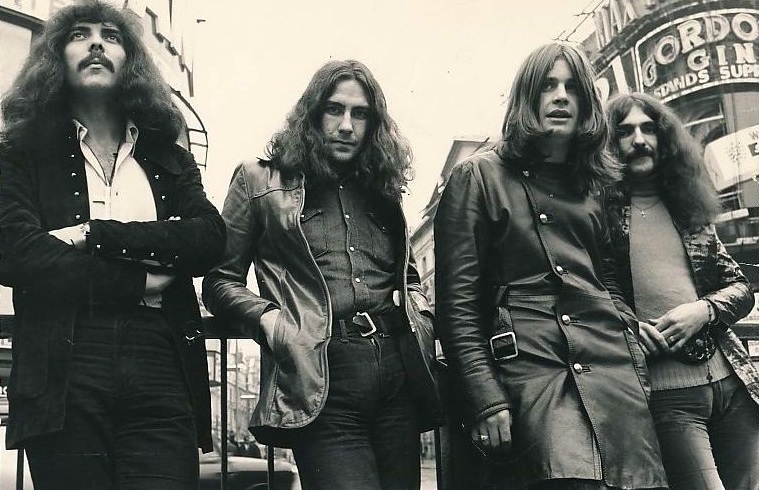
History of the Riff: Black Sabbath's "Iron Man" — A Lumbering Monster, a Factory Accident, and Doom's Walking Template
After Smoke on the Water turned four notes into guitar-shop folklore, Tony Iommi's Iron Man riff showed how a slow, blues-stained figure — born in a rehearsal room over Bill Ward's boom — could invent metal's sense of weight, space, and riff-as-character.
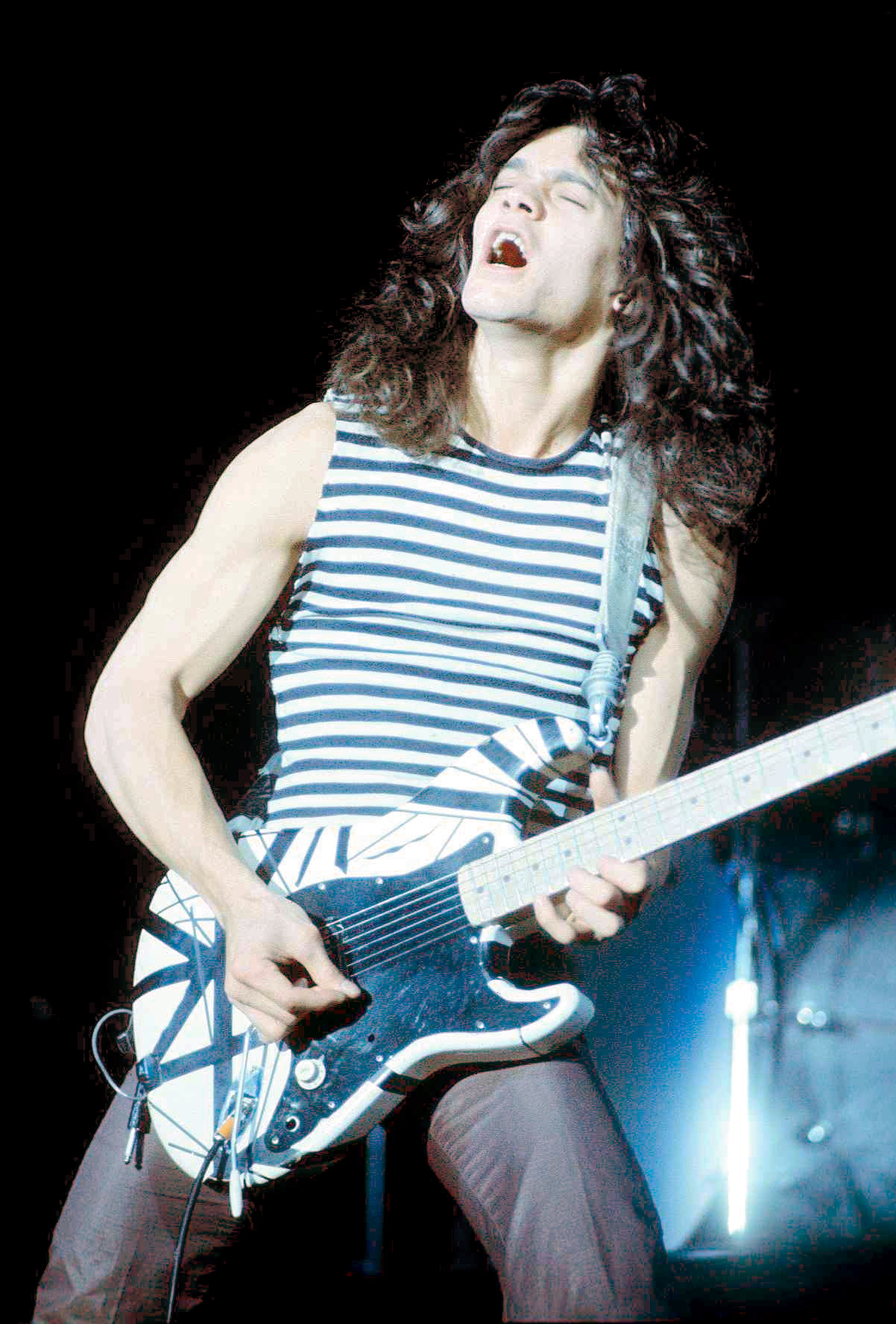
Remembering Eddie Van Halen: Six Years On, the Guitar Still Speaks His Language
Six years on, guitar shops still sound a little like Eddie Van Halen. This Guitar Talk feature is for players — what he left us that we still use every time we plug in.
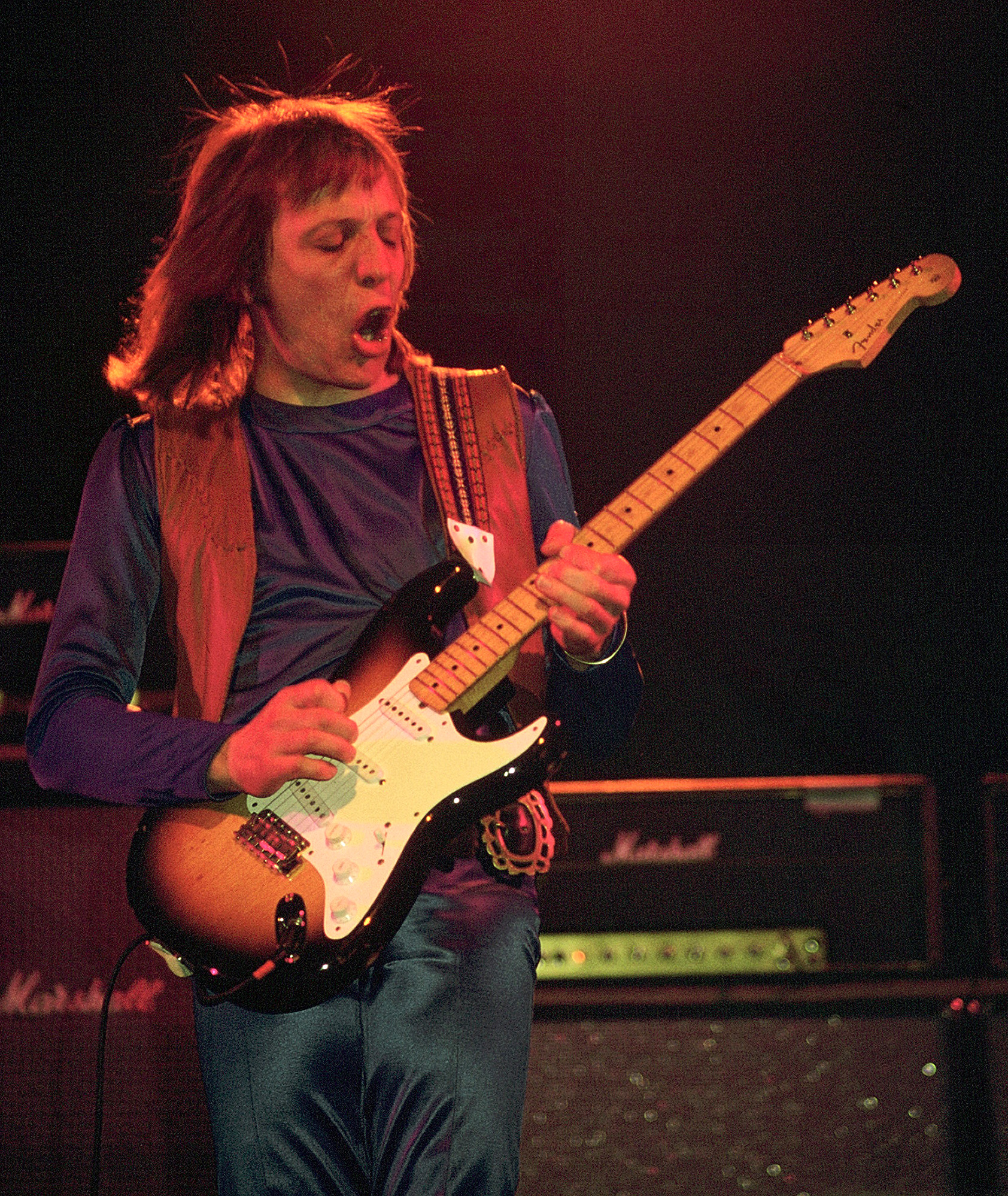
Robin Trower: The Man Who Turned the Strat Into Weather
He played on the albums that came after a hit everyone knows. Then he left, made one record that rewired how a generation heard the Stratocaster, and spent the next fifty years refining it. A look at Robin Trower's career, his rig and why he still matters at 81.