
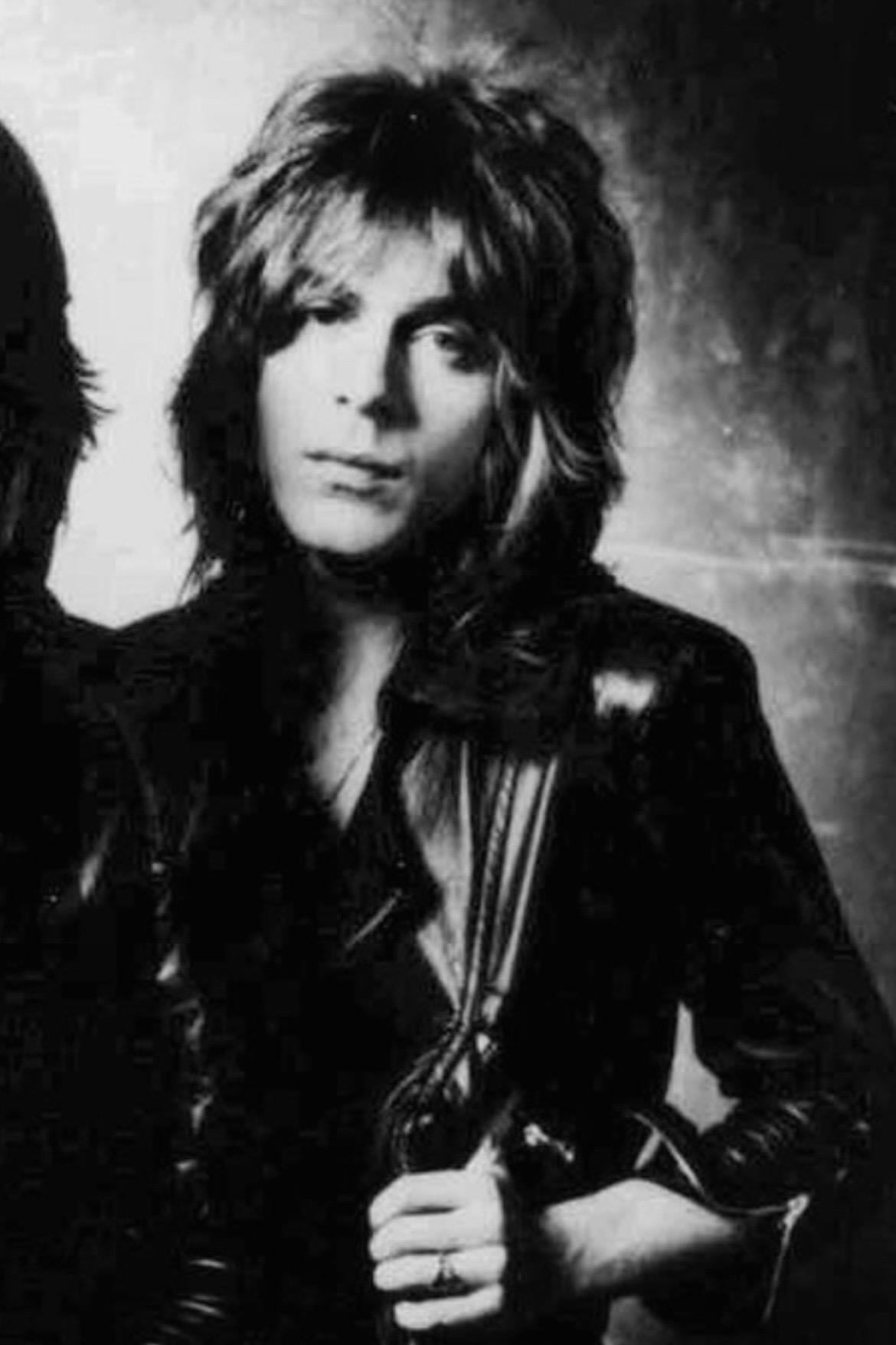
More than four decades after his passing, Randy Rhoads still sounds futuristic. Classical discipline, cinematic phrasing, and raw emotion — here's why his playing keeps finding new generations of guitarists.
More than four decades after his passing, Randy Rhoads still sounds futuristic.
That's an incredibly difficult thing to achieve as a guitarist.
A lot of legendary players are undeniably important to music history, but you can immediately hear the decade they came from. Their tone, phrasing, production style, and songwriting are tied directly to a specific era.
Randy feels different.
Even today, his playing sounds dangerous, emotional, technical, and strangely modern all at once.
That's why younger players continue discovering him every year despite his relatively small catalog compared to other guitar legends.
Randy Didn't Play Like Anyone Else
When Randy joined Ozzy Osbourne after the collapse of Black Sabbath's original lineup, heavy metal guitar was still evolving.
A lot of players at the time leaned heavily into blues-based pentatonic ideas. Randy certainly understood blues phrasing, but he approached the guitar almost like a composer rather than just a rock player.
That's what made him stand out immediately.
His solos weren't random bursts of fast notes. They felt structured and intentional. There were movements within the solos — tension, melody, aggression, release, and resolution.
Listen carefully to songs like "Mr. Crowley," "Revelation (Mother Earth)," "Diary of a Madman," and "Flying High Again," and you'll hear someone combining classical influence with pure heavy metal energy in a way that still sounds fresh today.
His Classical Influence Changed Metal Guitar
Randy famously studied classical guitar and music theory seriously, even while touring.
That discipline separated him from many players of the era.
You can hear it in his harmonic choices, chord voicings, diminished runs, pedal-tone ideas, and orchestral sounding arrangements.
Get Randy Rhoads’ “Crazy Train” Tone
Tell ToneMD what gear you own and get a full signal chain with real numbered settings for this tone.
Included with Premium
Instead of just stacking riffs together, Randy often created guitar parts that sounded cinematic.
The intro to "Diary of a Madman" still sounds haunting today because it feels composed with intention rather than written around a trendy guitar technique.
Modern progressive metal and neoclassical players owe a massive debt to Randy's approach whether they realize it or not.
Without Randy, the path for players like Yngwie Malmsteen, John Petrucci, Synyster Gates, and Zakk Wylde probably looks very different.
The Emotion in Randy's Playing Is Still Rare
What really keeps Randy relevant isn't just technical skill.
It's emotion.
“He wasn't just playing fast. He was saying something.”
There's an urgency in his phrasing that still feels unmatched. His vibrato screams. His bends sound desperate. His solos feel like they're fighting their way through the song rather than floating above it.
That emotional intensity is why so many players still obsess over his leads decades later.
Even modern high-gain metal guitarists chasing perfect precision sometimes struggle to capture the human feel Randy naturally had.
His imperfections actually helped make the music feel alive.
His Tone Was Raw but Musical
Randy's guitar tone also aged incredibly well.
Unlike some heavily processed 80s guitar sounds, his tone still feels organic and aggressive today. It had enough gain to sound huge but enough clarity to let every phrase breathe.
That balance matters.
His live playing especially had a raw unpredictability that modern digital perfection often misses. There was danger in it. You felt like something incredible — or completely chaotic — could happen at any moment.
The Tragedy That Froze the Legend in Time
Part of Randy's mystique comes from how suddenly his career ended.
In 1982, at just 25 years old, Randy Rhoads died in a tragic plane accident while touring with Ozzy.
Because his career was so short, fans never got to see what his true creative peak might have looked like.
And that question still haunts guitar culture: what would Randy Rhoads have become if he had another 20 or 30 years to evolve? Would he have explored full classical composition? Would he have moved into film scoring? Would he have pushed metal guitar even further?
We'll never know.
But sometimes legends grow larger precisely because the story was unfinished.
Why Randy Still Matters Today
The reason Randy Rhoads still resonates in 2026 is simple: his playing wasn't based on trends. It was based on musicality, emotion, discipline, and fearless creativity.
That combination never goes out of style.
While guitar culture constantly changes — from shred to grunge to djent to TikTok virtuosos — Randy's work continues to feel timeless because it was always deeper than technique alone.
He wasn't just playing fast. He was saying something.
- Jackson Pro Series Signature Randy Rhoads RR24$1,199·Check on Amazon →
- MXR M101 Phase 90$89·Check on Amazon →
- Ozzy Osbourne — Blizzard of Ozz / Diary of a Madman$24·Check on Amazon →
Some links are affiliate links — we may earn a small commission at no cost to you.
Experience-driven coverage, not algorithm bait.
- 20+ years of guitar playing experience
- Real-world retail experience at Guitar Center
- Thousands of hours testing guitars, amps, and pedals
- A community of 50,000+ guitar enthusiasts across platforms
- Partnerships with Fender, DistroKid, TrueFire, Card Chords, and Enya
- Editorial standards published openly — see how we test gear
The Modern Guitar Magazine. Delivered to your inbox.
No spam. No gimmicks. Just great guitar content — stories, tones, iconic solos, and honest gear takes. Every week.
Ask GP
3 free questions a dayStill curious? Ask GP about this story.
Your personal classic-rock and guitar guide — ask anything about Why Randy Rhoads Still Sounds.
Discussion (0)
Sign in to join the discussion.
Sign in to commentLoading comments…
Discover another guitar story
Swipe through our latest features, breaking news and iconic solos — one story at a time.
Open Swipe →More in Guitar Talk
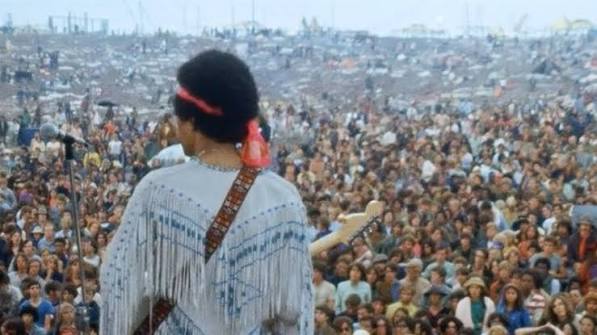
The 10 Greatest Guitar Renditions of “The Star-Spangled Banner”
From Jimi Hendrix's controlled chaos at Woodstock to modern performances by H.E.R., Gary Clark Jr. and Jack White, these guitarists turned America's national anthem into something deeply personal.
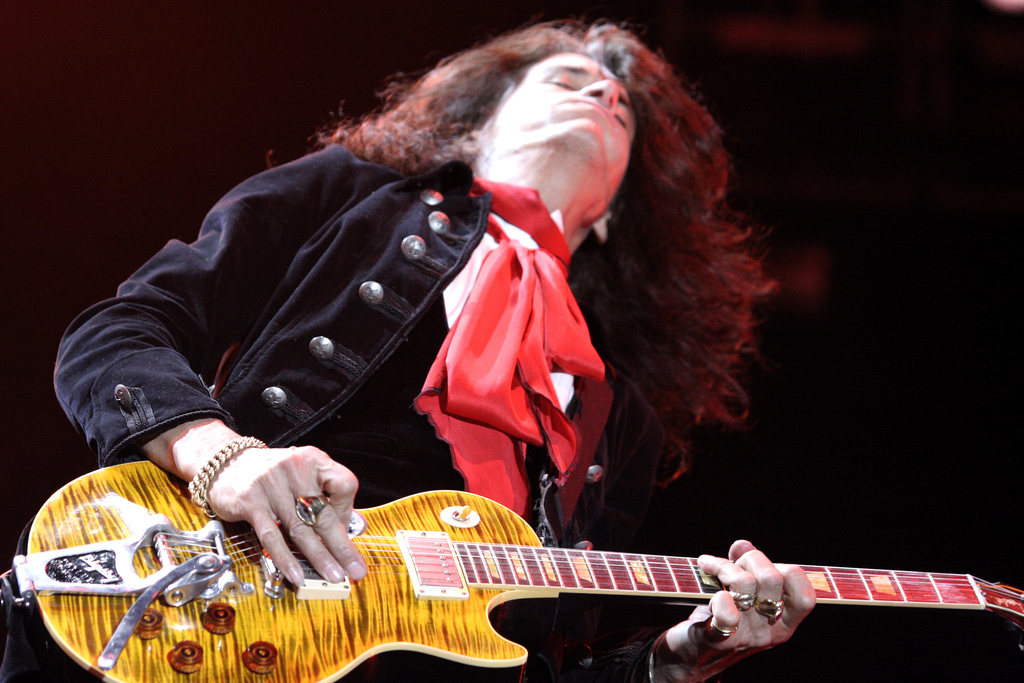
Happy Birthday, Joe Perry: The Riff Machine Who Gave Aerosmith Its Swagger
Joe Perry turns 76 today. From the swampy grind of “Sweet Emotion” to the reunion that saved a band, this is the career of the guitarist who taught American hard rock how to strut.
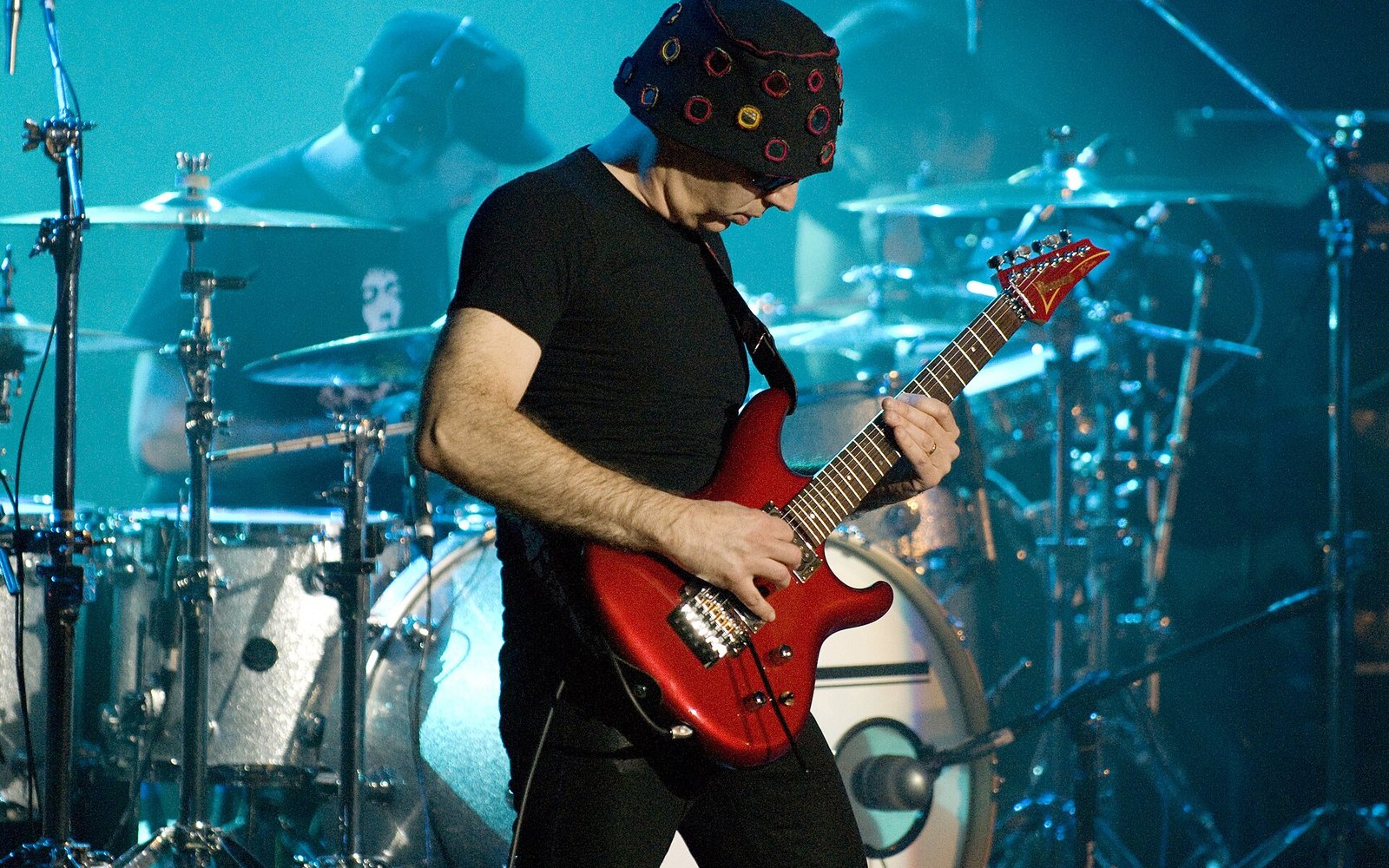
History of the Riff: How Joe Satriani Made “Flying in a Blue Dream” Feel Weightless
An acoustic guitar in an unusual tuning, a stray broadcast and a melody that seems to hang in the air: inside the construction of Satriani’s 1989 masterpiece.