Sister Rosetta Tharpe: The Electric Guitar Hero Who Lit the Fuse for Rock & Roll
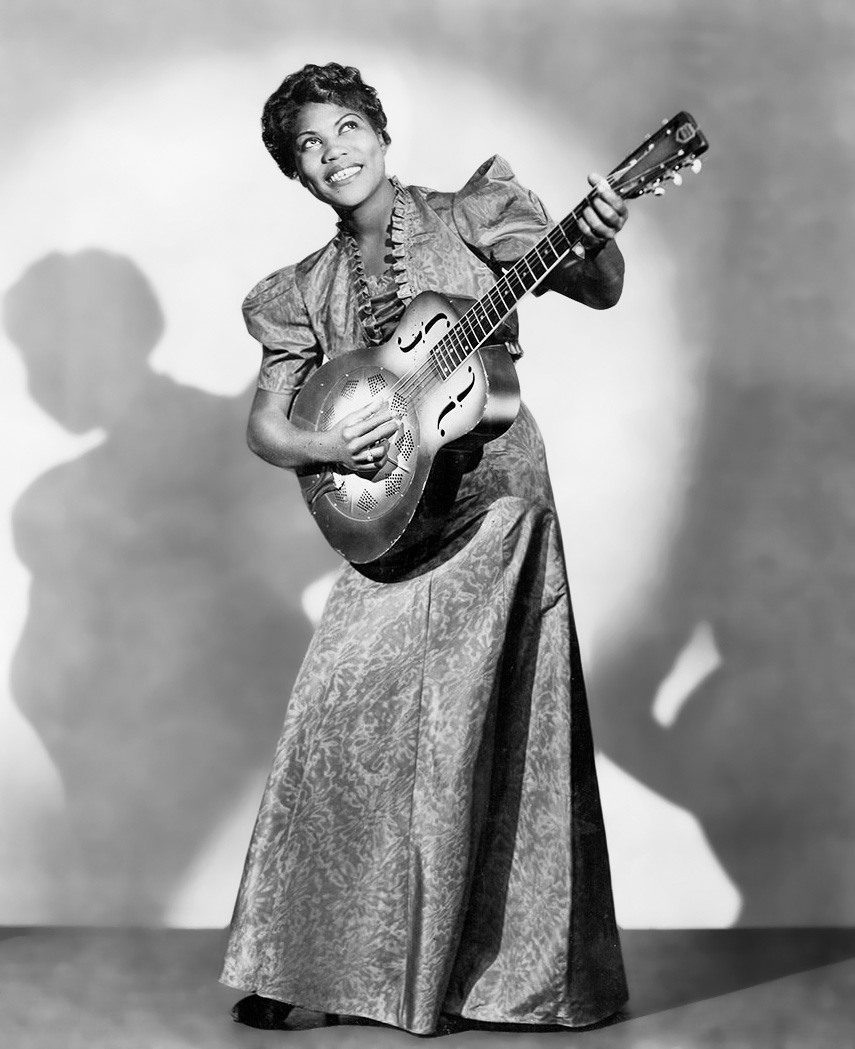
Sister Rosetta Tharpe with a metal-body resonator guitar in a 1938 publicity photograph.
Photo: James J. Kriegsmann, public domain, via Wikimedia Commons.
Before rock & roll had a name, Sister Rosetta Tharpe was bending notes, driving bands and making the electric guitar sing. Her story is not a footnote to the guitar heroes who followed. It is where their story begins.
On May 7, 1964, Sister Rosetta Tharpe arrived at a disused Manchester railway station in a horse-drawn carriage. Rain had fallen before the cameras started rolling. She stepped onto the platform with a white Gibson, launched into "Didn't It Rain" and played as if the weather had given her a personal introduction.
The resulting Blues and Gospel Train performance is one of the great documents of electric guitar. Tharpe sings at full power, drives the band with her right hand and answers her own voice with bends, double-stops and quick runs. She is not accompanying the star. She is the star, and the guitar is part of her voice.
That performance did not mark her beginning. By 1964 she had already spent more than four decades on stage and more than a quarter-century making records. Rock & roll did not suddenly discover a gospel singer who could play. It caught up with a guitarist who had been mixing sacred music, blues, jazz and dance rhythms since before the genre had a name.
A Guitarist Before She Was a Star
Rosetta Tharpe was born in Cotton Plant, Arkansas, on March 20, 1915. Her mother, Katie Bell Nubin, was an evangelist, singer and mandolin player in the Church of God in Christ. Rosetta began performing as a small child, singing and playing guitar at church services, revivals and eventually Chicago's Maxwell Street market.
The church gave her more than a repertoire. Pentecostal worship treated music as physical participation: rhythm, clapping, improvisation and an emotional exchange between performer and congregation. Tharpe carried that exchange into every venue that followed. Even when the lyrics or the audience changed, her playing kept the urgency of a musician who expected a response.
The Encyclopedia of Arkansas notes that she played individual tones, melodies and riffs rather than simply strumming accompaniment. Her mother's mandolin and gospel pianist Arizona Dranes were among her early influences. Blues and jazz entered the picture in Chicago. The result was never a neat division between a gospel vocalist and a lead guitarist. Both identities arrived together.
1938: Gospel Steps Into the Spotlight
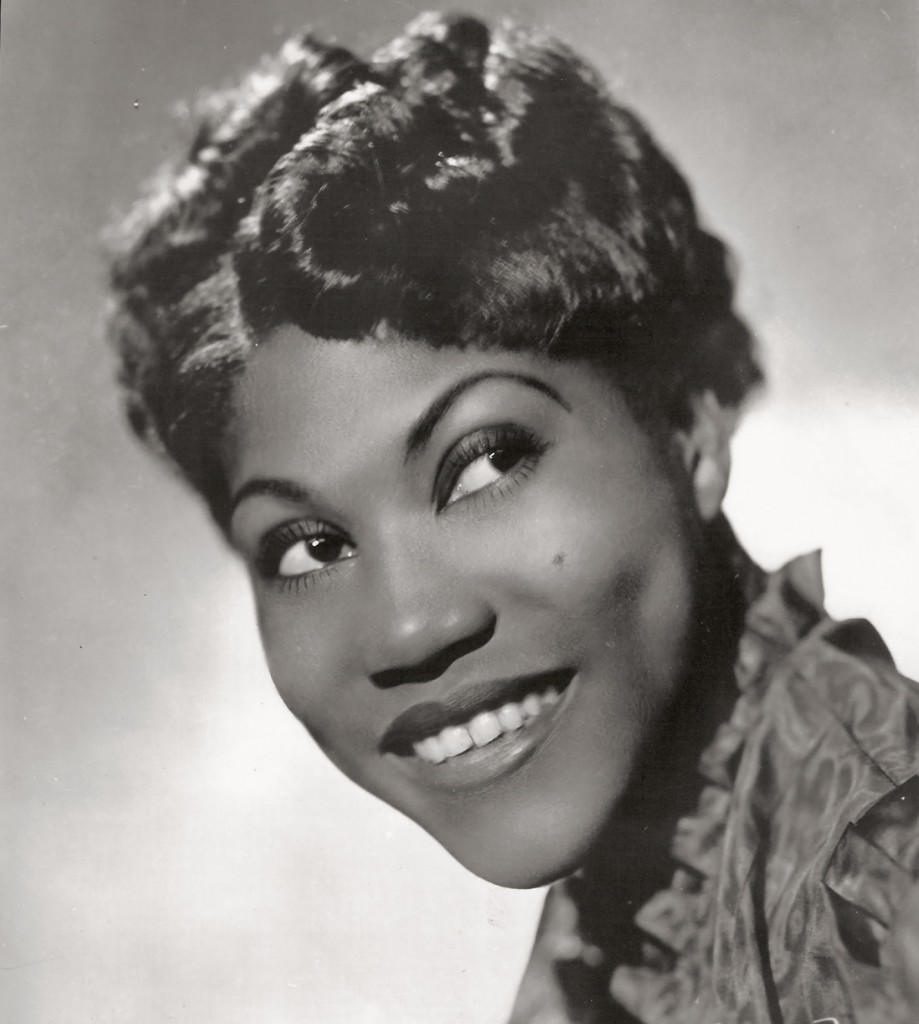
Tharpe recorded for Decca for the first time on October 31, 1938. The four songs included "Rock Me," "That's All," "My Man and I" and "The Lonesome Road." The Smithsonian dates that session and identifies the records as her breakthrough. She was 23.
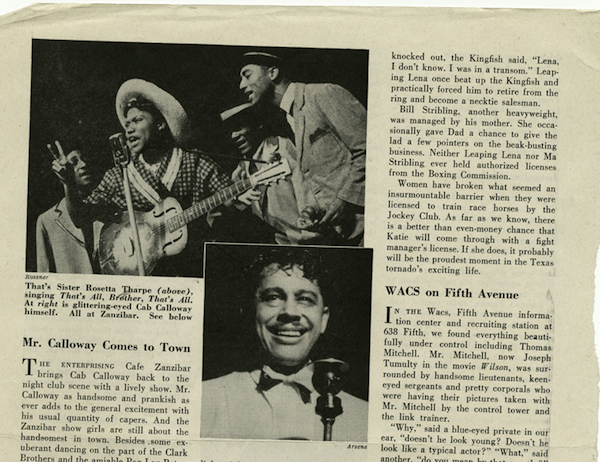
That fall she joined a Cotton Club revue headlined by Cab Calloway and the Nicholas Brothers. She also appeared in John Hammond's From Spirituals to Swing concert at Carnegie Hall. These were secular stages, but Tharpe did not leave her sacred material at the door. She took the songs, rhythmic drive and instrumental command of the church into spaces where gospel audiences were not the only people listening.
Some church listeners objected to that crossover. The controversy is important because it frames how radical her music was. Tharpe was not simply adding drums to a hymn for novelty. She was demonstrating that the supposedly separate languages of gospel, blues and popular dance music could come from the same musician in the same performance.
The Records That Point Forward
In 1941 Tharpe began working with Lucky Millinder's swing orchestra. The association placed her guitar and voice inside a powerful dance band and produced recordings including "The Lonesome Road" and the secular "(I Want a) Tall Skinny Papa." Her 1944 recording of "Down by the Riverside" with Millinder was added to the Library of Congress National Recording Registry in 2004.

Epiphone Les Paul Standard 60s
$699.00 at Guitar Center
After leaving Millinder, she entered a fruitful partnership with pianist Sammy Price. "Strange Things Happening Every Day," recorded in 1944, reached No. 2 on Billboard's race chart in 1945. Its crisp guitar figures and forward motion make the later description "rock & roll precursor" feel almost inadequate. This is already music built around beat, attack and personality rather than polish alone.
"Up Above My Head," recorded with the Sam Price Trio, reached No. 6 in 1948. Her partnership with Marie Knight produced another essential body of work. Then, in 1951, Tharpe turned her wedding to Russell Morrison into a concert at Washington, D.C.'s Griffith Stadium. According to Gayle Wald's PBS timeline, more than 20,000 paying fans attended, and the bride played electric guitar from center field. A stadium-scale guitar spectacle did not begin with the stadium-rock era.
What Her Right Hand and Left Hand Are Doing
Start with the attack. Tharpe's rhythm playing does not sit politely behind the vocal. It pushes, answers and sometimes challenges it. Her thumb and fingers give bass movement and chordal punches a strong physical shape, while single-note lines leap out of the accompaniment. Listen to "Strange Things Happening Every Day" and notice how little separation exists between rhythm and lead.
Then listen to the pitch. Her bends and slurs give a phrase the same flexibility as her singing. Double-stops thicken a line without turning it into a full chord. Chromatic passing notes connect blues language to the swing bands she worked with. Open tunings were part of her vocabulary too, but reducing her style to one tuning misses the larger lesson: she used the instrument as a second voice, not as a delivery system for a fixed set of licks.
The surviving performances also show how deliberately she used dynamics. A short answered phrase can reset the band. A repeated figure can raise the temperature without simply adding volume. When she does dig in, the extra force lands because the performance has somewhere to go. Her playing sounds spontaneous, but it is built on control.
For a quick listening course, begin with "Rock Me" for the early foundation, "Strange Things Happening Every Day" for the rhythmic blueprint, "Up Above My Head" for the gospel charge, and the 1964 "Didn't It Rain" for the full singer-bandleader-lead-guitarist package.
The White Gibson: Les Paul Custom or SG?
Tharpe played different instruments during her career, including archtops, acoustics and a Les Paul goldtop. The guitar most closely associated with her later appearances is the white, three-pickup Gibson with gold hardware and a Sideways Vibrola seen in 1964 footage.
Its name needs a little historical context. Gibson introduced the double-cutaway design as a Les Paul, then dropped the Les Paul name and used SG during 1963. That is why the same general instrument appears as a Les Paul Custom in one account and an SG Custom in another. Reverb's examination of Tharpe's guitar cautions that there is no definitive source for its exact year, placing the likely candidates in the 1961–1963 transition. Calling it a 1961 model with total certainty goes beyond the evidence.
The visual association is powerful, but the guitar did not make the innovation. Tharpe had already been developing her approach for decades. The white Gibson became the instantly recognizable instrument of her later television appearances because she made it impossible to ignore.
Manchester, May 7, 1964
The British concert film was built around the American Folk, Blues and Gospel Caravan. Its lineup included Muddy Waters, Otis Spann, Sonny Terry and Brownie McGhee, Reverend Gary Davis, Cousin Joe and Tharpe. Granada Television staged the show at Wilbraham Road station, putting performers and audience on opposite sides of the tracks.
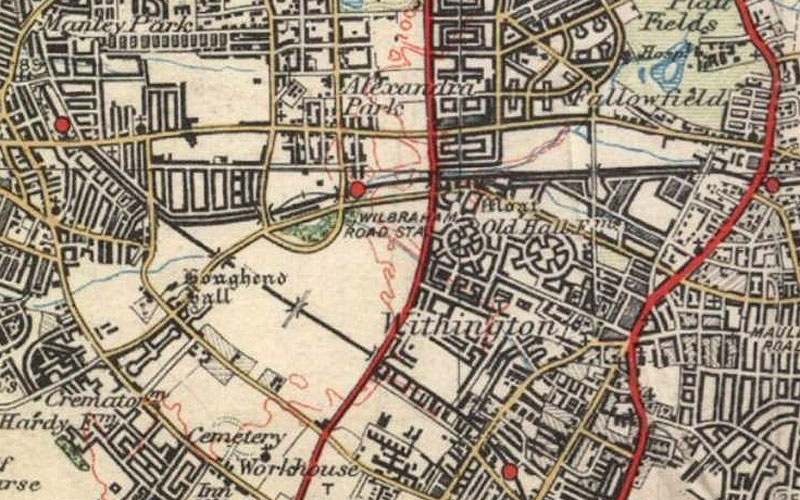
The setting was theatrical, but nothing about Tharpe's playing was staged nostalgia. In "Didn't It Rain," she moves from commanding rhythm figures to piercing lead phrases, smiling, calling to the audience and sustaining the energy of a full church service beside a railway line. The official PBS clip remains the best place to hear it.
Fender Player II Telecaster
$849.99 at Guitar Center
The broadcast became part of the education of British rock. Producer John Hamp later told the BBC that Mick Jagger, Jimmy Page and other musicians had told him they watched it on television. That is a more precise claim than turning every famous British guitarist into a verified eyewitness on the platform. The larger point is secure: musicians who would define 1960s guitar music could see a master already doing it.
Recognition Took Too Long
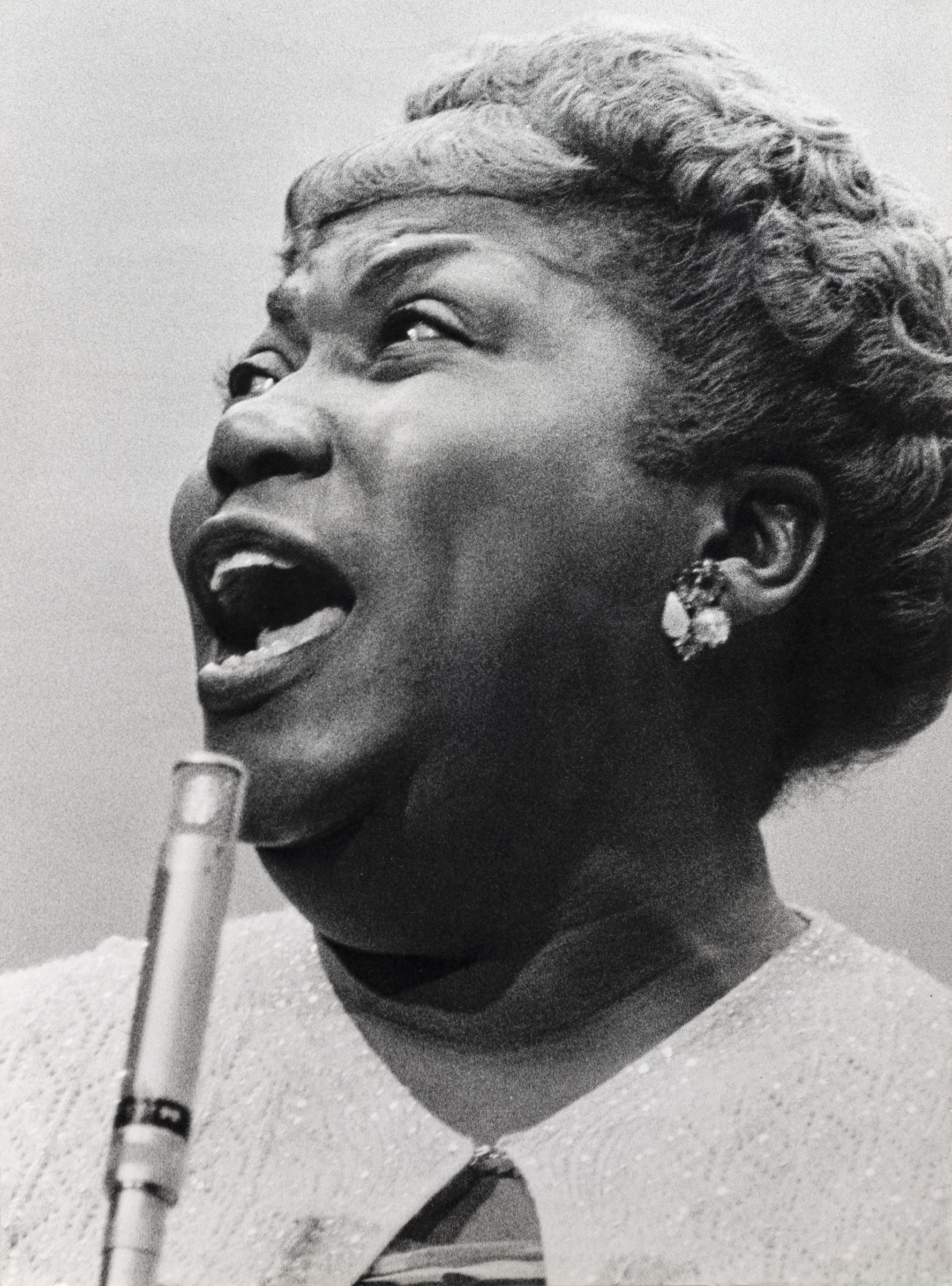
Tharpe continued to tour and record after 1964. She became ill during a European tour in 1970, probably from a stroke, and underwent a leg amputation in 1971 because of complications from diabetes. She still performed afterward. She died following another stroke in Philadelphia on October 9, 1973, at 58, with a new Savoy recording project planned.
Her burial place initially went unmarked, a stark symbol of how easily music history had misplaced her. Fans and musicians later funded a grave marker unveiled in 2009. A Pennsylvania historical marker was installed outside her former Master Street home in 2011.
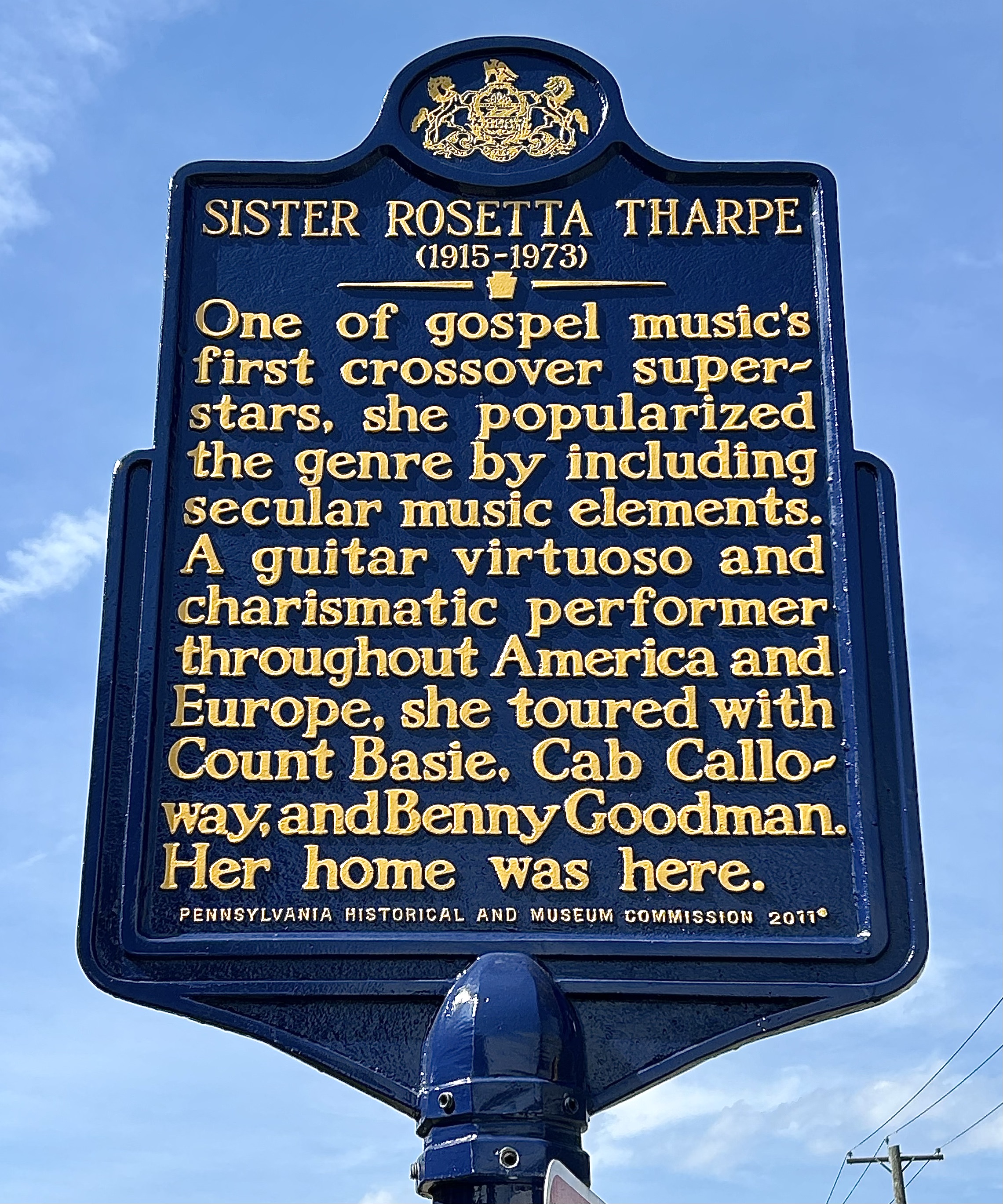
The Rock & Roll Hall of Fame inducted Tharpe for Early Influence in 2018, with Brittany Howard performing at the ceremony. She received a Grammy Lifetime Achievement Award in 2020. Those honors matter, but the more useful correction happens when listeners stop treating her as a name attached to other people's origin stories.
Little Richard, Elvis Presley, Chuck Berry and Johnny Cash all had reasons to cite her. Yet influence is not the only argument for listening. Tharpe's records and films stand on their own because the guitar playing is inventive, joyful and exact. She made room for the rock lead guitarist by refusing to make the guitar smaller than the singer.
The next time the history of electric guitar starts with a familiar 1950s name, rewind another decade. Put on "Strange Things Happening Every Day," then watch Manchester. You will hear the fuse being lit. For another musician who took blues phrasing into a new setting, read our Chuck Berry feature and the story of Muddy Waters' "Hoochie Coochie Man".
Plugged Gear Co., Guitar Center and American Musical Supply links may earn us a commission from qualifying purchases.
Reader-supported
Keep Guitar Alive
Enjoyed this story? The Guitar Plugged is free to read and reader-supported. If it helped you play, listen or buy a little smarter, chip in to keep guitar journalism like this coming.
One-time contribution, processed securely by Stripe. Contributions are not tax-deductible.
Experience-driven coverage, not algorithm bait.
- 20+ years of guitar playing experience
- Real-world retail experience at Guitar Center
- Thousands of hours testing guitars, amps, and pedals
- A community of 50,000+ guitar enthusiasts across platforms
- Partnerships with Fender, DistroKid, TrueFire, Card Chords, and Enya
- Editorial standards published openly — see how we test gear
The Modern Guitar Magazine. Delivered to your inbox.
No spam. No gimmicks. Just great guitar content — stories, tones, iconic solos, and honest gear takes. Every week.
Ask GP
20 free questions a dayStill curious? Ask GP about this story.
Your personal classic-rock and guitar guide — ask anything about Sister Rosetta Tharpe.
Discussion (0)
Sign in to join the discussion.
Sign in to commentLoading comments…
Discover another guitar story
Swipe through our latest features, breaking news and iconic solos — one story at a time.
Open Swipe →More Guitar News
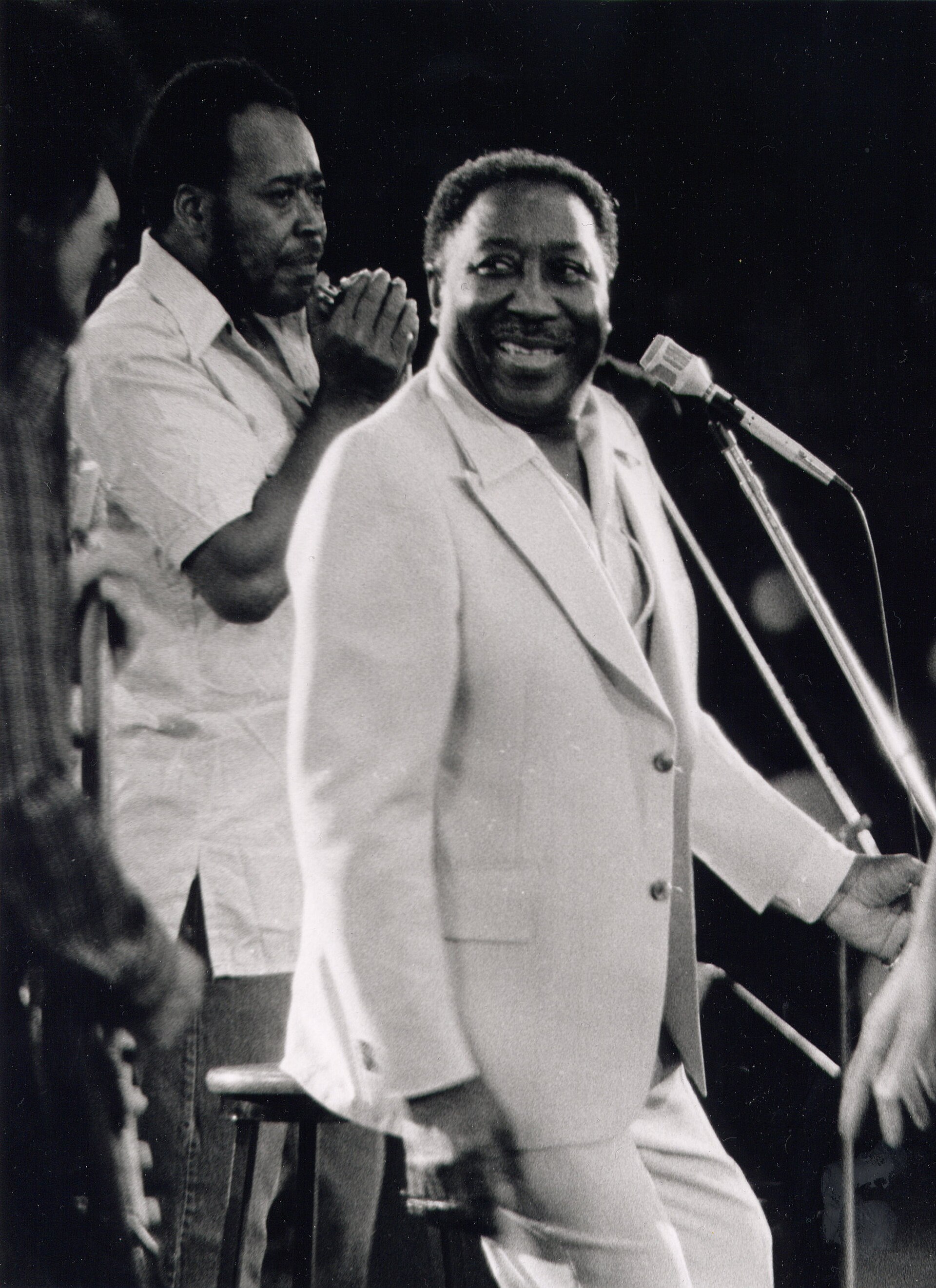
History of the Riff: Muddy Waters' "Hoochie Coochie Man" and the Five Notes That Stopped the Band Cold
Willie Dixon wrote it, Muddy Waters owned it, and Bo Diddley borrowed it. The story of the Hoochie Coochie Man riff and the stop-time trick behind it.
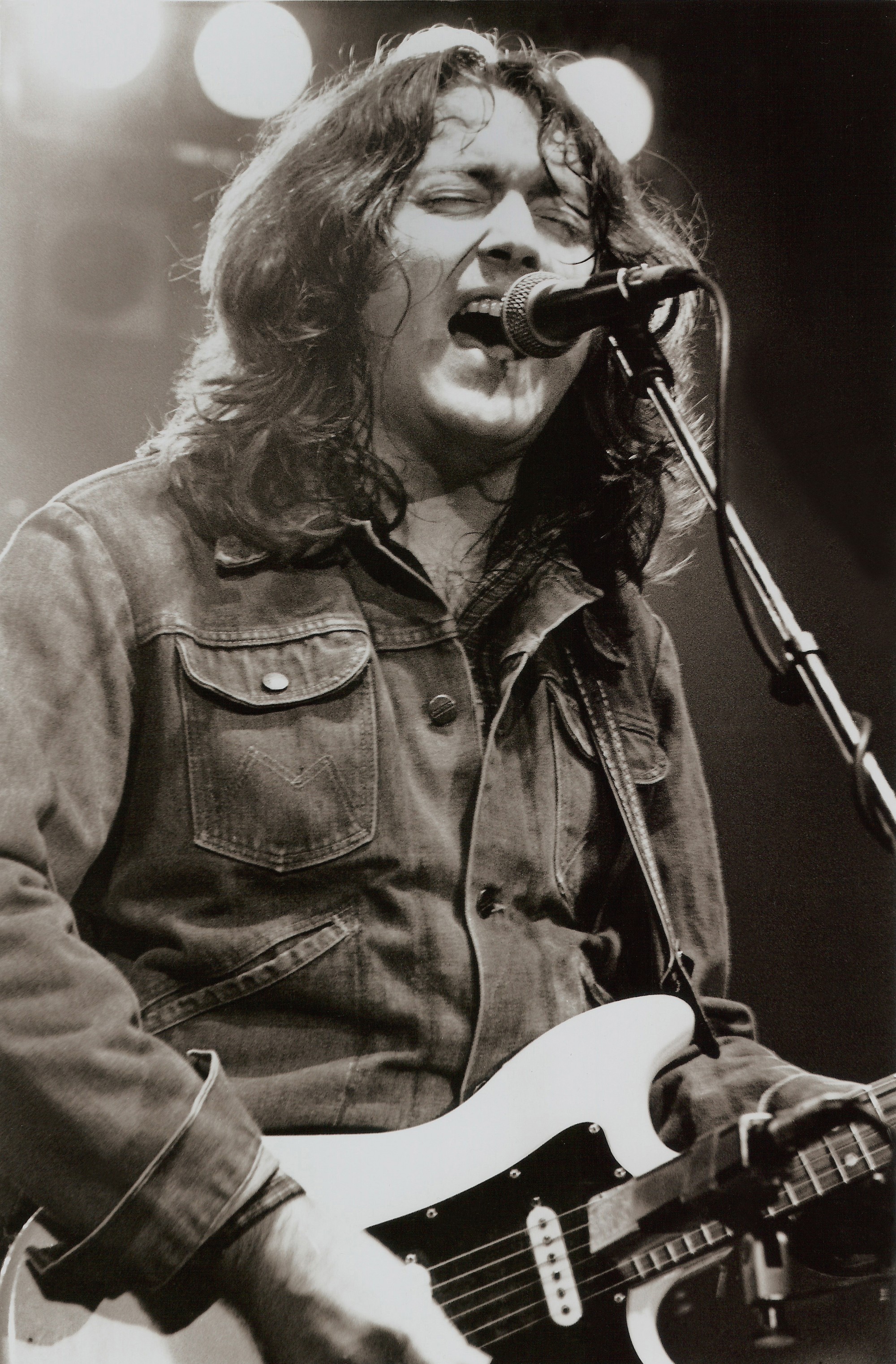
Rory Gallagher: The Battered '61 Strat, Irish Tour '74 and the Bluesman Who Never Softened
On Wednesday, a new film about Rory Gallagher premieres in Cork, the city that raised him. The story underneath it is a secondhand Strat, a refusal to stay away from Belfast, and a guitar tone that never learned to behave.
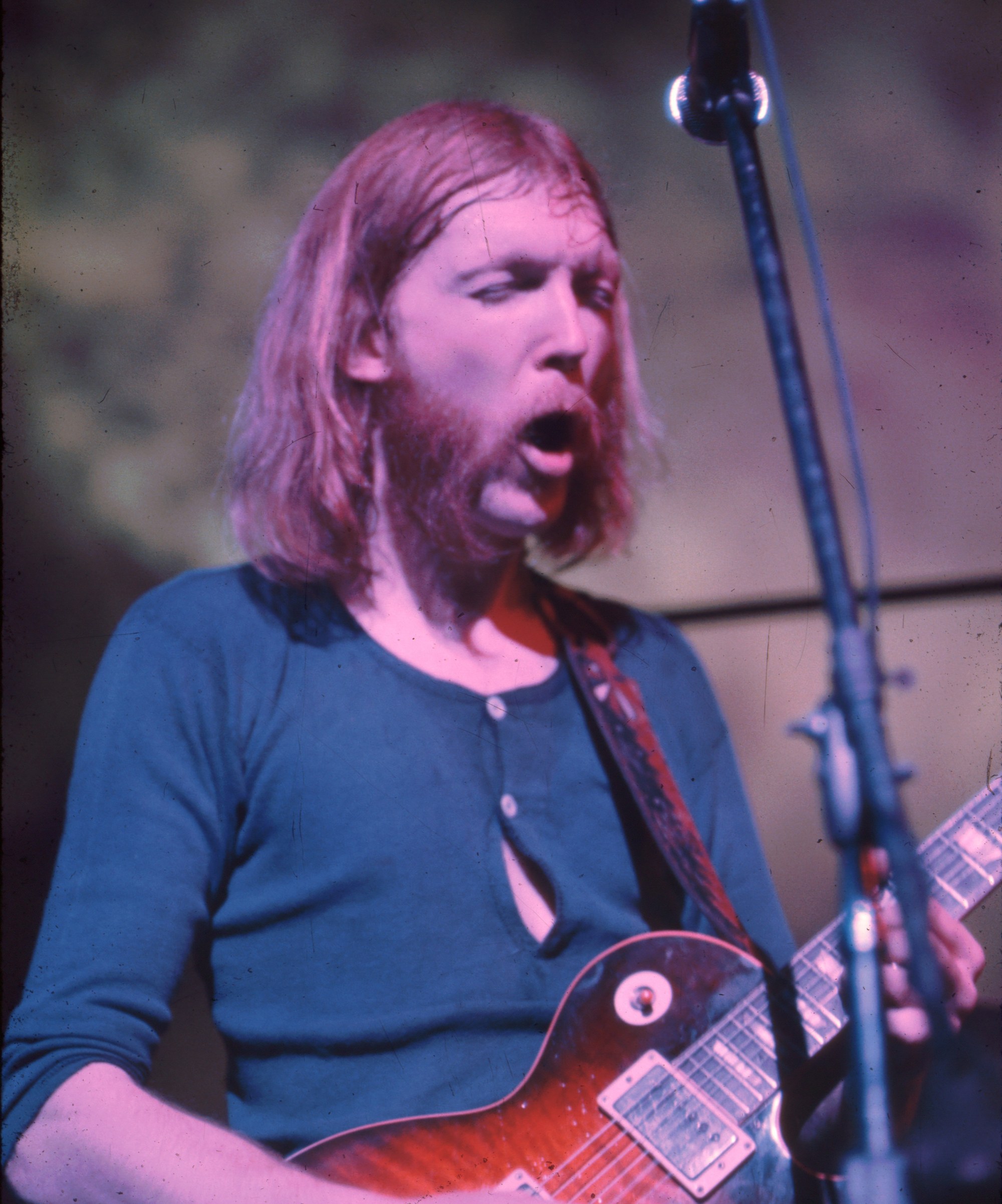
Duane Allman at 80: The Coricidin Bottle, the Les Pauls and the Slide Guitar That Built Southern Rock
He'd have been 80 this Friday. In less than three years of recorded prime, Duane Allman turned a pill bottle into a voice, a Muscle Shoals session into a calling card, and a six-piece Georgia band into a new kind of American music.