Duane Allman at 80: The Coricidin Bottle, the Les Pauls and the Slide Guitar That Built Southern Rock
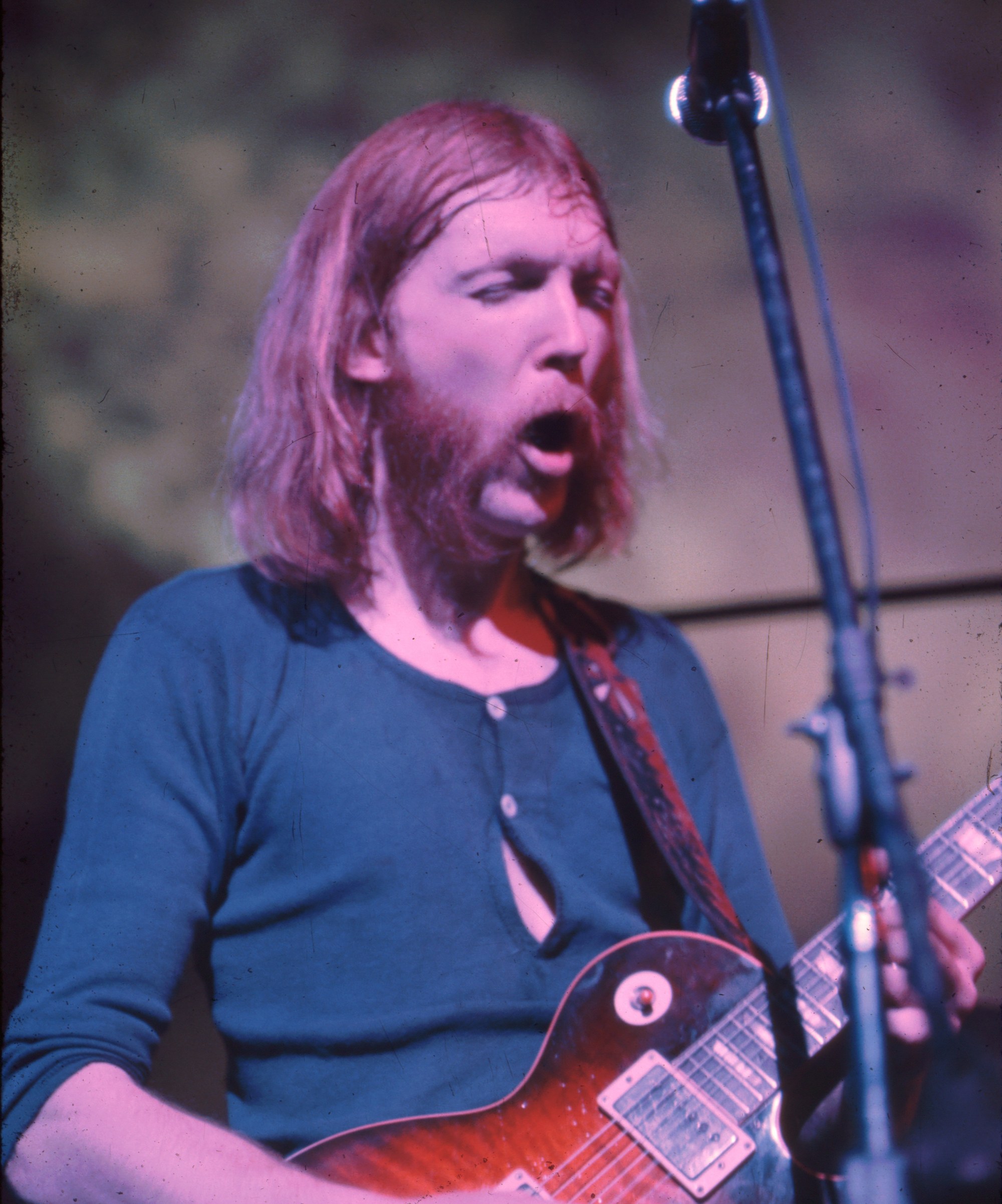
Duane Allman on stage at the Fillmore East during the venue's final weekend, late show, June 26, 1971.
He'd have been 80 this Friday. In less than three years of recorded prime, Duane Allman turned a pill bottle into a voice, a Muscle Shoals session into a calling card, and a six-piece Georgia band into a new kind of American music.
Duane Allman would have turned 80 this Friday, November 20.
That number is hard to picture, because he never got anywhere near it. He died in Macon, Georgia, on October 29, 1971, at 24. The part of his career most guitarists actually know, from the first Muscle Shoals sessions to the last notes of Eat a Peach, lasted about three years. In that window he rewrote what slide guitar could sound like in a rock band, cut one of the most famous guest appearances in rock history on Layla, and led the Allman Brothers Band to At Fillmore East, still one of the best live albums anyone has made.
Macon is marking the birthday the way it has since what would have been his 60th: with music. Skydog 80, the annual benefit festival for Duane, takes over Carolyn Crayton Park on Sunday, November 22, and three members of his pre-Allmans band, the Second Coming, are scheduled to tell stories at Capricorn Sound Studios the night before.
So here's our birthday card. It covers where the Duane Allman slide guitar sound came from, the gear he actually played, how he thought about a solo, and why you can still hear him in Derek Trucks, Warren Haynes and a lot of players who weren't born when he died.
From Nashville to Daytona Beach
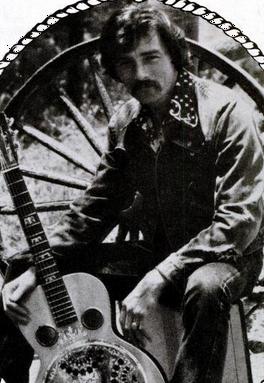
Howard Duane Allman was born in Nashville on November 20, 1946. His brother Gregg followed in December 1947. Their father, Willis, an Army officer, was murdered in a robbery near Norfolk, Virginia, in December 1949, when the boys were toddlers. Their mother, Geraldine, went back to school to become an accountant and sent both sons to a military academy in Lebanon, Tennessee. Neither of them liked it.
The family eventually landed in Daytona Beach, Florida. Summers were still spent in Nashville with their grandmother, and that's where the guitar showed up. Gregg got one first. Duane had a motorbike. Then Duane wrecked the bike, traded what was left for a guitar of his own, and quickly became the better player of the two. He was left-handed but learned to play right-handed, which is worth remembering the next time someone tells you there's a "correct" way to hold the thing.
The moment that turned a hobby into a plan came at a rhythm-and-blues show in Nashville where the brothers saw B.B. King. According to Gregg, Duane's reaction was simple: "We got to get into this."
In Daytona, the brothers made friends with a Black teenager named Floyd Miles and spent nights in the local R&B clubs, sitting in when they could. That's the foundation under everything that came later. Before he was a rock star or a Southern rock icon, Duane was a kid who learned music in Black clubs from soul and blues records, and his playing never lost that.
The Allman Joys, the Hour Glass and the Wrong Kind of Record Deal
Through the mid-'60s the brothers cycled through local bands: the Escorts, then the Allman Joys, who worked the Southeast and became a house band in Nashville. In 1967 they moved to Los Angeles as the Hour Glass and signed with Liberty Records.
It went badly. Liberty wanted a pop act. The band wanted to play blues and R&B. Two albums came out, neither sold, and by early 1968 the Hour Glass had broken up. Gregg stayed in California to deal with contract obligations. Duane went home to Florida, jammed wherever he could and didn't have a band.
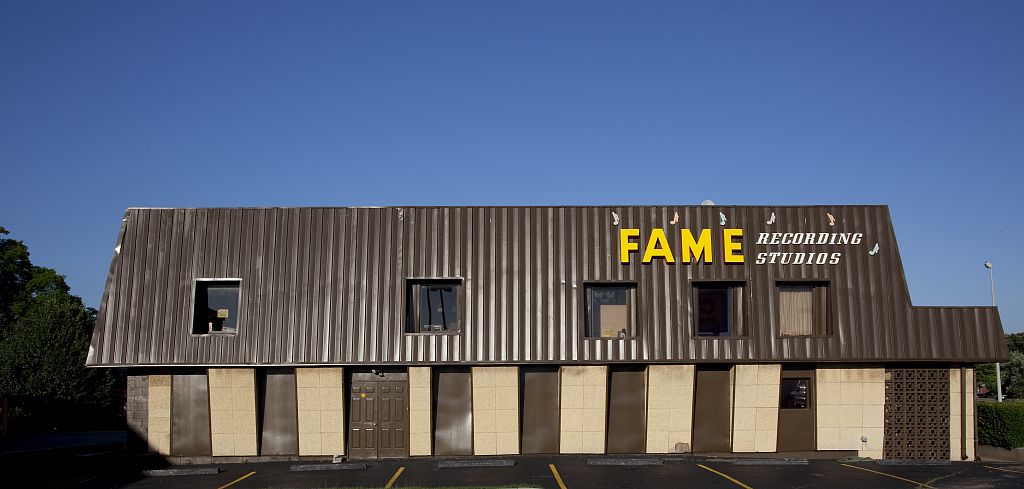
On paper, that's a dead end. In practice, it was the setup for everything. The Hour Glass had cut a session at FAME Studios in Muscle Shoals, Alabama, and the studio's owner, Rick Hall, had noticed the guitarist.
The Coricidin Bottle: How Duane Allman Learned Slide
The most famous story in Duane Allman lore happens on his 22nd birthday, November 20, 1968.
As Gregg told it, Duane was laid up with an injured left elbow from a fall off a horse, and the two of them weren't on great terms about it. Gregg brought him two birthday presents: Taj Mahal's debut album and a bottle of Coricidin, a cold medicine (Duane was also sick that day, by some tellings). Gregg left them on the porch, rang the bell and went home.
About two hours later the phone rang. "'Baby brother, baby brother, get over here now!'" Gregg remembered. Duane had dumped out the pills, washed the label off the little glass bottle, slipped it on a finger and was playing along with the record's version of "Statesboro Blues." The slide on that track was by Jesse Ed Davis, Taj Mahal's guitarist. "Duane had never played slide before," Gregg said later, but "he just picked it up and started burnin'. He was a natural."
It's a great story, and it's mostly how the slide became Duane's, not necessarily the first time he ever tried it. Two of his Hour Glass bandmates remembered it differently. Pete Carr said the band went to see Taj Mahal with Jesse Ed Davis, heard "Statesboro Blues," and "after hearing that, Duane started practicing slide all the time." Keyboardist Paul Hornsby said "Statesboro Blues" was "the first song that Duane played slide on in the Hour Glass," using pretty much Taj's arrangement. Both versions can be true. A guy can mess around with slide in a club band and then lock into it while stuck at home with a bad arm and a new record.
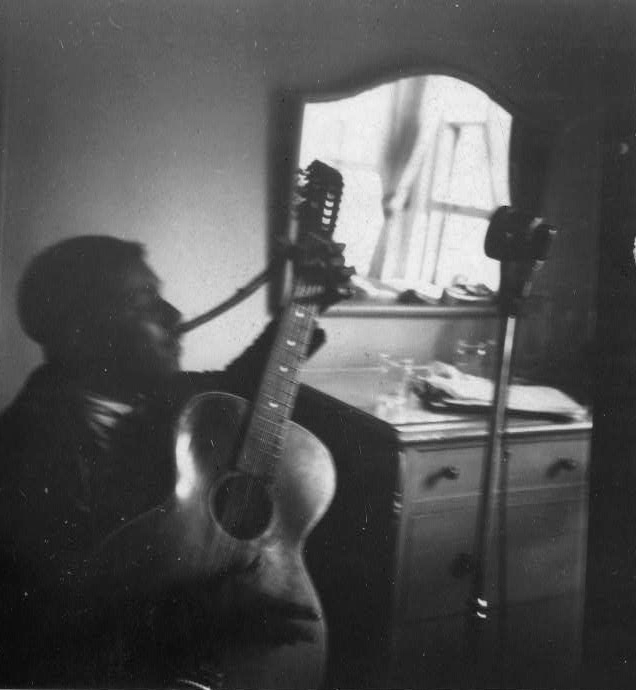
The song itself has deep Georgia roots. Blind Willie McTell wrote and first recorded "Statesboro Blues" for Victor on October 17, 1928, and called Statesboro his "real home." Taj Mahal modernized it in 1967 for his 1968 debut. The Allman Brothers turned it into a slide guitar anthem.
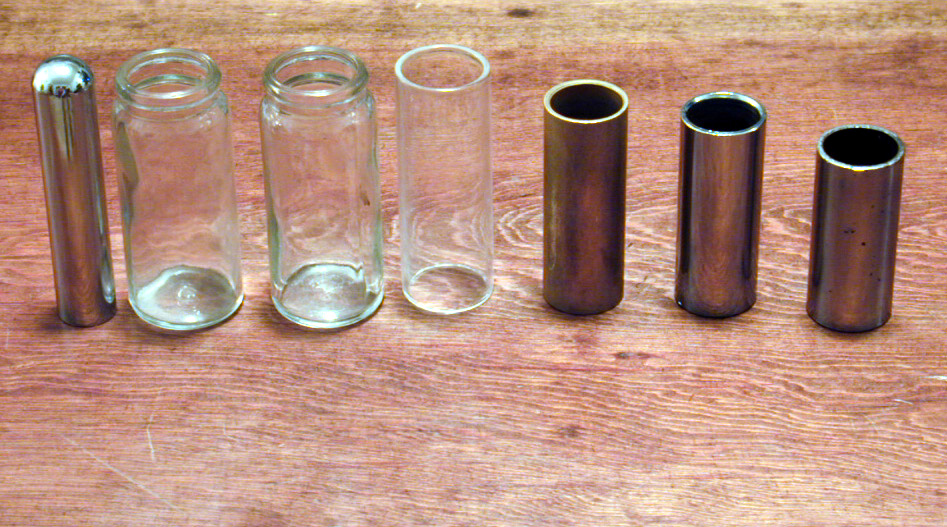
Whichever origin story you prefer, the bottle stuck. Coricidin bottles from that era aren't made anymore, which is why replica "Coricidin" glass slides became a product category of their own. Glass gives a smoother, sweeter, slightly less biting tone than a heavy brass or steel slide, and it's lighter on the finger. That's a big part of the vocal, almost singing quality people hear in Duane's slide lines.
Muscle Shoals: The Session That Made Clapton Ask "Who Is That?"
In late 1968, Rick Hall brought Duane to FAME as a session player. Allman's first big assignment was Wilson Pickett, and Duane is the one who suggested Pickett cut a soul version of the Beatles' "Hey Jude," which had been out only a few months. It was a bold call. It worked. The single went to No. 23 on the national charts, and the Hey Jude album came out in 1969.
What matters for guitar history is the end of that track. As Pickett screams over the long fade, Duane plays a lead break that sounds nothing like a typical late-'60s soul session part. It's raw, pushy and full of sustained notes that bend the song toward rock. Eric Clapton heard it and later said: "I remember hearing Wilson Pickett's 'Hey Jude' and just being astounded by the lead break at the end. I had to know who that was immediately—right now."
FAME rhythm section guitarist Jimmy Johnson went further. He later credited Duane's work on that album as the beginning of Southern rock. Atlantic Records' Jerry Wexler noticed too, and Duane became a go-to session player for Atlantic acts. In a few months he played with King Curtis and Aretha Franklin. Aretha's cover of the Band's "The Weight," with Duane on slide, reached No. 19 on the Billboard Hot 100 and No. 3 on the R&B chart in spring 1969.
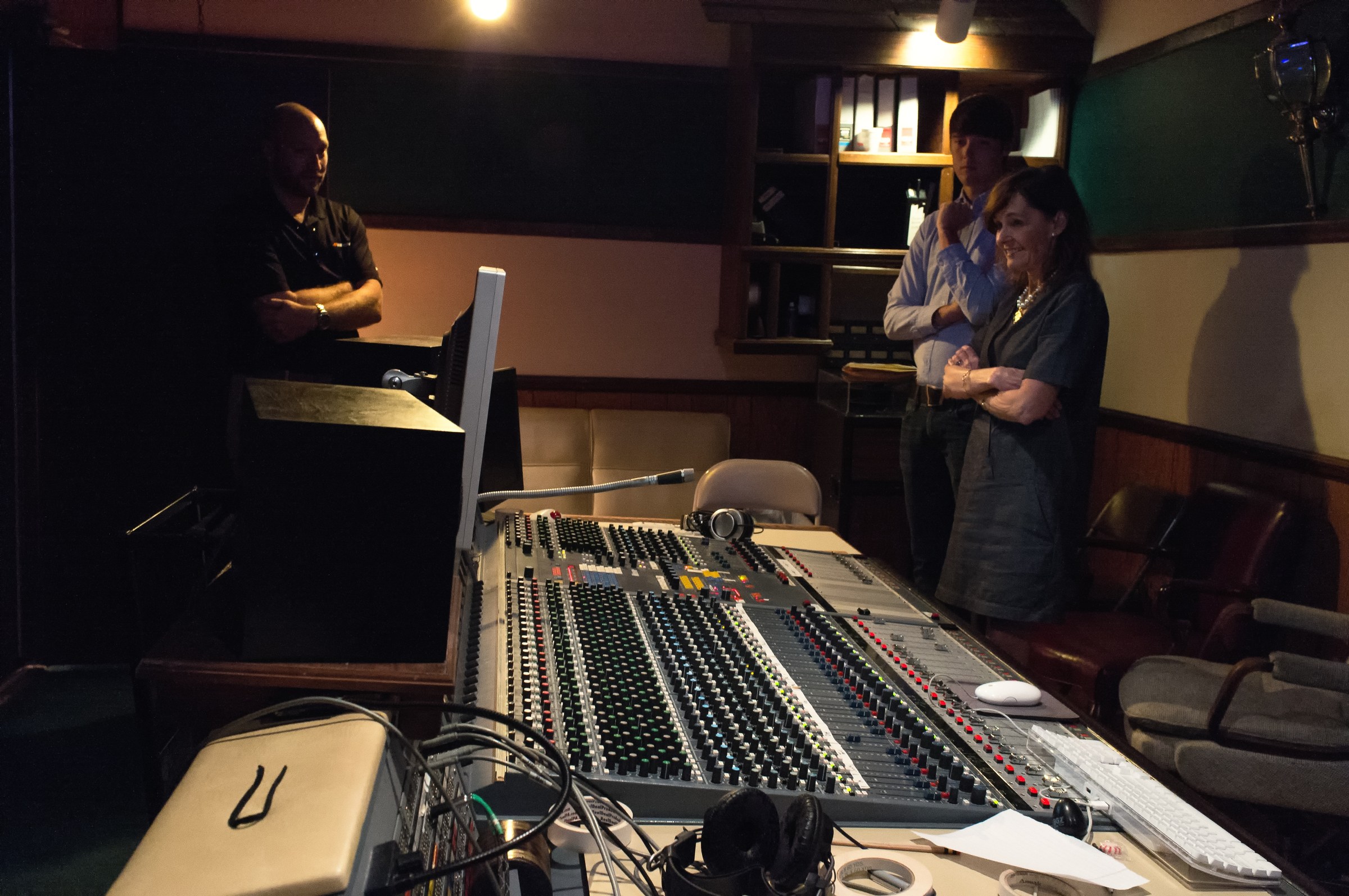
There's a catch in all of this, and it explains the Allman Brothers Band. Duane was good at sessions, but he didn't love them. He was hired to serve other people's songs, and by early 1969 he was frustrated at being, in his word, a "robot." His deal changed hands in a roughly $10,000 transaction involving Hall, Wexler and Phil Walden, Otis Redding's former manager, who was starting a new label called Capricorn and wanted a rock act to build it around.
Even after he left, Muscle Shoals kept calling. When Boz Scaggs and producer Jann Wenner made Scaggs' 1969 Atlantic album at Muscle Shoals Sound, they talked Duane into coming back for a week. The result included "Loan Me a Dime," a 12-and-a-half-minute slow blues that's one of the best showcases of his electric playing outside his own band. If you only know Duane from the Allmans' hits, that track is homework.
Two Guitars, Two Drummers, One Brother on Vocals
In early March 1969, Duane and drummer Jai Johanny "Jaimoe" Johanson moved from Muscle Shoals to Jacksonville, Florida. Duane started an open-ended series of jams with anyone who wanted to show up. Out of them came the lineup he'd been hearing in his head: two lead guitarists and two drummers.
The other guitarist was Dickey Betts, who had led a band called the Second Coming with bassist Berry Oakley. Oakley came too. So did Butch Trucks, a drummer Duane and Gregg had cut demos with the year before. For a minute, the Second Coming's keyboardist Reese Wynans was in the mix as well. (He's one of the three Second Coming players booked for the Macon conversation this week, and he later played keys for Stevie Ray Vaughan's Double Trouble.)
Duane wanted one more piece, and he wanted his brother. Gregg came back from Los Angeles and walked into rehearsal on March 26, 1969, as the band was playing Muddy Waters' "Trouble No More." He was intimidated. Duane pushed him to sing his guts out anyway. Four days later the band played the Jacksonville Armory, and by May 1 the group had moved to Macon, where Walden was building Capricorn.
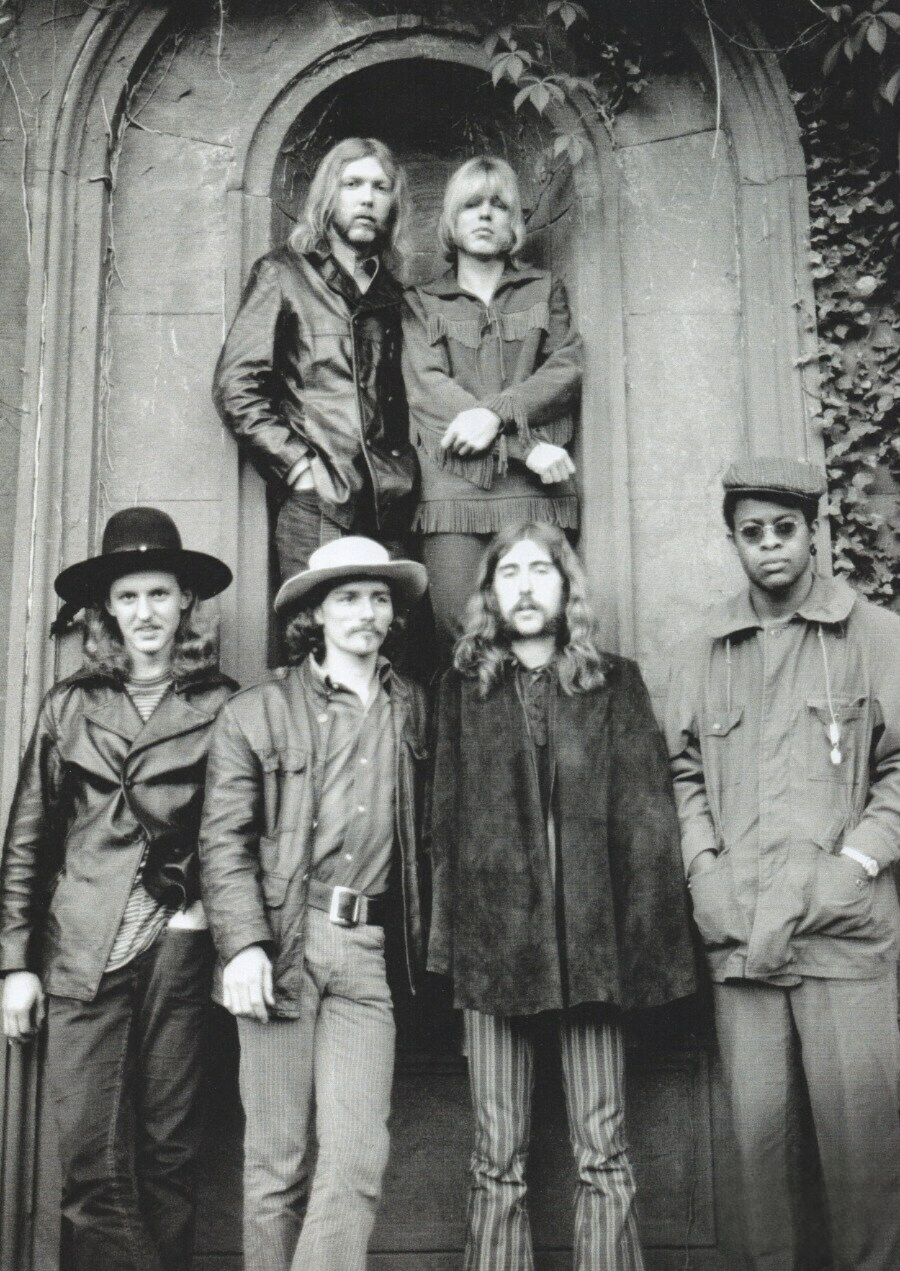
The early days in Macon are part of the legend: a crash pad on College Street, a tab at the H&H restaurant run by "Mama Louise" Hudson, free shows in parks, songwriting sessions in Rose Hill Cemetery, and a band mixing Black and white members in a city that had barely started to integrate. The first album came out in November 1969 and sold fewer than 35,000 copies at first. Idlewild South, produced mostly by Tom Dowd, followed in September 1970 and did a little better. Neither record captured what the band did on stage, and the band knew it. They played more than 300 dates in 1970.
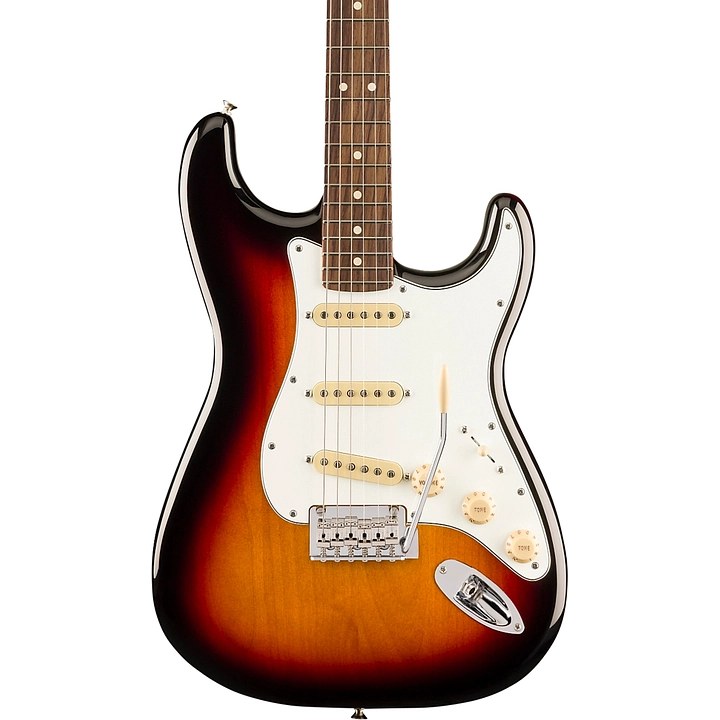

Fender Player II Stratocaster
$849.99 at Guitar Center
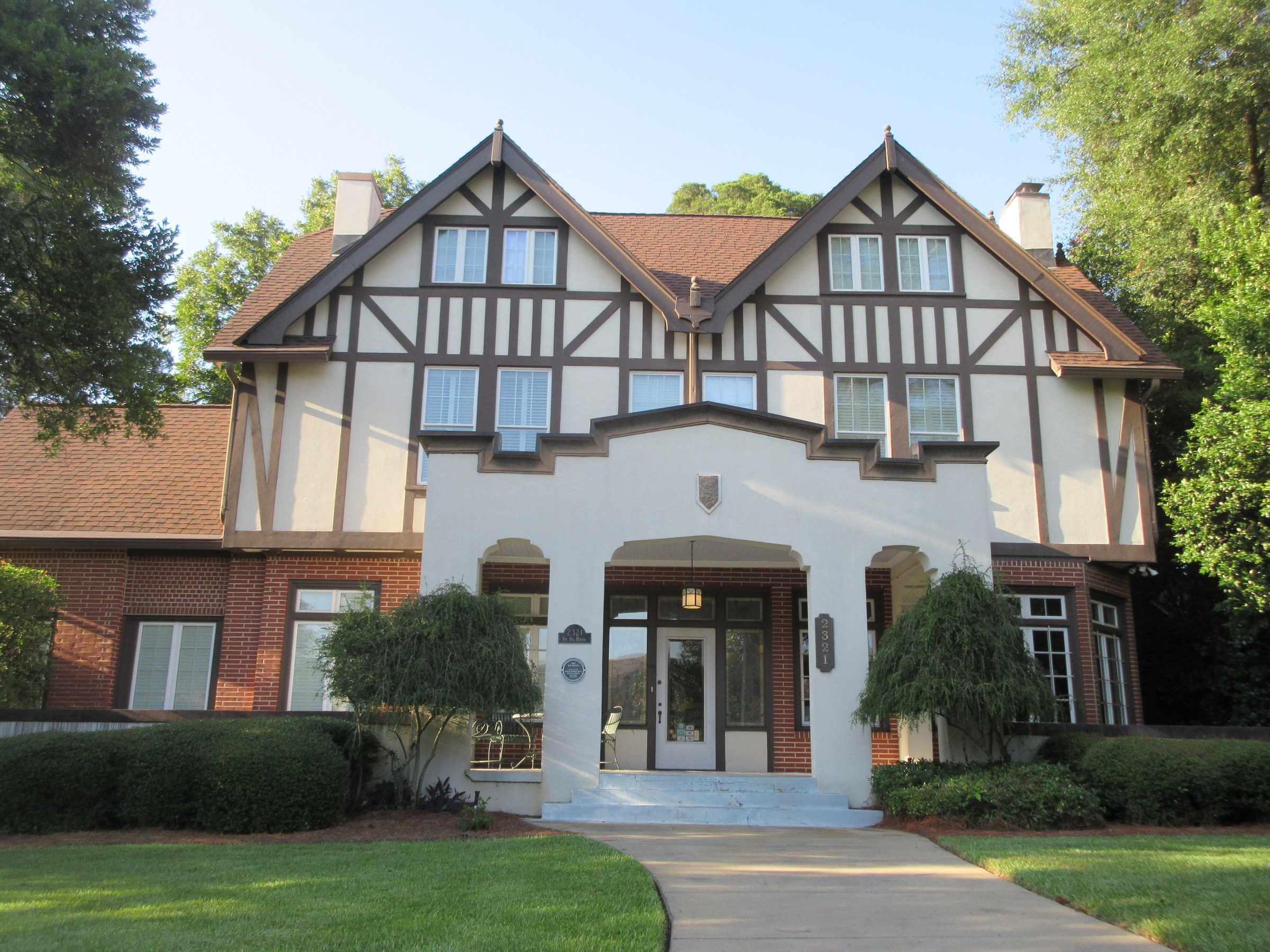
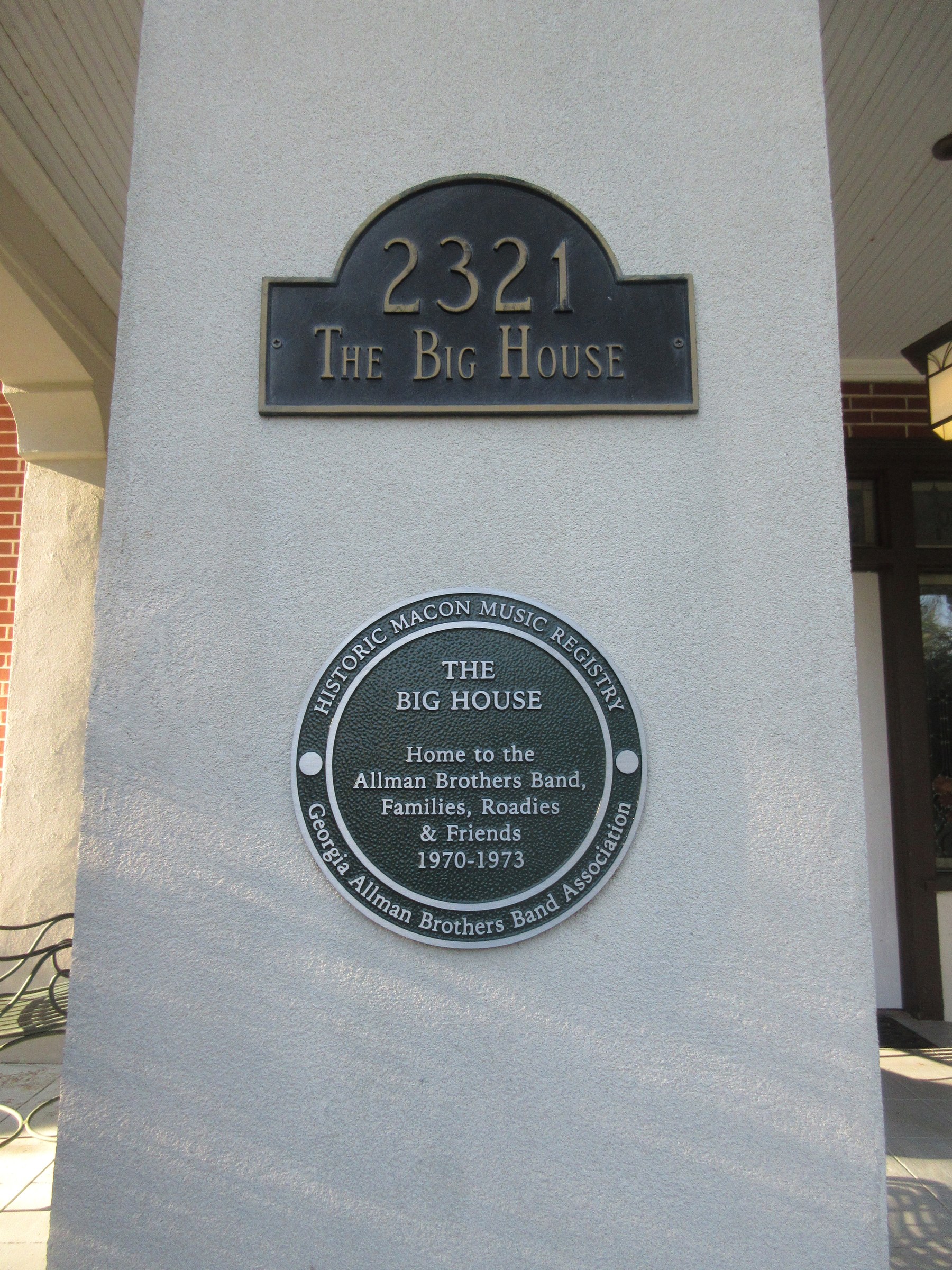
In March 1970 the band and their families moved into a big Tudor Revival house at 2321 Vineville Avenue in Macon. They called it the Big House, and it's now the Allman Brothers Band Museum.
Layla: The Most Famous Guest Spot in Rock
In August 1970, Eric Clapton was in Miami at Criteria Studios with Tom Dowd, making the Derek and the Dominos album, and he was stuck. When Dowd mentioned that the Allman Brothers were playing in town, Clapton wanted to see the guitarist from "Hey Jude." After the Allmans' show on August 26, the two bands went back to Criteria and jammed. Duane and Clapton stayed up trading licks.
Duane ended up playing on 11 of the 14 songs on Layla and Other Assorted Love Songs, released November 9, 1970. Clapton offered him a permanent spot in the Dominos. Duane sat in on a couple of shows that December and then went home to his own band.
He also gave listeners a cheat sheet for telling the two of them apart. Clapton played the Fender parts. Duane played the Gibson parts. The Fender had the sparklier sound, he said, while the Gibson had more of a "full-tilt screech." Clapton later wrote in his autobiography that Duane was the "musical brother I'd never had but wished I did."
We've already broken down that title track and its riff in History of the Riff: Layla, so we won't repeat it here. Just remember the next time you hear those screaming high slide lines that the guitar making them was a 1957 Les Paul goldtop. We'll get to that.
At Fillmore East: The Best Argument for Duane's Approach
If you want to understand Duane Allman in one sitting, put on At Fillmore East.
The band recorded it at Bill Graham's Fillmore East in New York on March 12 and 13, 1971, playing two shows a night at $1,250 a show. The ads still listed Johnny Winter as the headliner. By the last night, the Allmans were closing.
Tom Dowd was in the recording truck, and he knew the job was unusual: two lead guitarists and two drummers, which "took some foresight to properly capture the dynamics." When the band brought out a sax player and a harmonica player whose sound bled into everything, Dowd pulled Duane aside at the break and asked him to cut the extra players. Duane loved those musicians, but he didn't argue. The last show was delayed by a bomb scare and ran until 6 a.m.
After each night, the band and Dowd went to Atlantic Studios with beer and sandwiches to listen back and plan the next set. Gregg said they didn't want to overdub anything, "because then it wouldn't have been a real live album." Dickey Betts later called the Fillmore run "our pinnacle."
The double album came out on July 6, 1971, on Capricorn, with seven songs over four sides. It became the band's commercial breakthrough, their first platinum record, and in 2004 one of 50 recordings added to the Library of Congress' National Recording Registry.
It opens with "Statesboro Blues." Those first slide licks, moaning and squealing over the band, are why Rolling Stone ranked the Allmans' version No. 9 on its list of the 100 Greatest Guitar Songs of All Time in 2008. Then the record moves through the long slow-blues burn of "Stormy Monday," the jazzy instrumental "In Memory of Elizabeth Reed" and the 20-plus-minute "Whipping Post." It's a full education in pacing a solo.
The Gear: What Duane Allman Actually Played
A lot of Duane Allman gear talk online is guesswork, so here's what's reasonably well documented, with the shaky parts flagged.
The early guitars
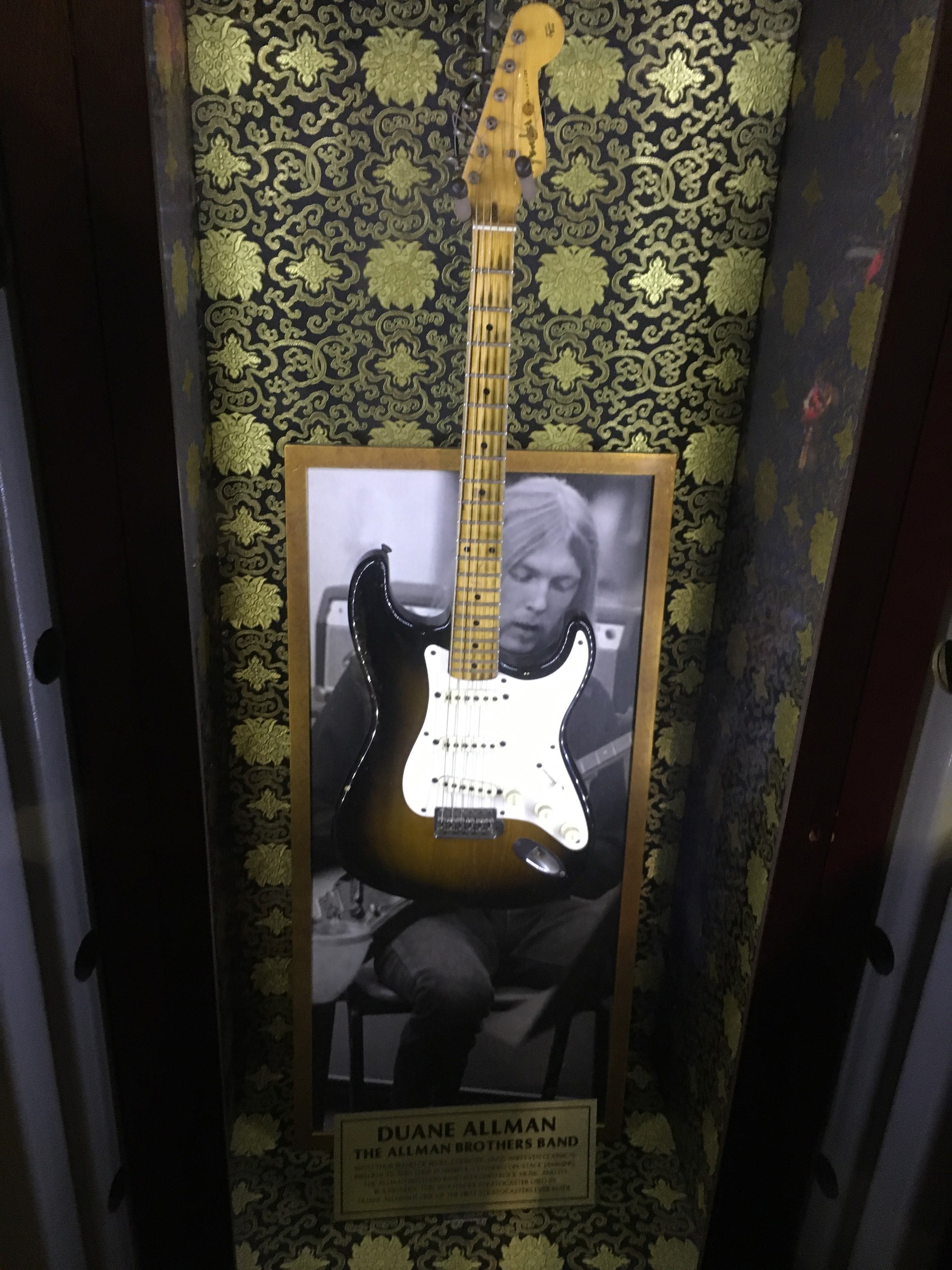
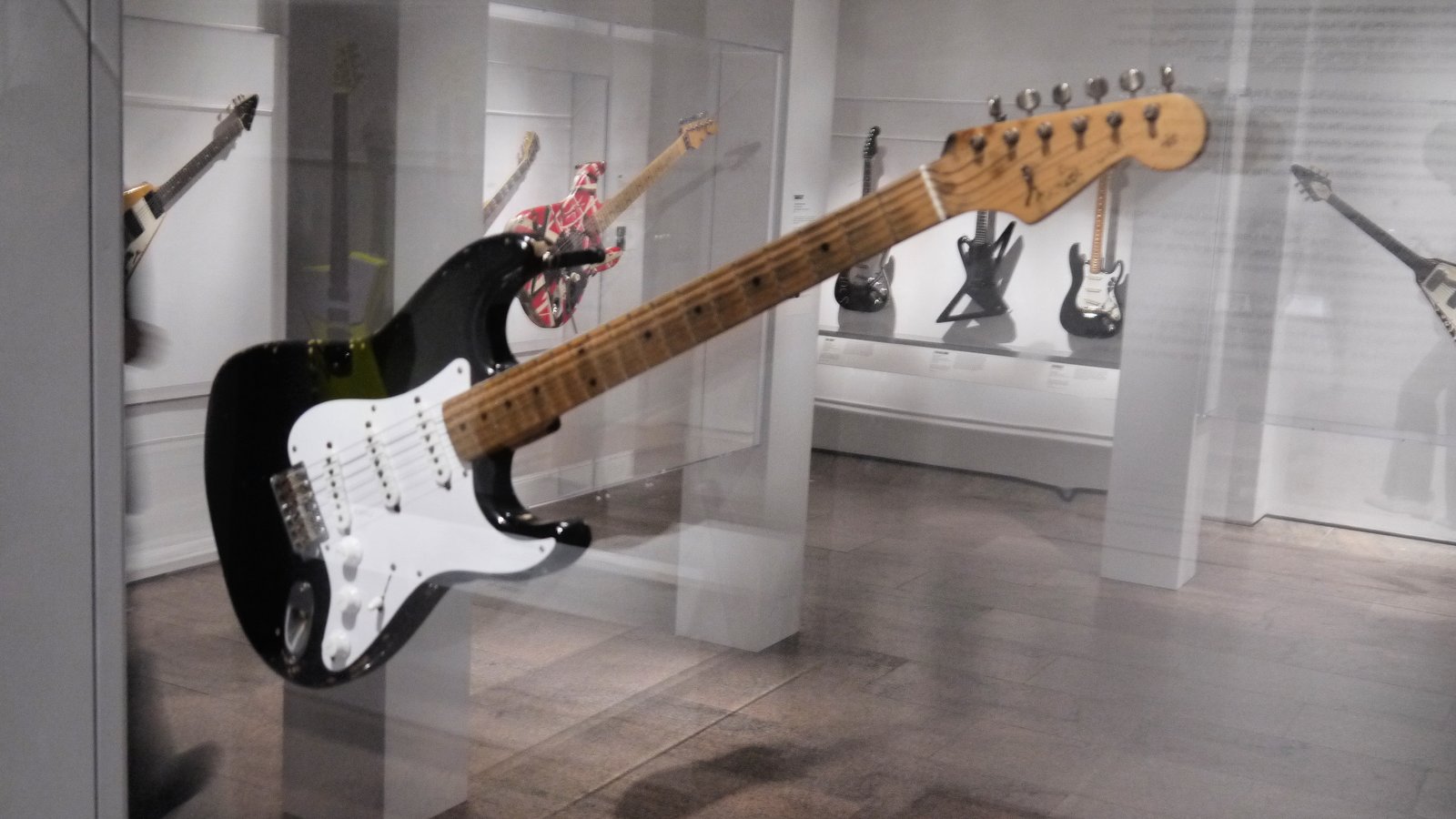
His first good electric was a Gibson Les Paul Junior his mother bought him. Wikipedia's account says it was a red 1959 model. That was followed by a Fender Telecaster with a Stratocaster neck. For much of his session work he's usually described with a sunburst Stratocaster. A 1954 Strat displayed at the Hard Rock Cafe in London is labeled as one he used. Those are the guitars behind a lot of the Muscle Shoals sessions, which is part of why "Hey Jude" sounds sharper and leaner than his later Les Paul work.
The 1957 goldtop: the Layla guitar
In early 1969, around the time the band formed, Duane bought a 1957 Les Paul goldtop at Lipham Music in Gainesville, Florida. It became his main guitar on the first two Allman Brothers albums, countless early shows and almost all of Layla. It's the guitar he learned to really play slide on, re-tuning between songs when he needed open tuning.
The goldtop's story didn't end in 1970. It now lives at the Big House Museum in Macon and comes out for special occasions. Kenny Wayne Shepherd played it at a Macon show in June 2023. (We covered Shepherd's own story in our Ledbetter Heights 30th anniversary feature.)
The 1959 cherry burst: the Fillmore guitar
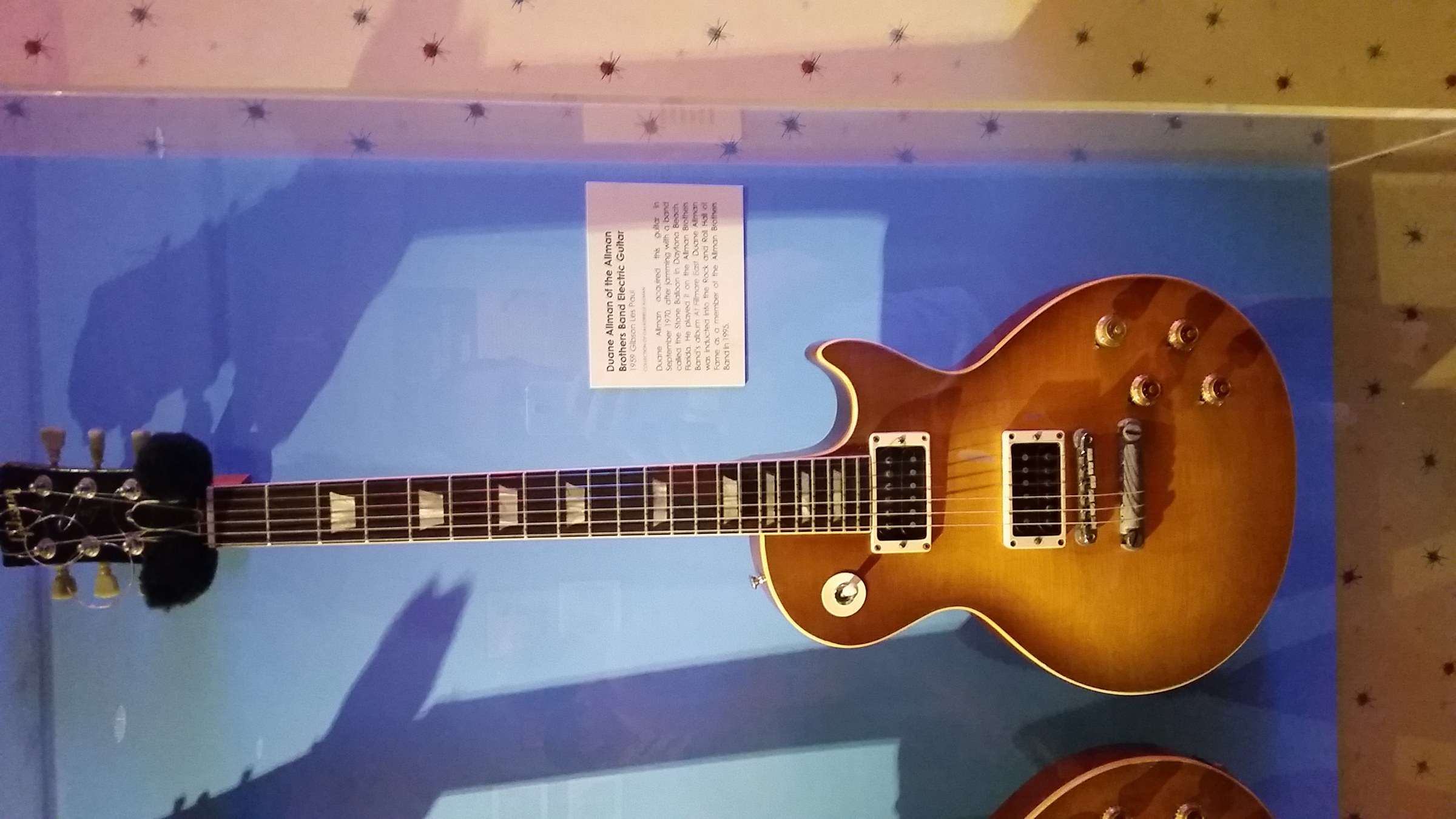
In September 1970, Duane traded the goldtop, plus a Marshall amp and $200, to Rick Stine of a Daytona Beach band called Stone Balloon for a 1959 plain-top cherry sunburst Les Paul Standard. The Rock and Roll Hall of Fame's label for the guitar says he got it after jamming with Stone Balloon. He asked his roadie to swap the goldtop's PAF humbuckers into the '59 first. In other words, the Fillmore guitar is a '59 body with the Layla pickups.
That '59 is the main Les Paul you hear on At Fillmore East. It belongs to his daughter, Galadrielle Allman, and was displayed for years at the Rock Hall in Cleveland.
"Hot 'Lanta," the last Les Paul
In June 1971, dealer Kurt Linhof sold Duane a darker tobacco-burst Les Paul. By most accounts Billy Gibbons introduced them when ZZ Top was opening for the Allmans. (If you know the Pearly Gates story, Gibbons playing guitar matchmaker isn't surprising.) The guitar had a replaced headstock, which makes exact dating hard. It's often called "Hot 'Lanta," but Duane didn't name his guitars. It was his main guitar for the last months of his life, and it isn't the guitar on At Fillmore East, which was recorded three months earlier.
After Duane's death, that guitar went on a strange trip. Road manager Twiggs Lyndon kept it for Galadrielle, and Steve Morse looked after it for years before it went back to the family in 1990. When the Allman Brothers played their final show at New York's Beacon Theatre on October 28, 2014, Warren Haynes and Derek Trucks played Duane's guitars.
The SG: the slide guitar
Re-tuning a Les Paul to open E between songs gets old fast. Dickey Betts had a cherry 1961 Gibson SG, sold at the time as a Les Paul (serial 15263). He gave it to Duane, who set it up for slide and kept it tuned open. It's the guitar on the At Fillmore East version of "Statesboro Blues."
After Duane died, the SG went to a student of his, Gerry Groom, and later to Graham Nash, whose collection of other musicians' guitars started with it. Heritage Auctions sold it in July 2019 for $591,000, more than twice its estimate.
Amps and effects
Duane's first amp was a Vox Super Beatle, a big solid-state stack with six 10-inch speakers and two horns. For sessions he liked a Fender Twin Reverb. With the Allman Brothers, his main rig was two 50-watt Marshall heads, which Wikipedia describes as bass heads, running two Marshall 4x12 cabinets loaded with JBL D-120F speakers. He also used a Maestro Echoplex.
Guitar Player later named his tone, Les Paul into those Marshalls, one of the greatest of all time. Notice what isn't on the list: no fuzz box, no wah, no pedalboard. The tone was a humbucker-loaded Gibson, loud 50-watt Marshalls and, above all, his hands.
How Duane Allman Played
Gear explains about 10 percent of it. The rest is how he thought.
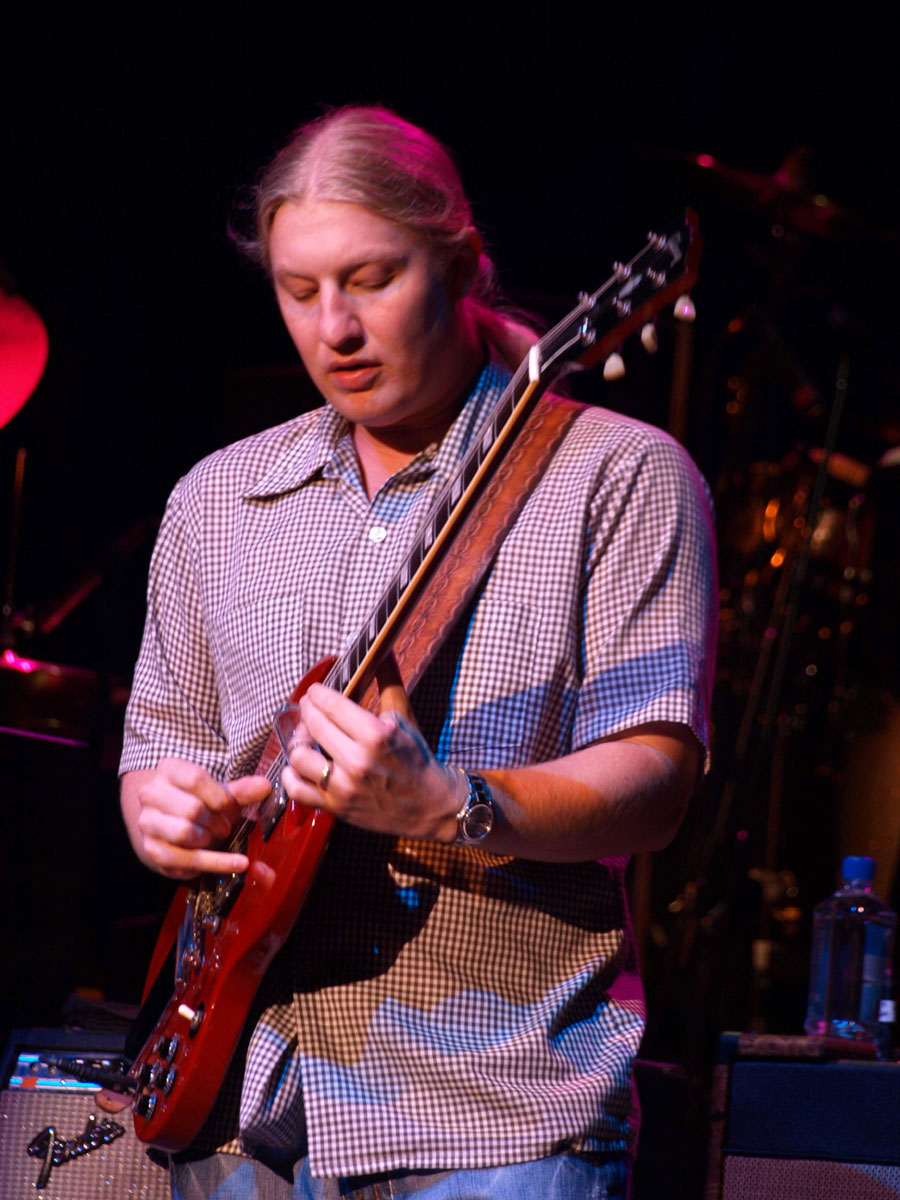
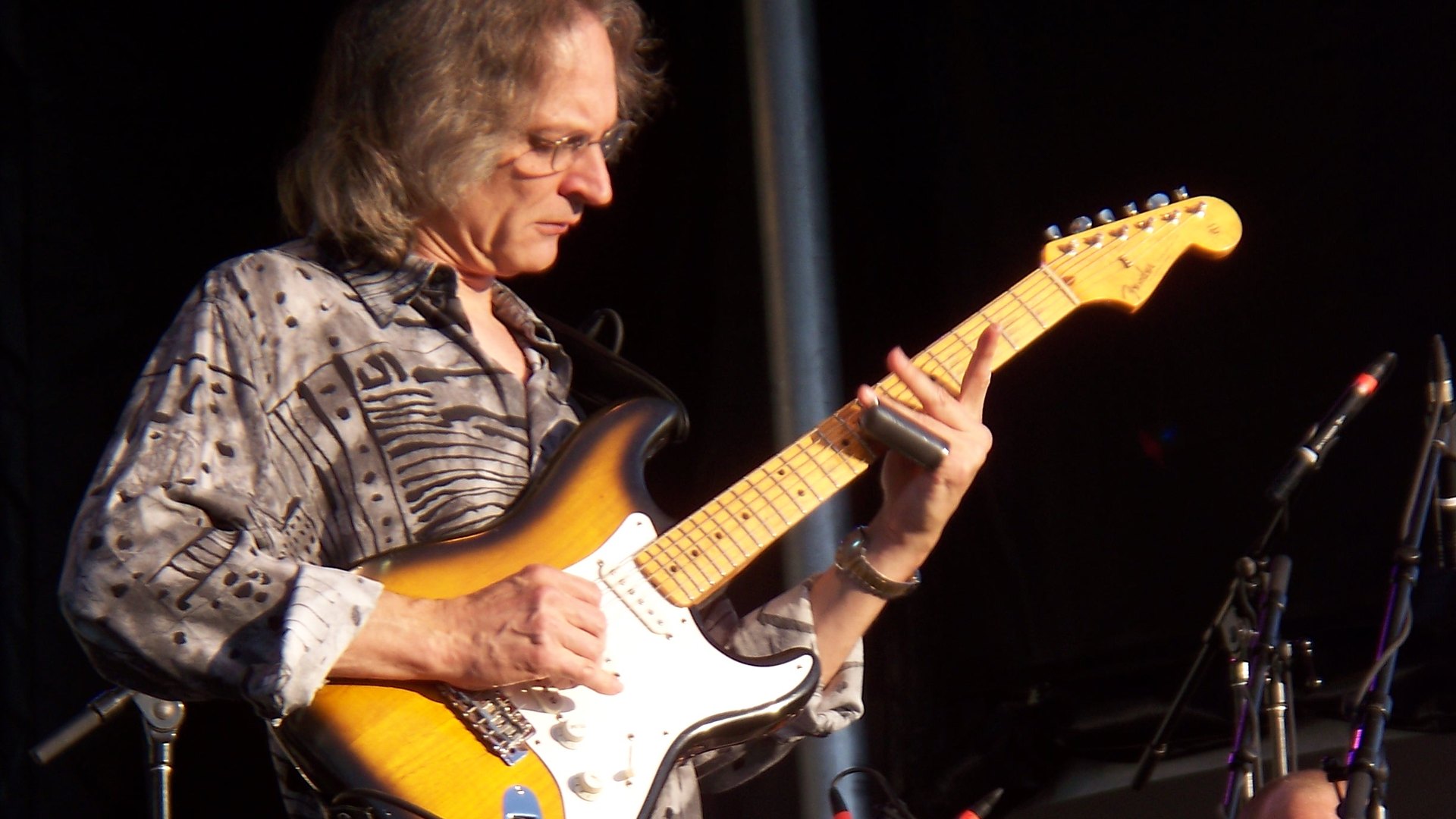
Open E and a bottle on the ring finger. For slide, Duane favored open E tuning (E-B-E-G#-B-E from low to high) and wore the glass bottle on his ring finger. That leaves the index and middle fingers behind the slide, free to mute strings and kill unwanted overtones. The ring-finger slide is a big reason his slide lines sound clean and vocal instead of clanky.
Economy, even at 20 minutes. Guitar World credited him with a "keen understanding of economy" in his phrasing. It sounds like a contradiction for a man who played 20-minute "Whipping Post" solos, but listen closely. He builds solos like a horn player, with phrases, space, repetition and a climax, and he rarely throws in notes just to fill time.
Jazz in the blues. Duane said that in this period, Miles Davis and John Coltrane were major influences. He'd listened intently to Kind of Blue for two years. You can hear the modal side of that in "In Memory of Elizabeth Reed" and "Mountain Jam," where solos ride long one-chord grooves instead of running down blues changes.
Conversation, not lead-and-rhythm. The Allman Brothers didn't use the standard rock setup of a lead guitarist and a rhythm guitarist. Duane and Betts both played lead. They traded solos, played harmony lines and doubled melodies, and much of it wasn't worked out in advance. Betts would often start a melody and Duane would improvise against it. Warren Haynes has said a lot of the magic came from their willingness to make mistakes. "Blue Sky" and "Elizabeth Reed" are the textbook examples.
A light acoustic touch. Duane's one solo composition with the band is "Little Martha," a short acoustic duet with Betts in open E, with Duane playing a Dobro resonator. It was recorded in October 1971, weeks before he died, and closes the studio side of Eat a Peach. Leo Kottke called it "the most perfect guitar song ever written." It's a good reminder that the guy with the screaming Marshall slide also had beautiful fingerstyle control.
October 29, 1971, and Everything After
At the end of October 1971, the band was on a break from touring and recording. On October 29, Duane was riding his Harley-Davidson Sportster in Macon when a flatbed truck stopped suddenly in an intersection on Hillcrest Avenue. He swerved, crashed and died hours later of internal injuries. At Fillmore East had come out less than four months earlier.
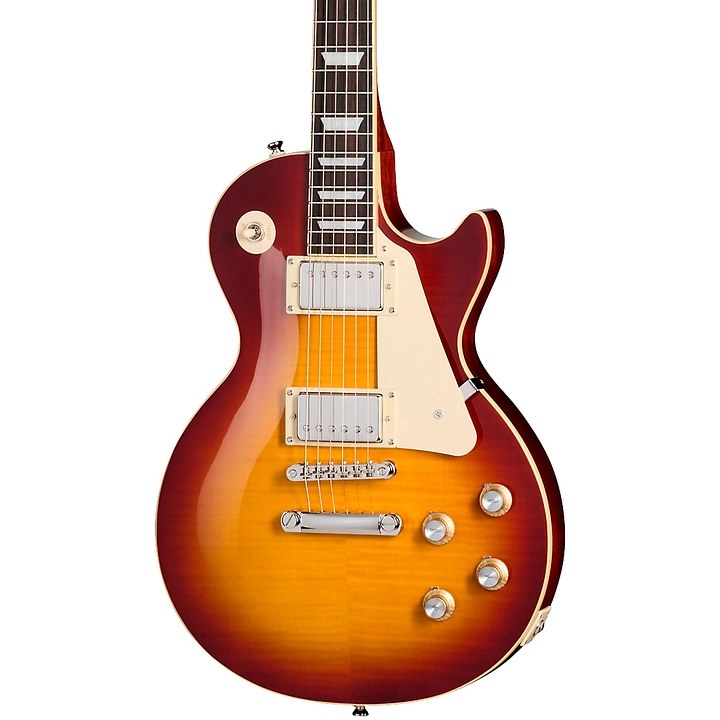
Epiphone Les Paul Standard 60s
$699.00 at Guitar Center
Jerry Wexler, who'd seen him go from FAME session player to bandleader, gave the eulogy. The band played at the funeral and finished with "Will the Circle Be Unbroken."
The five surviving members finished the album Duane had been working on. They named it Eat a Peach, after his answer to an interviewer who asked how he was helping the revolution: "I'm hitting a lick for peace, and every time I'm in Georgia I eat a peach for peace." It came out as a double album in February 1972.
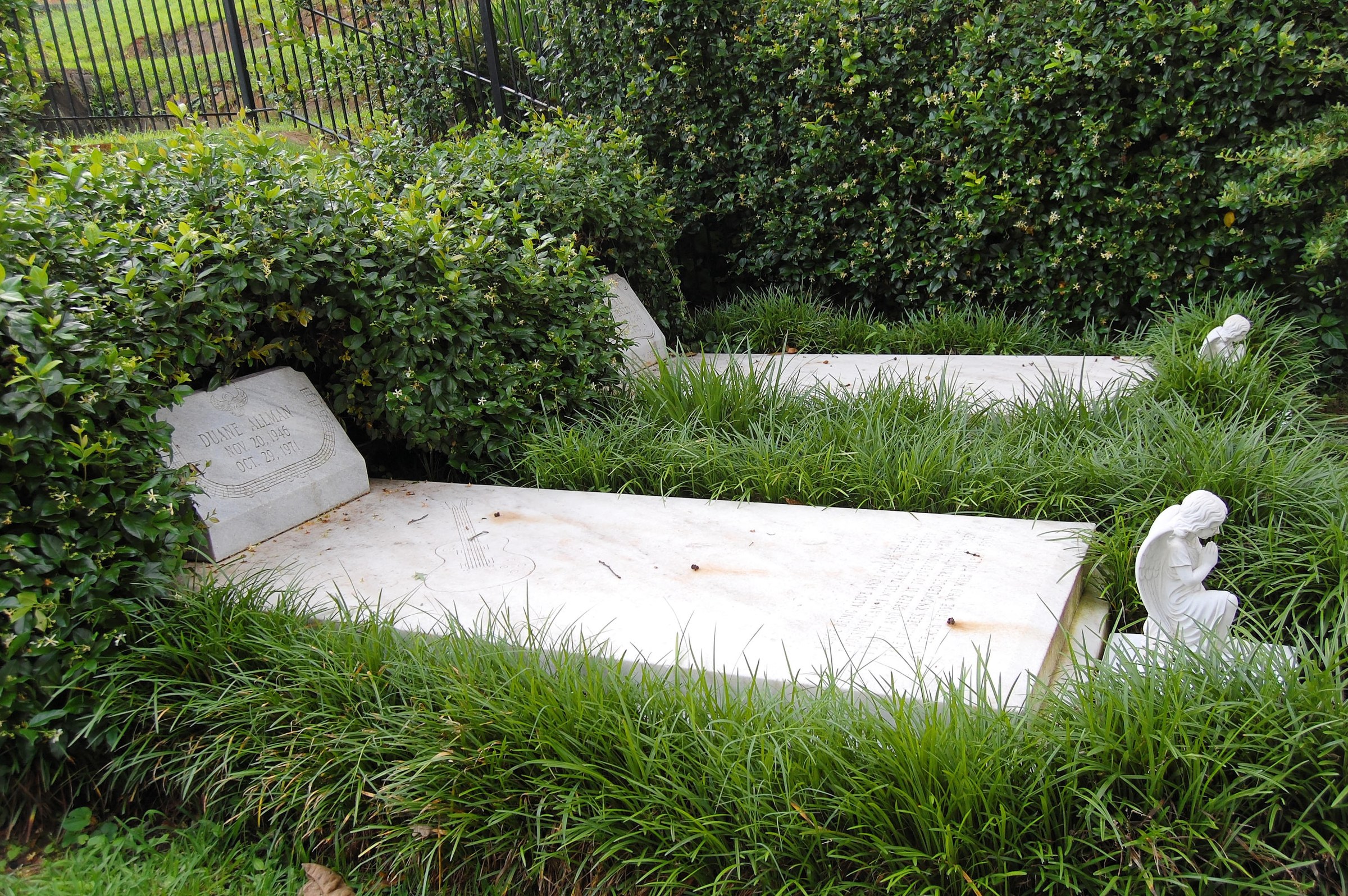
Then Macon lost another one. Berry Oakley died in a motorcycle crash on November 11, 1972, also at 24, three blocks from where Duane crashed. The two are buried side by side in Rose Hill Cemetery, the place where the band used to go to write songs.
Why Duane Allman's Slide Guitar Still Matters
Duane's influence spread fast. Shortly after his death, Ronnie Van Zant of Lynyrd Skynyrd began dedicating "Free Bird" to him, though the song was written before he died and wasn't about him. (Our breakdown of Allen Collins' "Free Bird" solo is a good companion read.) Duane taught a young Joe Walsh to play slide. Gary Rossington took the electric bottleneck sound into Skynyrd. Dickey Betts took over the slide parts in the Allmans after Duane died.
The longer line runs through Derek Trucks, Butch Trucks' nephew. He played Duane's parts in the Allman Brothers for 15 years and now leads the Tedeschi Trucks Band. Warren Haynes carried the other half of that two-guitar conversation. And almost every modern slide player, from blues-rock to jam bands, owes Duane something. Louisiana's Sonny Landreth went his own way with a completely different right-hand and fretting technique, which we covered in our Sonny Landreth feature, but even Landreth's world came after Duane's.
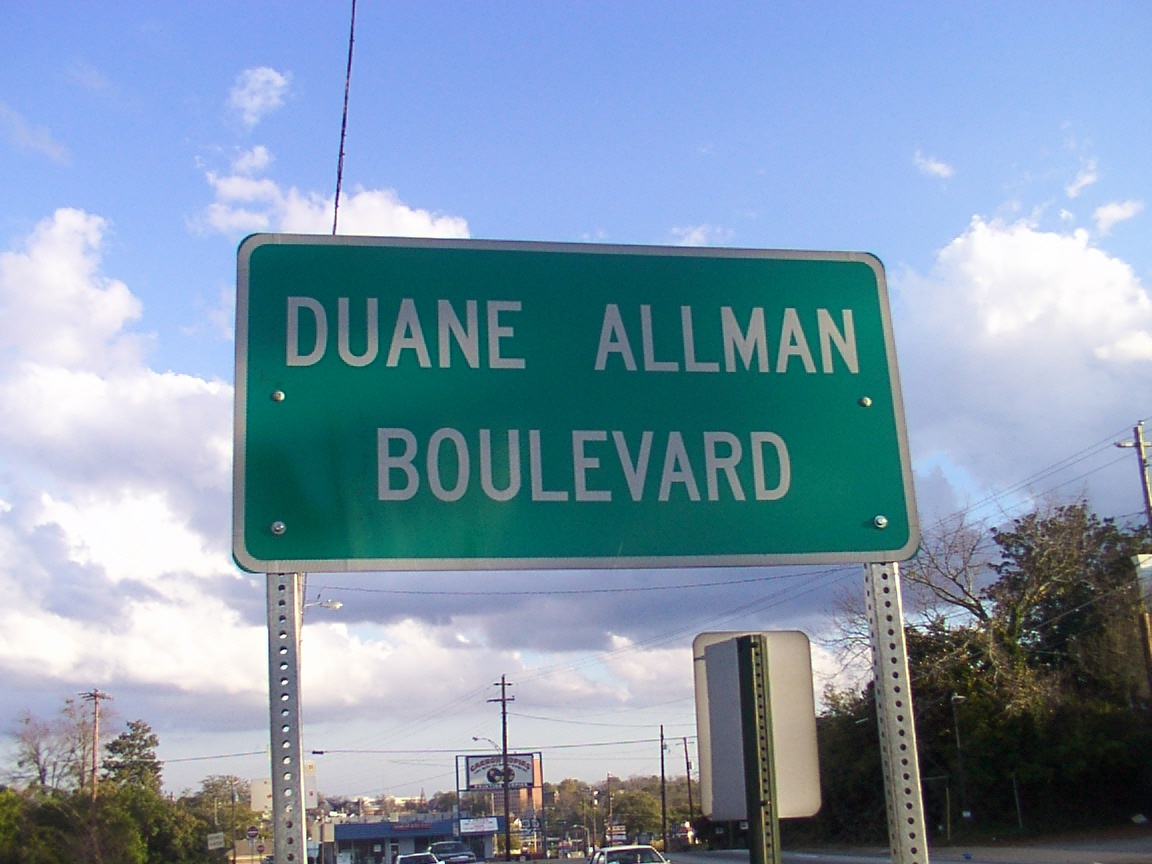
The recognition came later too. Rolling Stone ranked Duane No. 2 on its 2003 list of the 100 greatest guitarists, behind only Jimi Hendrix. He was inducted into the Rock and Roll Hall of Fame with the band in 1995. In 1998 Georgia named a stretch of U.S. 41 in Macon Duane Allman Boulevard. In 2013 Galadrielle helped put together Skydog, a seven-CD box set that finally gathered the session work scattered across other people's records. That work had often been paid in cash with no credit, so no complete discography exists.
Getting Started With a Duane Allman Slide Tone
You don't need a $591,000 SG to get started. Here's a practical way in, based on what he actually used:
- Use a glass slide on your ring finger. A Coricidin-style glass bottle gets you closest to his smooth, vocal tone. Size it so it's snug but doesn't pinch the knuckle.
- Tune to open E. E-B-E-G#-B-E. If you'd rather not crank your strings up a whole step, open D (D-A-D-F#-A-D) has the same shapes a whole step lower and is easier on the neck. Plenty of players use it for Duane tunes at home.
- Raise the action a little, or use a dedicated slide guitar. That's exactly why Duane kept a second guitar in open tuning.
- Mute behind the slide. Rest the fingers behind the slide lightly on the strings and use your picking hand to damp strings you aren't playing. Most of the "clean" in clean slide is muting.
- Use humbuckers into a moderately driven tube amp. A Les Paul or SG into a cranked-but-not-fuzzy amp is the core of it. Get the drive from volume, not a high-gain channel, and roll back the guitar volume for cleaner passages.
- Play over the beat, not on top of it. Listen to how he slides into notes slightly late on "Statesboro Blues" and lets vibrato do the singing. Wide, slow vibrato from the wrist sounds like Duane. Fast, nervous vibrato doesn't.
For a listening list, start with "Statesboro Blues," "Stormy Monday" and "Whipping Post" from At Fillmore East, then Pickett's "Hey Jude," Aretha's "The Weight," Boz Scaggs' "Loan Me a Dime," "Layla" and "Little Martha."
The Takeaway
Duane Allman's career was short. That's the part people always mention first. What stands out more, 55 years later, is how much of it was a series of good decisions under pressure. He suggested a Beatles cover to a soul singer and made Clapton ask who was playing. He walked away from steady studio money to build a band nobody had asked for, with two drummers, two lead guitarists and his brother on vocals. He took a cold-medicine bottle and a borrowed record and turned slide guitar into rock's most human-sounding voice.
At 80, he'd probably still be in Macon this weekend, maybe sitting in at Skydog 80. Since he can't be, the best tribute is simple: drop the needle on At Fillmore East, tune a guitar to open E and see how long it takes you to get through the first eight bars of "Statesboro Blues."
What's your favorite Duane Allman performance: the Fillmore, "Layla," "Hey Jude" or one of the deep session cuts? Tell us in Guitar Talk.
Similar gear
These are similar options and substitutes, not the artist's exact gear or an endorsement by the artist.
- Epiphone Inspired by Gibson Custom 1957 Les Paul Goldtop Reissue Guitar with CaseCompare prices at Plugged Gear Co.

- Epiphone Inspired by Gibson Custom 1959 Les Paul Standard Reissue Guitar with Case Deep Cherry SunburstCompare prices at Plugged Gear Co.

- Gibson SG Standard 61 Maestro Vibrola, Vintage Cherry with CaseCompare prices at Plugged Gear Co.

- Marshall Studio Vintage Plexi Guitar Amplifier Head 20 WattsCompare prices at Plugged Gear Co.

Plugged Gear Co., Guitar Center and American Musical Supply links may earn us a commission from qualifying purchases.
Reader-supported
Keep Guitar Alive
Enjoyed this story? The Guitar Plugged is free to read and reader-supported. If it helped you play, listen or buy a little smarter, chip in to keep guitar journalism like this coming.
One-time contribution, processed securely by Stripe. Contributions are not tax-deductible.
Experience-driven coverage, not algorithm bait.
- 20+ years of guitar playing experience
- Real-world retail experience at Guitar Center
- Thousands of hours testing guitars, amps, and pedals
- A community of 50,000+ guitar enthusiasts across platforms
- Partnerships with Fender, DistroKid, TrueFire, Card Chords, and Enya
- Editorial standards published openly — see how we test gear
The Modern Guitar Magazine. Delivered to your inbox.
No spam. No gimmicks. Just great guitar content — stories, tones, iconic solos, and honest gear takes. Every week.
Ask GP
20 free questions a dayStill curious? Ask GP about this story.
Your personal classic-rock and guitar guide — ask anything about Duane Allman at 80.
Discussion (0)
Sign in to join the discussion.
Sign in to commentLoading comments…
Discover another guitar story
Swipe through our latest features, breaking news and iconic solos — one story at a time.
Open Swipe →More Guitar News
History of the Riff: Layla – The Story Behind One of Rock's Greatest Guitar Hooks
The story behind Layla — Eric Clapton's heartbreak, Duane Allman's slide, and the riff that became one of rock's greatest guitar hooks.
Sonny Landreth: The Louisiana Slide Master Who Found Another Way to Play Guitar
Sonny Landreth wears his slide on his pinky and frets chords behind the glass. Here's how the Louisiana master built his sound, from Clifton Chenier and John Hiatt to Crossroads, plus his gear and the albums to hear first.
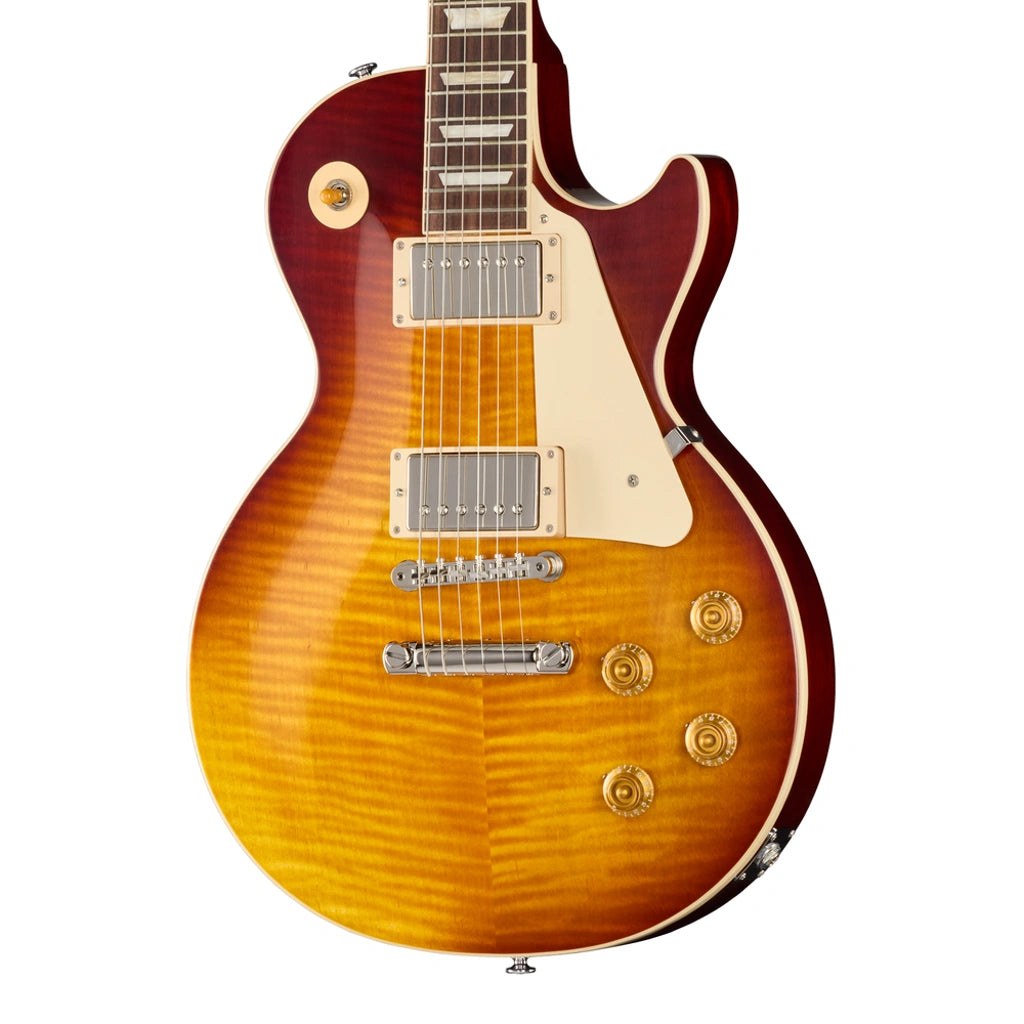
Pearly Gates: How a 1936 Packard Bought Billy Gibbons the Most Famous 1959 Les Paul in Rock
A $250 share of a 1936 Packard bought Billy Gibbons a near-mint 1959 Les Paul Standard. The history of Pearly Gates, its pickups, Gibson's $39,999 clone and the new Pearly Gates Les Paul Standard.
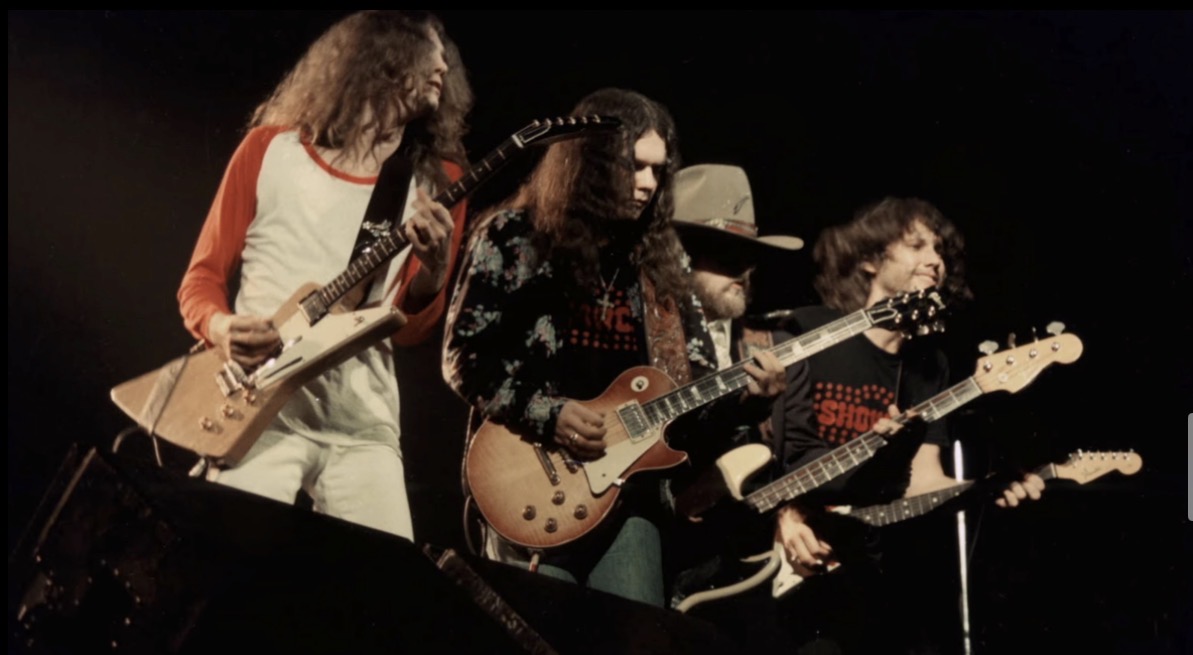
Iconic Solos: Why the "Free Bird" Solo Feels Like Flying
Allen Collins' four-minute Free Bird solo isn't about speed — it's about momentum, repetition, and reckless tone. Here's why it still gives guitarists chills.
Kenny Wayne Shepherd Goes Back to Ledbetter Heights: 30 Years, the Original Rig and Better Hands
Thirty years after a Shreveport teenager cut Ledbetter Heights between high school classes, Kenny Wayne Shepherd has re-recorded it with Noah Hunt singing and the old rig plugged back in. Here's how he got here, how he plays, and what he plays through.