
Sonny Landreth: The Louisiana Slide Master Who Found Another Way to Play Guitar
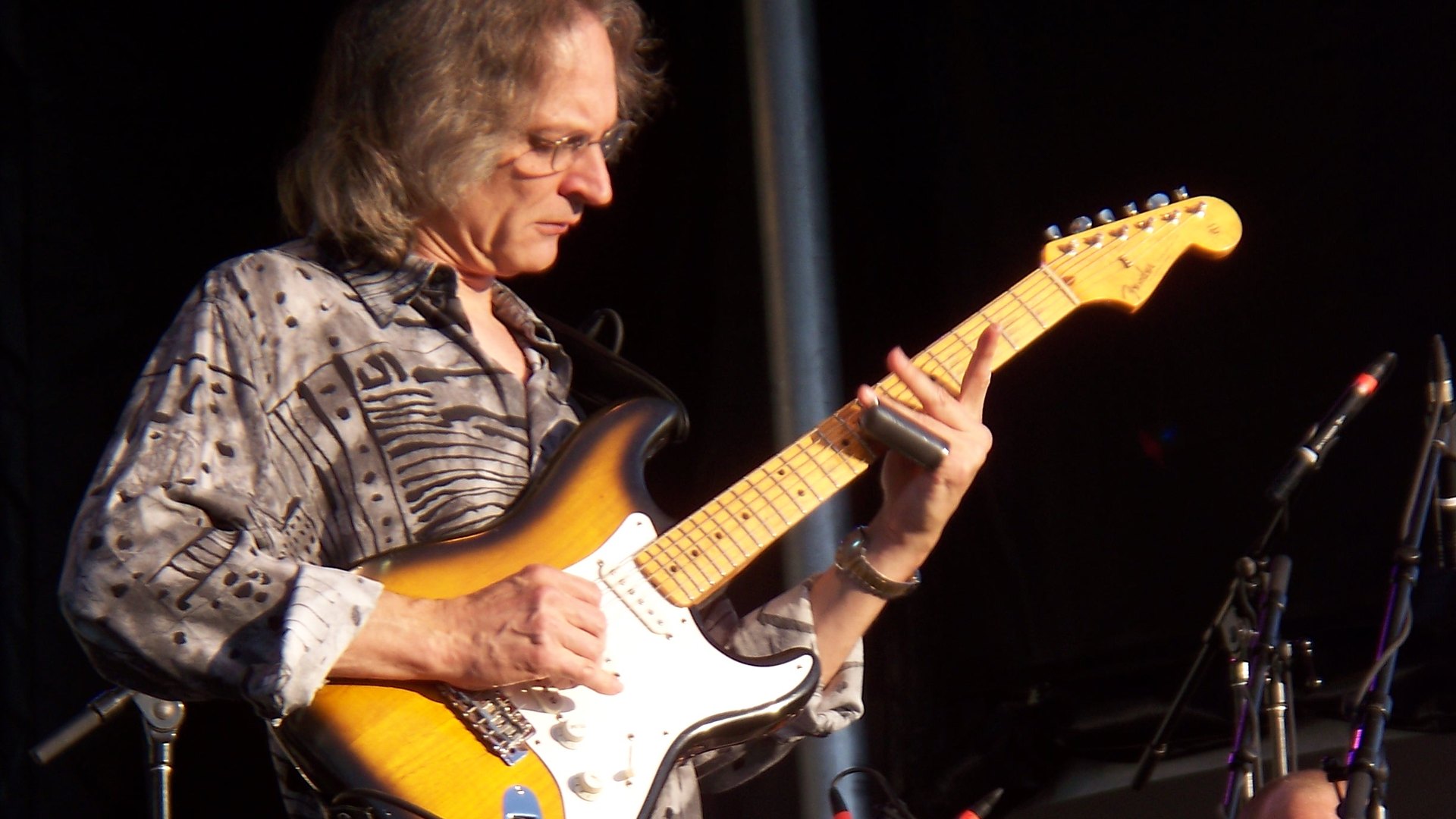
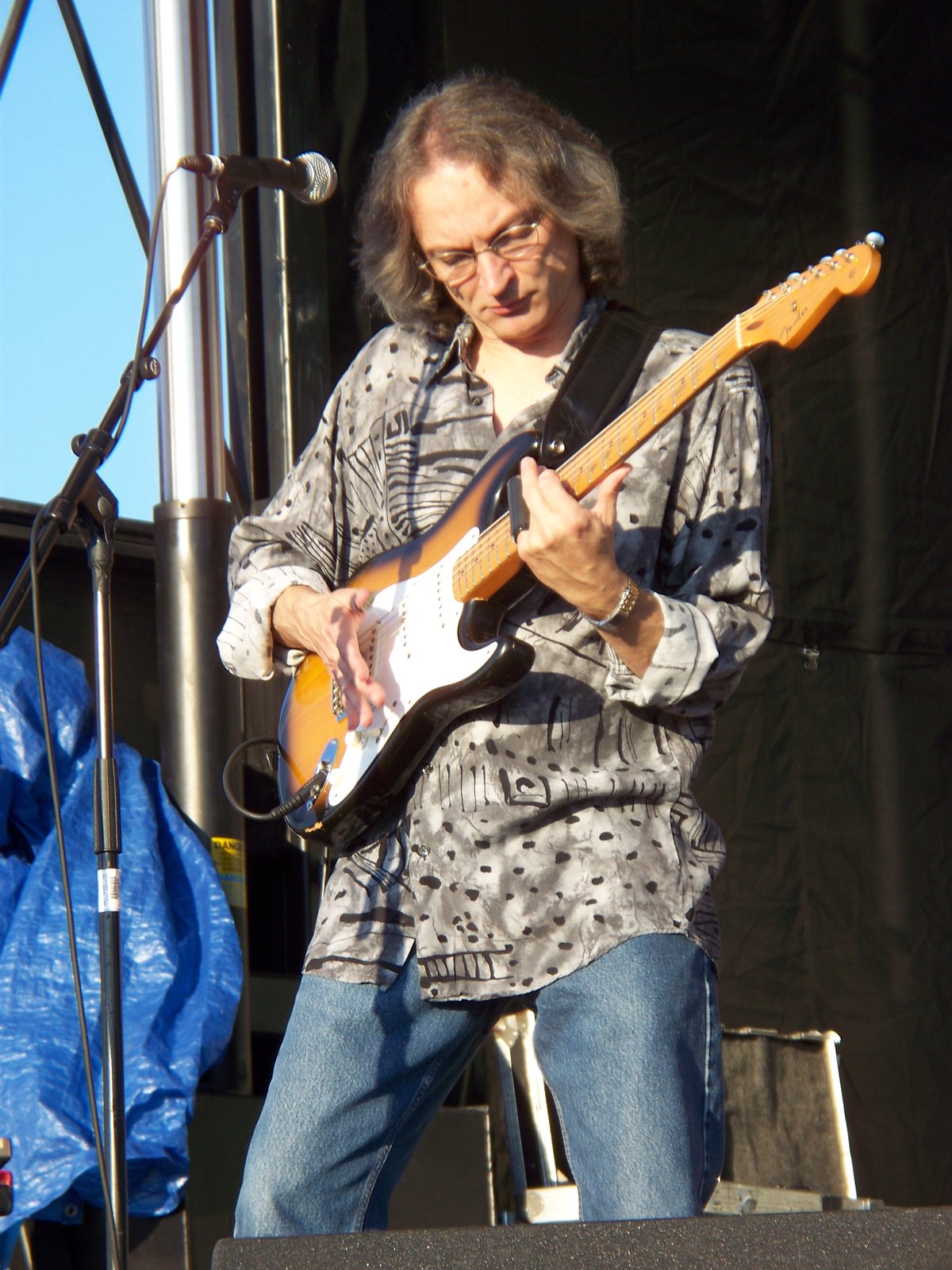
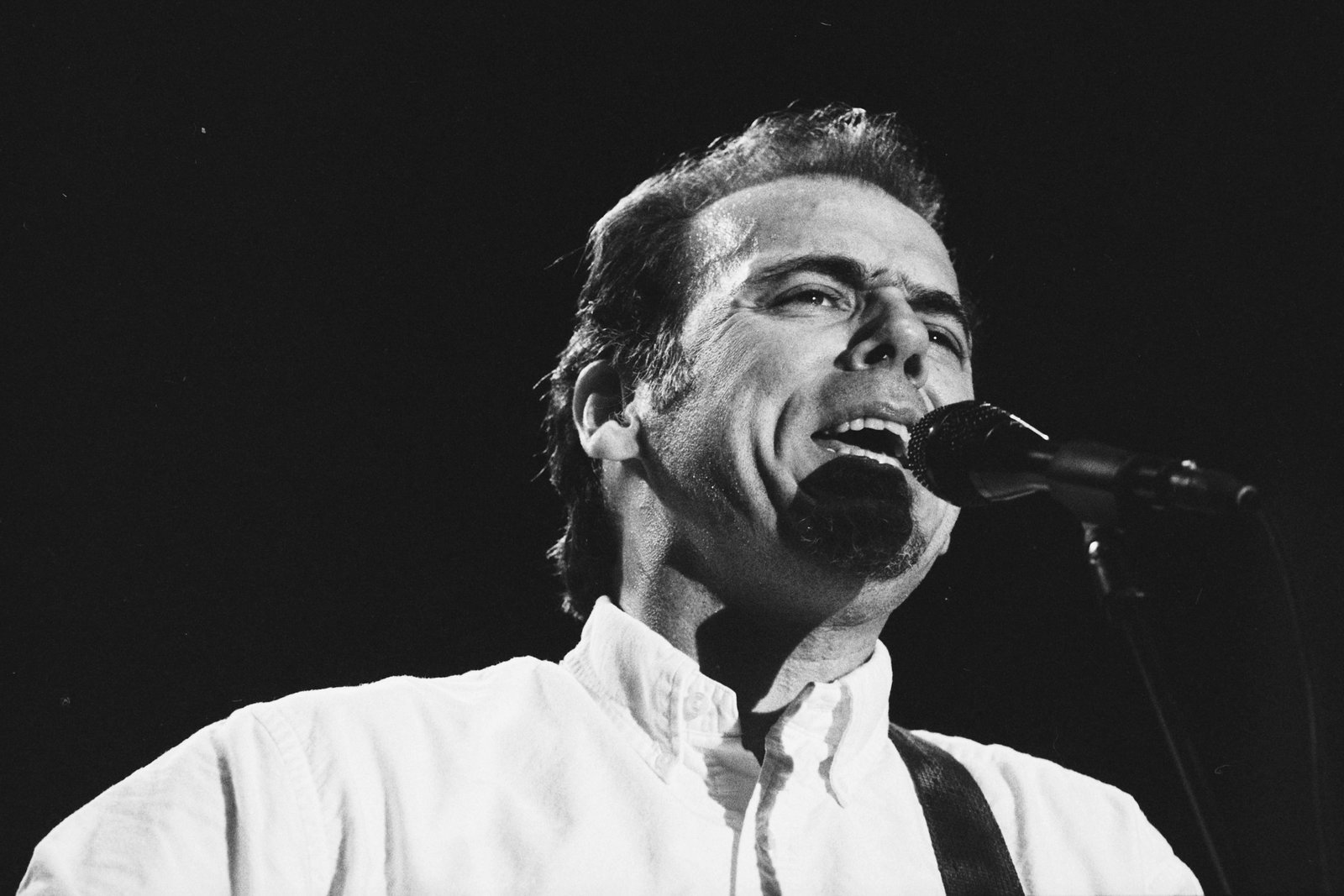
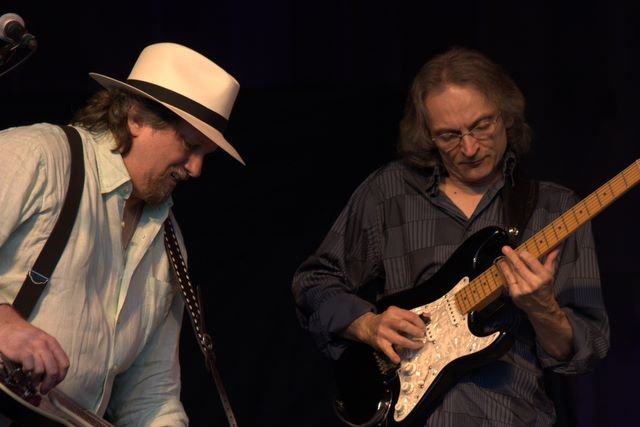
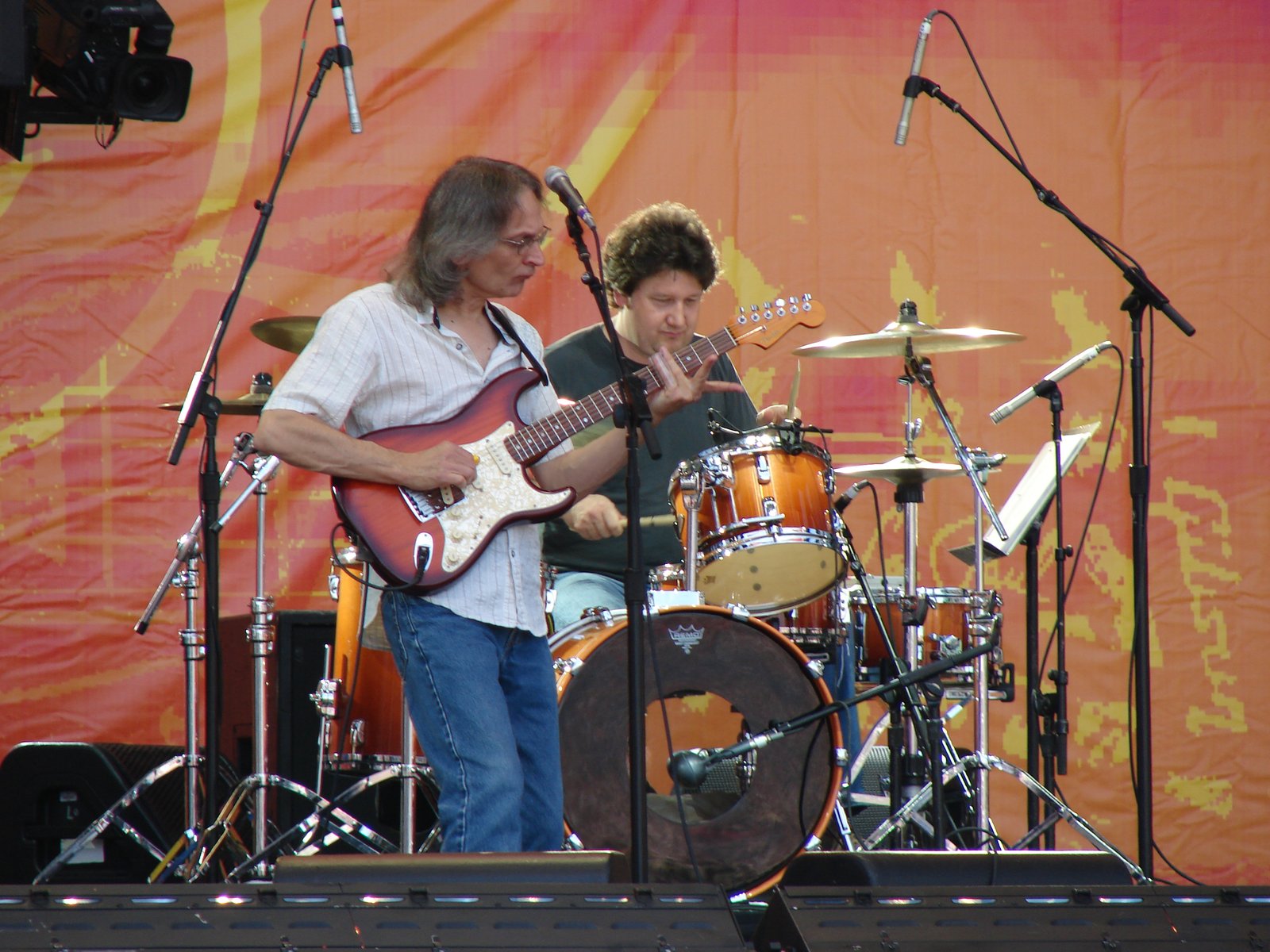
Sonny Landreth onstage at Ottawa Bluesfest in 2008, with a sunburst Strat and the slide on his little finger.
Sonny Landreth wears his slide on his pinky and frets chords behind the glass. Here's how the Louisiana master built his sound, from Clifton Chenier and John Hiatt to Crossroads, plus his gear and the albums to hear first.
At Eric Clapton's Crossroads Guitar Festival, the first guitarist on the main stage is usually the same man: a soft-spoken player from south Louisiana with a Stratocaster and a glass slide on his little finger, who sounds like two or three guitarists at once.
That's Sonny Landreth. He's 75, he's played every Crossroads since the first one in 2004, and in September he opened both nights of the 2026 festival in Austin, weeks after releasing "Lady On The Rise," the first single from his first studio album since 2020.
Landreth didn't just get very good at slide guitar. He changed what the slide can do. He wears it on his pinky so his other fingers can fret notes and chords behind the glass, and he works his right hand like a small percussion section: picking, tapping, slapping and muting with every finger. The result is a sound nobody else really has. Here's where it came from, the gear behind it, the records to hear first, and what the rest of us can steal from it.
From Canton to Cajun Country
Clide Vernon "Sonny" Landreth was born on February 1, 1951, in Canton, Mississippi, in the heart of the state that gave the world Delta slide guitar.
His family moved to Lafayette, Louisiana, when he was a boy. In a 2008 Premier Guitar interview he put it at age seven, and other profiles say eight. Either way, he told Creative Loafing in 2002 that the move was a "culture shock" at first. Then he heard a Cajun band playing in a parking lot at the grand opening of an auto parts store, and that was that. "Anything that involved a guitar, count me in," he said.
He didn't start on guitar, though. He played trumpet in school band and orchestra into his college years, and he has often said it taught him to phrase like a wind player. In his Premier Guitar interview he explained that a horn player has "to take a breath and then play the passage," and that this brings out "much more of an expression of the voice." Listen to the way his slide lines swell, hang, and fall back behind the beat. That's a horn player's phrasing on a guitar.
He got his first guitar at 12. His early heroes, he told Premier Guitar, were Scotty Moore with Elvis and the Ventures. Then an older kid at a music store played him Chet Atkins. Atkins taught him, through records, that one guitar could carry a bass line, a rhythm part, chords and a melody all at once. Landreth calls that fingerstyle approach "the gift I got from Chet Atkins," and it's the foundation of everything his right hand does today.
Slide came later, through the Delta blues records he loved. (He also told Premier Guitar he saw and met Jimi Hendrix in Baton Rouge in the late '60s.) His first slides were improvised. According to Creative Loafing, a friend's father owned a motorcycle shop, so spare handlebars became metal slides. When he fell for the bottleneck sound, he bought a glass cutter and made a slide from the neck of a wine bottle. Later he used Dr Pepper bottles, before he finally switched to factory-made glass.
The Zydeco Apprenticeship: Clifton Chenier's Red Hot Louisiana Band
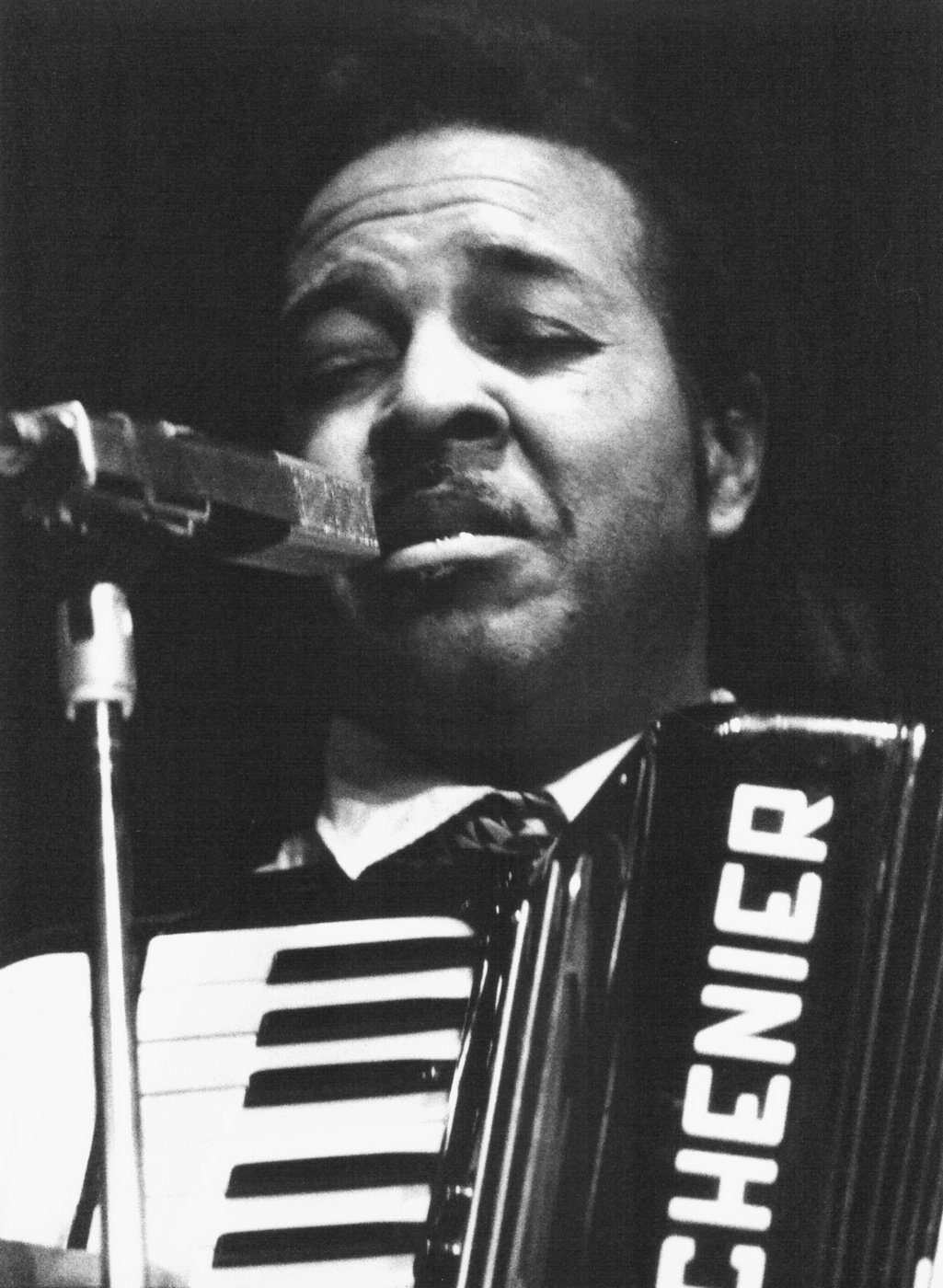
If you want to understand why Sonny Landreth doesn't sound like other slide players, start with Clifton Chenier.
Chenier was the King of Zydeco, the accordion player who fused Creole French music with blues and R&B and gave the style its modern form. Landreth first heard him at a small club in Louisiana. "He invited me inside and my world changed that night," he told Premier Guitar.
In the late 1970s, Landreth joined Chenier's Red Hot Louisiana Band as its first white member. Some accounts date it to 1979. He stayed for about a year, according to Creative Loafing, and then played with the zydeco rocker Zachary Richard before leading his own blues band.
A year isn't long, but it shaped everything that followed. "What Clifton and his band were doing harmonically and rhythmically was pure genius," Landreth says in his official bio. Zydeco runs on a pushing groove of accordion and rubboard, and a guitarist in that band has to lock in before he shows off.
Landreth's most revealing explanation of his technique, in Todd Mouton's profile on his website, comes back to that bandstand. He says he was trying to copy instruments he couldn't play: the rubboard, the fiddle, the accordion. That frustration "pushed me to discover some of the new sounds and new ideas and those techniques," he said. "And I think it's just the sound of a frustrated wanna-be on several other instruments."
It's a modest description of one of the most original styles in American guitar, and it explains a lot. The percussive right hand is the rubboard. The swelling slide notes are the fiddle and the horn. The chords fretted behind the glass are the accordion's harmony. Dobro master Jerry Douglas told Mouton he could "hear fiddles a lot in his playing, just from the way he raises the notes."
The Technique: Playing Behind the Glass
Here's the core of the Sonny Landreth sound, explained as simply as possible.
On a normal slide guitar, the slide does all the work on the fretting hand, and the other fingers mostly mute the strings behind it. Most players wear the slide on the ring or middle finger.
Landreth wears the slide on his little finger. That leaves his index, middle and ring fingers free to fret notes on the neck behind the slide while the slide is still sounding notes above them.
He described the discovery to Creative Loafing in 2002. He was playing a blues in a major open tuning and was frustrated that he couldn't get the minor notes he wanted. He could see them under the glass. "I need those notes," he remembers thinking. "I picked a note, pressed my finger, and a light went off."
He walked Premier Guitar through the mechanics. With slide, the strings float above the fretboard. Behind the slide there's "just enough room on the hand" to press notes down. "It's the combination of the fretted notes and the slide notes that are floating that creates the mojo," he said.
His longtime bassist Dave Ranson remembered the day it happened. Landreth called him up "all pumped-up," Ranson told Mouton, and when he heard it, "I saw why."
What it actually gets you
- Chords and slide at the same time. Landreth can hold a fretted chord fragment on two strings while the slide sounds another note above it. That gives you harmony no standard open tuning can provide.
- Minor and altered sounds in major tunings. This is the problem he set out to solve. A fretted note behind the slide can turn a major chord into a minor, a sixth or a seventh without a retune.
- Oscillations and "ghost notes." When fretted notes clash with notes ringing under the slide, they produce beating, warbling overtones. Landreth told Premier Guitar he can control the speed of those oscillations with his right hand. He compares the effect to built-in vibrato, tremolo, chorus and echo, with no pedal involved.
The right hand
The fretting hand gets the attention, but Landreth's right hand is just as unusual. It comes from Chet Atkins, not the Delta. He picks with a thumb pick and his fingers, and Wikipedia notes he uses Dunlop Herco flat thumb picks. He also taps, slaps and plucks, and uses the palm to press strings down behind the slide and bend them.
In the 2008 Premier Guitar interview he laid out a muting system that every slide player should know. Each finger is assigned to a string: the ring finger covers the high E, the middle finger the B, the index finger the G, and the thumb handles the bottom three strings. When he plays a single slide note, the other fingers drape over the remaining strings to keep them quiet. When he wants everything to ring, he lifts off.
He also described a palm technique. Because slide strings don't touch the frets, he can press down on any combination of strings with the palm. "As you press down, the slide goes with you," he said, and that lets him "excite the strings and bend the notes behind the slide – the ghost notes I call them."
Tunings
Landreth plays mostly in open tunings and uses many of them. He told Premier Guitar he uses "anywhere from five to eight" in a typical show. He groups them this way:
- Open G and open D (he calls them "Spanish" or slack-key tunings). He likes their "elasticity," and called D "just the blues key."
- Open E and open A. These use the same fingerings as D and G but are tuned higher, with more string tension. He says they give "more of an edge" for rocking songs.
- Minor tunings, including F minor. "I've always felt that the minor blues is about the most beautiful sound there is," he said.
Allen Toussaint, the great New Orleans pianist and producer, saw all this up close in 1995. According to Landreth's official bio, Toussaint was in the room while they cut "Congo Square" for South of I-10. He watched Landreth fret chords and play slide with his left hand while strumming, tapping and fingerpicking with his right. Then he turned to the engineer and said, "That boy just found a different way to play guitar."
John Hiatt, the Goners and the Sideman Years
His first albums were 1981's Blues Attack, which featured C.J. Chenier, Clifton's son, on saxophone, and 1985's Way Down in Louisiana. Earlier sessions he cut in Houston in the 1970s for producer Huey Meaux were released years later as The Crazy Cajun Recordings.
The bigger break came in 1988, when John Hiatt hired him for Slow Turning. The band behind Hiatt on that record was Landreth on guitar, Dave Ranson on bass and Kenneth Blevins on drums. They became the Goners, Hiatt's road band. Landreth's official bio says he "helped define the sound" of Slow Turning. That's fair: listen to how his slide fills the space around Hiatt's voice on the title track.
The Goners reunited with Hiatt for The Tiki Bar Is Open (2001) and Beneath This Gruff Exterior (2003), billed to John Hiatt and the Goners.
His session list is long and odd in the best way. Landreth played on John Mayall's A Sense of Place (1990), where he met R.S. Field, who went on to co-produce his records, and on Mark Knopfler's Golden Heart (1996). He also recorded with Kenny Loggins, Little Feat, Gov't Mule and Buckwheat Zydeco, plus the French singer Alain Bashung. Jimmy Buffett invited him into the Coral Reefer Band as a guest, and his bio says that arrangement lasted more than a decade. He also turned up on HBO's Treme.
The Albums: Where to Start
If you're starting from zero, here's a map of the catalog.
Outward Bound (1992)
His major-label debut, on Zoo Entertainment, was co-produced with R.S. Field. Members of the Goners played on it, and Hiatt sings on two songs.
South of I-10 (1995)
If you only buy one Sonny Landreth album, make it this one. The opening run of "Shooting for the Moon," "Creole Angel" and "Native Stepson" may be the best three-song introduction to his playing. "Native Stepson" got his first music video and became a fan anthem. Mark Knopfler plays on three tracks, including lead and rhythm guitar on "Congo Square." Allen Toussaint plays piano, and Landreth covers Toussaint's "Great Gulf Wind."
"Congo Square," which Landreth co-wrote with Mel Melton and Dave Ranson, became the most covered song in his catalog. The Neville Brothers and John Mayall have both recorded it.
Levee Town (2000)
Levee Town completed a loose Louisiana trilogy: story songs set in a fictional town modeled on the ones around him. Bonnie Raitt sings on "Soul Salvation," Hiatt sings backup on the title track, and "The U.S.S. Zydecoldsmobile" is a double-clutch zydeco shuffle with a great title. It came out on Sugar Hill and was reissued in an expanded edition in 2009.
The Road We're On (2003) and Grant Street (2005)
The Road We're On was a straighter blues record, and it reached No. 1 on Billboard's Blues Albums chart and earned his first Grammy nomination. Grant Street, recorded live at the Grant Street Dancehall in Lafayette, captures what his trio does on a good night.
From the Reach (2008)
This was the first release on his own Landfall label, and it's the album most guitar fans know. Landreth wrote every song with a specific guest in mind. Knopfler opens it on "Blue Tarp Blues," and Clapton plays and sings on "When I Still Had You" and plays on "Storm of Worry." Eric Johnson plays on "The Milky Way Home," and Robben Ford plays on "Way Past Long" and "Blue Angel." Vince Gill, Dr. John and Jimmy Buffett round out the guest list.
The mix puts Landreth on the left and the guests on the right, so you can hear the conversation. It went to No. 1 on Billboard's Blues chart.
Our favorite detail comes from his Premier Guitar interview. Clapton texted him after recording a harmony vocal: "I think it sounds like crap, but you're welcome to use it." Landreth used it.
Elemental Journey (2012)
This was his first all-instrumental album, and his most ambitious. Joe Satriani tears through "Gaia Tribe," Eric Johnson plays on "Passionola," and members of Lafayette's Acadiana Symphony Orchestra add strings on five pieces. It's where you hear the classical side Landreth picked up in his trumpet years.
Bound by the Blues (2015)
Bound by the Blues was a trio record that went back to the basics, with Delta and Chicago standards mixed with originals. You get "Walkin' Blues," Elmore James's "Dust My Broom," Skip James's "Cherry Ball Blues," and "Firebird Blues," his instrumental tribute to Johnny Winter. The following year, Landreth won the Blues Music Award for guitar.
Recorded Live in Lafayette (2017)
This double live album, with one acoustic disc and one electric, earned his second Grammy nomination, for Best Contemporary Blues Album. The acoustic set features a custom-engraved Beltona resonator that his bio says Knopfler gave him.
Blacktop Run (2020)
Blacktop Run was his most recent studio album until now. It came out on Provogue, produced by R.S. Field with Tony Daigle and cut at Dockside Studios in Louisiana. Landreth called it "probably the most eclectic recording I've done."
Crossroads and the Clapton Connection
The quote everyone uses about Landreth comes from Eric Clapton. As NPR's World Cafe reported it in 2008, Clapton called Landreth "probably the most underestimated musician on the planet, and also probably one of the most advanced." The line has been repeated in Landreth profiles since at least 2004, with slight wording differences between sources. His own website runs it without the second "probably."
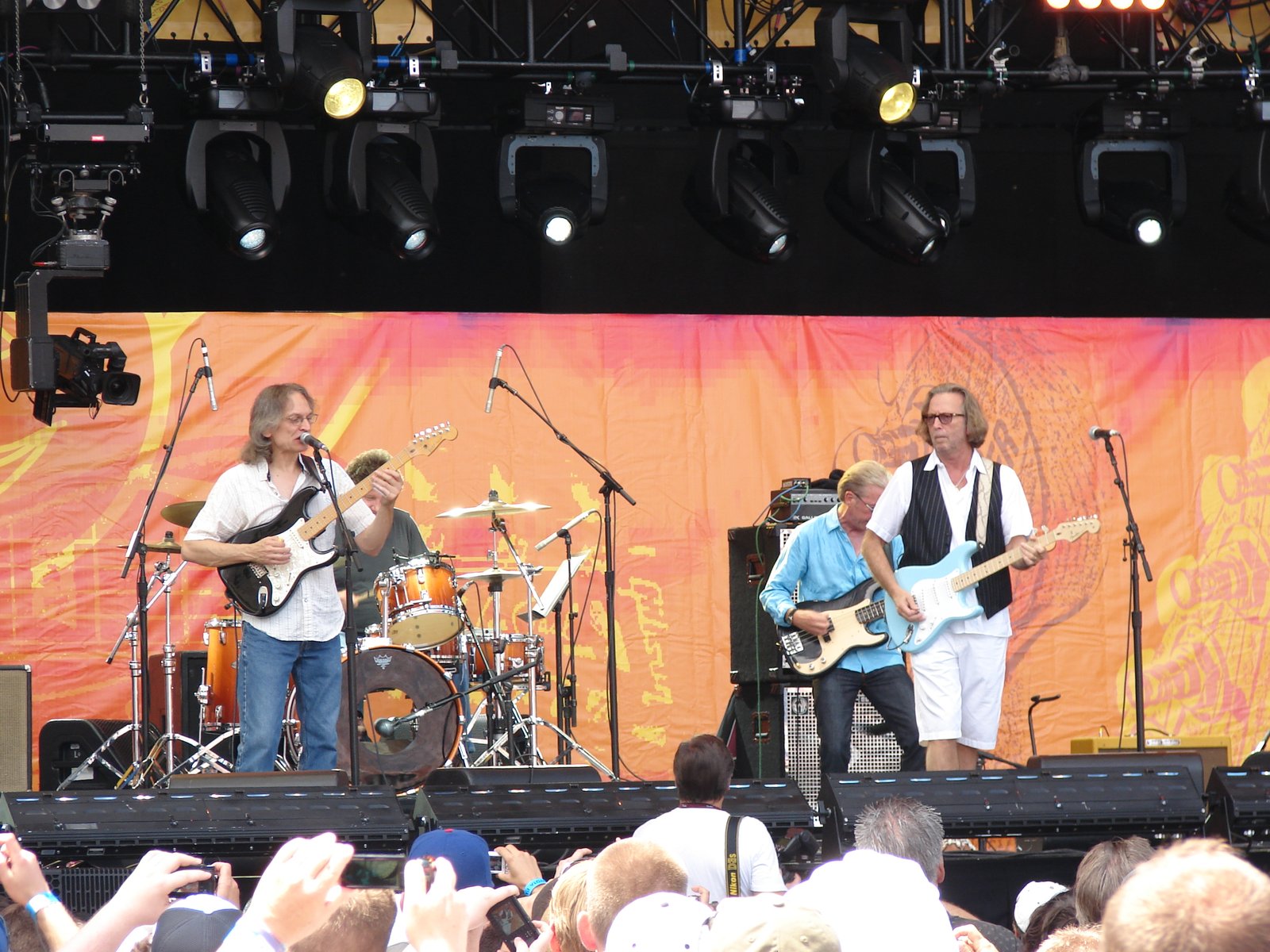
Clapton has backed it up with bookings. Landreth has played every Crossroads Guitar Festival, from the first one at the Cotton Bowl in Dallas in 2004 through Chicago in 2007 and 2010, Madison Square Garden in 2013, Dallas again in 2019, Los Angeles in 2023 and Austin this year. He's usually the opening act, too. His bio says he has opened seven of them.
At the 2007 festival in Chicago, Clapton came out and sat in. "That was about the greatest affirmation for me," Landreth told Premier Guitar. "He was one of my original guitar heroes." At the 2023 festival in Los Angeles, Clapton joined him on "A World Away." In Austin this September, Landreth played with Clapton again on night one. American Blues Scene reported that Clapton has said his first call when booking the festival always goes to Landreth.
That's a big statement about a player most casual rock fans still couldn't pick out of a lineup, and that's the point of Clapton's quote.
Gear: Strats, Dumbles and Heavy Strings
Landreth is a Strat player. "I've settled on the Strat because it has got something going for it with slide that I just can't shake," he told Premier Guitar in 2008. "It's more versatile." He owns Les Pauls too, and played a '69 Les Paul on "Way Past Long" so his tone would stand apart from Robben Ford's humbuckers. But the Stratocaster is home.
Gear changes, so treat what follows as a documented timeline, not a shopping list.
Guitars. In a 2012 Premier Guitar Rig Rundown, his fly-in rig was a pair of late-'80s '57 reissue Strats with soft-V necks, Lindy Fralin Hot Vintage pickups, and a Suhr Silent Single Coil backplate system to cut hum. A later Premier Guitar gear list includes prototype Fender signature Strats, one with a DiMarzio Fast Track DP181 in the bridge, plus a 1958 Strat, a 1960 Les Paul, a 1930s National Duolian and a 1997 Dobro. In 2008 he was enthusiastic about the Suhr backplate system, saying it "takes the hum way down to where it's manageable."
Amps. He's best known for his Dumble Overdrive Special, which was his main amp on From the Reach. Dumbles don't love airline baggage handlers, though. For fly-in dates he has used a Demeter TGA-3 on its clean channel through the speakers of a '65 Twin Reverb reissue. He later told Premier Guitar that Demeter built him a 4½-pound travel amp, the TGA-1-180D Mighty Minnie, with the same front end. Matchless, Marshall and a '54 Fender Tweed Deluxe also appear in his gear lists. (For more on why Dumbles became legends, see our Dumble story.)
Pedals. The 2012 Rig Rundown board, which he calls "the runway," had a Boss TU-2 tuner, a Demeter Fuzzulator, a Hermida Zendrive modded for more gain (his go-to drive), a Hermida Mosferatu, a Keeley Compressor, a TC Electronic Chorus+ and a T-Rex Replica delay.
Slides, picks and strings. His gear lists name Dunlop 215 glass slides, and in the Rig Rundown he said he still uses regular Dunlops live despite owning many slides at home. He uses D'Addario EJ22 nickel-wound strings, gauged .013 to .056. That's a jazz-medium set, much heavier than most rock players use. He keeps a medium action to go with it.
He's direct about why the heavy strings matter. In open tunings, he told Premier Guitar, that gauge "really opens up the sound of the guitar. You get a lot more harmonics and overtones." He's just as direct about where tone really comes from. "If you really want to test your metal, sort of speak, don't use any effects," he said, as printed. "Plug straight into an amp and just try playing a gig like that."
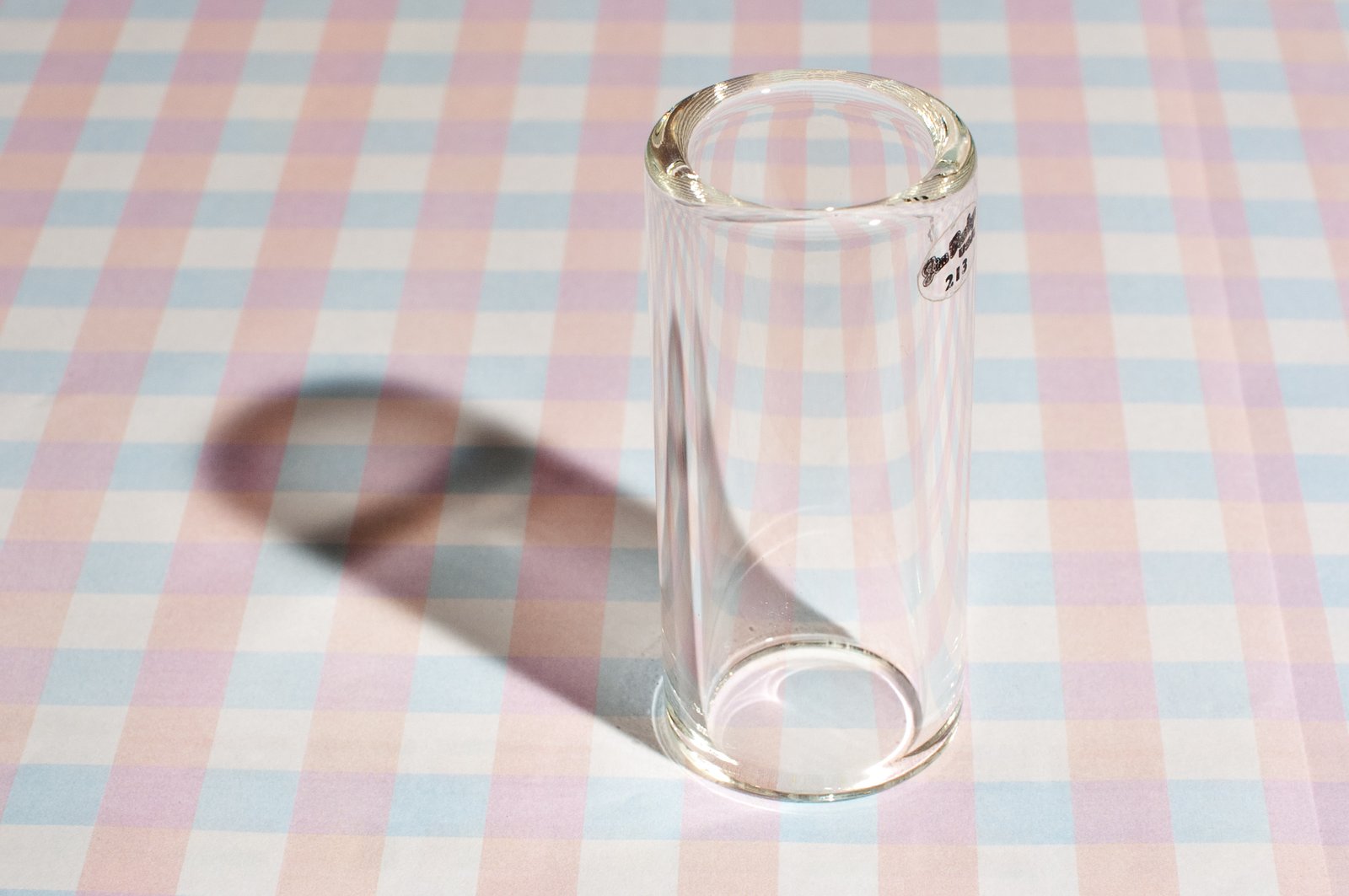
Want the glass Landreth plays? The Dunlop 215 Pyrex glass slide (heavy wall, medium) is the model named in his gear lists. It's a heavy slide, so pair it with heavier strings and a little more action. (If you buy through this link, TGP may earn a commission at no extra cost to you.)
How to Learn From Sonny Landreth's Approach
Nobody learns Landreth's style from an article, but the ideas behind it are simple. These are our suggestions, built from what he's described in interviews, not a lesson he endorsed.
1. Move the slide to your pinky. It will feel clumsy for a week or two. Start in open G or open D on the top three strings. The goal is to free your other three fingers to fret.
2. Fret one note behind the glass. Put the slide at the 12th fret in open D. With your index finger, fret the G string at the 11th fret, behind the slide. Pick the G string and the B string together. You've given a plain major sound a minor, bluesy edge without retuning, which is exactly the problem Landreth set out to solve.
3. Learn his right-hand muting. Assign your right-hand fingers to strings: ring finger on the high E, middle on the B, index on the G, and thumb on the bottom three. Practice playing a single slide note while the others stay draped and silent. Clean slide playing is mostly about muting.
4. Let the clash happen. Once you can fret behind the slide, play two fretted notes against an open slide chord and listen for the beating overtones. Try pressing strings with your right palm behind the slide and listen to what changes. Landreth calls these the ghost notes.
5. Phrase like a horn. Sing a line before you play it, and breathe where a singer or trumpet player would. Landreth credits his trumpet years for the vocal quality of his slide. Leave space.
6. Raise the strings and the tension. If your slide clanks against the frets, you need heavier strings, higher action, or both. Landreth uses .013s; you don't have to go that far, but serious slide players usually end up with a dedicated slide guitar. Our string gauge guide explains the trade-offs.
7. Check your intonation by ear, not by the frets. Slide intonation happens directly over the fret wire, not behind it. Use a tuner like our free guitar tuner to check your open tuning, then use your ears for the rest.
8. Learn the source material. Landreth's heroes are a good syllabus: Robert Johnson, Elmore James, Duane Allman, Chet Atkins and Clifton Chenier. You can hear all of them in his playing.
What's Next: "Lady On The Rise" and a 2027 Album
On September 9, 2026, he released "Lady On The Rise," the first single from a new studio album due in 2027 on Provogue/Artone. Blues Rock Review reports that it will be his 15th album. The track features Landreth on vocals and guitar, Brian Brignac on drums and percussion, and Tony Daigle on keyboards. Landreth and Daigle co-produced it, and Daigle recorded it at Electric Comoland in Lafayette.
"I chose 'Lady On The Rise' because of the vibe I felt recording it in the studio this summer and because it's a song inspired by hope," Landreth told Blues Rock Review.
The fall was busy. He played Americanafest in Nashville in mid-September for the first time in more than 20 years. Then he opened both nights of Crossroads at Austin's Moody Center on September 26 and 27, with sets that included "South of I-10" and "Firebird Blues." October brought hometown shows, including Festivals Acadiens et Créoles in Lafayette. The only date on his official site right now is June 6, 2027, at Michael Arnone's Crawfish Fest in Frankford, New Jersey.
Why Sonny Landreth Matters
There are many great slide guitarists. There are very few who changed what the instrument can do. Duane Allman made slide guitar sing in a rock band. Ry Cooder made it cinematic. Derek Trucks made it sound like a voice from somewhere else. Sonny Landreth made it play chords.
He couldn't get a minor note out of a major tuning, so he fretted it behind the glass. He couldn't play the rubboard or the accordion, so he made his hands do those jobs. That's why Clapton keeps calling, and why "underestimated" has always fit. If you're a slide player, put on South of I-10, start with "Native Stepson," and watch a live video of him playing it. Then move your slide to your little finger and see what's hiding behind the glass.
Love slide guitar? Read our look at Johnny Winter's tone and legacy, our recap of Gary Clark Jr.'s Crossroads homecoming in Austin, and Eric Johnson Tone Decoded. Then tell us in Guitar Talk: which Sonny Landreth track should every guitarist hear first?
Sources
- Sonny Landreth, official biography and Todd Mouton, "Inside the Slide," sonnylandreth.com: https://www.sonnylandreth.com/bio.php
- Brian D. Holland, "Sonny Landreth: Exclusive Interview on Slide Guitar," Premier Guitar (September 10, 2008)
- Premier Guitar, Rig Rundown: Sonny Landreth (2012), and Premier Guitar gear features "You Have to Have the Antenna Up" and "Full Circle"
- Eric Snider, "Sliding Into Home," Creative Loafing Tampa (May 15, 2002)
- NPR World Cafe, "Sonny Landreth Explores 'The Reach'" (October 16, 2008)
- Blues Rock Review, "Sonny Landreth releases first single from upcoming album" (September 9, 2026): https://bluesrockreview.com/2026/09/sonny-landreth-releases-first-single-from-upcoming-album.html
- The Blues Foundation, 2016 Blues Music Awards winners
- American Blues Scene, Crossroads Guitar Festival 2026 recap
- Houston Press, Sonny Landreth profile
- Wikipedia, "Sonny Landreth": https://en.wikipedia.org/wiki/Sonny_Landreth
Experience-driven coverage, not algorithm bait.
- 20+ years of guitar playing experience
- Real-world retail experience at Guitar Center
- Thousands of hours testing guitars, amps, and pedals
- A community of 50,000+ guitar enthusiasts across platforms
- Partnerships with Fender, DistroKid, TrueFire, Card Chords, and Enya
- Editorial standards published openly — see how we test gear
The Modern Guitar Magazine. Delivered to your inbox.
No spam. No gimmicks. Just great guitar content — stories, tones, iconic solos, and honest gear takes. Every week.
Ask GP
3 free questions a dayStill curious? Ask GP about this story.
Your personal classic-rock and guitar guide — ask anything about Sonny Landreth.
Discussion (0)
Sign in to join the discussion.
Sign in to commentLoading comments…
Discover another guitar story
Swipe through our latest features, breaking news and iconic solos — one story at a time.
Open Swipe →More Guitar News
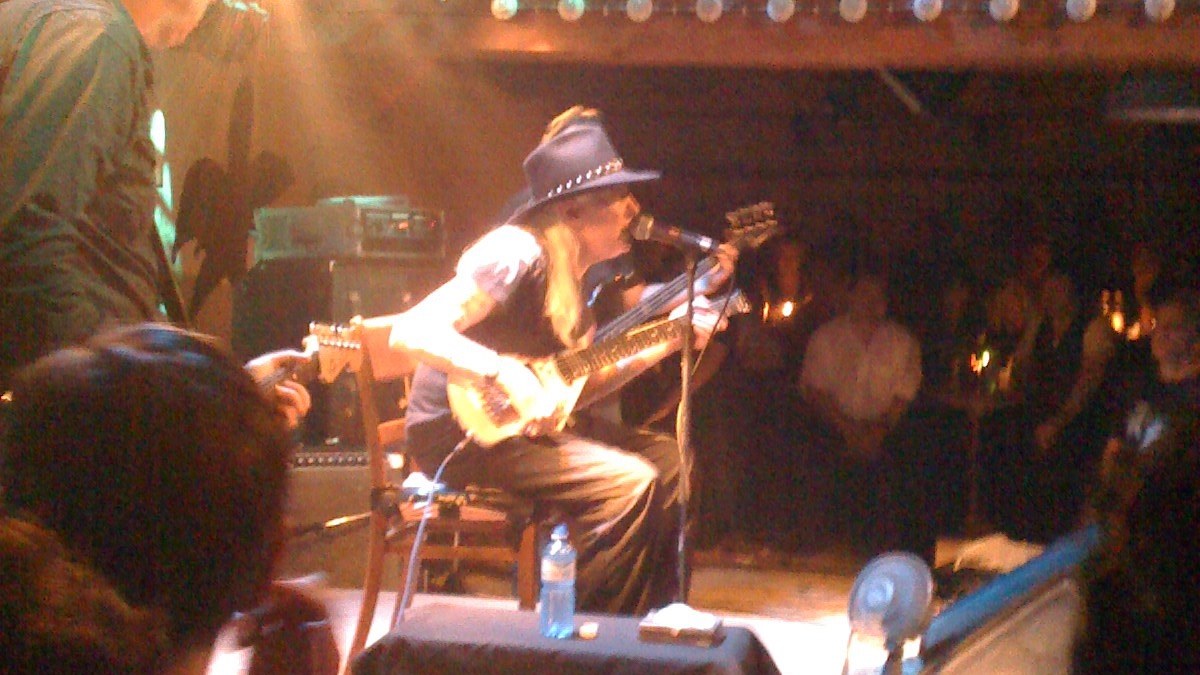
Johnny Winter: The Albino Bluesman Who Played Guitar Like His Life Depended on It
Johnny Winter played the blues with frightening speed, raw aggression and unmistakable Texas fire. We explore his guitar style, legendary Gibson Firebird, slide playing, tone and lasting influence.
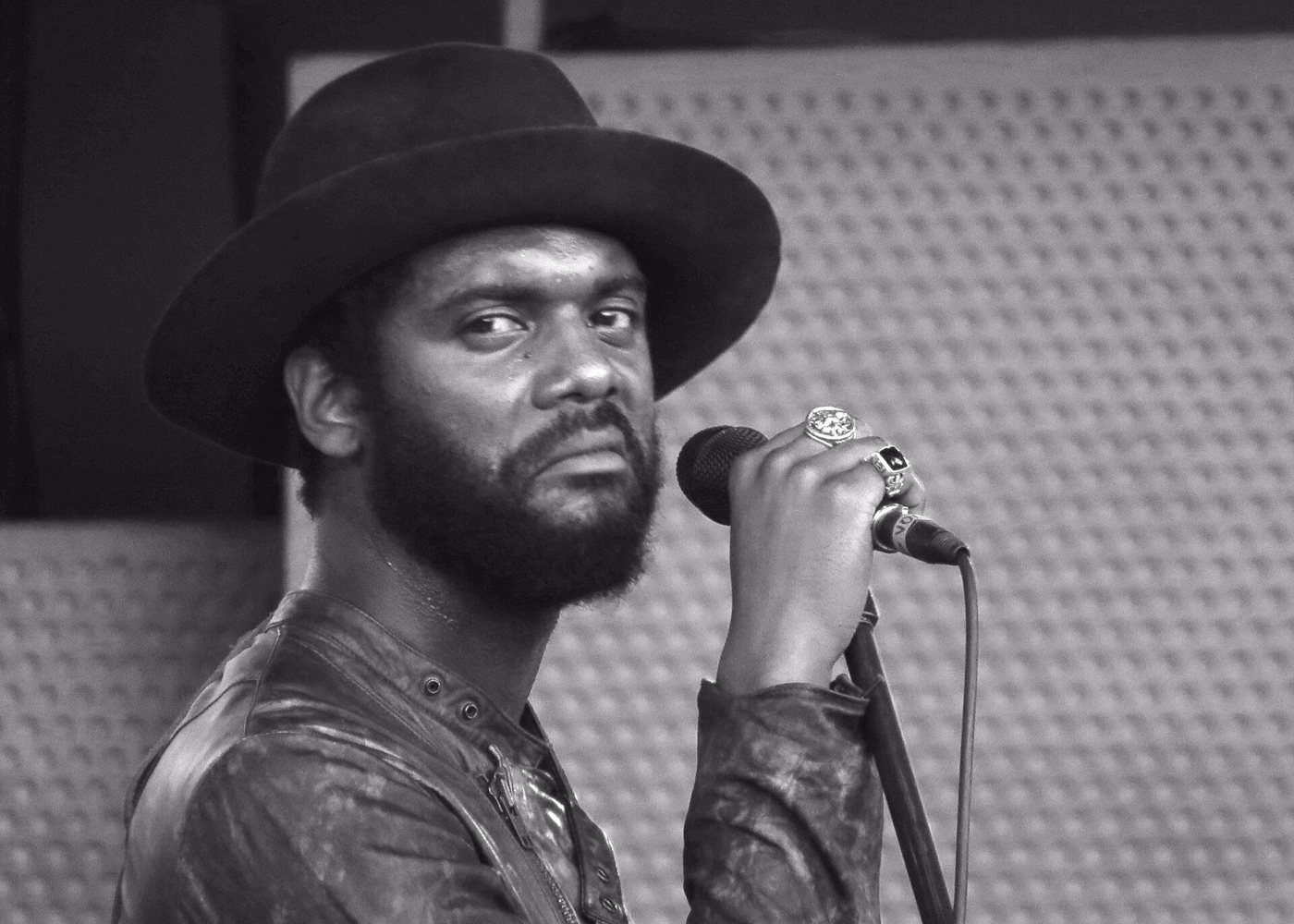
Gary Clark Jr. Brings Crossroads Home: Why This Weekend in Austin Belongs to Him
Antone's co-owner, Gibson signature artist and Austin's bridge between old blues and new — Gary Clark Jr. plays Crossroads in his own city this weekend. Here's why it matters.
Eric Johnson Tone Decoded: Rig, '54 Strat, Pedals & Picking
Eric Johnson just walked Guitarist through his touring rig for the first time in 13 years. Here's how the three-amp setup, the '54 Strat, the pedals and his picking hand add up to the most-studied lead tone in instrumental rock, and how to get close today.
Tone Decoded: Mark Knopfler — The Sound of Taste, Touch, and Timing
Mark Knopfler built one of the most recognizable guitar sounds in history with a Stratocaster, a clean Fender amp, a compressor, and his fingers. Here's exactly how his tone works — and how to get it.