
History of the Riff: Muddy Waters' "Hoochie Coochie Man" and the Five Notes That Stopped the Band Cold
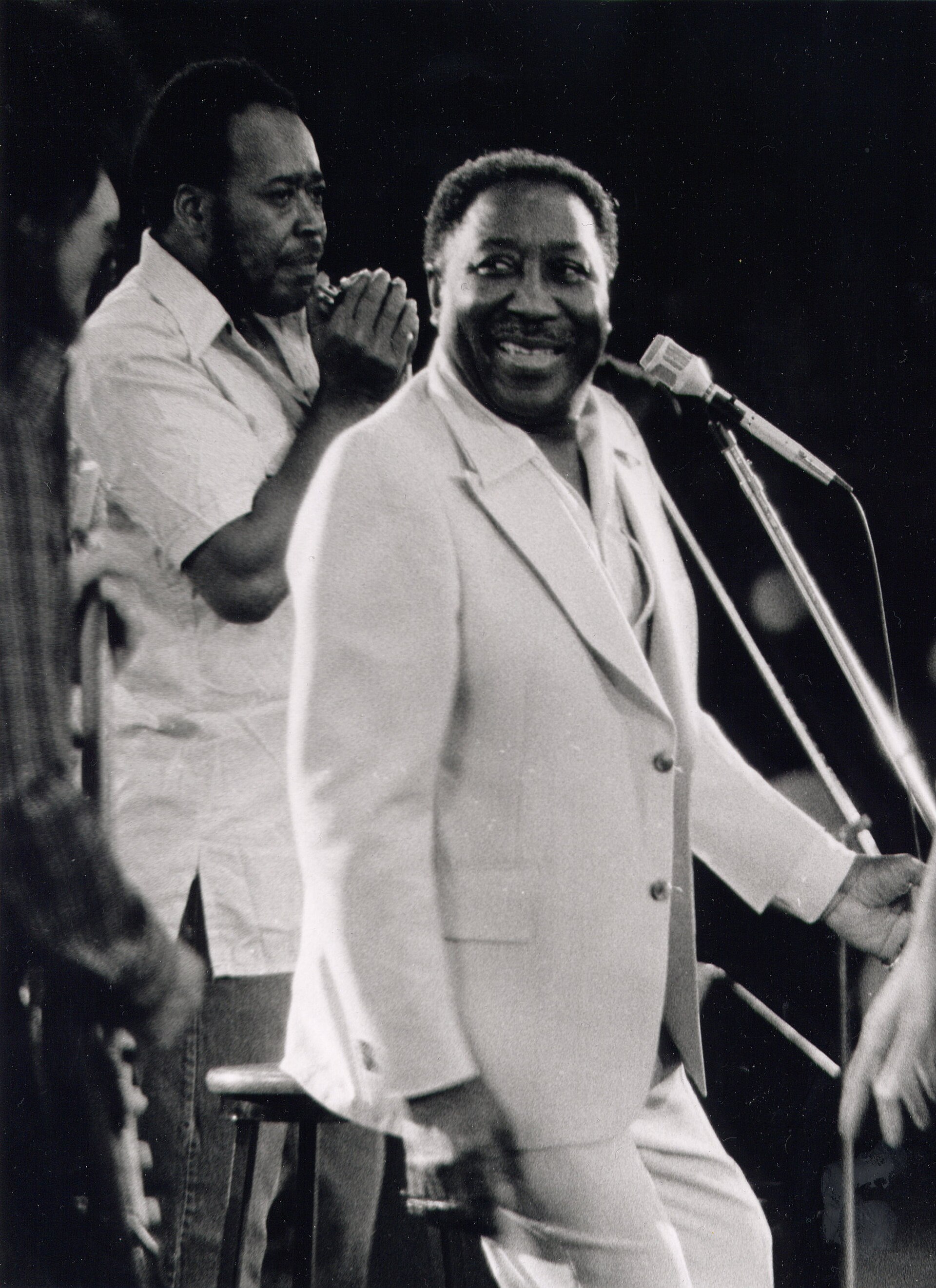
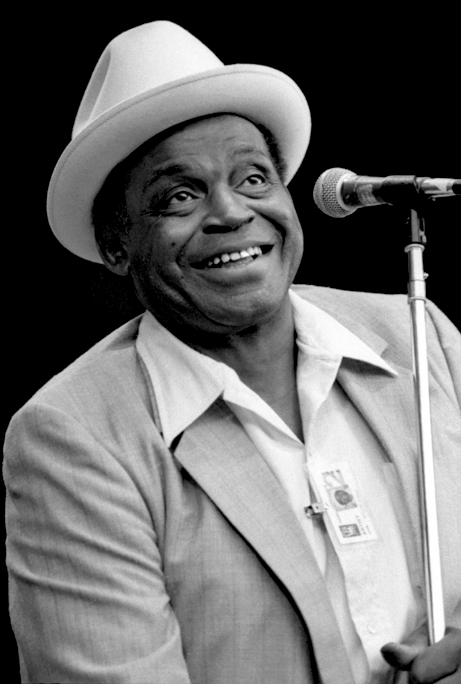
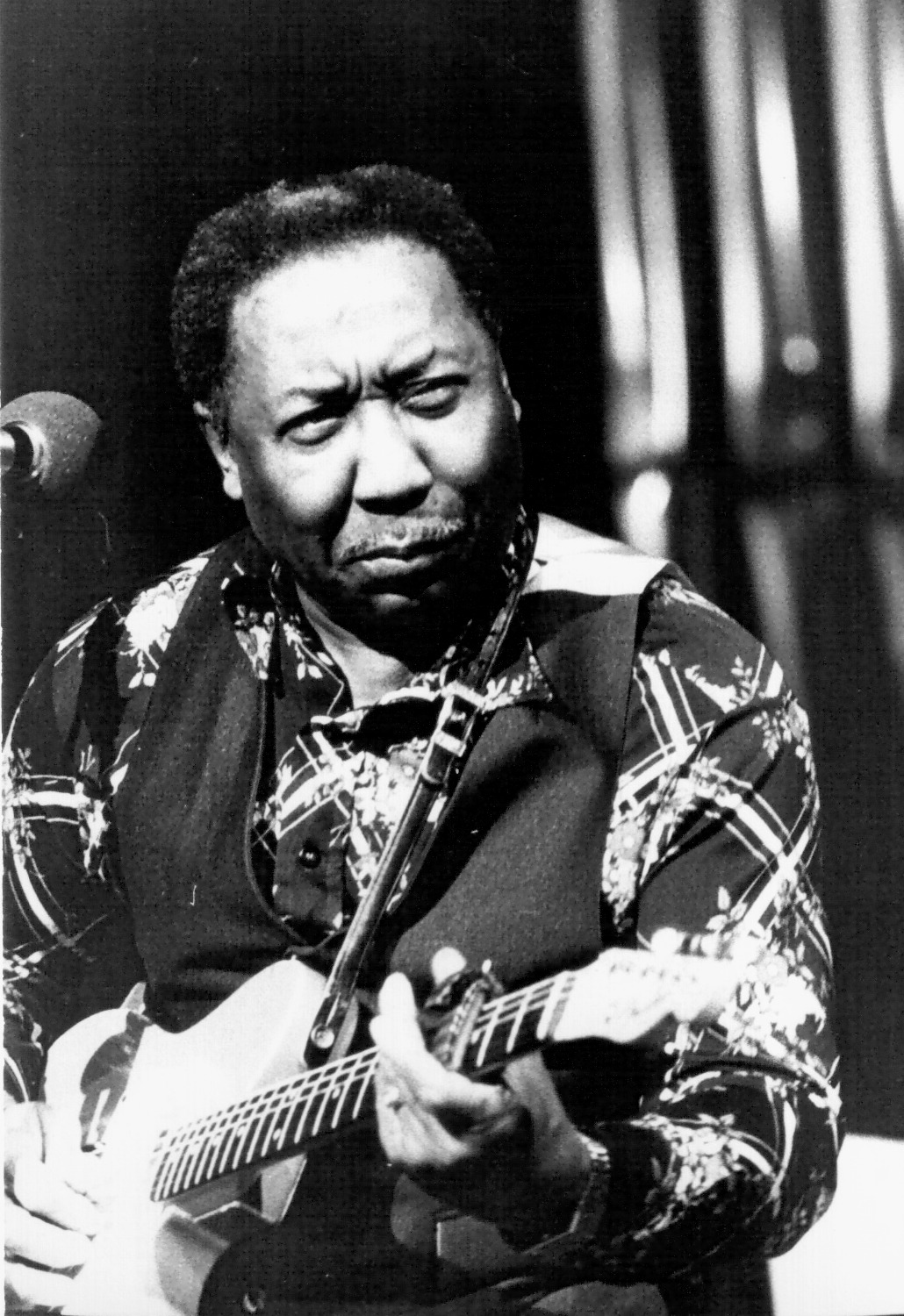
Muddy Waters on stage at Ontario Place, Toronto, in June 1978. Photo: Jean-Luc Ourlin, CC BY-SA 2.0, via Wikimedia Commons.
Willie Dixon wrote it, Muddy Waters owned it, and Bo Diddley borrowed it. The story of the Hoochie Coochie Man riff and the stop-time trick behind it.
The Hoochie Coochie Man riff is mostly silence. The band hits a short, heavy five-note figure together, then drops out, and Muddy Waters fills the hole with his voice. Hit, stop, brag. Hit, stop, brag. For eight bars nobody shuffles and nobody comps. Then the whole band piles back in and the tension breaks.
It sounds obvious now, because every blues jam on earth has done it. In January 1954 it was new. Willie Dixon wrote the song, Muddy Waters and the best band in Chicago cut it in two takes, and it became the biggest hit of Waters' career. Within about a year and a half the figure had turned into Bo Diddley's "I'm a Man," Waters' own "Mannish Boy," and a Leiber and Stoller hit for the Robins. Then it went to England, where a generation of guitar players learned it off Chess 45s.
This one is about a riff that's built on what the band doesn't play. Here's where it came from, who played what, how it spread, and how to get it under your fingers.
Before the Riff: Muddy's Mojo Songs
By late 1953 Muddy Waters had been making records for the Chess brothers, Leonard and Phil, for about six years, first on their Aristocrat label and then on Chess. He'd come up from the Mississippi Delta, plugged in, and turned the old country blues into something loud enough for a South Side tavern on a Saturday night.
Long before "Hoochie Coochie Man," he was already singing about luck and magic. His 1947 single "Gypsy Woman" is built around a fortune teller's warning. In 1950's "Louisiana Blues," with Little Walter on harmonica, he heads to New Orleans to get a mojo hand, a hoodoo charm, so he can show the women how to treat their man. Muddy wasn't a believer himself. In Robert Palmer's Deep Blues, he laughs off the idea that anyone could shake a finger at you and make you bark like a dog. But he understood that the imagery mattered to his audience. As he told Palmer, when you write songs coming from the Delta, you can't leave out that mojo thing.
So when a songwriter showed up with a song about a man whose birth was foretold by a gypsy woman, who carries a black cat bone and a John the Conqueror root, it fit him perfectly.
Willie Dixon, the Bass Player Nobody Wanted to Hear Sing
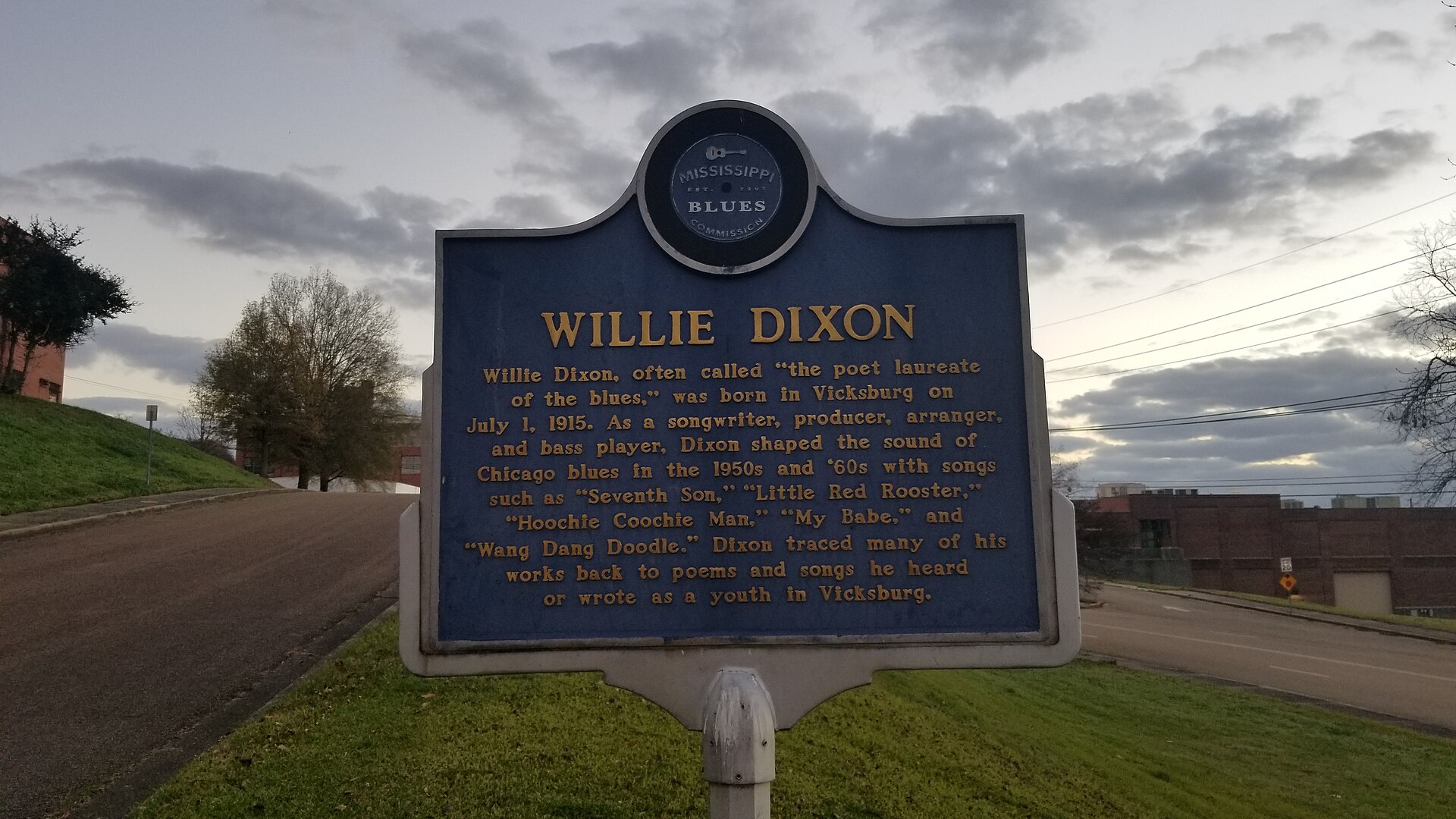
Willie Dixon was a big man from Vicksburg, Mississippi, who had boxed — he won the Illinois State Golden Gloves heavyweight title in the novice division in 1937 — sung, and played upright bass. From 1946 to 1951 he sang and played bass in the Big Three Trio. When that group broke up, he went to work at Chess as a session bassist and arranger, the guy who shaped other people's records.
He also wrote songs, and for a while Leonard Chess wasn't interested. That changed in 1953, when Chess cut two Dixon songs: "Too Late" with Little Walter, and "Third Degree" with Eddie Boyd. "Third Degree" became Dixon's first composition to reach the charts. That September, Waters recorded "Mad Love (I Want You to Love Me)," which Dixon biographer Mitsutoshi Inaba calls a test piece for "Hoochie Coochie Man" because the two share so much. "Mad Love" was Muddy's first chart hit in almost two years.
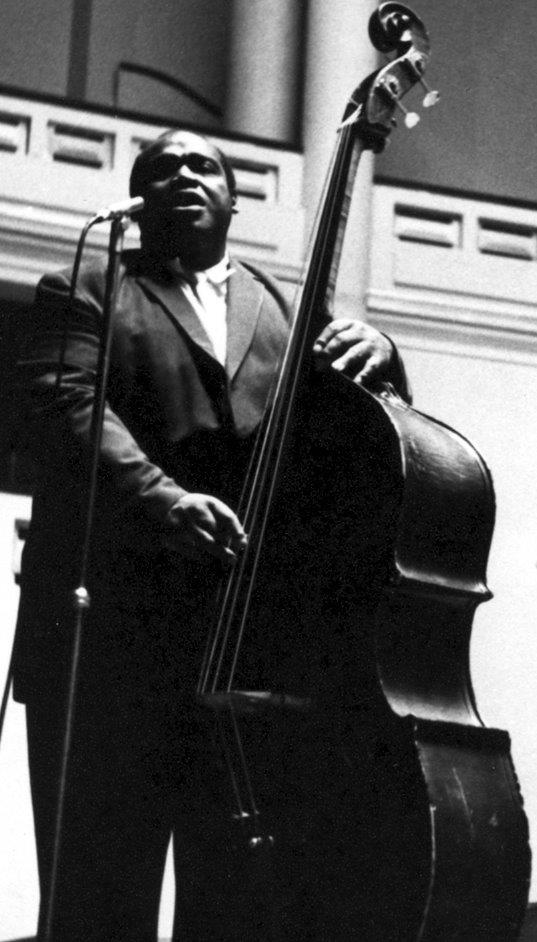
Not long after "Mad Love" hit, Dixon brought Leonard Chess a new song he thought was right for Muddy. According to Dixon's autobiography, I Am the Blues, Chess's answer was simple: if Muddy likes it, give it to him.
Pitched in the Men's Room at the Club Zanzibar
The way the song changed hands is one of the great blues stories, and it's told a few different ways. Waters was playing the Club Zanzibar in Chicago. Dixon showed him the song during an intermission. Muddy's version, from Robert Gordon's biography Can't Be Satisfied, has Dixon following him into the restroom to pitch it. Dixon's own version puts the two of them rehearsing by the restroom door, Muddy with his guitar, while customers walked in and out.
Dixon said Muddy took to it right away because it was full of things he already knew, and learned enough to perform it that same night. Jimmy Rogers, Waters' second guitarist, remembered it taking a little longer. In Dixon's autobiography, Rogers describes Dixon humming the tune and writing out lyrics at the club while Muddy worked them around onstage, trying a few licks of it night by night — in Rogers' words, they were really building the arrangement.
That last point matters. Dixon wrote the song, but the riff was shaped on the bandstand. Dixon himself described it as a five-note figure and, according to Palmer, credited it to the band.
January 7, 1954: The Session
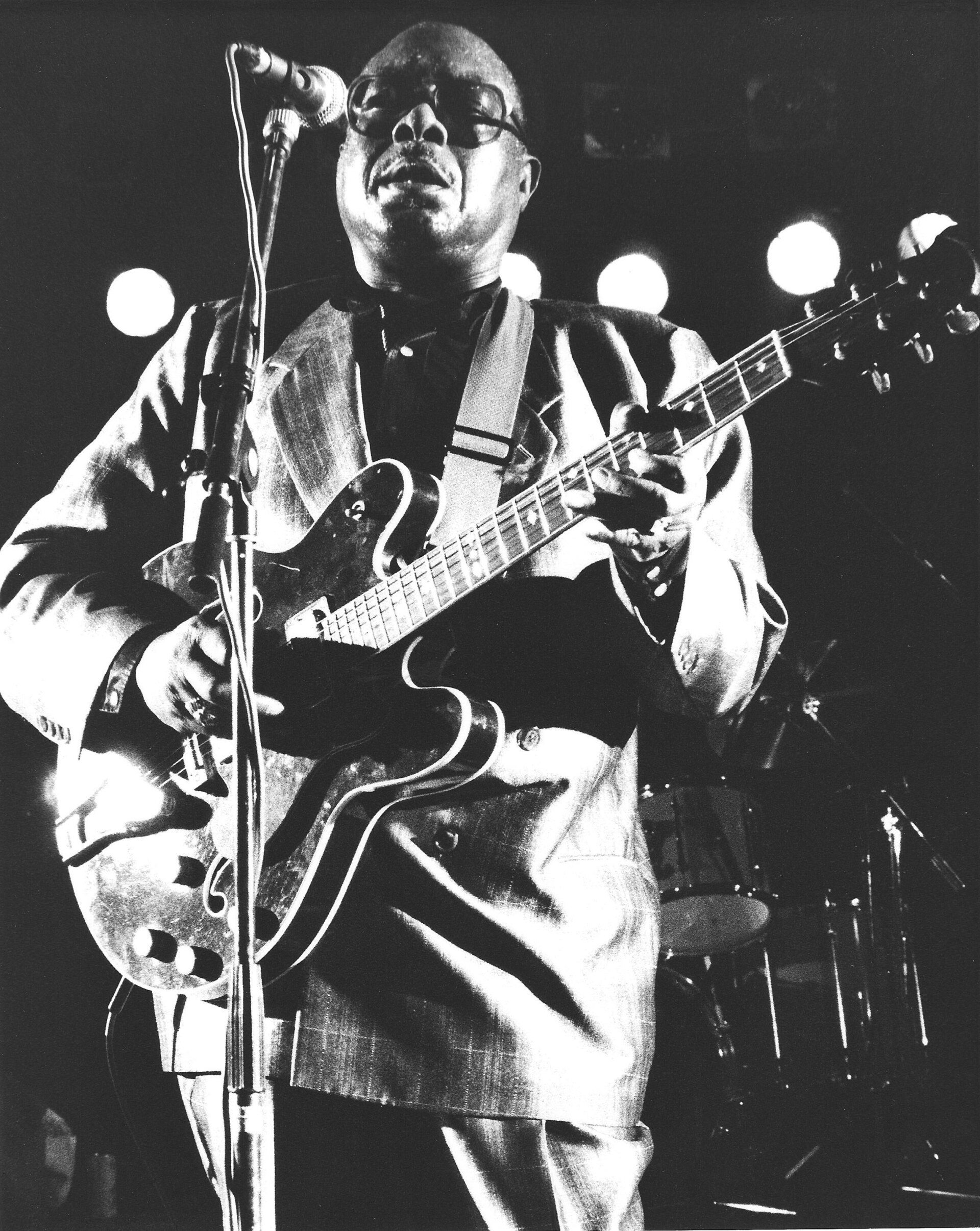
On January 7, 1954, Waters went into the studio with what's often called the classic Chicago blues band. Muddy sang and played electric guitar. Jimmy Rogers played second guitar. Little Walter played amplified harmonica. Otis Spann, who'd joined in 1953, played piano. Elgin Evans played drums, though some discographies list Fred Below, who replaced Evans during 1954. And Willie Dixon played upright bass, his first time on bass at a Muddy Waters session.
They cut two takes. According to Inaba, the alternate has a few spots where someone rushes or drags, but the two takes end up only six seconds apart over nearly three minutes. That's with no click track, because studios didn't use them yet. That's how tight this band was.
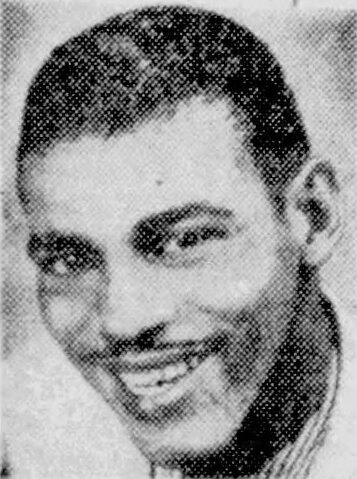
Chess released it in early 1954 as "I'm Your Hoochie Cooche Man," backed with "She's So Pretty," on both 78 and 45. The early pressings credited the song to "M. Waters." Later reissues credit Willie Dixon, and so does BMI. The single entered Billboard's rhythm and blues charts on March 13, 1954. It reached No. 3 on the Juke Box chart and No. 8 on the Best Seller chart and stayed on the charts for 13 weeks, longer than any Muddy record before it.
What Makes the Riff Work
On paper, "Hoochie Coochie Man" is a blues in A at a slow, heavy tempo, written in 12/8. Hal Leonard's transcription puts it at 72 beats per minute. But three things set it apart from the hundreds of other blues records Chess put out in the '50s.
It stretches the form to 16 bars
A standard blues is 12 bars: four on the I chord, two on the IV, two back on the I, then the V, IV, I turnaround. "Hoochie Coochie Man" doubles those first four bars into eight. The band sits on the A chord for half the song, eight bars, playing the stop-time figure the whole way. Then it drops into the last eight bars of an ordinary 12-bar blues for the chorus.
Dixon tied the longer form to amplification: electric instruments sustain, so the notes had room to ring. Whatever the reason, the long stretch on one chord builds tension. You keep waiting for the change, and it doesn't come.
It stops the band
Stop time is an old jazz trick. In New Orleans jazz, the band would cut out for a beat or two so a horn player could take a short solo break. Dixon and Waters flipped it. The band plays the figure, cuts out, and the singer fills the gap instead of an instrument. Every line of the verse lands in silence. When Muddy tells you what the gypsy woman told his mother, nothing gets in his way.
It's two riffs at once
Listen closely and the opening isn't one unison line. Musicologist Michael Campbell hears two competing riffs: one from Little Walter on amplified harmonica and another from Waters on electric guitar, with Dixon's bass and Spann's piano locked in. Other writers describe it as the whole band playing together. Either way, it's dense. When the second half kicks into a full triplet shuffle, Campbell describes a free-for-all of harmonica trills, guitar riffs, piano chords, thumping bass, and drums. And everything is turned up to the point of breaking up. Little Walter's harp, distorted and pushed like a saxophone, is a rock sound eleven years before "Satisfaction."
The Lyrics: A Brag Told in Three Acts
Dixon wrote the verses as a story, which wasn't how most blues worked. Traditional blues verses often float free of each other. These go in order.
The first verse starts before the narrator is born, with a gypsy woman telling his mother a boy is coming who'll be a son of a gun. It points straight back to Muddy's own "Gypsy Woman." The second verse is the present tense: the black cat bone, the mojo, the John the Conqueror root. The third projects into the future and stacks up sevens, the seventh hour, the seventh day, the seventh month. That's the folk-luck idea of the seventh son. Dixon came back to it in 1955 with "The Seventh Son."
Each verse ends in the same chorus, where he tells you everybody knows he's here and he's the hoochie coochie man. That repeating hook is closer to pop songwriting than to the Delta, and it's a big reason the song was so easy to sing along with.
How seriously were you supposed to take it? Dixon thought it gave the audience a brag they wanted to make themselves. Muddy later said it was meant to be funny. Marshall Chess, Leonard's son, put it more bluntly in comments collected by Inaba: he saw the song as sex — meaning you had to see what Muddy did to a room full of women.
How One Riff Became Everybody's Riff
The song's success changed Dixon's job. Chess finally saw him as a songwriter, and he went on to write a huge share of the label's blues catalog. Muddy immediately cut more songs on the same 16-bar stop-time model: "I Just Want to Make Love to You," "I'm Ready," and "I'm a Natural Born Lover." Ted Gioia argues those songs helped cast Muddy as the blues' swaggering, virile frontman.
Then other people started borrowing it.
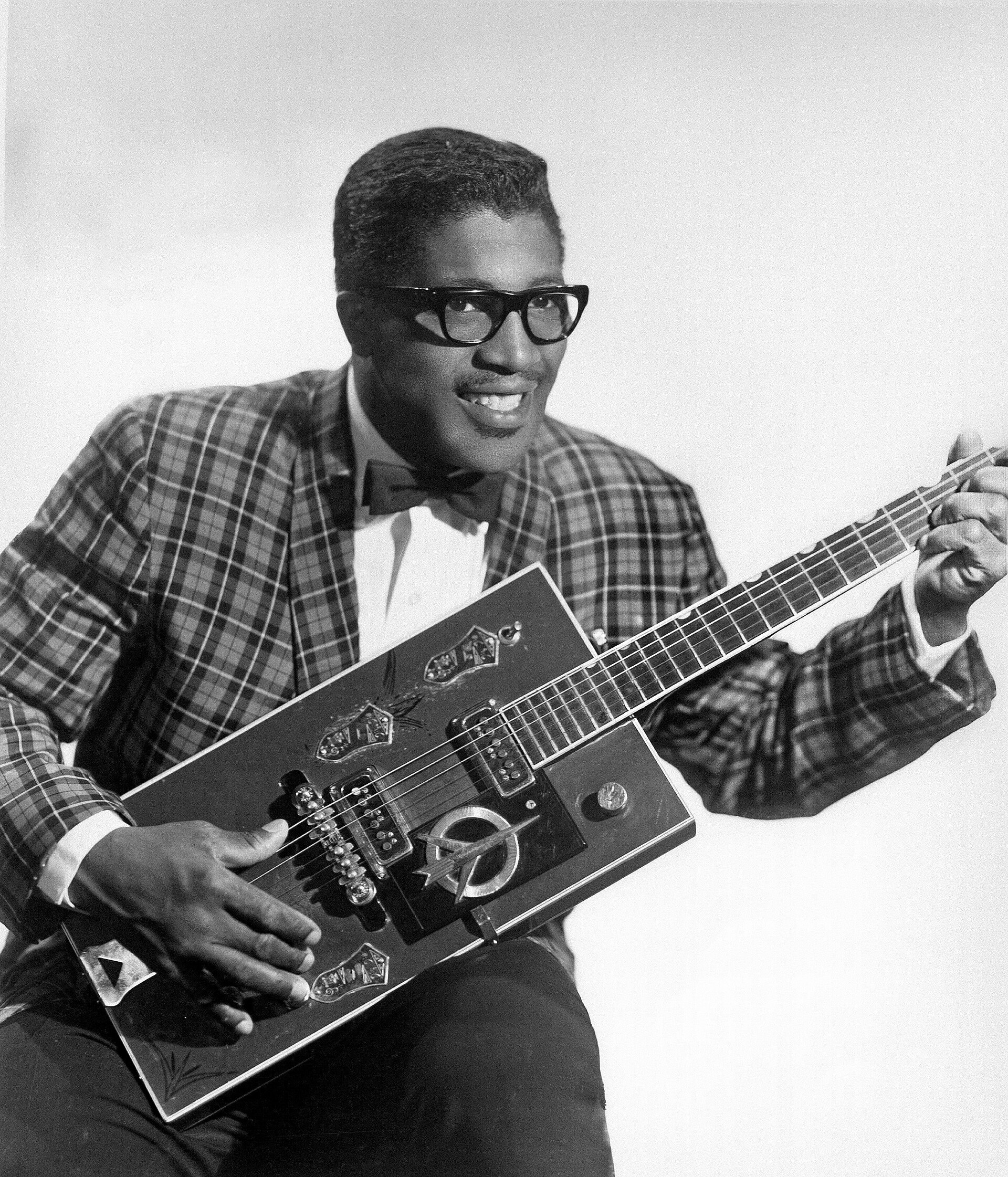
Bo Diddley's "I'm a Man" (March 1955)
Bo Diddley took the figure, cut it down to four notes, and repeated it over one chord for the entire song. No change, no release. Cub Koda, writing for AllMusic, called it "the most recognizable blues lick in the world." It was the flip side of Bo's first single, "Bo Diddley," on Chess's Checker label (Checker 814, March 1955).
Muddy's answer: "Mannish Boy" (May 1955)
Muddy wasn't going to let a younger man on his own label take his beat. On May 24, 1955, two months after "I'm a Man," he recorded "Mannish Boy" (first labeled "Manish Boy"), an answer song credited to Waters, Mel London, and Bo Diddley under their birth names. In Robert Gordon's Can't Be Satisfied, Muddy recalls Bo tracking him with his own beat on "I'm a Man," which came from "Hoochie Coochie Man," and then answering with "Mannish Boy" to push Bo out of the way.
"Mannish Boy" stays on one chord with the stop-time figure the whole way through. It's also one of the few Muddy records of that era without Little Walter, who was on the road behind his own No. 1 hit, "My Babe." Junior Wells played harp instead. It reached No. 5 on the Billboard R&B chart. The chant at its center, spelling out "M, A, N," had a meaning beyond bragging. Muddy's official site points out that Black men who grew up in the South were routinely called "boy," so the song is an assertion of manhood.
Muddy kept the song for the rest of his life. He cut it again for the psychedelic Electric Mud in 1968 and for Hard Again, produced by Johnny Winter, in 1977. He played it at the Band's farewell concert, The Last Waltz, and it's in the film.
Leiber and Stoller, Elvis, and Hollywood
Robert Palmer wrote that the figure was soon absorbed into the shared language of blues, R&B, jazz, and rock and roll. In 1955, Jerry Leiber and Mike Stoller used it for the Robins' "Riot in Cell Block Number 9" (the Beach Boys later reworked that song as "Student Demonstration Time") and for "Framed." Leiber and Stoller used it again for "Trouble," which Elvis Presley sang in the 1958 film King Creole. Composer Elmer Bernstein quoted the figure in his score for The Man with the Golden Arm, which was nominated for an Academy Award. Dixon was proud of that, later describing it as a great achievement for a blues phrase to turn up in a movie.
The Guitar Side: Muddy's Telecaster
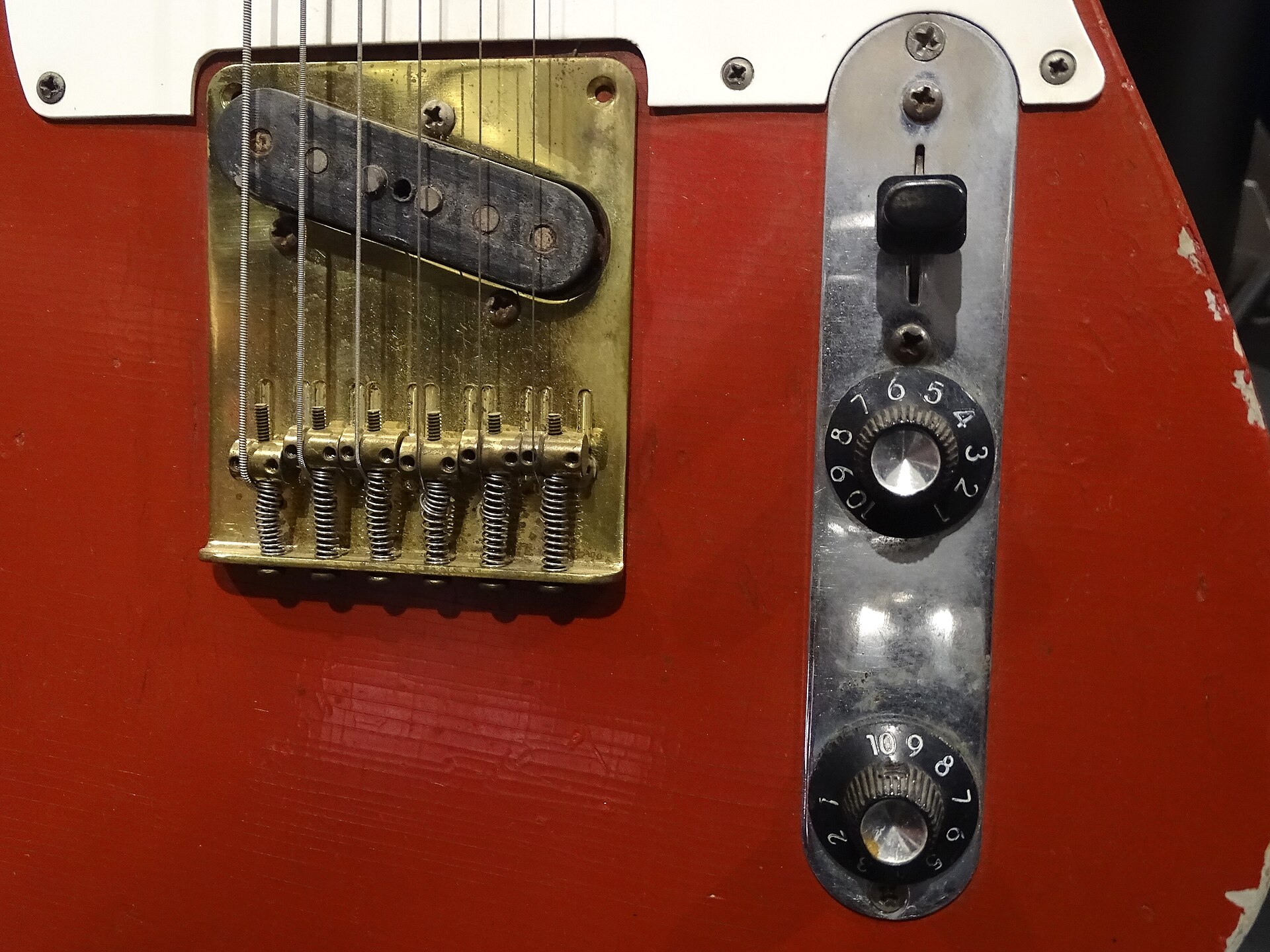
Guitar players usually picture Muddy with a red Fender Telecaster, and that's the right instinct for his later career. One of his Telecasters, known as "The Hoss," is a Fender from around 1958, serial number 026176. It was shown in the Metropolitan Museum of Art's Play It Loud exhibition in 2019. Another 1958 Telecaster of his is at the Rock & Roll Hall of Fame in Cleveland. For the broader story of that guitar — from Broadcaster to Telecaster, and why blues and country players both claimed it — see our Fender Telecaster History.
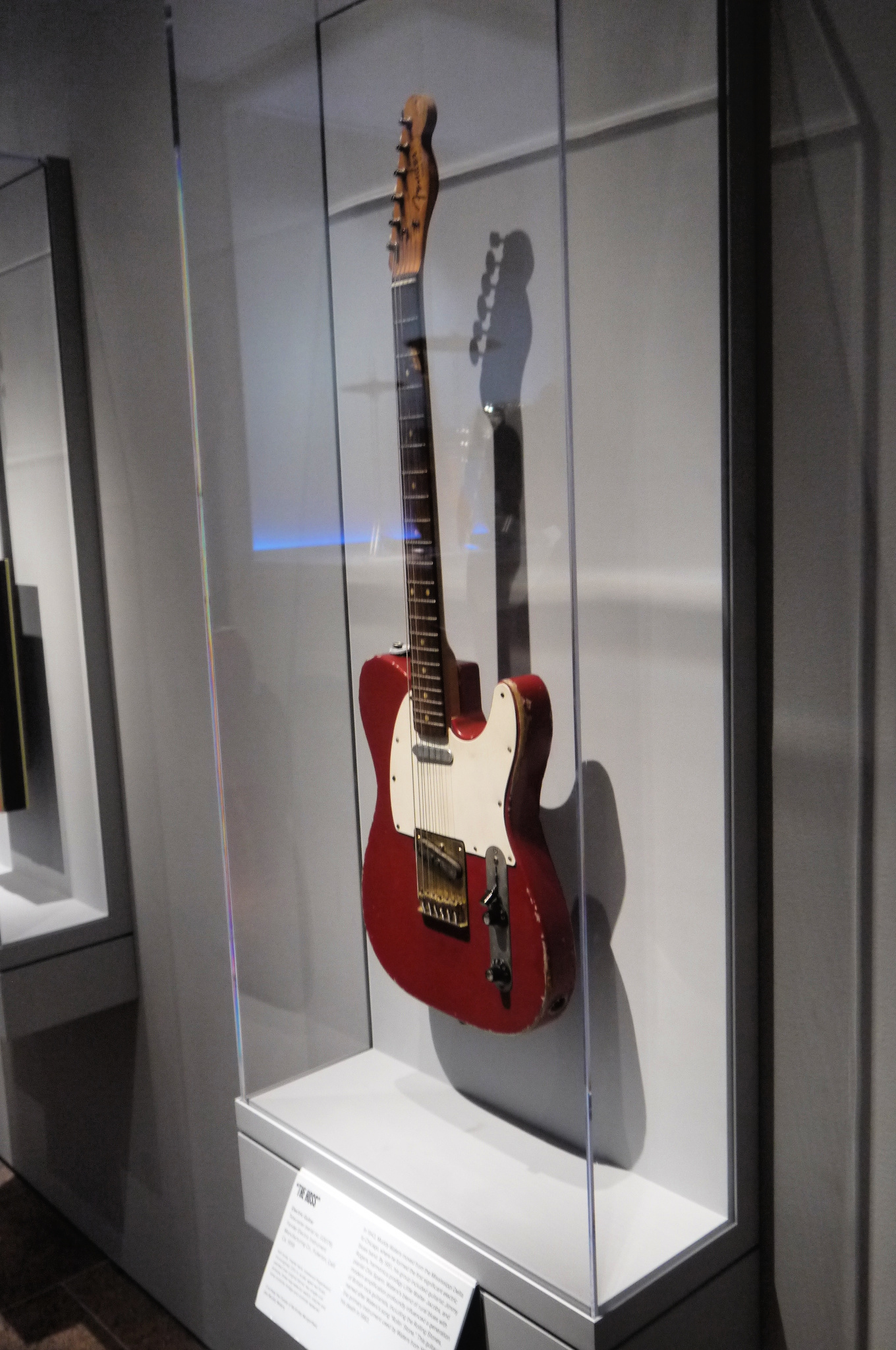
Photo: Eden, Janine and Jim, CC BY 2.0, via Wikimedia Commons
Both of those guitars are from after the 1954 session, though. We haven't found a solid source for exactly which guitar and amp Muddy used on "Hoochie Coochie Man," so we're not going to guess. What matters for your own playing is the approach, not the gear. Muddy's tone was thick, slightly broken up, and played hard with his fingers. Little Walter's distorted harp covered a lot of the midrange, which left the guitars room to be percussive.
If you're chasing the feel at home, a clean-ish amp turned up until it just starts to crunch will get you closer than any overdrive pedal. Play with your thumb and fingers instead of a pick, the way Muddy did, and the attack will round off on its own.
How to Play the Hoochie Coochie Man Riff
We're not going to print a tab we can't stand behind. Transcriptions of the figure differ, partly because, as Campbell points out, the guitar and harmonica aren't playing quite the same line. If you want notes on the page, use a published transcription such as the one in Hal Leonard's The Blues songbook, and check it against the record. The original is in A, at about 72 beats per minute, in 12/8.
What we can give you is the stuff that makes it work, which is also the stuff most players get wrong:
- Count the 16 bars. Eight bars on A with the stop-time figure, then the last eight bars of a regular 12-bar blues (IV, I, V, IV, I) as a shuffle. If you've only played 12-bar blues, you'll want to change chords early. Don't.
- Make the stops real. The silence is the point. Mute every string with your fretting hand and your picking palm right after the figure. Ringing strings ruin it.
- Feel the triplet. 12/8 means each beat is split into three. Even the stop-time figure should sit in that swing, not in straight eighths.
- Leave room for the singer. In a band, the vocal or a solo lick fills the gap. If you're playing alone, try singing the gap or answering the figure with a short lick of your own, then stop again.
- Then play "Mannish Boy." Once you have the stops, play the one-chord "Mannish Boy" version and Bo Diddley's four-note "I'm a Man." It's a fast way to hear how one idea turned into three songs.
Learn the blues the way the Chicago players did. Stop time, the 12/8 shuffle, and the I–IV–V changes behind "Hoochie Coochie Man" are all in the Blues path of TGP Lessons. If you want video lessons to go with it, Guitar Tricks has a full blues curriculum and a free 14-day trial. Learn it on Guitar Tricks > > Disclosure: The Guitar Plugged earns a commission if you sign up for Guitar Tricks through this link, at no extra cost to you.
From the South Side to the World
Muddy kept "Hoochie Coochie Man" in his set for the rest of his career and recorded it again and again. There's a version on At Newport 1960, one of the first live blues albums. He cut a psychedelic remake for Electric Mud in 1968 and an acoustic version in 1972 that Chess put out years later. He recorded it again in 1977 with Jimmy Rogers back beside him for I'm Ready, the Grammy-winning album Johnny Winter produced. And there's a 1981 version from the Checkerboard Lounge in Chicago with members of the Rolling Stones, a band that named itself after a Muddy Waters song.
Other players took it everywhere. The Blues Foundation cites versions by Jimi Hendrix, Chuck Berry, and jazz organist Jimmy Smith. Others include B.B. King, Buddy Guy, the Allman Brothers Band, and Eric Clapton. In England, Long John Baldry named his band the Hoochie Coochie Men. Muddy's original went into the Blues Foundation Hall of Fame in 1984 and the Grammy Hall of Fame in 1998, and it's on the Rock and Roll Hall of Fame's list of 500 Songs That Shaped Rock and Roll. In 2004 the Library of Congress added it to the National Recording Registry.
Why the Hoochie Coochie Man Riff Still Matters
Every time a rock band stops dead so the singer can deliver a line, it's using something Dixon and Waters made famous in 1954. You can hear the idea in the space between the hits in a hundred hard-rock songs. The lesson for guitar players is simple and hard: the riff is only as strong as the silence after it. Five notes, then nothing, and the nothing is what makes people lean in.
If you've only ever played this song at a jam with the stops half-ignored, go back to the 1954 Chess single. Count to 16. Mute the strings. Let the room go quiet.
What's your favorite stop-time riff? Tell us in Guitar Talk, and if you want the History of the Riff in your inbox, join the TGP newsletter.
Experience-driven coverage, not algorithm bait.
- 20+ years of guitar playing experience
- Real-world retail experience at Guitar Center
- Thousands of hours testing guitars, amps, and pedals
- A community of 50,000+ guitar enthusiasts across platforms
- Partnerships with Fender, DistroKid, TrueFire, Card Chords, and Enya
- Editorial standards published openly — see how we test gear
The Modern Guitar Magazine. Delivered to your inbox.
No spam. No gimmicks. Just great guitar content — stories, tones, iconic solos, and honest gear takes. Every week.
Ask GP
3 free questions a dayStill curious? Ask GP about this story.
Your personal classic-rock and guitar guide — ask anything about Muddy Waters' "Hoochie Coochie Man".
Discussion (0)
Sign in to join the discussion.
Sign in to commentLoading comments…
Discover another guitar story
Swipe through our latest features, breaking news and iconic solos — one story at a time.
Open Swipe →More Guitar News
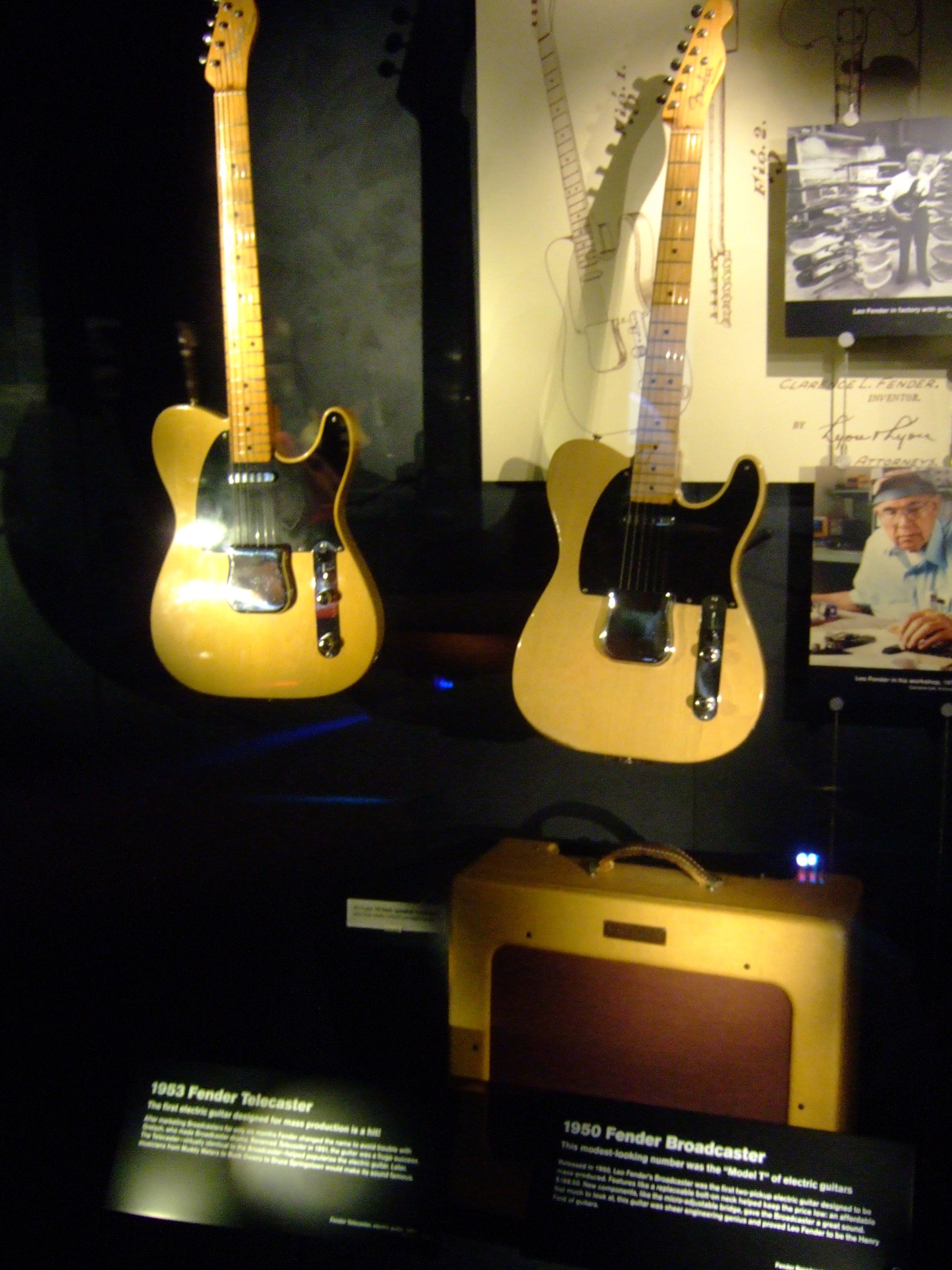
The Fender Telecaster History: How a Radio Repairman's "Plank" Became the Guitar That Does Everything
The Fender Telecaster history, from Leo Fender's 1950 Esquire and Broadcaster to the Nocaster, Keith's Micawber, Springsteen's Esquire and what to buy now.
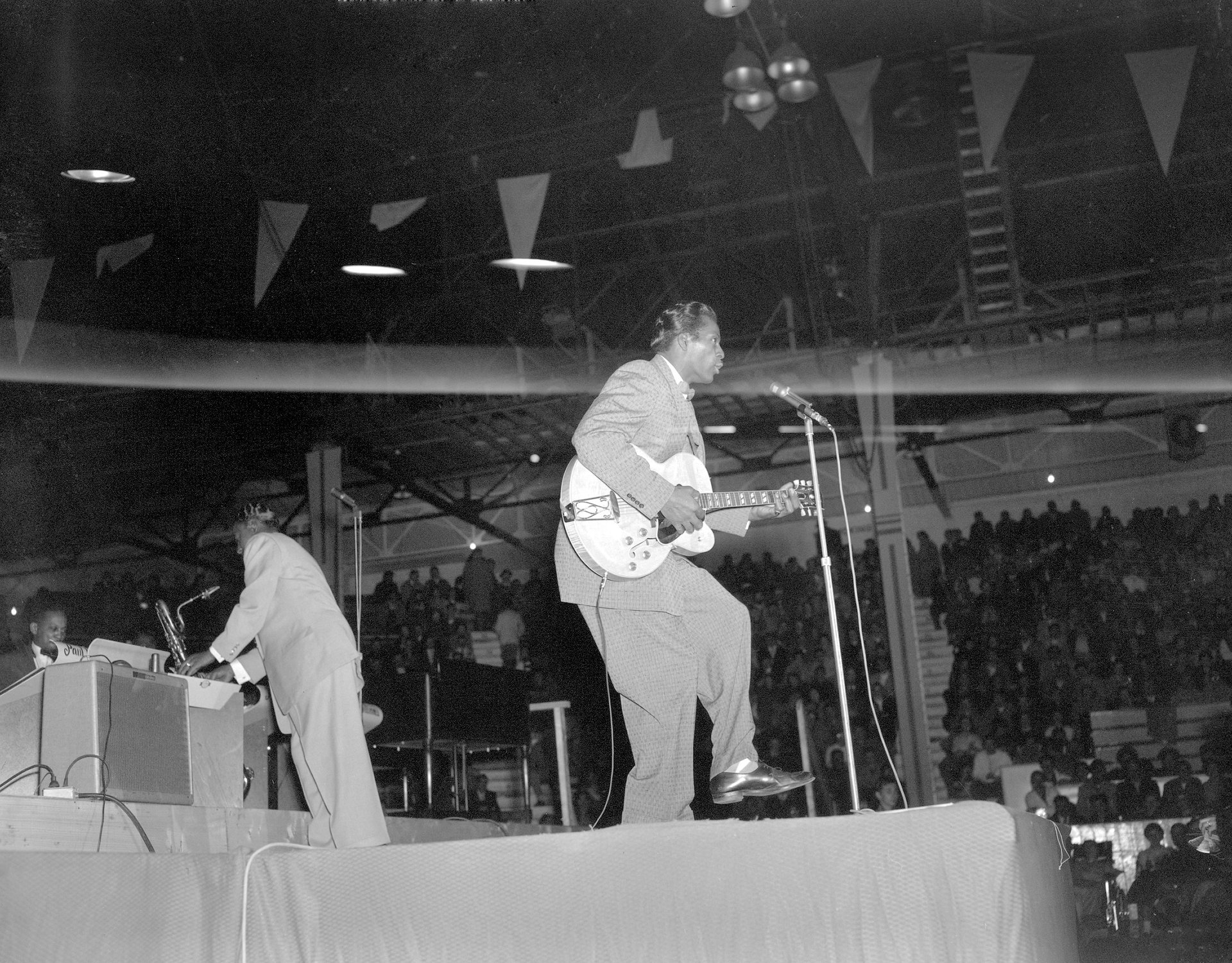
History of the Riff: Chuck Berry's "Johnny B. Goode," the Intro That Taught Rock Guitar to Talk
Chuck Berry would have turned 100 today. Here's how a 1946 Carl Hogan lick, T-Bone Walker's slurs and one January day at Chess Records became the intro every rock guitarist learns first.
History of the Riff: Black Sabbath's "Iron Man" — A Lumbering Monster, a Factory Accident, and Doom's Walking Template
After Smoke on the Water turned four notes into guitar-shop folklore, Tony Iommi's Iron Man riff showed how a slow, blues-stained figure — born in a rehearsal room over Bill Ward's boom — could invent metal's sense of weight, space, and riff-as-character.
History of the Riff: The Kinks' "You Really Got Me" — How Two Power Chords and a Sliced Speaker Invented Hard-Rock Guitar
After Rumble taught the guitar to threaten and Misirlou taught it to sprint, Dave Davies' 1964 two-chord smash taught it to punch the charts — with a razor-cut Elpico, a Vox slave, and zero apology.
History of the Riff: Link Wray's "Rumble" — The Instrumental That Made the Guitar Sound Dangerous
No lyrics. No melody you’d hum in the shower. Just power chords, a punctured speaker, and a sound so menacing some radio stations banned it. Here’s how Link Wray’s 1958 instrumental rewired rock guitar.