From Thin Lizzy to 'Still Got the Blues,' Gary Moore made a single bent note feel more human than most players manage in an entire solo — here's why his Les Paul tone, vibrato, and phrasing still set the bar for emotional blues-rock guitar.
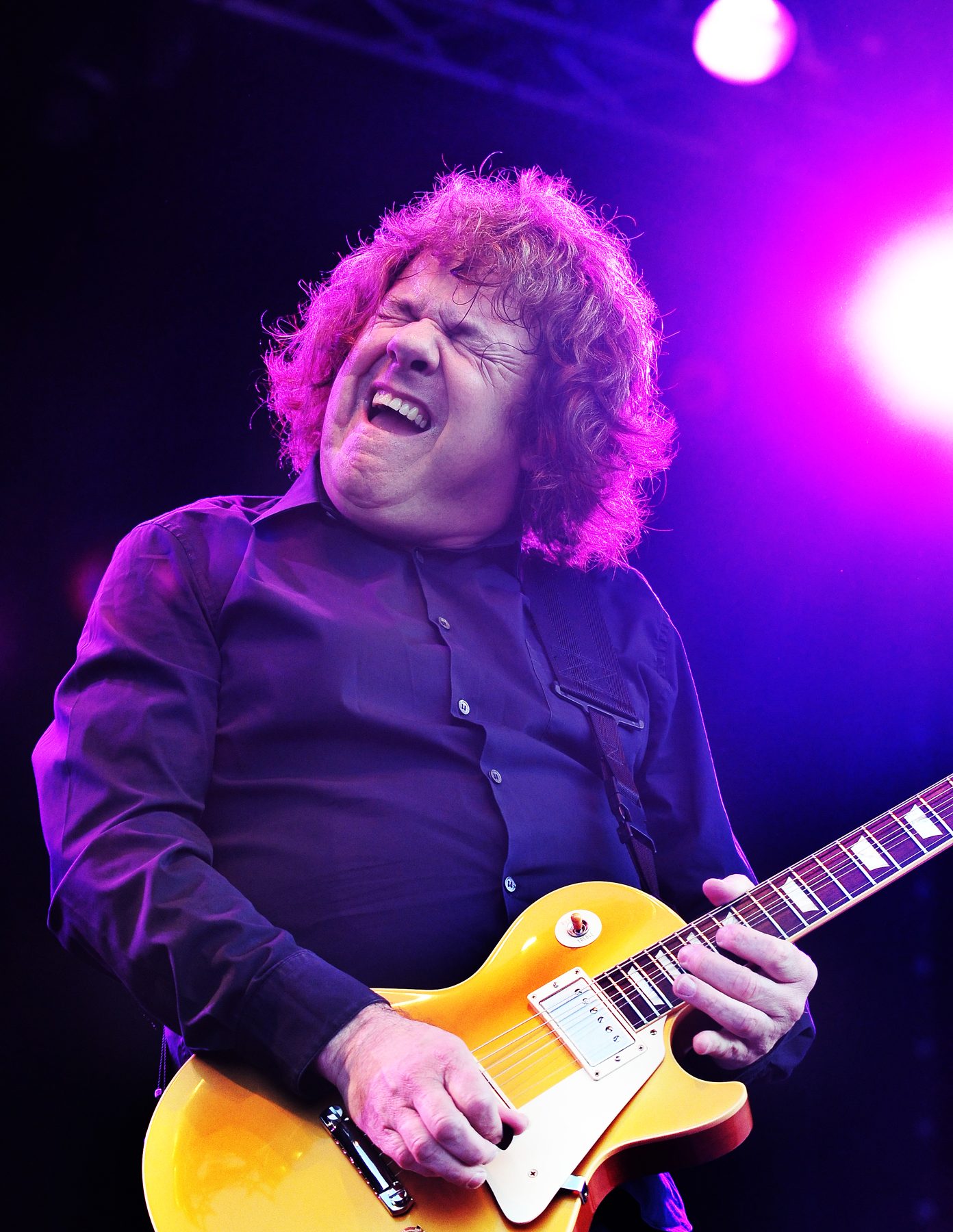
Some guitarists impress you with speed. Others impress you with technical perfection. But very few guitarists could make a single note feel as emotional and human as Gary Moore. Whether he was playing blues, hard rock, or melodic instrumental passages, Moore had a way of making the guitar sound like it was speaking directly to the listener.
Even decades into his career, his playing still feels raw, passionate, and completely authentic.
Gary Moore may not always be mentioned alongside mainstream guitar icons, but among serious musicians and guitar fans, his influence runs deep.
From Thin Lizzy to Blues Legend
Gary Moore first gained major recognition through his work with Thin Lizzy alongside the legendary Phil Lynott. His guitar work on songs like “Still in Love with You” showed a level of phrasing and emotion that separated him from many of the flashy players of the era.

But Moore was never easy to place into one category.
He could play blistering hard rock one moment and deeply emotional blues the next. Albums like Corridors of Power and Victims of the Future showcased his aggressive rock side, while later records like Still Got the Blues introduced him to an entirely new generation of listeners.
That blues era became one of the defining chapters of his career.
“Still Got the Blues” Changed Everything
When Gary Moore released Still Got the Blues in 1990, it became more than just a successful album — it reintroduced blues guitar to mainstream audiences at a time when the genre wasn’t dominating radio.
The title track remains one of the most emotional guitar performances ever recorded.
What made Moore different was his touch. His vibrato was massive, his bends were vocal-like, and every solo felt intentional. He wasn’t filling space with endless notes. He was telling a story.
Get Gary Moore’s “Still Got the Blues” Tone
Tell ToneMD what gear you own and get a full signal chain with real numbered settings for this tone.
Included with Premium
Many guitarists can copy his licks. Very few can recreate the feeling behind them.
His Tone Was Absolutely Massive
Gary Moore’s tone became legendary among guitar players.
Much of that came from his famous Gibson Les Paul Standard guitars combined with cranked Marshall amplifiers. His sound was thick, sustaining, and incredibly expressive without sounding overly processed.
He could move from smooth blues phrasing into explosive sustain almost instantly.
Players today still chase that balance between aggression and emotion that Moore seemed to achieve naturally.
“Many guitarists can copy his licks. Very few can recreate the feeling behind them.”
He Never Played Like Anyone Else
One reason Gary Moore remains so respected is because his style never felt copied or manufactured.
You can hear influences from blues legends like Peter Green and B.B. King, but Moore blended those inspirations with rock intensity and technical precision in a way that felt uniquely his own.
That combination made him stand out in every era he played in.
Even modern guitarists continue studying his phrasing, vibrato, and note choice because his playing proves that emotion matters just as much as technique.
Breaking Down the Vibrato
If you want to understand why Gary Moore sounds like Gary Moore, start with the left hand. His vibrato is wide — often close to a semitone of pitch movement — and it is driven from the wrist and forearm rather than the fingers alone. That gives it weight. Crucially, he usually lets the note sound first and then applies the vibrato, so each phrase has a moment of stillness before it starts to sing.
The bends are the other half of the equation. Moore rarely bends straight to pitch and holds; he overshoots slightly, settles, and then adds movement, which is exactly what a singer does at the top of a sustained line. Practise this by bending a whole step, deliberately going a few cents sharp, then relaxing into the target note before the vibrato starts.
He also used the guitar’s volume knob far more than people realise, rolling back for the quiet passages of “Still Got the Blues” and “Parisienne Walkways” and opening up for the climaxes. That is how a cranked Marshall stays musical at low intensity: the dynamics come from the player, not the pedalboard.
The Peter Green Connection
No conversation about Moore’s tone is complete without the 1959 Les Paul Standard he bought from Peter Green in the early seventies for roughly what Green had paid for it. That guitar — with its famously out-of-phase middle position, the result of a reversed neck pickup magnet — carried the sound of Fleetwood Mac’s “Albatross” and “The Green Manalishi” straight into Moore’s hands.
Moore treated it as an inheritance rather than a trophy, eventually recording the tribute album Blues for Greeny entirely with it. The lineage matters because it explains where his phrasing came from: Green’s patient, minimal, deeply vocal approach filtered through a player with far more aggression and far more volume.
Gary Moore’s Legacy Still Matters
In a world filled with ultra-fast social media guitar clips and endless technical demonstrations, Gary Moore’s music remains a reminder that feeling will always matter most.
Listen to how many current blues-rock players — Joe Bonamassa most obviously, but also a whole generation of younger guitarists — build solos around long sustained bends and dramatic dynamic swings, and you are hearing Moore’s template. He proved a Les Paul through a loud Marshall could be a vehicle for tenderness as well as attack.
He didn’t just play guitar.
He made people feel something with it.
And that’s why his work continues to resonate with musicians and fans long after his passing.
- Epiphone Les Paul Standard 50s Heritage Cherry Sunburst$699·Check on Amazon →
- Ibanez TS9 Tube Screamer Overdrive Pedal$109·Check on Amazon →
- Ernie Ball Power Slinky Electric Guitar Strings (.011-.048)$8·Check on Amazon →
Some links are affiliate links — we may earn a small commission at no cost to you.
Experience-driven coverage, not algorithm bait.
- 20+ years of guitar playing experience
- Real-world retail experience at Guitar Center
- Thousands of hours testing guitars, amps, and pedals
- A community of 50,000+ guitar enthusiasts across platforms
- Partnerships with Fender, DistroKid, TrueFire, Card Chords, and Enya
- Editorial standards published openly — see how we test gear
The Modern Guitar Magazine. Delivered to your inbox.
No spam. No gimmicks. Just great guitar content — stories, tones, iconic solos, and honest gear takes. Every week.
Ask GP
3 free questions a dayStill curious? Ask GP about this story.
Your personal classic-rock and guitar guide — ask anything about Why Gary Moore Was One.
Discussion (0)
Sign in to join the discussion.
Sign in to commentLoading comments…
Discover another guitar story
Swipe through our latest features, breaking news and iconic solos — one story at a time.
Open Swipe →More in Guitar Talk
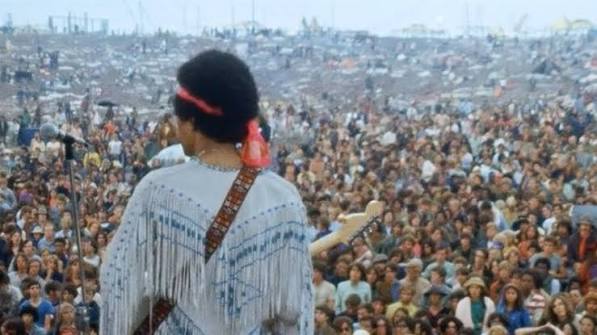
The 10 Greatest Guitar Renditions of “The Star-Spangled Banner”
From Jimi Hendrix's controlled chaos at Woodstock to modern performances by H.E.R., Gary Clark Jr. and Jack White, these guitarists turned America's national anthem into something deeply personal.
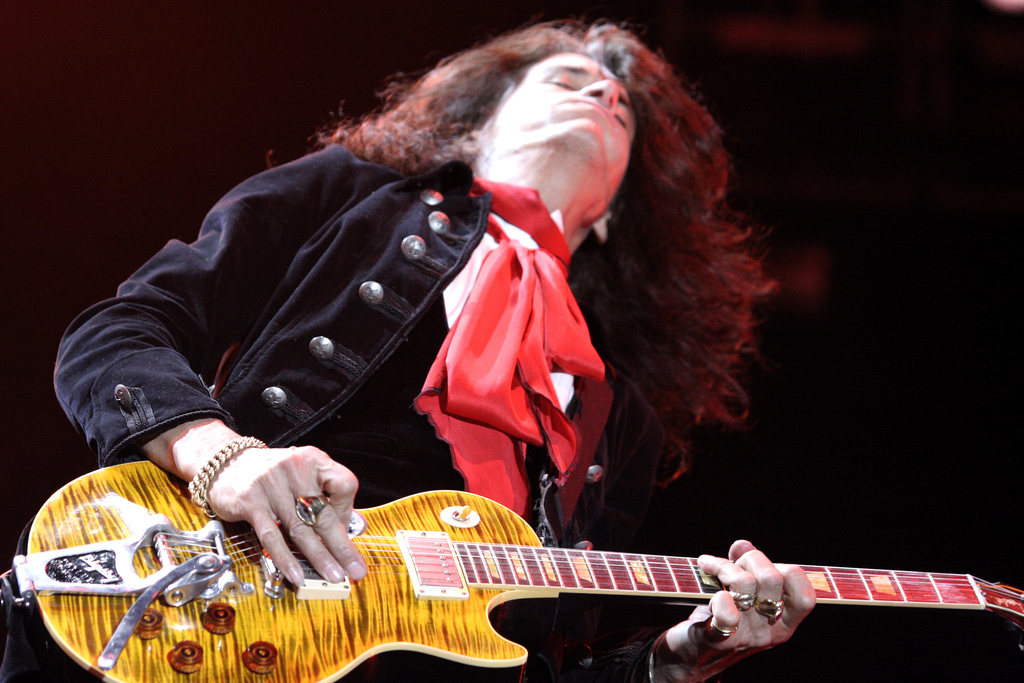
Happy Birthday, Joe Perry: The Riff Machine Who Gave Aerosmith Its Swagger
Joe Perry turns 76 today. From the swampy grind of “Sweet Emotion” to the reunion that saved a band, this is the career of the guitarist who taught American hard rock how to strut.
History of the Riff: How Joe Satriani Made “Flying in a Blue Dream” Feel Weightless
An acoustic guitar in an unusual tuning, a stray broadcast and a melody that seems to hang in the air: inside the construction of Satriani’s 1989 masterpiece.