
Alex Skolnick’s Legato Lesson: Turn One Testament Lick Into a Fretboard System
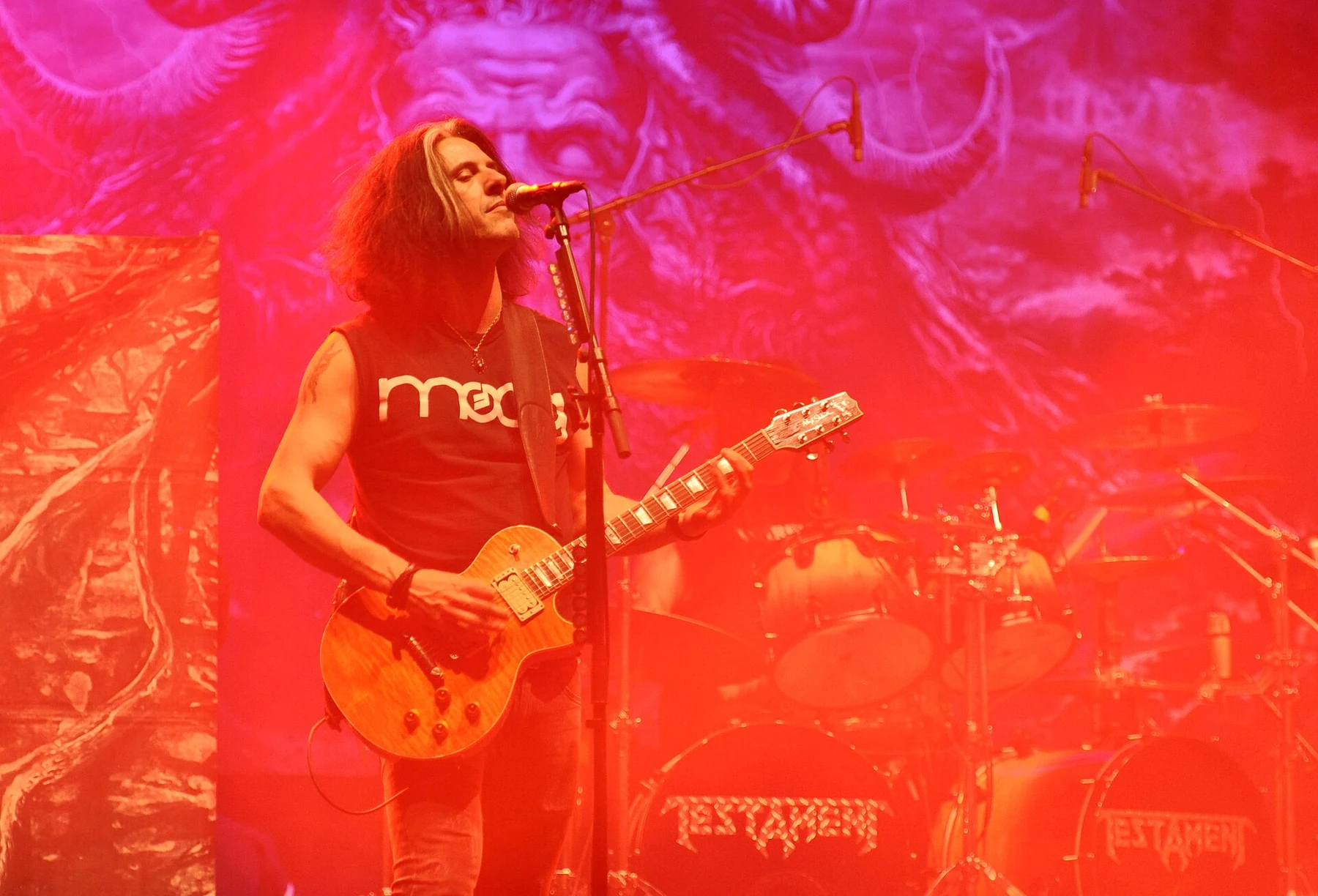
Alex Skolnick performing with Testament at Paaspop in the Netherlands, March 29, 2013.
Photo: Achim Raschka, CC BY-SA 4.0, via Wikimedia Commons; resized and converted to WebP.
Alex Skolnick’s new Holdsworth-inspired lesson does more than recycle a fast So Many Lies run. It shows how articulation, modal hearing and small fretboard maps turn one lick into a creative system.
Legato is easy to misunderstand. Watch a player tear through a stream of hammer-ons and pull-offs and the fingers seem to be doing all the work while the pick takes a holiday. But smoothness is not the absence of articulation. It is the result of dozens of small articulations arriving at controlled volumes, in controlled time, with no unwanted strings joining in.
Alex Skolnick’s recent return to Guitar World as a columnist puts that distinction at the center of a two-part lesson. The starting point is a phrase from Testament’s “So Many Lies,” from 1992’s The Ritual, shaped by his study of Allan Holdsworth. The second installment moves the same melodic and fretboard idea into a different mode and breaks it into manageable pieces.
That makes this more useful than a transcription of one impressive run. It is a demonstration of how a lick becomes vocabulary: first hear its harmonic identity, then understand the hand movements, then reorganize those movements so they belong to your own playing.
From So Many Lies to Holdsworth
Skolnick explains that he was discovering Holdsworth’s playing when he created the original phrase. The connection is audible in the long, connected stream of notes and the reduced reliance on picked attacks. Holdsworth’s influence is not simply “play fast without picking.” It is the idea that a line can flow across string and position boundaries without sounding boxed in by them.
The original lick uses E Lydian-dominant, also written E Lydian-flat-seven: E, F#, G#, A#, B, C# and D. It is the fourth mode of B melodic minor. The raised fourth, A#, gives the scale its Lydian brightness, while the flattened seventh, D, prevents it from sounding like a straightforward major scale.
That color matters more than the label. If you only memorize where the fingers go, the line remains a party trick. Hear the tension between E, A# and D and you begin to understand why the phrase feels simultaneously expansive and unresolved. Skolnick’s first lesson wisely connects the theory to a recorded musical context rather than presenting a scale in isolation.
The Mechanics of Connected Notes
Hammer-ons, pull-offs and slides all produce legato articulation, but they do not produce equal loudness automatically. A picked note usually has a clear transient. A hammer-on has the attack of a finger arriving at the fret. A pull-off can easily sound weaker—or accidentally pluck the string sideways and become louder than intended.
The goal is not to erase those differences at any cost. It is to control them. A strong legato player can make a line even when the phrase calls for it, then lean into an uneven attack when that supplies emphasis. Practicing slowly with a clean tone exposes which fingers are producing reliable notes and which are merely hoping the gain will hide them.
Skolnick also uses the wonderfully descriptive idea of hammering on “from nowhere.” The fretting finger sounds a fresh note without a new pick stroke or a preceding note on that string. This is a useful test of independence: the finger must land with enough precision and force to speak clearly, while the rest of the hand prevents neighboring strings from ringing.
Move the Shape, Change the Mode
The November follow-up transfers the concept to B Dorian: B, C#, D, E, F#, G# and A. Dorian is the second mode of A major, and its minor third plus major sixth give it a different emotional profile from the Lydian-dominant original.
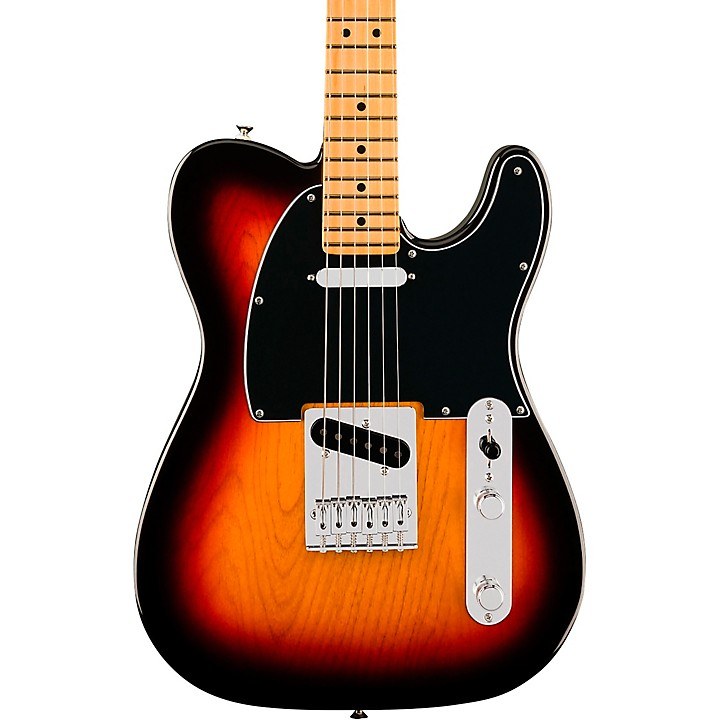

Fender Player II Telecaster
$849.99 at Guitar Center
This is not merely moving the old lick to a new fret and calling it transposition. Skolnick keeps a related melodic and fretboard approach while changing the harmonic material. The exercise therefore trains two kinds of knowledge at once: the tactile memory of a repeating fingering and the ear’s ability to recognize a new center and set of intervals.
His B Dorian cascade begins in seventh position and moves through sixth and fifth positions. It starts with B at the first string’s seventh fret, hammers to the tenth with the little finger, then pulls off through the ninth and seventh. The next string begins with an unpicked hammer-on at the tenth fret, sounding A.
Those details reveal why position shifts should be learned as part of the phrase, not added after the notes are memorized. The shift determines when the hand has time to move and which finger is free to prepare the next note. Practicing each position as an isolated box would remove one of the run’s central lessons.
Small Maps Beat One Giant Pattern
Skolnick divides the larger idea into shorter groups, including three-notes-per-string fragments and exercises moving between the neighboring positions. This is where the practice becomes transferable. A six-string cascade can be intimidating; a three-string cell is something you can repeat, reverse and hear against a chord.
Start with one cell over a Bm7 vamp. Keep B firmly established as the tonal center, then play the cell slowly enough to name the notes. Next, reverse the direction. Ascending and descending legato place different demands on the hand: hammer-ons may feel secure in one direction while pull-offs lose volume in the other.
Once both directions work, connect two positions without increasing the tempo. The objective is an unbroken rhythmic stream, not an impressive top speed. Finally, change the harmonic setting. Move from B Dorian back toward the Lydian-dominant color and listen for the altered notes rather than allowing the fingers to run on autopilot.
Time Is the Real Speed Limit
The original So Many Lies example moves in 32nd notes, a specification that can encourage players to treat the metronome as the main opponent. Resist that interpretation. Fast notes are only useful when the underlying pulse remains understandable. A blurred run at 120 beats per minute communicates less than a controlled phrase at half that speed.
Practice the cells as eighth notes, triplets and sixteenth notes before approaching the original subdivision. Each grouping changes where the accents fall and reveals different timing weaknesses. A burst can then be inserted into a slower phrase, which is closer to musical application than repeating the entire run until fatigue sets in.
Recording helps. Listen for notes that arrive early after a position shift, pull-offs that collapse in volume and open strings that ring through a pause. These are not cosmetic flaws. They change the perceived rhythm and harmony of the line.
Do Not Copy the Sound—Copy the Process
Skolnick’s broader career makes the lesson especially persuasive. He moves between Testament’s precision and weight and the improvisational language of the Alex Skolnick Trio. In a 2025 Premier Guitar interview, he discussed the human interaction that keeps his jazz work from feeling robotic. The same principle applies here: a fingering pattern is material for expression, not a finished performance.
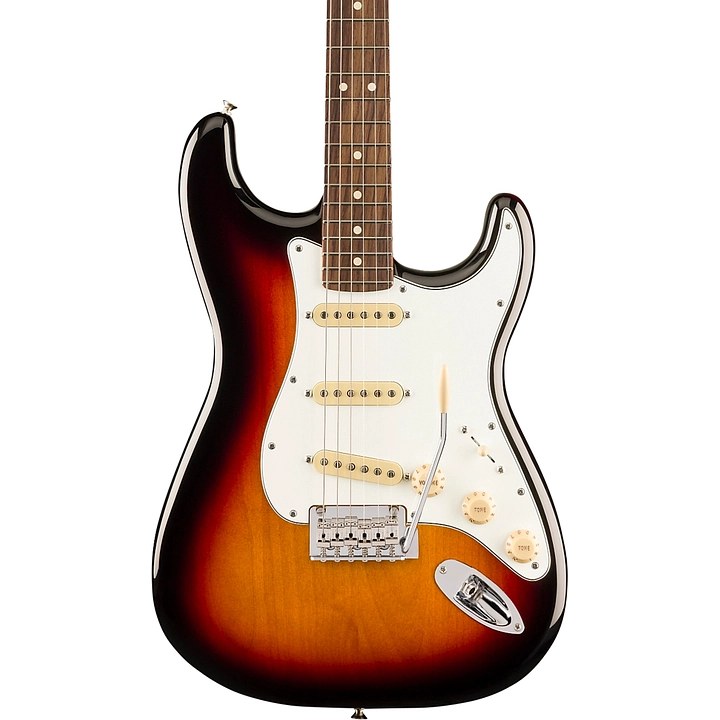
Fender Player II Stratocaster
$849.99 at Guitar Center
You do not need Holdsworth’s tone, Skolnick’s guitar or a high-gain rig to use the idea. A clean electric or even an acoustic will show whether the notes really connect. Compression and distortion can be added later, once the hand produces a phrase worth amplifying.
It is also worth comparing this approach with a deliberately different system. Our Frank Gambale feature examines a player whose sweep technique organizes speed around pick direction and economy. Neither method is universally superior. Each develops from a particular way of hearing and shaping a line.
Three Practice Takeaways
First, isolate articulation. Take four notes from the lick and make every hammer-on and pull-off speak at a consistent volume. Stop when the hand becomes tense; repeat only when you can stay relaxed.
Second, practice harmonic hearing. Play Bm7 before the Dorian cell and an appropriate E7 or E-based voicing before the Lydian-dominant phrase. The chord gives the scale a destination and prevents the exercise from becoming abstract finger gymnastics.
Third, write one variation. Change the first note, reverse a three-note group or end on a different chord tone. That final step turns borrowed language into improvisation. Skolnick’s lesson offers a rigorous workout, but its deeper value is permission to treat a familiar shape as a question rather than an answer. For more on the guitars associated with this wider musical world, our Charvel and Wayne Charvel history includes Holdsworth’s place in the story.
Plugged Gear Co., Guitar Center and American Musical Supply links may earn us a commission from qualifying purchases.
Reader-supported
Keep Guitar Alive
Enjoyed this story? The Guitar Plugged is free to read and reader-supported. If it helped you play, listen or buy a little smarter, chip in to keep guitar journalism like this coming.
One-time contribution, processed securely by Stripe. Contributions are not tax-deductible.
Experience-driven coverage, not algorithm bait.
- 20+ years of guitar playing experience
- Real-world retail experience at Guitar Center
- Thousands of hours testing guitars, amps, and pedals
- A community of 50,000+ guitar enthusiasts across platforms
- Partnerships with Fender, DistroKid, TrueFire, Card Chords, and Enya
- Editorial standards published openly — see how we test gear
The Modern Guitar Magazine. Delivered to your inbox.
No spam. No gimmicks. Just great guitar content — stories, tones, iconic solos, and honest gear takes. Every week.
Ask GP
20 free questions a dayStill curious? Ask GP about this story.
Your personal classic-rock and guitar guide — ask anything about Alex Skolnick’s Legato Lesson.
Discussion (0)
Sign in to join the discussion.
Sign in to commentLoading comments…
Discover another guitar story
Swipe through our latest features, breaking news and iconic solos — one story at a time.
Open Swipe →More Guitar News

Frank Gambale Changed the Way Guitarists Move Their Picking Hand. Here's the Whole Story.
From Canberra clubs to GIT, Chick Corea's Elektric Band and his own Gambale Tuning, here's how Frank Gambale rewired the guitarist's picking hand.
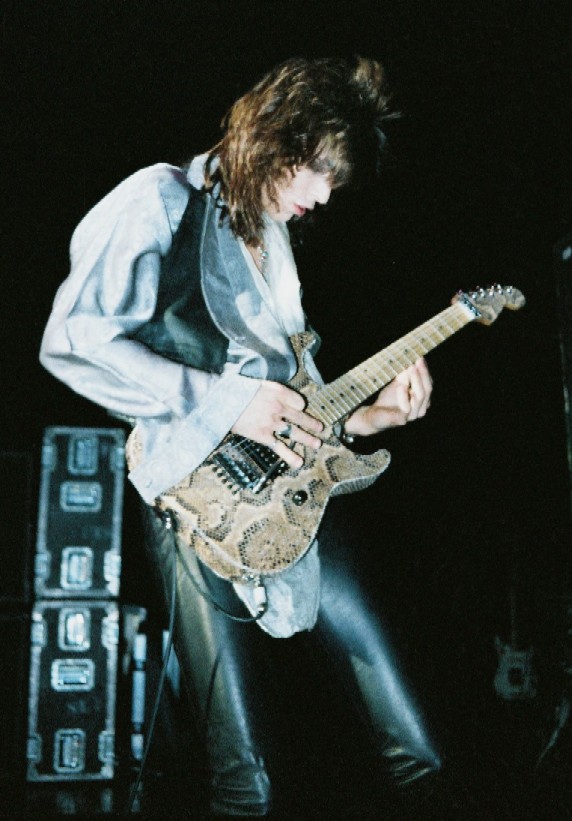
Wayne Charvel and the Birth of the Superstrat: How a Repair Shop Rewired Rock Guitar
Wayne Charvel's name is still on the headstock of some of the most aggressive bolt-on guitars you can buy, but he left the company that carries it in 1978. In that short window, he helped create the idea that a Fender-style guitar was a starting point, not a finished product — the superstrat.
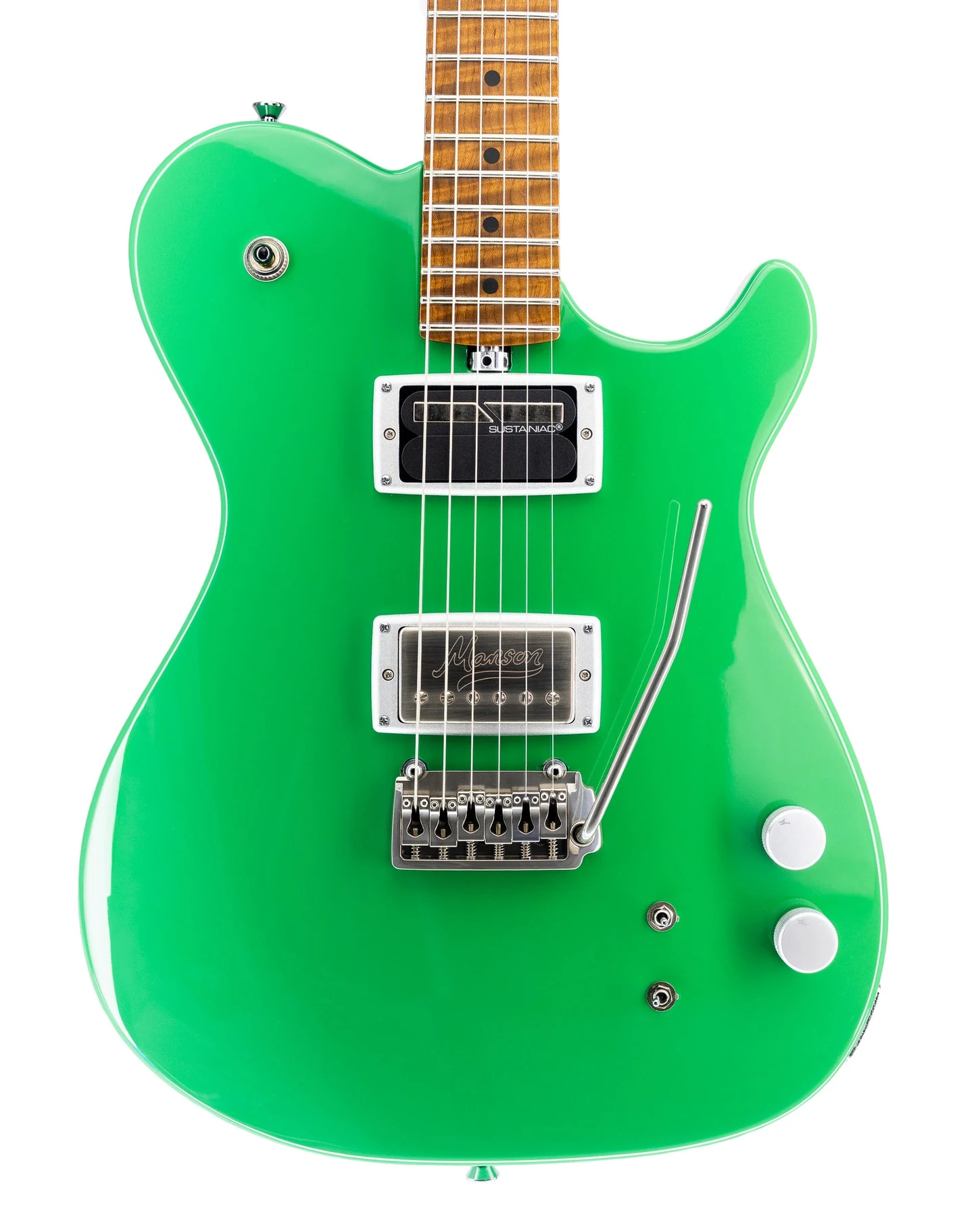
Graham Coxon’s Wild New Manson Guitars Are Built for Infinite Mischief
Graham Coxon’s GC-1 and GC-3 are not museum-piece Telecasters. Their Sustainiacs, custom humbuckers and kill button reflect the same tension between melody and chaos that powers his playing.

Mooer’s Future Flex Puts a Complete Portable Guitar Rig in One Box
Mooer’s Future Flex combines amp modeling, stereo speakers, four footswitches, AI tools and a rechargeable battery. The NAM A2 details—and the regional pricing—need a careful read.