
Graham Coxon’s Wild New Manson Guitars Are Built for Infinite Mischief
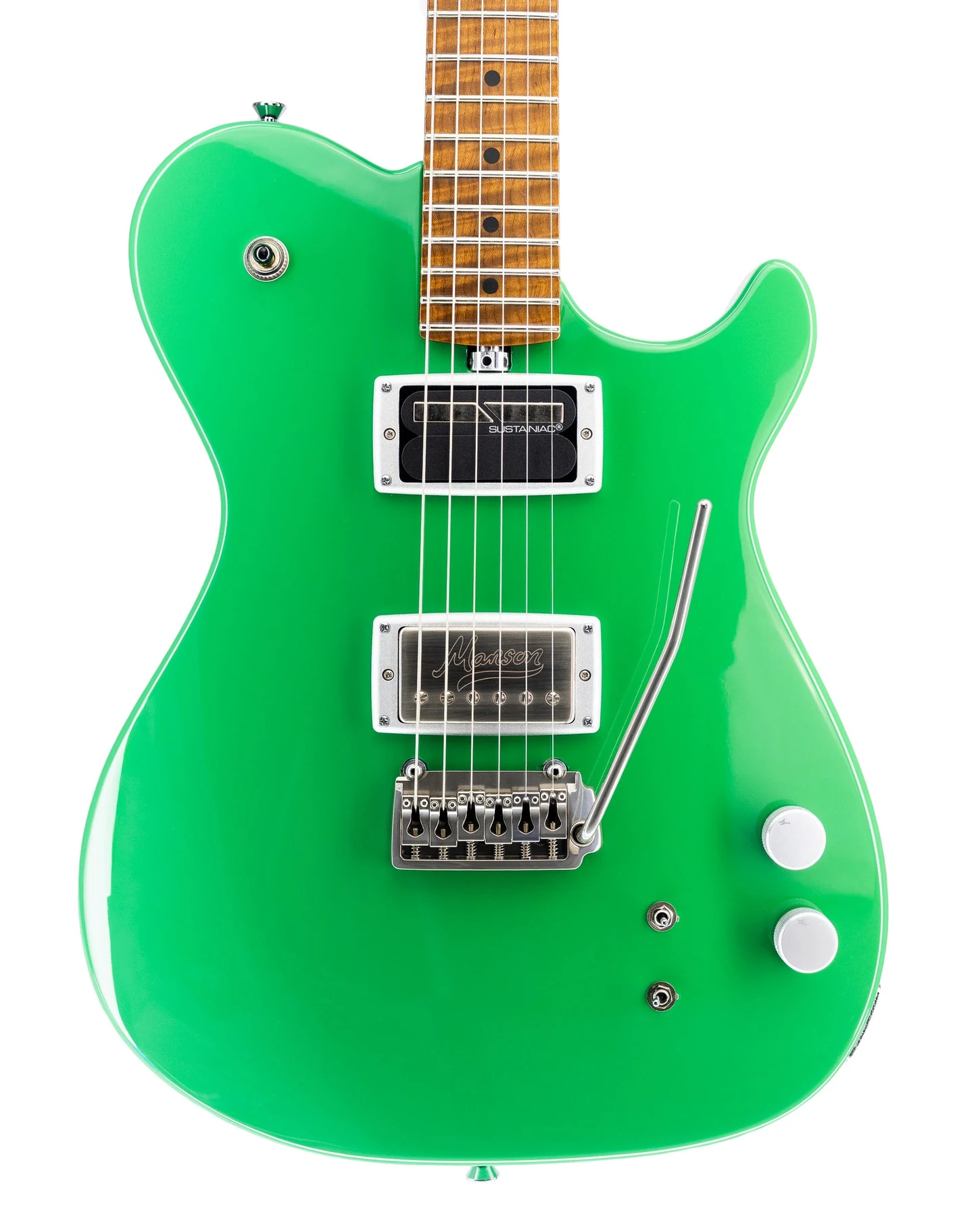
The GC-3 in Bethnal Green Gloss, with a roasted maple neck, Sustainiac and custom-wound bridge humbucker.
Graham Coxon’s GC-1 and GC-3 are not museum-piece Telecasters. Their Sustainiacs, custom humbuckers and kill button reflect the same tension between melody and chaos that powers his playing.
Graham Coxon’s guitar playing has always thrived on contradictions. It is melodic but rarely polite, rhythmically exact yet happy to sound as though it might fly apart. A perfectly formed pop phrase can be followed by a scream of feedback, an awkward interval or a chord voicing that seems designed to make the guitarist’s life difficult.
His two new Manson Guitar Works signature models embrace that contradiction rather than smoothing it away. The GC-1 and GC-3 begin with a familiar T-style outline, then replace vintage orthodoxy with a custom-wound bridge humbucker, a Sustainiac system and a Gotoh tremolo. The GC-1 adds a flush-mounted kill button: one control encourages a note to continue almost indefinitely, while the other cuts the sound into silence.
That is a neat summary of Coxon’s musical world. Sustain and interruption. Beauty and noise. Simple shapes pushed into unfamiliar behavior.
Two Limited First Editions
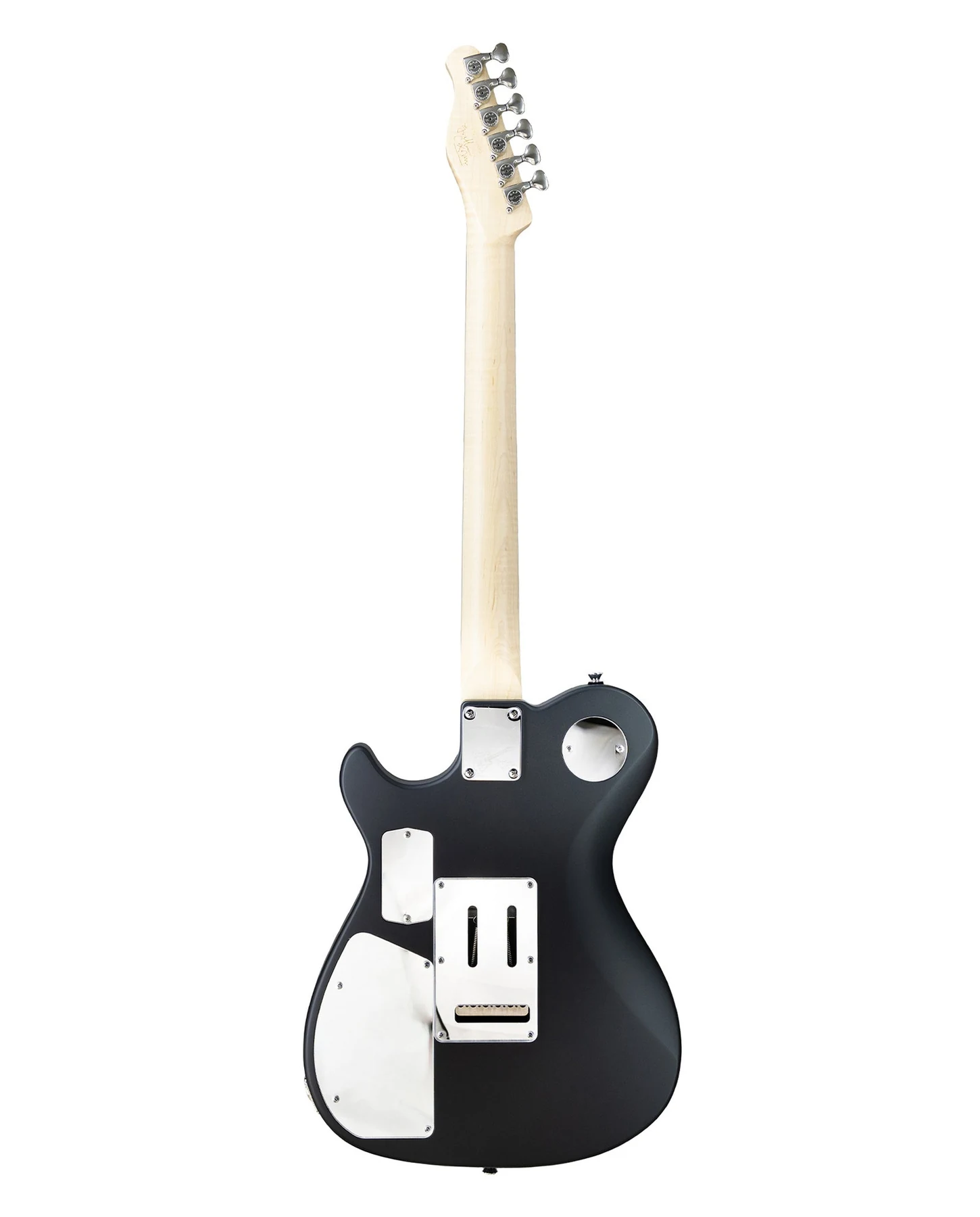
Both guitars are handcrafted in the UK, with only 10 examples of each model in the first edition. They share two-piece swamp ash bodies, a Manson GC Custom Wound Humbucker, Sustainiac electronics, Gotoh EV510TS tremolos and Gotoh SD510 machine heads. Coxon’s own hand-drawn artwork is etched into the neck plate, and each guitar includes a numbered hand-signed certificate, model-specific leather strap, pick tin, GC body sticker and custom Manson x MONO gig bag.
The GC-1 comes in matte Cilla Black with a matching headstock, a birdseye maple neck and rosewood fingerboard. Its exclusive hardware detail is the flush-mounted kill button, intended for the rhythmic stutter effects associated with players who use the guitar’s output as a percussion instrument.
The GC-3 wears Bethnal Green Gloss and uses a flamed, roasted maple neck with a matching fingerboard. Raw aluminum pickup surrounds contribute to a more industrial appearance, and it omits the GC-1’s kill button. Calling one a simple cosmetic alternative to the other misses this distinction: the GC-1 puts a second form of note control directly under the player’s hand.
At the time of publication, the UK inclusive-VAT prices are £3,349 for the GC-1 and £3,549 for the GC-3. Manson’s regional store displays ex-VAT prices to some visitors, so import VAT and duties need to be checked for the delivery country. Preorders require a £500 deposit, with the balance due by the end of January 2027 and shipping scheduled from February 2027. The GC-1 and GC-3 product pages carry the live checkout terms.
Why a Sustainiac Suits Coxon
A Sustainiac drives the strings to extend their vibration, creating long sustain and controllable feedback-like harmonics without relying solely on amplifier volume. For a conventional soloist, that might mean a smoother path to a soaring lead. For Coxon, the more interesting possibility is what happens after the initial note loses its clean identity.
His solos often treat the note as raw material. Pitch can sag, attack can splinter and the end of a phrase can matter as much as its beginning. A system that keeps a note alive provides more time for those transformations. It can turn a held chord into a shifting texture or leave space for a second hand to work the tremolo, controls or another effect.
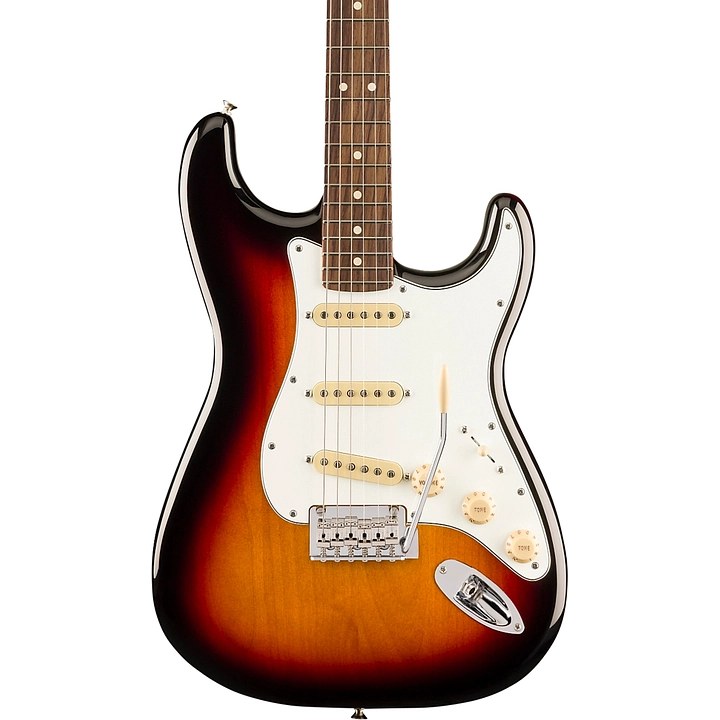

Fender Player II Stratocaster
$849.99 at Guitar Center
The GC-1’s kill button supplies the opposite gesture. Long sustain can be chopped into abrupt gaps, making silence a rhythmic event. Alternate between the two and the guitar moves from continuous sound to gated fragments without changing instruments. That push and pull has an obvious relationship to Coxon’s habit of letting polished pop and damaged noise occupy the same arrangement.
The Telecaster Shape, Not Telecaster Rules
Coxon will always be associated with Fender Telecasters, and with good reason. Their direct attack and uncluttered control layout suited Blur’s early rhythm work and the wiry lead lines that cut through the band’s busiest arrangements. In a 2026 interview, he praised the design as a stripped-down hot rod and joked about removing controls from other guitars to make them equally direct.
The Mansons retain that ergonomic starting point but are deliberately not vintage recreations. A bridge humbucker promises more output and density than a traditional Tele bridge pickup, while the Sustainiac is an electronic performance system rather than another conventional voice. The Gotoh tremolo adds pitch movement that a fixed-bridge Telecaster does not offer.
Coxon describes the result as an evolution of a simple design that still feels like a stripped-back hot rod. It is a revealing phrase. The aim is not maximum versatility in the sense of dozens of pickup combinations. It is a small set of strong tools that invite physical interaction. Players interested in the original design can trace it through our Telecaster history; the Manson starts where that rulebook ends.
Hear the Method in the Records
Start with “Coffee + TV.” The rhythm guitar has a wiry, purposeful bounce, but the celebrated solo enters like a disturbance. Fender’s history of the recording notes that the solo had no predetermined structure and cites Yo La Tengo’s “Stockholm Syndrome” as an influence. Its power comes from the friction between the song’s singable surface and the fuzzed, unstable lead—not from technical display alone.
Then listen to “Beetlebum.” The guitar answers the song’s weariness with phrases that feel both melodic and slightly misshapen. The lesson is in phrasing: an unexpected note can become the emotional center when the rhythm and attack place it correctly. Playing the same pitches with tidy, even articulation would miss the point.
“Song 2” demonstrates the other end of the spectrum. The famous riff is direct enough to recognize instantly, but the dynamics make it work. Restraint in the verses leaves somewhere for the distorted choruses to go. The guitar does not maintain maximum intensity; it creates impact by repeatedly withholding and releasing it.
Finally, spend time with “Tender.” Here the guitar supports a communal, open-hearted song without needing to dominate it. Coxon’s gift is not simply making strange noises. It is knowing when a song needs fragility, when it needs a hook and when it needs a small act of sabotage.

What Modern Players Can Learn
The first lesson is to arrange before adding more sound. Blur records can be dense, but the guitar parts often have a recognizable rhythmic or melodic job. Before adding another overdub, decide whether it answers the vocal, supports the drums or supplies a contrasting texture. If it does none of those things, it may only be occupying space.
The second is to treat effects as performance controls. A fuzz pedal is not merely a preset amount of distortion; picking position, guitar volume and attack change how it speaks. Likewise, a Sustainiac or kill switch is most interesting when operated as part of the phrase rather than switched on and forgotten.
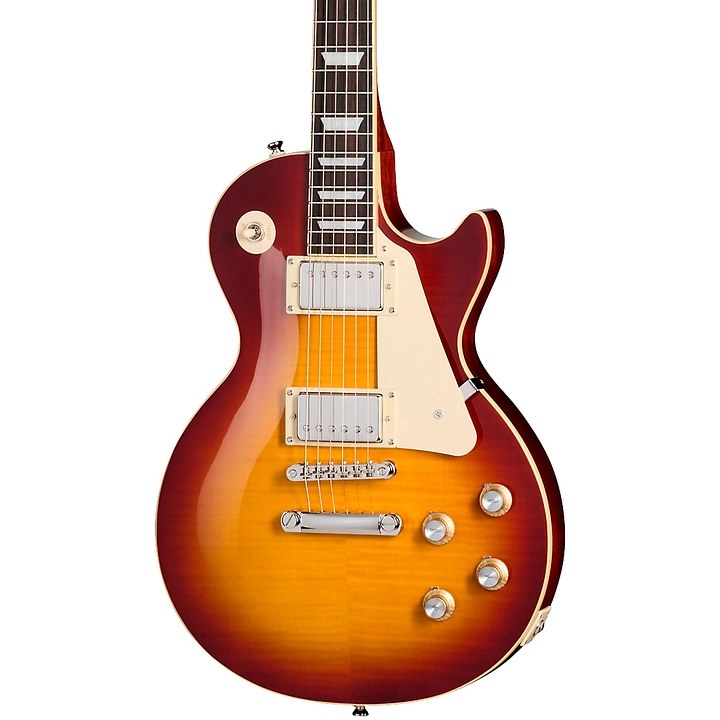
Epiphone Les Paul Standard 60s
$699.00 at Guitar Center
The third is to leave room for awkwardness. Coxon’s playing has absorbed punk, American indie, folk, free jazz and British guitar pop without turning into a generic blend. The odd interval or noisy ending survives because it communicates something. Practicing precision matters, but sanding away every rough edge can remove the identity you were practicing to express.
Signature Guitars With a Point of View
These first editions are expensive and extremely limited, so they will not be practical purchases for most players. Their significance is clearer as design statements. Instead of recreating the exact wear on a famous instrument, Manson has built around the way Coxon approaches sound now.
We have not played either model, and specification sheets cannot tell us how comfortably the Sustainiac controls fall under the hand or how convincingly the bridge pickup retains clarity under heavy effects. Those questions belong in an independent review.
What is already clear is that the GC-1 and GC-3 are not generic artist badges. Sustain, feedback, tremolo and abrupt silence are legitimate Coxon vocabulary. For more of the guitars and effects surrounding that world, read our histories of the Fender Jaguar and ProCo RAT. The best lesson from these instruments is also the simplest: find the controls that let you interact with a note, then make that interaction mean something.
Plugged Gear Co., Guitar Center and American Musical Supply links may earn us a commission from qualifying purchases.
Reader-supported
Keep Guitar Alive
Enjoyed this story? The Guitar Plugged is free to read and reader-supported. If it helped you play, listen or buy a little smarter, chip in to keep guitar journalism like this coming.
One-time contribution, processed securely by Stripe. Contributions are not tax-deductible.
Experience-driven coverage, not algorithm bait.
- 20+ years of guitar playing experience
- Real-world retail experience at Guitar Center
- Thousands of hours testing guitars, amps, and pedals
- A community of 50,000+ guitar enthusiasts across platforms
- Partnerships with Fender, DistroKid, TrueFire, Card Chords, and Enya
- Editorial standards published openly — see how we test gear
The Modern Guitar Magazine. Delivered to your inbox.
No spam. No gimmicks. Just great guitar content — stories, tones, iconic solos, and honest gear takes. Every week.
Ask GP
20 free questions a dayStill curious? Ask GP about this story.
Your personal classic-rock and guitar guide — ask anything about Graham Coxon’s Wild New Manson.
Discussion (0)
Sign in to join the discussion.
Sign in to commentLoading comments…
Discover another guitar story
Swipe through our latest features, breaking news and iconic solos — one story at a time.
Open Swipe →More Guitar News
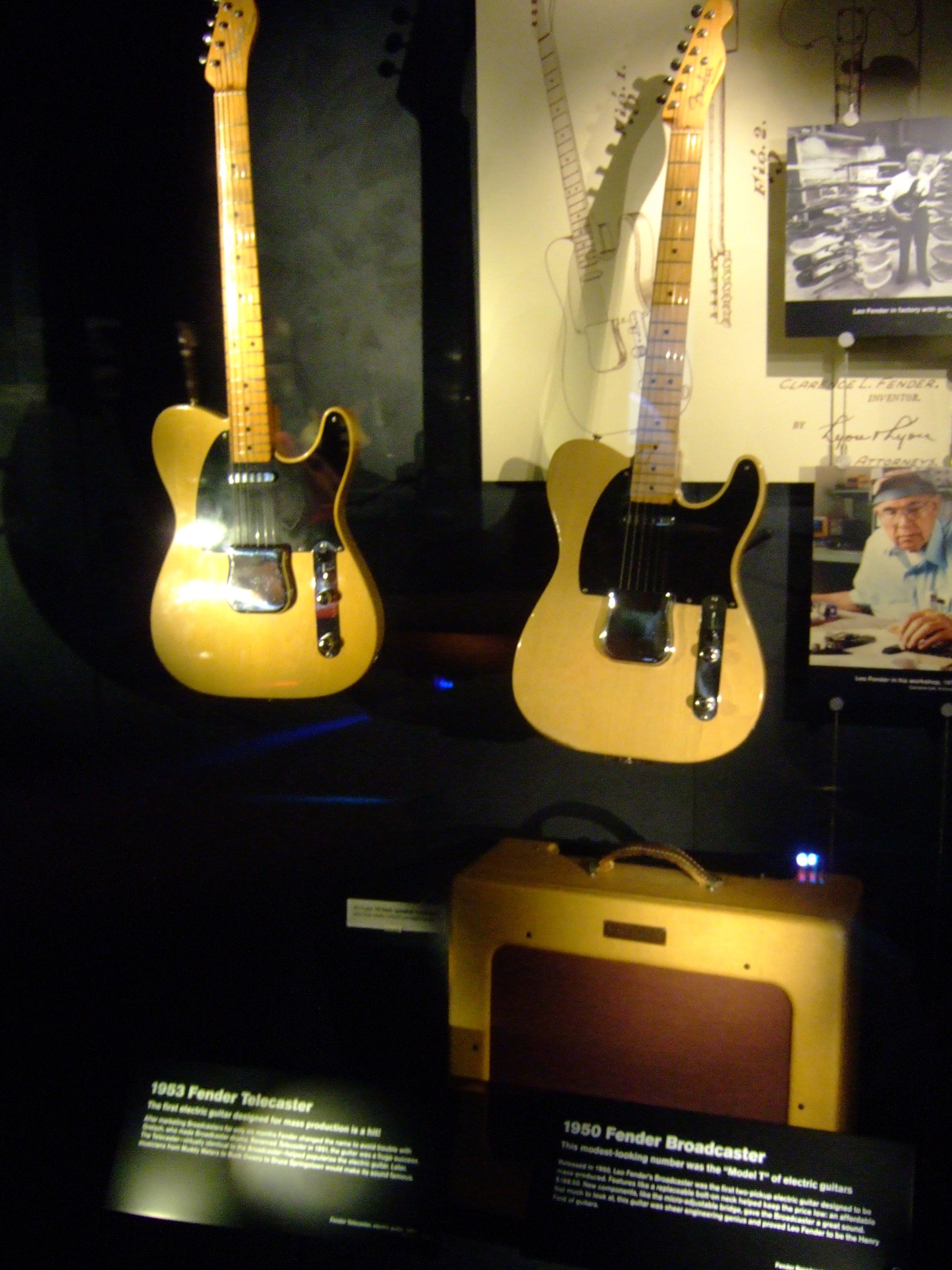
The Fender Telecaster History: How a Radio Repairman's "Plank" Became the Guitar That Does Everything
The Fender Telecaster history, from Leo Fender's 1950 Esquire and Broadcaster to the Nocaster, Keith's Micawber, Springsteen's Esquire and what to buy now.
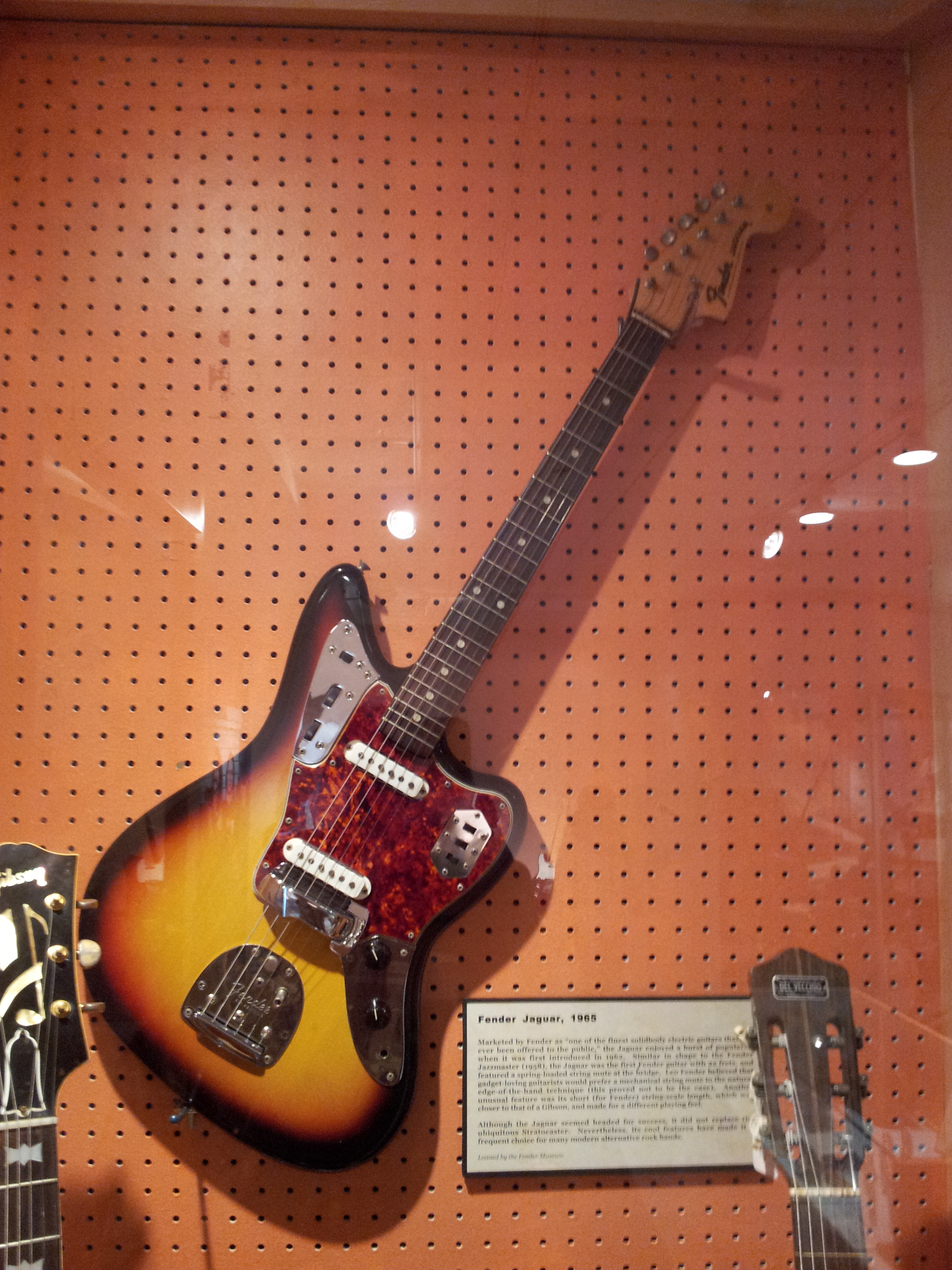
The Fender Jaguar History: How Fender's Flagship Flopped, Then Became Alt-Rock's Secret Weapon
Fender launched the Jaguar in 1962 as its most expensive, most complicated guitar. It lost to the Strat, died in 1975, then got rescued by punks, shoegazers and a kid from Aberdeen who bought one out of the classifieds.
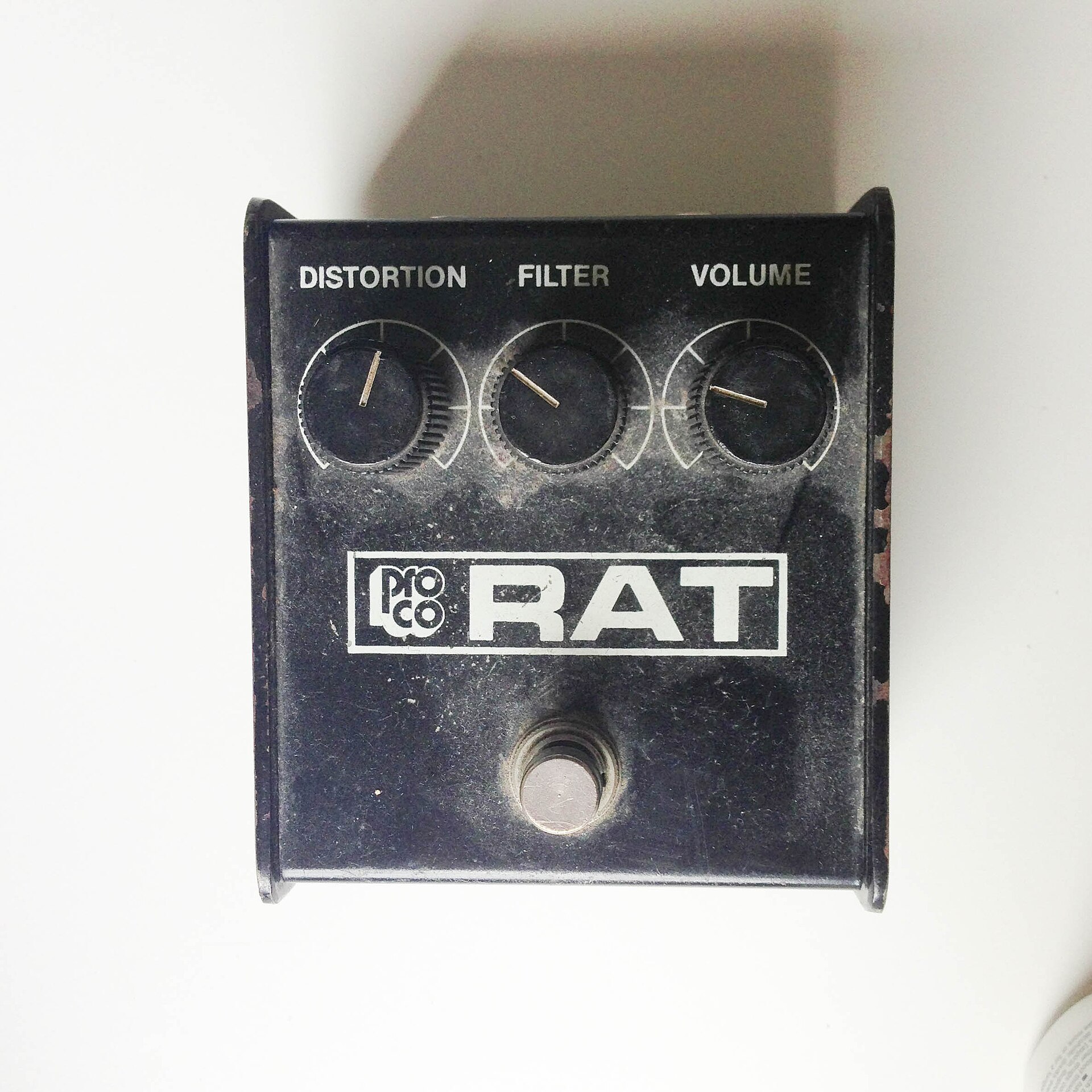
The RAT Started With the Wrong Resistor: The Real ProCo RAT History
The ProCo RAT was born from a wrong resistor in a Kalamazoo basement. Here's how it went from 11 hand-built boxes to Beck, Nevermind, and your pedalboard.

Alex Skolnick’s Legato Lesson: Turn One Testament Lick Into a Fretboard System
Alex Skolnick’s new Holdsworth-inspired lesson does more than recycle a fast So Many Lies run. It shows how articulation, modal hearing and small fretboard maps turn one lick into a creative system.