Behringer Teases 200–300 Pedals at $10–$15 — What It Means for Your Board
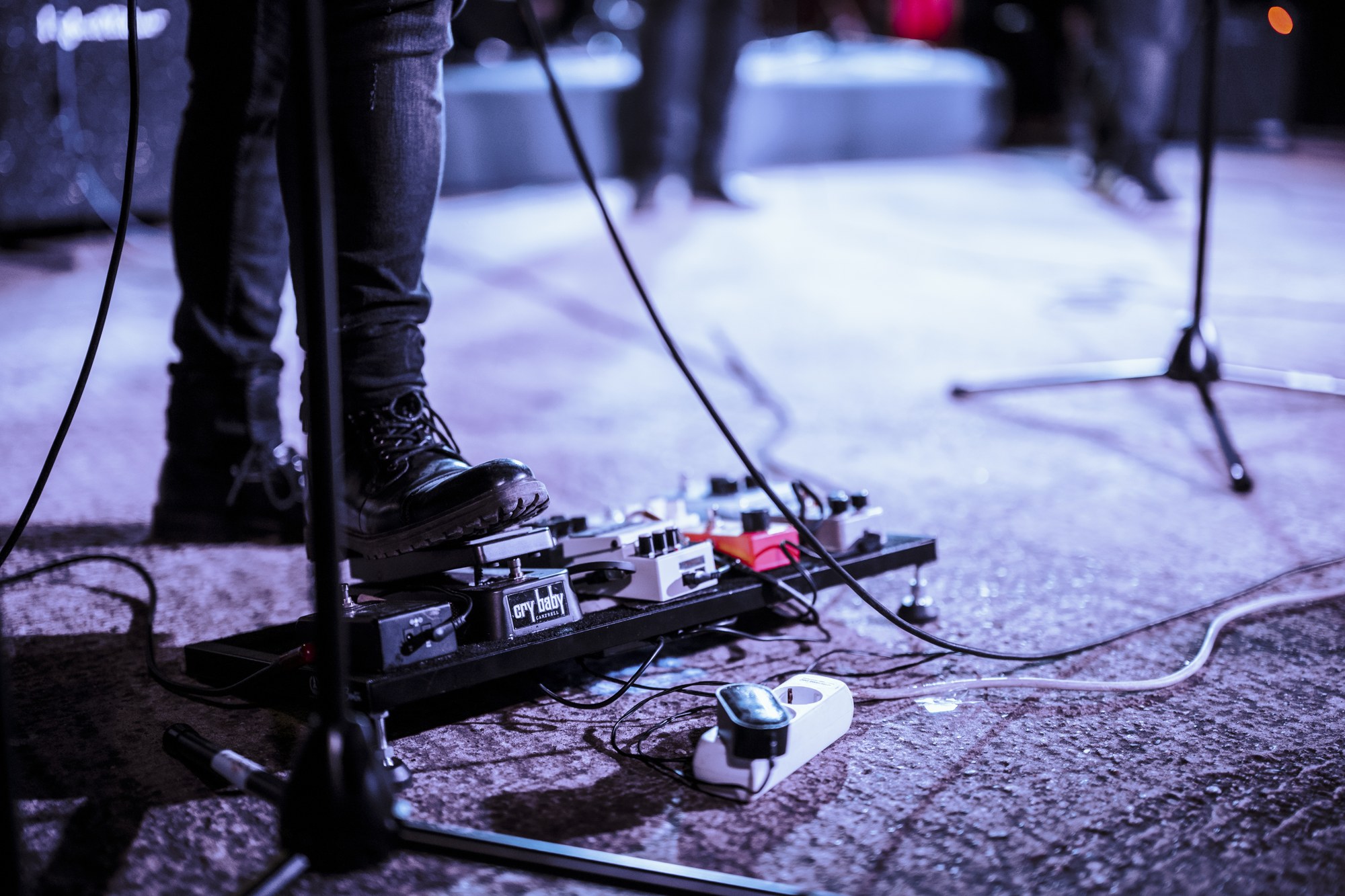
Guitarist using an effects pedal on stage — the board economics this tease is aiming at.
Behringer teases 200–300 all-metal pedals at $10–$15. What that means for players — and the boutique vs BOSS vs clone fight.
Behringer just waved a price tag that sounds like a typo. In a social teaser covered by Guitar World on November 2, 2026, the company floated 200–300 all-metal analog and digital guitar pedals aimed at $10–$15 each — “from legendary legacy pedals to wildly innovative new designs,” plus “open-source pedals you can hack, modify and reinvent yourself.”
There is no ship date. There are no SKUs. There is no Thomann cart. Treat every pictured name as a concept until Behringer publishes a real product page. Still: if even a fraction of that lineup lands near the teased street price, it will put pressure on the budget pedal shelf and reheat the oldest argument in stompbox culture — cheap clones versus boutique builders versus the BOSS / ProCo / Ibanez standards that already sit in most of our gig bags.
What Behringer Actually Said
Guitar World quotes the opening of Behringer’s post:
“Guitar players. We owe you an apology. We’ve been so busy disrupting synthesizers, mixers and DJ gear that we completely forgot about you.”
And the company’s own shrug at the boutique reaction:
“Will this upset a few boutique pedal manufacturers? Probably.”
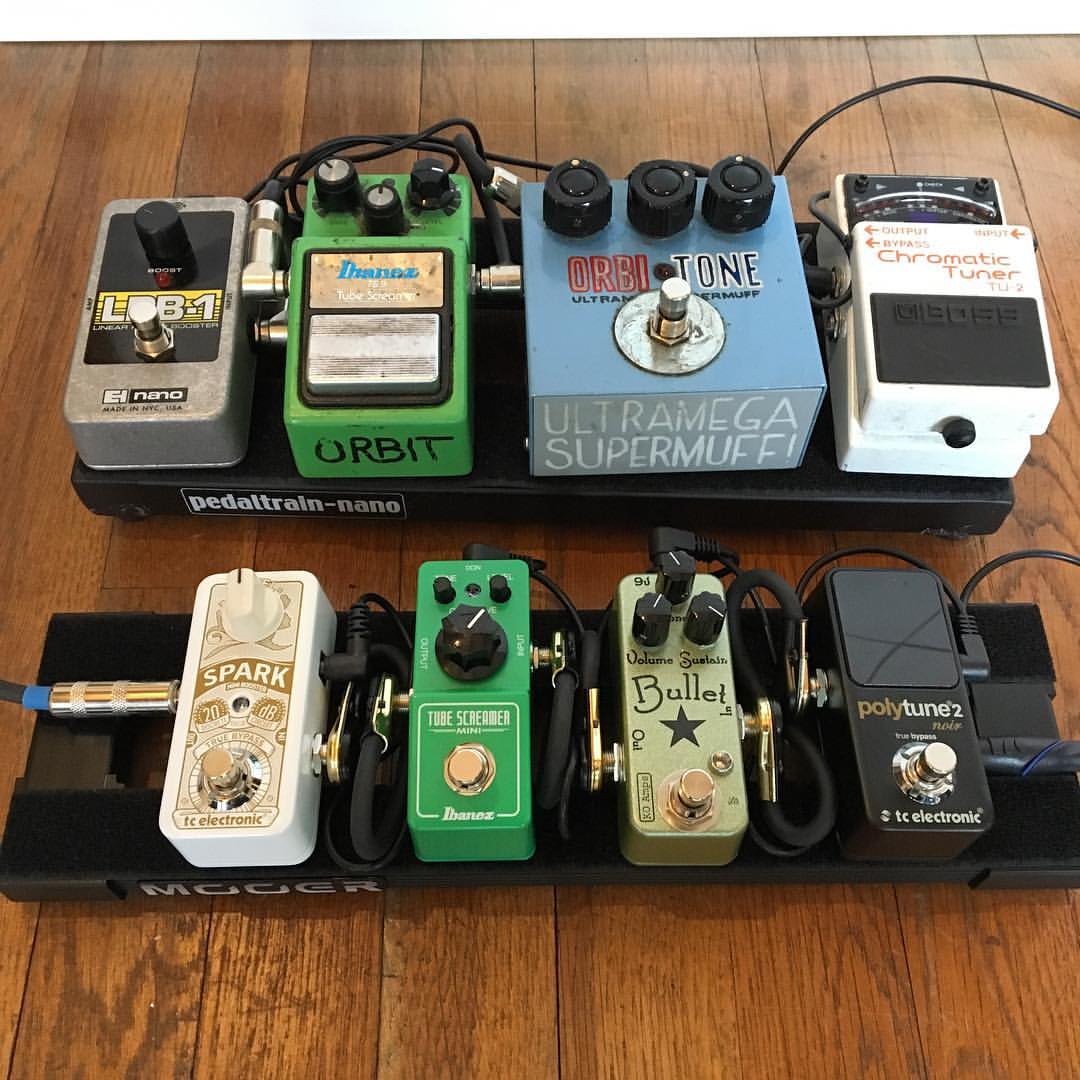
NoiseHarmony’s sober read matches what every careful shopper should hold onto: the teaser confirms a broad proposal — metal enclosures, analog and digital, legacy-inspired and new, some open-source — but not a launch. No manuals, no confirmed regional pricing after tax, no clarity on whether “200–300” means unique circuits or a pile of colorways. Names spotted in coverage of the teaser image include Brat (Rat-style distortion), Time Bridge delay, Space Temple reverb, Whetstone phaser, plus mini concepts like Slow Motion and Noise. Guitar World also flags two Zentara overdrives in the photo — and NoiseHarmony correctly warns that existing Zentara products are a separate, already-shipping family, not proof those units will reappear at $10–$15.
Bass players got a comment-thread promise of inclusion. Launch timing remains, in Guitar World’s words, “a closely guarded secret.”
The Boutique Pushback
On Guitar.com, London builder Intensive Care Audio (known for pedals like the Fideleater and Vena Cava Filter) did not treat the joke as a joke. Guitar.com reports ICA reposted the teaser with:
“Behringer openly joking about destroying small independent builders. This is fucking shameful behaviour.”
And in a follow-up post quoted by Guitar.com:
“Running a small operation like this is becoming increasingly difficult due to a wide range of complicated issues… The last thing we need is a giant, faceless multinational company gleefully revelling in destroying the livelihoods of thousands of small builders.”
ICA also challenged the origin story of the circuits:
“Behringer did not design these circuits for the most part. They did not live on a shoe string budget to carry on doing what they love… Things like this make it hard to want to bother carrying on.”
That last line is the emotional core of the boutique case: if volume manufacturing can photocopy last decade’s innovation at lunch-money prices, the workshop that invented the next weird filter may simply stop.
Behringer’s comment-thread invitation, as Guitar.com relays it — ask for the next pedal, “and if you have the schematics, even better” — reads as either community co-design or a public request for other people’s homework, depending on which side of the bench you stand on.
The Player Case for Cheap Metal Boxes
Now the other side, without the PR varnish.
Access is real. A teenager building a first board does not need a $250 Germanium OD to learn what a mid-hump does. A $15 drive that survives a backpack beat a dead dream pedal that never gets bought. Behringer’s own tagline in the teaser, via Guitar World — “Great tone should come from your fingers, not your credit card” — is marketing, but it points at a true problem: effect prices have drifted upward while beginner and weekend players still need dirt, delay, and a tuner.
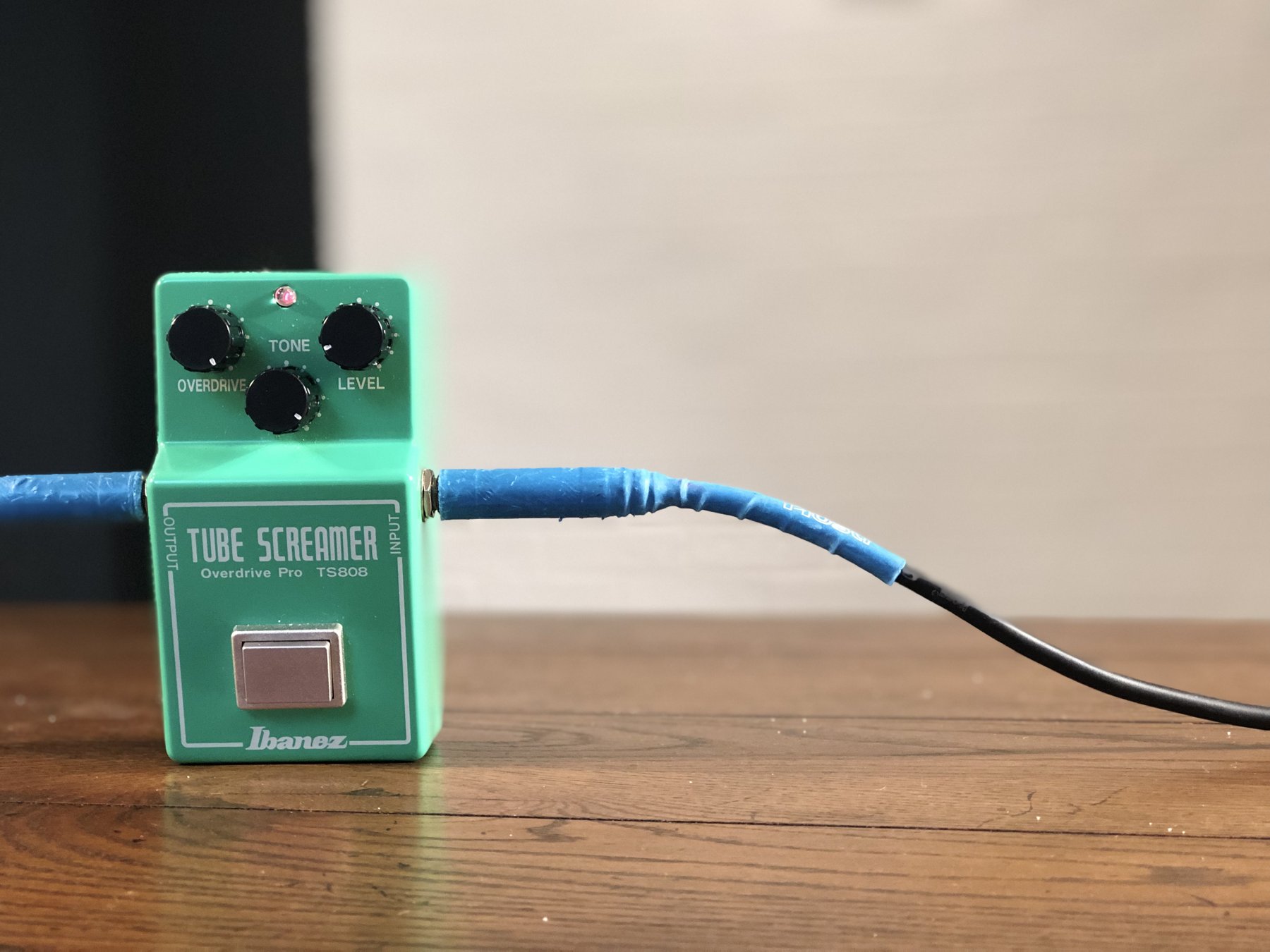
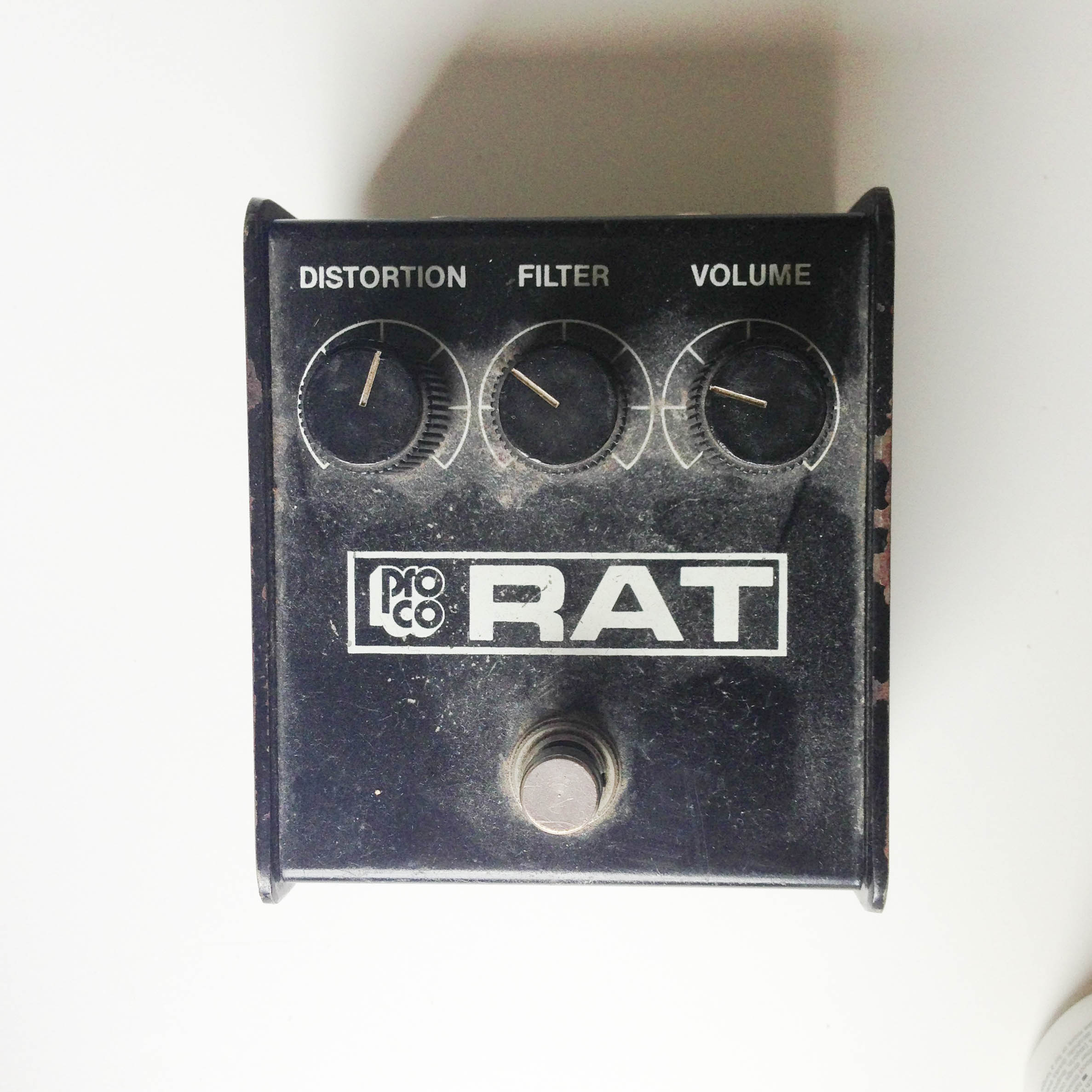
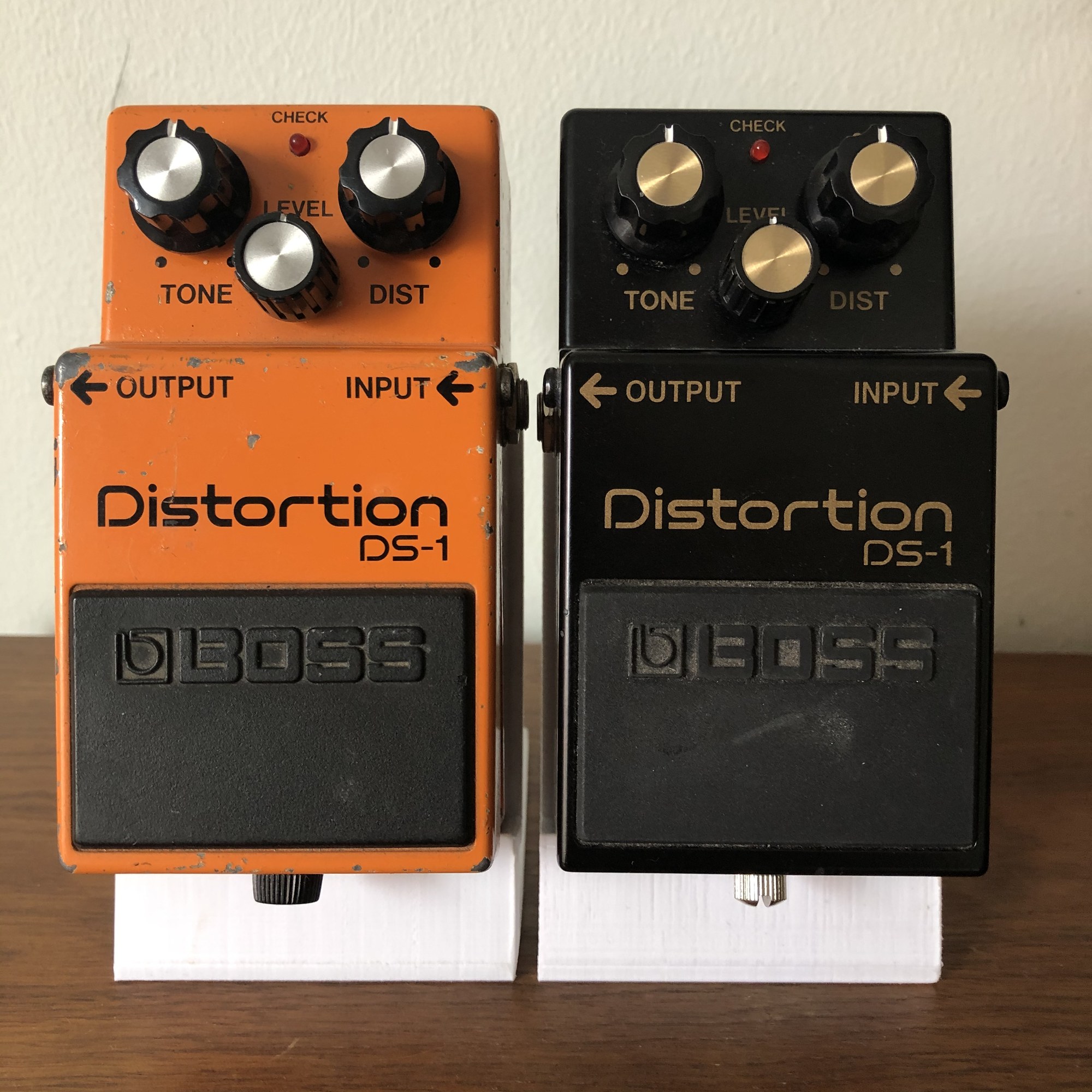
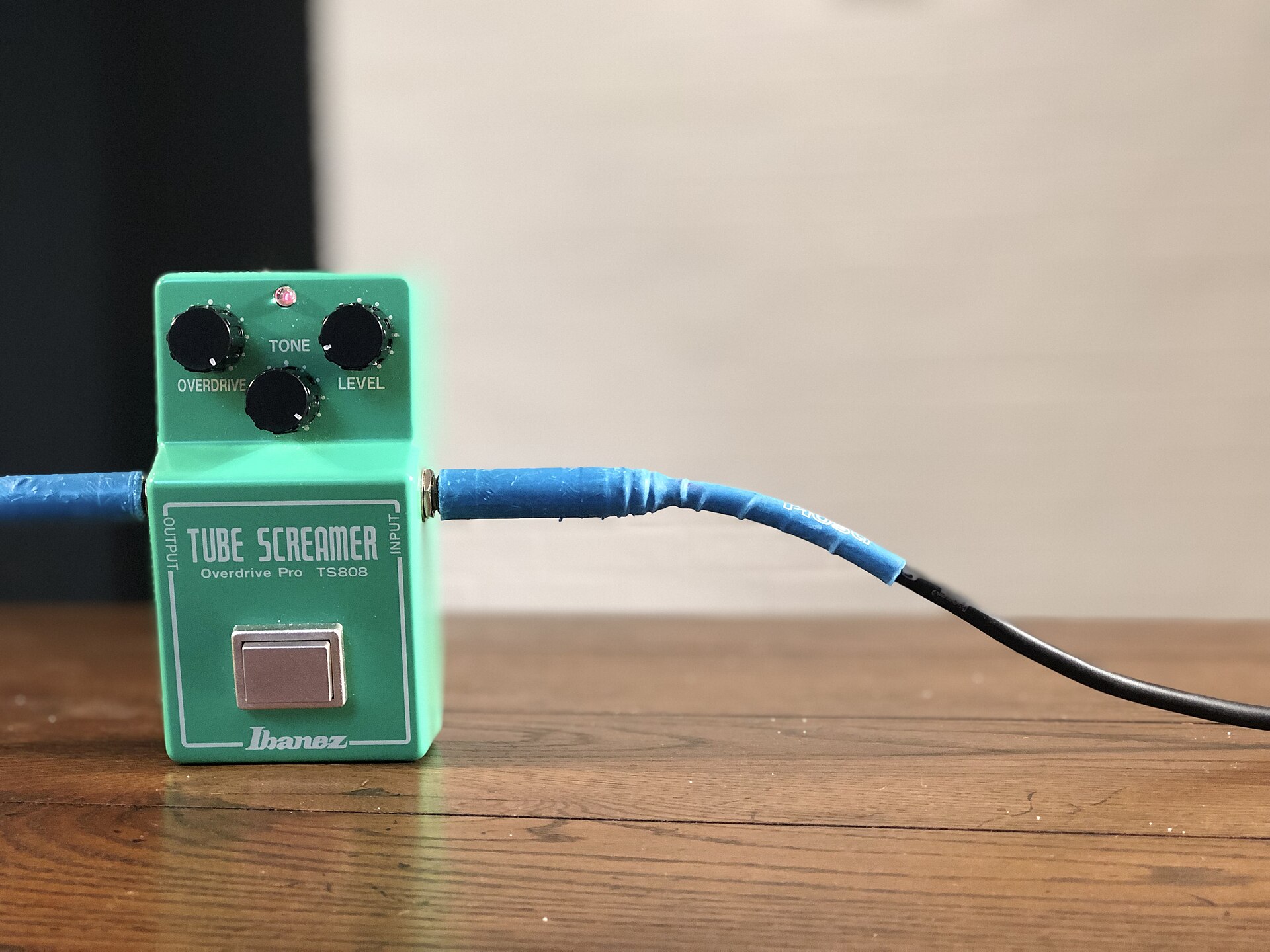
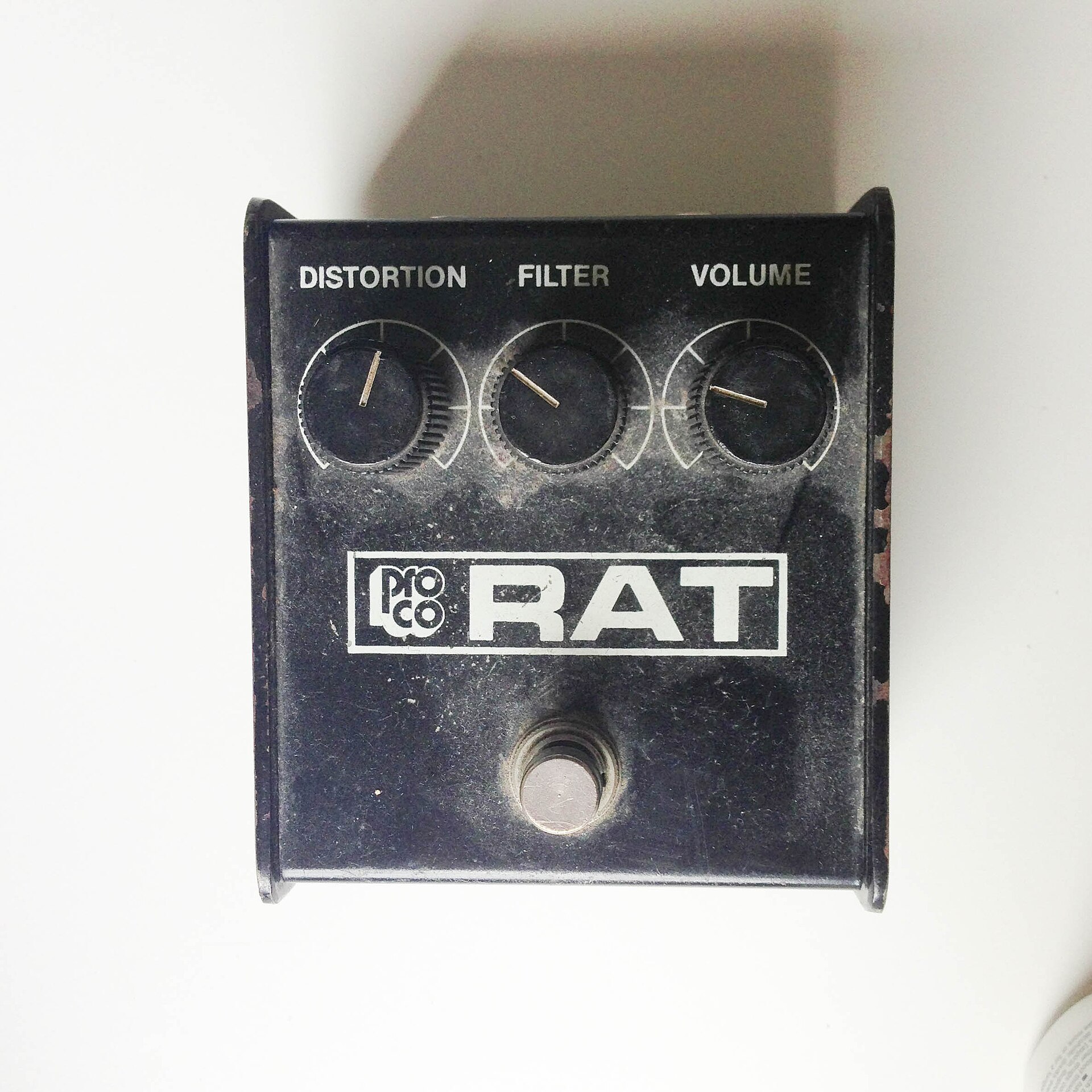
Many “classics” are already public knowledge. Circuits for Tube Screamer–style OD, Rat-style distortion, and countless Boss-inspired topologies have been traced, shared, and re-implemented for decades. The ethical heat is highest when a living boutique designer’s current product is cloned while it is still the builder’s livelihood (the Klon / Bill Finnegan dispute remains the loudest example in Behringer coverage). It is lower when the target is a 1970s–80s mass-market circuit that has already earned its inventors decades of sales — which is exactly why a ProCo RAT, a BOSS DS-1, or an Ibanez Tube Screamer still belongs in any honest “what should I buy” conversation.
Open-source pedals could be the interesting part. If Behringer actually ships hackable boards with documented schematics — not just the word “open-source” in a caption — that is closer to DIY culture than to silent cloning. Behringer has not defined what “open-source” means here, and NoiseHarmony notes it has not promised that every model will be open.
Boutique vs BOSS vs $10 Clones — A Balanced Board Debate
What boutique still wins
- Voicing and feel. Small builders obsess over diode choices, soft-recovery clipping, power filtering, and the last 5% of “how it sits under the fingers.”
- Service and story. Emailing the person who etched the board still means something when a jack fails on tour.
- Risk-taking. Weird multi-mode filters, lo-fi chorus quirks, and hybrid digital/analog experiments usually start in rooms that cannot amortize a 50,000-unit run.
What BOSS (and the other industry standards) still win
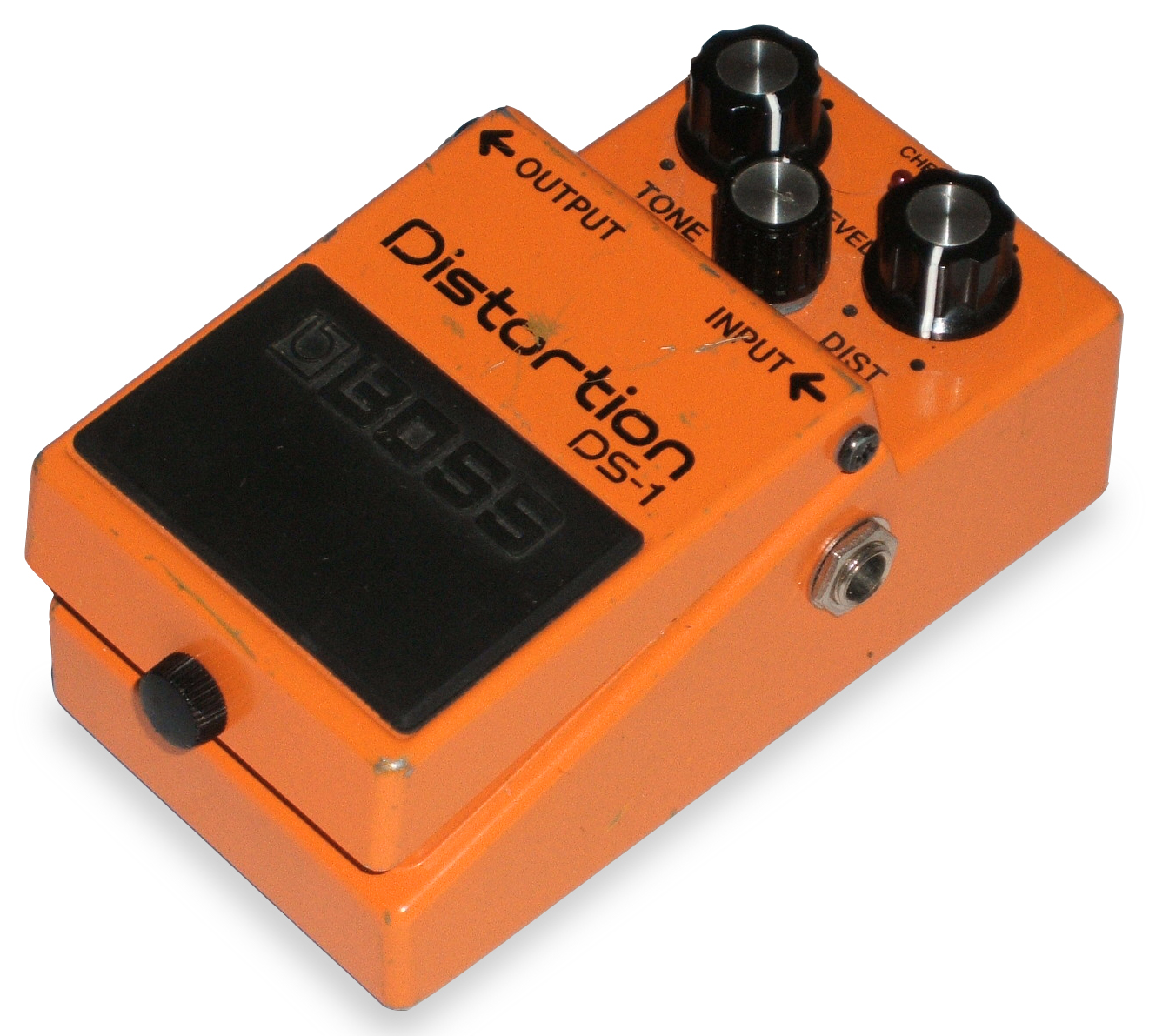
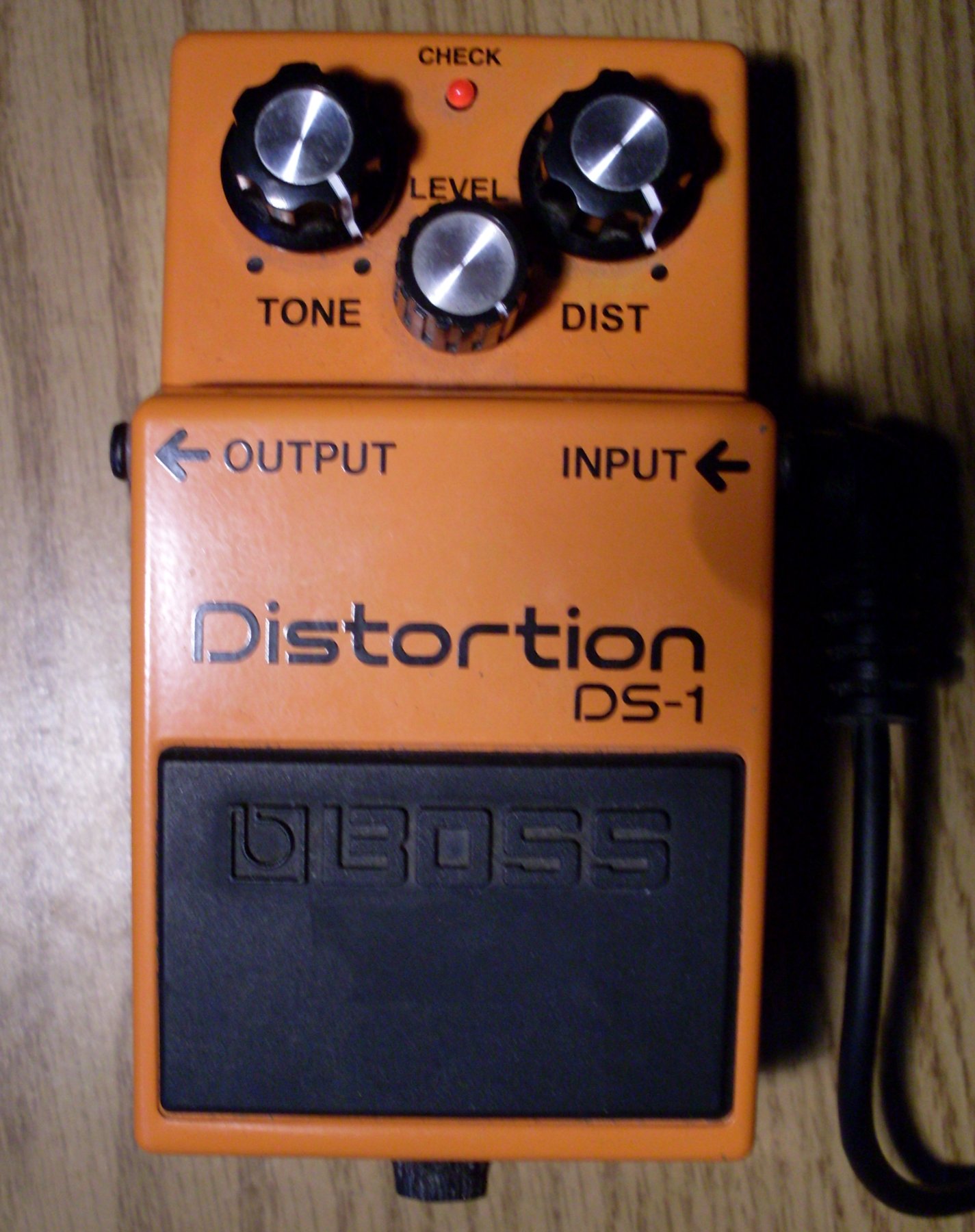
- Reliability and support. A DS-1, SD-1, or TU-series tuner is a known quantity with a global parts/repair ecosystem.
- Resale and familiarity. Bandmates and techs know the box. Your board tech does not need a schematic treasure hunt.
- Price/performance that already undercuts boutique. Street prices on compact Boss pedals and a ProCo RAT2 are not $10 — but they are also not $229 limited runs. See our DS-1 history and best overdrive pedals 2026 for the practical middle.
What a true $10–$15 metal pedal could win
- Trial without guilt. Buy three flavors of dirt, keep one.
- Backup duty. A $12 Brat-style box in the glovebox hurts less than shipping a boutique RAT variant overnight.
- Education. Hearing a mid-scoop vs mid-hump OD side by side teaches more than Instagram demos.
What cheap clones usually lose (until proven otherwise)
- Switch and jack longevity. The enclosure can be metal and the footswitch still feel like a toy.
- Noise floor and power behavior. Budget digital clocks and cheap charge pumps show up on quiet stages.
- QC variance. Unit A sings; unit B sputters. Boutique margins buy inspection time; ultra-budget margins buy hope.
- Innovation incentives. If every breakout circuit is photocopied in six months, fewer breakout circuits get funded. That is ICA’s argument in economic form.
How to Think About Your Next Pedal Purchase
Until Behringer publishes real listings, nothing about this tease should make you cancel a pedal you already love. Use it as a planning prompt:
1. Name the job. Boost into an already-dirty amp? Always-on OD? Solo lead grit? “I want a Rat” is clearer than “I want whatever is cheapest.” 2. Decide your ethics line. Some players refuse living-designer clones. Some refuse nothing. Know yours before the marketing lands. 3. Budget for the keepers. A Tube Screamer or RAT that stays on the board for a decade can cost less per gig than three failed experiments. 4. Leave room for weird. Boutique still owns the strange. If ICA’s complaint is right, protecting a little of your budget for independent builders is how the next Vena Cava Filter exists.
Our longer argument about why more gear has not automatically made happier players — Why Guitar Gear Never Made Guitarists More Frustrated — applies hard here. A $10 pedal that solves a musical problem is a gift. A $10 pedal that becomes another unused rectangle on a plastic board is just landfill with a LED.
Affiliate Corner (Verified Standards — Not the Unreleased Behringer Line)
No Amazon / Thomann / Sweetwater listing for the teased $10–$15 range exists yet. If you want the reference pedals this debate keeps naming, the confirmed listing below is the BOSS DS-1 (verified Nov 3, 2026 ET).
There is no Plugged Gear Co. match for an unreleased $10 Behringer pedal yet.
Bottom Line
Behringer’s $10–$15 tease is news about intent, not a product you can buy tonight. Guitar World, Guitar.com, and NoiseHarmony agree on the headline numbers and on the missing launch details. Intensive Care Audio’s “shameful” response is a real boutique-industry stress signal that deserves to sit next to the player-access argument, not underneath it.
If the pedals ship, test them like any tool: noise, switch feel, power quirks, and whether they earn a permanent spot. If they do not ship, the debate still did useful work — it forced the question of what we actually value on a pedalboard: originality, durability, or the freedom to try a sound without a credit-card hangover.
Sources
- Phil Weller, Guitar World, Nov. 2, 2026 — Behringer $10–$15 pedal range tease.
- Noah Petersons, Guitar.com — Intensive Care Audio reaction and quoted posts.
- NoiseHarmony — “Behringer $10 Pedals Teased in 200–300 Model Proposal” (no SKU / no date caveats; Zentara separation).
Shop this gear

Plugged Gear Co. may earn a commission from qualifying purchases.
Experience-driven coverage, not algorithm bait.
- 20+ years of guitar playing experience
- Real-world retail experience at Guitar Center
- Thousands of hours testing guitars, amps, and pedals
- A community of 50,000+ guitar enthusiasts across platforms
- Partnerships with Fender, DistroKid, TrueFire, Card Chords, and Enya
- Editorial standards published openly — see how we test gear
The Modern Guitar Magazine. Delivered to your inbox.
No spam. No gimmicks. Just great guitar content — stories, tones, iconic solos, and honest gear takes. Every week.
Ask GP
3 free questions a dayStill curious? Ask GP about this story.
Your personal classic-rock and guitar guide — ask anything about Behringer Teases 200–300 Pedals at.
Discussion (0)
Sign in to join the discussion.
Sign in to commentLoading comments…
Discover another guitar story
Swipe through our latest features, breaking news and iconic solos — one story at a time.
Open Swipe →More Guitar News
Boss DS-1 History: The Orange Box That Defined Distortion
The Boss DS-1 history from its 1978 debut to the Waza Craft DS-1W: the circuit, the chip changes, the mods, and the players who made the orange box famous.
The Ibanez Tube Screamer: How a Little Green Box Built to Compete Became the Pedal Everyone Copies
How a Maxon engineer's answer to the Boss OD-1 became the Ibanez Tube Screamer, why the TS808 vs TS9 debate never ends, and what SRV really used.
The RAT Started With the Wrong Resistor: The Real ProCo RAT History
The ProCo RAT was born from a wrong resistor in a Kalamazoo basement. Here's how it went from 11 hand-built boxes to Beck, Nevermind, and your pedalboard.

The 10 Best Overdrive Pedals That Actually Sound Like Money
From transparent touch tools to iconic mid-humps and Klon chime, these 10 overdrives under $300 in 2026 punch above their weight with pro tones, tough builds, and real-world value.
Why Guitar Gear Has Never Been Better—and Guitarists Have Never Been More Frustrated
We have more incredible guitars, amplifiers, pedals, and digital technology at our fingertips than any generation before us. So why does finding the perfect tone sometimes feel harder than ever?