
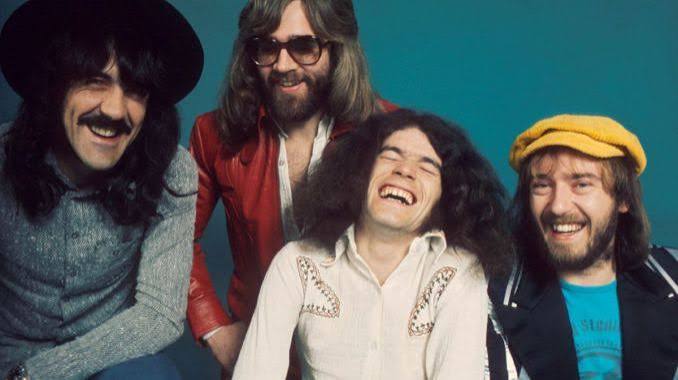
History of the Riff: The Haunting Opening Lick of Nazareth's "Love Hurts"
Manny Charlton's opening slide on "Love Hurts" is one of classic rock's most emotional guitar moments — a masterclass in restraint, phrasing, and the power of a single note.
Few guitar intros capture heartbreak as perfectly as the opening slide in "Love Hurts."
Some guitar riffs punch you in the chest.
Others break your heart.
The opening lick of Nazareth's "Love Hurts" somehow manages to do both.
Before Dan McCafferty sings a single word, before the drums enter and before the band fully comes alive, guitarist Manny Charlton delivers one of the most emotional guitar intros in classic rock history — a slow, crying slide into a few perfectly chosen notes that immediately tells you exactly what kind of song you're about to hear.
It's not flashy.
It's not technically difficult.
But it may be one of the most emotionally effective guitar licks ever recorded.
The Power of a Single Slide
The genius of the opening phrase is its simplicity.
Charlton begins with a gentle, vocal-like slide that almost sounds like someone sighing. The note doesn't just start — it arrives. That subtle movement gives the lick a human quality, almost like a voice cracking with emotion.
Great guitar players often talk about making the instrument sing.
On "Love Hurts," Manny Charlton made it cry.
The opening slide creates tension before resolving into the chord, and that tiny moment of anticipation is what makes the lick unforgettable. It's the musical equivalent of taking a deep breath before delivering bad news.
Why the Intro Feels So Emotional
The entire song is about heartbreak, disappointment, and the painful realization that love isn't always beautiful.
That opening lick captures all of it.
The notes are given room to breathe. There's no rush to get to the next phrase. Every note hangs in the air for just a little longer than you expect, creating a sense of loneliness and vulnerability.
Get Manny Charlton’s “Love Hurts” Tone
Tell ToneMD what gear you own and get a full signal chain with real numbered settings for this tone.
Included with Premium
It's a masterclass in phrasing.
Many guitar players spend years chasing speed and technical ability, only to eventually discover that emotion often comes from the spaces between the notes.
This intro proves it.
A Lesson in Restraint
The opening of "Love Hurts" could have easily been overplayed.
A few extra notes. A blues run. A flashy bend.
Instead, Charlton chose restraint. The lick says exactly what it needs to say and then gets out of the way.
“On "Love Hurts," Manny Charlton didn't make the guitar sing — he made it cry.”
That's much harder than it sounds.
Every great guitarist eventually learns that memorable parts aren't always the busiest ones. Sometimes one perfectly placed slide can be more powerful than an entire solo.
The Tone Behind the Magic
Part of what makes the intro so effective is the tone.
It's warm, clean, and slightly dark around the edges. There's just enough sustain to let the notes bloom without becoming muddy.
No giant effects chain. No mountains of gain. Just a guitar, an amp, and a player with exceptional feel.
The result is a tone that feels intimate — as if the guitar is sitting right beside you.
• Warm neck-pickup humbucker (Les Paul territory)
• Clean-to-edge-of-breakup tube amp — think Marshall on low gain
• A glass slide for that vocal, crying quality
• Light compression to help notes bloom and sustain
• Room to breathe — no delay wash, no heavy reverb
How to Get the Tone
If you want to chase Charlton's sound, you don't need much — but the pieces matter. A neck-position humbucker, a warm tube amp on the edge of breakup, a real glass slide, and a touch of compression will get you 90% of the way there. The last 10% is all feel.
Try It Yourself
Before you learn a single note, put the pick down and grab a slide.
- Focus on vibrato — the tiny wobble at the end of the note is where the emotion lives.
- Focus on timing — leave more space than you think you should.
- Focus on sustain — let each note hang until it almost disappears.
- Forget speed entirely. Speed is not the point of this lick, and chasing it will kill the feel.
Try playing the opening phrase with your eyes closed. If it doesn't sound like it's sighing, slow it down more.
Why Guitarists Still Love This Lick
The opening to "Love Hurts" is one of those rare guitar moments that teaches an important lesson:
Emotion beats complexity.
You don't need fifty notes. You don't need blistering speed. Sometimes all you need is the right slide, the right vibrato, and the courage to let the notes speak for themselves.
Nearly fifty years later, that opening phrase still sends chills down the spine of guitar players everywhere.
And that's why the intro to "Love Hurts" remains one of classic rock's most beautiful and underrated guitar licks.
Related Reading
What to Remember
- ▸The opening lick to Nazareth's "Love Hurts" is guitarist Manny Charlton's, not lead singer Dan McCafferty's.
- ▸The magic is in the slide, the vibrato, and the space between the notes — not speed or complexity.
- ▸The tone is warm and clean with just enough sustain: humbucker + edge-of-breakup tube amp + light compression.
- ▸This intro is one of the best real-world lessons a guitarist can study on the power of restraint and phrasing.
- Marshall DSL40CR 40W Tube Combo$949·Check on Amazon →
- MXR M102 Dyna Comp Compressor$109·Check on Amazon →
- Dunlop 202 Tempered Glass Slide$12·Check on Amazon →
Some links are affiliate links — we may earn a small commission at no cost to you.
How to Get the "Love Hurts" Tone
Some links may be affiliate links. We may earn a small commission at no cost to you.
Experience-driven coverage, not algorithm bait.
- 20+ years of guitar playing experience
- Real-world retail experience at Guitar Center
- Thousands of hours testing guitars, amps, and pedals
- A community of 50,000+ guitar enthusiasts across platforms
- Partnerships with Fender, DistroKid, TrueFire, Card Chords, and Enya
- Editorial standards published openly — see how we test gear
Love the stories behind legendary guitar riffs?
Subscribe to The Guitar Plugged and get new guitar history, gear recommendations, and deep dives delivered straight to your inbox.
Ask GP
3 free questions a dayStill curious? Ask GP about this story.
Your personal classic-rock and guitar guide — ask anything about The Haunting Opening Lick of.
Discussion (0)
Sign in to join the discussion.
Sign in to commentLoading comments…
Discover another guitar story
Swipe through our latest features, breaking news and iconic solos — one story at a time.
Open Swipe →More in Guitar Talk
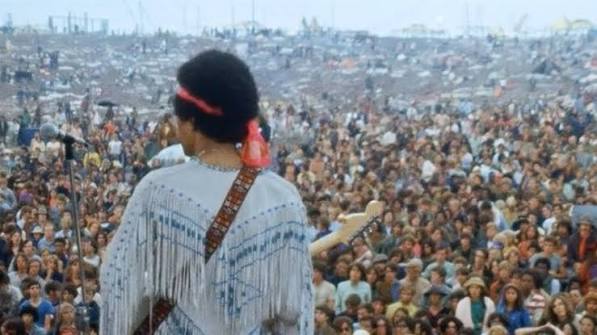
The 10 Greatest Guitar Renditions of “The Star-Spangled Banner”
From Jimi Hendrix's controlled chaos at Woodstock to modern performances by H.E.R., Gary Clark Jr. and Jack White, these guitarists turned America's national anthem into something deeply personal.
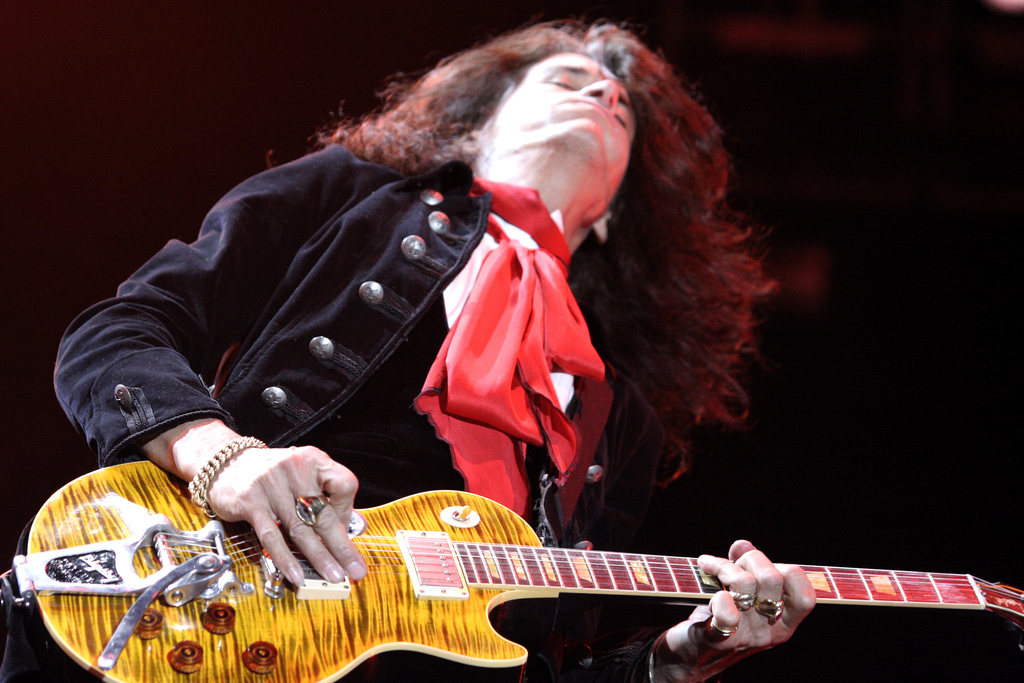
Happy Birthday, Joe Perry: The Riff Machine Who Gave Aerosmith Its Swagger
Joe Perry turns 76 today. From the swampy grind of “Sweet Emotion” to the reunion that saved a band, this is the career of the guitarist who taught American hard rock how to strut.
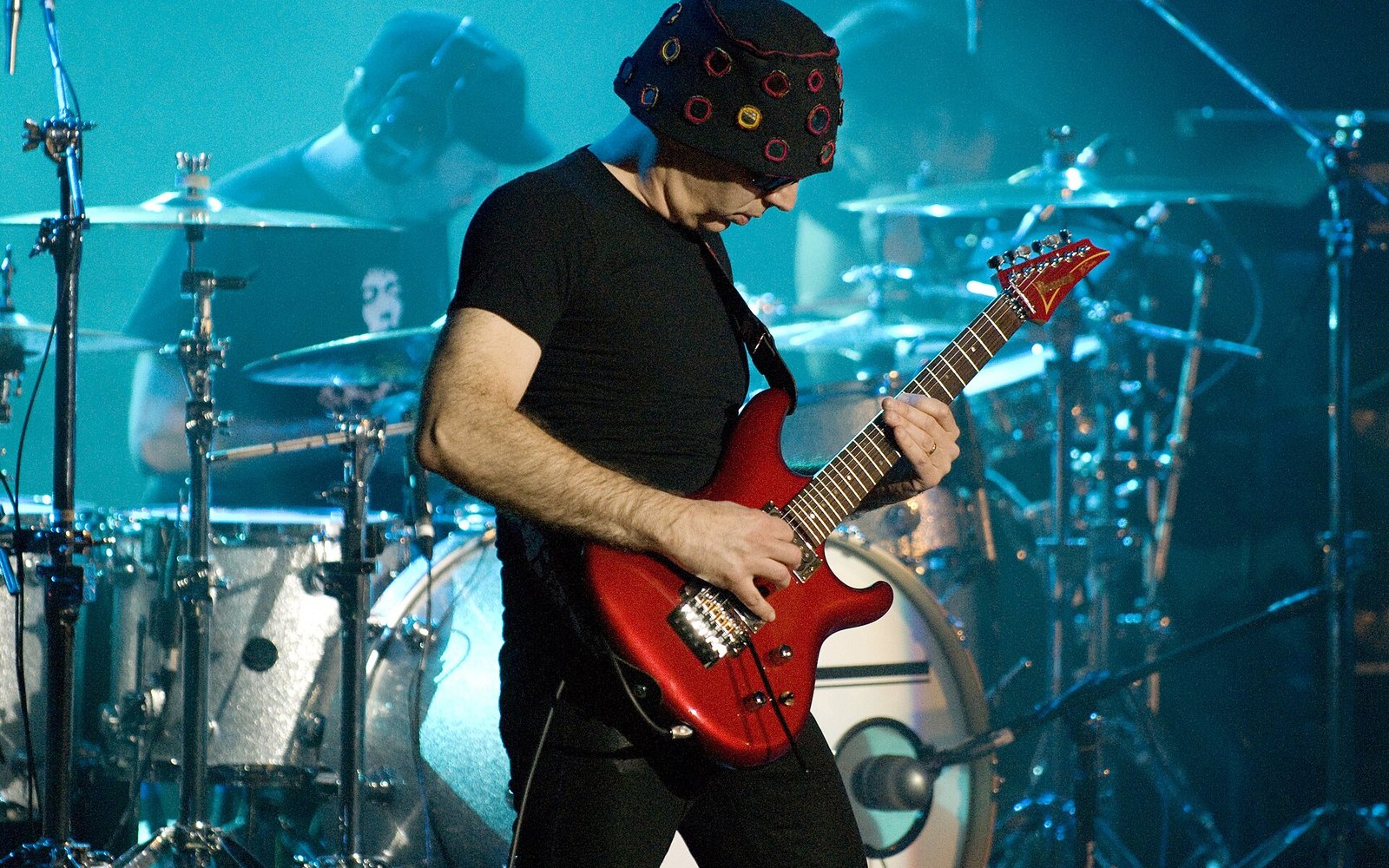
History of the Riff: How Joe Satriani Made “Flying in a Blue Dream” Feel Weightless
An acoustic guitar in an unusual tuning, a stray broadcast and a melody that seems to hang in the air: inside the construction of Satriani’s 1989 masterpiece.