
The Tube Screamer's Inventor Built a Pedal That Adds Harmonics Without Distortion: TWA's $249 Better Box
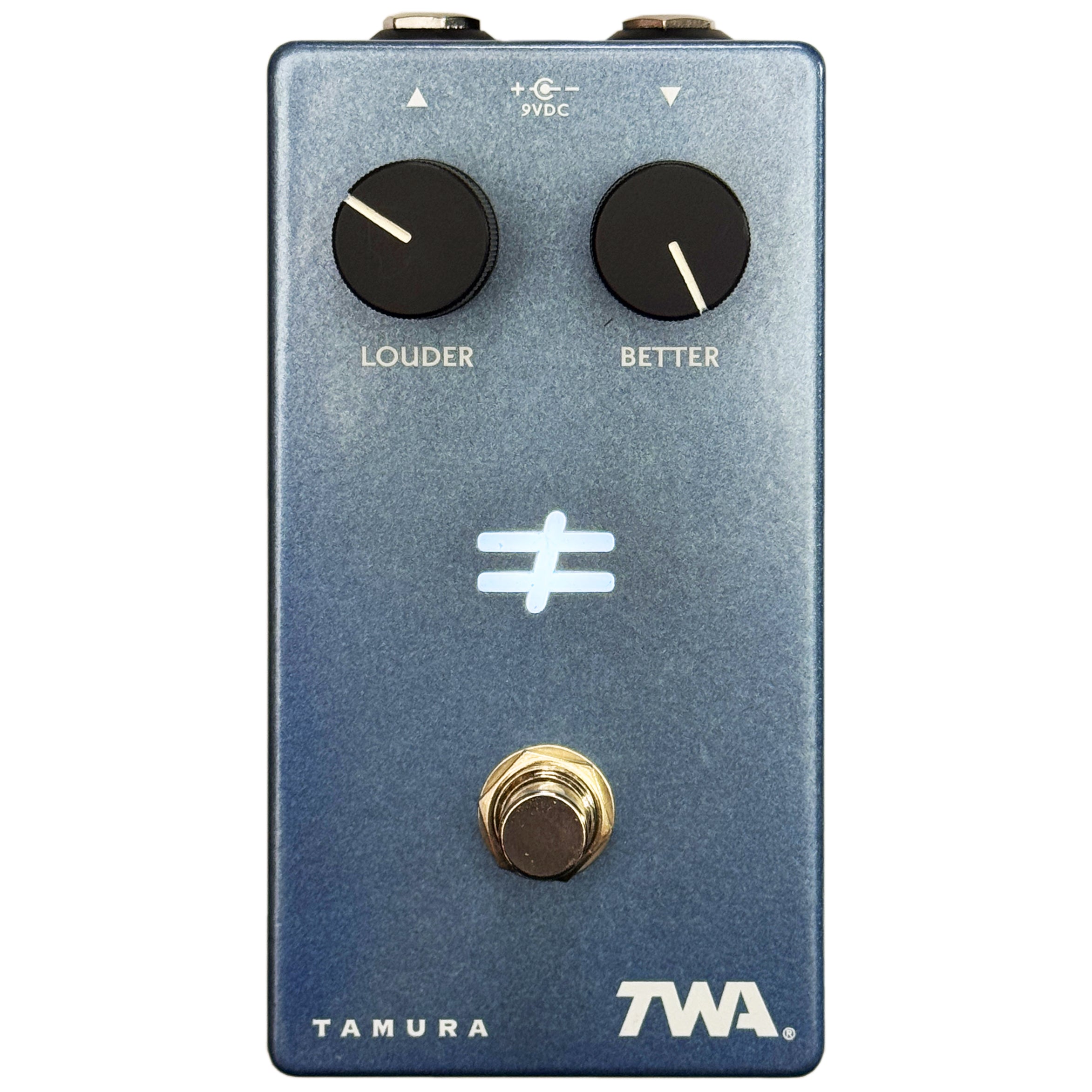
The TWA BB-01 Better Box in official product photography: Louder and Better knobs, top-mounted jacks, and Tamura / TWA branding.
Susumu Tamura designed the circuit that became the Ibanez Tube Screamer. His new TWA BB-01 Better Box, at $249 as of November 24, 2026, is a two-knob clean harmonic booster that aims to add even- and odd-order harmonics without turning into another overdrive. Here is what the official pages actually say.
Most pedals that promise to make a guitar sound "better" do it the old way. They clip the waveform, they lean on a midrange hump, and they sell the result as overdrive. That is not a criticism of the method. It is, in fact, the method that made Susumu Tamura famous. In 1979 he designed the Maxon OD808, the circuit that Hoshino Gakki sold overseas as the Ibanez TS808 Tube Screamer Overdrive Pro, and for more than four decades players have been stepping on that little green box to get a thicker, more mid-forward sound out of a clean or slightly broken-up amp.
The new pedal is not that box. Totally Wycked Audio, or TWA, has released the BB-01 Better Box, a compact two-knob stompbox designed by Tamura and sold as a clean harmonic booster. The official U.S. price, listed on TWA's own product page and on Godlyke's official page, is $249 as of November 24, 2026. TWA's headline on that page is blunt: "No overdrive, No mid-hump, Just your tone—only BETTER!" Guitar World included the pedal in its November 21, 2026 weekly gear round-up, which is how a lot of players will first hear the name. The official record is more useful than a round-up blurb, and it is worth reading carefully, because the claim is unusual and easy to oversell.
This is news, not a bench review. We have not had a Better Box on a pedalboard. What follows is what TWA and Godlyke actually publish about the circuit, how it fits Tamura's longer story from the Tube Screamer to this pedal, and what you can buy now if you want the overdrive he is famous for instead of the booster he has just announced.
Two Knobs, and a Claim That Is Harder Than It Sounds
Official photography of the BB-01 shows a compact metallic-blue enclosure with two black knobs, a single footswitch, top-mounted jacks, and the names Tamura and TWA on the face. The left knob is labeled Louder. The right knob is labeled Better. Between them, official photographs show a not-equal sign that lights when the pedal is on, and a 9-volt DC, center-negative power marking at the top of the case. That is the entire user interface. TWA says the Better control adjusts even- and odd-order harmonic content, and the Louder control adjusts output level.
The harder sentence sits behind those two labels. TWA says the Better Box generates increased even- and odd-order harmonic content without distortion, evens out overall frequency response, and creates a punchy, tight pick attack. Official copy describes a harmonic signature that emphasizes even-order multiples of the fundamental, "with a light dusting of specific odd-order harmonics in the upper registers." The company also says the pedal can be used to push an amplifier input or to drive a long signal chain, and that it can function as a harmonic enhancer, a level booster, a compressor, an EQ, and a preamp. Those are TWA's own categories, not results we have measured.
The technical feature list on the official TWA and Godlyke pages is more concrete. The company says the processing is pure analog, via a new-old-stock OnSemi NE570 compander IC. It says the pedal operates internally at 30 volts for headroom and signal integrity, from a standard 5.5 mm / 2.1 mm tip-negative 9-volt supply, with a Power-All supply recommended. Switching is true bypass. The jacks are top-mounted. Premier Guitar, publishing a compilation of TWA's press materials on November 17, 2026, also listed a maximum boost of +16 dB, 9-volt external DC operation with no battery compartment, and "Hand made in USA." TWA's own product-page feature list, as of November 24, 2026, describes the Louder control as a level booster and confirms internal 30-volt operation, but it does not print that +16 dB figure in the feature list we checked. We are going to treat +16 dB as a figure that appears in TWA's press materials as reported by Premier Guitar, not as a measurement we have made, and not as a number we found on the official product-page list.
A compact two-knob booster is not a new idea. What TWA is trying to separate from the usual "always-on" overdrive is the absence of conventional clipping as the primary effect. "The Better Box was not designed to create an overdriven guitar sound," the official page says. "It was designed to enhance what is already there." The company says it began exploring the idea in 2023, after the SC-01 Source Code overdrive, another Tamura-designed TWA pedal, had already shown how far he was willing to go in adding harmonic content inside an overdrive. An overdrive, TWA argues, still introduces waveform clipping, compression, and a change in frequency response. The Better Box is the attempt to keep the harmonic part and leave the clipping behind.
"Pick harder, and the sound responds with authority. Back off, and the subtle details remain," the official page says. "Change your pick attack, play with your fingers, roll back the guitar volume, or simply alter the way you touch the strings — and those subtle differences all become more apparent." That is a feel claim, and it is the right kind of claim to test on a bench. We have not tested it. TWA's closing line is the one the company wants remembered: "Don't change the way you play - Reveal more of it."
The Engineer Who Did Not Expect a Pedal to Become Vintage
To understand why a clean booster from this particular designer is news, you have to go back to Matsumoto and to a company most American players still do not call by its real name.

Epiphone Les Paul Standard 60s
$699.00 at Guitar Center
Susumu Tamura was hired by Nisshin Onpa in 1974. In a 2013 interview with Kevin Bolembach, published in Premier Guitar, Tamura said he had worked continuously and exclusively for the company for the previous 40 years, and that he had studied electronics at Shinshu industrial high school rather than at a college. Nisshin Onpa, he said, began as an electric guitar pickup company, started making pedals as OEM projects, and from 1971 sold effects under its own Maxon brand. Tamura's first complete design was the Phase Tone PT999. He had already redesigned circuit boards for booster and wah pedals before that. In a later interview with Art Thompson of Guitar Player, published in July 2023, Tamura said he also designed an earlier overdrive, the OD880, which was used by the Japanese guitarist Char, and that he could not play the guitar — "same as Leo Fender" — though he could tune one.
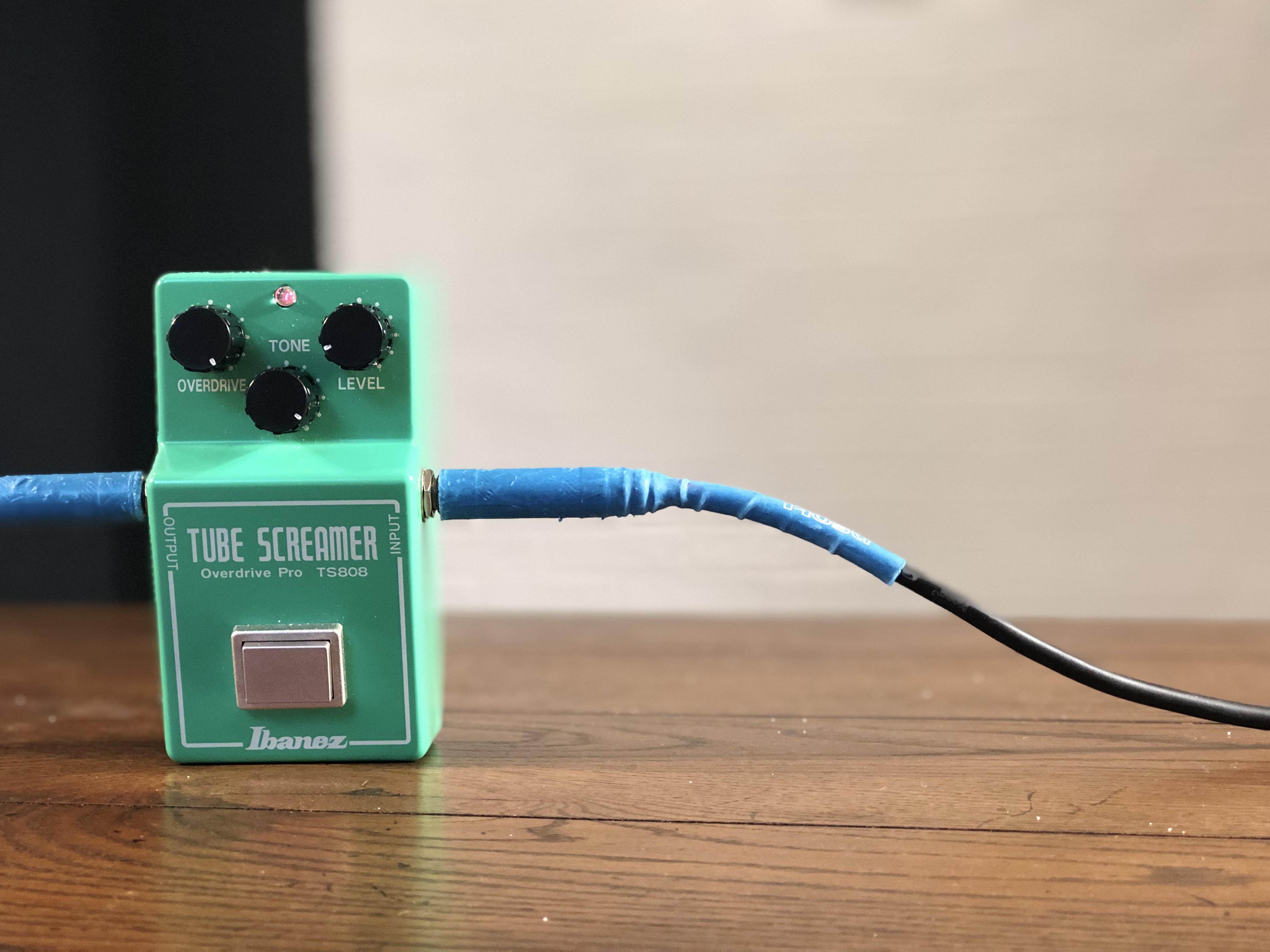
The 808 arrived because Maxon needed a product, not because anyone in the room thought they were inventing a standard. "We simply had to come up with a pedal to compete with the BOSS OD-1 Overdrive and MXR Distortion+," Tamura told Bolembach in 2013. "From our view... the initial product concept was not viewed as 'special.'" The design goal, as he later described it to Guitar Player, was not the overdrive effect alone but "the sound of the guitar amplifier and overdrive pedal combined." He wanted a softer distortion that left the original sound of the guitar in place, and he wanted picking nuances to survive the circuit. He voiced the work on Fender tube amps, specifically a 1968 Fender Twin Reverb and a Vibrolux Reverb, and occasionally a Marshall 1959 Super Lead. The midrange emphasis that players now call the Tube Screamer's "mid hump" was, in Tamura's 2013 account, a conscious choice: by controlling the "wild bass volumes" of period fuzz and distortion, and the "jarring overtones" of the upper register, Maxon arrived at a "boxy" tone that worked with both Les Paul-style and Stratocaster-type guitars.
The Japanese version was the Maxon OD808 Overdrive Pro. Maxon, Tamura told Guitar Player, did not then have the ability to export on its own, so overseas versions went out under Hoshino Gakki's Ibanez brand, or under the U.S. Buyers brand, with "the same circuit and the same specifications." The Ibanez name was the TS808 Tube Screamer Overdrive Pro. The name, Tamura said, came from Sammy Ash of the Sam Ash family. During a visit to the West 48th Street store in Manhattan, Tamura had brought a prototype of the Micro Teacher Mini Amp GA-10. When he connected the little amp's external speaker terminal to a guitar amplifier, it "suddenly made a screaming sound." Sammy Ash asked whether Tamura knew how the Cry Baby got its name, then said, "This sounds like a screaming tube amp." When the OD808 was born, the Ibanez version was named the Tube Screamer Overdrive Pro.
The op-amp story, which still occupies a surprising amount of internet oxygen, is more ordinary in Tamura's own telling. He evaluated expensive imported chips, including the Fairchild UA741, before the UA1458 was adopted for the earliest narrow-case OD808 and TS808 pedals. Several years later the circuit was remodeled to use the Raytheon RC4558, which he said had improved audio characteristics, and later lots used the RC4558, the JRC NJM4558, or the Texas Instruments TI RC4558 depending on production. He also designed the successor OD9 and TS9, and he told Guitar Player that he worked on most of the pedals Maxon released from 1974 to around 1985, including distortion, auto wah, compressor, analog and digital delay, and the Digitally Controlled Processor series. Maxon continued to supply Ibanez until 2003. "Until we shut off the product supply from Maxon to Ibanez in 2003," he said, "there were some models with different names and designs, but the contents were basically the same."
He did not see the afterlife coming. "When designing it, I did not dream that the 808 would become so famous," he told Guitar Player in 2023. "At the time, if a guitar was considered vintage, it received high evaluation, so I was jealous of the guitar. I never thought that a pedal would ever be considered vintage." By 2013, Bolembach — who has worked with Tamura since 1999 on Maxon designs, and who is the figure behind Godlyke and TWA — reported that promotional muscle from Godlyke and Hoshino, plus the famous players who used the circuit, had helped ship 350,000 units of the various 808 models. In April 2013, Tamura turned 60 and retired from Nisshin Onpa.
We have already told the longer Ibanez-side story, including the TS808 and TS9 differences that players still argue about, in our Ibanez Tube Screamer history. The point of repeating Tamura's own account here is narrower. The man who is now selling a pedal called Better spent the middle of his career solving a different problem: how to get a solid-state circuit to feel like a guitar, a pedal, and a tube amp working together, without erasing the guitar. The Better Box is him asking a related question in the opposite direction. If the 808 added harmonics by overdriving, can a later circuit add harmonics without doing that?
From the Green Box to a Blue One
TWA is not a random boutique name that licensed Tamura's signature. The company's official Better Box page treats the SC-01 Source Code as the immediate predecessor, an overdrive "designed to enhance harmonic content and translate the subtle nuances of a guitarist's picking into a richer, more expressive sound," and then draws the line: "but an overdrive is still an overdrive." Guitar World, in its November 18, 2026 news item on the Better Box, called the new pedal TWA's first major drop since the Source Code late the previous year. The Better Box is the clean counterpart in that pair, built, TWA says, around a different idea than the op-amp-and-clipping recipe that defined the 808.
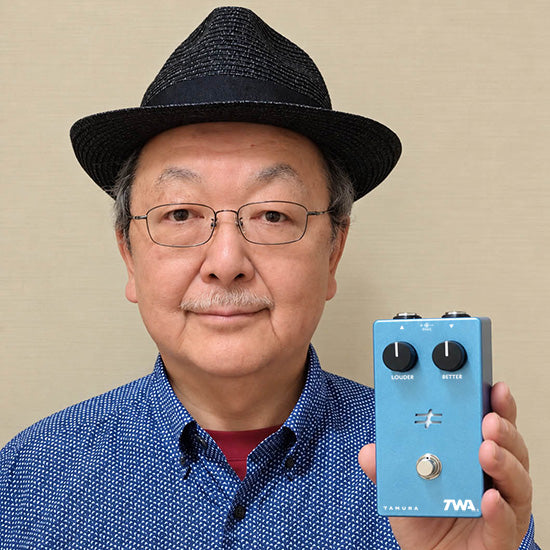
Official photography released with the pedal includes a portrait of Tamura holding a Better Box, credited as manufacturer photography on TWA's and Godlyke's product pages. It is a useful picture because it makes the continuity visible: the same engineer, a much later box, two knobs instead of the Tube Screamer's three, and a finish that is metallic blue rather than green. The graphics on the official unit include the Tamura name on the lower left and TWA on the lower right. The company notes, on the same pages, that regular production pedals will not be signed by Tamura, and that signed units have been offered separately on Reverb.
The Tube Screamer remains the comparison everyone will make, and it is the right comparison only if you keep the jobs straight. A TS808 or a TS9, with the drive down and the level up, is already a common way to push a clean amp or to tighten a high-gain amp, which is why so many metal and blues players treat a Tube Screamer as a booster that still has a midrange personality. The Better Box's official pitch is that it does not have that mid-hump and does not add overdrive. If that holds up on a board, it is a different tool. If it does not, it is another always-on box with a confident name. We are not in a position to settle that, and TWA should not be expected to settle it in a product paragraph.
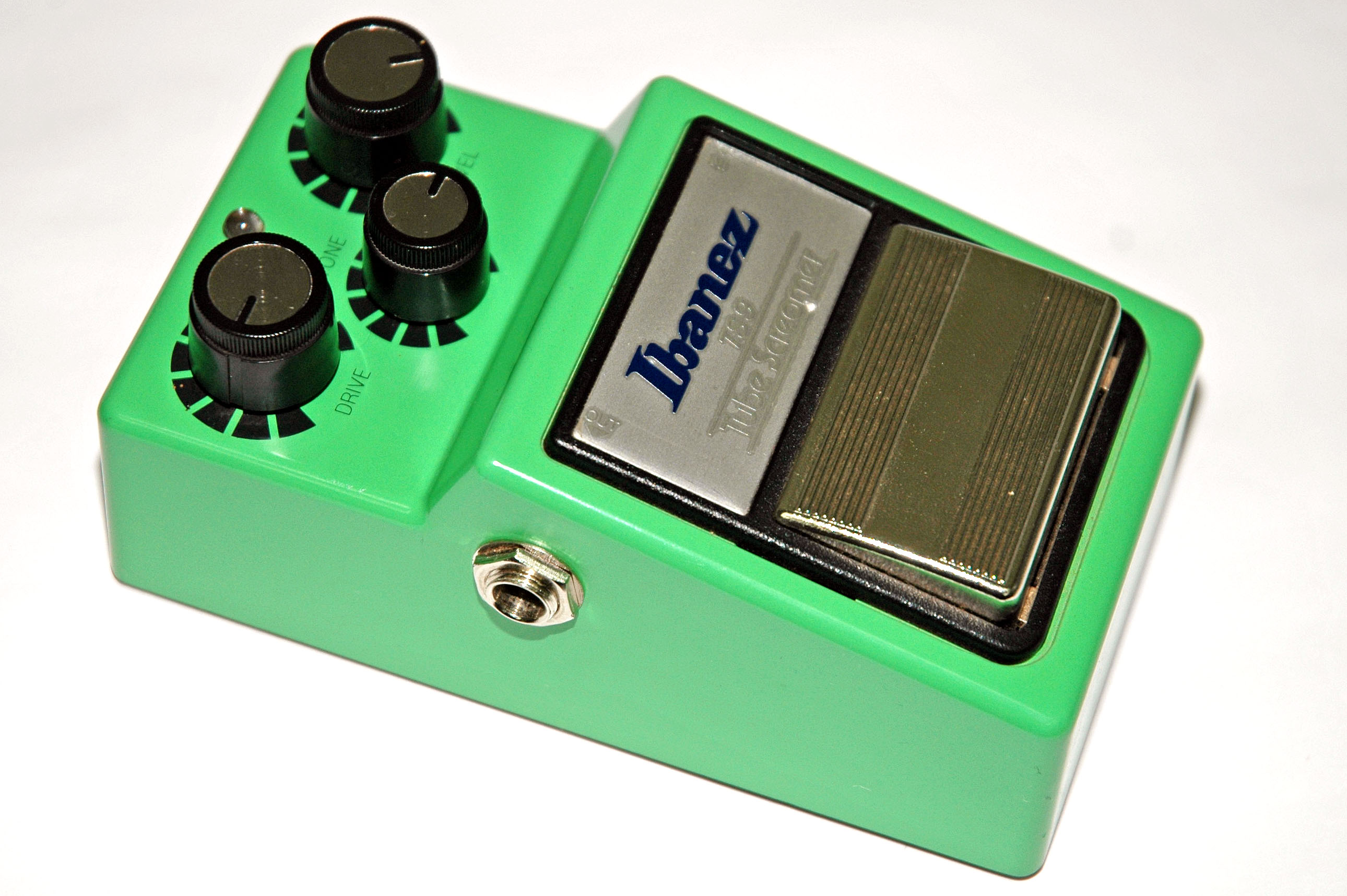
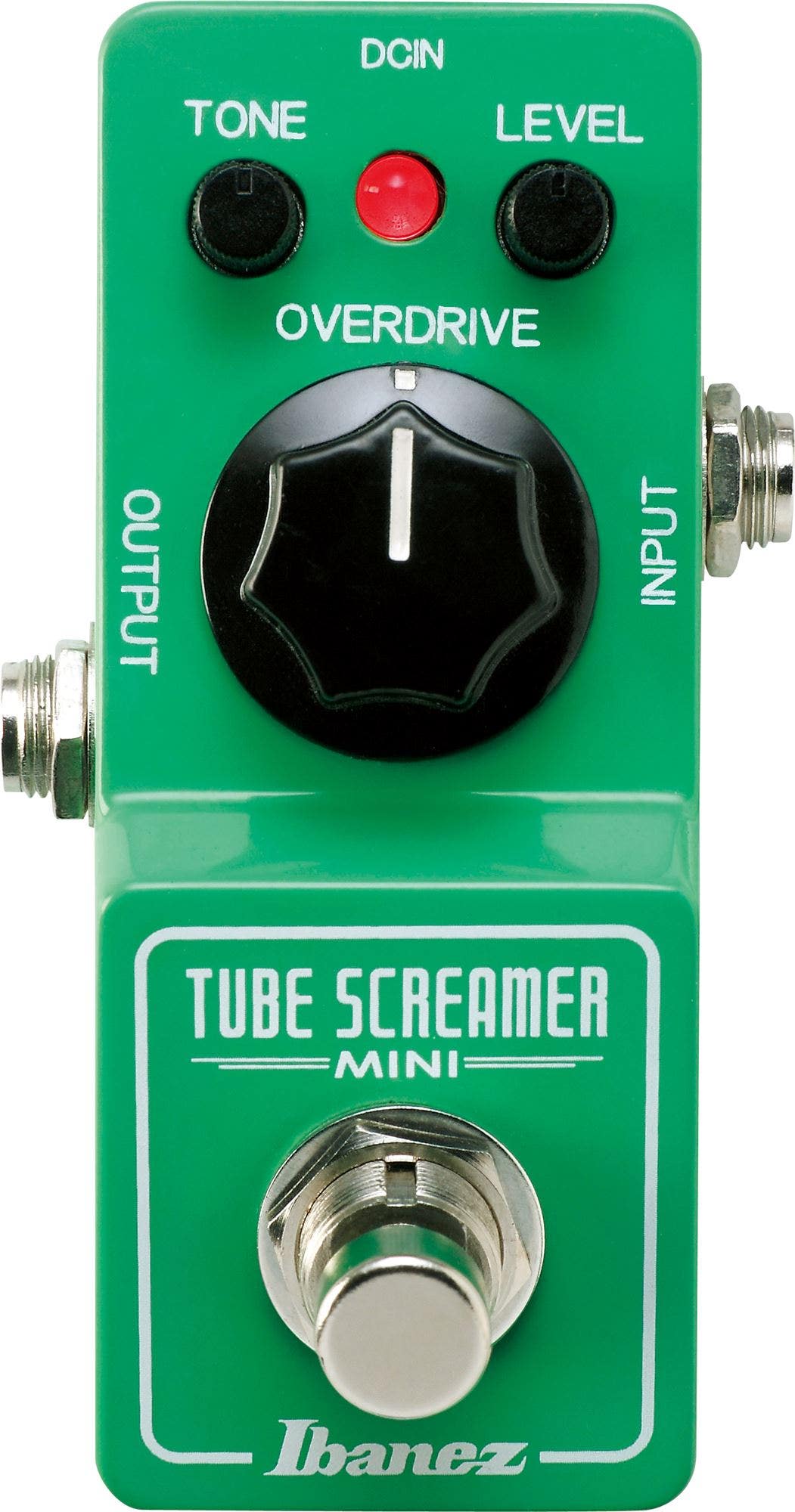
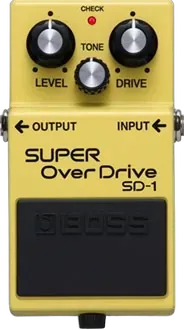
Players who want the older tool still have it. The Ibanez TS9 (Guitar Center) and the Tube Screamer Mini (Guitar Center) are current production descendants of the circuit Tamura designed, and they are the honest "if you actually want a Tube Screamer" alternatives. A Boss SD-1 Super OverDrive (Guitar Center) is the other classic mid-forward overdrive in the same conversation, the pedal Tamura was originally asked to compete with in spirit, if not as a direct copy. A Boss BD-2 Blues Driver (Guitar Center) is a different overdrive recipe that a lot of players also use as a low-gain always-on. Those are not Better Boxes. They are the overdrive side of the fork in the road.
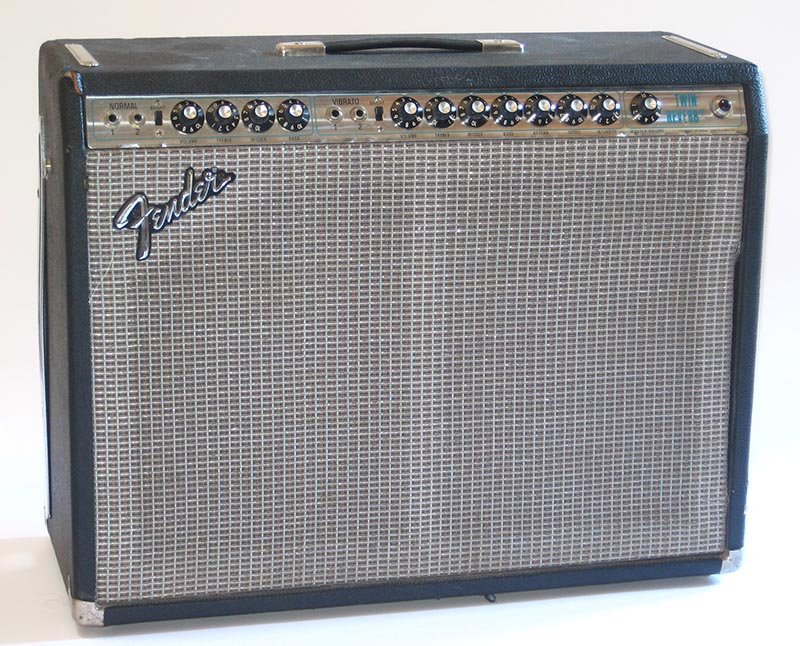
Tamura voiced the 808 on a 1968 Twin Reverb. A later Twin Reverb, such as a 1973 example, is not that exact amp, but it is the family of clean, headroom-rich Fender tube amps the original circuit was meant to sit in front of. If the Better Box is aimed at players who already like that kind of clean platform and do not want to give it up, that is the historical through-line, not a promise about how the new pedal will sound on one.
Price, Batches, and What You Can Order Today
As of November 24, 2026, TWA's official product page lists the BB-01 Better Box at $249, and the page's available pre-order variant is "Batch 3—ships after December 16th." Batch 1 is sold out. Batch 2, which the same official page says would have shipped after December 7, is also sold out. Guitar World's November 18 item said units were priced at $249 and that they were shipping on November 24, which matches the original Batch 1 language that still appears in older page copy, including a line about pre-ordering "for November 24th shipment." The current official inventory, checked today, is Batch 3, with a ship date after December 16, 2026. If you are ordering one, that is the date to go by, not the earlier batch.
Godlyke, which distributes TWA, lists the same pedal on its official site. A European Godlyke listing we opened showed a euro price; the U.S. figure we are using is the $249 official price on TWA's own page, dated November 24, 2026. We did not find a Guitar Center or American Musical Supply product page for the Better Box today, so we are not going to invent a big-box street price. Official channels, as of this writing, are TWA and Godlyke, plus the signed Reverb units the company has pointed to separately.
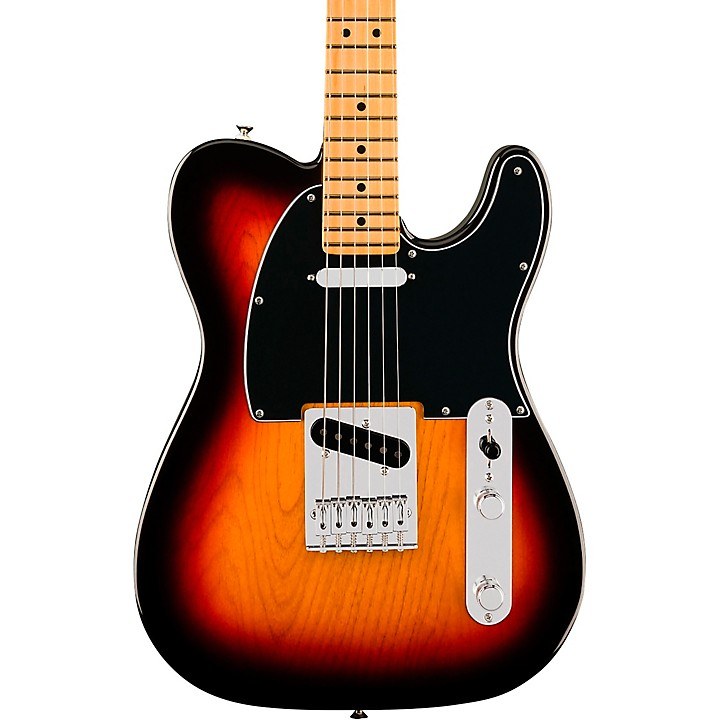
Fender Player II Telecaster
$849.99 at Guitar Center
A $249 official price puts the Better Box in boutique-booster territory rather than in the impulse-pedal bin. It is several times the typical street neighborhood of a new TS9 or a Boss SD-1, which is another reason the claim has to be different from "it is a Tube Screamer." You are not being asked to replace a green overdrive at overdrive money. You are being asked to pay for a two-knob analog harmonic tool that TWA says will not do the thing the green box is famous for.
What We Are Not Going to Tell You Yet
We have not played the Better Box, so we cannot tell you whether the Better knob is subtle or dramatic, whether the Louder control stays clean at the top of its range, whether the NOS NE570 circuit is quiet, or whether the pedal earns an always-on spot in front of a clean amp, a driven amp, or already-distorted pedals. TWA says it can add harmonic richness to distorted tones as well as to clean and edge-of-clean sounds. That is a wide claim. It should be tested, not repeated as a conclusion.
We also cannot tell you how long Batch 3 will remain available, or whether later batches will keep the $249 official price. TWA's own pages already show how quickly the first two batches sold through. The signed Reverb units are a separate product story, and the unsigned production pedal is the one described here.
What the official record supports, on November 24, 2026, is specific enough to take seriously. Susumu Tamura, the engineer who designed the Maxon OD808 and, through Hoshino's Ibanez brand, the TS808 Tube Screamer, has a new TWA pedal called the BB-01 Better Box. It is a clean harmonic booster with a Better knob for even- and odd-order harmonics and a Louder knob for output, true bypass, top-mounted jacks, analog processing built around a NOS OnSemi NE570, and internal 30-volt operation from a standard 9-volt tip-negative supply. TWA says there is no overdrive and no mid-hump. The official U.S. price is $249. The current official pre-order batch ships after December 16, 2026. It is handmade in the USA, according to TWA's press materials as reported by Premier Guitar. It is not a Tube Screamer, and it should not be bought as one.
If you want the story of the green box that made this blue one newsworthy, the Ibanez Tube Screamer history is already up. For the rest of the news desk, Guitar News / Music Releases is the queue.
Similar gear
These are similar options and substitutes, not the artist's exact gear or an endorsement by the artist.
- Ibanez TS9 Tube Screamer (Tamura's famous overdrive circuit; not the Better Box)Compare prices at Plugged Gear Co.
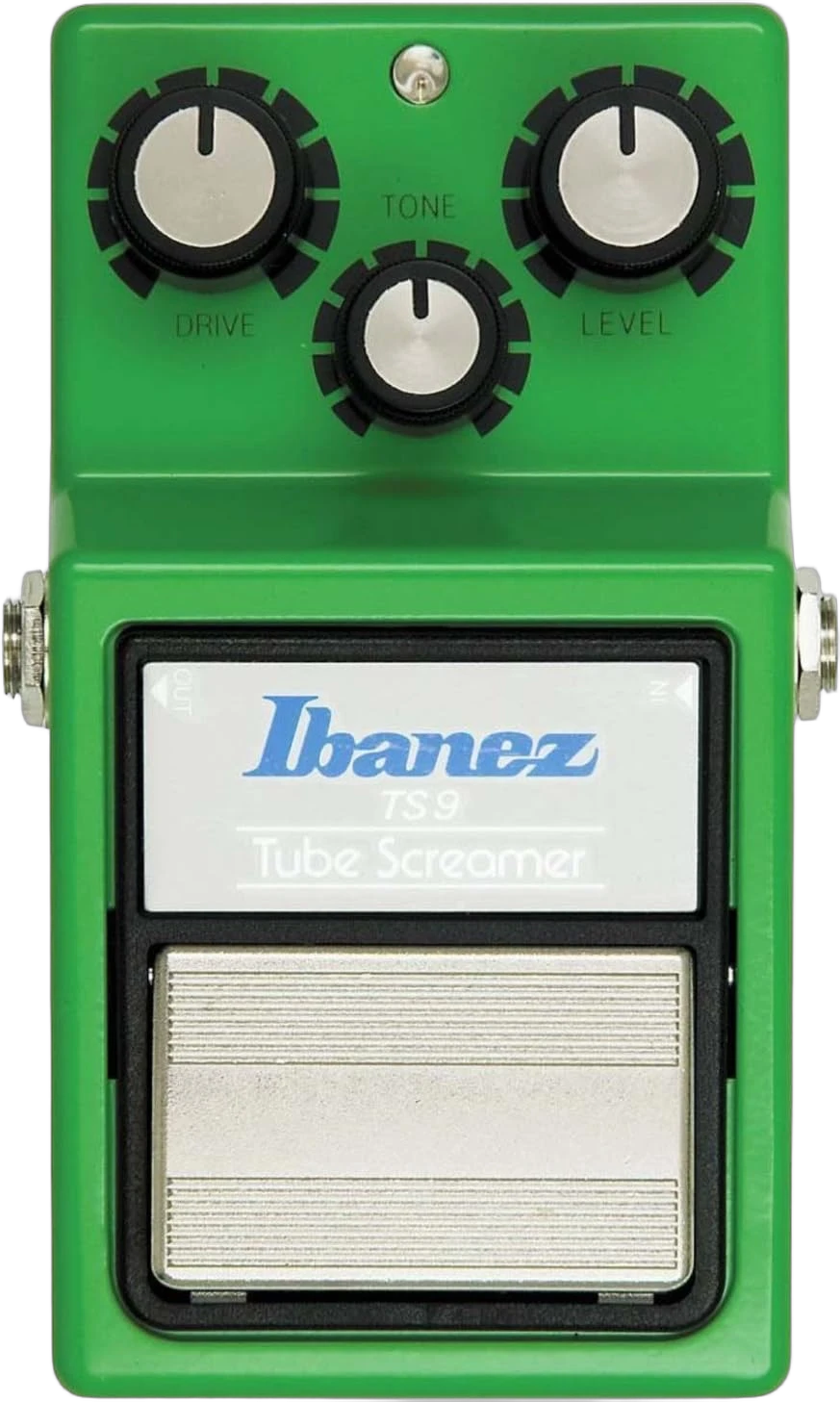
- Ibanez Tube Screamer Mini Overdrive Guitar Pedal (a compact Tube Screamer; not the Better Box)Compare prices at Plugged Gear Co.
- BOSS SD-1 Super OverDrive (a classic mid-forward overdrive; not the Better Box)Compare prices at Plugged Gear Co.
- BOSS BD-2 Blues Driver (a different overdrive recipe; not the Better Box)Compare prices at Plugged Gear Co.

Plugged Gear Co., Guitar Center and American Musical Supply links may earn us a commission from qualifying purchases.
Reader-supported
Keep Guitar Alive
Enjoyed this story? The Guitar Plugged is free to read and reader-supported. If it helped you play, listen or buy a little smarter, chip in to keep guitar journalism like this coming.
One-time contribution, processed securely by Stripe. Contributions are not tax-deductible.
Experience-driven coverage, not algorithm bait.
- 20+ years of guitar playing experience
- Real-world retail experience at Guitar Center
- Thousands of hours testing guitars, amps, and pedals
- A community of 50,000+ guitar enthusiasts across platforms
- Partnerships with Fender, DistroKid, TrueFire, Card Chords, and Enya
- Editorial standards published openly — see how we test gear
The Modern Guitar Magazine. Delivered to your inbox.
No spam. No gimmicks. Just great guitar content — stories, tones, iconic solos, and honest gear takes. Every week.
Ask GP
20 free questions a dayStill curious? Ask GP about this story.
Your personal classic-rock and guitar guide — ask anything about The Tube Screamer's Inventor Built.
Discussion (0)
Sign in to join the discussion.
Sign in to commentLoading comments…
Discover another guitar story
Swipe through our latest features, breaking news and iconic solos — one story at a time.
Open Swipe →More Guitar News
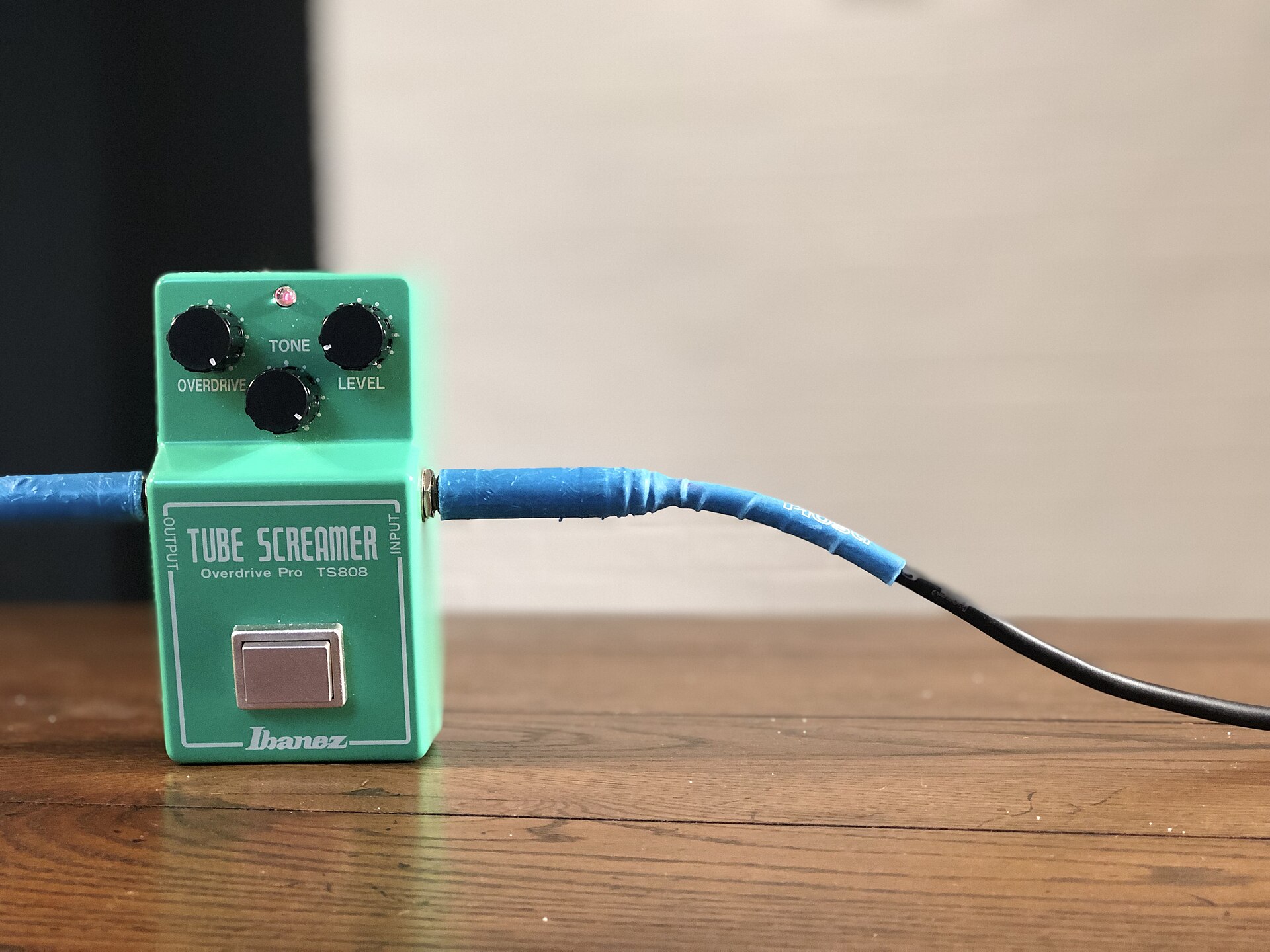
The Ibanez Tube Screamer: How a Little Green Box Built to Compete Became the Pedal Everyone Copies
How a Maxon engineer's answer to the Boss OD-1 became the Ibanez Tube Screamer, why the TS808 vs TS9 debate never ends, and what SRV really used.
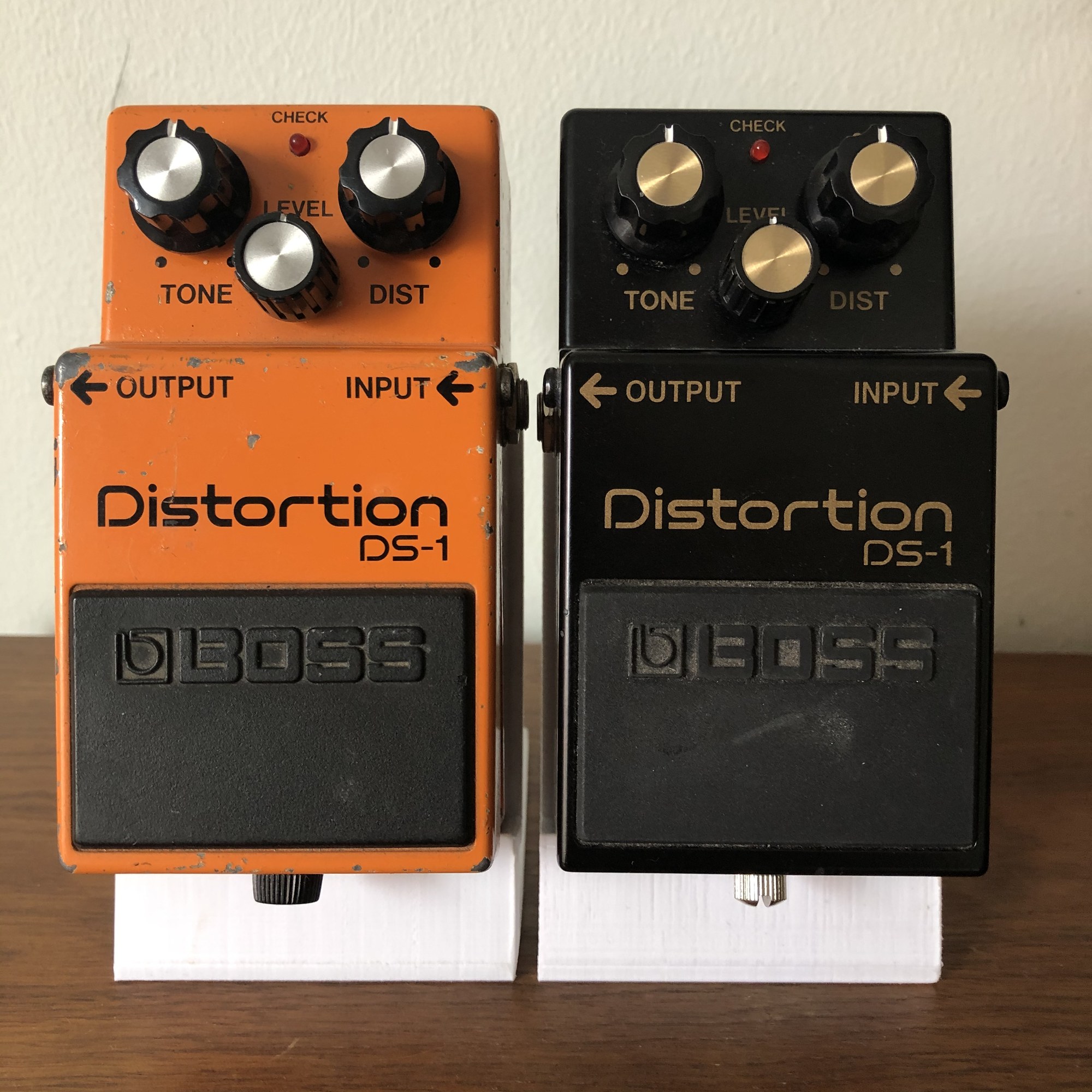
Boss DS-1 History: The Orange Box That Defined Distortion
The Boss DS-1 history from its 1978 debut to the Waza Craft DS-1W: the circuit, the chip changes, the mods, and the players who made the orange box famous.
The RAT Started With the Wrong Resistor: The Real ProCo RAT History
The ProCo RAT was born from a wrong resistor in a Kalamazoo basement. Here's how it went from 11 hand-built boxes to Beck, Nevermind, and your pedalboard.
Eric Johnson Tone Decoded: Rig, '54 Strat, Pedals & Picking
Eric Johnson just walked Guitarist through his touring rig for the first time in 13 years. Here's how the three-amp setup, the '54 Strat, the pedals and his picking hand add up to the most-studied lead tone in instrumental rock, and how to get close today.